What historical fiction allows is [to imagine] what’s between the lines of history, what the historian is forbidden to do.
— William Kinsolving
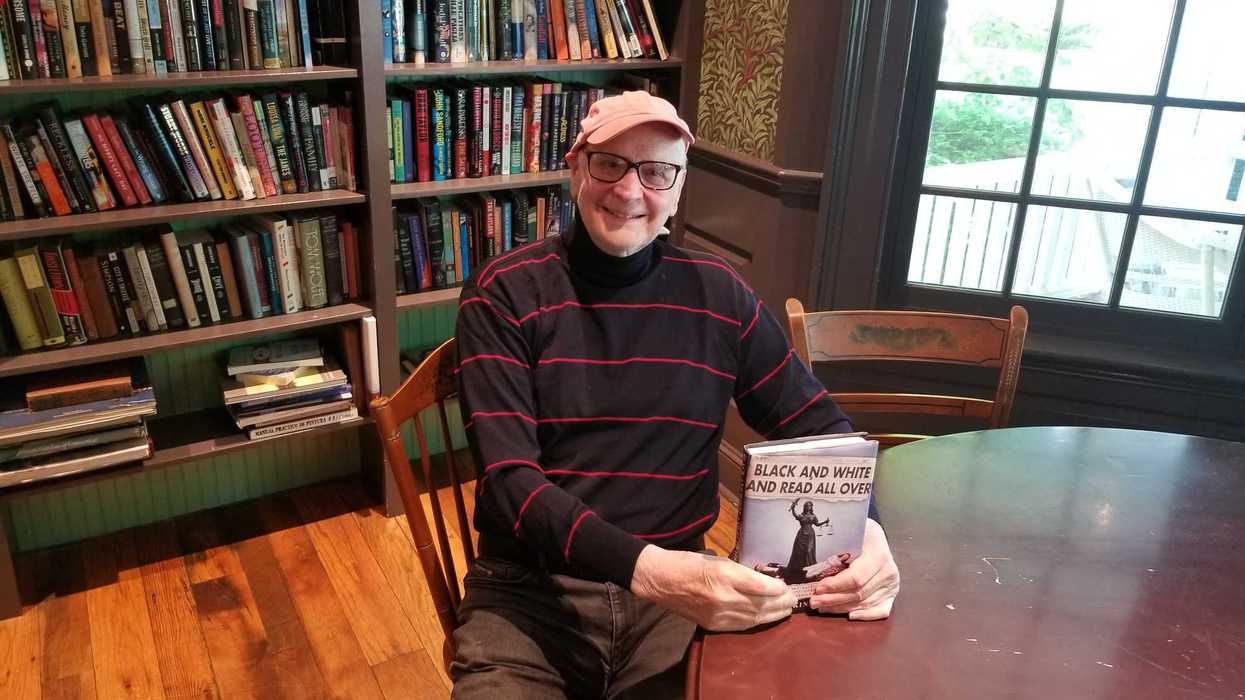
A century ago, the infamous case of Rhinelander v. Rhinelander, also known as the Rhinelander Affair, shook American society. The trial pitted mixed-race maid Alice Jones against the Rhinelanders, one of New York’s oldest and most powerful old-money families, drawing national attention. Now, 100 years later, the trial and the lives of those involved are brought back into focus in new ways in William Kinsolving’s latest novel, “Black and White and Read All Over.”
The book explores the dynamics of power and privilege within a deeply racist and classist society through the lens of what the author describes as “a uniquely American Cinderella love story done in by money and family power.”
It’s important to note that this book is not a biographical account of the Rhinelander Affair, nor does it pretend to be. Instead, it is openly and proudly a work of historical fiction that, rather than being restricted by the historical facts of the events it covers, integrates them into a story focused on the imagined emotions and inner lives of Alice Jones and her family. When asked about this creative decision, Kinsolving said that “what historical fiction allows is [to imagine] what’s between the lines of history, what the historian is forbidden to do.”
The book uses fiction to fill the gaps that court records and New York Times articles do not cover, and in doing so breathes new life into this slice of history. The result is a compelling love story between two people brought together by chance and torn apart by forces of race, class and power beyond their control, alongside a moving portrait of a family’s resilience in the face of a legal system designed to work against them.
One of the core aspects of “Black and White and Read All Over” is its examination of the racism and class politics that defined the period in which the book is set. Because of its subject matter, the book’s central conflict is inherently intertwined with the society of the early 20th century, a time when old-money families held enormous influence in New York and the now-infamous one-drop rule — which classified anyone with African ancestry as Black — shaped racial identity and social standing. The novel leans into this reality, making the Jones family’s status as a working-class, mixed-race household a prominent aspect of their identity and contrasting them with the white, aristocratic Rhinelander family, who serve as embodiments of the privileges and prejudices that dominated society.
The book uses Alice’s experiences, as well as those of her family, to show firsthand the realities of living in a white supremacist society and under a legal system dominated by wealth — realities that will likely resonate with many readers a century later.
Ultimately, “Black and White and Read All Over” is an engaging and thought-provoking novel that uses a tragic love story rooted in history to examine the enduring roles of race, class and power in American society.
For more about the author and to order the book, visit williamkinsolving.com

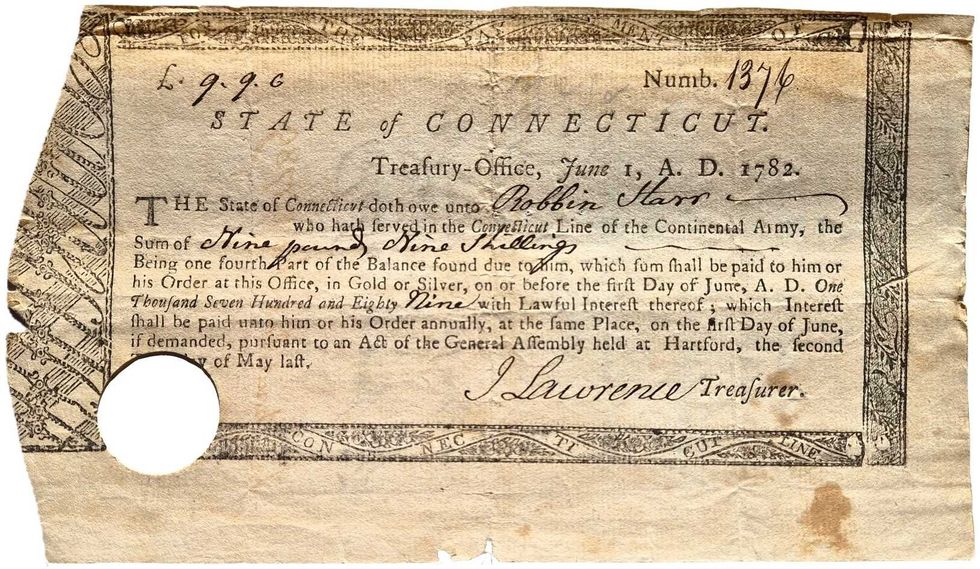 Pay Bill for Robin Starr’s service in the Continental Army.Courtesy the Alex Breanne Corporation
 John Mills speaking at Quinnipiac University.Courtesy the Alex Breanne Corporation
 Stephanie Saetta,with her rescue dog George and Blue (left), a shepherd mix awaiting his forever home.Madi Long
 Blue, a 7 year-old Shepard mix, is waiting for his forever home. Madi Long