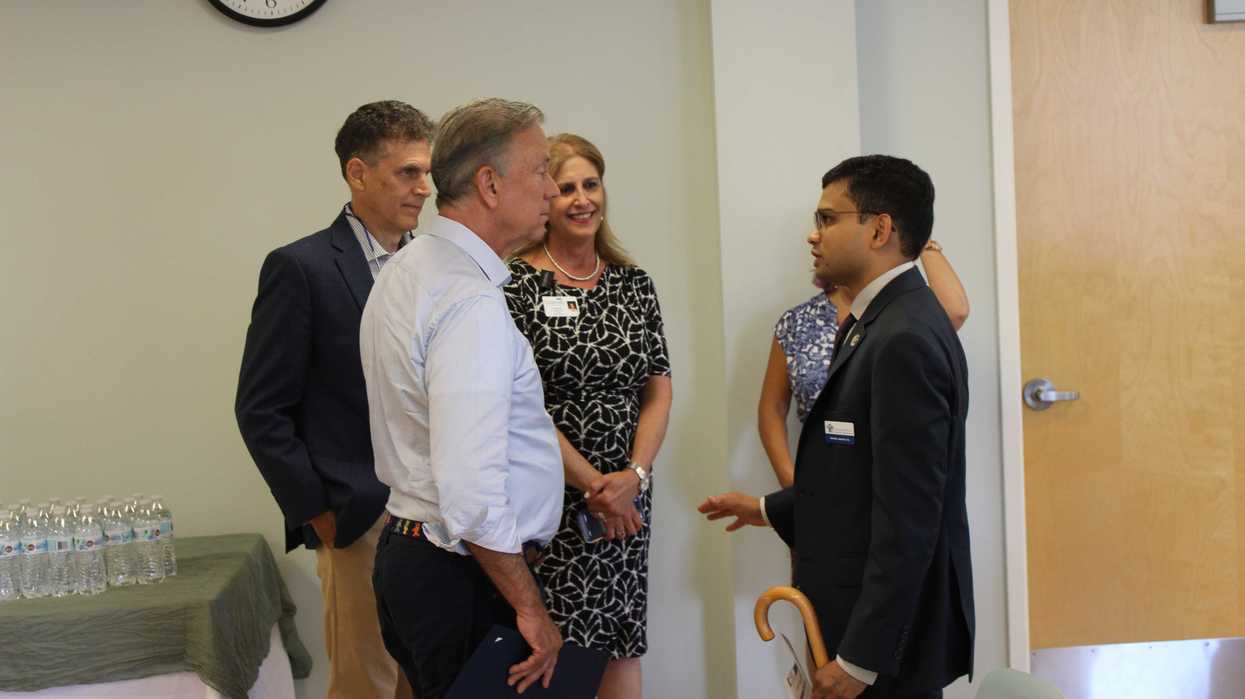
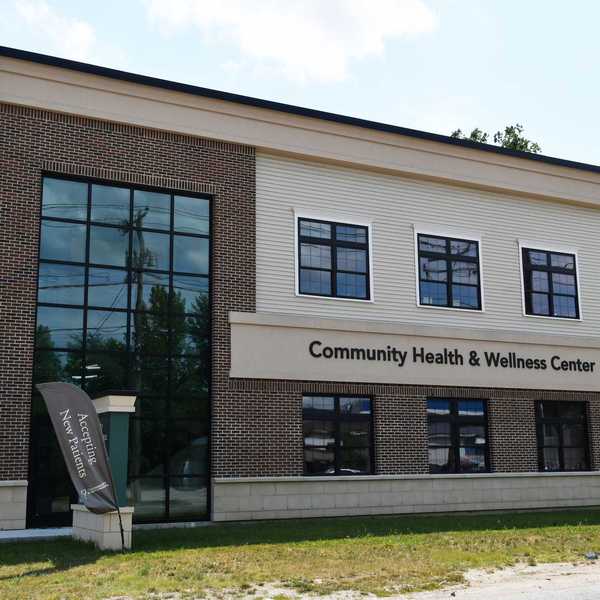
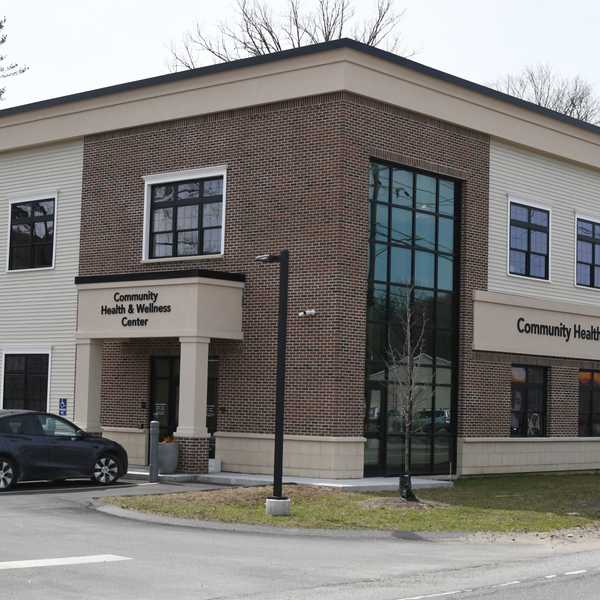
TORRINGTON — Rural health care continues to pose unique challenges, but the Northwest Corner’s Community Health and Wellness Center (CHWC) is ready to take them on, said the organization’s CEO, Joanne Borduas, during a recent visit from Gov. Ned Lamont.
The governor was joined by public health officials at CHWC’s headquarters on Thursday, Aug. 6, for a brief conference in recognition of National Health Center Week, an annual celebration of the approximately 1,500 Federally Qualified Health Centers across the country. CHWC’s three locations – Torrington, Winsted and North Canaan – are among that group, offering sliding-scale payments regardless of insurance status. The CHWC serves as the only primary care provider for many in the region, especially those in lower income brackets.
Also present were Sen. Paul Honig (D-CT), Dr. Mandar Jadhav, of the National Association of Community Health Centers, Deb Polun, of the Community Health Center Association of Connecticut, Lisa Ferris, of the United Way of Northwest Connecticut and Petra Clark-Dufner, of the University of Connecticut’s Area Health Education Center Network.
During her opening remarks, Borduas said there was much to celebrate, including the recent reinstatement of CHWC’s dental practice after losses forced its suspension last year. However, challenges remain, she said.
One, Borduas said, is a misconception among policymakers that affluent areas do not need services.
“Sometimes there’s a misconception when you talk about areas that are considered a bit affluent — that there’s no need, they don’t need services,” she said. “So not true.”
Lamont said his experience lobbying in Washington for federal health care funding has been similar.
“We had to go talk to Dr. [Mehmet] Oz,” Lamont said, referring to the administrator of the U.S. Centers for Medicare and Medicaid services since 2025. “He said, ‘You know, I thought you were a couple of big cities and a lot of leafy suburbs.’ And I said, ‘I don’t think you understand Connecticut.’”
Connecticut ultimately received $154 million in 2026 through the new federal Rural Health Transformation Program and is expected to receive additional funding annually through 2030. The state will disburse the funds to providers and programs through grants.
Borduas said CHWC will focus on four key challenges unique to Northwest Corner health care as the federal funds are rolled out: transportation and geographic isolation, workforce recruitment, digital infrastructure and an aging population.
“The Northwest Corner is probably, I’ll be biased again, one of the most beautiful parts of the state,” she said, “but it is lacking in resources, and probably our biggest barrier here is the lack of public transit.”
Addressing transportation is a key priority for the organization, Borduas said, including through the organization’s mobile unit BETTY — “Bringing Exceptional Treatment to You ”— which brings services directly to patients.
BETTY was outside the Torrington facility accepting school supplies for children in need. Donations will be distributed to students at the Torrington Police Activities League’s 19th annual school supply event at Coe Memorial Park on Aug. 15 from 9 a.m. to 1 p.m.
Some supplies will be reserved for the CHWC’s school offices, some of which are located at HVRHS, North Canaan Elementary School and Sharon Center School.
Borduas also emphasized telehealth and the need to care for the region’s aging population.
“These folks want to age at home,” she said. “We need to make sure we can care for them so that they can do so with dignity.”
Overall, Borduas said she hopes to use the funds across these initiatives to “forge ahead” by enhancing and expanding the vital services CHWC provides.
Honig, a Harwinton resident, said he recognizes the organization’s importance to the region. “I have personal experience with this area being a primary care desert,” he said.
Jadhav, who serves as a liaison in Washington for the 1,500 Federally Qualified Health Centers across the nation, offered final remarks.
Despite impending cuts to Medicaid, he said, “this is a good year to celebrate.” He reported that FQHCs have moved from a negative to positive margin, “and that’s because you are innovative.”






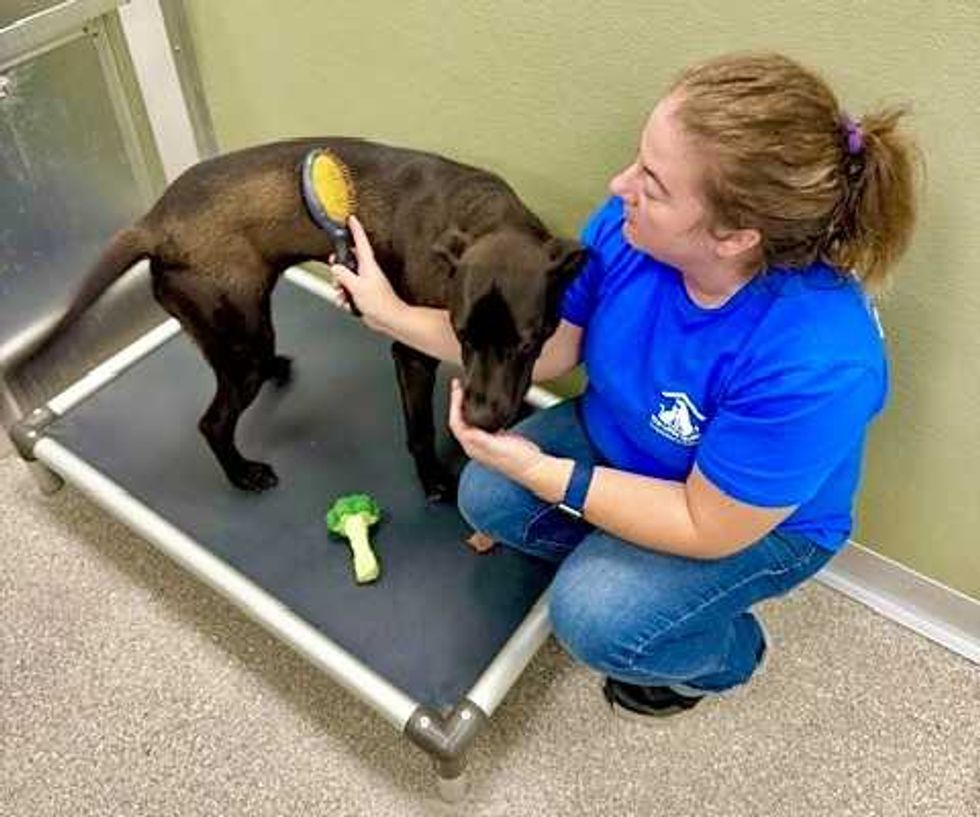 Tiffany Lemelin, shelter manager, brushing Marsala upon arrival.Provided
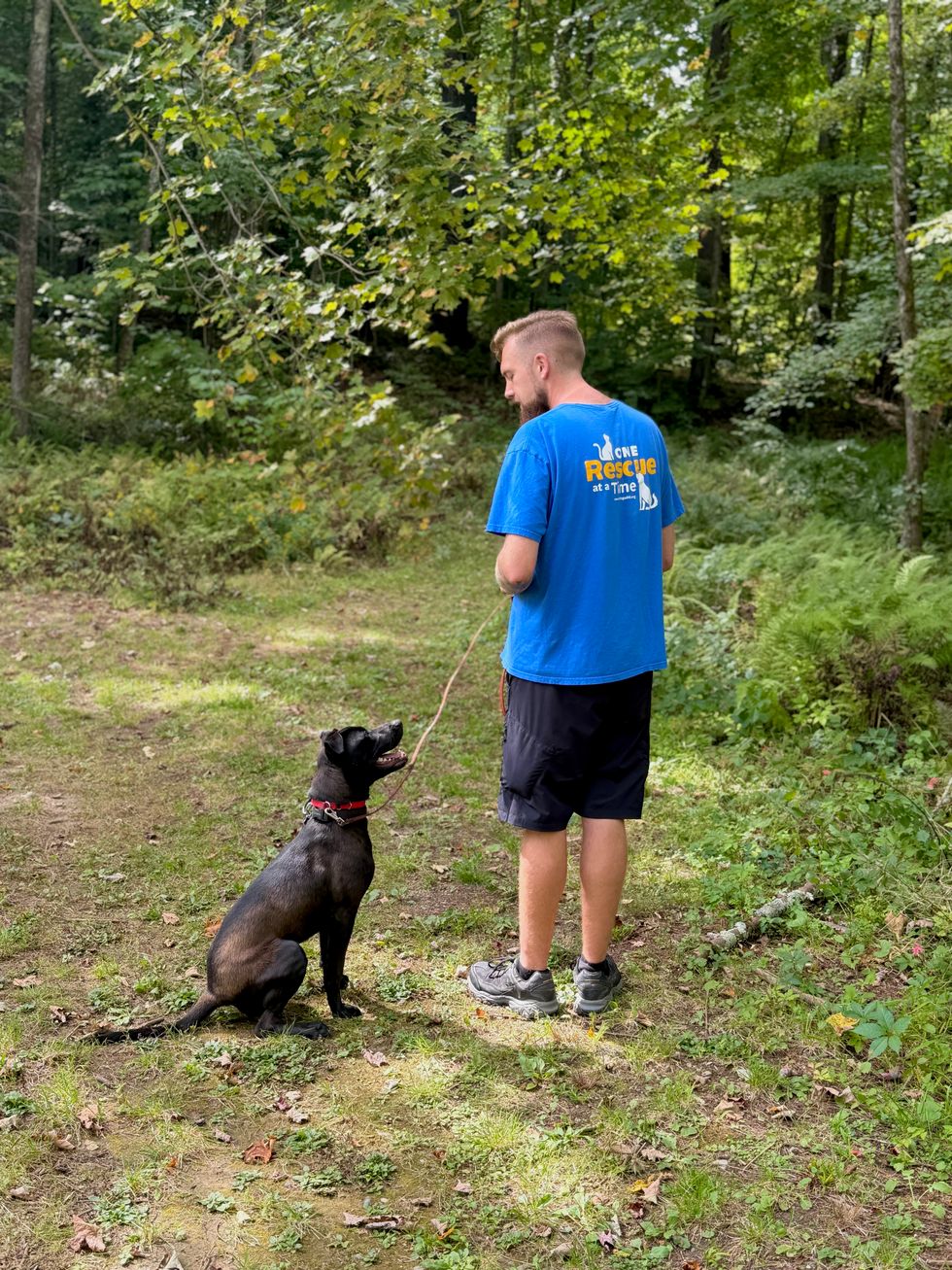 Michael DeBarba, certified dog trainer working with Marsala.Jennifer Almquist
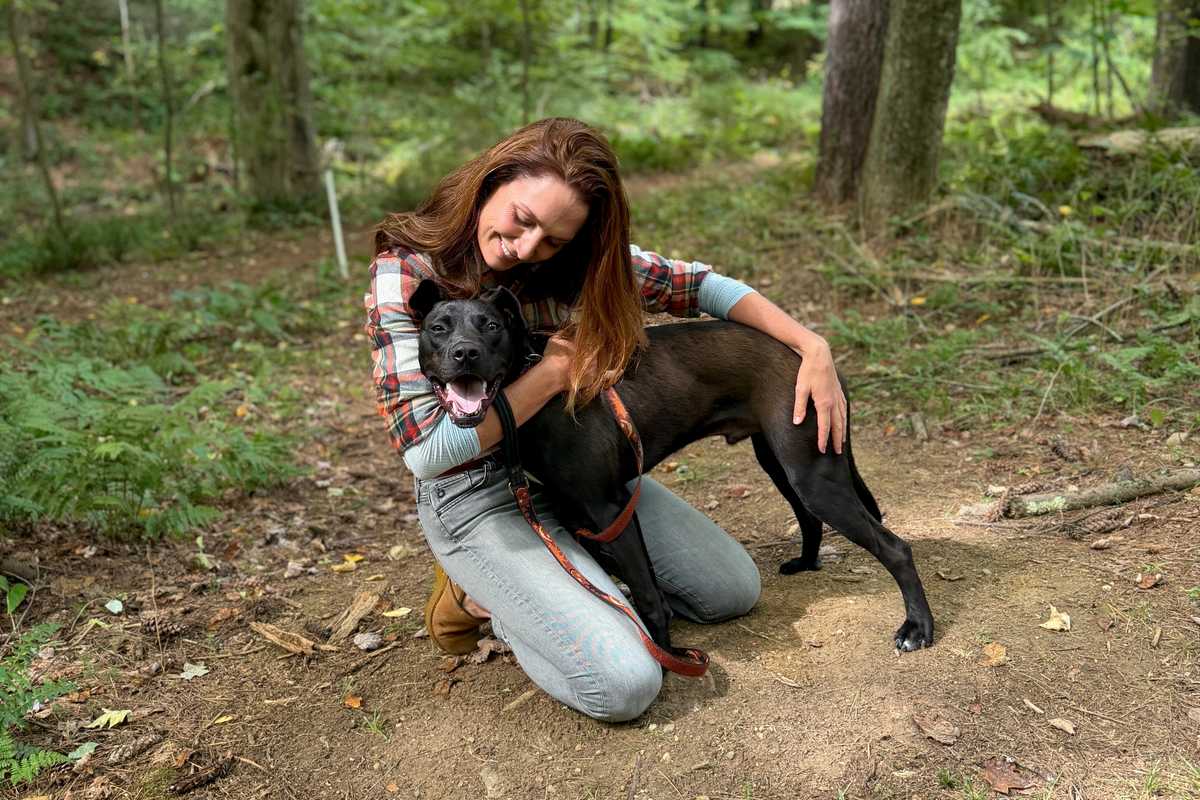 Marsala wins a heart.Jennifer Almquist