Thank you!
Your gift keeps The Lakeville Journal in our towns.

Crandell Theatre celebrates 100 years of film, community and Chatham history

Crandell Theatre celebrates 100 years of film, community and Chatham history

The Crandell Theatre in 1948.

Provided
Originally built as an “atmospheric theater,” the Crandell was designed to transport audiences beyond the walls of the auditorium. Its sloped floor, proscenium arch, orchestra pit and balcony seating reflected the grandeur of early 20th-century movie palaces.

Crandell Theatre in Chatham has spent a century bringing stories to the big screen, and this December the historic theater will celebrate its 100th anniversary with a yearlong tribute to the films, filmmakers and community members who have helped keep it alive.

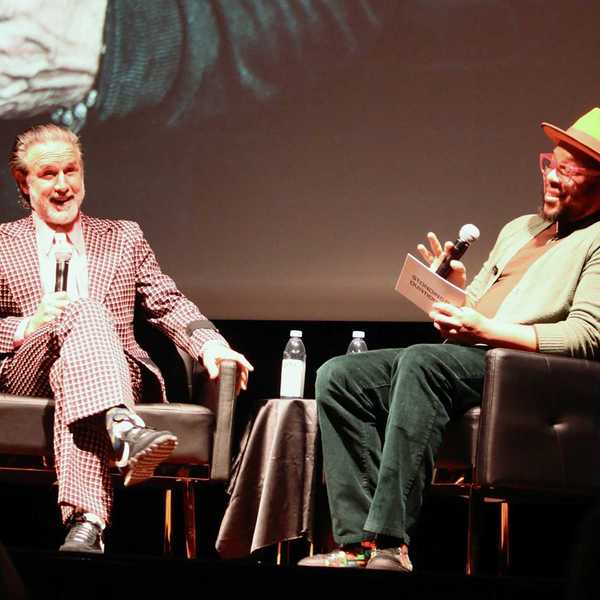
The celebration continues Sunday, Aug. 23, with a special screening of Martin Scorsese’s “The King of Comedy,” presented as part of the theater’s 100th Anniversary Series by Bill Kramer, CEO of the Academy of Motion Picture Arts and Sciences. Kramer will introduce the 1982 film, a darkly comic exploration of celebrity, obsession and the pursuit of fame.

The 100th Anniversary Series invites industry leaders and film experts to share movies that have influenced them and continue to inspire new generations of audiences.

“The King of Comedy” is a fitting selection for a theater whose own story is rooted in the enduring power of cinema. Built in 1926 by Chatham native Walter S. Crandell, the theater opened on Christmas Day of that year with the silent film “Michael Strogoff.” Designed by Glens Falls architect Louis L. Wetmore in the Spanish Renaissance style, the freestanding building quickly became a beloved fixture on Main Street.

Originally built as an “atmospheric theater,” the Crandell was designed to transport audiences beyond the walls of the auditorium. Its sloped floor, proscenium arch, orchestra pit and balcony seating reflected the grandeur of early 20th-century movie palaces. Sound equipment was added in 1929, allowing the theater to transition from silent films to “talkies.”

Over the decades, ownership changed hands, but the theater remained a gathering place for generations of moviegoers. In 2010, following the death of longtime owner Tony Quirino, the theater faced an uncertain future. Community members rallied to save it, with the Chatham Film Club raising approximately $600,000 to purchase the building and complete critical repairs.

The Crandell reopened as a nonprofit community theater in July 2010. In 2018, the organization officially adopted the theater’s name, bringing together its film programming, preservation efforts and annual FilmColumbia Festival under one mission: preserving the theater as a cultural anchor for Chatham and the surrounding region.

A major restoration and modernization project was completed in 2025, bringing the historic theater up to current standards while preserving its architectural character. The renovation included updates to the auditorium, projection systems and building infrastructure.

For former board member Carol Sadlon, the upcoming centennial represents both a celebration of the theater’s history and a testament to the community that has protected it.

“It has been an honor to serve on the Board of the extraordinarily unique Crandell Theatre, celebrating its 100th birthday this December,” Sadlon said. “Renovating the not-for-profit community theater has been a labor of love and commitment for all involved.”

Sadlon noted that the theater’s creation in 1926 reflected the optimism of the era, and that the same spirit continues today.

“Walter S. Crandell, successful Wall Street investor and native son of Chatham, built the 500-seat theater for a community of 3,000 people,” she said. “Thanks to an equally optimistic group of people, the Chatham Film Club, who purchased the theater in 2010, and a very generous community, the theater lives on to continue entertaining for future generations.”

The Crandell Theatre’s 100th Anniversary Series screening of “The King of Comedy” will take place Sunday, Aug. 23, at 4 p.m.

For tickets and more information, visit crandelltheatre.org.

Latest News

All things local at The Local

All things local at The Local

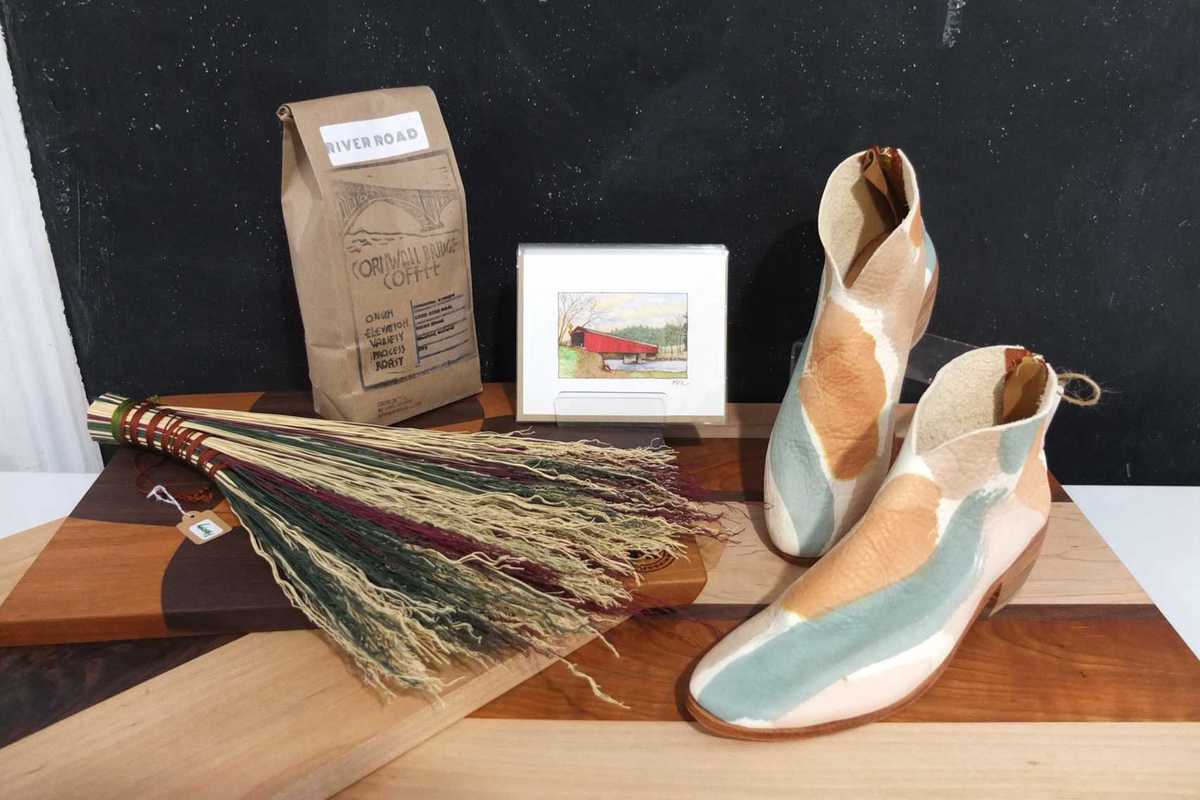
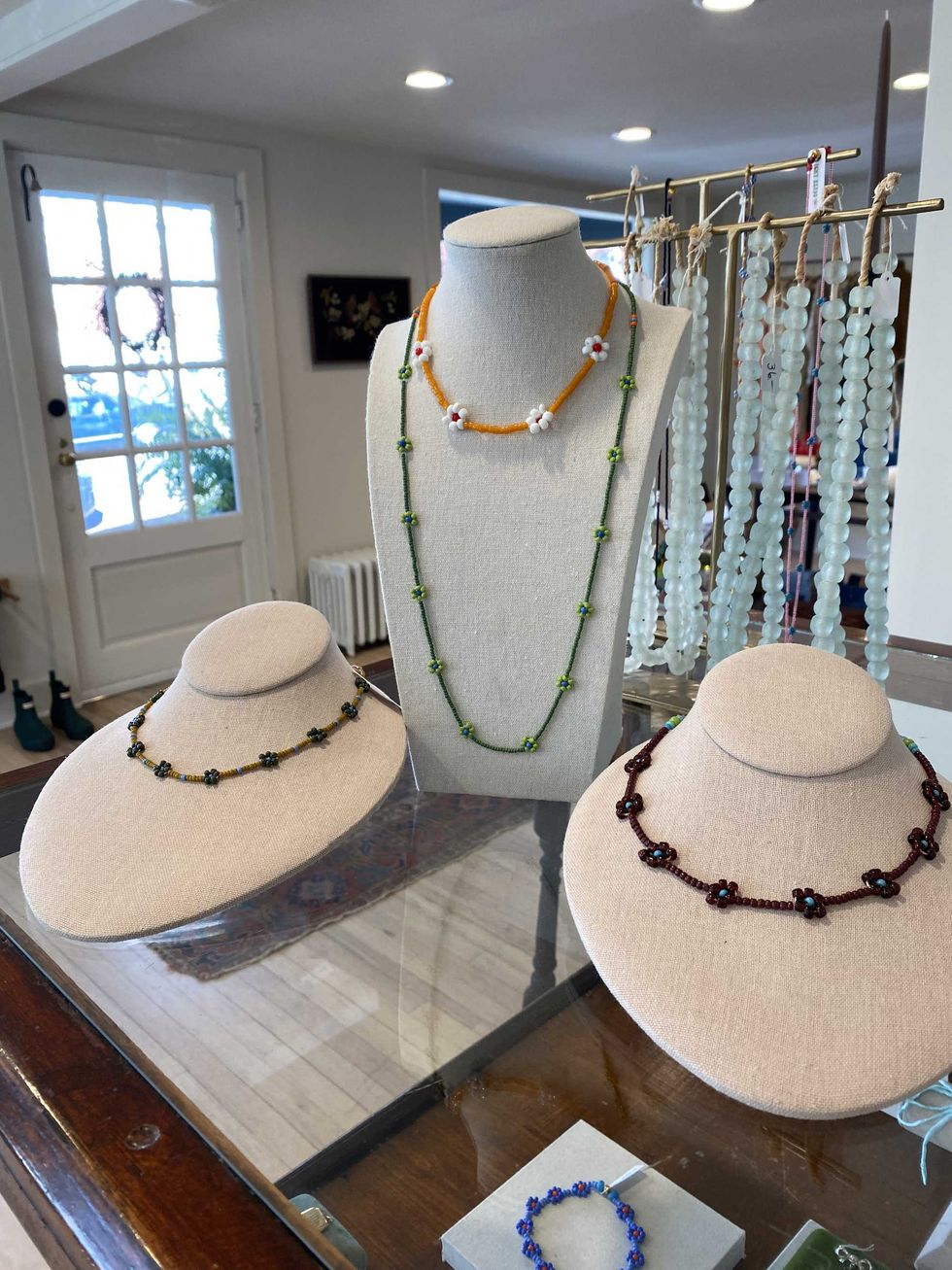
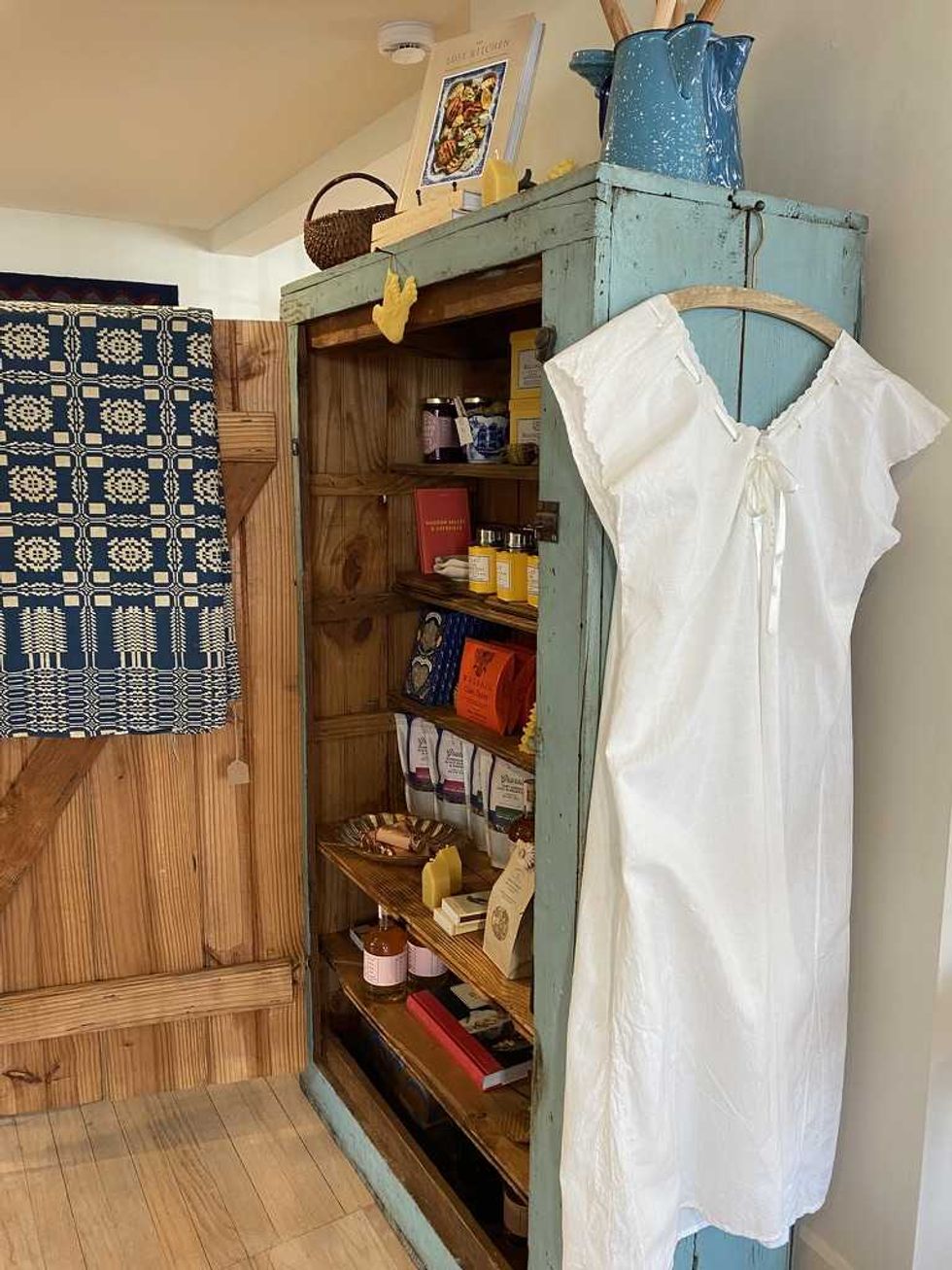
The Local offers a selection of handmade crafts from shoes to notecards.

D.H. Callahan

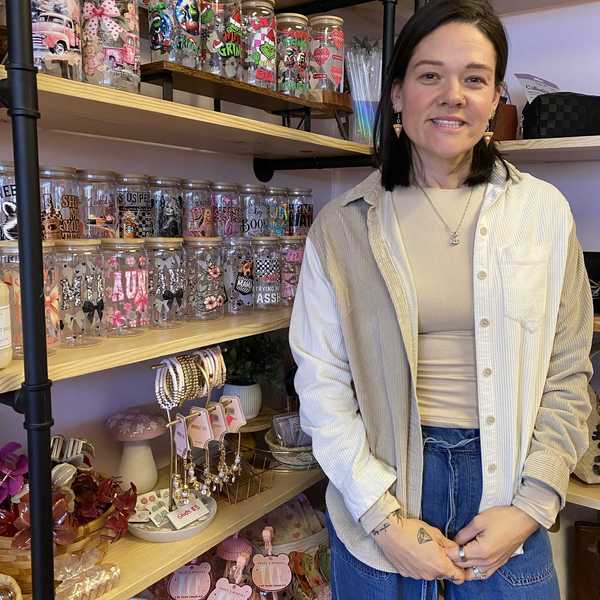
In the heart of West Cornwall, up the hill from the covered bridge and right by the train tracks, sits The Local, a beacon of the community filled with locally made goods and crafts. The Local is a nonprofit shop created to showcase the craftsmanship of the area. Owned by the Hughes Memorial Union, whose goal is to create shared spaces for the Cornwall community, the shop is run by the ever-tenacious and perpetually welcoming Libby Mitchell, who seems to have personal relationships with everyone who contributes.

The Local invites all kinds of craftspeople and creators who live or work in the Northwest Corner to contribute whatever they happen to make. The crafts are complemented by a wide variety of ingredients from local farmers and producers and a scrumptious array of prepared foods from chefs, bakers and cottage kitchen cooks with something special to share. Since the store is only open on Fridays and Saturdays, those prepared foods are always fresh and always delicious.

Keep ReadingShow less
Hand-knit warmth at Whistle Stop Boutique

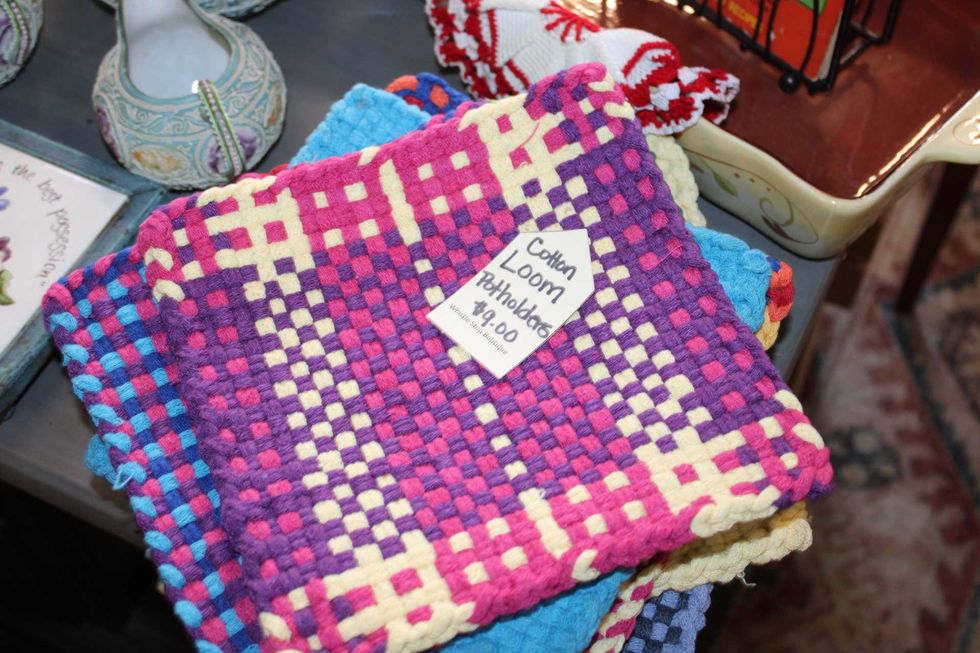
Hand-knit hats, mittens and potholders at Whistle Stop Boutique.

Graham Corrigan

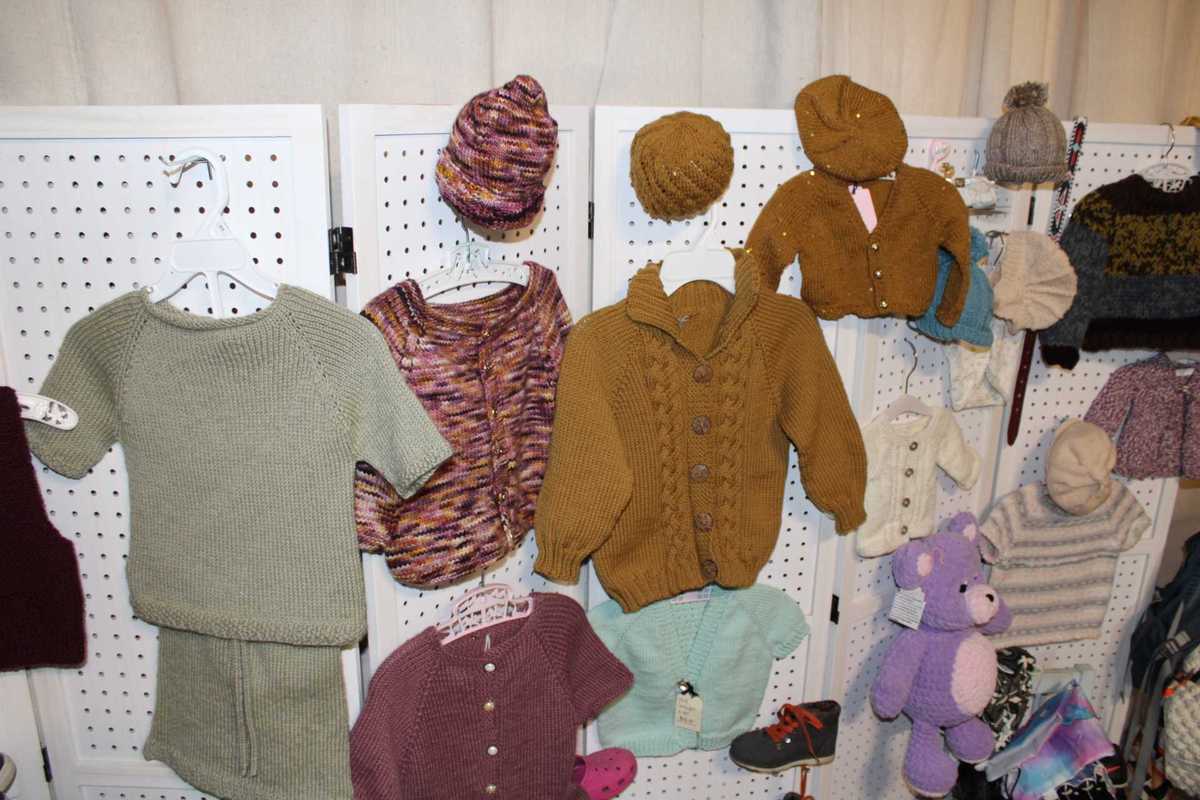
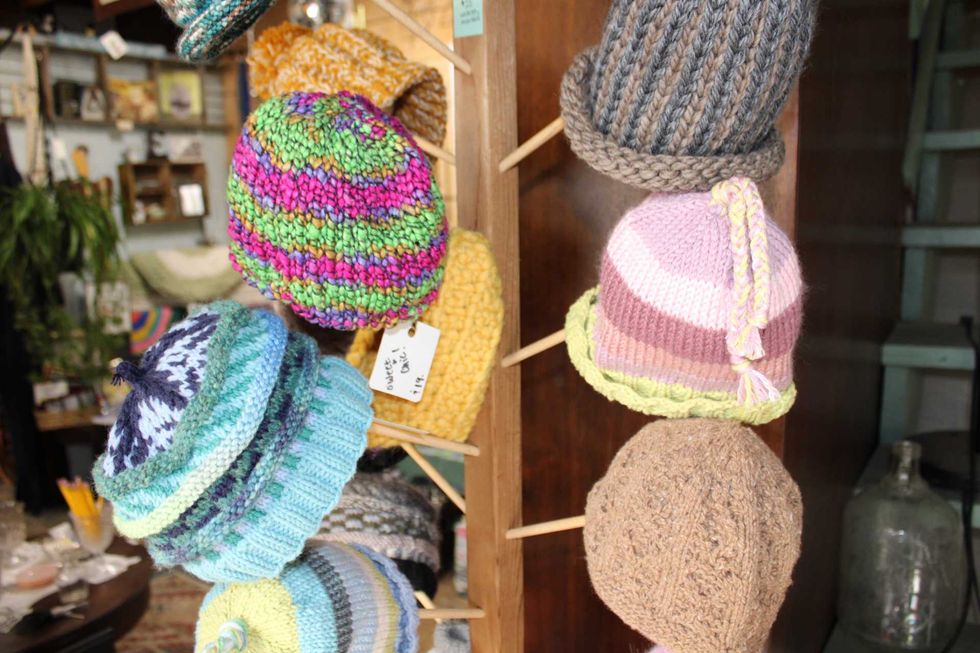
After shopping for the kids, consider stopping next door. Whistle Stop Boutique is just steps away from Cedar Closet and offers a variety of clothing and accessories for adults and children. Its specialty is hand-knit winterwear. Proprietor Naomi Calabro and her sister, Denice, make everything from hats ($25) and purses ($6) to sweaters and blankets ($35 to $60).

There are also mittens for adults ($27) and children ($13), along with potholders ($13). The boutique carries plenty of other items not handmade by the Calabros, including workwear, vintage clothing and unique household goods.

Keep ReadingShow less

A little luxury for everyone on your list

A little luxury for everyone on your list

Potterwork bud vases.

Provided

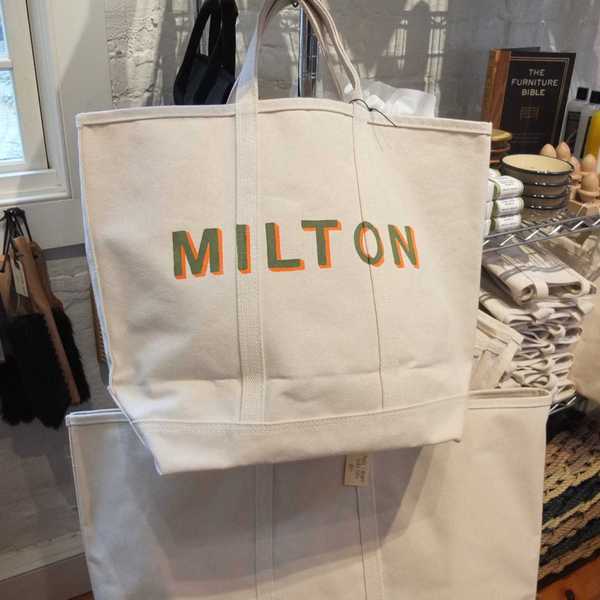
Geraldine Woodruff grew up in Scotland and brought her extensive retail experience at Heal’s of London, Conran’s and Pottery Barn to Litchfield County when she opened her boutique in 1992.

Terston began as a home accents store and has since expanded to include a curated collection of women’s apparel, including sumptuous sweaters, jewelry, accessories, dresses and warm coats. The bright, welcoming emporium features soft music and inviting scents to soothe the senses.

Keep ReadingShow less
google preferred source

Want more of our stories on Google? Click here to make us a Preferred Source.

A little something for every reader at Whistle Pig Books

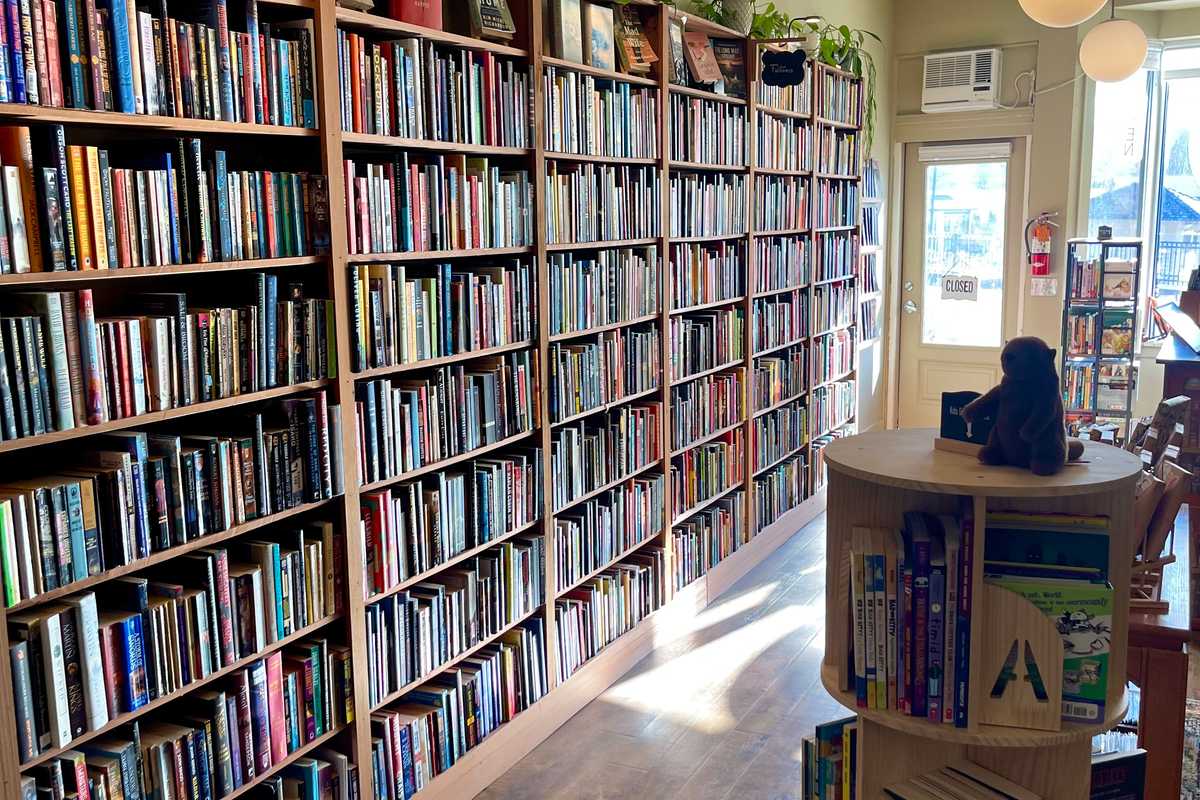
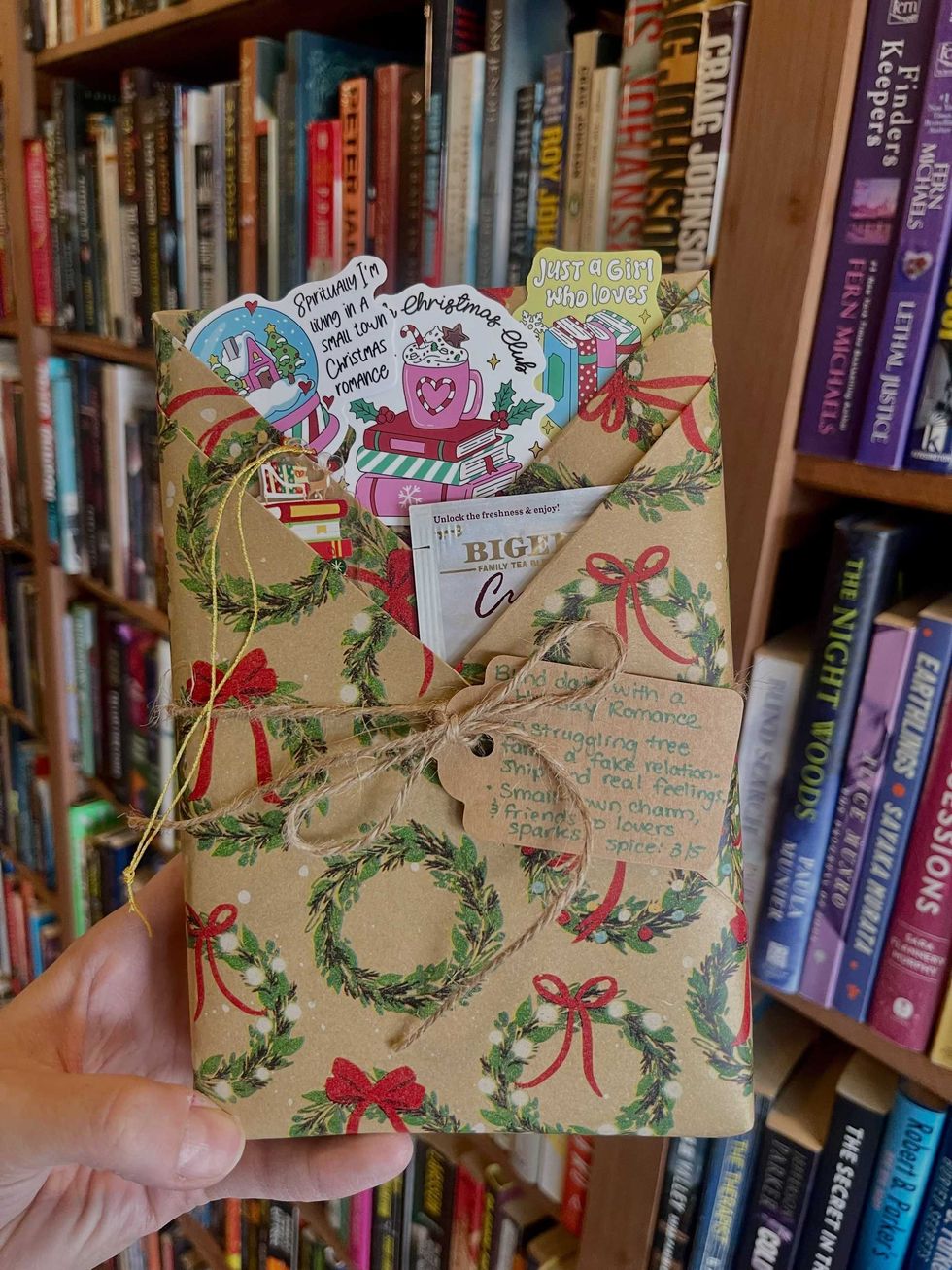
Used books for readers of all ages and interests.

Emily Peterson

Co-owners Emily Peterson and Thom Wilson describe Whistle Pig Books as “tucked into a cozy little space at 62 Main Street in North Canaan.”

The used bookstore offers hundreds of books for readers of all ages and interests. With paperbacks priced at just $2 and hardcovers at $4, there’s something for everyone, especially holiday shoppers looking for affordable and thoughtful gifts.

Keep ReadingShow less
Gifts with a past, treasures for the present at Flora Vintage
Leila Hawken

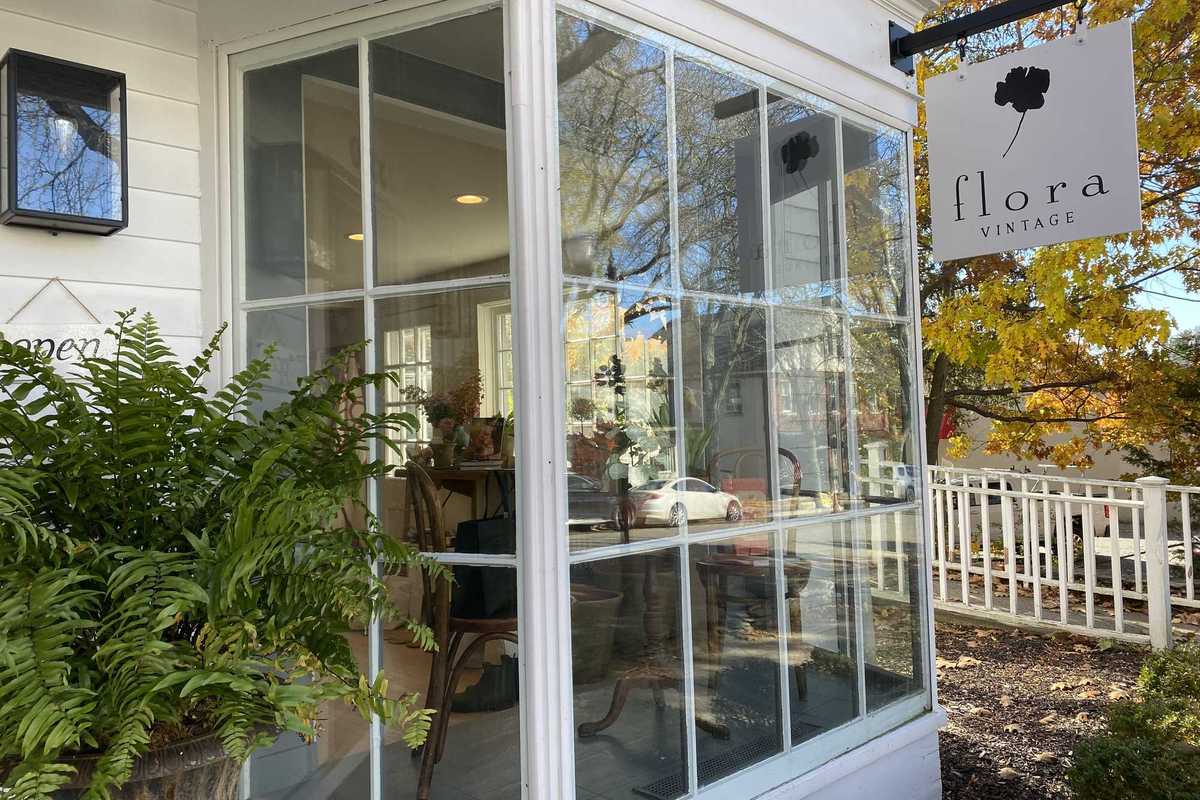
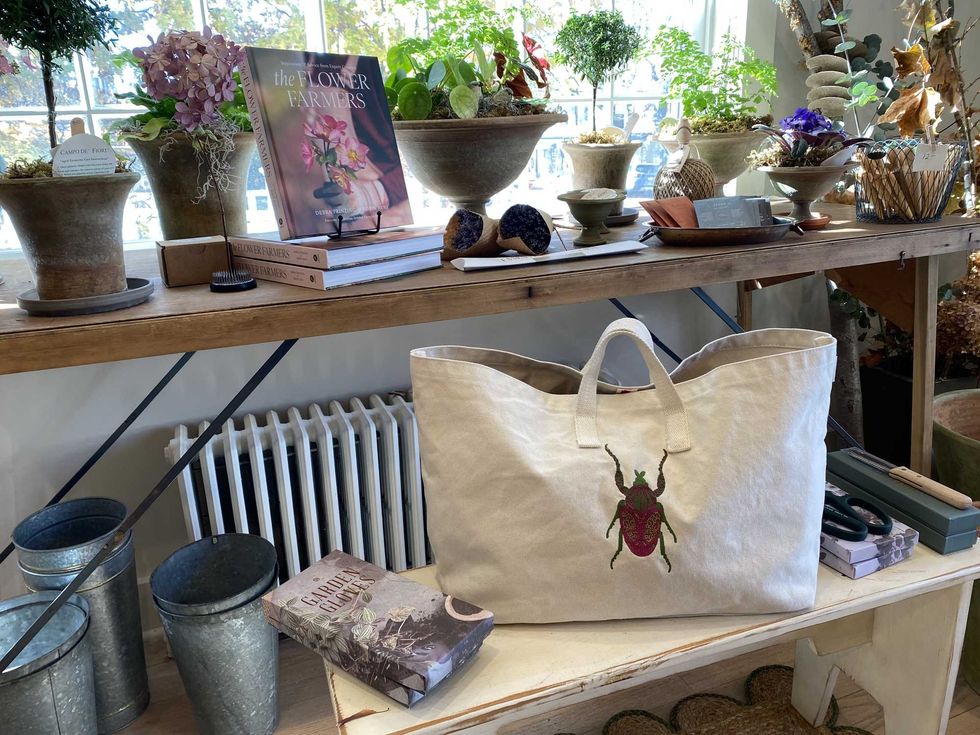
Flora Vintage offers the thrill of discovery as shoppers find something unexpected and delightful to bestow upon friends and family as holiday gifts. Newly opened on Franklin Avenue in Millbrook, the welcoming shop is definitely worth a look.

Owner Brooke Savona has devoted years to traveling, collecting and connecting with creative minds in fashion, design and art. The result is a business rooted in nostalgia, craftsmanship and care for clothing and objects that will become heirlooms.

Keep ReadingShow less

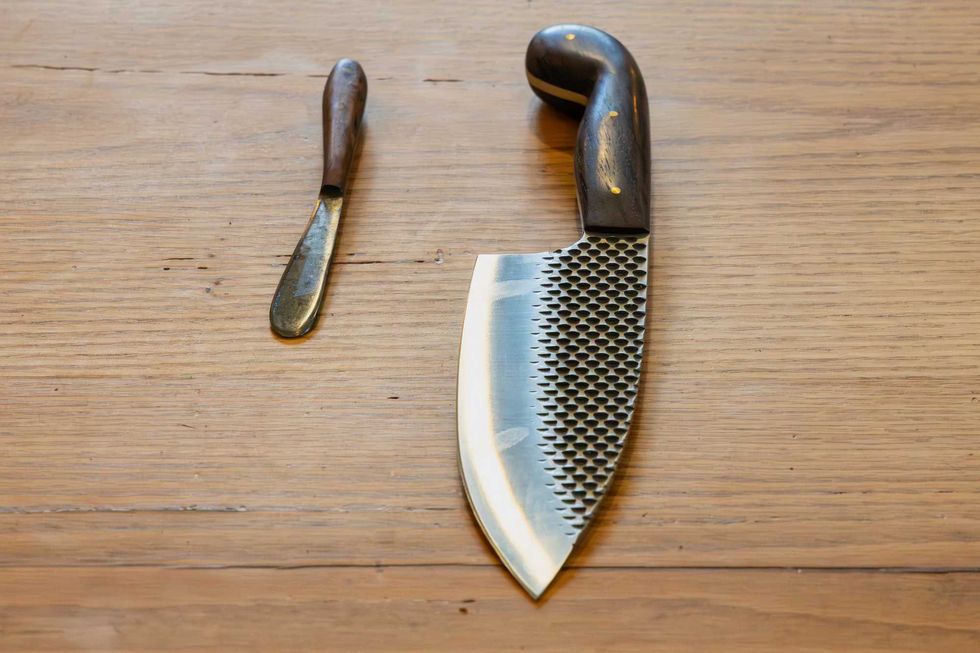
Chelsea Miller’s handcrafted knives

Chelsea Miller’s handcrafted knives

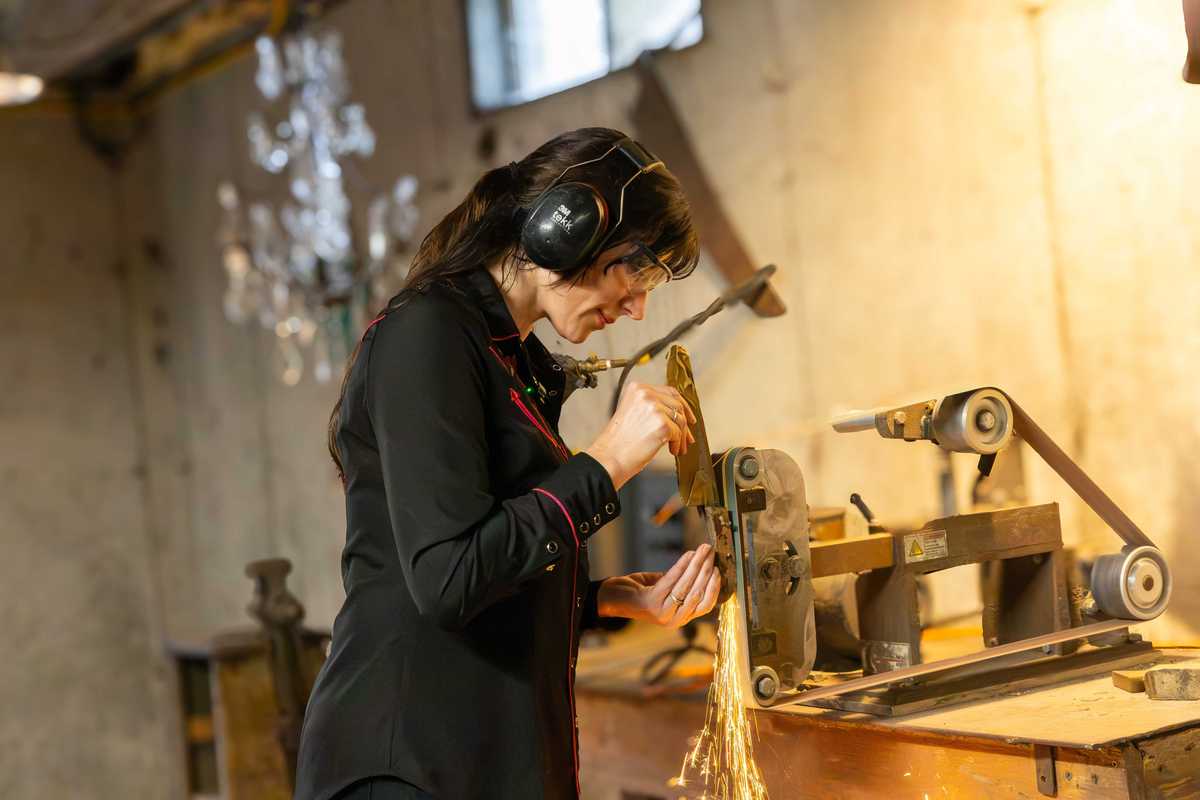
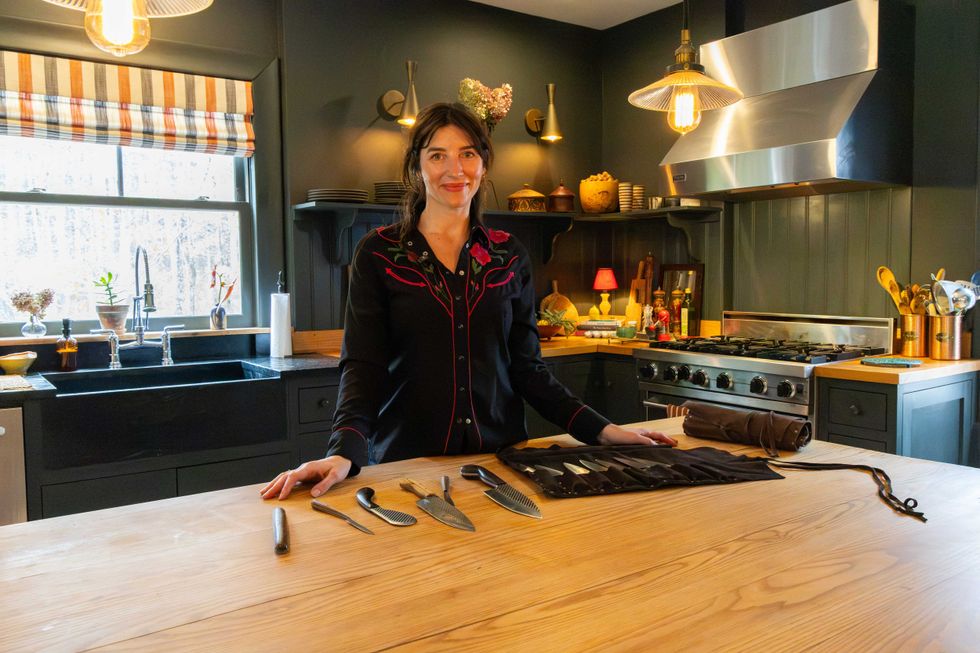
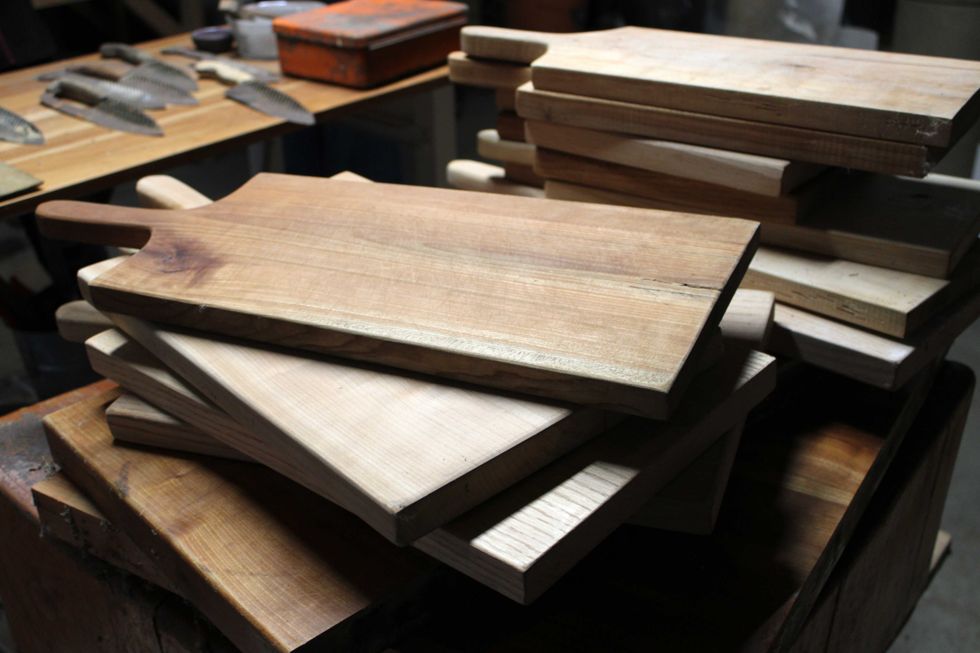
Chelsea Miller’s knives are made by hand in Falls Village.

Madi Long

Raised in rural Vermont by a carpenter-blacksmith father, Chelsea Miller grew up surrounded by tools and materials that could be transformed rather than thrown away. But it wasn’t until 2011, when Miller’s father became seriously ill, that she found her own way into the family workshop.

“I was living in New York. My dad got sick, and I was just ... trying to figure out what it is I wanted to do with my life,” Miller said. “I just really needed to come back to my center and work with my hands.”

Keep ReadingShow less
google preferred source

Want more of our stories on Google? Click here to make us a Preferred Source.

google preferred source

Want more of our stories on Google? Click here to make us a Preferred Source.