On Monday, Oct. 26, a group of students, teachers and local residents gathered at the Hotchkiss School in Lakeville for a screening of the new short documentary “Matin.” The film tells the story of Matin Malikzada, a seventh-generation Afghani potter making a new life in New Milford, Connecticut. The film was made by local filmmaker Yonah Sadeh, creator of the Video Wall at the David M. Hunt Library, and Berkshires-based potter Hannah Wheeler, who were both present for the screening, along with Malikzada himself.
As a member of the seventh generation of his family to master the art of pottery, Malikzada had done things the way his family had for over a century. Istalif, the village where his family has lived for generations, was known throughout Afghanistan for its pottery, with wares sent across the country for use as everyday cups, bowls, plates and other vessels. The pottery-making families of Istalif gathered clay from the same mountain, about 30 to 45 minutes away by donkey. Every July, they would head north toward the Uzbekistan border to gather ishkar, a plant they processed by hand to make their signature glazes.
By the time Malikzada became a master potter, he no longer processed or gathered the clays and glazes himself. He had assistants and family members to prep everything for him, allowing him to stay seated at the electricity-free kick wheel all day long, sometimes making more than 100 pieces a day.
Eventually, Malikzada became the head of the ceramics department at the Turquoise Mountain Institute, an NGO founded by King Charles III, where he had also trained as a student. After graduating, Malikzada was hired as a master ceramicist and eventually became head of the department. It’s through his role there that he first started visiting the United States. Thanks to a relationship with Yale, he quickly took to Connecticut and eventually decided to move his family to New Milford.
The film explores Malikzada’s challenges in relearning his craft far from the traditions and materials of his home. In Istalif, his family would fire a wood-fueled kiln packed with 1,800 to 2,000 pieces once a month. Now, he would have to rely on the much smaller, standardized electric kilns found in most ceramic studios today. Without access to his ancestral clay, he had to learn to use an entirely new material, which he would now have to process and prepare himself. Perhaps most challenging, he was forced to develop a new method for creating glazes that could match his signature colors and textures. As he tells the filmmakers, he experimented with the glazes through 415 firings. “The 416th, I got result.”
“Matin” avoids the fraught political questions that have dominated public discourse in recent years, choosing instead to focus on Malikzada’s art, ingenuity and determination. The filmallows the artist to tell his story in his own words, with a remarkably calming voice.
Though the students, faculty, and ceramics enthusiasts thoroughly enjoyed the screening, the filmmakers hope to continue developing the story, incorporating animation andmore of their footage. As Malikzada teaches his children the family trade, maybe someday they will film an eighth generation at work.
To learn more about Malikzada’s work, visit malikzadapottery.com.





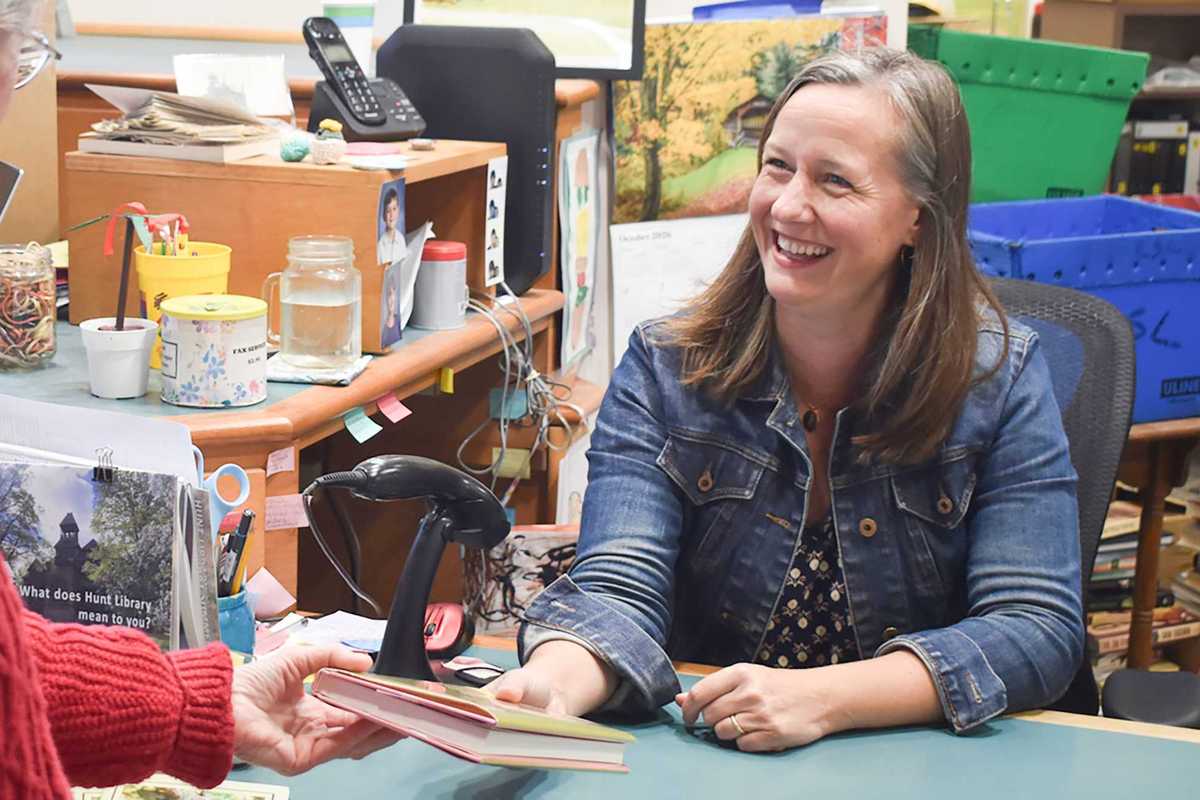
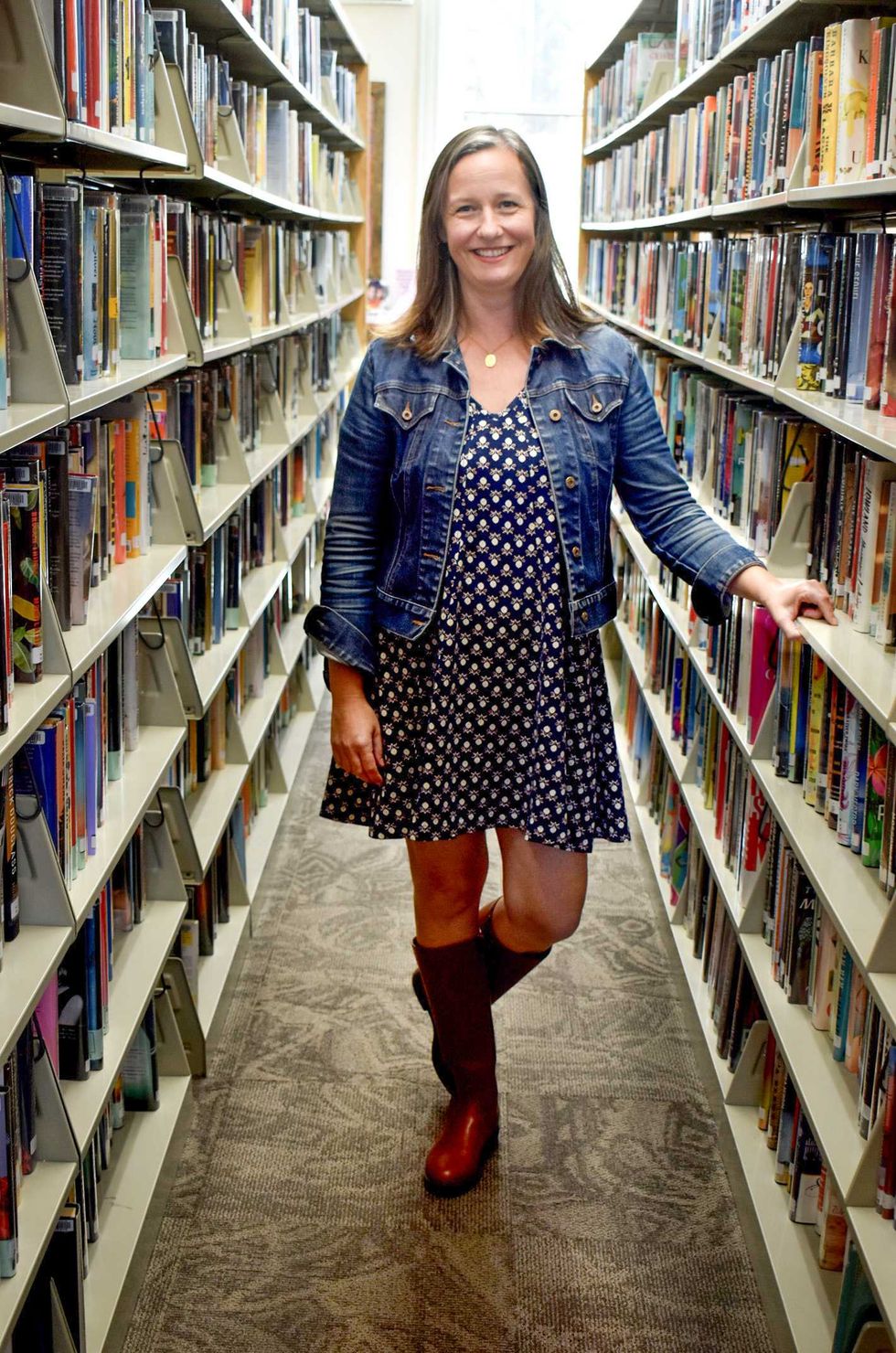 Meg Sher, executive director of the David M. Hunt Library in Falls Village.L. Tomaino





 Samir LanGusProvided

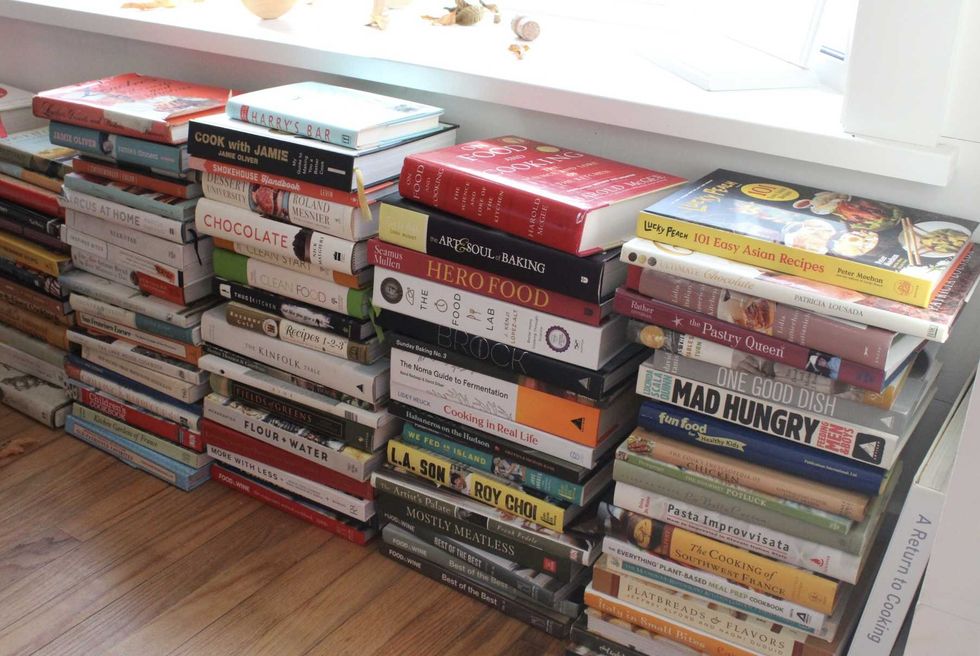 Some of the donated cookbooks that will be at the swap in Wassaic.D.H. Callahan