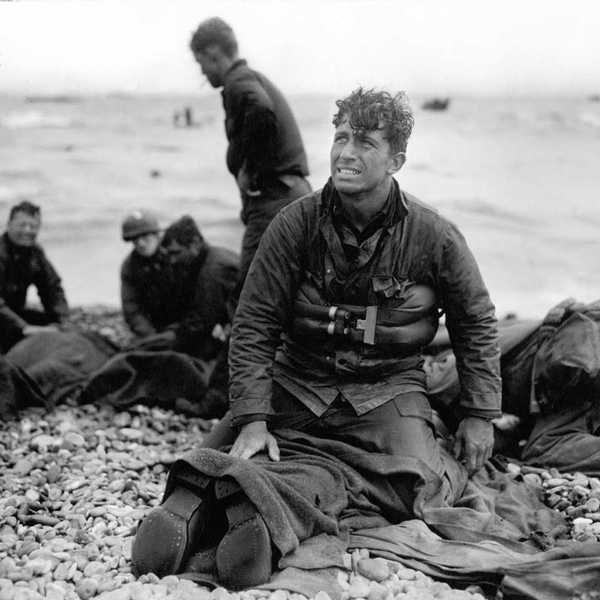
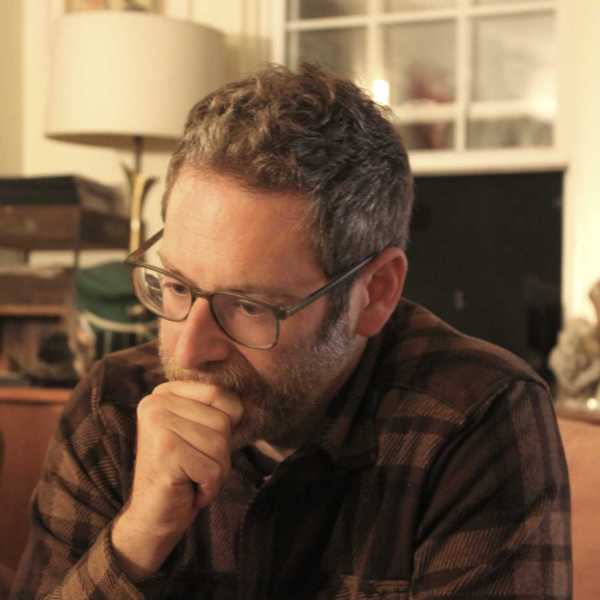
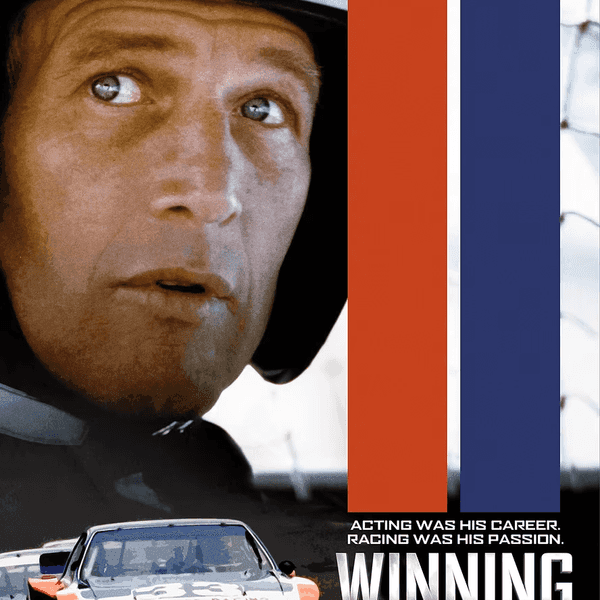
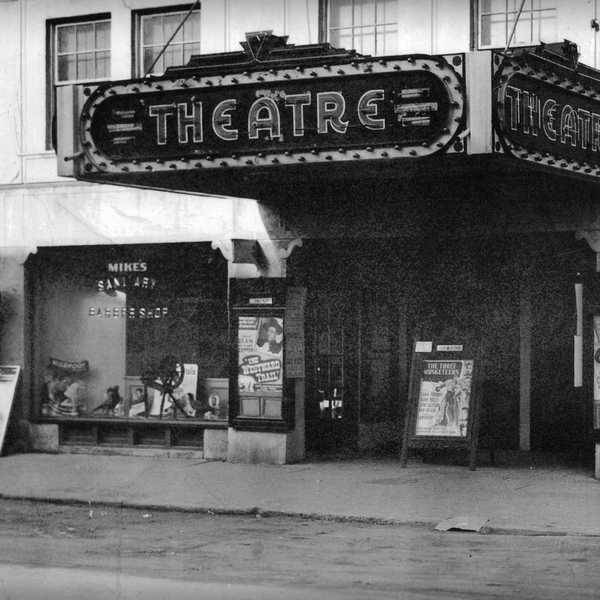
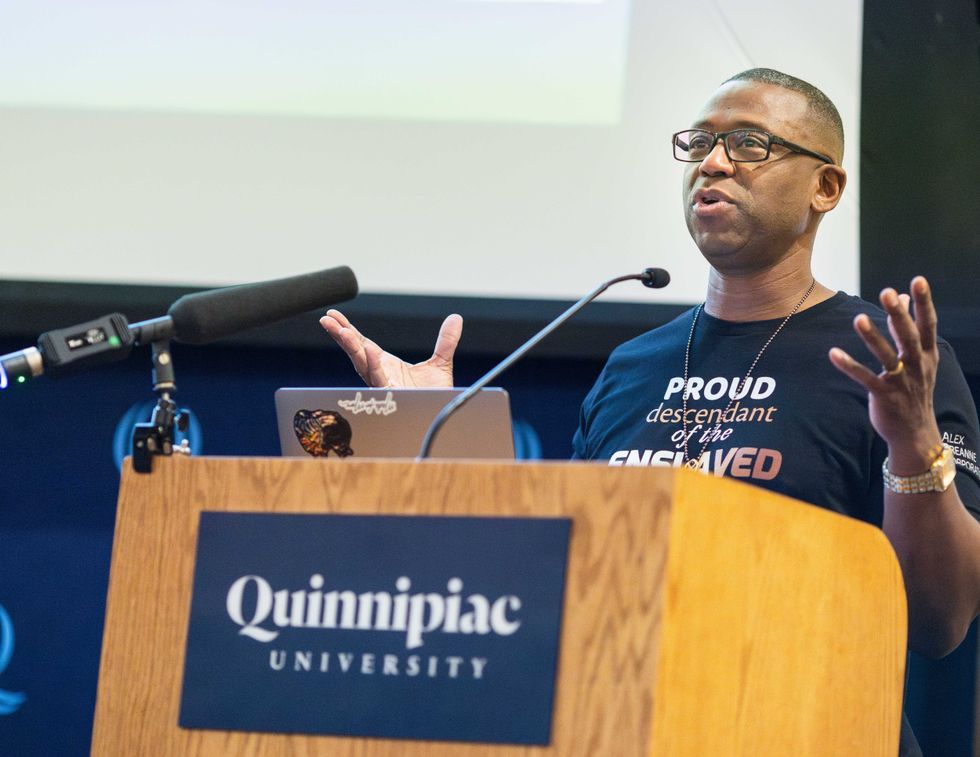
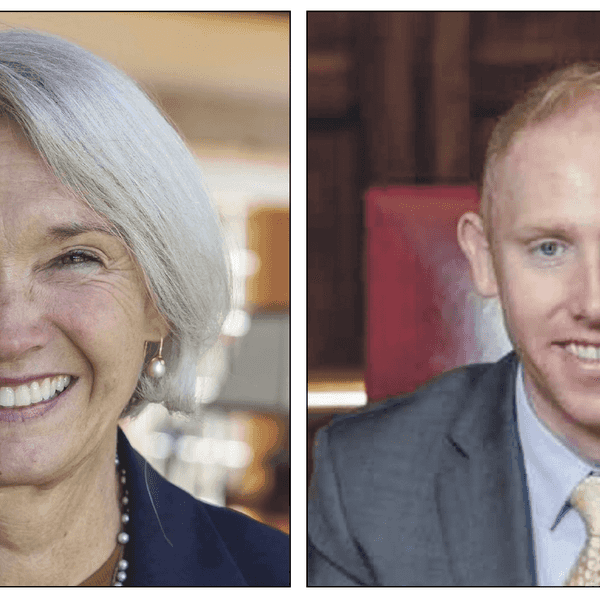
“No One Cares About Crazy People,” a documentary directed by Gail Freedman and inspired by Ron Powers’ book of the same name, screens at The Moviehouse in Millerton on Sunday, Oct. 11, at 1 p.m. The film examines the realities of living with severe mental illness in America, combining personal stories with a look at the systemic challenges facing individuals and families seeking care. A Q&A with Freedman and Jo Ann Brown, executive director of NAMI Mid-Hudson, will follow the screening.
Latest News
Car, truck collide head-onon Route 44 in East Canaan
Patrick Stachniak
Oct 27, 2026
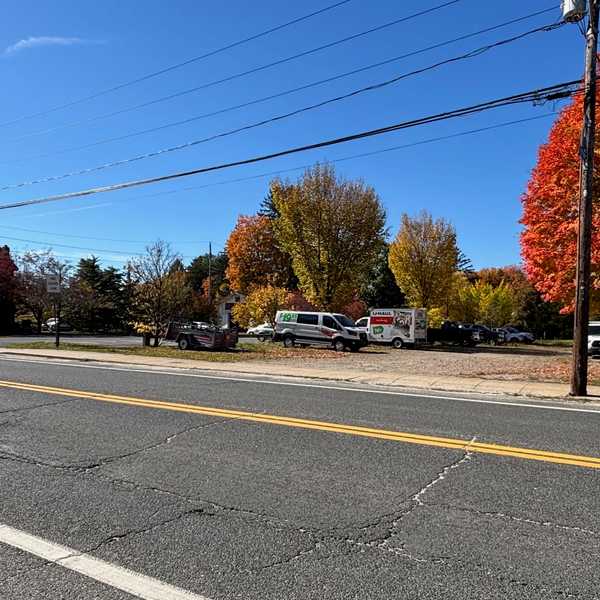
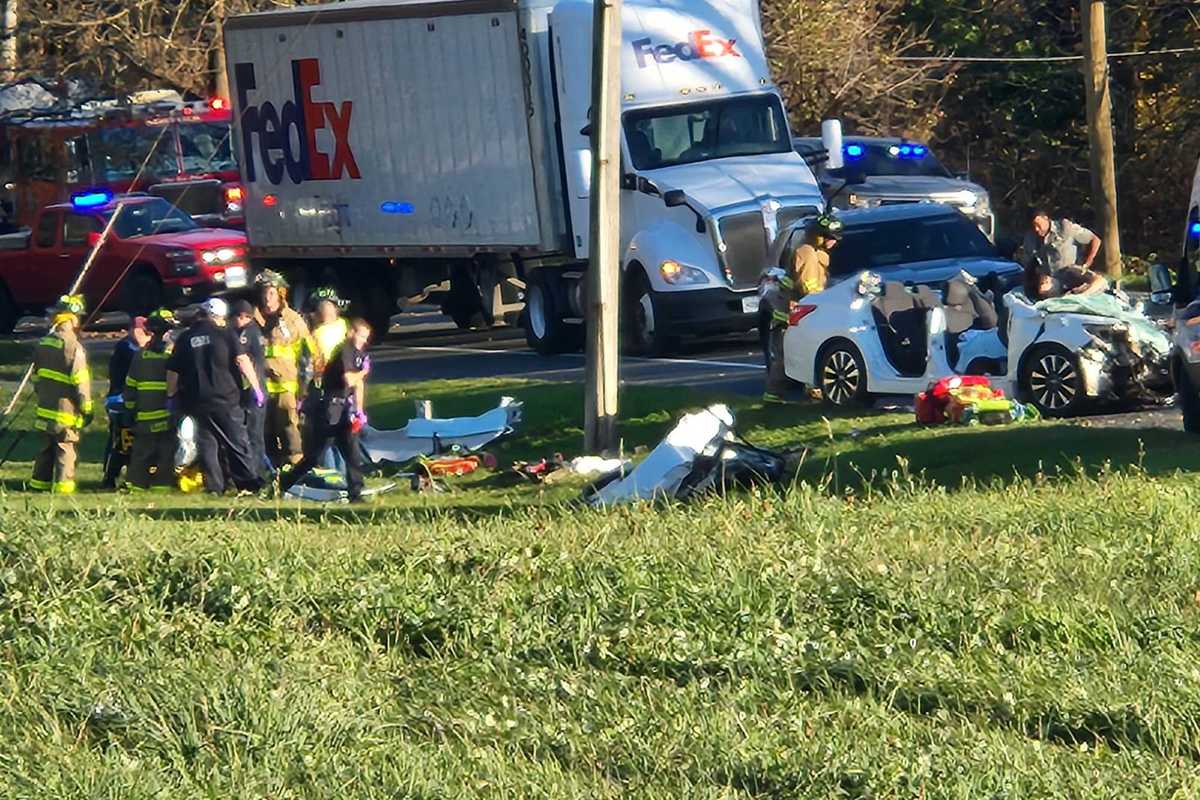
A car and box truck collided head-on on Route 44 near Hillside Cemetery in East Canaan Oct. 26, injuring both drivers.
Patrick Stachniak
EAST CANAAN — Two drivers suffered minor injuries in a head-on collision on Route 44 in East Canaan near Hillside Cemetery on Monday, Oct. 26.
Aidan Figueroa, 22, of Oxford, was driving west in a2016 Nissan Altima at around3:45 p.m. when he crossed into the opposite lane on a curve and struck a box truck driven by Larry Santiago, 57, according to police. The truck then went off the road and struck a tree.
Santiago, from Springfield, Massachusetts, was transported to Charlotte Hungerford Hospital with minor injuries.
Residents watched as a LifeStar air ambulance landed in a nearby field to transport Figueroa to Hartford Hospital for treatment. Police said he did not sustain life threatening injuries.
The road was closed for some time.
Police issued Figueroa infractions for speeding and failure to maintain his lane.
“That’s always been a bad corner,” said resident Gary Salmon. “I was working with the cows, then I heard the helicopter… but I knew it had to be right here somewhere.”
Keep ReadingShow less
Sarah Margaret Paul
Lakeville Journal
Oct 27, 2026
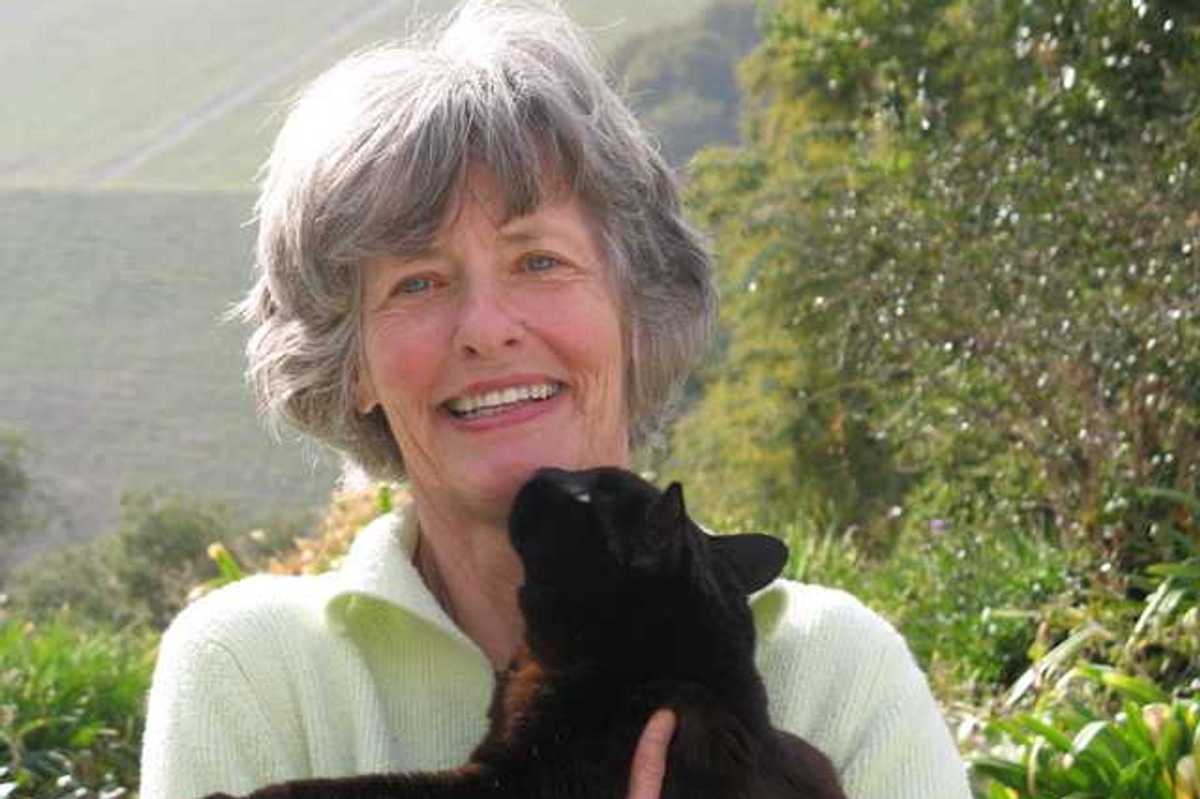
CORNWALL — Sarah Margaret Paul, July 2, 1936 – October 3, 2026.
As you read this obituary, please do so in the lovely British accent our mother, Sarah Paul retained all her life. But don’t be fooled by this posh exterior: mom preferred simple LL Bean shirts and pants, chain-sawed her own trees, and could change a back bicycle tire. She grew up under the class and gender strictures of mid-twentieth century England, warned away from anything remotely risky or “unladylike” by her mother, which led her to believe all her life that she lacked courage.
But at 21 she came to this country with just one friend. She once chased an intruder from our house, denting her clogs as she kicked him. In her 50s she did a solo skydive, which she claims was the second-best thing she ever did after raising her three children, though we suspect skydiving was first-best. In later life her life alert triggered accidentally and the local fire department arrived to see mom on a ladder pulling down ivy like it was a CrossFit event. They asked her where the frail lady who had fallen might be.
Other courageous things: She went to Trinity college at 40 years old and graduated summa cum laude. She then became a social worker after a long career of housewifery and taking care of us three kids, which no doubt prepared her. She divorced our father (a very good man, but not a love match) at a time when divorce was frowned upon, and fell in love with someone much younger, much to the shock of some in our small, beloved town of Cornwall, Connecticut. She and The Love of Her Life travelled all over the world; when they split after eighteen years, she was heartbroken. But she built a new life on the west coast and found a passion in bicycling at 62 years old. She cycled with the local bike group until almost 80.
During her long life, Mom lived in Liverpool, Paris, NYC, and Ashland, Oregon but the hometown she most loved was Cornwall, Connecticut where she spent almost thirty years.
During that time, Mom wanted her kids to have a bigger childhood than she had, believing it would make us well-rounded adults. Thus she endured cold mornings at Mohawk mountain, strapping us into the clunky ski gear of the time even though she didn’t ski; sent us to Sunday School at the Congregational church even though she was never quite sold on religion; told us we had to play an instrument for a year at least, though she knew nothing of music. She cheered whichever of her three kids might be on the playing field at Cornwall Consolidated school and ferried us to swim meets every summer at Cream Hill Lake and beyond, though she famously swam only with her head above water in order not to ruin her hair. And she was right, of course: it forged us into uncomplaining and reasonably capable adults comfortable in many different environments.
Mom was proud to be an American citizen and was adamant about voting: “people died for the vote,” she told us kids, and if we didn’t cast our ballot we weren’t invited to Thanksgiving (her one regret may be that she did not hang on long enough to vote in the upcoming midterms.) She was always aghast at the casual, constant way Americans said “I love you,” though by the end she began to say it regularly. Mom believed strongly in civic duty and as early as the 1970s she was recycling. She volunteered all her life: you may have been the Cornwall kid slouched on a bad-tempered pony while mom coaxed you from the middle of the ring in Pony Club. For many years she gave her time to the Cornwall Child Care Center; later she registered voters and fought for affordable health care. She held signs at progressive protests until Parkinson’s and old age would not let her leave the house. She loved to garden, insisting weeding was good therapy.
Mom had the rare ability to be awed by small things like a changing sky or a flower. She roamed her neighborhood at night when she couldn’t sleep hoping to see a bear and once got up at 3 am to watch Haley’s comet. She read constantly; first books in french and other highfalutin novels, later she developed an appreciation for mysteries. She loved LLBean ultrasoft flannel sheets (so much that she is buried in her favorite set.) She wasn’t afraid to change her mind, pivoting from Republican to Democrat. As a mother, she restricted sugary treats and television, much to our dismay. One fateful day she marched into our brother’s bedroom where he sat catatonic in front of the “boob tube” and heaved it out the second-floor window. This enshrined her in the parenting canon and certainly endures as Cornwall lore among a certain generation of then-kids. “I didn’t even mind cleaning up the garden in the morning” she said). Yet later in life she faithfully watched anything Rachel Maddow and David Attenborough while savoring vanilla ice cream. She loved understated British humor, which is why she may not like this obit, and why she and her sister Georgie would routinely laugh so hard they had tears rolling down their cheeks. Despite all this, mom still thought she was a forgettable type. She will be pleased to know that one of her caregivers told us that because of Mom she now votes, watches PBS, and uses a water pic.
Mom died on October 3, 2026 at 90 with her three kids and her beloved brother-in-law around her, dreaming, we hope, of one more bicycling trip along Town Street, gazing at the curve ahead, the Scoville corn, and the bursting color of autumn leaves ahead of her.
Keep ReadingShow less
Randolph Allard Hogan
Lakeville Journal
Oct 27, 2026
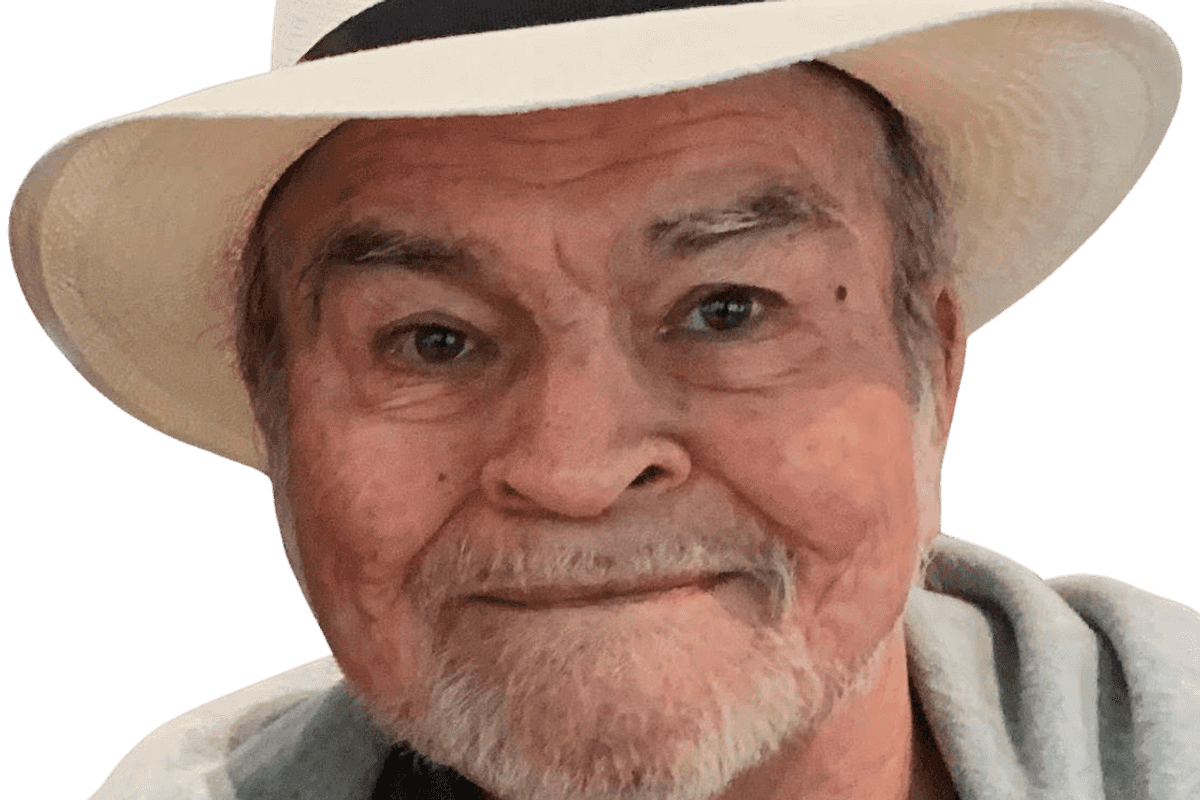
AMESVILLE — Randolph Allard Hogan, 78,passed away on Sept. 30, 2026, after a valiant battle with cancer. Randy was born on Dec. 10, 1947 in Queens, New York.As a child, he developed a passion for cars. As a teen, he loved to read and listen to jazz. Randy loved movies and possessed an encyclopedic knowledge of film. He carried these interests, and many more, throughout his life. He relished a good conversation and a strong cup of coffee.
Randy spent much time during his childhood in Mexico City, where his mother, Elena Rubio Garcia, was born and he felt deeply connected to his heritage. His father, Lucien Marion Hogan, was born in Randolph, Massachusetts which is how Randy got his name.
After graduating from Piedmont University, the highlight of his career was working his way up the ranks to become a book editor at the New York Times. His English translation of Gabriel García Márquez’s novel, “The Story of a Shipwrecked Sailor,” was published by Alfred A. Knopf in 1986.
In 1996, Randy married Martha Eliot Sloane. They lived in Nyack, New York for many years. In 2010, they moved to Amesville, Connecticut and quickly settled into the community, which they loved. His beloved wife, Martha, predeceased him in 2021. During his illness, Randy’s positive attitude and resilience throughout was an inspiration to everyone around him. Local neighbors took care of his much loved dog, Mia, which was a godsend. He has been a wonderful brother-in-law, uncle, and grand uncle to the Sloane/Robbins family, and his curiosity, wit, and kindness will be dearly missed by his wide circle of friends.
Keep ReadingShow less

Want more of our stories on Google? Click here to make us a Preferred Source.
Richard Francis Knapp
Lakeville Journal
Oct 27, 2026
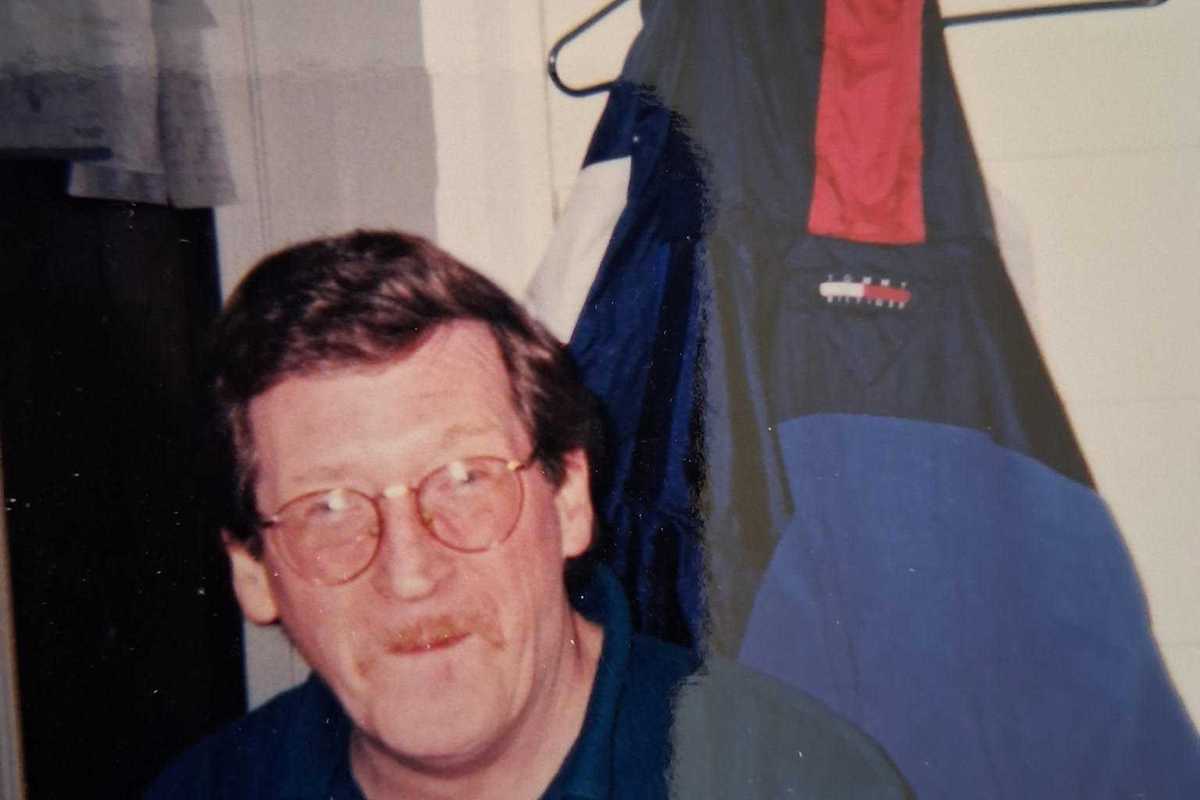
TORRINGTON — Richard Francis Knapp, 74, of Torrington, died Oct. 21, 2026, at the Valerie Manor in Torrington. He was the son of the late Theodore A. Knapp Sr. and Marion Margaret (Winters) Knapp. Richard was born in Waterbury on June 2, 1952.
In the late 1960’s he was employed at the Kent Milk Bar, as his first job. The Kent Milk Bar was owned and operated by his dad, Ted Knapp.It was an institution in town.He was a member of the 1966 KCS Region 1 Grade School Basketball Championship. Rick was an active Kent Boy Scout participating in all activities and functions and thoroughly enjoyed the scouting experience. His memory of places, people, and events in Kent historycould rarely be challenged.Hegraduated from the class of 1970, Housatonic Valley Regional High School.After high school, Richard pursued his education in Communications, at Graham Jr. College located in Boston, Massachusetts.
Rick’s career extended many decades in the retail and wholesale trades. The Stone Co,Caldors, Industrial Safety Products, Central Lumber, and for the past 35 years Rick was employed by CA Lindell & Sons of Canaan Connecticut. Rick worked in both the hardware and fuel divisions. He was a dedicated employee, wherever employed, and dedicated to all customers with his gifted compassion and understanding of their needs and situation.
Rick enjoyed all his golfing trips with his friends to both Ocean City, Maryland and Saratoga New York.Yearly, weekend trips to LakeGeorge, that usually included a day at the track, which was a true love. Being of Irish Luck,Rick also won numerous Bingo pots, Keno, snowblower and even an ATV. He bowled in the Dover Recreation League in the late 70’s, collecting radios of any age and style, car maintenance, and growing tomatoes on his back porch were hobbies. He was a true Trojan baseball fan (since 2005) and supported the team as they played throughout the Tristate League. His Trojan hat and jersey were always a part of his attire! Spending holidays and celebrations with friends was never missed by Rick!
Rick is survived by his sister Linda Peet of Harwinton, Connecticut, and many nieces and nephews.He was predeceased, in addition to his parents, by his siblings; Theodore A. Knapp, Jr., Joan Scully, Robert Knapp, George Knapp, Edith Ackerman,Janice Barbarie, and James Knapp. Rick is also survived by his life long friends; Bruce Osolin and Greg DeLoy both of whom were present and stepped in as available caregivers of his home and his beloved cat Molly.
Graveside services will be held on Thursday Oct. 29, 2026, at 1:30 pm in Calvary Cemetery 2324 E. Main St. Waterbury, CT 06705.A Celebration of Rick’s Life will be held on November 22, 2026 from 2:00 to 4:00 pm at the VFW Couch - Pipa Post 6851 104 S Canaan Rd. Canaan, CT 06018.Arrangements are under the care of the Newkirk-Palmer Funeral Home 118 Main St. Canaan, CT 06018.
Keep ReadingShow less
Cornwall Historical Society celebrates Connecticut’s Black patriots
D.H. Callahan
Oct 21, 2026
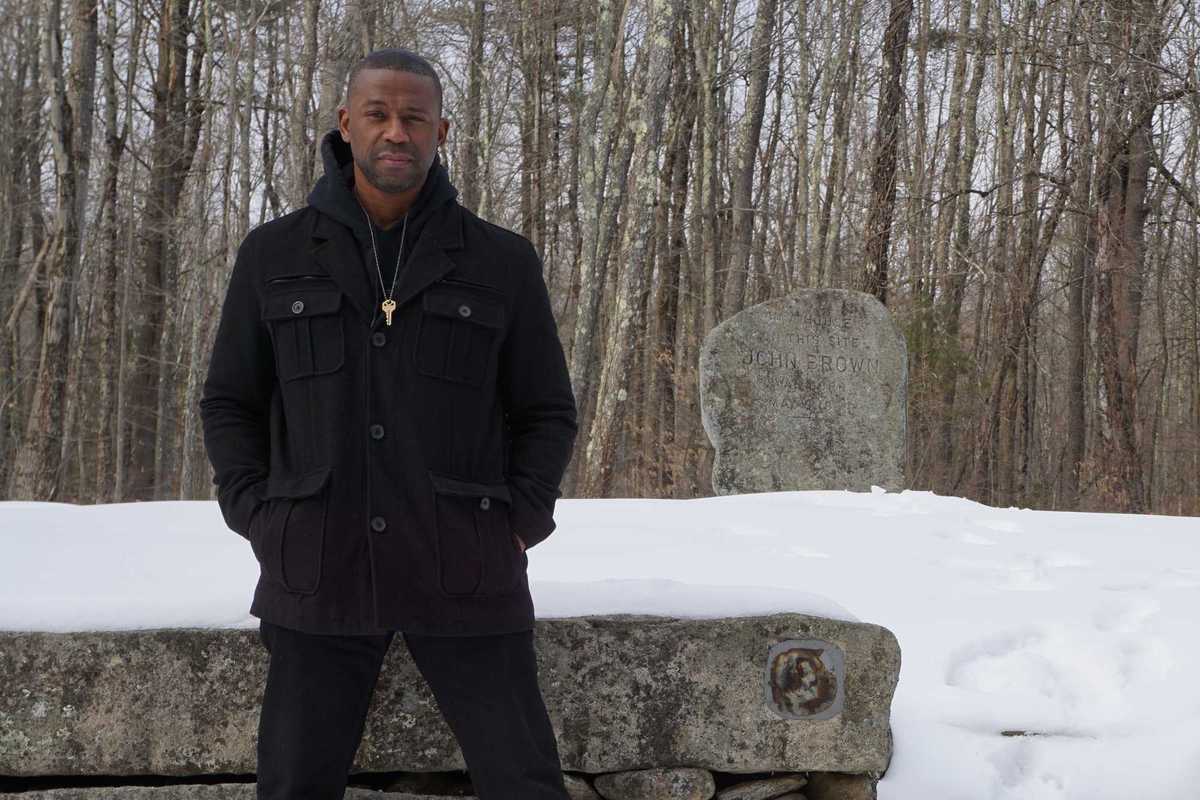
On Saturday, Oct. 24, at the Cornwall Historical Society, author and genealogist John Mills will breathe new life into the stories of some of Connecticut’s more underappreciated patriots. The reason these heroes were forgotten? They were Black.
At a time when white colonists were fighting for their own liberty and political independence, many Black men who fought alongside them remained enslaved. Some risked their lives only to return to bondage. Though enslaved people were promised freedom from both sides of the Revolutionary War in exchange for their service, Great Britain, too, was still deeply dependent on slavery. For Black people in America, the war presented both extraordinary risks and uncertain paths to the freedom that white colonists were demanding for themselves.
One systemic consequence of slavery is the loss and obscuring of the histories of those who were enslaved. Records were often not kept about where Africans had been stolen from or who they were related to. Families were torn apart, leaving nothing but the faintest traces of the past. The delineation point, where genealogists can no longer trace histories back, is refered to this as the “document wall.”
Today, 250 years after the signing of the Declaration of Independence and more than 160 years since the Emancipation Proclamation, there is a growing effort to restore some of the history stripped from enslaved people and their descendants. Among the leaders of these efforts is Mills, president of the Alex Breanne Corporation, a nonprofit organization that works to identify previously anonymous Black Americans from history and connect them with their living relatives.
The work began with Mills’ sister, who started digging into their family’s past in the 1990’s and introduced him to this emerging world of genealogy. Through that process, the Mills family discovered their great-great-grandfather, Ned Mills, who had been enslaved in Texas. His last name came from his final enslaver and remains the family surname. Through their research, they found that the document wall directly affected their ancestor, who learned of his liberation on June 19, 1865, now commemorated as Juneteenth.
“For the first time,” Mills writes on his website, “American slavery wasn’t something that had happened to anonymous people in a history book. It had happened to my family.”
The discovery gave Mills a familial pride he had been missing for years. That pride fueled his desire to help others find their own history. In 2023, Mills received his certificate in genealogical research from Boston University. He has used his expertise to help descendants of enslaved people uncover histories they never dreamed of learning.
To do this, he uses a process called “reverse genealogy,” identifying a person from the past and working forward to discover their descendants. Along the way, Mills has found some remarkable people who fought for freedom on American soil, some of whom were never freed.

At the Cornwall Historical Society event, Mills will present the stories of four Connecticut families: Job Lathrop of Norwich, the son of Pirmus Armes, about whom Mills has published a book; Prince Mortimer of Middletown, also the subject of a book by Mills;, the three sons of London Wallace of Simsbury; and Robert “Robin” Starr of Danbury, who later lived in Cornwall and Sharon.
A few years ago, Cornwall Consolidated School social studies teacher Will Vincent reached out to Mills for research guidance on a local history project his students were undertaking. Together, they learned about Naomi Freeman of Cornwall. After purchasing an acre of land on Great Hollow Road in 1828, Naomi Freeman became the first Black female landowner in Cornwall.
The students petitioned the town to rename a road after the historic Cornwall resident In April 2025, Great Hollow Road was officially renamed Naomi Freeman Historic Road. U.S. Rep. Jahana Hayes joined Mills and the Cornwall Consildated School students for a presentation of their research.
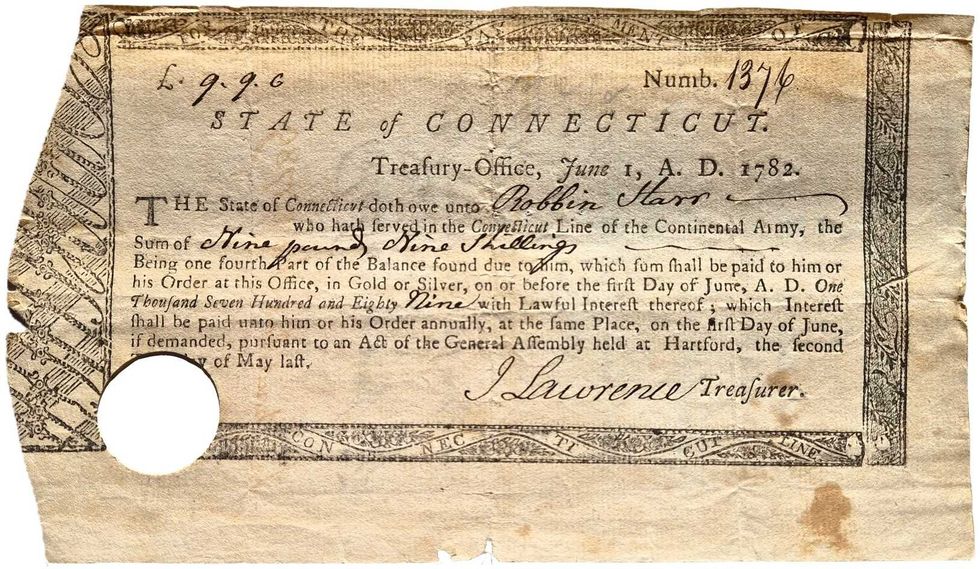
Since then, Mills has guided the students in their quest to learn more about Starr’s story. Starr was a Revolutionary War soldier who joined the Continental Army to earn enough money to buy his own freedom, receiving the Badge of Merit in the process. The stories of his descendents’ services are equally worthy of their own books.
In recognition of Mills and the students’ work, First Selectman Gordon Ridgway proclaimed Feb. 8 as Robin Starr Day.
Preregistration is required for the event at the Cornwall Historical Society. To learn more about Mills’ work, visit
alexbreanne.org.

Keep ReadingShow less
A sanctuary for second chances
Madi Long
Oct 21, 2026
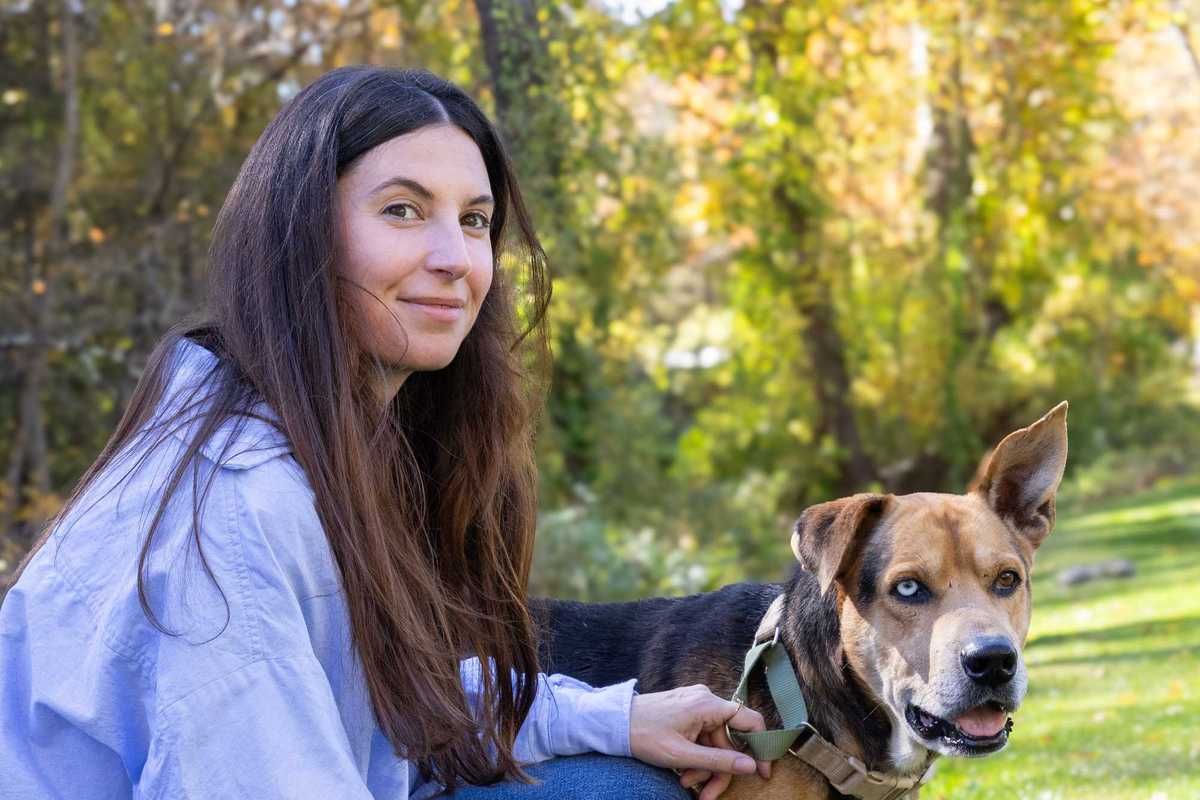
Stephanie Saetta runs Charlie Chicken Bones, a sanctuary in Salisbury.
Madi Long
You only get one or two of these soul connection dogs, so I do this in his honor.
— Stephanie Saetta
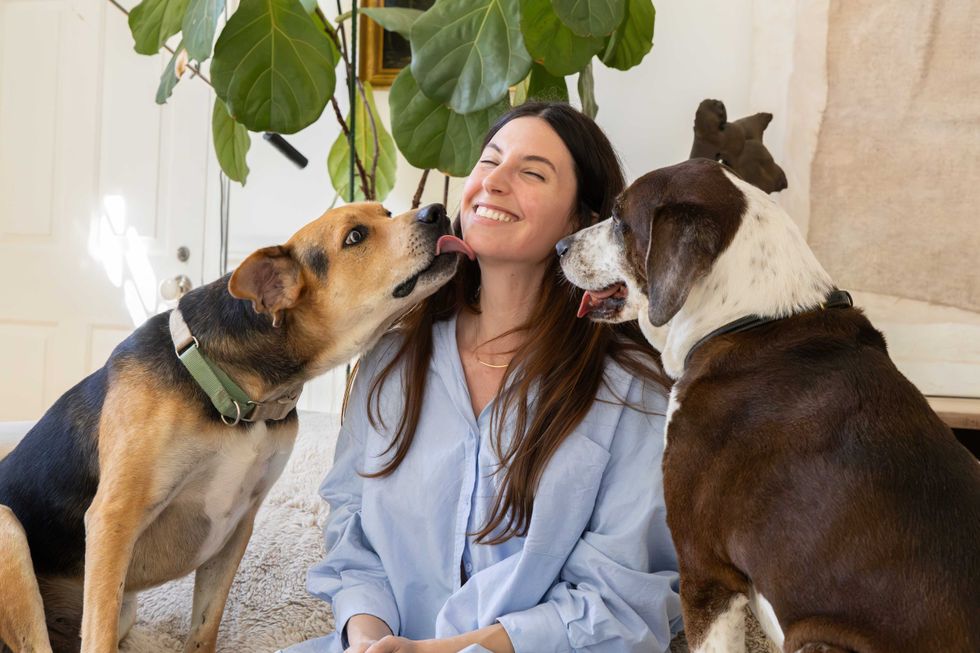
Stephanie Saetta has spent much of her life caring for others. A physician at White Plains Hospital, she has another calling at home in Salisbury — one that has four legs and a wagging tail. She runs Charlie Chicken Bone Sanctuary, a nonprofit dog rescue that brings dogs from overcrowded pounds and the streets of Texas to foster homes in northwestern Connecticut, where they can begin again.
The sanctuary is named for Charlie, the dog who taught her how special a bond between a person and rescue animal can be.
Dogs have been at the center of Saetta’s life since childhood. She remembers going to the library to research different breeds and trying to convince her parents the family needed a dog. She had her heart set on an Irish Wolfhound, but she was more than happy when her mom brought home a West Highland terrier.
After college, she adopted Charlie as a puppy from a rescue on Long Island. He was a hound-shepherd-Rottweiler mix who suffered from intense seizures. Some veterinarians recommended euthanasia, but Saetta wasn’t ready to give up on him.
When Charlie would have an episode, she would sit with him, nose to nose, talking him through it. She learned to look for the moment he began to come around — when he could smell her again and his tail started to wag.
“You only get one or two of these soul connection dogs, so I do this in his honor,” Saetta said. “I like to think that all the dogs that come through are going to have that person that they connect with just the same.”
Through a network of women working to rescue animals in Texas, she learned about the desperate situations facing many dogs.
With limited space, some public pounds euthanize even healthy animals to make room. Limited access to veterinary care leaves sick dogs or unvaccinated puppies especially vulnerable.
Saetta saw that reality firsthand with a puppy named Gus, a Labrador mix she fostered who has since been adopted. Gus and his sisters had been dumped beside a road, where they were living under an abandoned car. People would leave food for them, but no one would take them to the pound.
“Even the people who rescue animals down there were like, ‘sadly, the best place for them to be is on the side of the road,’” she said. “That’s safer. Someone might actually help them that way.”
Saetta knows that there are far more dogs than any one person can save, but she also knows that helping one dog means one fewer on the street.

Charlie Chicken Bone Sanctuary operates entirely through foster homes, a model that Saetta believes is best for the dogs and the humans hoping to adopt them.
Rather than moving directly from a difficult environment into a permanent home, the dogs have a chance to settle into a quieter setting. They can learn what it’s like to live with a family, sleep somewhere comfortable and receive affection without fighting for attention. Fostering also allows the rescue to really get to know each dog.
“As fosters, we’re honest,” said Saetta. We’ll tell you everything that’s been bad, everything that’s been good. What their temperament is and how they’ve responded to all the things they’ve experienced.”
A successful adoption is not just about finding a dog a home; it’s about finding the right home where the dog and family can thrive together.
Saetta is looking for more people willing to open their homes to foster dogs. She understands that the thought of growing attached and eventually saying goodbye can feel daunting. But she sees that goodbye a little differently.
Fostering means being part of a dog’s journey, even if only for a short time. It gives dogs a safe place to rest, the chance to trust again and the love they have gone without for much of their lives. And when the time comes for them to leave, it is not really a loss. It is the reward of knowing they are moving on to a forever home.
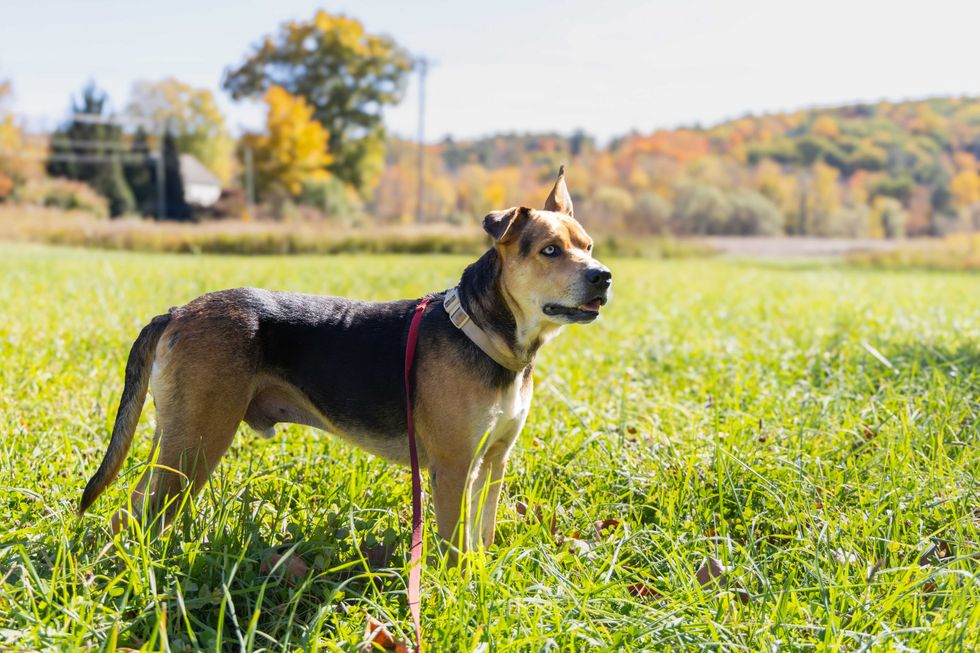
Blue, Saetta’s current foster, is hoping to find his perfect home.

Now around 7 years old, Blue spent most of his life wandering the streets of Texas. People sometimes left food out for him, but his mangy, dirty coat kept them from stopping to pet him. Today, he has a chance to experience something different.
Blue is still waiting for his forever home. Saetta believes he would do best as the only dog in a household or alongside another senior dog. He will need someone willing to continue working with him on his training and understand that a dog with his history needs patience.
But what he gives in return is a whole lot of love.
“He’s so enthusiastic, he’s so excited for life, he’s so friendly, and he’s got such a good heart, and he loves to cuddle,” Saetta said. “He’s a good, good, good dog.”
For more information on adopting Blue or how to foster, visit ccbsanctuary.org.
Keep ReadingShow less

Want more of our stories on Google? Click here to make us a Preferred Source.
loading