The award-winning novelist, biographer and scholar Roxana Robinson, who has longstanding ties to Litchfield County through her family’s centuries-old roots in Cornwall, was recently invited to tell the story of her great-great-great-aunt, Harriet Beecher Stowe, the abolitionist author born in Litchfield in 1811.
The invitation came from historian Heather Cox Richardson, whose national storytelling initiative, “250 to 250,” is marking the nation’s semiquincentennial with a series of short videos highlighting 250 people, places and moments that helped shape American history.
“We designed the videos to emphasize the agency of Americans — mostly everyday Americans — to change the country,” wrote Richardson. “Each falls into a category that defines what it means to be an American, including community, democracy, innovation, mobility, civil rights, education, conservation and creativity.”
According to an article Robinson wrote for The New York Times, she grew up hearing her family refer to “Uncle Tom’s Cabin” simply as “The Book,” a work that was treated as both a literary achievement and a source of family pride.In telling Stowe’s story for 250 to 250, Robinson reflects on not just a family lineage but a moral one.
“I am very proud of Great-Aunt Harriet,” Robinson said. “In an act of extraordinary courage, she challenged the economic, political and ethical structures of the entire country.”
That courage can be difficult to appreciate from the vantage point of the 21st century, she said.
“The main thing that amazed me about ‘the book’ was HBS’s courage. From this vantage point, now, ‘the book’ seems a bit obvious and heavy-handed, melodramatic ladies’ fiction, but at the time it was a deadly serious critique of the entire United States of America.”
Published in 1852, “Uncle Tom’s Cabin” arrived at a moment when many Americans, particularly in the North, could afford to look away from slavery.
“Slavery was a linchpin in the American economy,” Robinson said. “It was something the North could allow itself to ignore, since northern agriculture did not depend on slavery as southern agriculture did. But HBS, with these intertwined narratives of pain and love, made it impossible for northerners to ignore the human costs of slavery.”
Stories do that. They collapse distance. They insist that someone else’s child is your child. Someone else’s grief is your grief. Someone else’s freedom is bound up with your own.
“All people,” Robinson said of Stowe’s theology, “meant all people.”
It sounds simple. It was revolutionary.
“She wrote the Black experience just as she wrote the white experience, and showed readers, in heart-wrenching terms, that these stories were family stories, and that what the readers had been ignoring was a human tragedy. She made that tragedy impossible to dismiss.”
“Her book started a shift in public response to slavery, a movement toward revulsion and condemnation,” Robinson said. “Stowe’s book, like those of her peer Charles Dickens, lit up the dark places within the republic, and cast upon them the light of moral clarity.”
After all, movements most often begin this way — not with certainty, but with imagination. With someone refusing the accepted story and offering another one. For Robinson, Stowe’s story is also inseparable from the landscape that shaped her.
“The Litchfield Hills have always been a place where people have stood up for their own beliefs, tended their fields and raised their children to be responsible.”
Her own family’s roots in Cornwall stretch back to before the American Revolution.
“My corner of it, Cornwall, where my family the Scovilles have been since before the Revolution, has been populated by farmers and ministers ... and in the last century or so, writers and artists.”
She describes people from this region who felt and feel a deep responsibility to this country.
“I’m very proud of our state, with its strong history of support for public education, public health, gun control, agriculture and culture in general.”
For Robinson, civic engagement begins close to home.
“Politics begin at the bottom of your driveway,” she said. “Our neighborhood is made up of smart, kind, generous, engaged people whom I trust and love. Our first selectman is also our local organic farmer and a member of the EMT. How much more American can you get?”
That local focus is precisely what attracted her to Richardson’s project.
“I love the HCR project, linking our national history to these stories of individuals,” Robinson said. “This kind of story — one person committed to something about which they feel passionately — is the story of our country.”
To learn more about “250 to 250” and to view the videos, visit250to250.substack.com
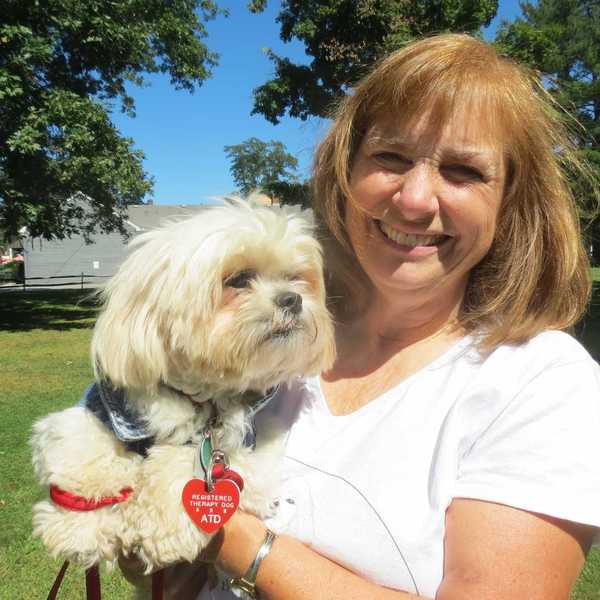



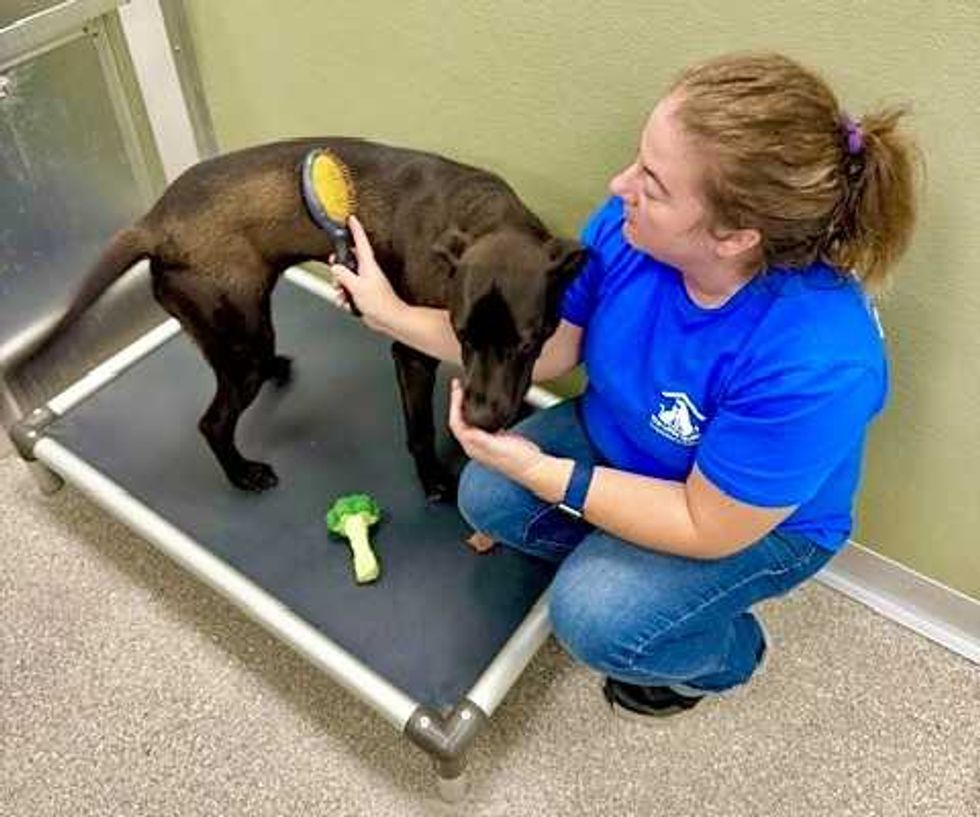 Tiffany Lemelin, shelter manager, brushing Marsala upon arrival.Provided
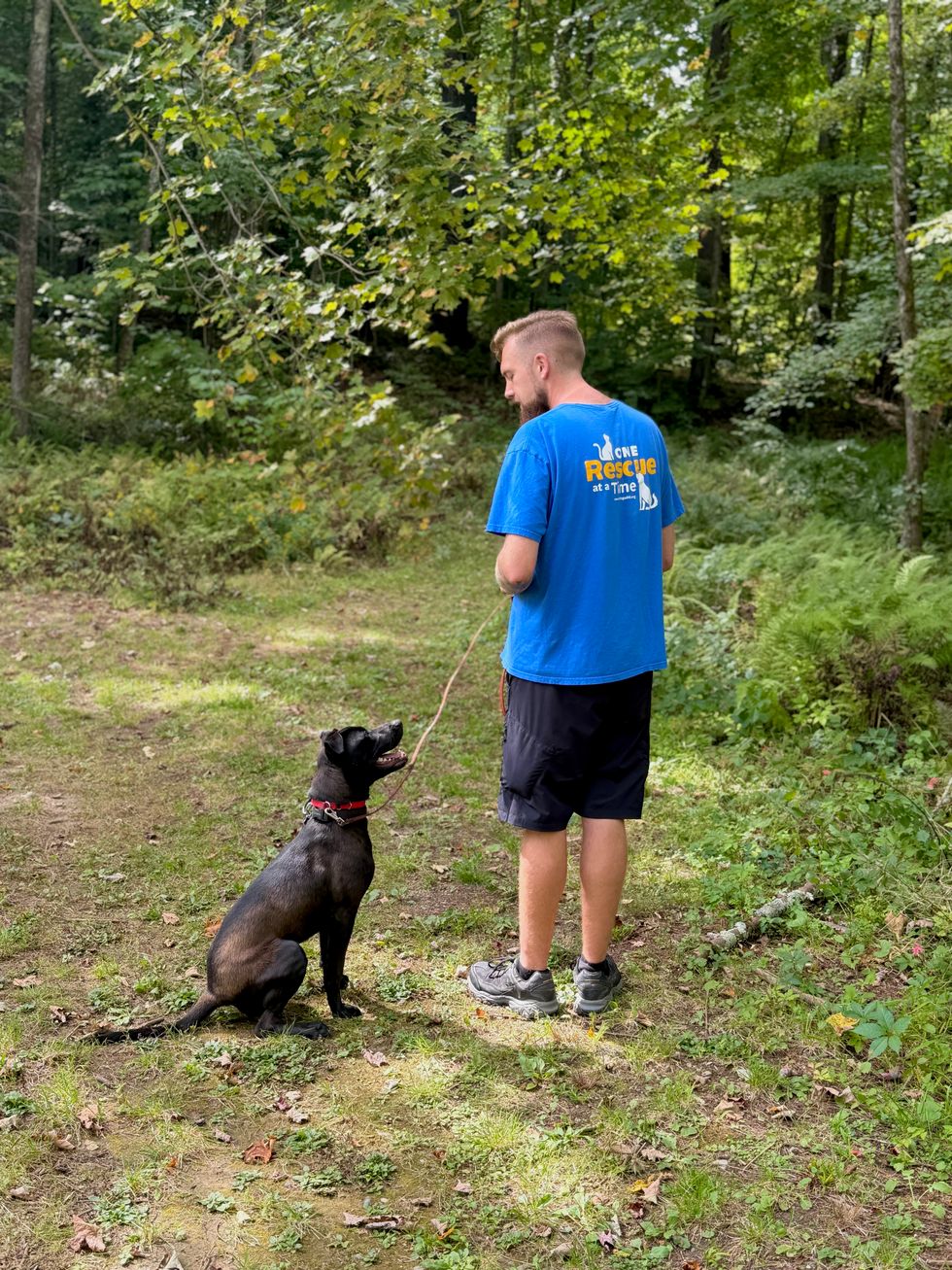 Michael DeBarba, certified dog trainer working with Marsala.Jennifer Almquist
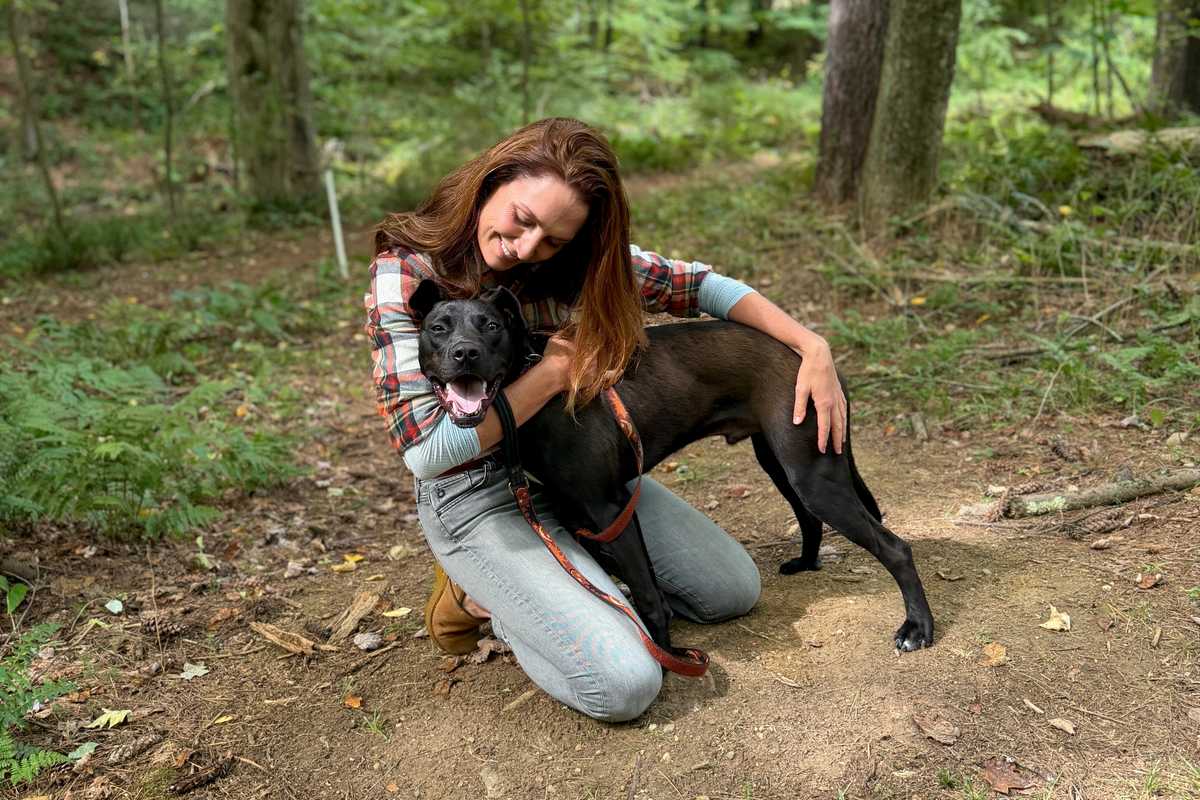 Marsala wins a heart.Jennifer Almquist
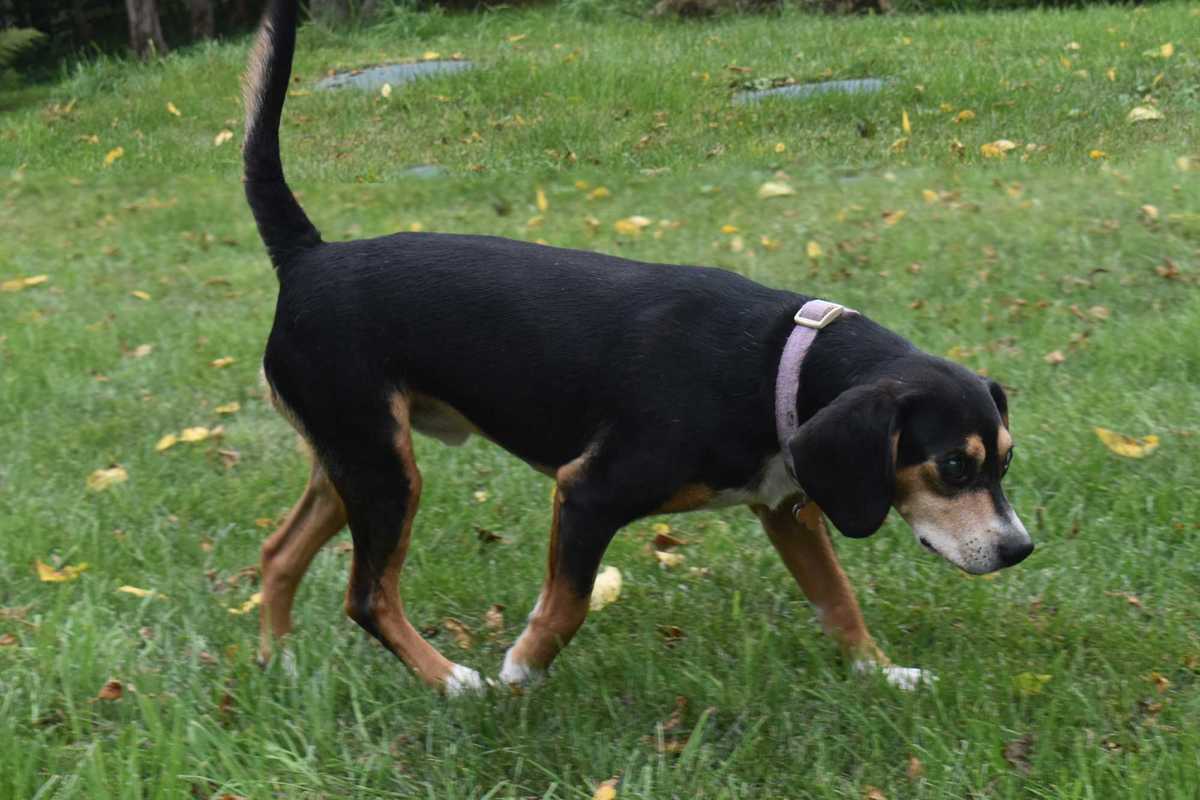
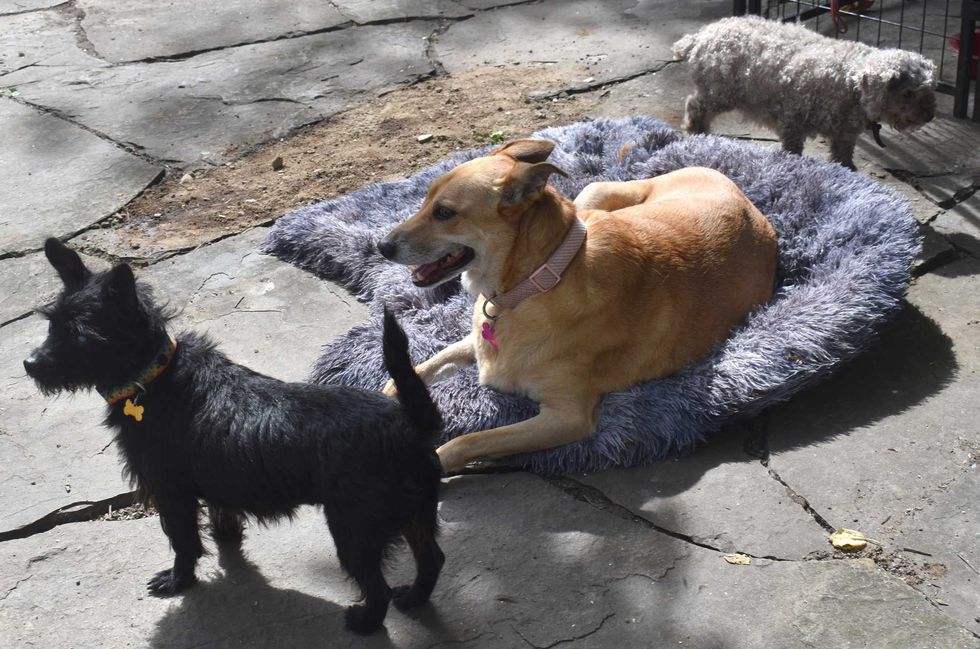 Sadie, center, a Carolina dog, plays with her friend Negra, a terrier mix. Bella Linda, the small poodle, has since been adopted.L. Tomaino
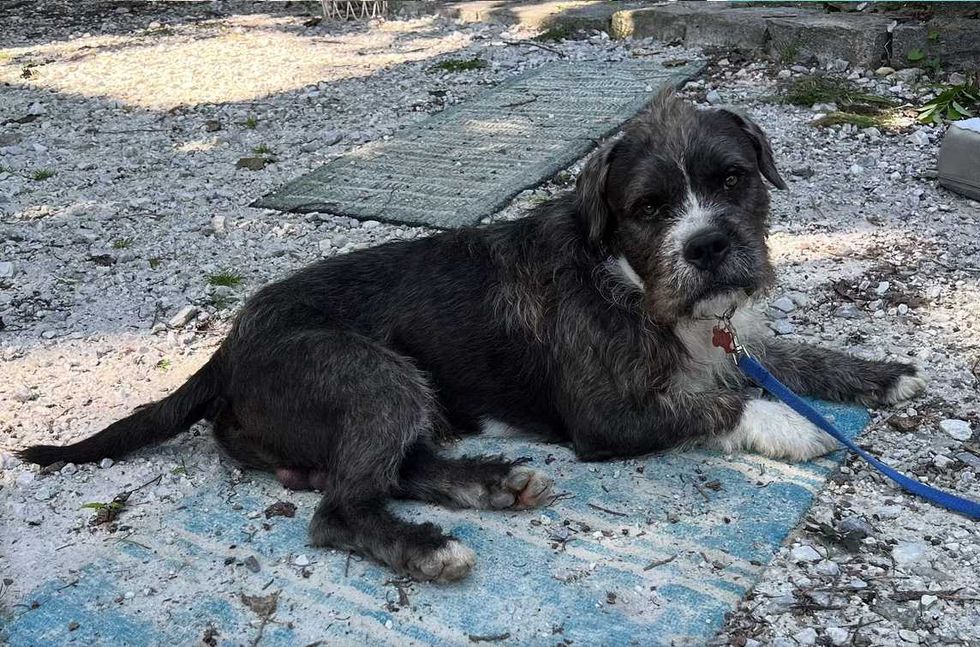 Wesley, a young, exuberant mix, is looking for an active home.L. Tomaino
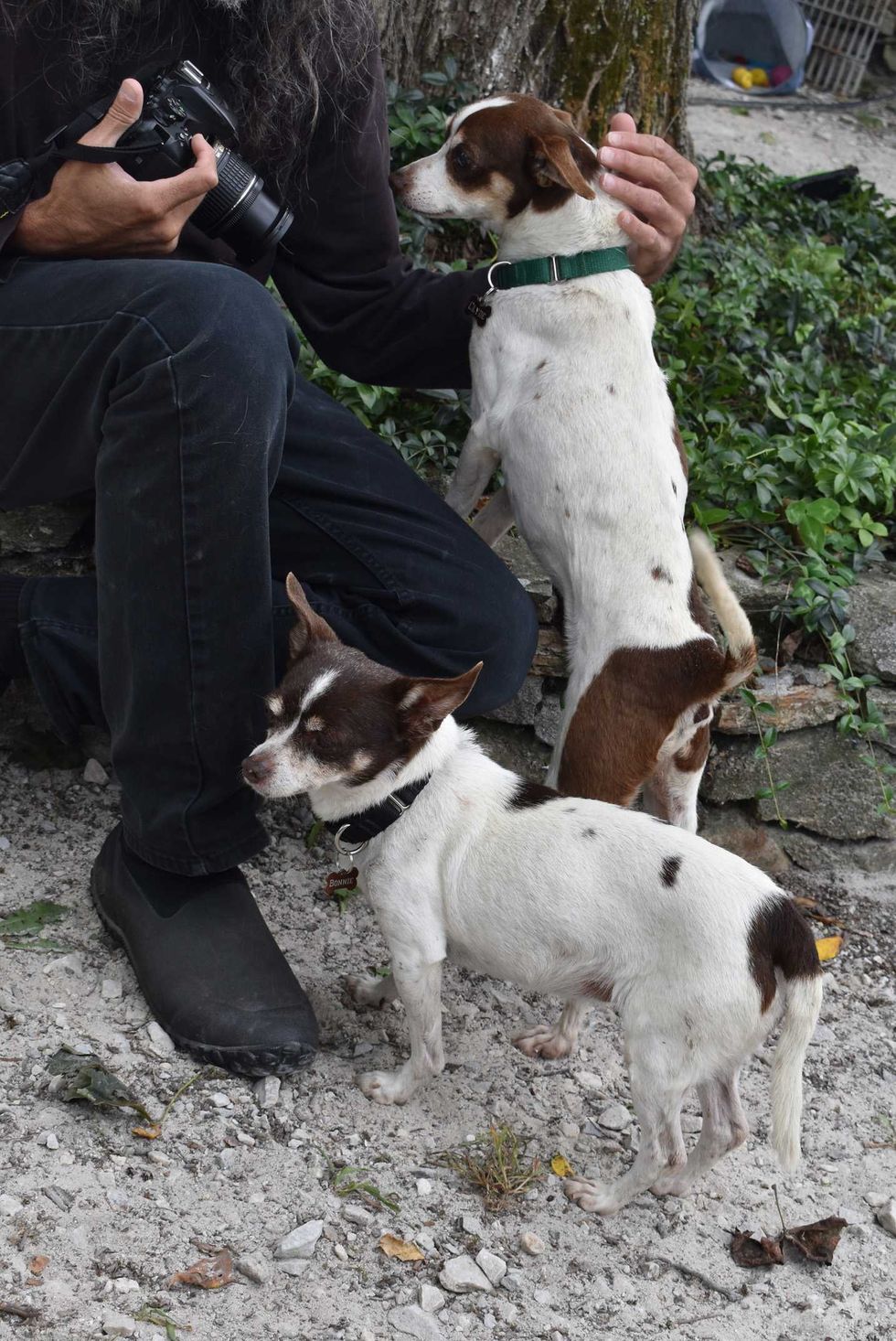 Bonnie and Clyde, an affectionate terrier pair.L. Tomaino
 Provided