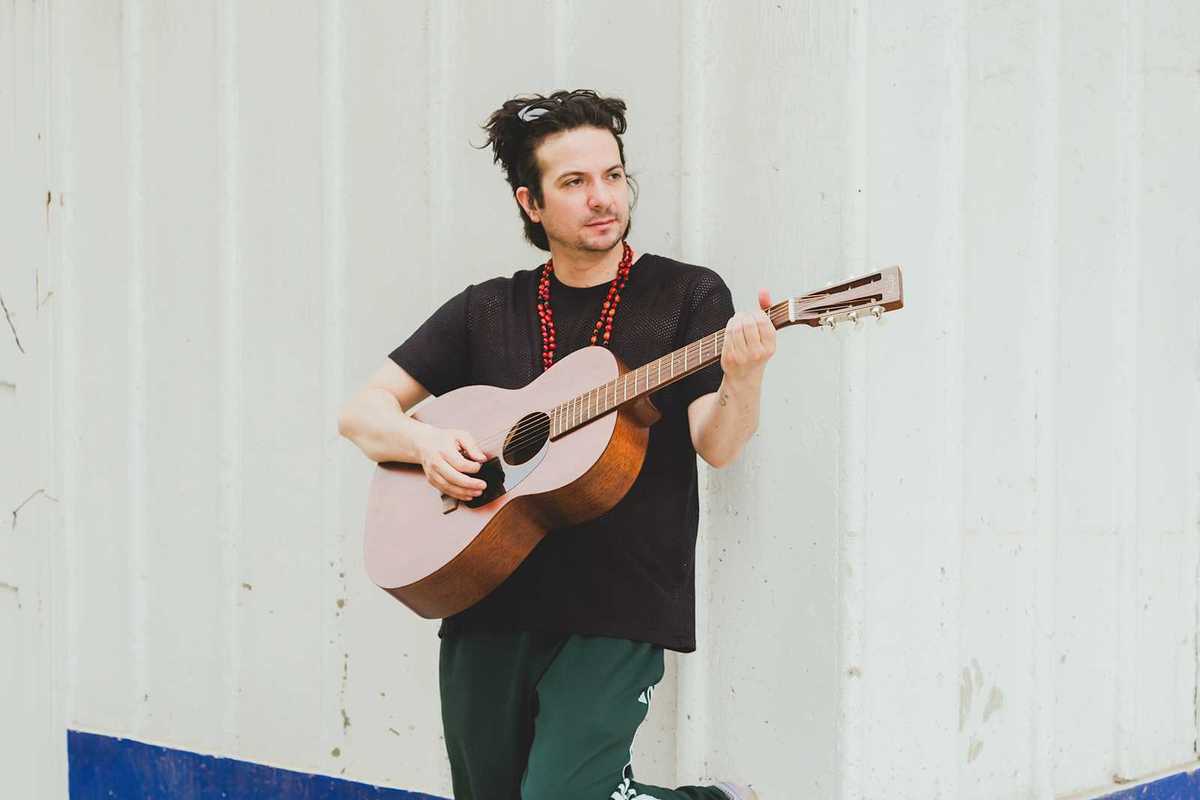
You might recognize Sarah LaDuke’s voice without ever knowing what she looks like. For years, it’s a voice that has arrived through kitchen and car speakers, introducing authors, moderating conversations and helping listeners make sense of the day’s events. Her voice has become a familiar companion throughout the region. Now, after nearly two decades at WAMC, LaDuke has stepped away from public radio news and into a role that brings her closer to what she says has always animated her most: music.
“I’ve been at WAMC for almost 20 years, and I love it,” LaDuke said. “But I felt like I was ready for something. I didn’t know what.”
The longtime radio host, producer and arts advocate has been named executive director of Folk Alley, the member-supported folk music streaming station and website operated by the FreshGrass Foundation. LaDuke now leads the nationally respected platform from her home office in Albany while helping shape its next chapter.
The opportunity arrived unexpectedly.
“I was just talking to a friend,” LaDuke recalled. “And she said, ‘The executive director of Folk Alley wants to retire.’ I was like, ‘What? No way.’”
What followed felt remarkably organic.
“The first interview wasn’t billed as a job interview,” she said. “The pressure and stress weren’t there. I was just having a great conversation about loving music and radio and broadcasting.”
The move marks a significant shift for LaDuke, whose voice became a fixture on WAMC’s airwaves through programs including “The Roundtable” and “The Book Show.”
While she loved the work at WAMC, producing shows like “The Roundtable” and “The Book Show,” the demands of daily news coverage felt heavy.
“I’m not a news guy,” she said with a laugh. “The music and arts part of it has always gotten me the most enthused.”
Hosting discussions about politics and current events often brought anxiety, she admitted.
“To fill in as host of ‘The Roundtable’ and get ready to talk about news live on the air for two hours — it generated a tremendous amount of anxiety,” she said. “I would read all the news I possibly could at 9 p.m. and then go in and talk about it at 9 a.m. It was getting hard to bear on the old soul and skeleton.”
At Folk Alley, LaDuke sees an opportunity to focus on the cultural conversations that have always energized her.
Founded in 2003, Folk Alley offers a curated stream of folk, Americana, roots and singer-songwriter music alongside artist interviews, articles and specialty programming. Now part of the FreshGrass Foundation, the nonprofit behind the FreshGrass festivals, No Depression and Folk Alley, the platform reaches listeners around the world through its website and mobile app.
LaDuke believes its greatest strength is its human touch.
“People who care about and know about folk music are choosing the songs,” she said. “No song is selected because of an algorithm or AI. It’s human-curated music.”
One of her primary goals is simple: help more people discover it.
“I think the people who know Folk Alley love it and value it,” she said. “I think more people need to know about Folk Alley.”
She hopes to expand the organization’s presence at festivals and concerts while connecting artists and listeners more directly.
“We have this 24/7 marvelous coming together of folk music,” she said. “We’ve got to make sure people know about it.”
The role itself is broad. In addition to overseeing programming, LaDuke will manage memberships, donor relations, budgets, contractors and technical operations.
“It’s very adult,” she joked.
Though she’s only beginning to learn the intricacies of the job, she already has ideas for the future. Among them is the possibility of creating a podcast network focused on music, culture and conversation.
“I would like to start a podcast network of good talkers talking about music and art and humanity,” she said. “To be able to find and present conversation — that’s been my steez for the last 20 years.”
For now, she’s focused on learning from outgoing executive director Linda Fahey, who will remain through the summer to help with the transition.
LaDuke also sees Folk Alley as part of a larger mission.
“Music is one of our great unifying forces,” she wrote in announcing the position. “Folk music has always shared and preserved the stories of its communities’ historical struggles, current concerns and desire for a better future.”
In a world that is feeling increasingly fractured, she believes that mission matters more than ever.
“Alongside the important cultural impacts of folk music,” she added, “is the undeniable truth that music is fun — and having some good times in a world gone mad might just get us through.”

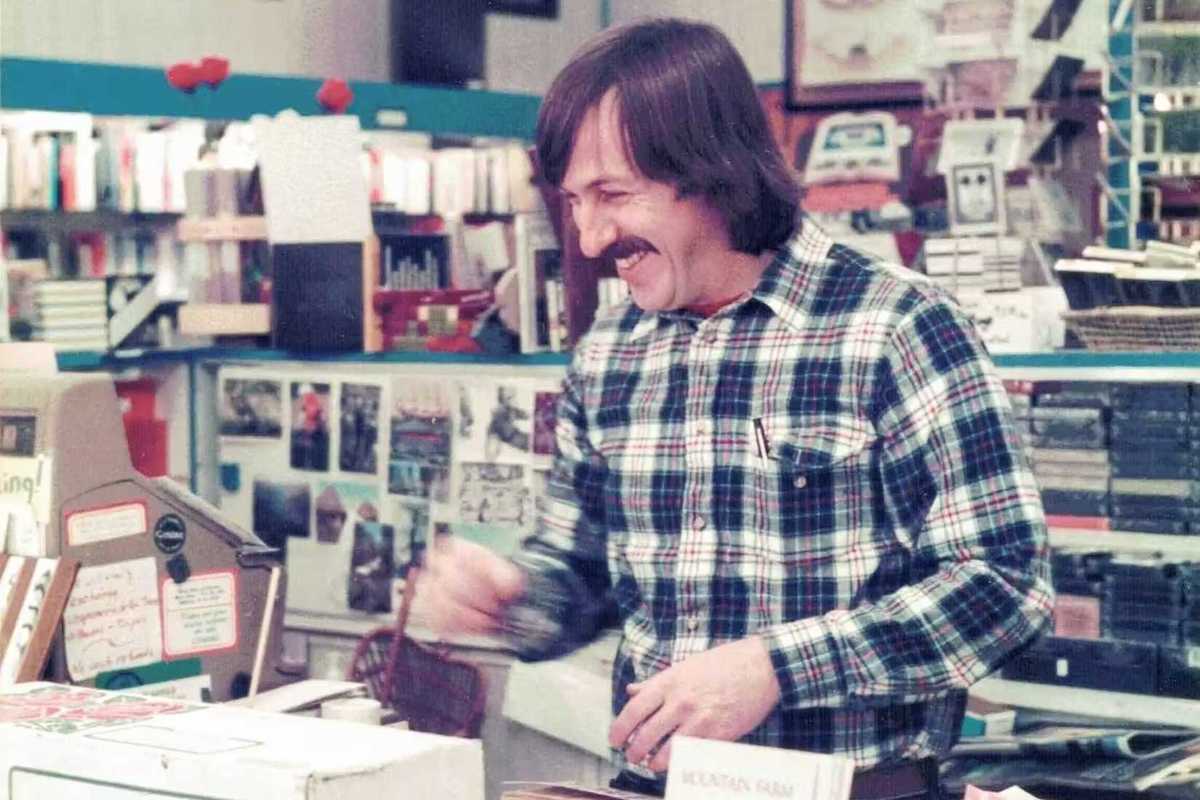
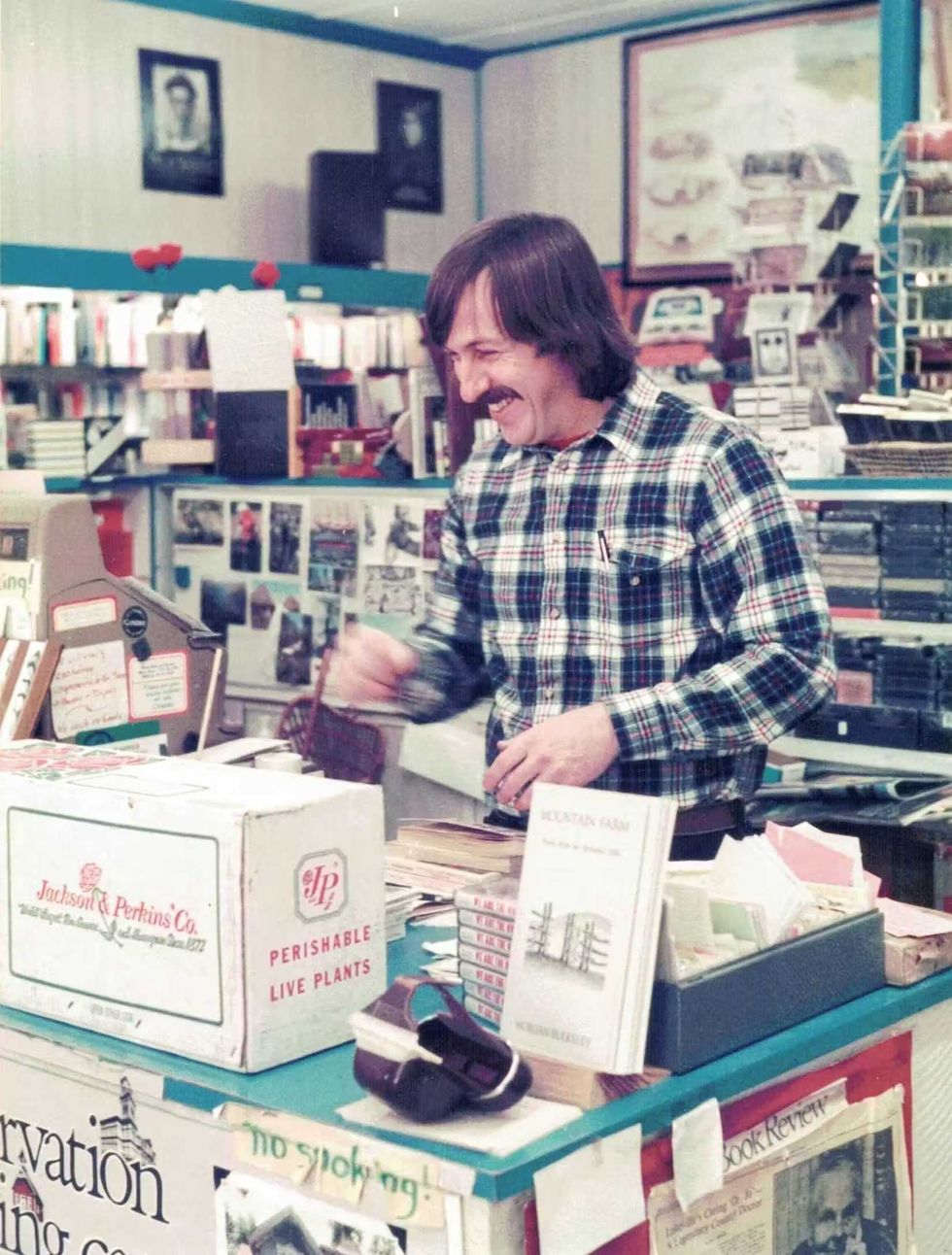 Dick Hermans in the Oblong Bookstore on Millerton’s Main Street in 1985.Provided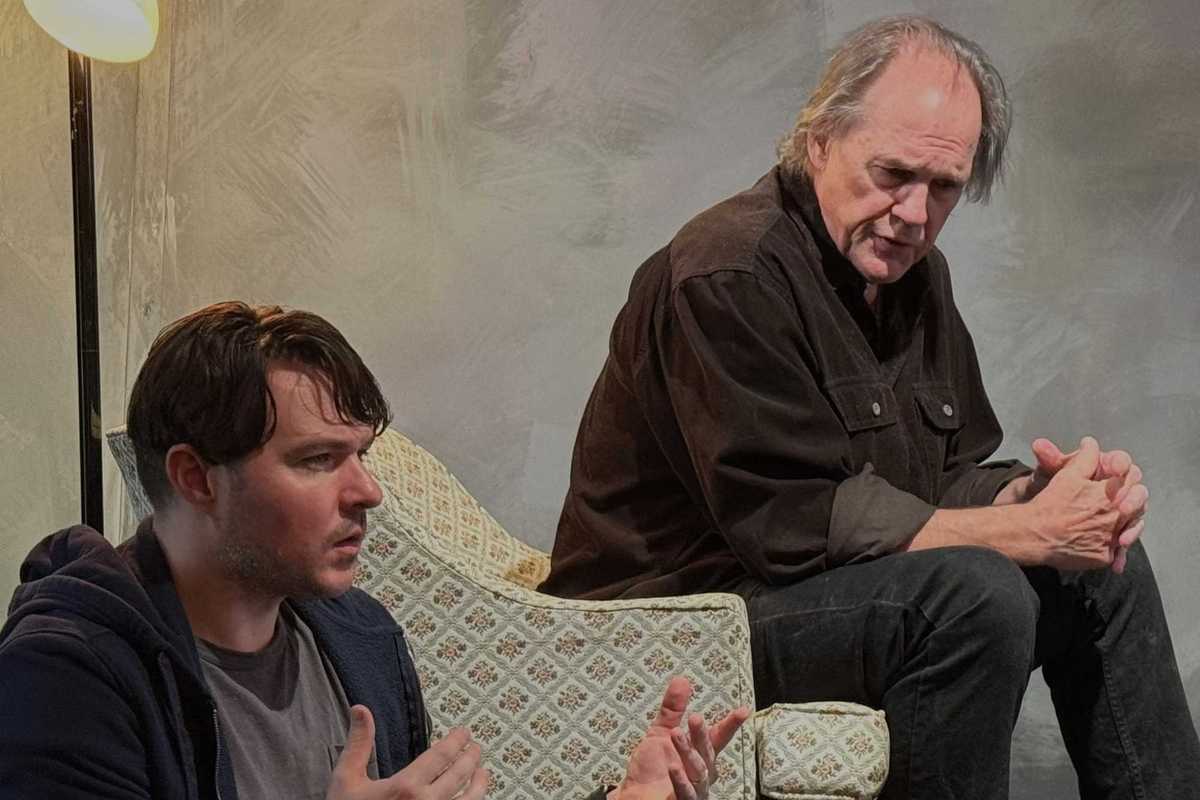
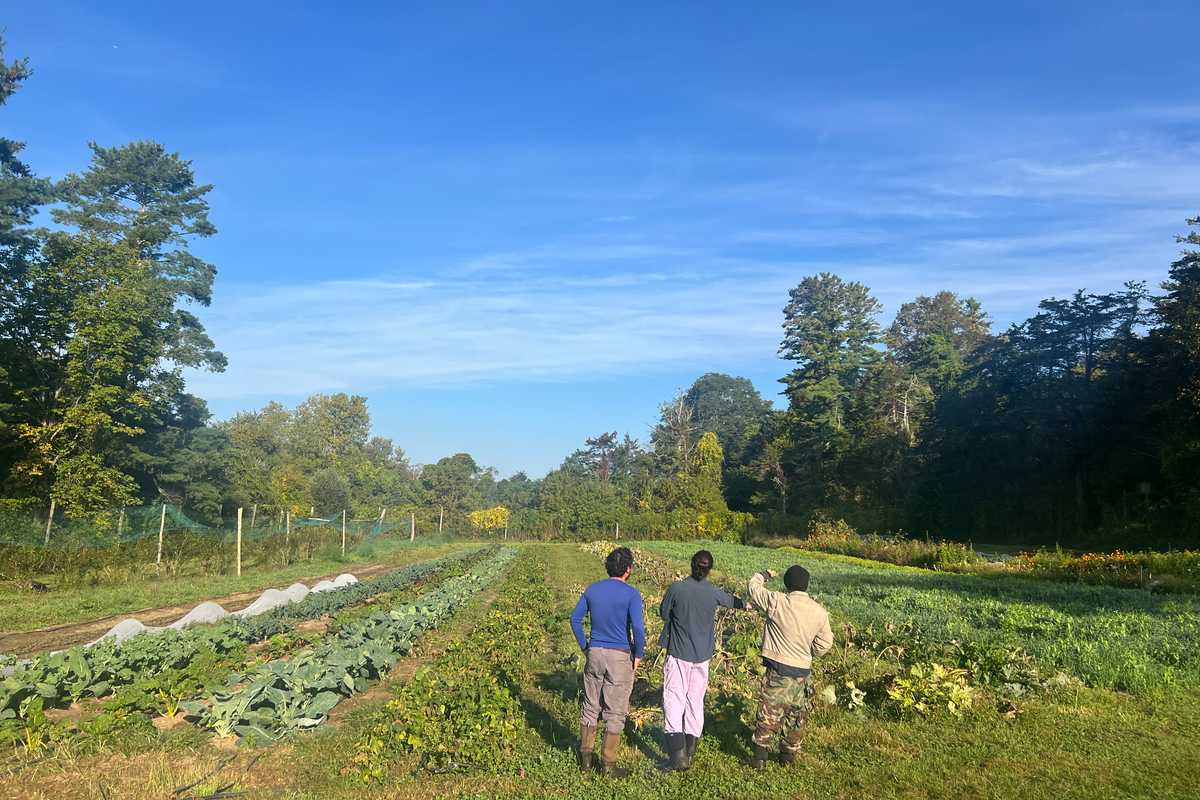
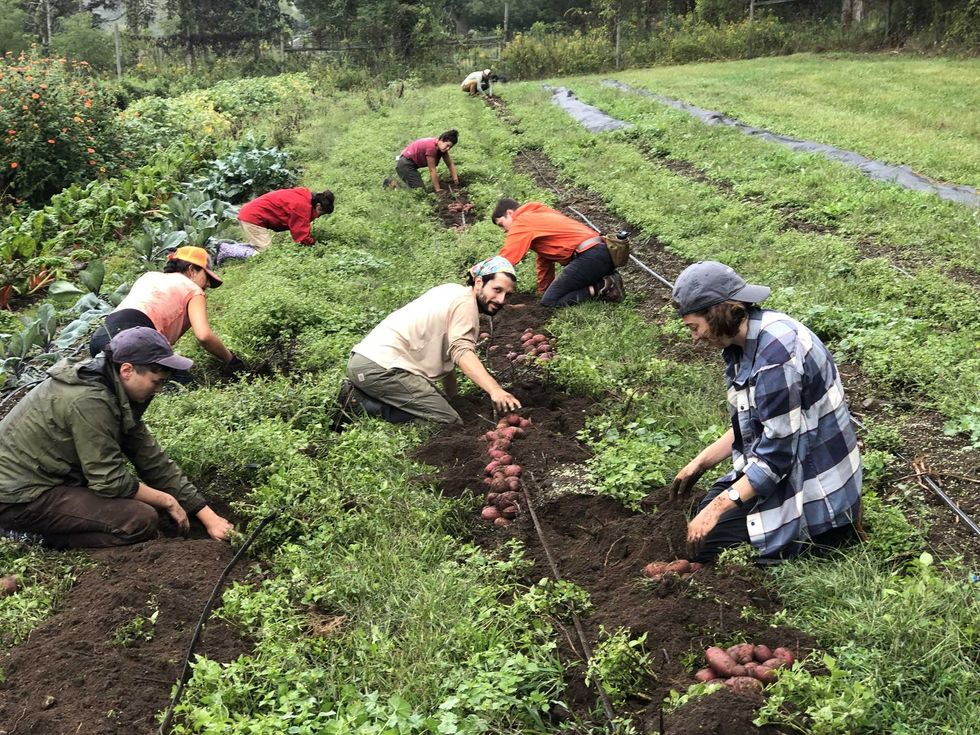 Fall storage crop harvests amid soil building cover crops at Adamah Farm in Falls Village. Janna Siller

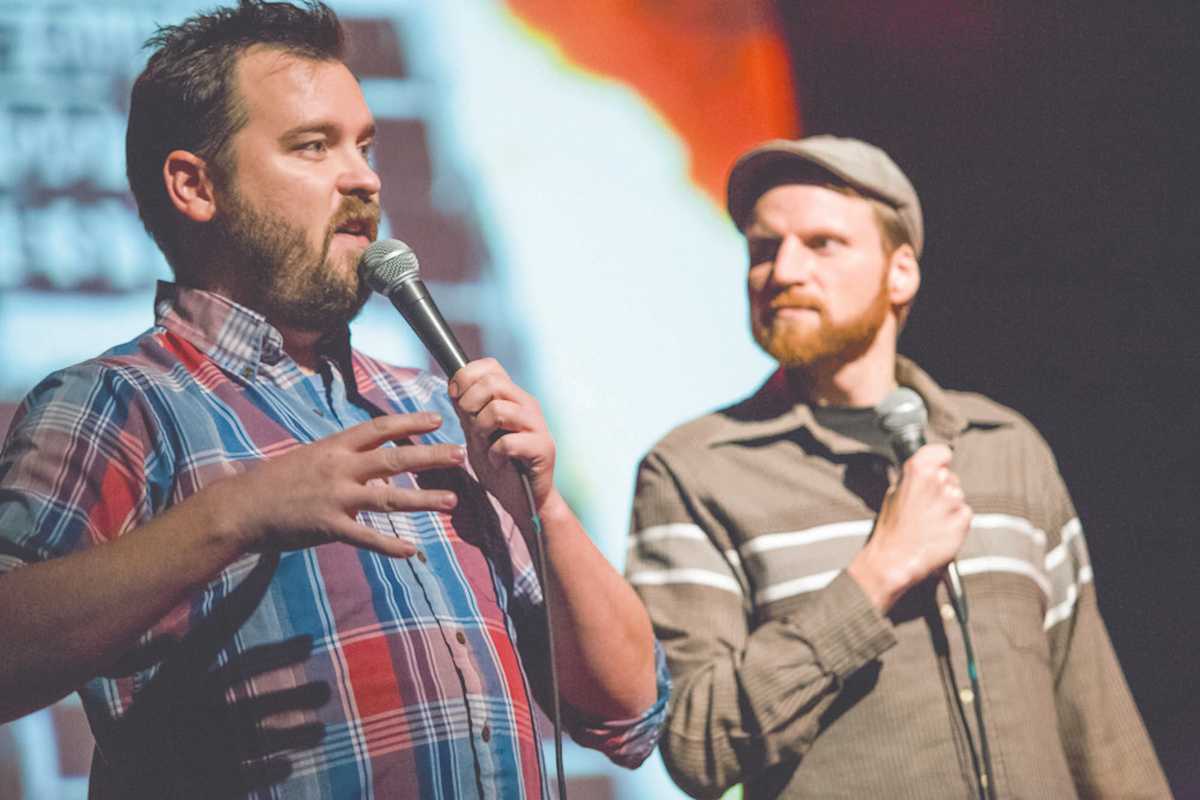
 The Found Footage Festival is a “celebration of the videos that time forgot.”Provided by Found Footage Festival