Thank you!
Your support is sustaining the future of local news in our communities.

Almost family: Recalling life for the staff at the Scoville mansion

SALISBURY, Conn. — Salisbury resident and Northwest Corner historian Richard Paddock recalls his grandfather’s lifelong service to the prominent Scoville family as a kind of accident. 

“It was a twist of fate,” Paddock said in an interview last week. The occasion for our conversation was the recent listing of the house for sale; when the sale is completed, it will be the first time the estate has left the hands of Scoville family members.

Charles Paddock was in his mid 30s at the start of the summer of 1918, when he was working as a chauffeur for John Ames Mitchell. 

Mitchell, a Harvard graduate who studied architecture at the École des Beaux-Arts in Paris, was the founder of the original incarnation of Life magazine, with Arthur Miller, as a highbrow humor publication that mocked the manners of the time. 

Life would later shift to hard news and photojournalism under the ownership of Henry Luce in 1936. 

Mitchell was preparing to spend the summer in France, and Charles, prone to sickness while overseas, decided to stay stateside for the season until Mitchell’s return. A letter of introduction was written for Charles, and he found seasonal employment as a chauffeur to Herbert Scoville, commuting from their brownstone in Manhattan to Hill House, in the Taconic section of Salisbury, near the Twin Lakes. 

Charles, however, would never return to his position with Mitchell. 

Ironically, though it had been Charles who wanted to avoid sickness, it was John Ames Mitchell who suffered a stroke that June and died while at his summer home in Ridgefield, Conn., roughly 60 miles from where Charles Paddock was working for the Scovilles. 

After that, “Herbert Scoville kept [Charles[ on as a full-time chauffeur,” Paddock recalled. 

At the time, Paddock said, his grandfather was “a widower with a son: my father. The rest of his family had all been lost to the flu epidemic.” 

Charles would go on to marry Suzanne Magnussen, a caretaker for the Scoville children who later rose to become the estate’s cook. In 1923, however, the happy home where they worked was destroyed.

“The cause of the fire was never established,” Paddock said of the disaster that leveled Hill House in a single night. “There were people in the house at the time, but they escaped. They ran down to the road to sound the alarm, even though there was a car available.” 

Joseph D. Leland who, like John Ames Mitchell, studied at both Harvard and the École des Beaux-Arts, was hired to design a new, Norman-inspired Hill House. 

The Scovilles had a new summer home when the house was completed in 1927, and Charles and Suzanne had fully settled into Taconic by the time of the birth of their daughter. 

Family was important to the Scovilles — not just their own, but also the families of their staff.

“All of the children [of the staff] on the estate got scholarships to school from the Scovilles,” said Paddock. “That was typical of the Scovilles, they were very good to the staff. If something happened to one of the kids, a health emergency, the Scovilles were right there. My grandfather had a house, his utilities were paid, he was given meals and a salary. It’s not a lifestyle you see too often anymore.”

Charles would live on the Hill House estate until his death in 1955.

“Hill House was not the vision you typically have of a Gilded Age family and staff,” Paddock continued. “If you go up to Newport [Rhode Island] you might hear a much different story, like that they made the guys who shoveled coal wear white shirts. Or that the staff was kept on the third floor of the house, with no windows. 

“The Gilded Age house ethic was that none of the grubby part of the operation of the house should be visible; everything came and went through tunnels. The staff shouldn’t be seen, they had their own stairways — and worked long hours for low pay. 

“You get a bad picture of what it was like to be on the staff at one of these mansions, but you have to forget all that when you think of the Scovilles. That was not how they ran Hill House. The figure behind all that was [Herbert’s wife] Orlena Scoville.

“She hosted an annual Christmas party, there were sledding parties, there were fireworks shot up near the pond on the Fourth of July. In some respects that house was a community center. It wasn’t open to the public, but if you lived in Taconic you were welcome, you didn’t have to be staff; but of course a lot of the nearby residents were staff. 

“In many respects the house leaving the family marks the end of an era.” 

The Scovilles’ generous spirit extends to the present day, Paddock said, with Molly Scoville Fitzmaurice, who is Herbert and Orlena’s granddaughter, sending Christmas cards and gifts to Paddock’s two aunts (Charles and Suzanne’s daughters) until the end of their lives. Of Hill House’s staff, Paddock said, “They were servants, but they weren’t treated like servants. They may not have been family, but they were almost family.”

Latest News

‘So Little to Do,’ so much to discover at James Barron Art

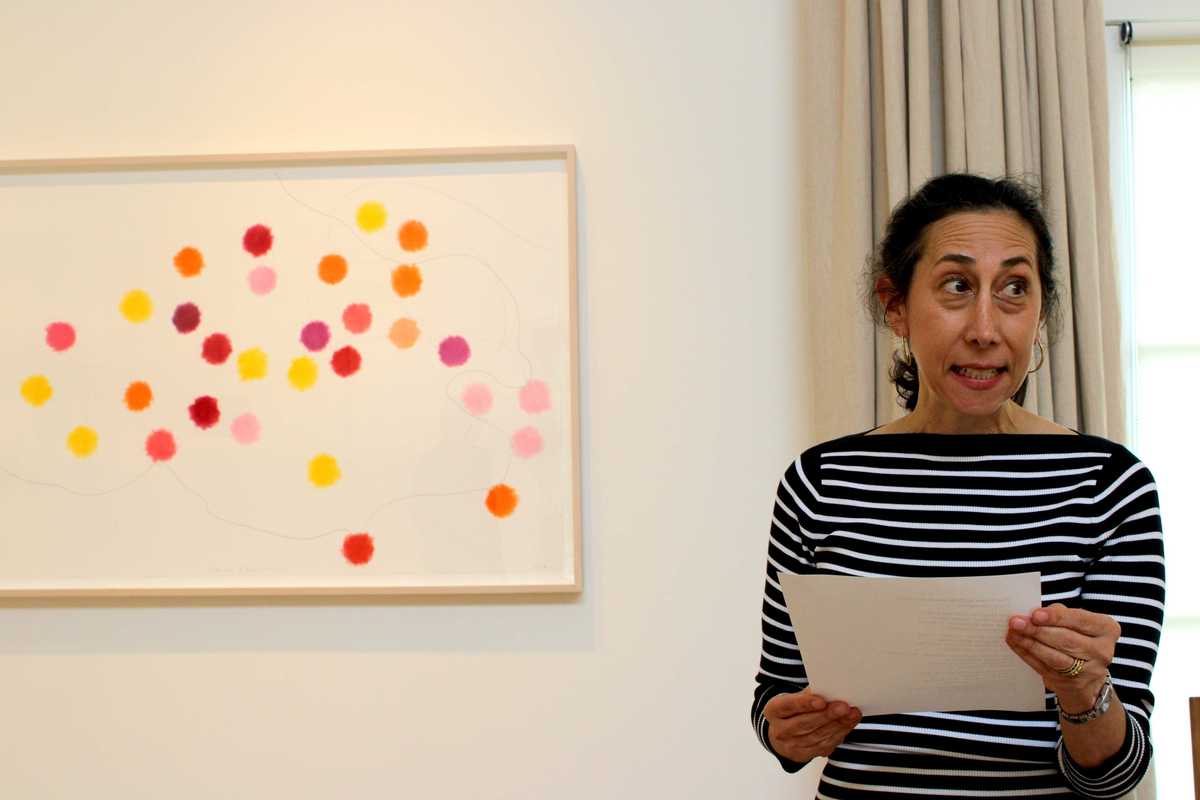
Curator Deborah Goodman Davis reads the Emily Dickinson poem “The Grass So Little Has to Do.” Spencer Finch’s “Following Three Bees (Zinnias)” buzzes in the background.

Photo by Natalia Zukerman

“The Grass Has So Little to Do,” on view at James Barron Art in Kent, takes its title from Emily Dickinson’s poem “The Grass So Little Has to Do,” written in 1862:

“The Grass so little has to do—
A Sphere of simple Green—
With only Butterflies to brood
And Bees to entertain—”

Keep ReadingShow less

Marina Kotchoubey is not a woodworker

Marina Kotchoubey is not a woodworker

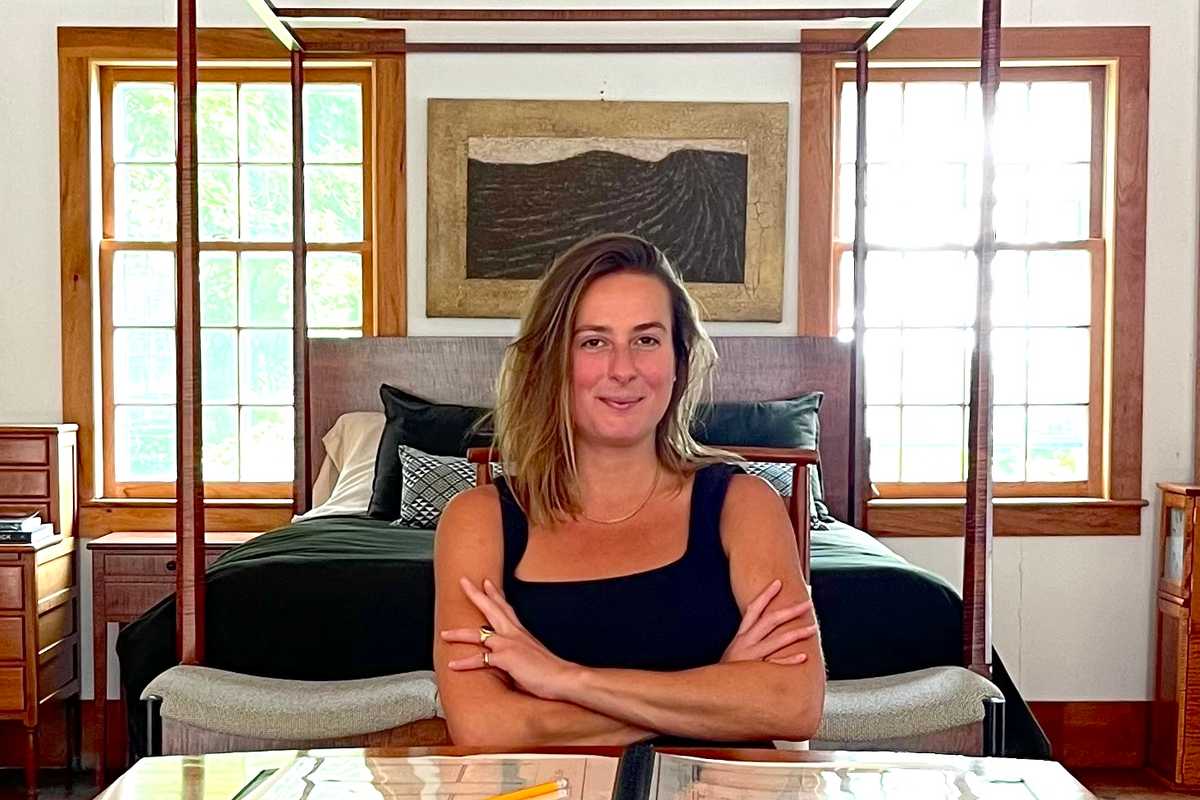
Marina Kotchoubey at the Ian Ingersoll Cabinetmakers showroom in West Cornwall.

Photo by D.H. Callahan

After 40-something years navigating the world of custom fine furniture, Ian Ingersoll was getting ready to retire. Starting off with a little dovetail stool that he sold at a shop in West Cornwall in the 1970s, he’d grown his skill and his business into something he — and the whole town — could be proud of. Shutting down that business was not an option.

Ingersoll built Ian Ingersoll Cabinetmakers, which produced mainly classical Shaker furniture, on passion: the passion he had to make a living through creative challenges and the passion of his employees, who all seem deeply in love with their craft.

Keep ReadingShow less
A legacy of giving at Norfolk Chamber Music Festival

One hundred and twenty years ago, Carl and Ellen Stoeckel commissioned New York architect E.K. Rossiter to design The Music Shed in Norfolk, Connecticut. After nearly a decade of entertaining their friends and neighbors with the finest music of the day, they built a permanent home for their beloved Litchfield County Choral Union.

The commission and full funding of the construction was not unheard of in an era when great fortunes led to public enrichment. Railroad tycoon John D. Rockefeller was instrumental in funding institutes of higher education. Steel baron Andrew Carnegie was building libraries all over the country, and famously said that a man who dies rich is a disgrace, challenging his peers to give their fortunes back to the people.

Keep ReadingShow less
google preferred source

Want more of our stories on Google? Click here to make us a Preferred Source.
Two unique exhibitions at Geary Gallery

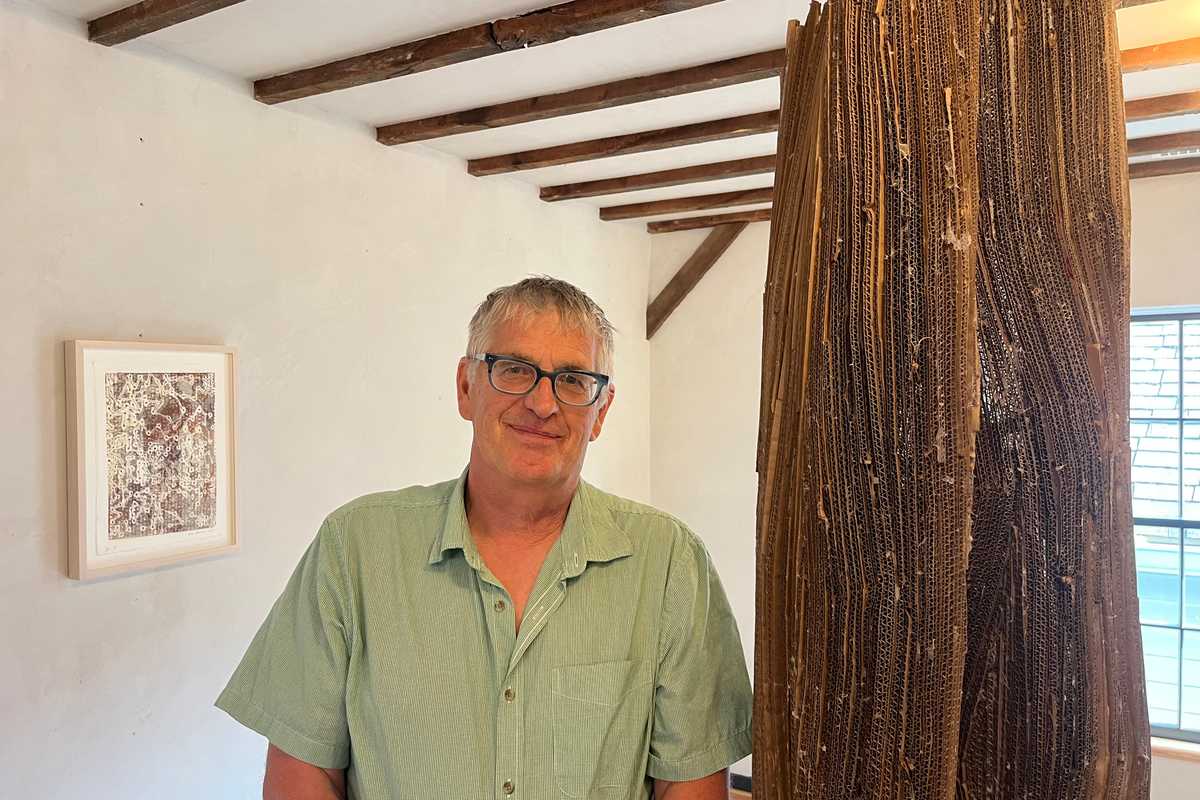
Henry Klimowicz with his sculpture, “Partial Pillar 1”

Photo by D.H. Callahan

On Saturday, Aug. 1, Geary Gallery opened its doors in Salisbury for two unique shows in its first- and second-floor gallery spaces. Art lovers flooded both floors over the course of the afternoon, giving the events a vibrant feeling that enhanced the importance of the art.

On the first floor is a show by Chicago-born, Colorado-based photographer Summers Moore, titled “Lobitos: Pueblo Fantasma,” or “Lobitos: Ghost Town.” The work centers around her daughter’s current hometown in Peru. Moore herself found a home away from home in Colorado in the mid-1980s and encouraged her children to seek out new places outside of their comfort zones.

Keep ReadingShow less

Writer’s retreat in the woods

Writer’s retreat in the woods

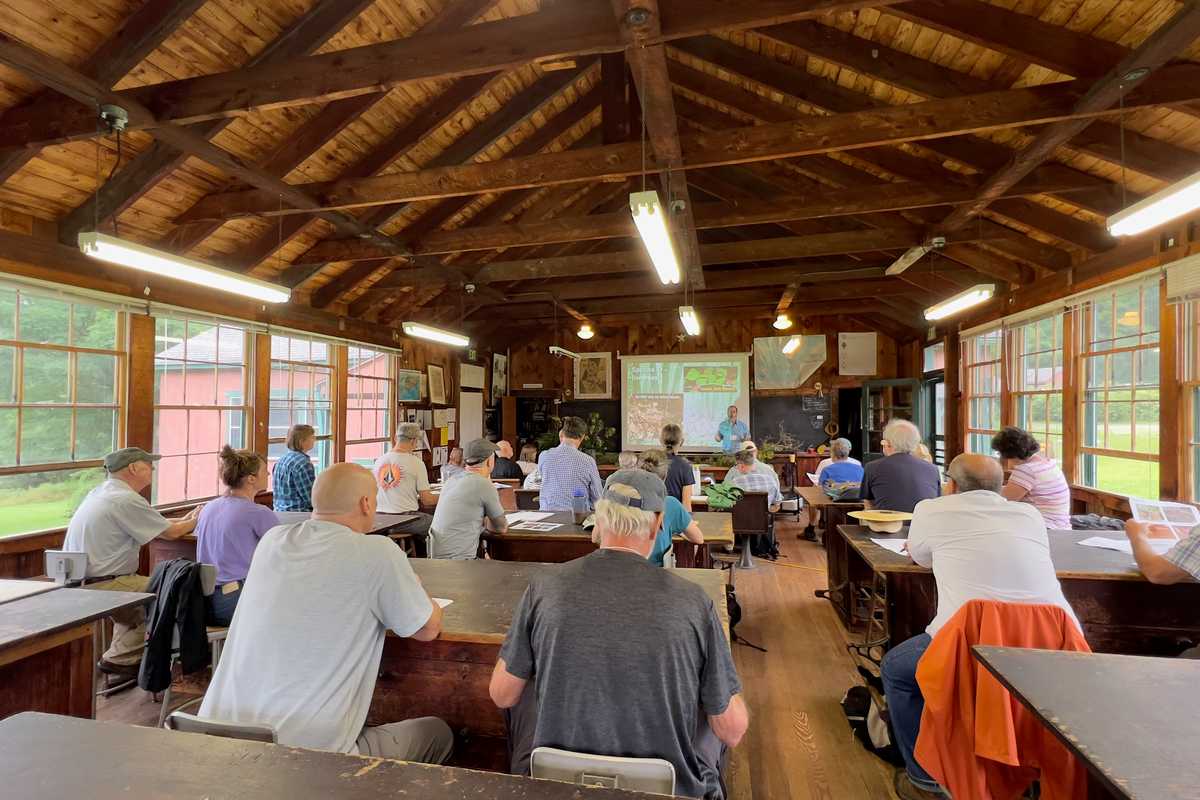
Participants in a 2024 Great Mountain Forest Woodland Academy workshop at Yale Camp.

Photo by Mike Zarfos

Great Mountain Forest (GMF) will host its first Nature Writing Retreat at the historic Yale Camp in Falls Village from Aug. 7-9, 2026. Writers of all levels are invited to draw inspiration from one of New England’s most notable forest landscapes. GMF envisions the retreat becoming an annual event celebrating writing, conservation and the relationship between people and forests.

This immersive three-day retreat reflects on the legacy of Hal Borland, the American writer and New York Times nature columnist whose work was deeply connected to this landscape. The retreat explores how wilderness shapes language, strengthens close observation and fosters environmental consciousness.

Keep ReadingShow less
From Cornwall to Rome, Adam Van Doren at Berkshire Botanical Garden

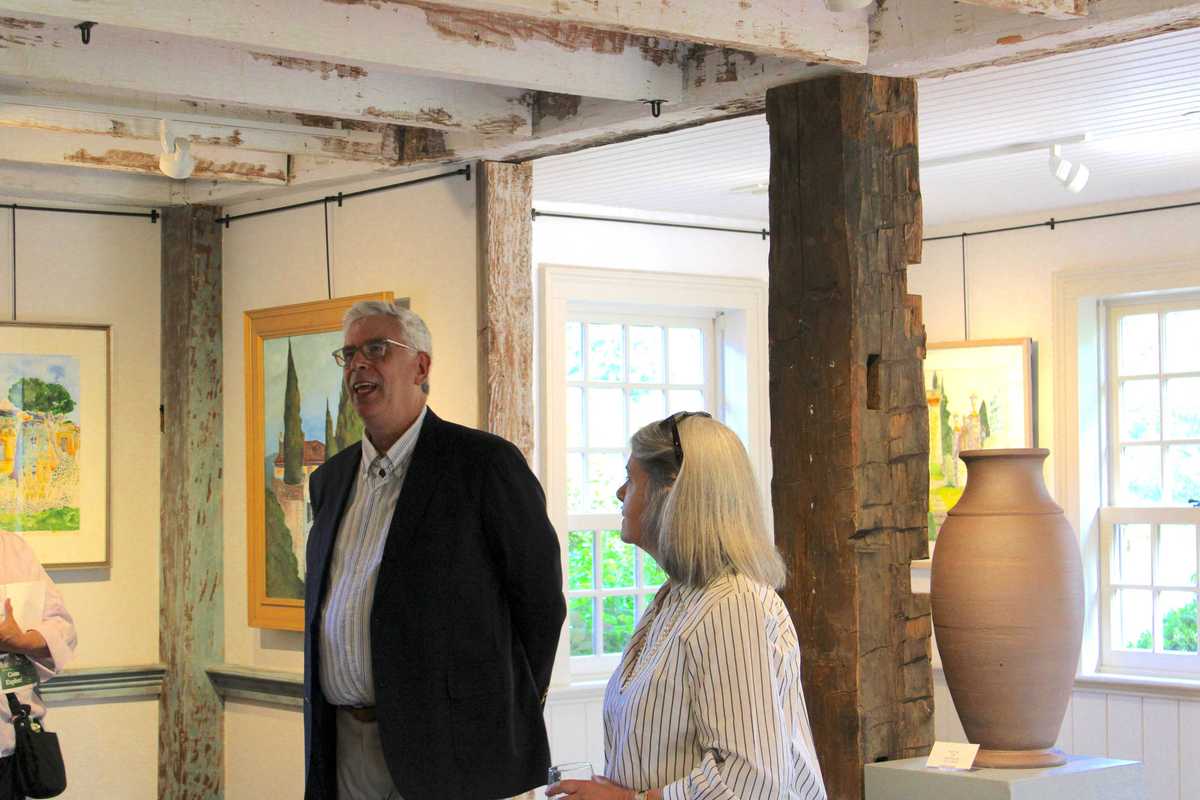
Artist Adam Van Doren and curator Donna Hassler talk to a group of visitors at the Berkshire Botanical Garden. A Stephen Proctor vessel sits to their left.

Photo by Natalia Zukerman

This summer, the Berkshire Botanical Garden in Stockbridge has hosted “Grounded in Nature: Paintings by Adam Van Doren,” an exhibition exploring the intimate relationship between architecture and the natural world.

On view for only a few more weeks in the Leonhardt Galleries, the exhibition features more than 35 watercolor and oil paintings by the New York-based artist, architect, author and Yale professor, curated by art historian Donna Hassler, director emerita of Chesterwood. The works span three distinct places that have shaped Van Doren’s artistic practice: New York City, Cornwall, Connecticut, and his travels throughout Europe.

Keep ReadingShow less
google preferred source

Want more of our stories on Google? Click here to make us a Preferred Source.
google preferred source

Want more of our stories on Google? Click here to make us a Preferred Source.