Thank you!
Your support is sustaining the future of local news in our communities.

‘So Little to Do,’ so much to discover at James Barron Art

‘So Little to Do,’ so much to discover at James Barron Art

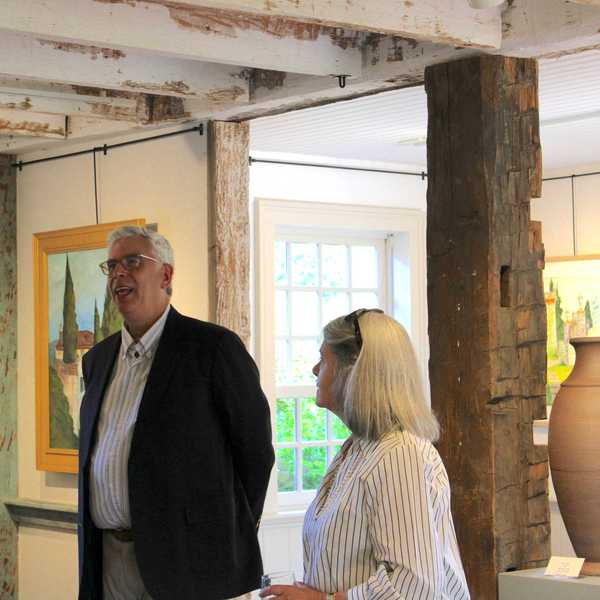
Curator Deborah Goodman Davis reads the Emily Dickinson poem “The Grass So Little Has to Do.” Spencer Finch’s “Following Three Bees (Zinnias)” buzzes in the background.

Photo by Natalia Zukerman

“The Grass Has So Little to Do,” on view at James Barron Art in Kent, takes its title from Emily Dickinson’s poem “The Grass So Little Has to Do,” written in 1862:

“The Grass so little has to do—
A Sphere of simple Green—
With only Butterflies to brood
And Bees to entertain—”

Curated by Deborah Goodman Davis, the exhibition borrows Dickinson’s meditation on the natural world as both its title — with a subtle shift — and guiding principle. The exhibition gathers more than 30 contemporary artists whose work examines flowers, leaves, insects, landscapes and changing light — not through scientific observation, but through memory, imagination and deep attention.

“I started spending so much time in the country that I began seeing things differently,” said Davis, a Montreal native. “I became drawn to artists who were also looking at nature.”

Davis has spent decades working in museums, galleries and as an art advisor, including positions at the Art Institute of Chicago, Yale University Art Gallery and with influential dealer Jeffrey Deitch, before returning to curatorial work in recent years. This is her third exhibition with James Barron Art, following last year’s “Boundless Color.”

The exhibition’s emotional anchor is Dickinson’s poem, which marvels at grass, butterflies, bees and sunlight while imagining a life devoted simply to existing in the natural world. The poem, and its simple and reverent message, echoes throughout the exhibition.

Spencer Finch’s drawing titled “Following Three Bees (Zinnias)” tracks the movement of three bees as they moved from flower to flower in the artist’s garden. Standing on a ladder, Finch patiently followed their movements, recording each insect’s path with a different line.

Montreal-based painter Veronika Pausova’s luminous moth paintings next to Finch’s work carry a thread — literally. Whether Pausova was familiar with Finch’s drawings before creating her painting “Cabin’s Moon,” commissioned by Davis for this show, is unknown, but the placement is certainly intentional. Davis’ thoughtful curatorial approach creates conversations, quiet whispers and surprisingly funny moments throughout the space.

Toba Khedoori, an Australian-born artist of Iraqi-Jewish heritage, contributes exquisitely detailed mezzotints that transform ordinary grasses into monumental landscapes. “Imagine rolling in the grass before ticks,” Davis said with a laugh. One is left longing for such a simple pleasure, the work inviting viewers to imagine a connection to the natural world that feels both familiar and increasingly distant.

One of Wassaic Project co-founder Eve Biddle’s ceramic snakes slithers up a nearby side wall, while internationally recognized artists including Ellsworth Kelly, Alex Katz, Lois Dodd, Kiki Smith and Charles Gaines offer their own interpretations of leaves, flowers, trees and changing seasons.

The exhibition also highlights several artists with local ties. Yale Norfolk School of Art co-director Byron Kim contributes one of his contemplative “Sunday Paintings,” documenting the sky over Norfolk alongside personal diary-like observations.

One of the show’s most unexpected works isn’t visual at all.

Inspired by Dickinson’s line, “And even when it dies to pass / In odors so divine,” Davis commissioned Brian Goeltzenleuchter, an interdisciplinary artist working at the intersection of olfactory art, social engagement, and image making to create a scent for the exhibition. “The grass so little has to do, I wish I were the hay!” wrote Dickinson, so Goeltzenleuchter created the scent of fresh hay specifically for the exhibition. Fragile glass vials sit in a bed of marble, waiting to be broken to release the scent, which also lives under a glass enclosure dewy with its fragrance. The faint odor permeates the gallery, adding an immersive sensory layer that extends the show’s meditation beyond sight alone.

There are quieter surprises throughout: concrete casts preserving cherry blossoms that will slowly fade over time by Japanese artist Motohiro Takeda; carvings of owls in Arctic marble by Sam Akesuk, an Indigenous artist from Kinngait (Cape Dorset); paintings of moonlight; the intricacy of spider webs placed next to a graph-like drawing of a tree; and Kiki Smith’s shadow of birds by the windows overlooking the majestic scenery of Barron’s property.

For Davis, the idea for this show has been growing since she began spending more time in the Northwest Corner.

“It’s been percolating for six years,” she said.

The resulting exhibition rewards viewers willing to do the same.

“The Grass Has So Little to Do” is on view at James Barron Art in Kent through Sept.12. By appointment only. Email maria@jamesbarronart.com or call (917) 514-3762. For a catalog of the exhibition, visit jamesbarronart.com.
Latest News

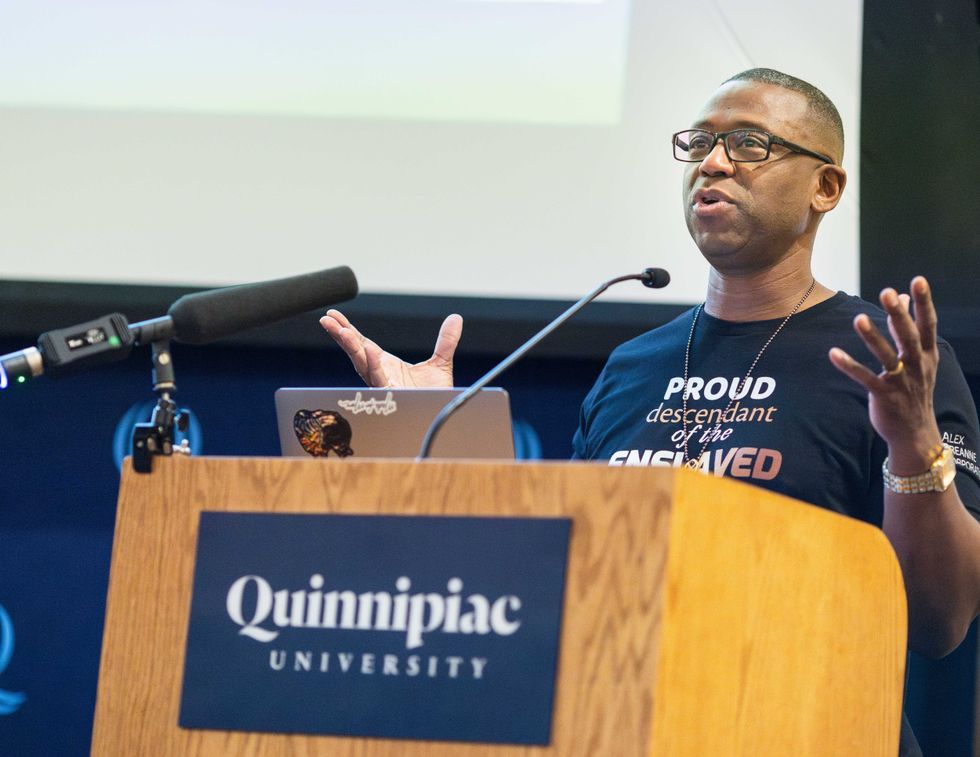
Cornwall Historical Society celebrates Connecticut’s Black patriots

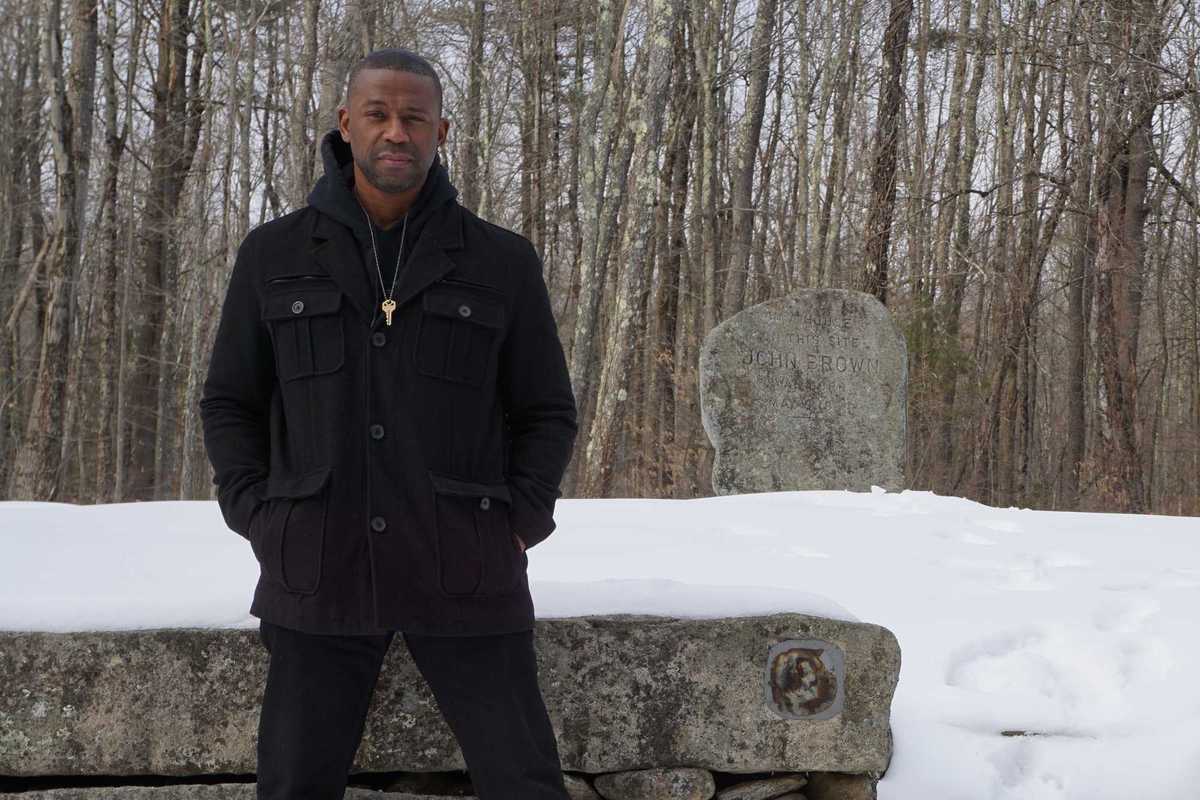
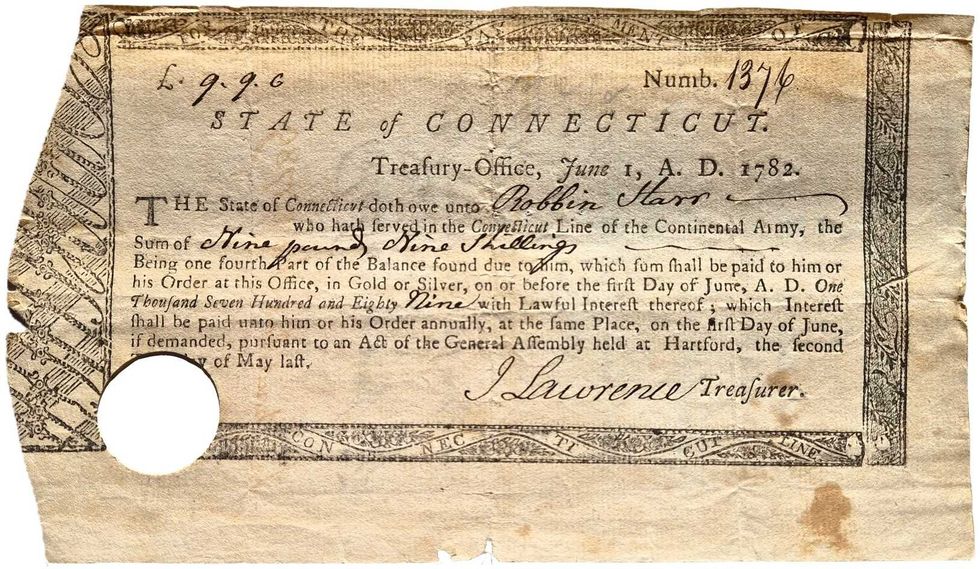
On Saturday, Oct. 24, at the Cornwall Historical Society, author and genealogist John Mills will breathe new life into the stories of some of Connecticut’s more underappreciated patriots. The reason these heroes were forgotten? They were Black.

At a time when white colonists were fighting for their own liberty and political independence, many Black men who fought alongside them remained enslaved. Some risked their lives only to return to bondage. Though enslaved people were promised freedom from both sides of the Revolutionary War in exchange for their service, Great Britain, too, was still deeply dependent on slavery. For Black people in America, the war presented both extraordinary risks and uncertain paths to the freedom that white colonists were demanding for themselves.

Keep ReadingShow less

A sanctuary for second chances

A sanctuary for second chances

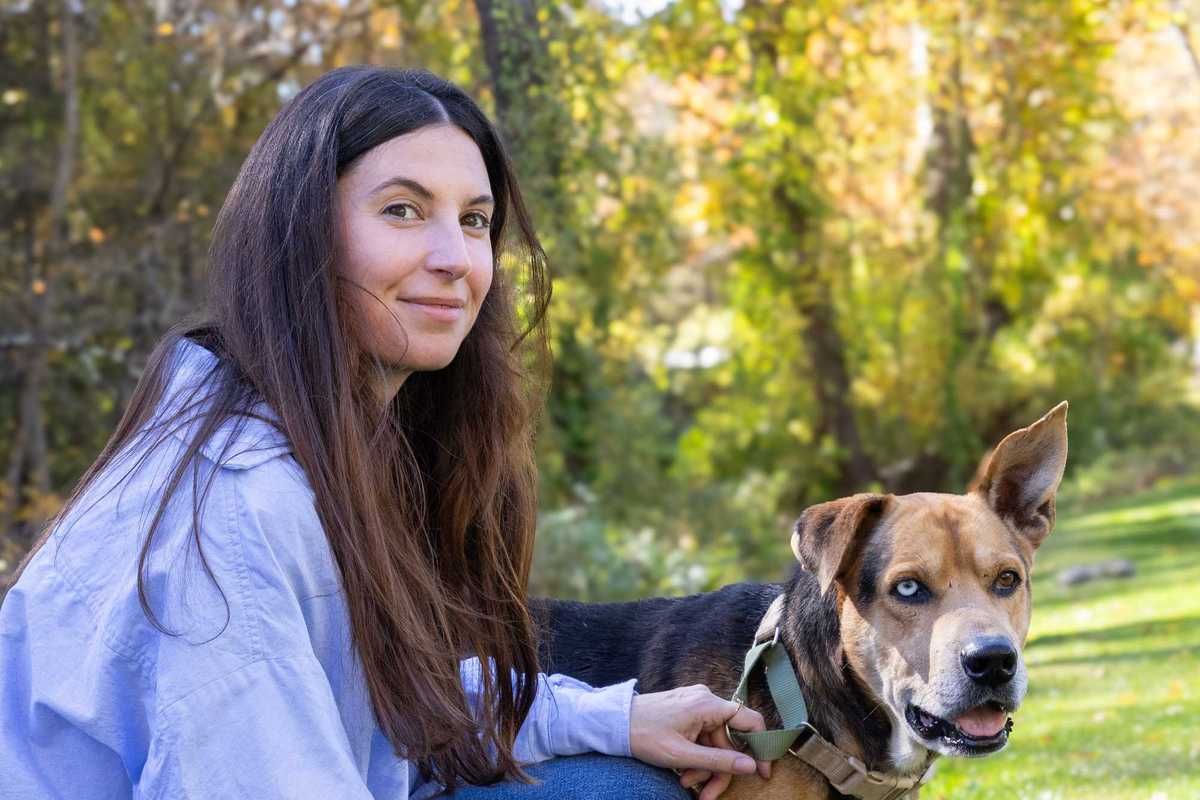
Stephanie Saetta runs Charlie Chicken Bones, a sanctuary in Salisbury.

Madi Long
You only get one or two of these soul connection dogs, so I do this in his honor.
— Stephanie Saetta

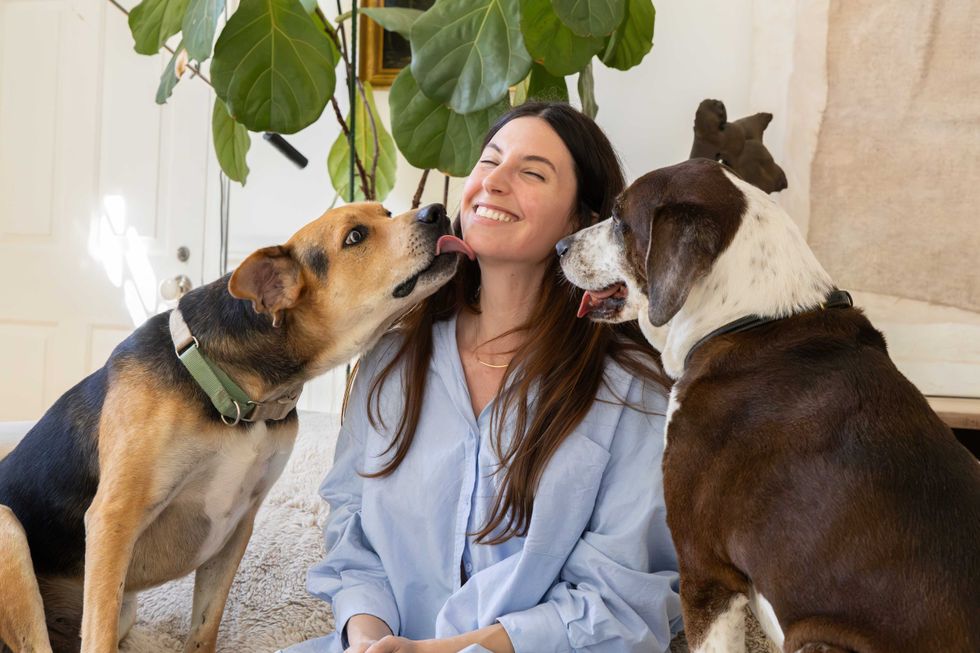
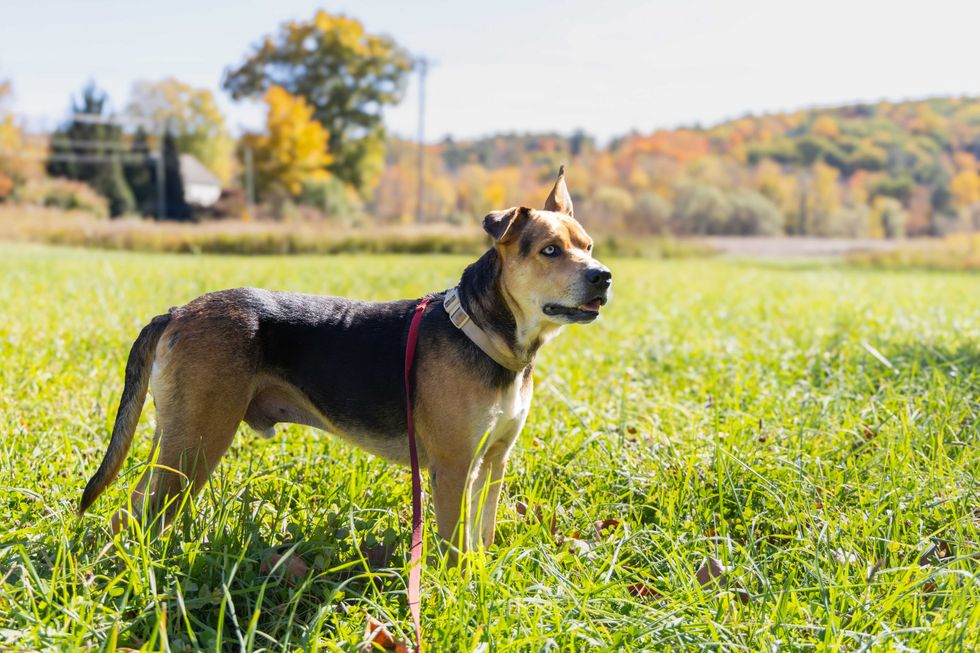
Stephanie Saetta has spent much of her life caring for others. A physician at White Plains Hospital, she has another calling at home in Salisbury — one that has four legs and a wagging tail. She runs Charlie Chicken Bone Sanctuary, a nonprofit dog rescue that brings dogs from overcrowded pounds and the streets of Texas to foster homes in northwestern Connecticut, where they can begin again.

The sanctuary is named for Charlie, the dog who taught her how special a bond between a person and rescue animal can be.

Keep ReadingShow less
Big ideas come to Lenox for inaugural field festival

Hunter Runnette, founder and board chair of field, has spent years fostering arts and cultural programming in the Berkshires.

Provided

What do joy, gardening, artificial intelligence, the American experiment and the creative process have in common? Quite a lot, as it turns out, at least when some of the world’s most compelling thinkers get together to talk about them.

From Friday, Oct. 23, through Sunday, Oct. 25, Lenox, Massachusetts, will host the inaugural field festival, a three-day gathering of writers, artists, scholars and cultural figures at Shakespeare & Company. Billed as a festival of ideas, entertainment, learning and discovery, field brings together an impressive roster of voices to explore everything from the deeply personal to the profoundly political.

Keep ReadingShow less
google preferred source

Want more of our stories on Google? Click here to make us a Preferred Source.

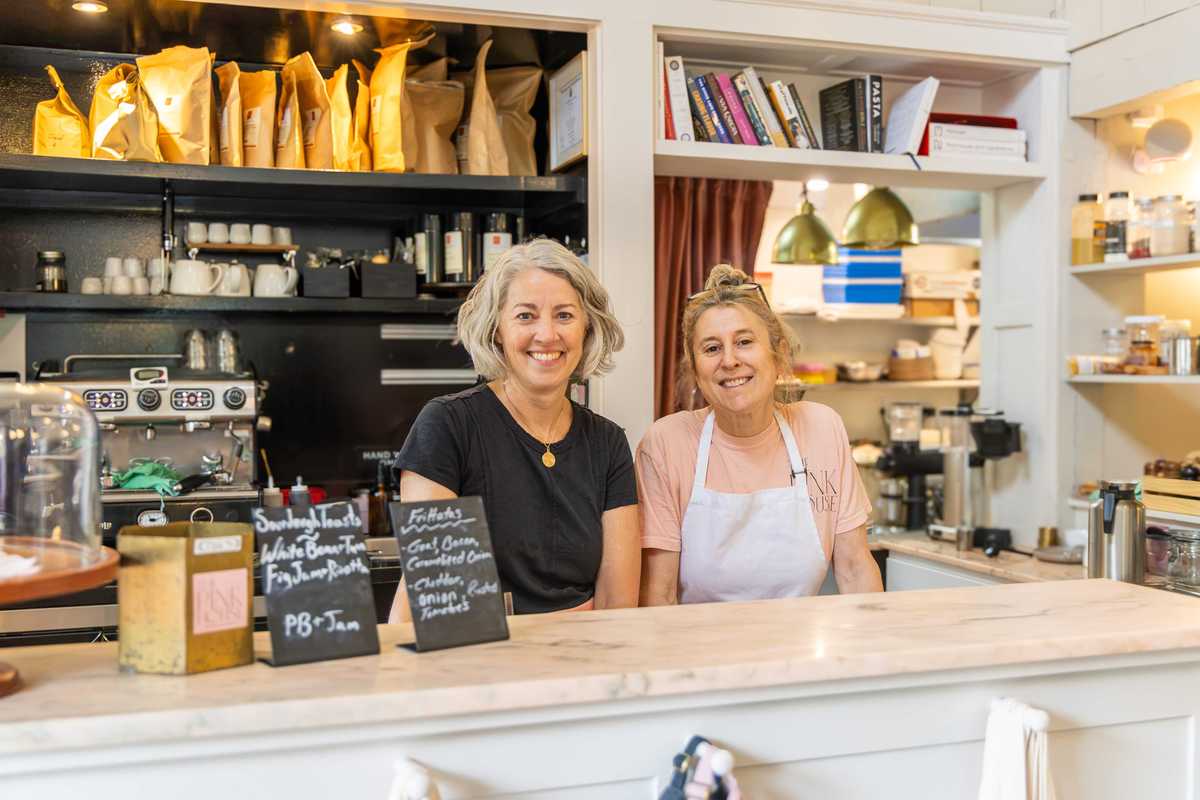
The Pink House AM is serving up community

Mare Rubin and Maggie Levine of the Pink House AM.

Madi Long

It all started with a yoga class. Mare Rubin was working on her second act after leaving the Upper West Side, where she’d raised a family and worked in corporate marketing. Newly empty nesters, she and her husband decided to move to the wilds of northwestern Connecticut, where they had spent 15 years as weekenders, to see what life in the woods had in store for them.

Rubin started teaching yoga classes at the Union in West Cornwall, a space designated by the town of Cornwall as a community hub with couches, Wi-Fi, occasional events and a growing yoga class schedule. She was adjusting well but missed one important thing about city life: a casual coffee shop.

Keep ReadingShow less
Sons of Astro are musicians, friends and bandmates — in that order

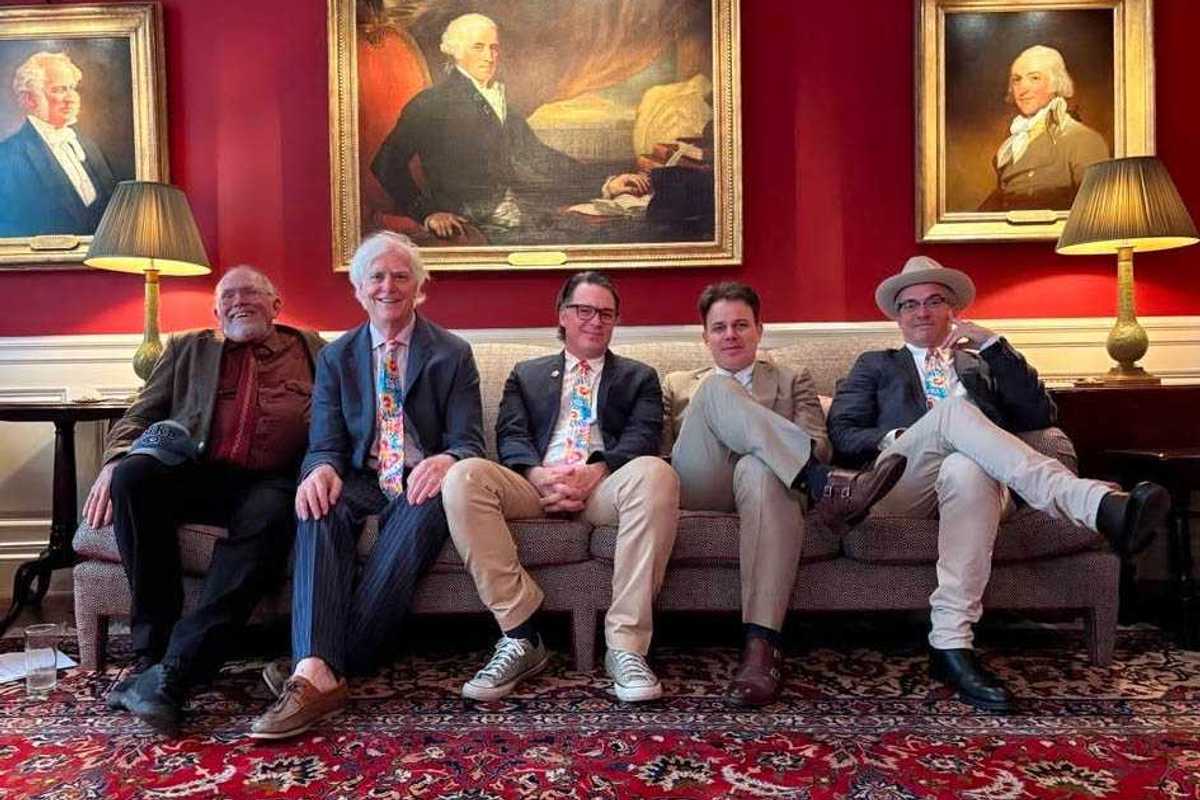
The Sons of Astro will be at the Common Pub in Housatonic on Oct. 24 and the 2nd Home Lounge in Winsted on Nov. 14.

Provided

No matter where they are in the world, musicians seem to find other musicians. There’s a shared language, a shared experience of being on stage and performing, and a shared enthusiasm for making those melodies by themselves or together. Such is the case with Norfolk and Brooklyn-based cosmic Americana band Sons of Astro.

That magnetic musicians’ bond drew Brooklyn-based singer-songwriter and multi-instrumentalist Mike Cobb into the orbit of singer-songwriter and multi-instrumentalist Matt Statler. The two neighbors took to each other right away and were soon playing open mics together. As an ethics professor at NYU’s Stern School of Business, Statler made the case that if he sat in for Cobb’s set and Cobb sat in for Statler’s, they could play together and double their stage time. Clearly, these men wanted to make as much music as possible. That became a little harder when Cobb and his family moved up to Norfolk, Connecticut.

Keep ReadingShow less
One more weekend to get inside the art at ArtEast

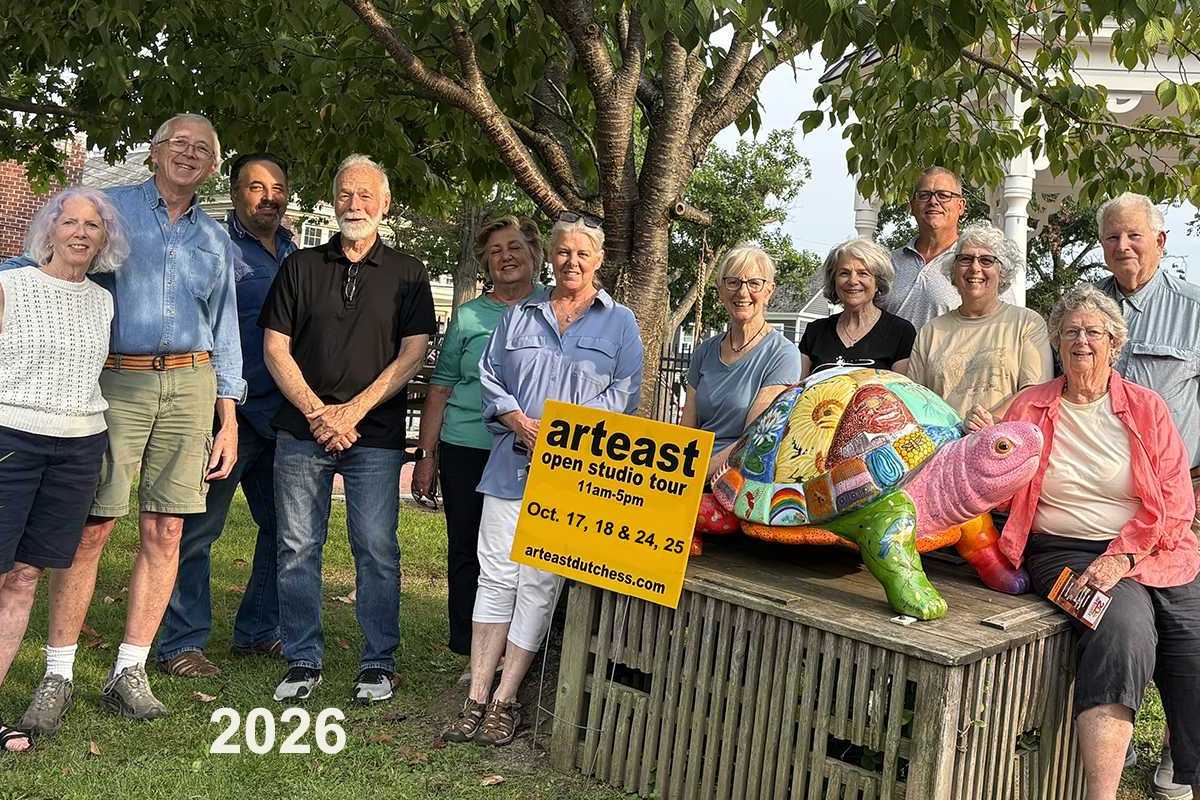
The participating artists in this year’s ArtEast open studios.

Provided

ArtEast’s annual October Open Studio Tour is already underway, but there’s still one more weekend to step inside the creative worlds of artists working throughout eastern Dutchess County. On Saturday and Sunday, Oct. 24 and 25, artists will once again open their studio doors, inviting visitors to see where the work happens, meet the people who make it and perhaps discover something worth taking home.

Now in its 21st year, the ArtEast October Open Studio Tour offers a self-guided journey with participating studios in Holmes, LaGrangeville, Hopewell Junction, Pawling, Patterson, Poughquag and Wingdale. Visitors can explore painting, photography, sculpture, mixed media and other artistic practices, and get some leaf-peeping in at the same time.

Keep ReadingShow less
google preferred source

Want more of our stories on Google? Click here to make us a Preferred Source.

google preferred source

Want more of our stories on Google? Click here to make us a Preferred Source.