The corporate capitalists’ knees are shaking a bit. Their manipulation of the sub-prime housing market has led to a spreading credit crunch and liquidity crisis. So it is time for them to call on Uncle Sam — the all-purpose bailout man.
Only don’t call it a bailout yet. It is just an injection of over $200 billion in the past week to stabilize the heaving financial markets by the European Central Bank and our Federal Reserve. Governments to the rescue — again.
My father many years ago asked his children during dinner table conversation: “Why will capitalism always survive?� His answer: “Because socialism will always be used to save it.� As a small businessman himself (a restaurateur), he was not referring to the little guys on Main Street. He was talking about the big boys. Today, we call these self-paying CEOs “corporate capitalists.�
Central banks are government regulators after all. Among other impacts, they regulate interest rates. But they are so saturated with banking executives or former banking officials on their boards, committees and at the helms, that they see themselves as part and parcel saviors of their banking brethren.
Brother Henry M. Paulson, formerly with the Goldman-Sachs investment giant and now United States treasury secretary, just said: “The markets are resilient. They can absorb those losses. We’ve gone through challenging times in the markets, and we will rise to the challenge.�
We? Paulson is a government official who is supposed to be worrying about the people first — such as the millions of homeowners who are slated to lose their homes in the next 18 months.
u u u
How to help these “borrowers, not the wheeler-dealers,� as columnist Paul Krugman described his “workouts, not bailouts� plan in The New York Times (Aug. 17) should be Paulson’s chief concern.
Secretary Paulson did tell The New York Times that federal regulators should try to eliminate fraud and market manipulation and that there needs to be more disclosure of the holdings and actions of hedge funds and other private pools of capital.
Well, that’s talk. Where is the action? Krugman, an economist, believes that the current real-estate bubble was “both caused and was fed by widespread malfeasance. Rating agencies like Moody’s Investors Service, which get paid a lot of money for rating mortgage-backed securities,� seemed to be performing much like the major accounting firms that rubber-stamped the inflated, deceptive financial statements of the Enrons and the Worldcoms.
u u u
Passing on the risks of these mortgage loans through more and more complicated financial transactions, which are in turn bet on by the huge derivatives markets, allows wider transmission of these risk viruses throughout the national and the global financial markets.
A kind of dominoes effect sets in and induces panic selling and panic inability to obtain daily commercial loans in the stiffening credit markets.
The European Central Bank recently has poured tens of billions of Euros into the global financial system after the giant French bank BNP Paribas SA froze three of its investment funds.
If matters get worse, the Central Banks will inject more money into the system. If financial markets start collapsing along with investor confidence, then Uncle Sam will certainly adopt additional direct bailout options.
One man, Mervyn King, the governor of the Bank of England, is the lone central banker who resists intervening in the markets. “Interest rates,� he asserts, “aren’t a policy instrument to protect unwise lenders from the consequences of their unwise decisions.�
Bailing out investors and their risky investments would just induce them to take on bigger risks next time, expecting another bailout, he believes.
More and more, corporate capitalists inside and beyond the financial markets do not want to behave as capitalists—willing to take the losses along with the profits. They want Washington, D.C., meaning you the taxpayers, to pay for their facilities (as with big time sports stadiums) or take on their losses because they believe that they are too big to be allowed to fail (as with large banks or industrial companies).
These corporate capitalists should be exposed when they always say that government is the problem whenever it moves to help the little guys with health and safety regulations, for example, but government is wonderful when the bureaucrats are summoned to perform missions to rescue them from their own greed and folly.
Consumer advocate Ralph Nader grew up in Winsted and attended The Gilbert School.
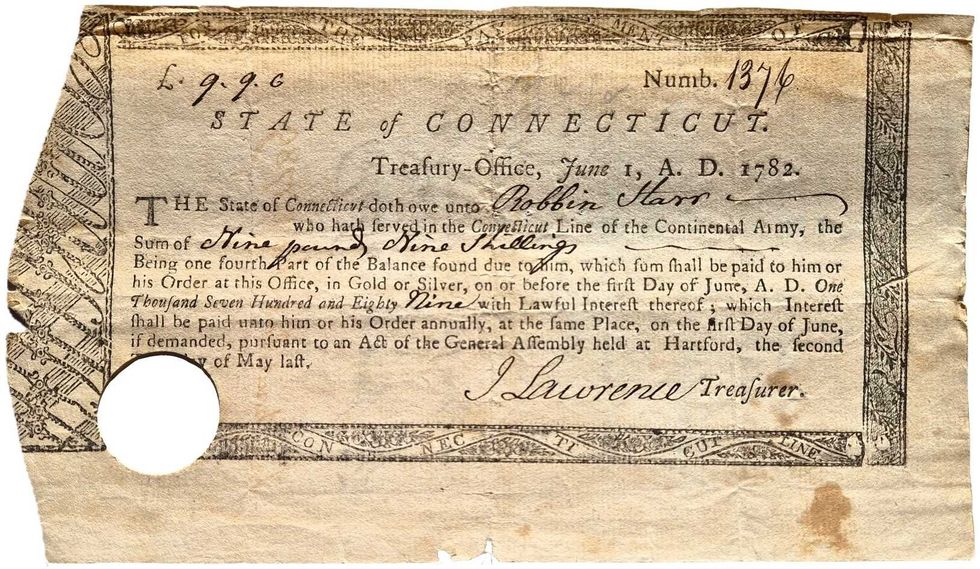 Pay Bill for Robin Starr’s service in the Continental Army.Courtesy the Alex Breanne Corporation
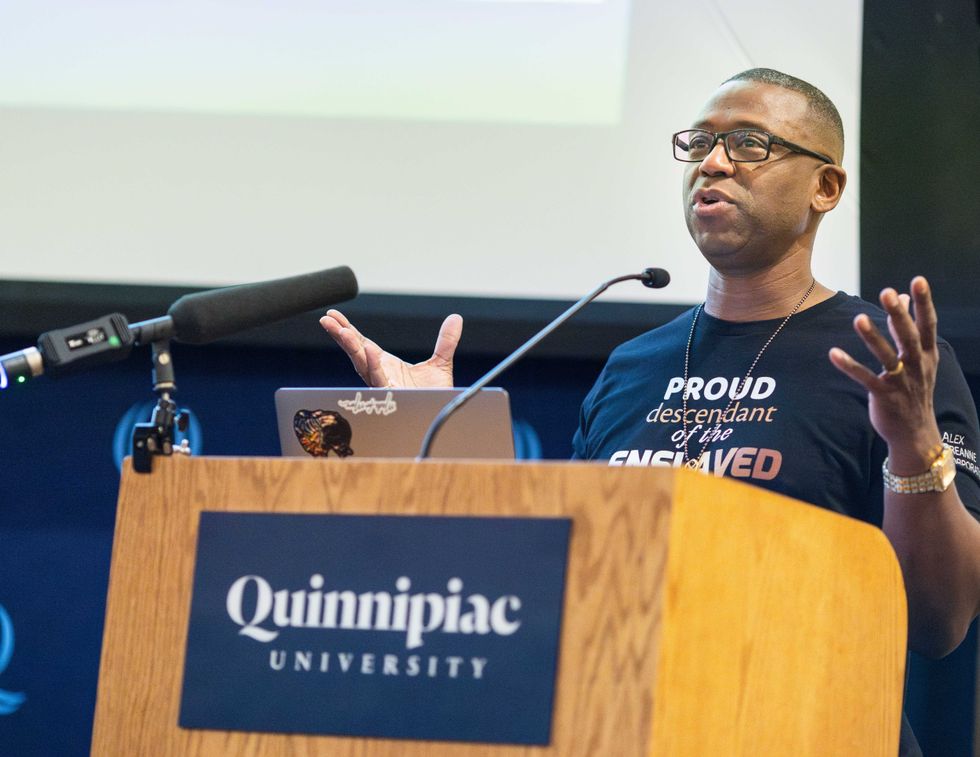 John Mills speaking at Quinnipiac University.Courtesy the Alex Breanne Corporation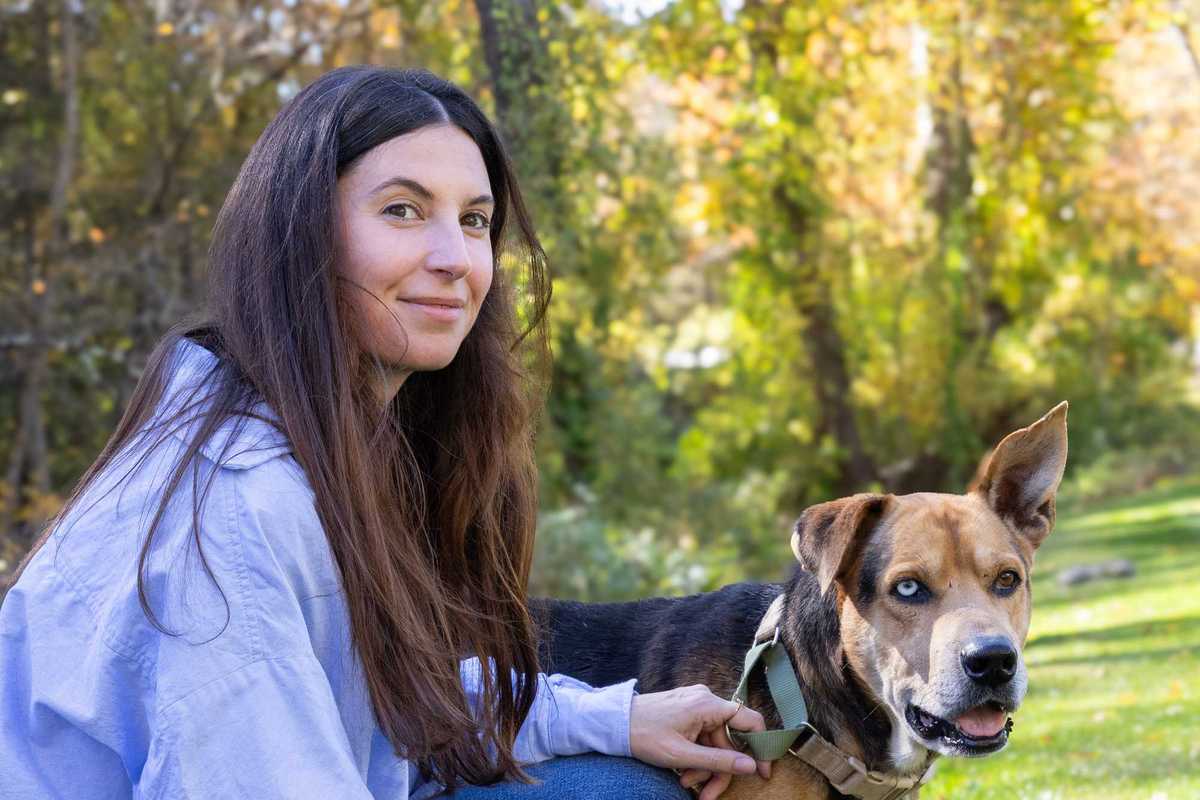
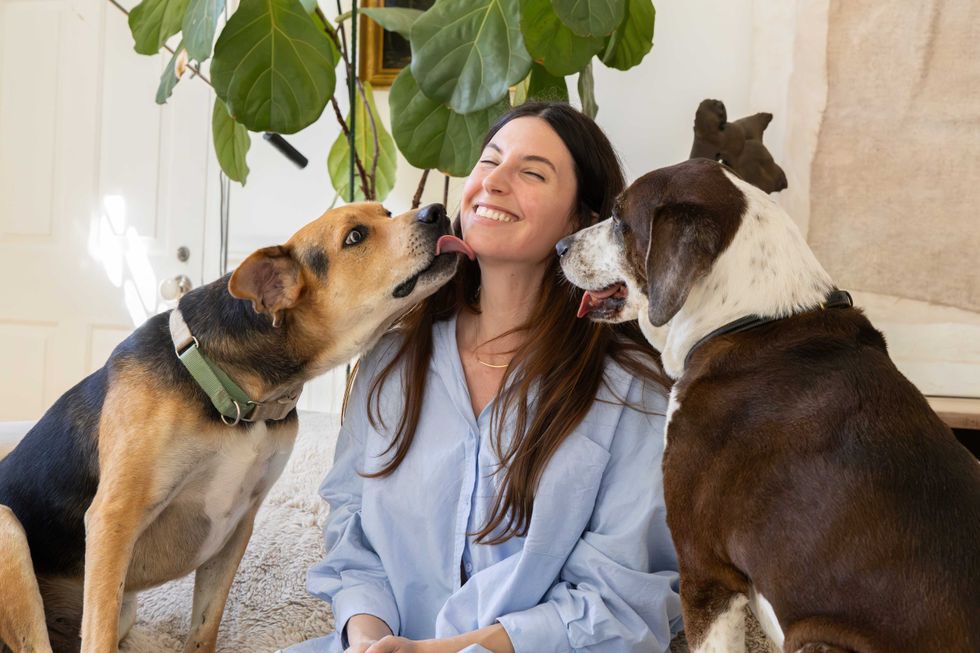 Stephanie Saetta,with her rescue dog George and Blue (left), a shepherd mix awaiting his forever home.Madi Long
 Blue, a 7 year-old Shepard mix, is waiting for his forever home. Madi Long