Thank you!
Your support is sustaining the future of local news in our communities.

Appreciation — Marion Lavigne Madow

EAST CANAAN — The summer of 2009 may long be remembered for the exceptional number of deaths of prominent Americans: Sen. Ted Kennedy, Eunice Shriver, Michael Jackson, Walter Cronkite, Don Hewitt, Robert McNamara, Frank McCourt, Dominick Dunne, Jack Kemp and others. Northwest Corner residents were also saddened by the passing of several of their own most admired neighbors and by the tragic loss of young Kaelan Paton.

Barely reported was the death on July 9 of Marion Lavigne Madow at age 84 in Tolland in central Connecticut. Born in Ozone Park, N.Y., she had lived most of her life and had raised her children in East Canaan. Prior to her retirement, she was employed as a bookkeeper and office manager for Whittlesey & Hadley PC in Salisbury and later in Hartford. She was an EMT for the North Canaan Volunteer Ambulance for many years and was a life member of the Women’s Auxiliary, Couch-Pipa Post 6851 VFW.

The world took little notice of her existence until the mid-1970s when a horrifying murder in Falls Village focused national media attention on Litchfield County.  She became a reluctant celebrity because her courageous stand for justice was described in press reports, magazine articles, a television docudrama and in two books.

With her husband, Meyer “Mickey� Madow, she was the heart and soul of the astonishing chain of human events that saved an innocent teenager from long imprisonment while exposing the wrongdoing in Connecticut’s most famous miscarriage of justice. She deserves a few words here, however belated, because it is inspiring whenever an “ordinary� person, faced with a great challenge, performs nobly and heroically.

On the night of Sept. 28, 1973, Marion, Mickey and their two sons, because they responded swiftly to 18-year-old Peter Reilly’s telephoned cry for the volunteer ambulance, were the first to arrive at the scene of the Barbara Gibbons slaying. They saw Peter’s mother lying on the bedroom floor just 20 minutes or so after she had been destroyed in the most deadly assault in county history.

Within 24 hours, the state police obtained Peter Reilly’s detailed confession to the killing. Eight months later, a jury found him guilty of manslaughter. But Marion Madow was fully confident from the start that the gentle, self-effacing lad she knew intimately as a friend of the family could not possibly have taken his mother’s life.

She defied the authorities. She told Peter—who had never known his father, whose relatives were virtually unknown to him—that, no matter what might happen in the justice system, he had a home, and that he was now part of the Madow family.

Marion and Mickey, along with several other Canaan-area families, all equally sure of Peter’s innocence, spearheaded the nationally publicized movement that, within a few years, led to the youth’s full exoneration and to a grand jury condemnation of law enforcement’s behavior.

The struggle took its emotional toll. Photographs taken outside the Litchfield courthouse on the day of Peter’s conviction show Marion struck down by the enormity of the jury’s unexpected and incorrect verdict.

But there was ultimate satisfaction: full freedom for Peter and the knowledge that his case, because the eight-hour interrogation or “brainwashing� ordeal had been fully recorded, would enter the legal annals as perhaps the classic instance of powerful police tools of psychological persuasion producing a false confession from a wholly blameless crime suspect.

In the years since 1973, Peter has lived almost all of the time with the Madows, first in East Canaan, later in South Windsor and Tolland. After Mickey died on March 20, 2001, Peter became Marion’s principal caregiver in her final years.

He was never officially adopted because there was no need. The exonerated “convicted killerâ€� of the lurid headlines of 1974 was simply the brother of Arthur and Geoffrey Madow and a devoted son to Marion, his mother for more than a third of a century.    

— Donald Connery, Kent

Latest News

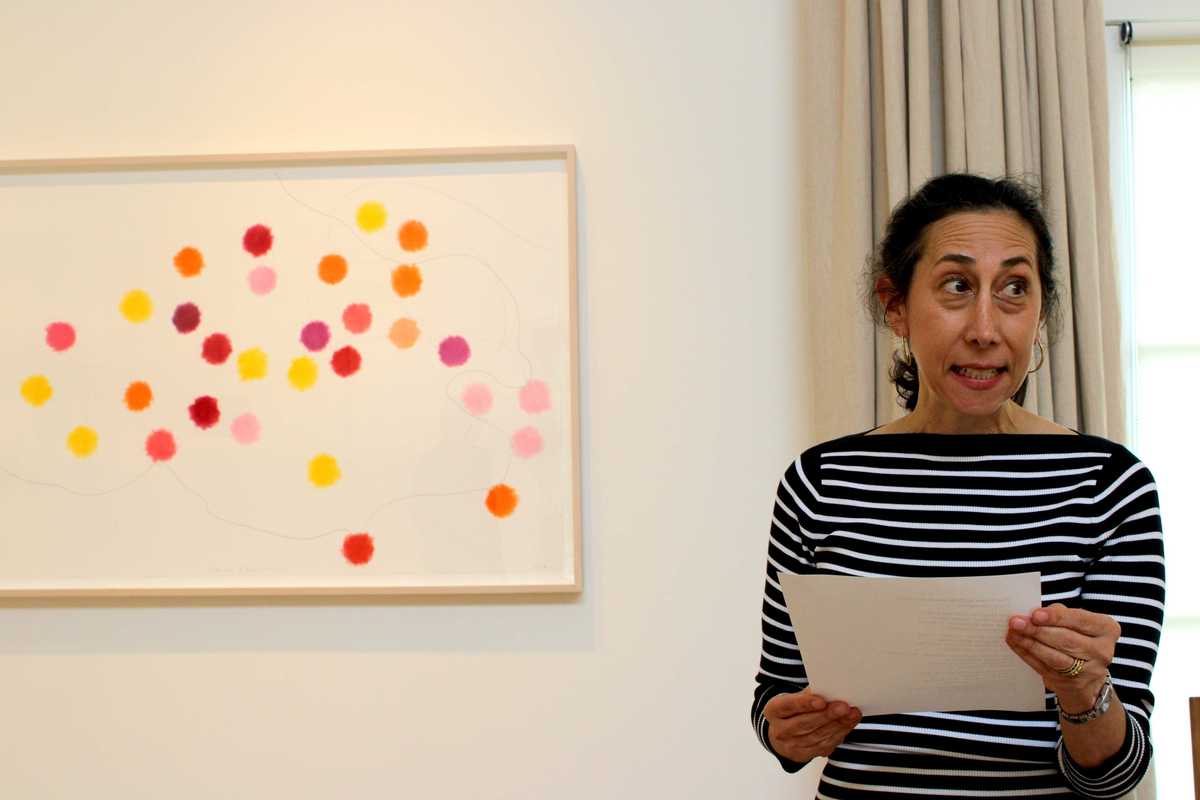
‘So Little to Do,’ so much to discover at James Barron Art

Curator Deborah Goodman Davis reads the Emily Dickinson poem “The Grass So Little Has to Do.” Spencer Finch’s “Following Three Bees (Zinnias)” buzzes in the background.

Photo by Natalia Zukerman

“The Grass Has So Little to Do,” on view at James Barron Art in Kent, takes its title from Emily Dickinson’s poem “The Grass So Little Has to Do,” written in 1862:

“The Grass so little has to do—
A Sphere of simple Green—
With only Butterflies to brood
And Bees to entertain—”

Keep ReadingShow less

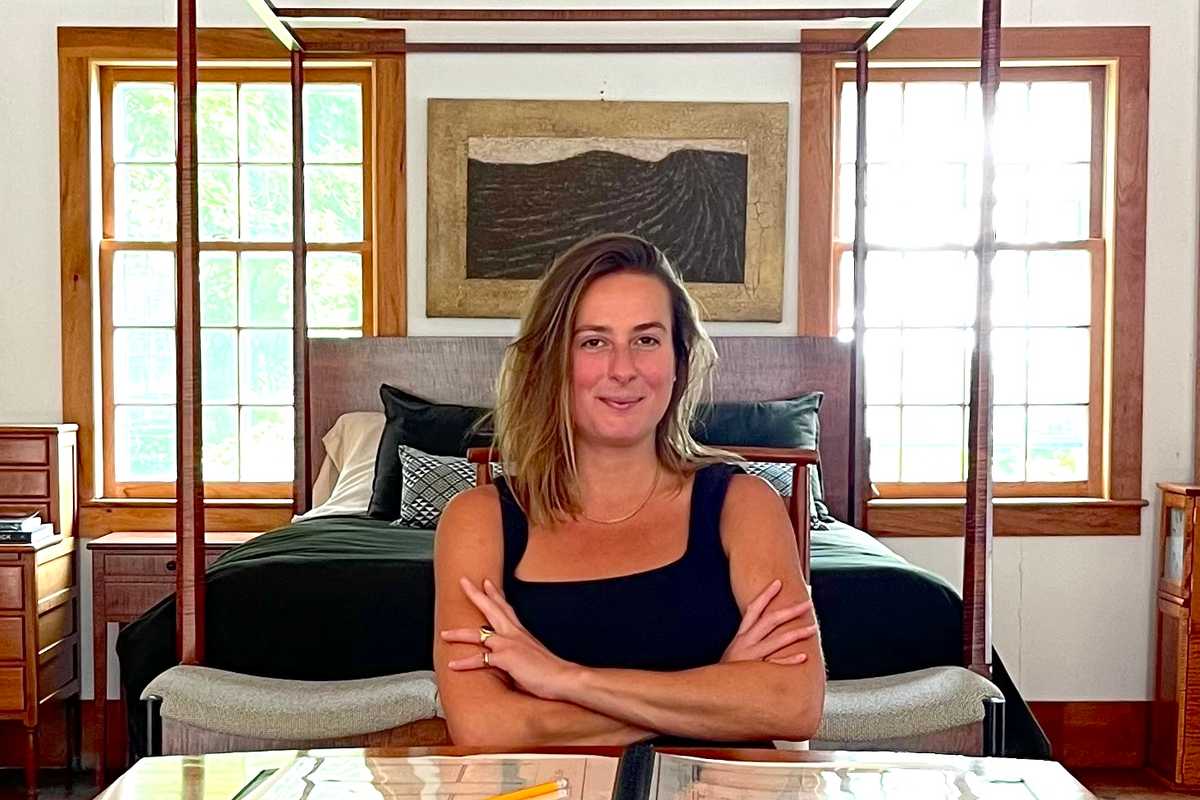
Marina Kotchoubey is not a woodworker

Marina Kotchoubey is not a woodworker

Marina Kotchoubey at the Ian Ingersoll Cabinetmakers showroom in West Cornwall.

Photo by D.H. Callahan

After 40-something years navigating the world of custom fine furniture, Ian Ingersoll was getting ready to retire. Starting off with a little dovetail stool that he sold at a shop in West Cornwall in the 1970s, he’d grown his skill and his business into something he — and the whole town — could be proud of. Shutting down that business was not an option.

Ingersoll built Ian Ingersoll Cabinetmakers, which produced mainly classical Shaker furniture, on passion: the passion he had to make a living through creative challenges and the passion of his employees, who all seem deeply in love with their craft.

Keep ReadingShow less
A legacy of giving at Norfolk Chamber Music Festival

One hundred and twenty years ago, Carl and Ellen Stoeckel commissioned New York architect E.K. Rossiter to design The Music Shed in Norfolk, Connecticut. After nearly a decade of entertaining their friends and neighbors with the finest music of the day, they built a permanent home for their beloved Litchfield County Choral Union.

The commission and full funding of the construction was not unheard of in an era when great fortunes led to public enrichment. Railroad tycoon John D. Rockefeller was instrumental in funding institutes of higher education. Steel baron Andrew Carnegie was building libraries all over the country, and famously said that a man who dies rich is a disgrace, challenging his peers to give their fortunes back to the people.

Keep ReadingShow less
google preferred source

Want more of our stories on Google? Click here to make us a Preferred Source.
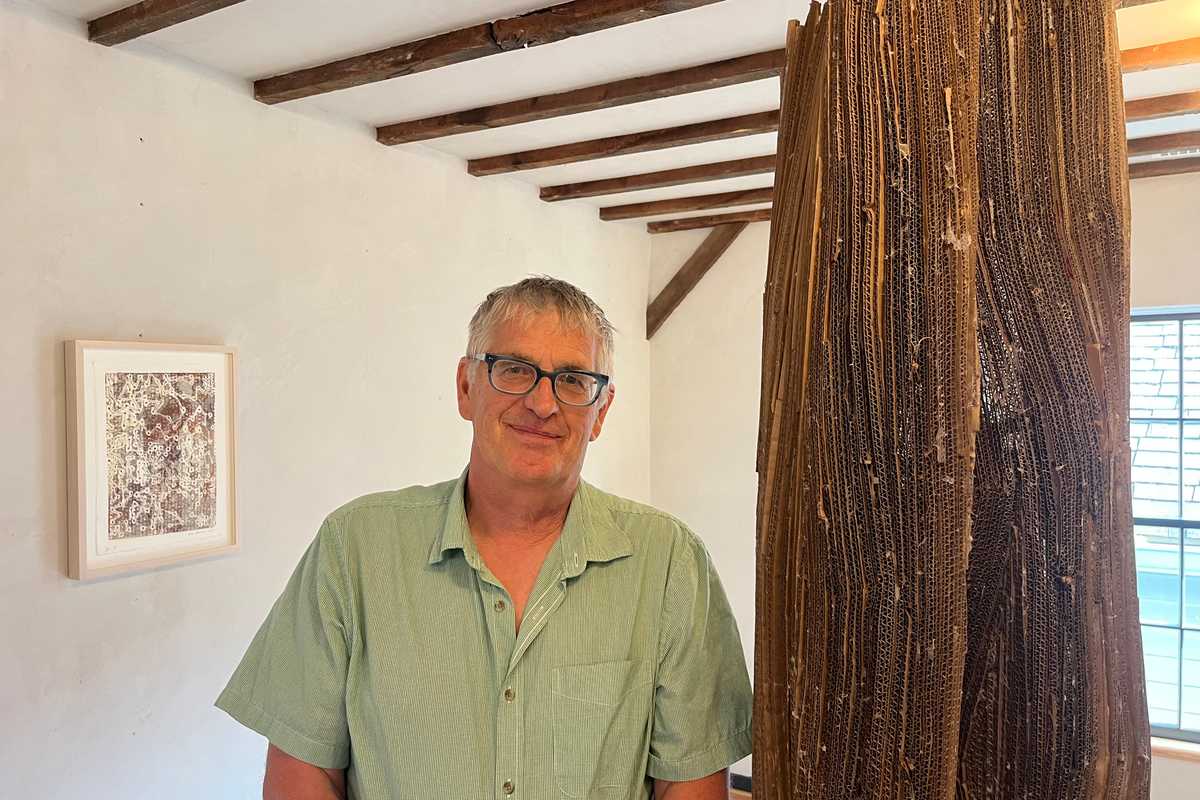
Two unique exhibitions at Geary Gallery

Henry Klimowicz with his sculpture, “Partial Pillar 1”

Photo by D.H. Callahan

On Saturday, Aug. 1, Geary Gallery opened its doors in Salisbury for two unique shows in its first- and second-floor gallery spaces. Art lovers flooded both floors over the course of the afternoon, giving the events a vibrant feeling that enhanced the importance of the art.

On the first floor is a show by Chicago-born, Colorado-based photographer Summers Moore, titled “Lobitos: Pueblo Fantasma,” or “Lobitos: Ghost Town.” The work centers around her daughter’s current hometown in Peru. Moore herself found a home away from home in Colorado in the mid-1980s and encouraged her children to seek out new places outside of their comfort zones.

Keep ReadingShow less

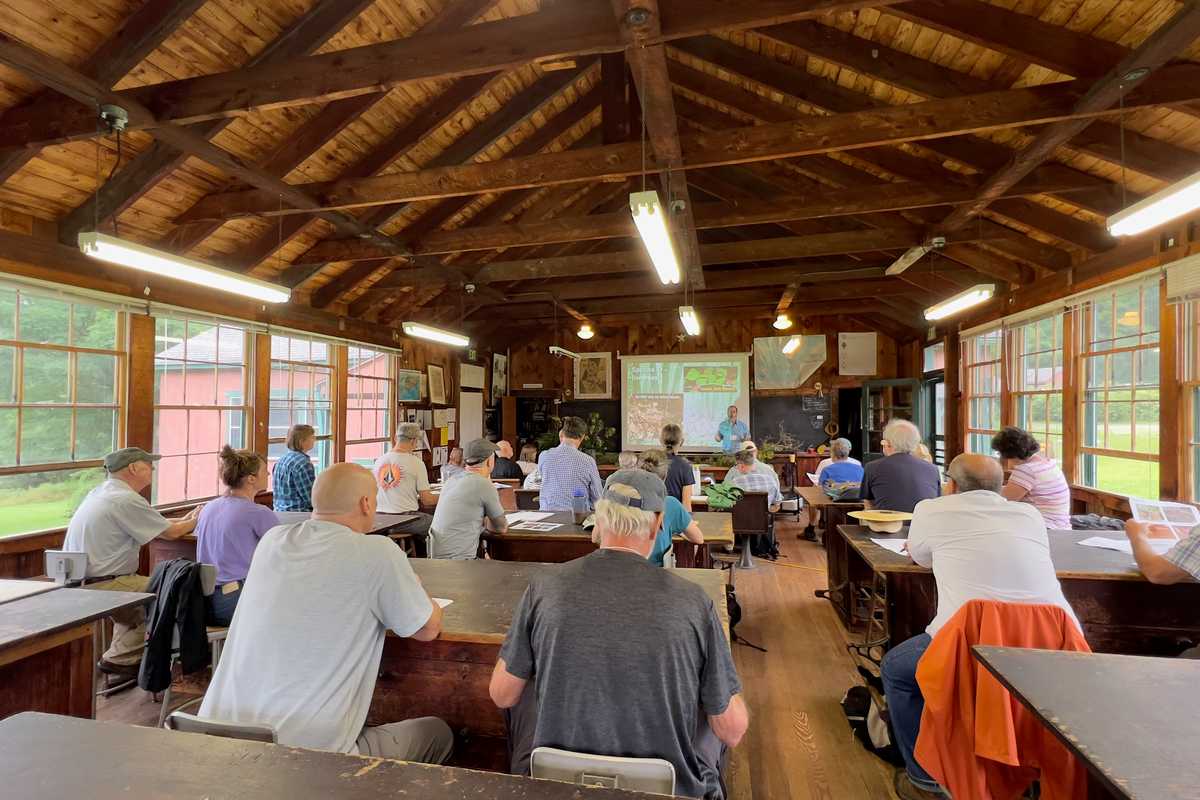
Writer’s retreat in the woods

Writer’s retreat in the woods

Participants in a 2024 Great Mountain Forest Woodland Academy workshop at Yale Camp.

Photo by Mike Zarfos

Great Mountain Forest (GMF) will host its first Nature Writing Retreat at the historic Yale Camp in Falls Village from Aug. 7-9, 2026. Writers of all levels are invited to draw inspiration from one of New England’s most notable forest landscapes. GMF envisions the retreat becoming an annual event celebrating writing, conservation and the relationship between people and forests.

This immersive three-day retreat reflects on the legacy of Hal Borland, the American writer and New York Times nature columnist whose work was deeply connected to this landscape. The retreat explores how wilderness shapes language, strengthens close observation and fosters environmental consciousness.

Keep ReadingShow less
From Cornwall to Rome, Adam Van Doren at Berkshire Botanical Garden

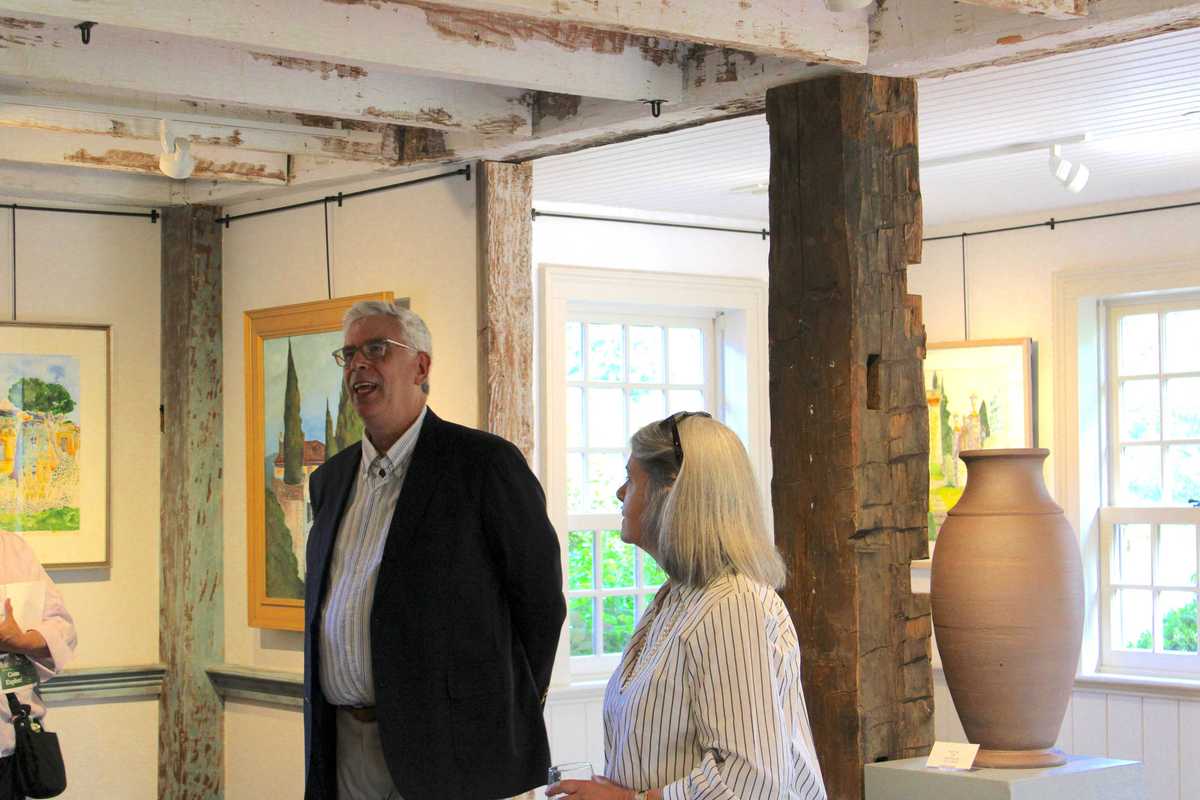
Artist Adam Van Doren and curator Donna Hassler talk to a group of visitors at the Berkshire Botanical Garden. A Stephen Proctor vessel sits to their left.

Photo by Natalia Zukerman

This summer, the Berkshire Botanical Garden in Stockbridge has hosted “Grounded in Nature: Paintings by Adam Van Doren,” an exhibition exploring the intimate relationship between architecture and the natural world.

On view for only a few more weeks in the Leonhardt Galleries, the exhibition features more than 35 watercolor and oil paintings by the New York-based artist, architect, author and Yale professor, curated by art historian Donna Hassler, director emerita of Chesterwood. The works span three distinct places that have shaped Van Doren’s artistic practice: New York City, Cornwall, Connecticut, and his travels throughout Europe.

Keep ReadingShow less
google preferred source

Want more of our stories on Google? Click here to make us a Preferred Source.
google preferred source

Want more of our stories on Google? Click here to make us a Preferred Source.