“We always felt that we were stewards of the home.”
—Donna Rosen, Co-owner of The Falls since 2002
KENT — More than two decades ago, Benjamin and Donna Rosen had not even stepped inside the house when they knew they had found their future home.
Driving up to a striking modernist home tucked deep within the woods of Kent, the couple took one look at the dramatic setting and made their decision.
“As soon as we saw it, we said, ‘This is it,’” Donna Rosen recalled. “We hadn’t even gone inside.”
Today, after more than two decades as caretakers of one of Connecticut’s most architecturally significant modernist homes, the Rosens have listed the property for sale and are preparing to pass that stewardship to a new owner.
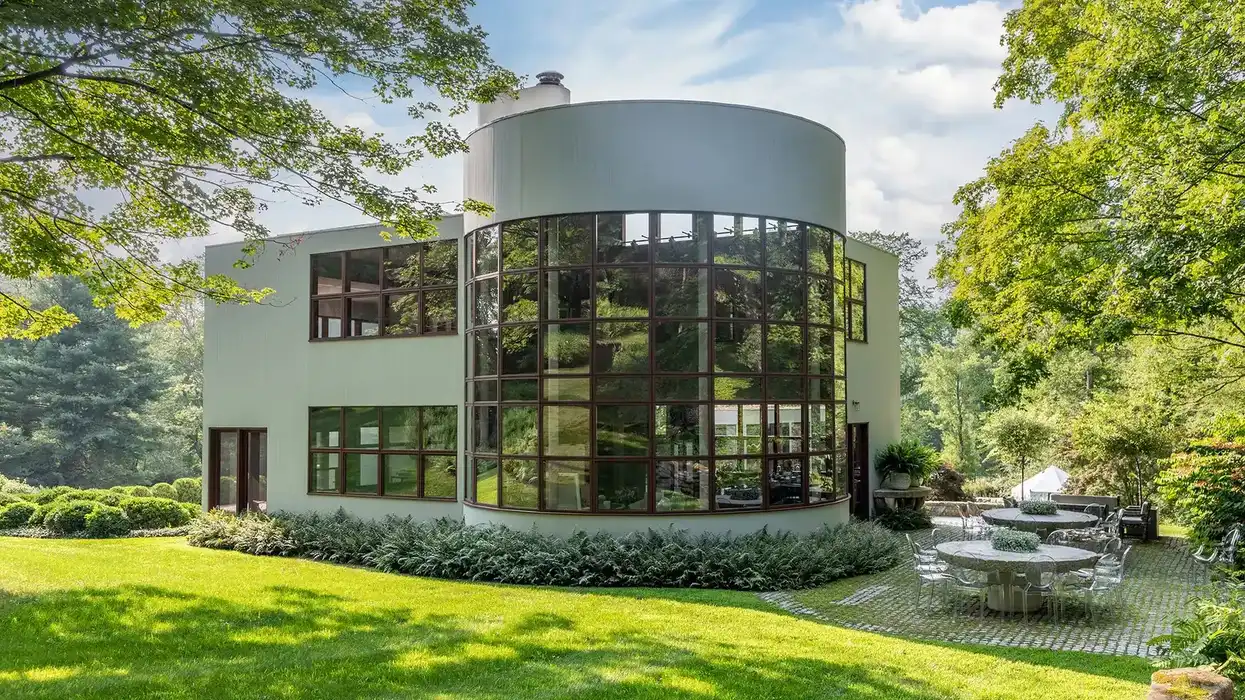
Known as “The Falls,” the 40-plus-acre estate at 23 Mauwee Brook Road has been on the market for about a year and is currently listed for $6.5 million through William Pitt Sotheby’s International Realty. But the story behind the planned sale extends far beyond a real estate transaction.
Designed in 1981 by acclaimed modernist architect Charles Gwathmey, the residence is considered an important example of the architect’s sculptural approach to design, integrating dramatic geometric forms with the surrounding landscape.
Gwathmey, whose notable projects included the renovation and expansion of New York City’s Guggenheim Museum, also designed homes for prominent clients including filmmaker Steven Spielberg and comedian Jerry Seinfeld.
For the Rosens, however, the property was never simply a house.
“We always felt like we were stewards of the home,” Donna Rosen said.
That philosophy shaped everything they did during their ownership, from preserving Gwathmey’s architectural vision while improving accessibility to allow for aging in place, creating expansive gardens, trails and outdoor gathering spaces that transformed the property into what family and friends affectionately came to call “Camp Rosen.”
The estate sits amid protected Litchfield Hills views and includes a natural waterfall, stream, walking trails, tennis court, pool, spa and an eight-acre landscape designed by noted landscape architect Deborah Nevins. A sculpture by acclaimed artist Elyn Zimmerman overlooks the falls and will remain with the property.
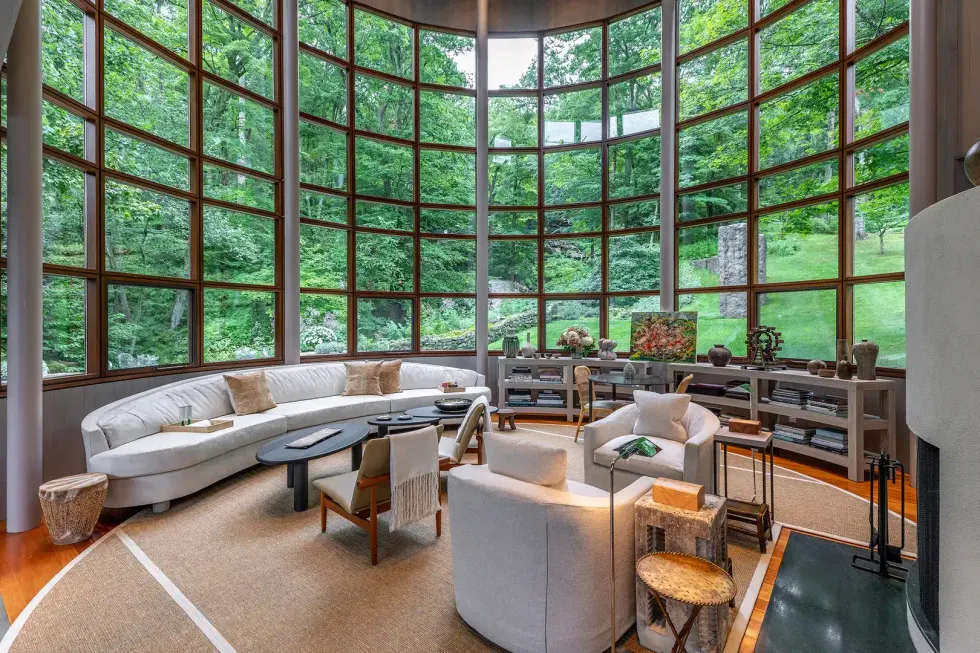 Inside the home, the architecture allows for a 180-degree view of the property. Michael Bowman
A house unlike any other
When the Rosens purchased the home from its original owners in 2002, modernist architecture was not widely sought after in Litchfield County.
“People were more interested in Colonial-style houses than a modernist house,” Rosen recalled.
Over time, their appreciation for the design only deepened.
“The more we lived there, the more we got to appreciate the brilliance of the architecture,” said Rosen, a former art gallery owner and trustee for the New Orleans Museum of Art and the Whitney Museum of American Art.“It was sharp. It was tight. It was crisp.”
She described the experience of living in the house as being “like we lived in a birdcage,” surrounded by views of the landscape through expansive walls of glass.
Designing
for the future
As the couple grew older and faced their own health challenges, they also began thinking about how the house might evolve to meet future needs.
They turned to architect Michael Arad, internationally known for designing the National September 11 Memorial at the World Trade Center site in New York City.
According to Donna Rosen, Arad quickly recognized that inserting an elevator would compromise the original design.
“You can’t without destroying this atrium,” she recalled him saying.
Instead, Arad designed an accessible first-floor addition and circulation plan that allowed the couple to remain in the home without sacrificing the essence of Gwathmey’s vision.
Kathryn Clair, senior global real estate advisor with William Pitt Sotheby’s International Realty in Washington, Connecticut, described the result as exceptionally successful.
She called the property “a rare example” of how a significant architectural work can be adapted for aging in place without compromising its character.
“It really is a one-off,” Clair said. “You don’t find houses like this one very often.”
The same care that guided the architectural additions also shaped the grounds.
When working with landscape architect Deborah Nevins, Rosen said she rejected the idea of formal European gardens.
“I wanted Connecticut gardens,” said Rosen.
The couple transformed former pastureland and overgrown areas into sweeping wildflower meadows, walking trails and outdoor gathering spaces.
“What came up was one of the most magnificent wildflower meadows,” Rosen said.
From Camp Rosen
to KentPresents
The extensive estate eventually became a gathering place for family, friends and community members, earning the nickname “Camp Rosen.”
At the same time, the Rosens became deeply involved in Kent civic life and philanthropic endeavors. Among their most visible contributions was KentPresents, a four-year ideas festival that brought nationally recognized figures in diplomacy, science, journalism, politics and the arts to the Northwest Corner while raising money for local nonprofits.
“It was an incredible experience,” Rosen recalled of the weekend-long presentations that drew renowned guest speakers.
Unlike many conferences, KentPresents encouraged speakers to mingle with attendees throughout the event.
“People would come up to me and say, ‘I sat with Henry Kissinger,’ or ‘I sat with Bill Burns,’” Rosen recalled.
The interactions transformed what might have been a traditional speaker series into something far more personal.
“It was one of the most memorable experiences,” Rosen said. “It was a wonderful swath of talented, wonderful people, and I loved being a part of it.”
Although the festival continued to gain momentum, the demands of organizing it became increasingly difficult for the Rosens.
“Even though we were gaining momentum, it just became too much for Ben and me due to health issues,” Rosen said. “Then COVID hit, and we knew we had made the right decisions about how we wanted to live.”
Ben Rosen, who is Chair Emeritus of the board of Trustees at the California Institute of Technology, later suffered a major stroke, reinforcing the value of the accessibility improvements the couple had thoughtfully planned years earlier.
Passing the torch
The Rosens’ affection for Kent remains undiminished. “We love that village,” Rosen said, noting that it will be missed.
Rosen recalled that the move north from New York actually came at the suggestion of a friend, the late composer and lyricist Stephen Sondheim.
“It was a miserable experience in the Hamptons,” she said with a laugh. “Stephen said, ‘Come to Connecticut. You don’t need to be in the Hamptons.’”
Rosen reflected on the many people over the decades who helped preserve and care for The Falls. Some are descendants of craftspeople who worked on the original construction and who remained connected to the property across generations.
“The pride they have is so great,” she said. “They became our friends.”
Her hope for the future is simple.
“My hope is that whoever buys The Falls will treasure it and become the new stewards of the property,” Rosen said.
“It’s a totally magical place,” Rosen said.

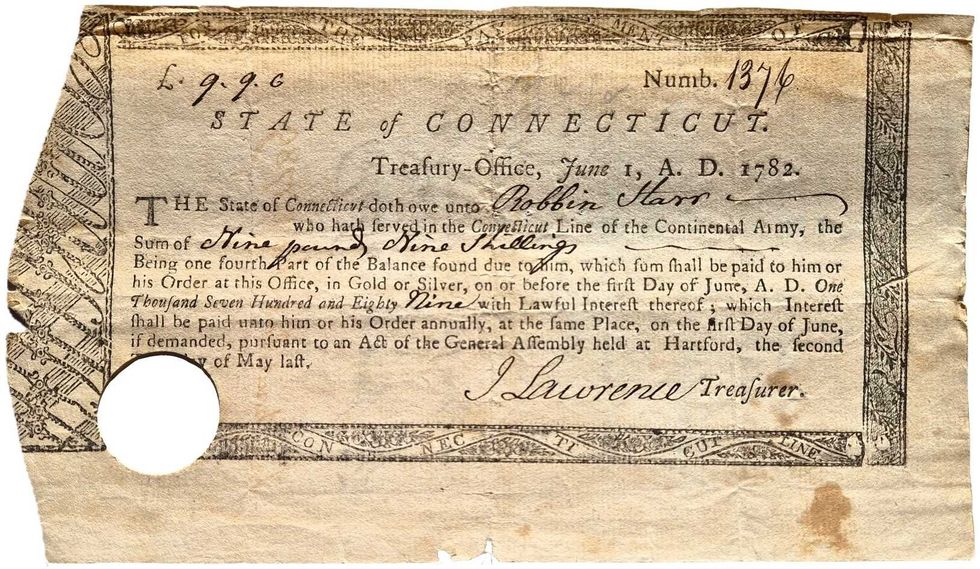 Pay Bill for Robin Starr’s service in the Continental Army.Courtesy the Alex Breanne Corporation
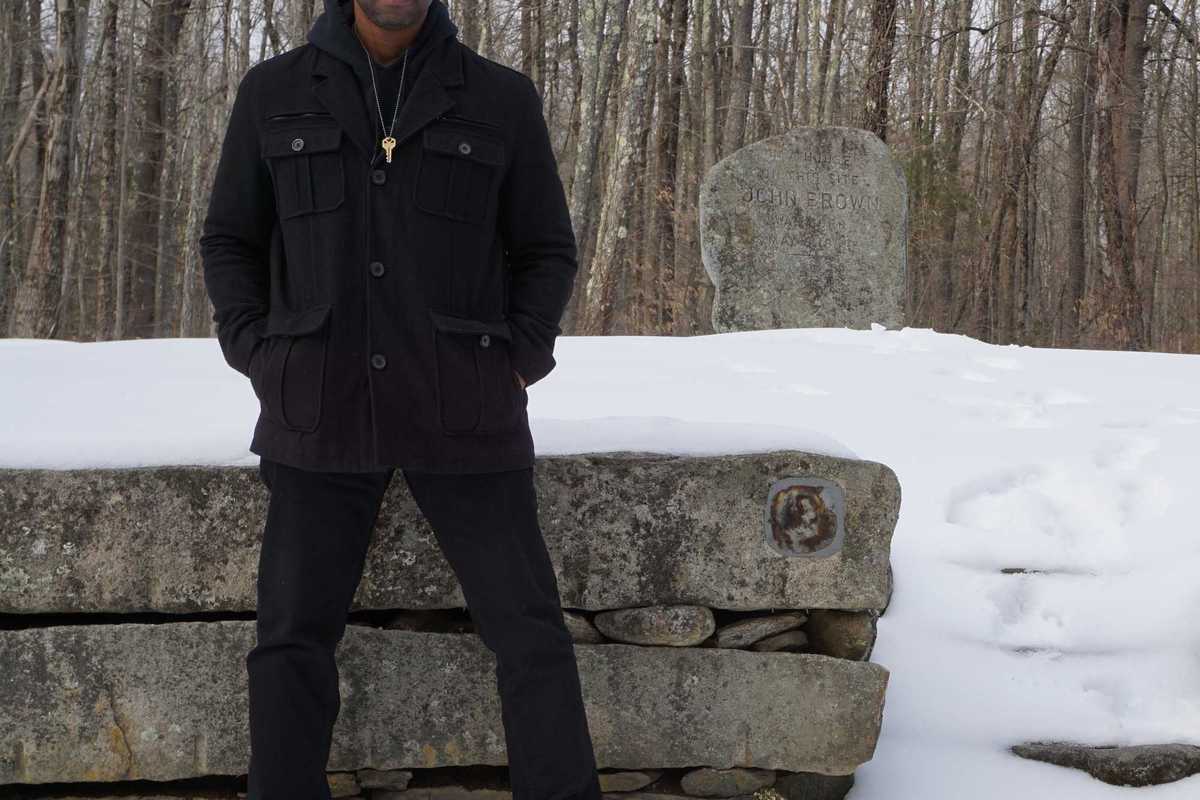
 John Mills speaking at Quinnipiac University.Courtesy the Alex Breanne Corporation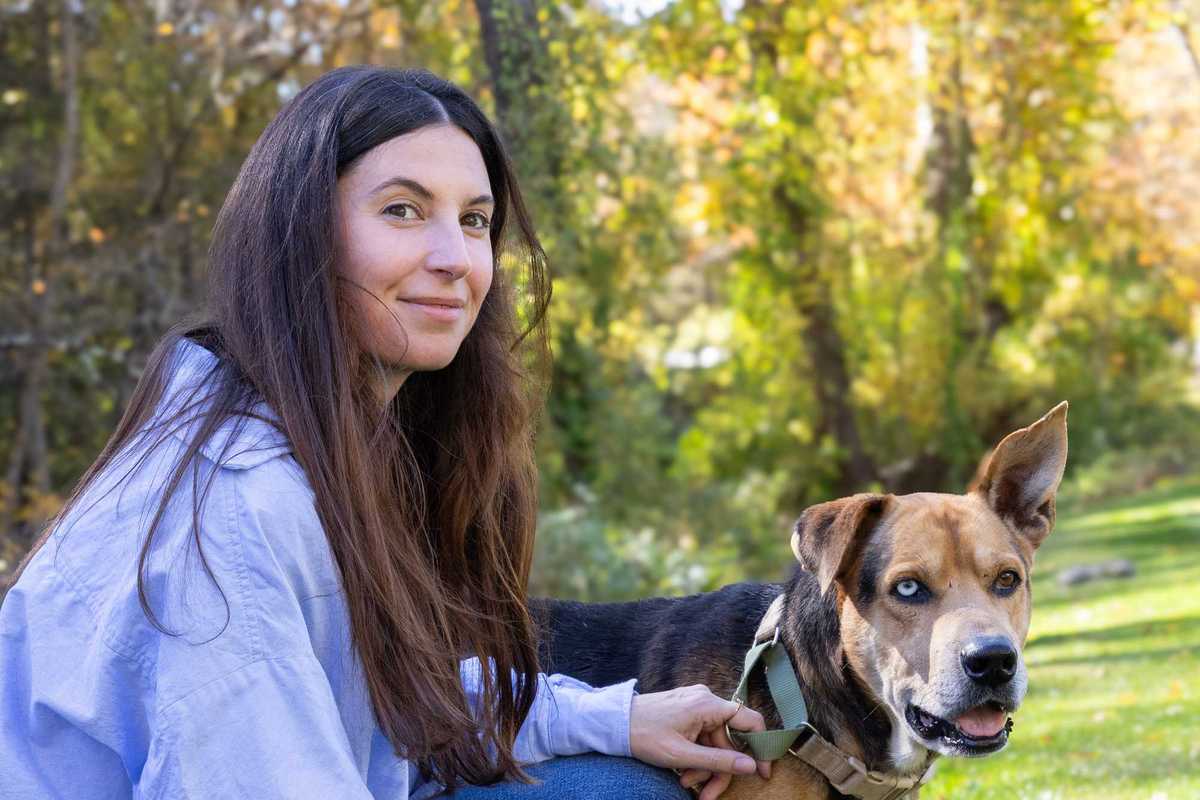
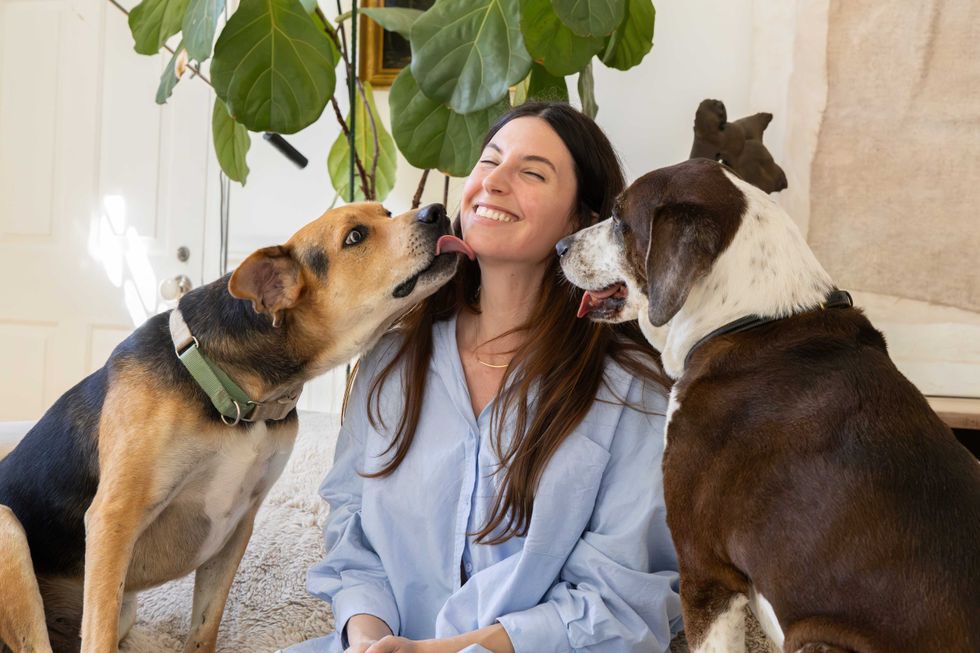 Stephanie Saetta,with her rescue dog George and Blue (left), a shepherd mix awaiting his forever home.Madi Long
 Blue, a 7 year-old Shepard mix, is waiting for his forever home. Madi Long