Chaos and shock in Sandy’s aftermath

Sixty-two percent of the world’s populations lives at sea level or 40 feet higher. One climate change expert, Klaus Jacob, 30 miles upstream from New York on the Hudson, even invested in raising his 1850s Hudson-side home five feet before Hurricane Sandy. He had officially predicted years ago that such a storm would occur, so he was prepared, or so he thought. “The water was driven into the New York Harbor and the Hudson flushed backward. We had nine feet of a storm surge ... like a very fast biker it just ran up the Hudson and swamped our home.” Four hours after the surge hit Manhattan it reached Albany. Jacob said, “I am fully aware that I will be the last generation or the last but one generation that will live in this house,” or any house alongside the river. Like all his neighbors, and people all over New York from Sandy Hook to Centerport on Long Island, including 50 percent of the population of the Atlantic coast from Cape Hatteras to Staten Island, all of Long Island Sound coasts, the Connecticut River up to Hartford and on and on — Sandy wrote the coming reality as tide mark for them all.Sandy was 1,000 miles wide and it broke all records of rainfall, wave heights and tidal surge. Had Sandy occurred during peak high tides, the damage would have been worse. Touted as a hundred-year event, we now know better. Decisions have yet to be made on how to cope with catastrophic events yet to come, as vast economies may collapse and people driven inland, forcing abandonment of centuries-old ways of life. History has shown that unless action is taken within one year, the political will and public stamina to manage or prevent reoccurring disasters wanes. And to achieve something, anything, like tidal barriers or channels to prevent river tidal surge, the discussions have to be underway in a serious fashion within six months. Heard anything yet?After Katrina, the finger was pointed at the Army Corps of Engineers for not designing better barriers and protection. So money was poured in, barriers raised and everyone thinks New Orleans is safe. Had Sandy reached New Orleans however, the dykes would have over spilled by five feet, and an area from Mobile, Ala., to Galveston, Texas, would have been flooded, done, over. Oh, and 30 percent of the gasoline supply for the entire USA as well. So is New Orleans safe? Hardly. The head-in-the-sand pundits think that Katrina was a fluke, a one-off, a hundred-year storm. Scientific predictions point otherwise.• • •Why wasn‘t New York ready for Sandy? Perhaps it is a matter of culture, we’re biased to the immediate, the now, not the long-term. We’re better at clean-up than prevention, repair than maintenance. Worried about tornadoes in a place called tornado alley? Build a house out of flimsy wood, insure it, but build a small concrete storm shelter. Kind of hard to do with America’s largest city. And there is another problem with promoting prevention, there is no sure-fire bogeyman, no enemy that is surely coming, we are better off waiting and seeing. We needed Pearl Harbor in order to get into a war we surely knew we needed to fight. We needed 9/11 to decide, as a nation, to go after al-Qaeda even though they had blown up a bomb under the very same building in 1993. Not enough people had been killed in 1993, we didn’t believe the danger was real enough or could repeat.So it is with hurricanes Sandy and Katrina. Surely they are flukes? Right? St. Petersburg learned the lesson and built defenses against the sea, as did Rotterdam. But how do you plan for a storm 1,000 miles wide? How do you protect the whole population of the coasts of America? Again, the American way is to be self-reliant, manage your safety yourself. And that’s fine up to a point. Try telling that to people living on Staten Island. They pay taxes and contribute to the national economy, why shouldn’t they expect safety infrastructure to be put in place? And they do, now, I can assure you, with political voice loud and clear. No one is listening.The current climate change prediction for our planet is a five-foot rise in sea levels within two generations (if not quicker). To prepare for that, Manhattan alone will have to begin building a wall 20 feet high all around the city, five feet for the rise and 15 feet for tidal surges. And budget for future generations at the rate of 12 feet of more wall every 50 years.It is hardly likely to happen. At best New York Harbor may get a barrier, and that will protect 20 percent of the population affected by Sandy. The other 80 percent, like the folks in Sandy Hook, had better prepare to protect themselves and move, while they can afford to. And the reality will be that whole regions of the Atlantic and Gulf coasts will be uninsurable, certainly by FEMA or flood insurance. Will people simply move? Have they left New Orleans or Miami which are indefensible? Or you can ask the Dutch. The dykes and dams there get higher and higher, as public funding has become a way of life. My guess is people will cling on and the age-old human habit of battling Mother Nature will continue. Only this time Mother Nature will be relentless as she is super-charged by global climate change.Peter Riva, a former resident of Amenia Union, now lives in New Mexico.

Latest News

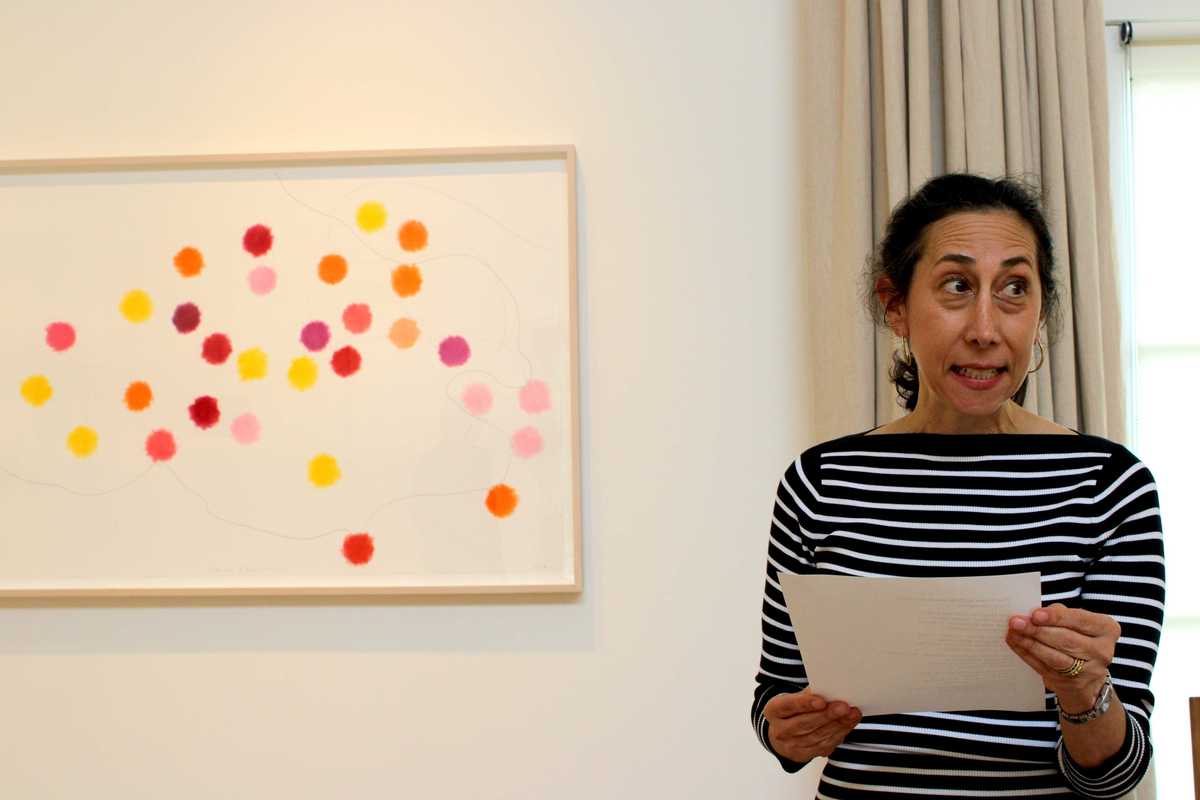
Living art takes center stage in the Berkshires

Contemporary chamber musicians, HUB, performing at The Clark.

D.H. Callahan

Northwestern Massachusetts may sometimes feel remote, but last weekend it felt like the center of the contemporary art world.

Within 15 miles of each other, MASS MoCA in North Adams and the Clark Art Institute in Williamstown showcased not only their renowned historic collections, but an impressive range of living artists pushing boundaries in technology, identity and sound.

Keep ReadingShow less
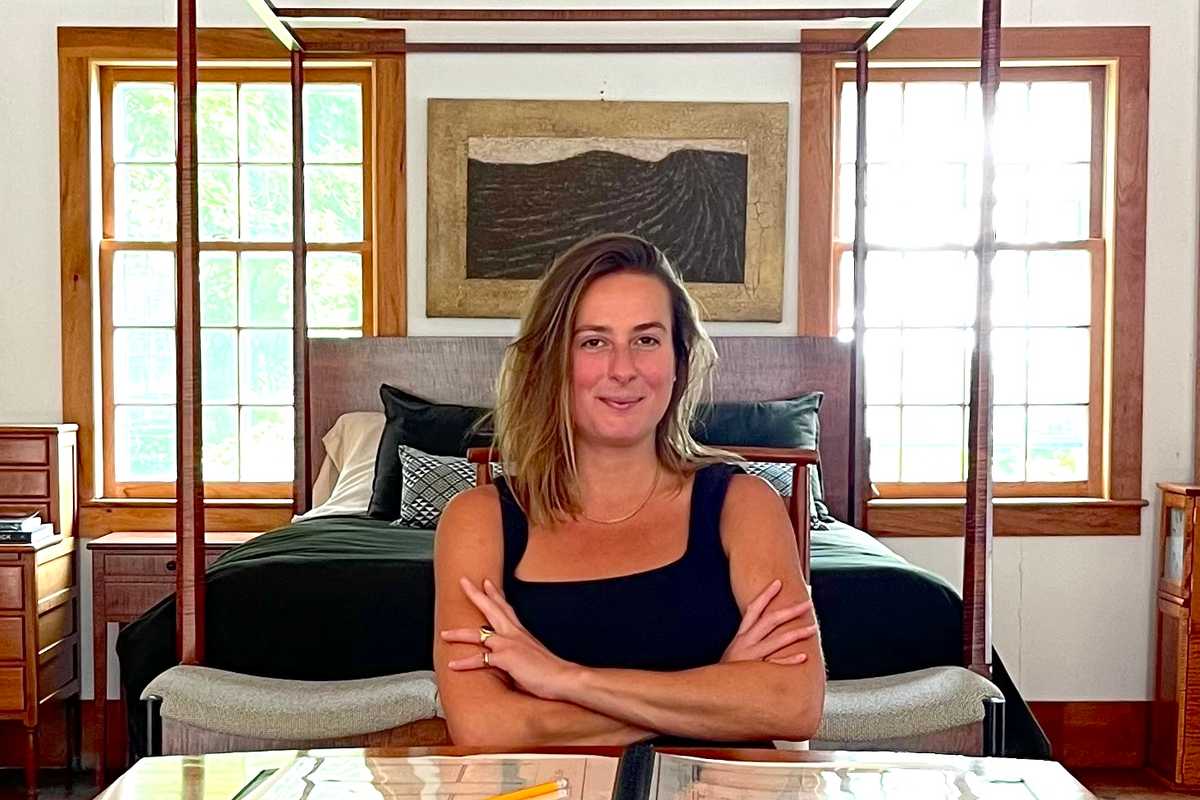
Persistently amplifying women’s voices

Francesca Donner, founder and editor of The Persistent. Subscribe at thepersistent.com.

Aly Morrissey

Francesca Donner pours a cup of tea in the cozy library of Troutbeck’s Manor House in Amenia, likely a habit she picked up during her formative years in the United Kingdom. Flanked by old books and a roaring fire, Donner feels at home in the quiet room, where she spends much of her time working as founder, editor and CEO of The Persistent, a journalism platform created to amplify women’s voices.

Although her parents are American and she spent her earliest years in New York City and Litchfield County — even attending Washington Montessori School as a preschooler — Donner moved to England at around five years old and completed most of her education there. Her accent still bears the imprint of what she describes as a traditional English schooling.

Keep ReadingShow less
Jarrett Porter on the enduring power of Schubert’s ‘Winterreise’
Baritone Jarrett Porter to perform Schubert’s “Winterreise”
Tim Gersten

On March 7, Berkshire Opera Festival will bring “Winterreise” to Studio E at Tanglewood’s Linde Center for Music and Learning, with baritone Jarrett Porter and BOF Artistic Director and pianist Brian Garman performing Franz Schubert’s haunting 24-song setting of poems by Wilhelm Müller.

A rejected lover. A frozen landscape. A mind unraveling in real time. Nearly 200 years after its premiere, “Winterreise” remains unnervingly current in its psychological portrait of isolation, heartbreak and existential drift.

Keep ReadingShow less
google preferred source

Want more of our stories on Google? Click here to make us a Preferred Source.
A grand finale for Crescendo’s 22nd season

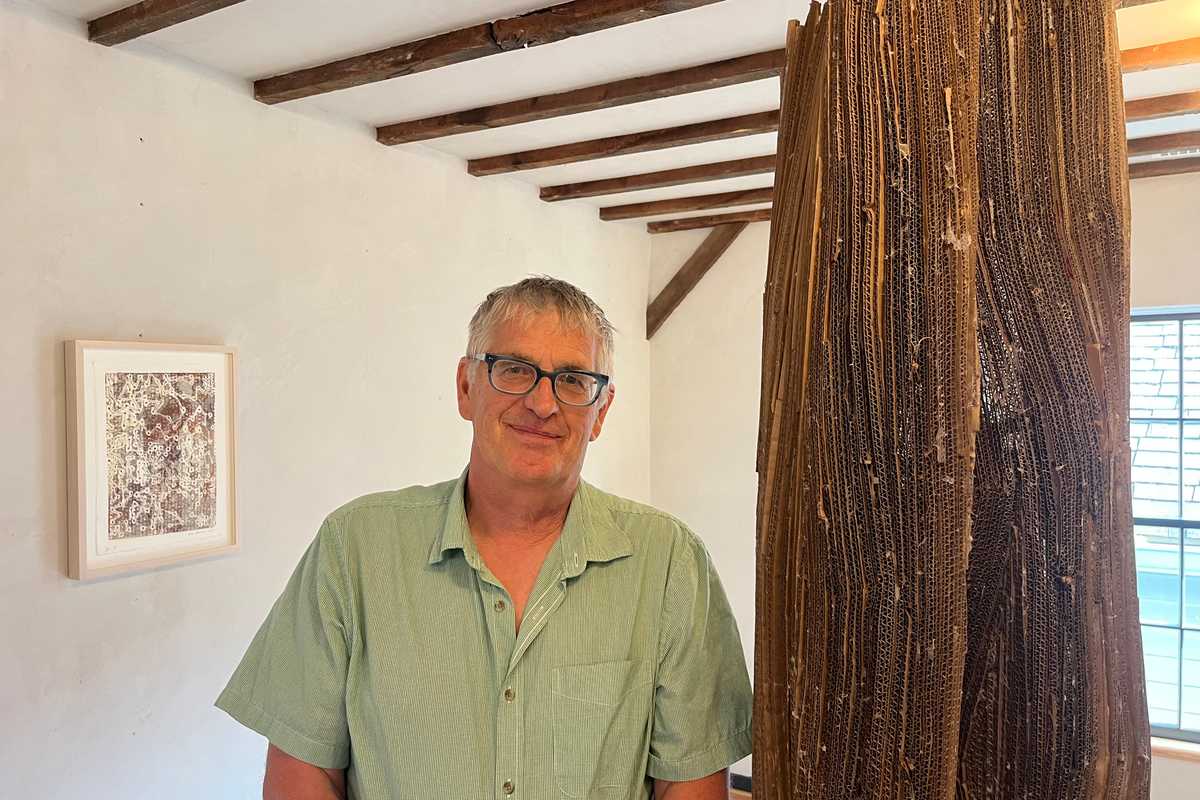
Christine Gevert, artistic director, brings together international and local musicians for a season of rare works.

Stephen Potter

Crescendo, the Lakeville-based nonprofit specializing in early and rarely performed classical music, will close its 22nd season with a slate of spring concerts featuring international performers, local musicians and works by pioneering composers from the Baroque era to the 20th century.

Christine Gevert, the organization’s artistic director, has gathered international vocal and instrumental talent, blending it with local voices to provide Berkshire audiences with rare musical treats.

Keep ReadingShow less

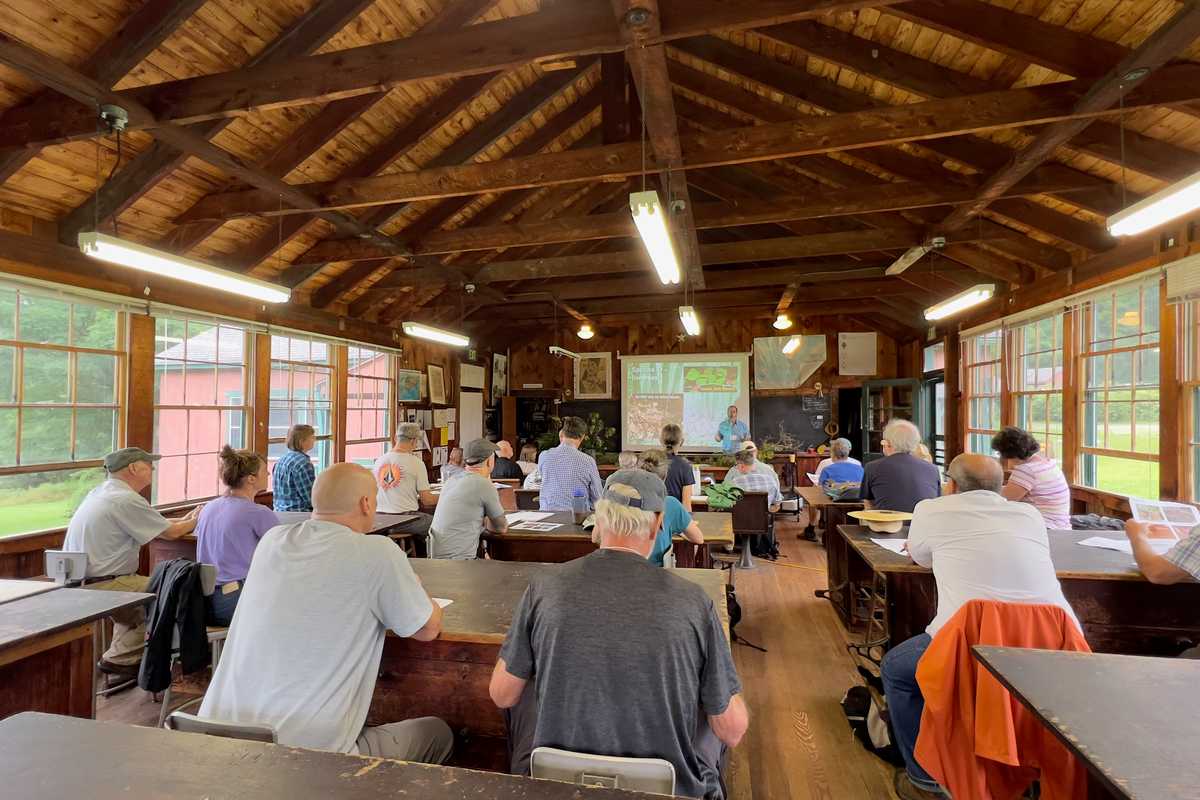
Leopold Week honors land and legacy

Leopold Week honors land and legacy

Aldo Leopold in 1942, seated at his desk examining a gray partridge specimen.

Robert C. Oetking

In his 1949 seminal work, “A Sand County Almanac,” Aldo Leopold, regarded by many conservationists as the father of wildlife ecology and modern conservation, wrote, “There are some who can live without wild things and some who cannot.” Leopold was a forester, philosopher, conservationist, educator, writer and outdoor enthusiast.

Originally published by Oxford University Press, “A Sand County Almanac” has sold 2 million copies and been translated into 15 languages. On Sunday, March 8, from 3 to 5 p.m. in the Great Hall of the Norfolk Library, the public is invited to a community reading of selections from the book followed by a moderated discussion with Steve Dunsky, director of “Green Fire,” an Emmy Award-winning documentary film exploring the origins of Leopold’s “land ethic.” Similar reading events take place each year across the country during “Leopold Week” in early March. Planning for this Litchfield County reading began when the Norfolk Library received a grant from the Aldo Leopold Foundation, which provided copies of “A Sand County Almanac” to distribute during the event.

Keep ReadingShow less

Erica Child Prud’homme

Erica Child Prud’homme

WEST CORNWALL — Erica Child Prud’homme died peacefully in her sleep on Jan. 9, 2026, at home in West Cornwall, Connecticut, at 93.

Erica was born on April 27, 1932, in Doylestown, Pennsylvania, the eldest of three children of Charles and Fredericka Child. With her siblings Rachel and Jonathan, Erica was raised in Lumberville, a town in the creative enclave of Bucks County where she began to sketch and paint as a child.

Keep ReadingShow less
google preferred source

Want more of our stories on Google? Click here to make us a Preferred Source.
google preferred source

Want more of our stories on Google? Click here to make us a Preferred Source.