Thank you!
Your support is sustaining the future of local news in our communities.

Closing ceremony for photo exhibit highlights Hallaway

Closing ceremony for photo exhibit highlights Hallaway

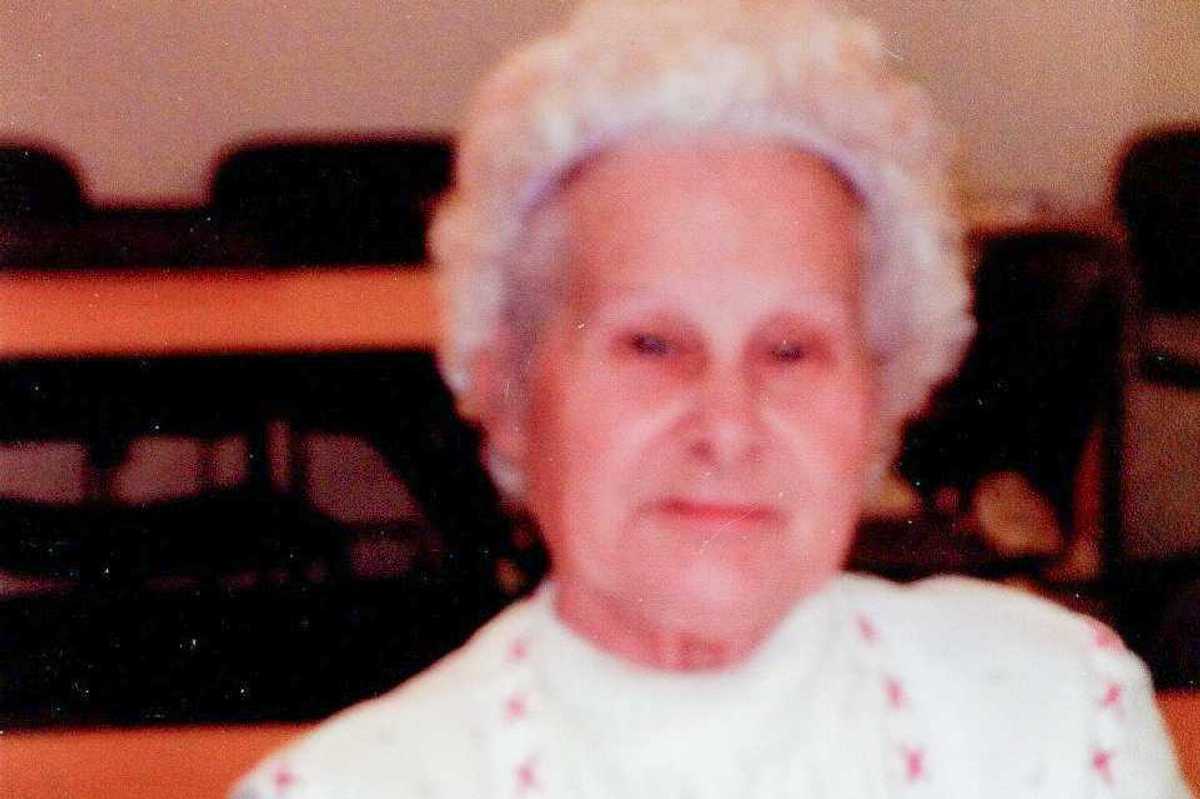
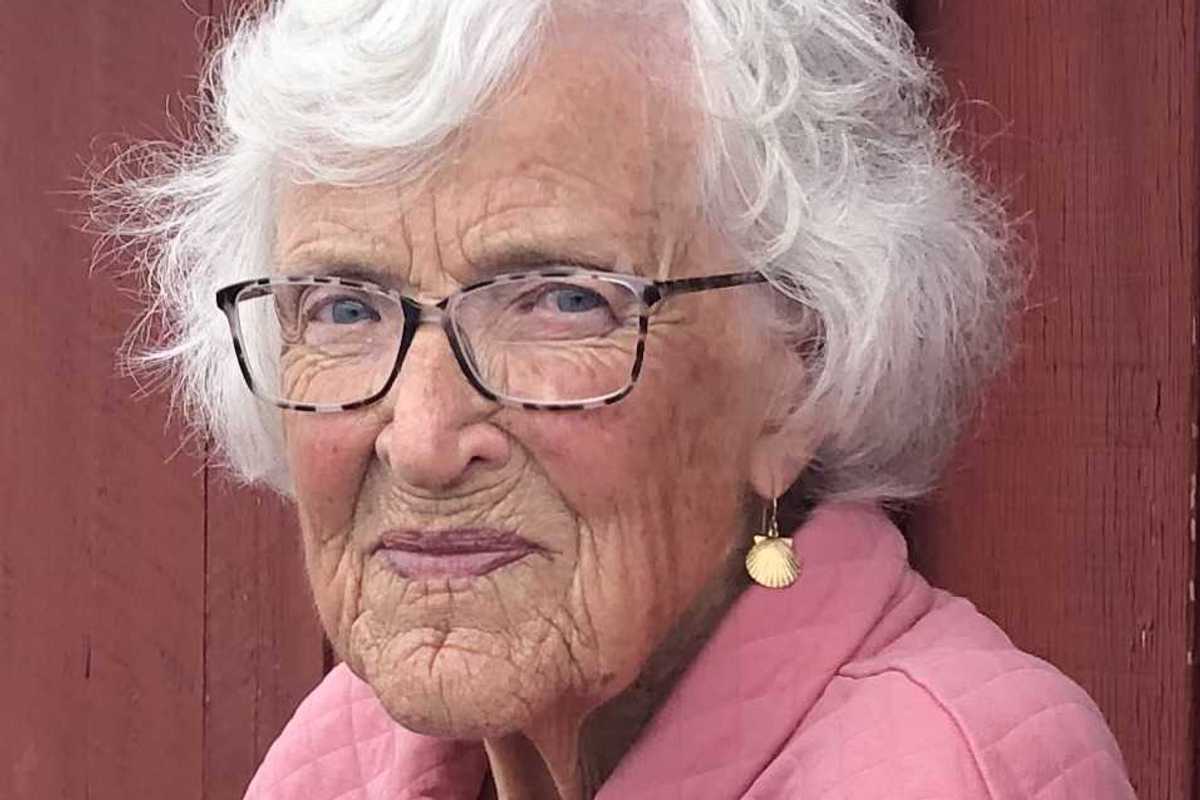
Mabel Dean Hallaway was an early photographer in the Northwest Corner.

Provided

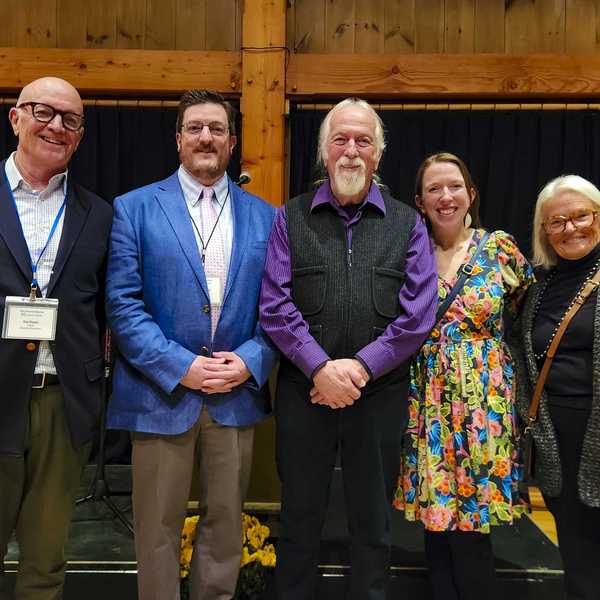
FALLS VILLAGE — The exhibit “From the Great Falls to the Hilltops: Early 20th Century Photography from the Falls Village-Canaan Historical Society” wrapped up Friday evening, May 3, with a slide show and notes on the research associated with the exhibit.

Garth Kobal led the presentation.

Kobal, using archived items from the Connecticut Western News and The Lakeville Journal, provided details on some of the people featured in the photographs.

The photographs are glass slide and silver nitrate film negatives from the estate of Mabel (Dean) Hallaway (1893-1991) that were donated to the historical society.

Kobal recalled being advised of their existence by the society’s Judy Jacobs, who said with considerable understatement, “I think you’ll find these interesting.”

Mabel was a lifelong photographer, not the easiest or most accessible hobby in the early 20th century when equipment and supplies were expensive.

At around the same time, noted photographer Clarence H. White was running a school of photography in East Canaan and then North Canaan. White also owned the house across the street from the South Canaan Meeting House, then an active Congregational church. Mabel Dean was the organist.

So it seems likely the two knew each other.

Kobal turned up interesting tidbits from the newspaper archives. “Newspapers were the social media of the time,” he said, with items such as noting that Grace Silvernale (featured in one of the photos) and a gentleman friend had attended a showing of “The Foundling” starring Mary Pickford.

Kobal said he wasn’t sure, but he suspected there might have been two Grace Silvernales in the North Canaan/Falls Village area at the time.

After the presentation members of the historical society, plus Dan Karp, who teaches photography at Bard College at Simon’s Rock, answered questions.

Karp talked about how many of the photos were created using a process called contact printing, which did not allow for enlargement.

“The enlarged prints here would have been stunning” to their subjects at the time.

It emerged from the discussion that the historical society has another batch of photos, glass slides from the same era.

About 500, in fact.

“So I guess we have some work to do,” said Kobal.

Latest News

Let's Hear It - September 17, 2026

Let's Hear It - September 17, 2026

This Week

As summer comes to an end and the days begin to get a little cooler, signs of fall are starting to appear all around us. The leaves are beginning to change, the evenings are getting shorter, and a new season of activities and traditions is just around the corner.

Keep ReadingShow less

$5,000

$5,000

Letters to the Editor - September 17, 2026

Letters to the Editor - September 17, 2026

Put $1M to work for housing affordability

If I had $1 million to improve housing affordability in Litchfield County, I would create a revolving Housing Opportunity Fund. Instead of spending the entire amount on one or two homes, I would use it to help local housing trusts acquire land or properties, provide down-payment assistance for qualified buyers, convert appropriate existing buildings into housing, and help cover some of the upfront costs that can prevent good housing projects from ever getting started.

Keep ReadingShow less
google preferred source

Want more of our stories on Google? Click here to make us a Preferred Source.

Turning Back the Pages - September 17, 2026

125 years ago — September 1901

LIME ROCK — Matthew Patterson recently received a silver medal from the Canadian government as a token of his services during the Fenian raid in ‘71. The medal is suitably inscribed and is considerably heavier than a silver dollar. It depends from a silk tri-color and pin, and altogether makes a very neat souvenir.

Keep ReadingShow less
Voices from our community about the housing we need for a healthy, vibrant future

Jordan Seibert and Riley Bossi

Shelly Dinelle

There’s a reason people say, “It takes a village to raise a child.” To thrive, a child needs a safe, stable place to call home. That’s the bedrock for health, dignity, and the chance to build a bright future. What kind of “village” does it take to create these homes?

Motivated by compassion and a drive to make housing more accessible, it took the Foundation for Norfolk Living years of hard work to create ten affordable homes at Haystack Woods. The “village” turned out to be a patchwork of support that included financial help from the DOH, a construction mortgage through Northwest Community Bank, and a Community Development Block Grant to purchase the property and pay for the road and infrastructure. The result? Two- and three-bedroom homes reserved for first-time homebuyers earning 60-80% of Litchfield County’s median income, and selling for $159,000 to $261,000. The condominium homes are deed-restricted and net-zero thanks to energy-efficient construction, solar panels, and battery storage, meaning the homebuyers will have no energy costs! Curious? Just Google “Haystack Woods” to learn more. It’s a remarkable accomplishment.

Keep ReadingShow less
Selectmen back $113,000 request for new ambulance

FALLS VILLAGE — The Board of Selectmen approved a request from the Fire Commission for $113,000 toward a new ambulance scheduled for delivery in November.

The selectmen acted during their regular monthly meeting Monday, Sept. 14.

Keep ReadingShow less
google preferred source

Want more of our stories on Google? Click here to make us a Preferred Source.

google preferred source

Want more of our stories on Google? Click here to make us a Preferred Source.