If there exists a clear visual pipeline from the prestige art exhibitions of New York to the smaller galleries in Litchfield County, Conn., look no further than “Women,” the show currently on display at Craven Contemporary in Kent, Conn., featuring female portraits by Alex Katz, in time with the artist’s massive installation currently at The Guggenheim on Fifth Avenue.
Katz’s “Gathering,” which includes recent work painted during the pandemic, infuses the white helical ramp with splashes of bold color; large canvases coil upward to the Guggenheim’s Byzantine-like oculus dome. It is an epic tribute to the eight-decade-long career of the 95-year-old painter.
Massive success in public careers can be fragile things, attached to ticking clocks. Athletes know this too well — this year Tom Brady, considered to be football’s greatest quarterback, and the NFL's oldest MVP winner, has continued to deny the pressure to announce his retirement at 45 years old. Christiano Ronaldo, another greatest of all time in football — or soccer, as we might say — is also rumored to be circling retirement at age 37, following his recent World Cup loss. For painters who achieve both critical acclaim and auction house stardom, the trajectory can look quite different. As New York Magazine art critic Jerry Saltz tweeted last week, “Artists: You don’t retire from art. No one gets out of here alive.” Separated from the trappings of an athlete or ballet dancer’s physical exertion or a model or performer’s expiration after youth's beauty, artists can have celebrated careers long into their twilight years. But is there something slightly grim in the fevered rush for these late-period works?
A Brooklyn native, Alex Katz has primarily worked in the very places his paintings reflect — New York City and coastal Maine. His portraits, much like his floral and botanical studies, bring the viewer in close, almost cartoonishly close, like being a fly on the wall in a land of giants. His painted faces and flowers are full of contradiction: stiff yet expressive; stripped of detail yet resplendent in their bright, prismatic presence; beautiful yet distantly wry.
Katz has never quite achieved the staggering financial success of some of his peers. As The New Yorker reported in 2018, “Katz’s highest auction price, achieved at a Sotheby’s sale in May, is nine hundred and fifty thousand dollars.” In the art world, that’s small change compared to the multi-million-dollar sales of work by the 85-year-old American artist Ed Ruscha. Yet Katz’ show at The Guggenheim feels in conversation with last year’s show at The Whitney, a mammoth collection of the work by 92-year-old American painter and Sharon, Conn., resident, Jasper Johns. While on a financial scale, Johns holds the distinction of his work “Flag” selling for $110 million in 2010, setting the record for a living painter, both his and Katz's shows hold a certain air of finality. Despite the continued work being produced by the artists (their British contemporary, David Hockney, could certainly fit in well here), it’s hard not to read the subtext of these grand late-career shows as “if not now, it may be too late.” Still, compared to history’s breathless list of artists who retired into anonymity, who died in obscurity, getting a celebrated farewell tour, however a career ends, is a rare achievement. Take it while you can, Brady.
Alex Katz "Women" reopens for 2023 on Jan. 7 at Craven Contemporary in Kent., Conn.
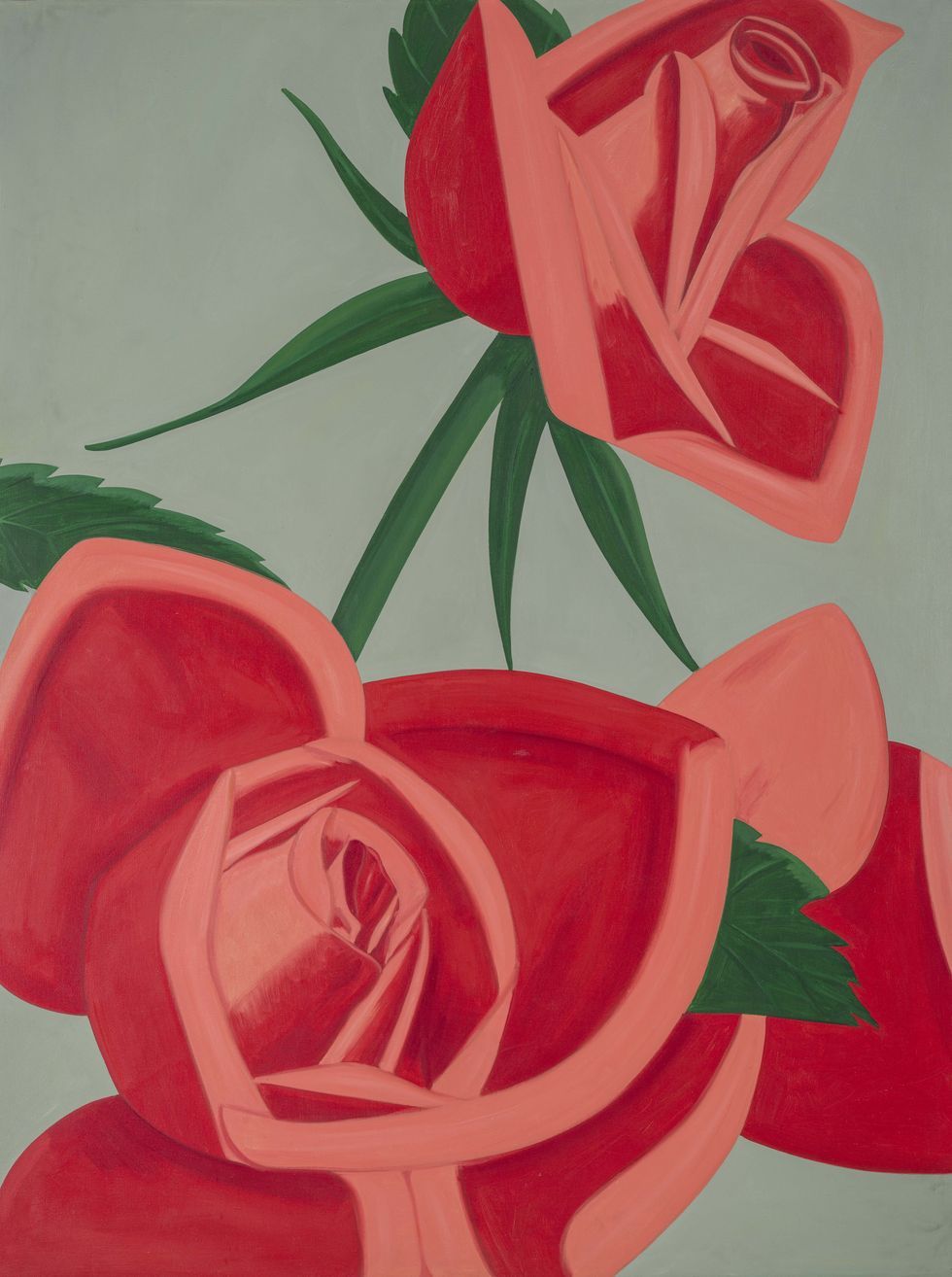
Rose Bud by Alex Katz, at The Guggenheim © 2022 Alex Katz / Licensed by Artists Rights Society (ARS), NY Photo By Paul Takeuchi

Ada Four Times #2 by Alex Katz © 2022 Alex Katz / Licensed by VAGA at Artists Rights Society (ARS), NY


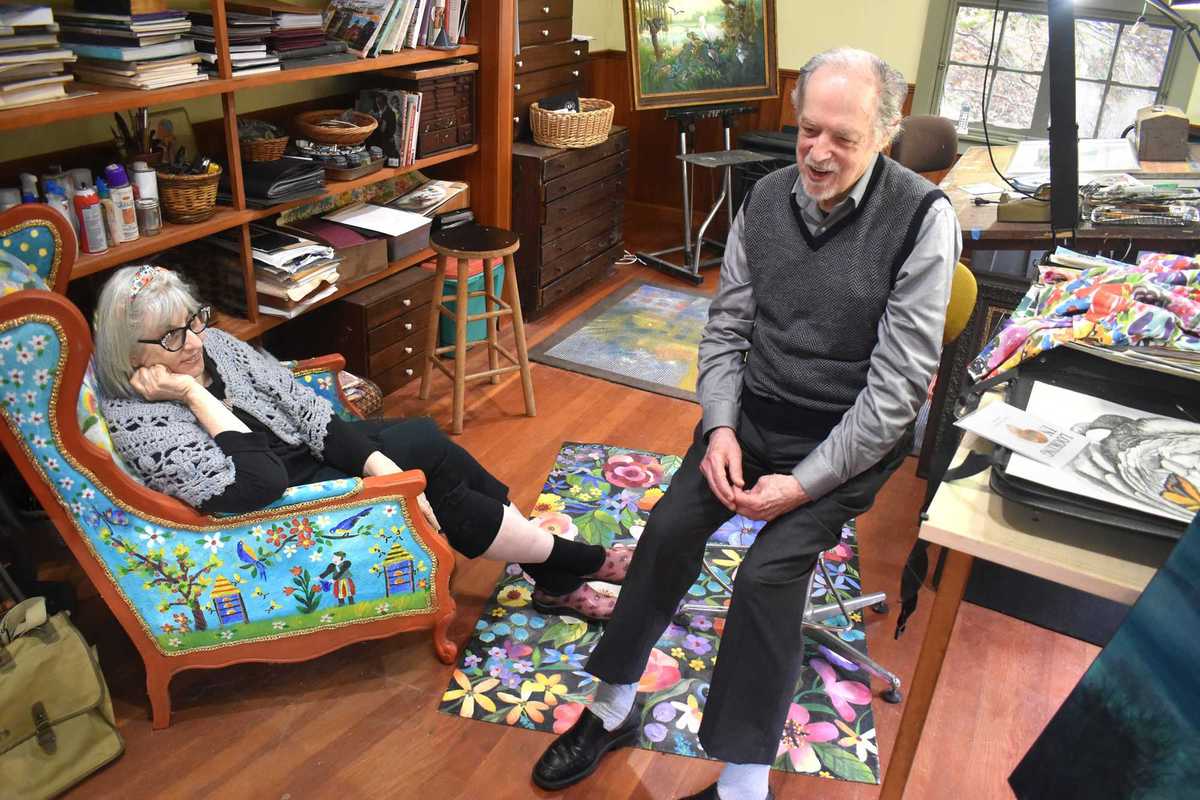
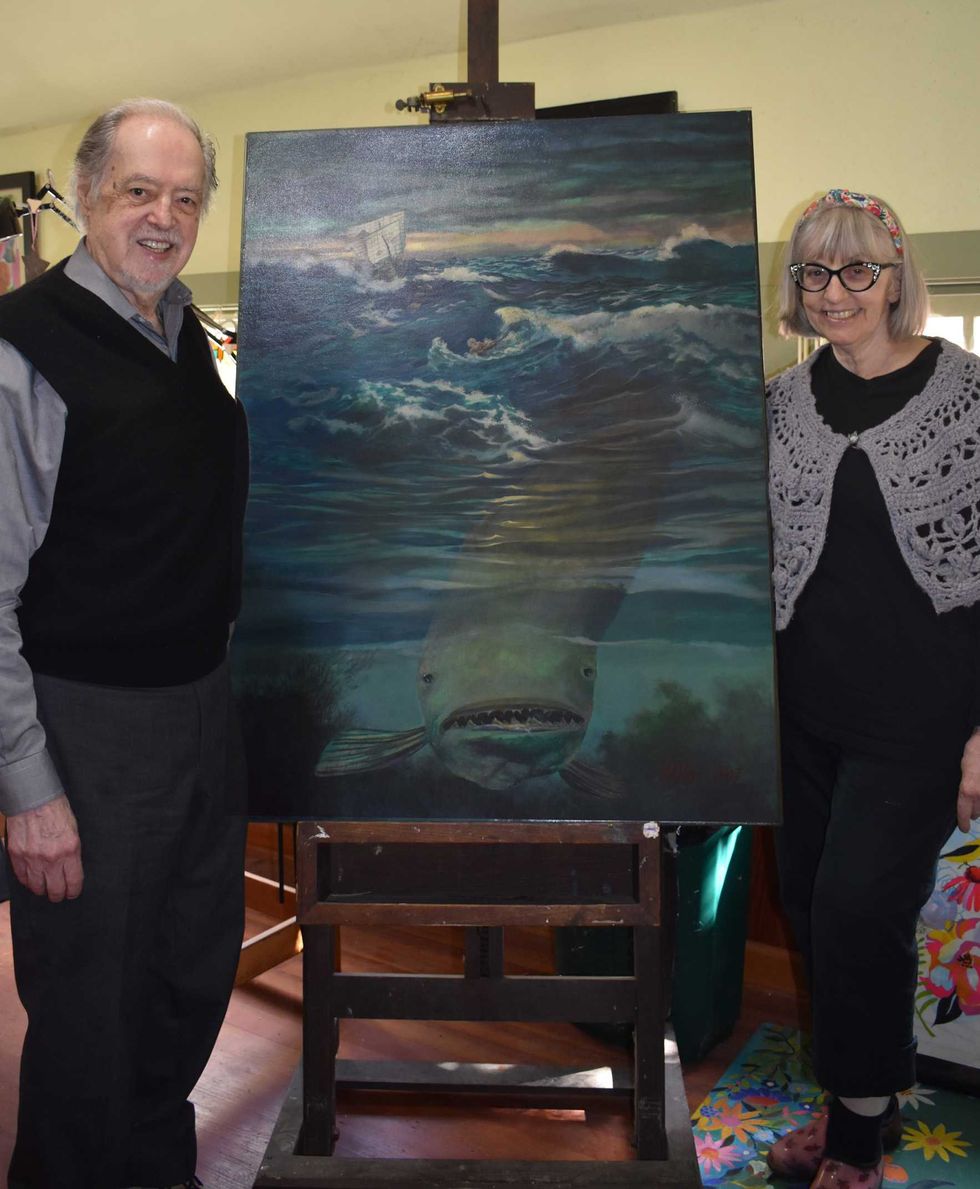 Justine and Victor Valla in their studio with a painting of Victor’s,”Jonah and the Whale.” Robin Roraback


 A ceramic vase by Kathleen Heidemann.Provided
  Joy Brown’s delightful ceramic sculptures.Provided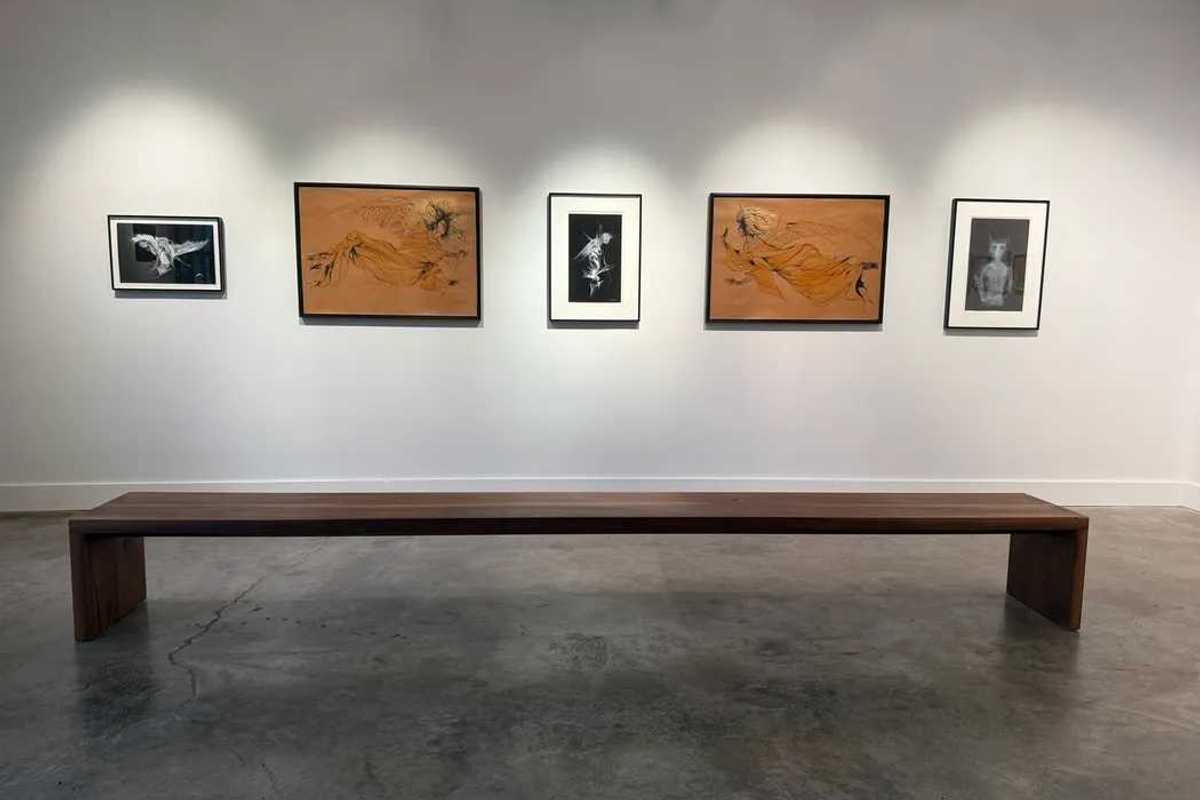

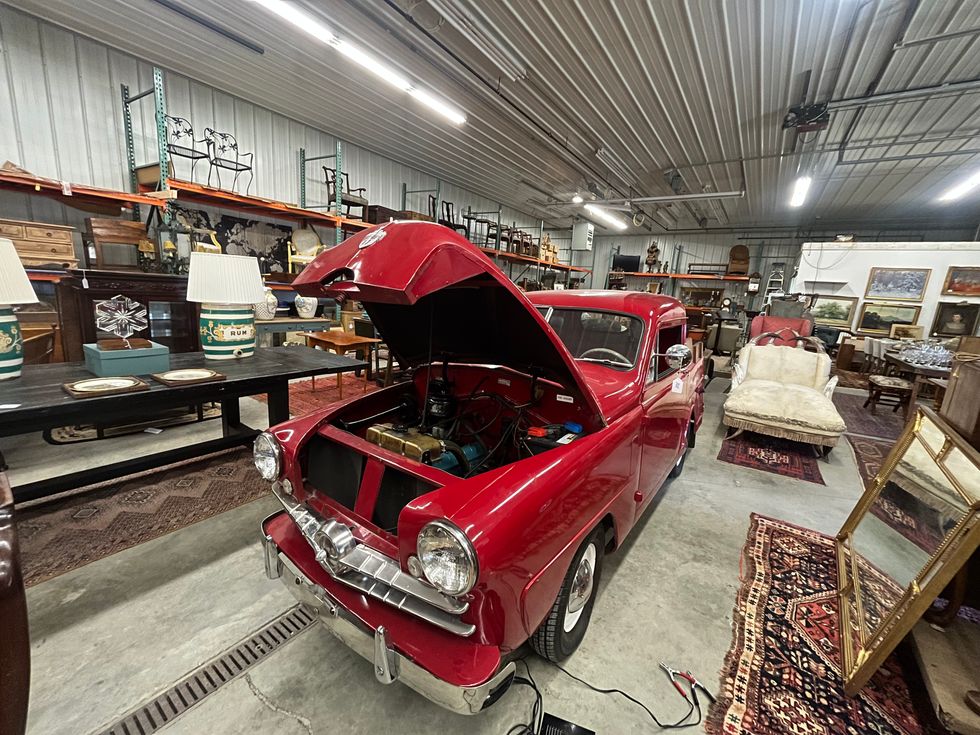 Hundreds of items at Stateline Auctions, including a candy-apple-red Crosley pickup truck.D.H. Callahan