Painter-writer-cartoonist Peter Steiner says that painting was difficult during COVID — but writing was easier. Is he serious or kidding? Sometimes it’s hard to tell with him. He is soft-spoken and dry, but always witty, all of which combine to have made him a successful cartoonist for The New Yorker magazine (and for The Lakeville Journal, where his work appears weekly).
COVID-19 was a challenge for him as an artist, he said, because he couldn’t hold art shows in the attic space at his home in Sharon, Conn. But then again, he didn’t have any shows planned. Writing, on the other hand, “is a solitary enterprise anyway, so all that stayed the same.”
His social life was affected the most. “What few social skills I had, seemed to disappear.”
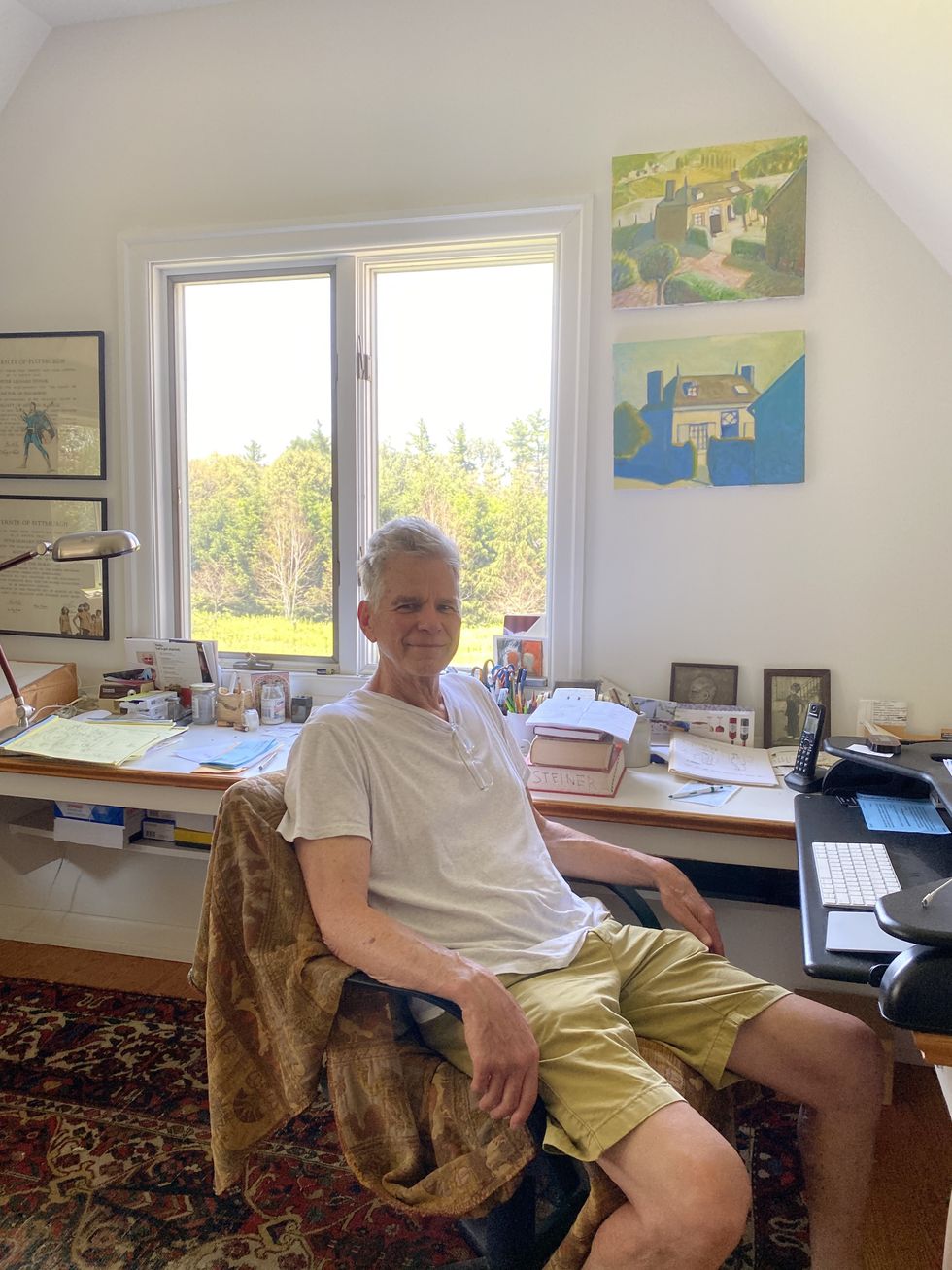
On the top floor of the home where he has lived for 18 years, Steiner writes in the smaller room that materializes first through the doorway at the top of the stairs. Through a wider opening, the second and larger room is where he paints and creates cartoons. Steiner’s favorite parts of the studio are “the spaciousness and the comfort of it, and the light.”
He designed the house with the help of an architect. “Being an artist, I can visualize what a house can look like; so I made sketches and the architect made it better.”
Steiner inserts a soft joke, claiming the only aspect of his space that he would change would be to install air conditioning. Truthfully, he would never; instead, he suggests “better windows of higher quality.”
Reflecting more on COVID, Steiner said that it stopped him from painting, that the last time he’d put brush to canvas was three or four months ago. He attributes it to the shared melancholy of COVID-19. “It impacted me in that I found it depressing. That doesn’t help if you’re trying to work. I think that was part of why I couldn’t get going painting. It’s just a sad, sad thing.”
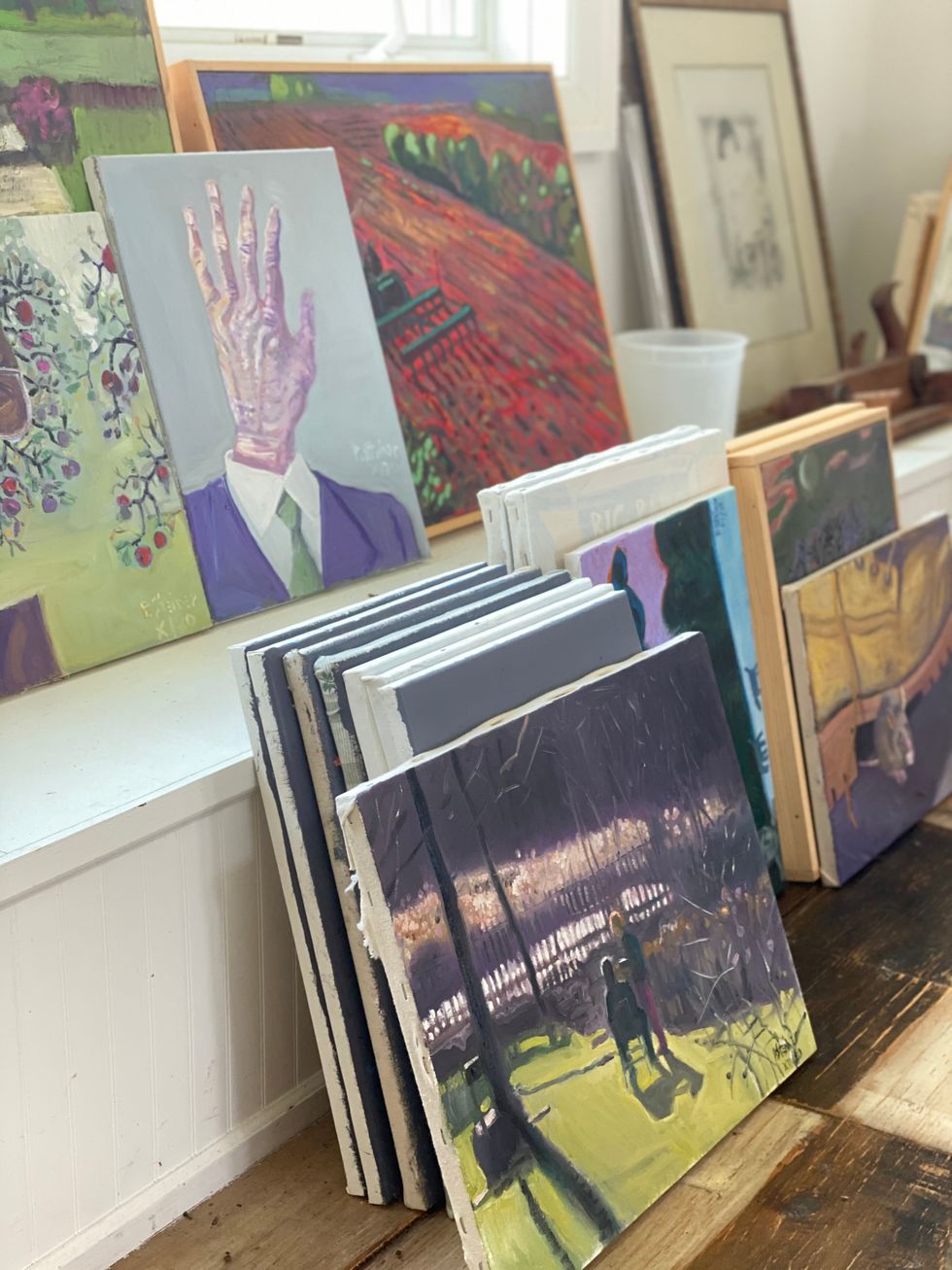
The paintings that he did create were mostly “a reaction to the virus and what happened.” He also did a number of self-portraits, before switching to writing full time.
Steiner is at work on the third book in a series about Germany under Hitler’s reign. They are police procedurals that explore decisions that humans make, their choices to do good or evil.
Steiner said he wishes to understand the process of falling into preventable problems. He gives the example of Donald Trump’s presidency, explaining it was a part of why he chose to write about Hitler: “It could’ve gone the same way.”
He surmises that, “It all has to do with our faulty thinking.”
Books that Peter Steiner recommends
• “Thinking, Fast and Slow” by Daniel Kahnemann
“‘Thinking, Fast and Slow’ is about how fallible our thinking is, how our intuition is unreliable and dangerous, and reason is not something we are very good at.”
• “The Way We Live Now” by Anthony Trollope
“The Way We Live Now” is the one book I would want on a desert island. Either that, or George Eliot’s ‘Middlemarch.’ The richness of Trollope’s storytelling is a marvel and a joy to me.”
• “And Eliot’s understanding of the foundations of human behavior and the way she can take it apart into its smallest components and let us understand our various misunderstandings amazes me and brings me joy as well.
“As you can see, all three books have to do with what a mess we are. Human misunderstanding (and misbehavior) seems to have become one of my preoccupations these days.”
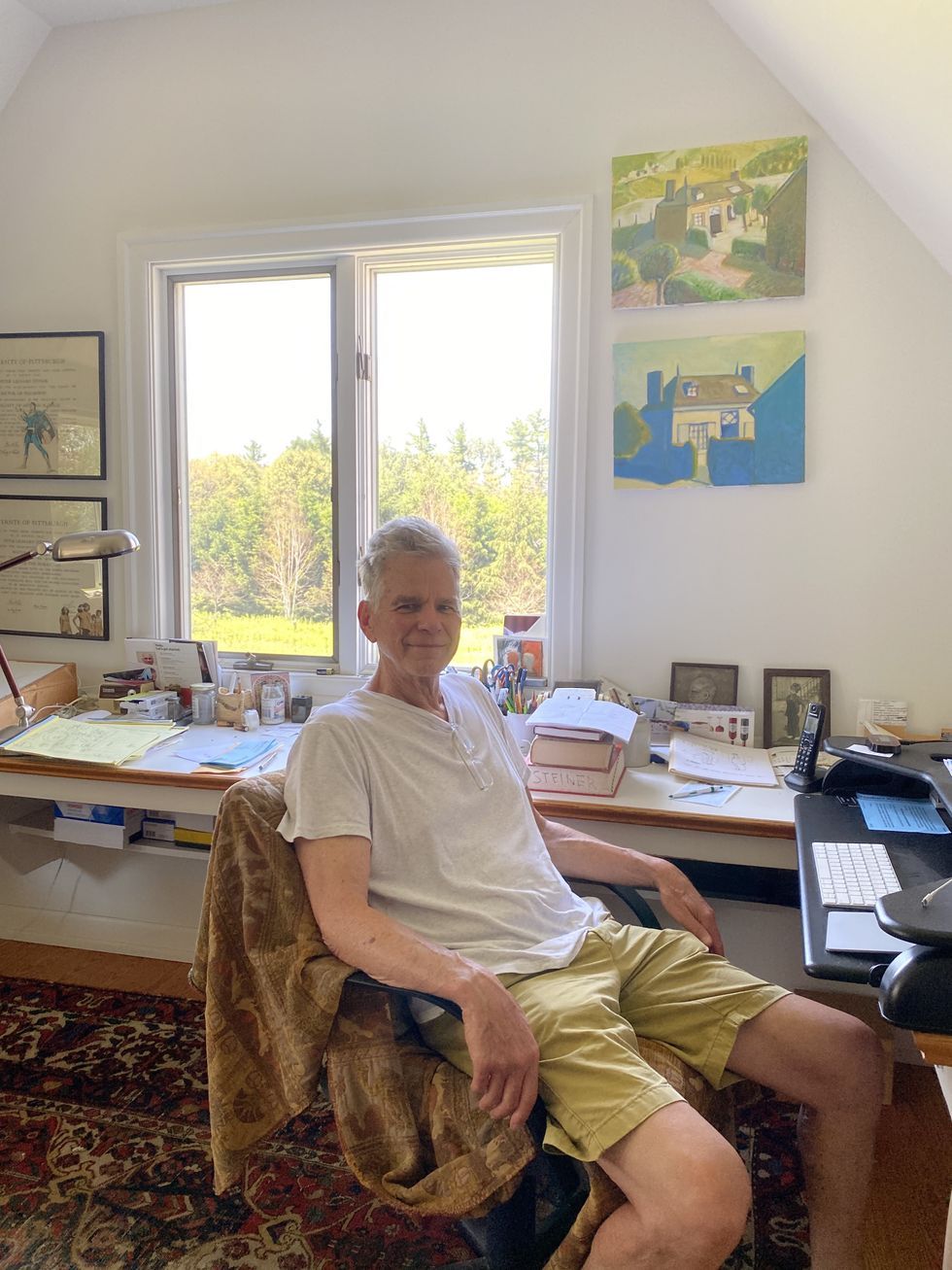
The multi-hyphenate artist Peter Steiner has separate studios for writing and painting. Photo by Anabelle Baum
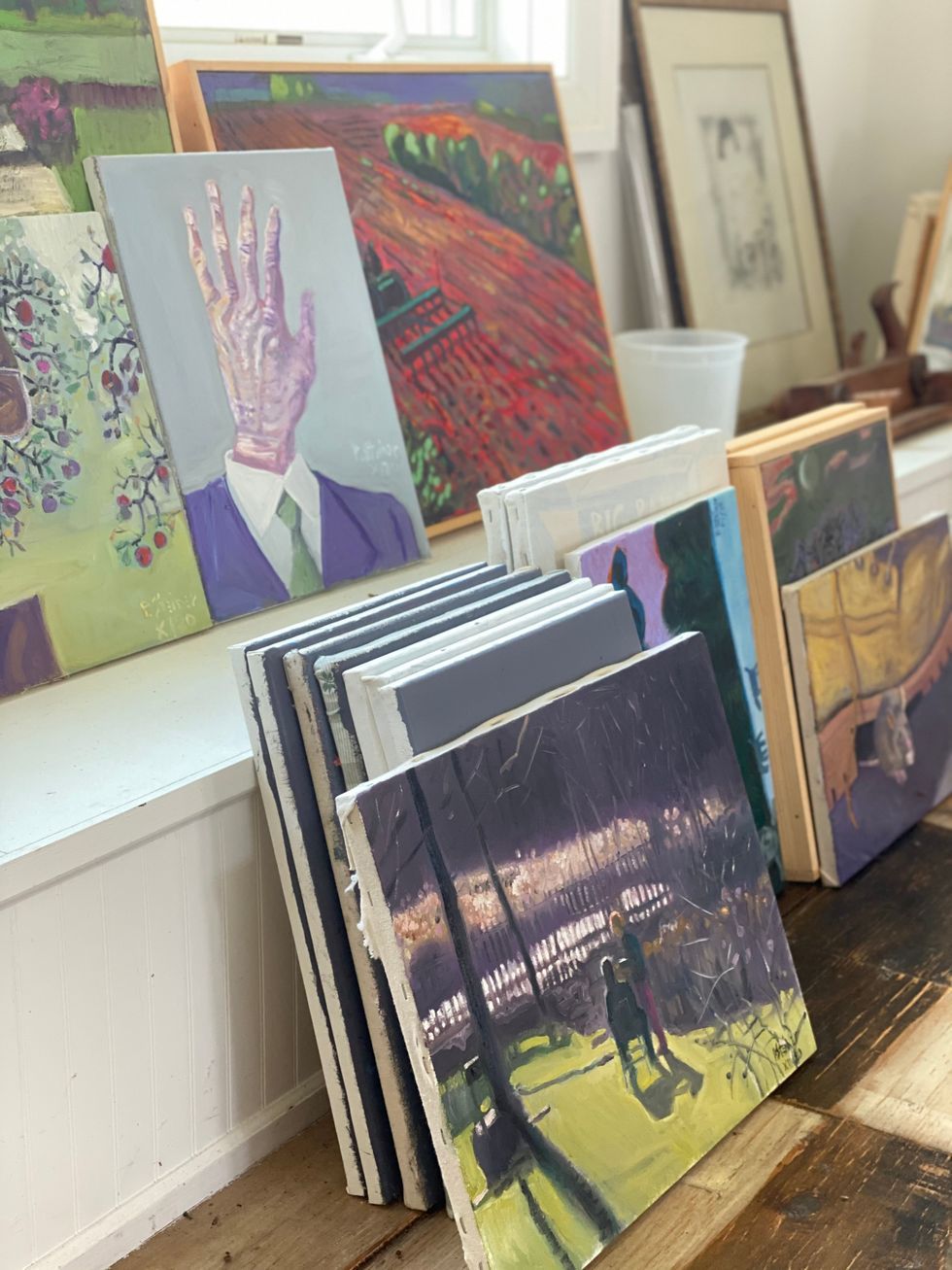
During COVID-19, Steiner did self-portraits but then switched to writing. Photo by Anabelle Baum



 Tiffany Lemelin, shelter manager, brushing Marsala upon arrival.Provided
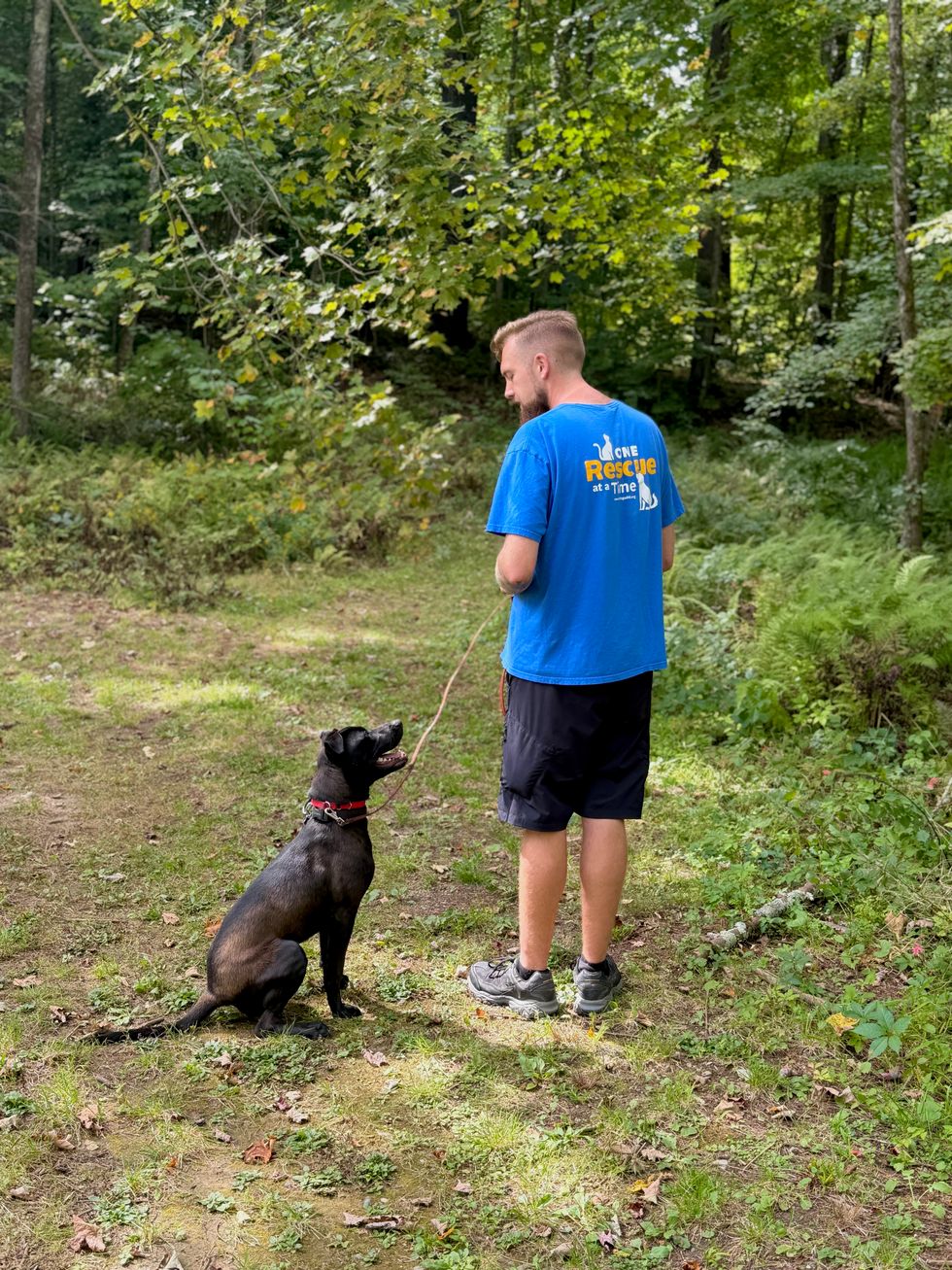 Michael DeBarba, certified dog trainer working with Marsala.Jennifer Almquist
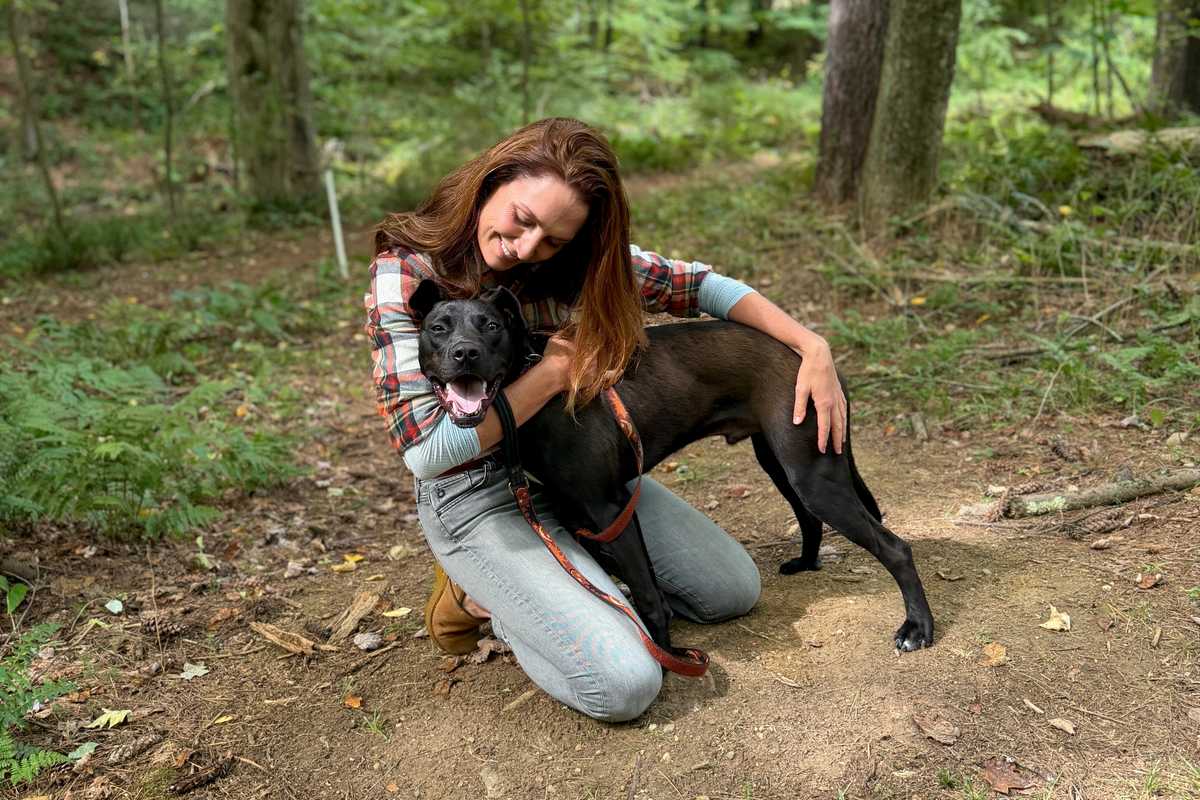 Marsala wins a heart.Jennifer Almquist
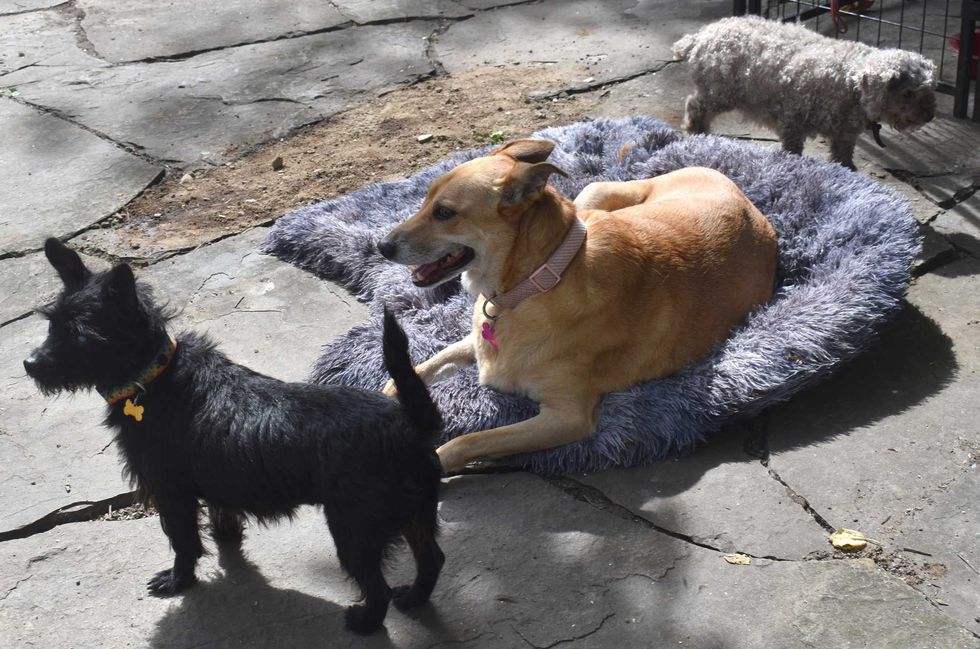 Sadie, center, a Carolina dog, plays with her friend Negra, a terrier mix. Bella Linda, the small poodle, has since been adopted.L. Tomaino
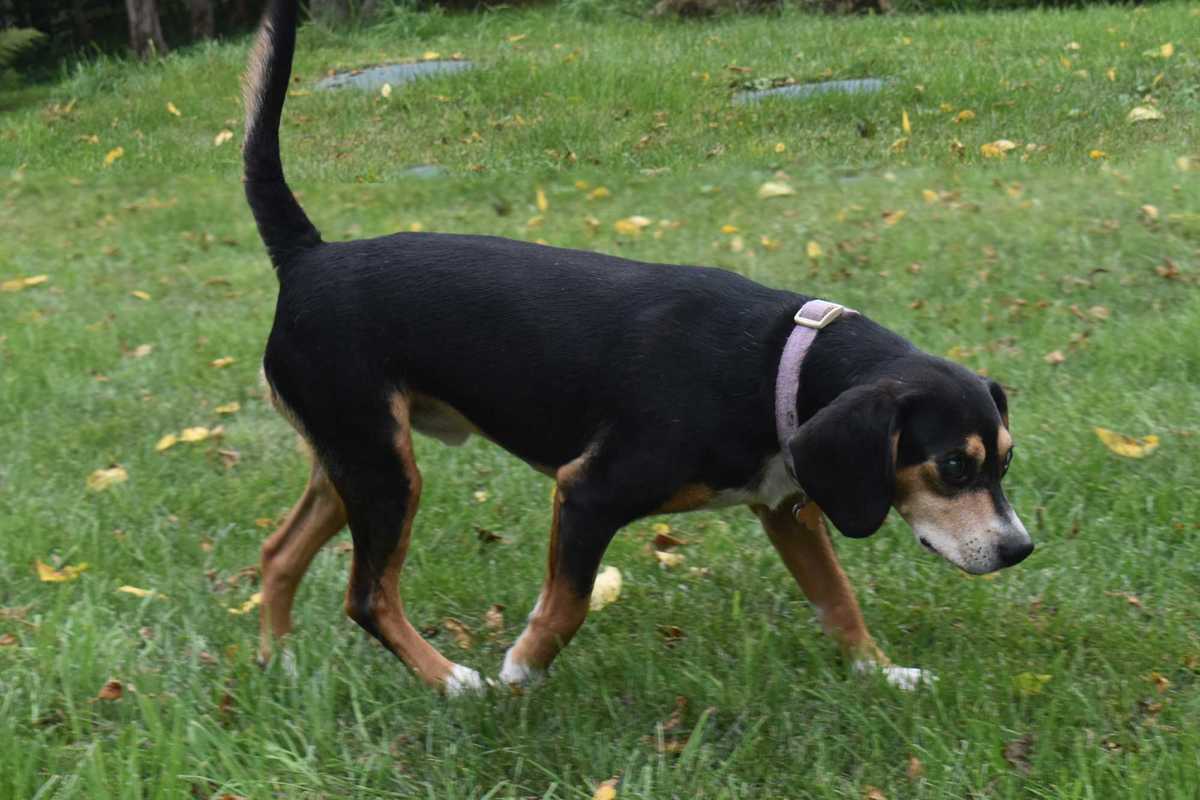
 Wesley, a young, exuberant mix, is looking for an active home.L. Tomaino
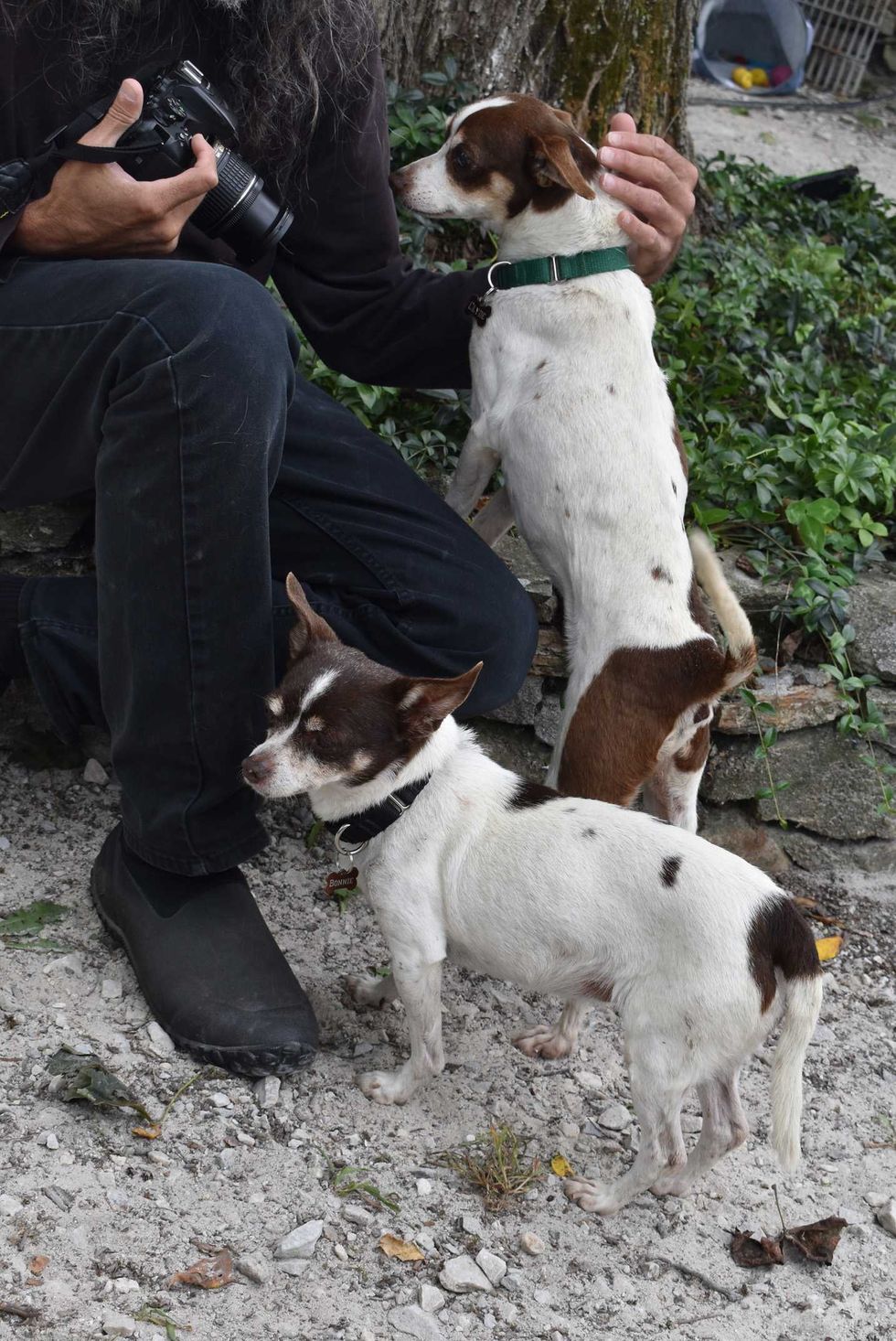 Bonnie and Clyde, an affectionate terrier pair.L. Tomaino

 Provided