Two lives, two journeys: Memoirists capture and share experiences

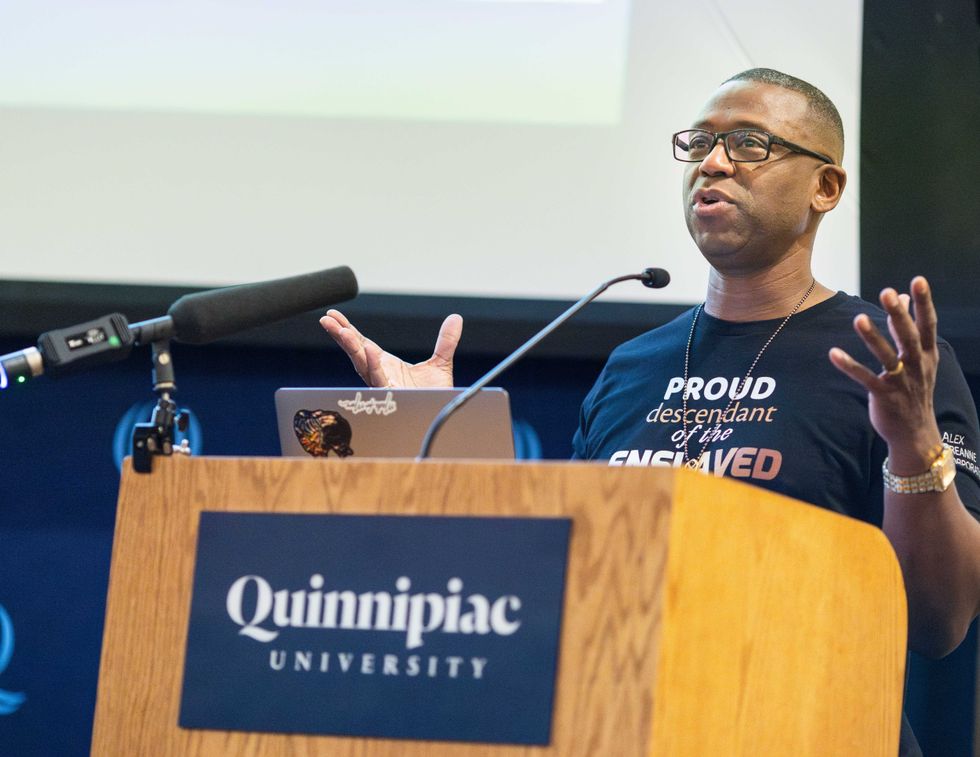
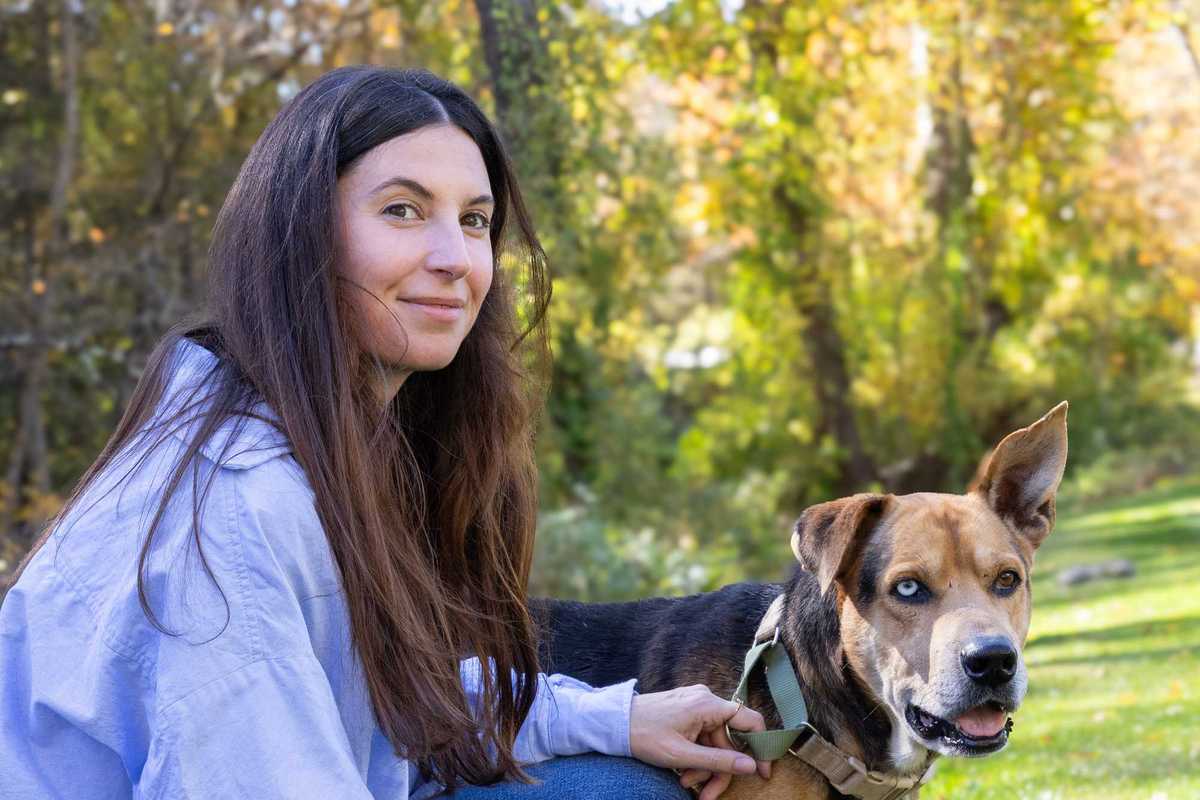
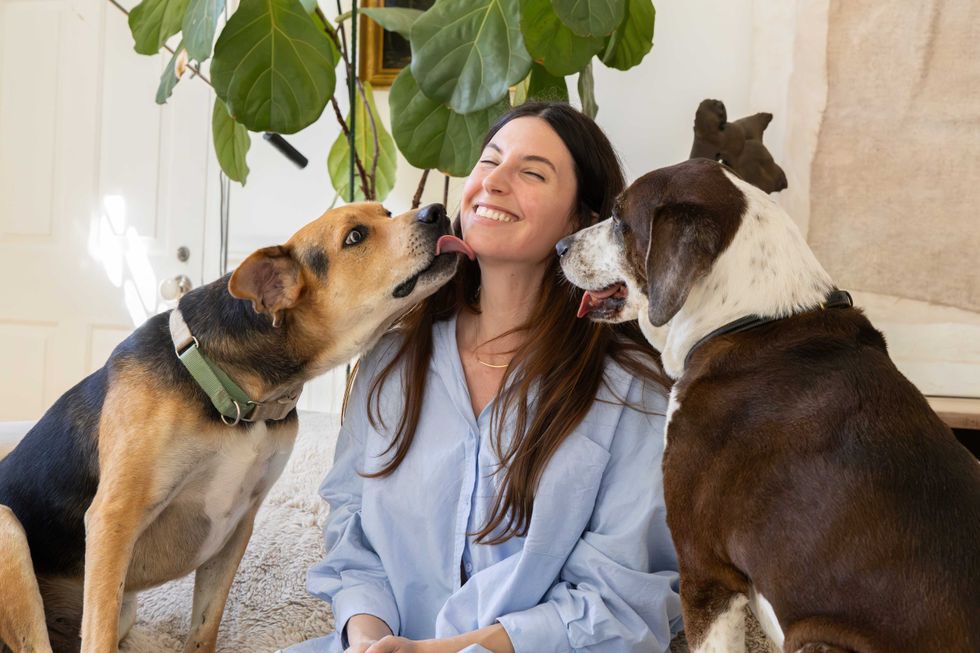
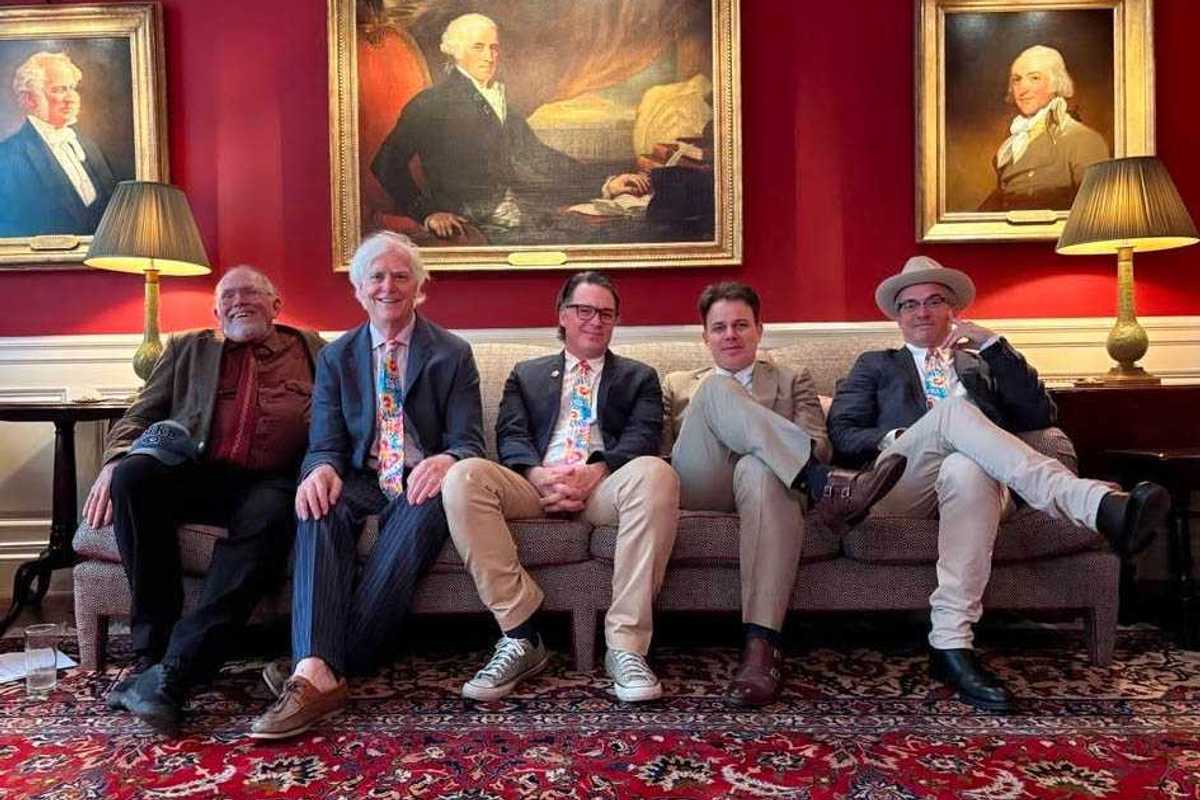
Authors Tara Kelly and Ralph Sneeden read from and discussed their recent memoirs, “No Last Words” and “The Legible Element” at the White Hart Inn in Salisbury, Conn., on Thursday, Oct. 26.

The memoirs are two different animals, and as the excerpts demonstrated, the authors are two different writers: Kelly’s prose is bell-clear, her use of each detail decisive (she is a journalist), while Sneeden takes the scenic route, wandering associatively among his memories (he is a poet).

Marriage and divorce provide the framework for “No Last Words”—specifically, Kelly’s apparently glamorous marriage to a playboy alcoholic which, over the course of the book, she learns to see more and more clearly, until she can finally free herself from it.

In the passage that Kelly read aloud, her husband commands her to “wood” Raven—that is, to more or less take apart then reconstitute a boat named Raven. After some initial resistance, she agrees, and the Maine November finds her alone in a boatyard, alternately taking refuge in the workmanship of the task, and struggling against the dull bludgeon of tedium.

Speaking afterwards, Kelly nearly described the book as detailing “the things that happened to me,” but stopped herself—“everything that ‘happened to me’ happened because I said ‘yes,’” said Kelly, “until I said ‘no.’” 

In the writing of the book, she sorted among different selves, with differing degrees of agency she said—“the Tara it ‘happened to,’ the Tara who’s remembering it now, the Tara who’s putting it on the page.”

“The Legible Element” is a made up of essays that share the trope of water, as Sneeden seeks to better know himself by experimenting with different water sports (surfing, sailing, fishing, scuba diving, swimming, and skating).

In Sneeden’s words, the book describes “the foibles of a complete amateur bumbling through these activities because he wants to be connected with water in some way.”

The self he seeks in the book is amorphous and inclusive. He said he wanted to examine “the guilt or shame or selfishness—all things people have accused me of.”

“I wanted to get as close as possible to what I’m actually like,” said Sneeden.

Moderated by John Coston, Editor-in-Chief of The Lakeville Journal, the conversation was the latest installment of the White Hart Speaker Series hosted by Oblong Books in Millerton, N.Y., and the Scoville Memorial Library in Salisbury, which has hosted such writers as Simon Winchester, Samin Nosrat, and Susan Orlean in informal conversation.
Latest News

Classifieds - February 26, 2026

Classifieds - February 26, 2026

Help Wanted

PART-TIME CARE-GIVER NEEDED: possibly LIVE-IN. Bright private STUDIO on 10 acres. Queen Bed, En-Suite Bathroom, Kitchenette & Garage. SHARON 407-620-7777.

The Salisbury Association’s Land Trust seeks part-time Land Steward: Responsibilities include monitoring easements and preserves, filing monitoring reports, documenting and reporting violations or encroachments, and recruiting and supervising volunteer monitors. The Steward will also execute preserve and trail stewardship according to Management Plans and manage contractor activity. Up to 10 hours per week, compensation commensurate with experience. Further details and requirements are available on request. To apply: Send cover letter, resume, and references to info@salisburyassociation.org. The Salisbury Association is an equal opportunity employer.

Keep ReadingShow less
google preferred source

Want more of our stories on Google? Click here to make us a Preferred Source.

To save birds, plant for caterpillars

Fireweed attracts the fabulous hummingbird sphinx moth.

Photo provided by Wild Seed Project

You must figure that, as rough as the cold weather has been for us, it’s worse for wildlife. Here, by the banks of the Housatonic, flocks of dark-eyed juncos, song sparrows, tufted titmice and black-capped chickadees have taken up residence in the boxwood — presumably because of its proximity to the breakfast bar. I no longer have a bird feeder after bears destroyed two versions and simply throw chili-flavored birdseed onto the snow twice a day. The tiny creatures from the boxwood are joined by blue jays, cardinals and a solitary flicker.

These birds will soon enough be nesting, and their babies will require a nonstop diet of caterpillars. This source of soft-bodied protein makes up more than 90 percent of native bird chicks’ diets, with each clutch consuming between 6,000 and 9,000 caterpillars before they fledge. That means we need a lot of caterpillars if we want our bird population to survive.

Keep ReadingShow less
Stephanie Haboush Plunkett and the home for American illustration

Stephanie Haboush Plunkett

L. Tomaino
"The field of illustration is very close to my heart"
— Stephanie Plunkett

For more than three decades, Stephanie Haboush Plunkett has worked to elevate illustration as a serious art form. As chief curator and Rockwell Center director at the Norman Rockwell Museum in Stockbridge, Massachusetts, she has helped bring national and international attention to an art form long dismissed as merely commercial.

Her commitment to illustration is deeply personal. Plunkett grew up watching her father, Joseph Haboush, an illustrator and graphic designer, work late into the night in his home studio creating art and hand-lettered logos for package designs, toys and licensed-character products for the Walt Disney Co. and other clients.

Keep ReadingShow less
Free film screening and talk on end-of-life care
‘Come See Me in the Good Light’ is nominated for best documentary at this year’s Academy Awards.
Provided

Craig Davis, co-founder and board chair of East Mountain House, an end-of-life care facility in Lakeville, will sponsor a March 5 screening of the documentary “Come See Me in the Good Light” at The Moviehouse in Millerton, followed by a discussion with attendees.

The film, which is nominated for best documentary at this year’s Academy Awards, follows the poet Andrea Gibson and their partner Megan Falley as they are suddenly and unimaginably forced to navigate a terminal illness. The free screening invites audiences to gather not just for a film but for reflection on mortality, healing, connection and the ways communities support one another through difficult life transitions.

Keep ReadingShow less
google preferred source

Want more of our stories on Google? Click here to make us a Preferred Source.

google preferred source

Want more of our stories on Google? Click here to make us a Preferred Source.