This is a time when families are spending more time together since, perhaps, the dark ages, before the cellular telephone was invented. Perhaps it’s the perfect moment to return to a traditional way for parents and their children of all ages to spend time in the evening: Sitting together and reading poetry out loud.
Many and perhaps most Americans didn’t memorize or even learn poems in school and might not know where to start with evening poetry readings.
Here are suggestions from Lakeville residents Susan Kinsolving, who is poet in residence at The Hotchkiss School and whose new book of poems is “Peripheral Vision;” and her husband, William Kinsolving (actor/screenwriter/playwright).
1) “#1286” by Emily Dickinson
At first, like many of Dickinson’s poems, this may seem mystifying.
Once you know that a frigate is a sailing warship and a book can take the imagination faraway, the poem becomes clear. I think it promotes good books and reading during quarantines!
“#1286”
Emily Dickinson
There is no Frigate like a Book
To take us Lands away
Nor any Coursers like a Page
Of prancing Poetry –
This Traverse may the poorest take
Without oppress of Toll –
How frugal is the Chariot
That bears the Human Soul –
2) Haiku reminds us to engage in the small fleeting pleasures of the natural world.
Though they are transient, they are paradoxically reliable.
The Moon in the water
Broken and broken again
Still it is there.
— Choshu
3) “anyone lived in a pretty how town” by E. E. Cummings
Cummings is among the most playful of poets. Here he mixes the joy of community with the fun of rhyme and musicality. This poem is best read aloud and not overly analyzed.
“anyone lived in a pretty how town”
E. E. Cummings
anyone lived in a pretty how town
(with up so floating many bells down)
spring summer autumn winter
he sang his didn’t he danced his did
Women and men (both little and small)
cared for anyone not at all
they sowed their isn’t they reaped their same
sun moon stars rain
children guessed(but only a few
and down they forgot as up they grew
autumn winter spring summer)
that noone loved him more by more
when by now and tree by leaf
she laughed his joy she cried his grief
bird by snow and stir by still
anyone’s any was all to her
someones married their everyones
laughed their cryings and did their dance
(sleep wake hope and then)they
said their nevers they slept their dream
stars rain sun moon
(and only the snow can begin to explain
how children are apt to forget to remember
with up so floating many bells down)
one day anyone died i guess
(and noone stooped to kiss his face)
busy folk buried them side by side
little by little and was by was
all by all and deep by deep
and more by more they dream their sleep
noone and anyone earth by april
wish by spirit and if by yes.
Women and men(both dong and ding)
summer autumn winter spring
reaped their sowing and went their came
sun moon stars rain
4) “Inversnaid” by Gerard Manley Hopkins
Hopkins was a poet of intense musicality. Here he writes about a “burn,” a Scottish word for a stream. His language flows, rushes, and turns to create the sounds of his subject matter. Reading this aloud is the best way to hear his mastery.
“Inversnaid”
Gerard Manley Hopkins
This darksome burn, horseback brown,
His rollrock highroad roaring down,
In coop and in comb the fleece of his foam
Flutes and low to the lake falls home.
A windpuff-bonnet of fáwn-fróth
Turns and twindles over the broth
Of a pool so pitchblack, féll-frówning,
It rounds and rounds Despair to drowning.
Degged with dew, dappled with dew
Are the groins of the braes that the brook treads through,
Wiry heathpacks, flitches of fern,
And the beadbonny ash that sits over the burn.
What would the world be, once bereft
Of wet and of wildness? Let them be left,
O let them be left, wildness and wet;
Long live the weeds and the wilderness yet.
5) “A Noiseless Patient Spider” by Walt Whitman
Whitman, the father of American poetry, observes a spider in its solitude and patient effort to make connections. Perhaps this is a metaphor for self-isolation while seeking community.
“A Noiseless Patient Spider”
Walt Whitman
A noiseless patient spider,
I mark’d where on a little promontory it stood isolated,
Mark’d how to explore the vacant vast surrounding,
It launch’d forth filament, filament, filament, out of itself,
Ever unreeling them, ever tirelessly speeding them.
And you O my soul where you stand,
Surrounded, detached, in measureless oceans of space,
Ceaselessly musing, venturing, throwing, seeking the spheres to connect them,
Till the bridge you will need be form’d, till the ductile anchor hold,
Till the gossamer thread you fling catch somewhere, O my soul.
William suggests:
These two poems, he says are, “both basically for the young.”
“Of History and Hope”
Miller Williams
We have memorized America,
how it was born and who we have been and where.
In ceremonies and silence we say the words,
telling the stories, singing the old songs.
We like the places they take us. Mostly we do.
The great and all the anonymous dead are there.
We know the sound of all the sounds we brought.
The rich taste of it is on our tongues.
But where are we going to be, and why, and who?
The disenfranchised dead want to know.
We mean to be the people we meant to be,
to keep on going where we meant to go.
But how do we fashion the future? Who can say how
except in the minds of those who will call it Now?
The children. The children. And how does our garden grow?
With waving hands—oh, rarely in a row—
and flowering faces. And brambles, that we can no longer allow.
Who were many people coming together
cannot become one people falling apart.
Who dreamed for every child an even chance
cannot let luck alone turn doorknobs or not.
Whose law was never so much of the hand as the head
cannot let chaos make its way to the heart.
Who have seen learning struggle from teacher to child
cannot let ignorance spread itself like rot.
We know what we have done and what we have said,
and how we have grown, degree by slow degree,
believing ourselves toward all we have tried to become—
just and compassionate, equal, able, and free.
All this in the hands of children, eyes already set
on a land we never can visit—it isn’t there yet—
but looking through their eyes, we can see
what our long gift to them may come to be.
If we can truly remember, they will not forget.
2) “Sonnet 15: When I consider everything that grows” by William Shakespeare
Something from another plague-time, from one who survived it.
“Sonnet 15: When I consider everything that grows”
William Shakespeare
When I consider everything that grows
Holds in perfection but a little moment,
That this huge stage presenteth nought but shows
Whereon the stars in secret influence comment;
When I perceive that men as plants increase,
Cheered and check’d even by the selfsame sky,
Vaunt in their youthful sap, at height decrease,
And wear their brave state out of memory;
Then the conceit of this inconstant stay
Sets you most rich in youth before my sight,
Where wasteful Time debateth with Decay
To change your day of youth to sullied night;
And all in war with Time for love of you,
As he takes from you, I engraft you new.
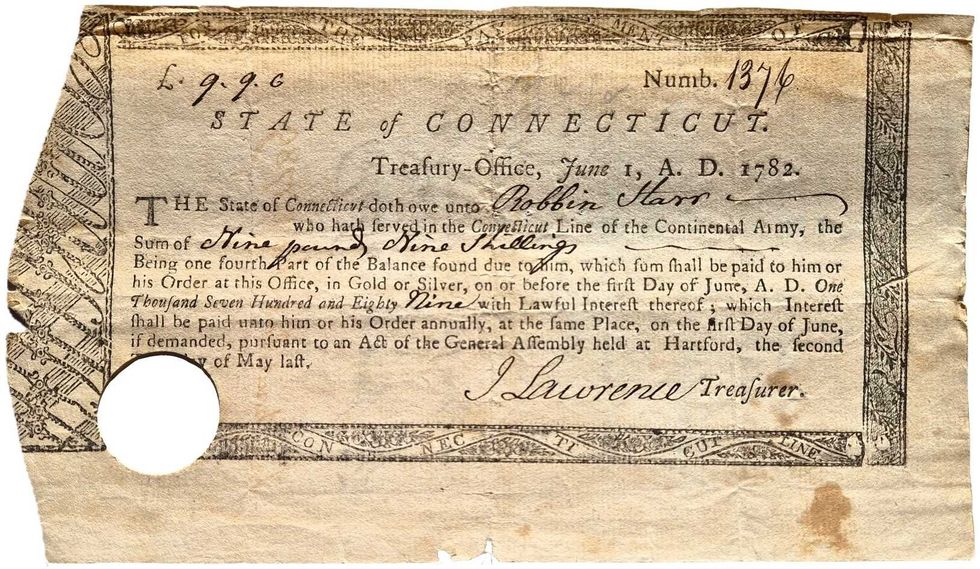 Pay Bill for Robin Starr’s service in the Continental Army.Courtesy the Alex Breanne Corporation
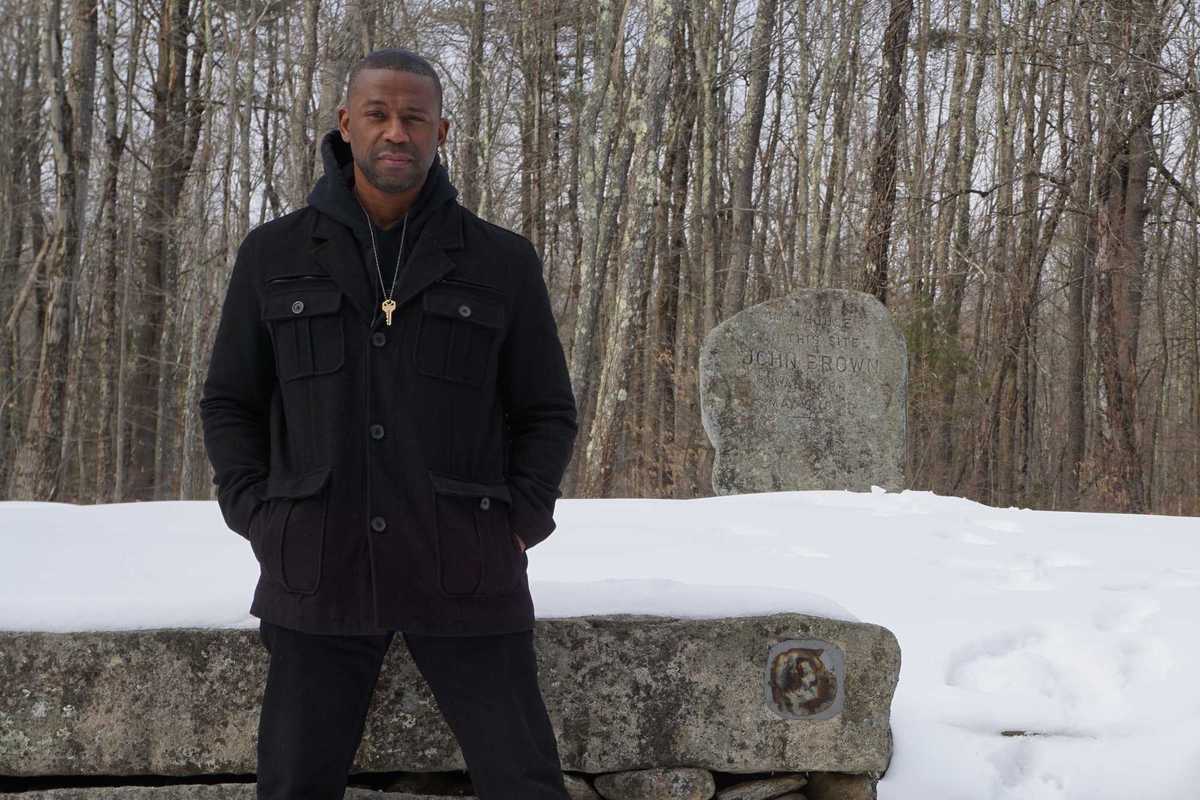
 John Mills speaking at Quinnipiac University.Courtesy the Alex Breanne Corporation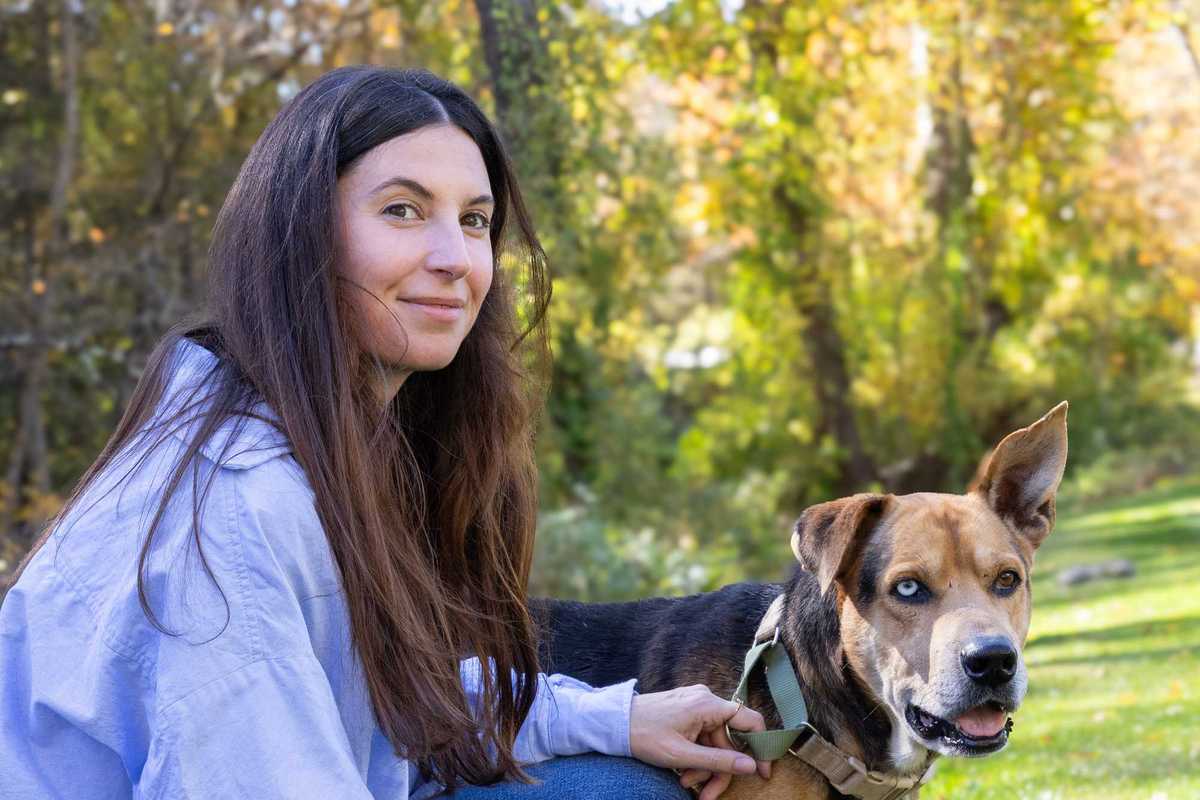
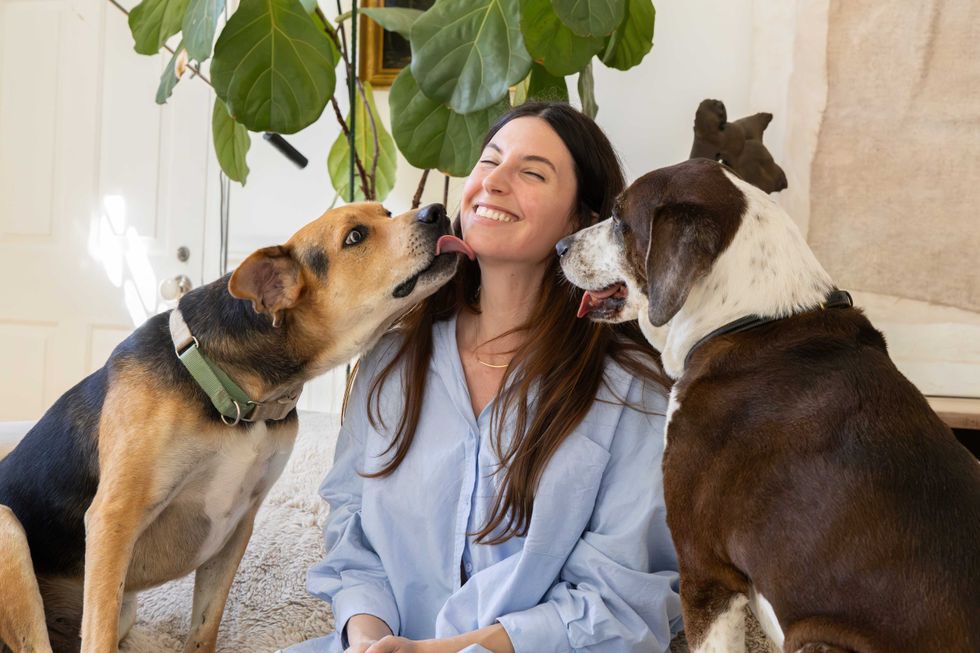 Stephanie Saetta,with her rescue dog George and Blue (left), a shepherd mix awaiting his forever home.Madi Long
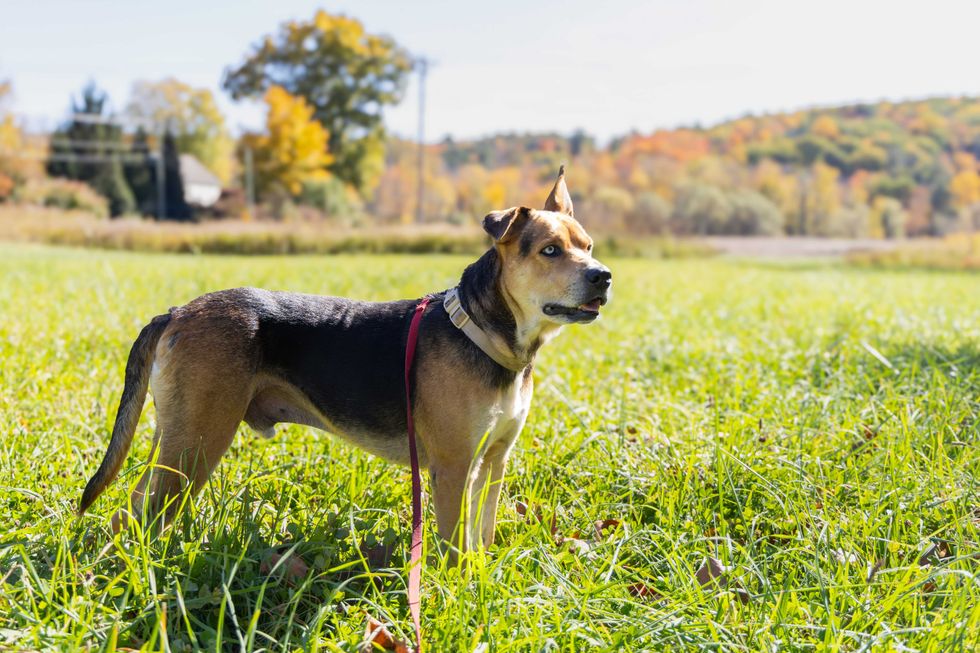 Blue, a 7 year-old Shepard mix, is waiting for his forever home. Madi Long