Thank you!
Your support is sustaining the future of local news in our communities.

Cornwall recognizes 100 years of The New Yorker magazine

Cornwall recognizes 100 years of The New Yorker magazine

Adam Van Doren

Photo by Simon Markow

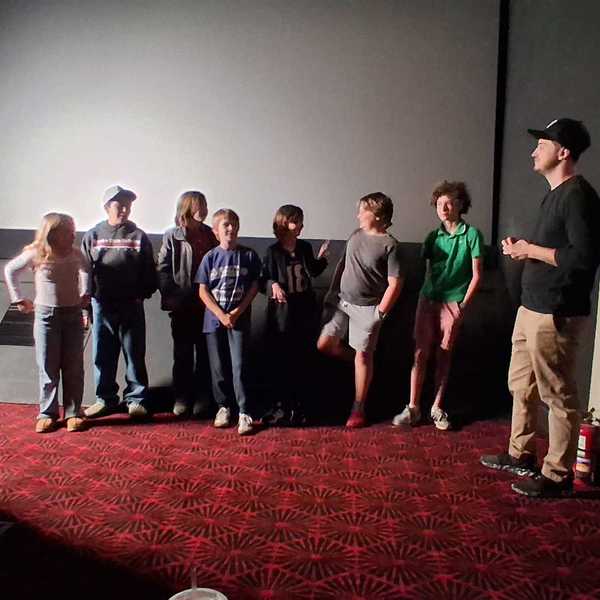
CORNWALL — Celebrating the 100th anniversary of The New Yorker magazine, Cornwall Library hosted a screening of “Top Hat and Tales; Harold Ross and the Making of The New Yorker,” directed by Cornwall local Adam Van Doren.

Made in 2001, and narrated by American actor Stanley Tucci, the documentary tells the story of Harold Ross, founder of The New Yorker, and the early days of the magazine that began in 1925.

A crowd of 40 people took their seats for the screening Saturday, July 19, but due to technical difficulties the showtime was delayed. Fortunately, a Lakeville Journal intern was present with an extra copy of the documentary, which was signed by Van Doren moments prior.

The film began, chronicling the successes and struggles of Ross and his magazine. It shows how the people of New York were quickly drawn to the cover art and cartoons. Ross pushed his writers with meticulous edits and continuously improved the quality of the publication over time.

With its stories big and small, the magazine captured the metropolitan lifestyle of New York City. Stories ranged from random, such as missing hat wires under theater seats, to historic, dedicating an entire magazine to the dropping of the A-bomb on Hiroshima. The New Yorker’s ability to adapt kept the magazine alive.

Ross, originally from Aspen, Colorado, brought an outsider’s perspective to his work. He never assumed anyone’s quality of work based on how famous they were. When asked about hiring Ernest Hemingway as a writer, Ross replied, “Is he any good?”

The audience of the screening shared laughs and moments of awe as cartoons from the magazine showed on screen. Rich history and comical stories were brought to light by the documentary.

Following the end of the film, Van Doren was interviewed by Alex Prud’homme, a writer with works published in The New Yorker. Their conversation further examined the film and the inspiration behind making it.

“Originally I was going to do the entire history of The New Yorker but that was very cumbersome. I decided to focus on a story that had a beginning and an end and that is Harold Ross,” Van Doren said.

He was struck by Ross’s fanatic perfectionism, or as Van Doren explained, “He wanted to have his hands in everything, a control freak is what we would say now.”

He said Ross was singularly focused on the magazine and “worked himself to death” in 1951.

His dedication created a cultural icon that has stood for a century.
Latest News

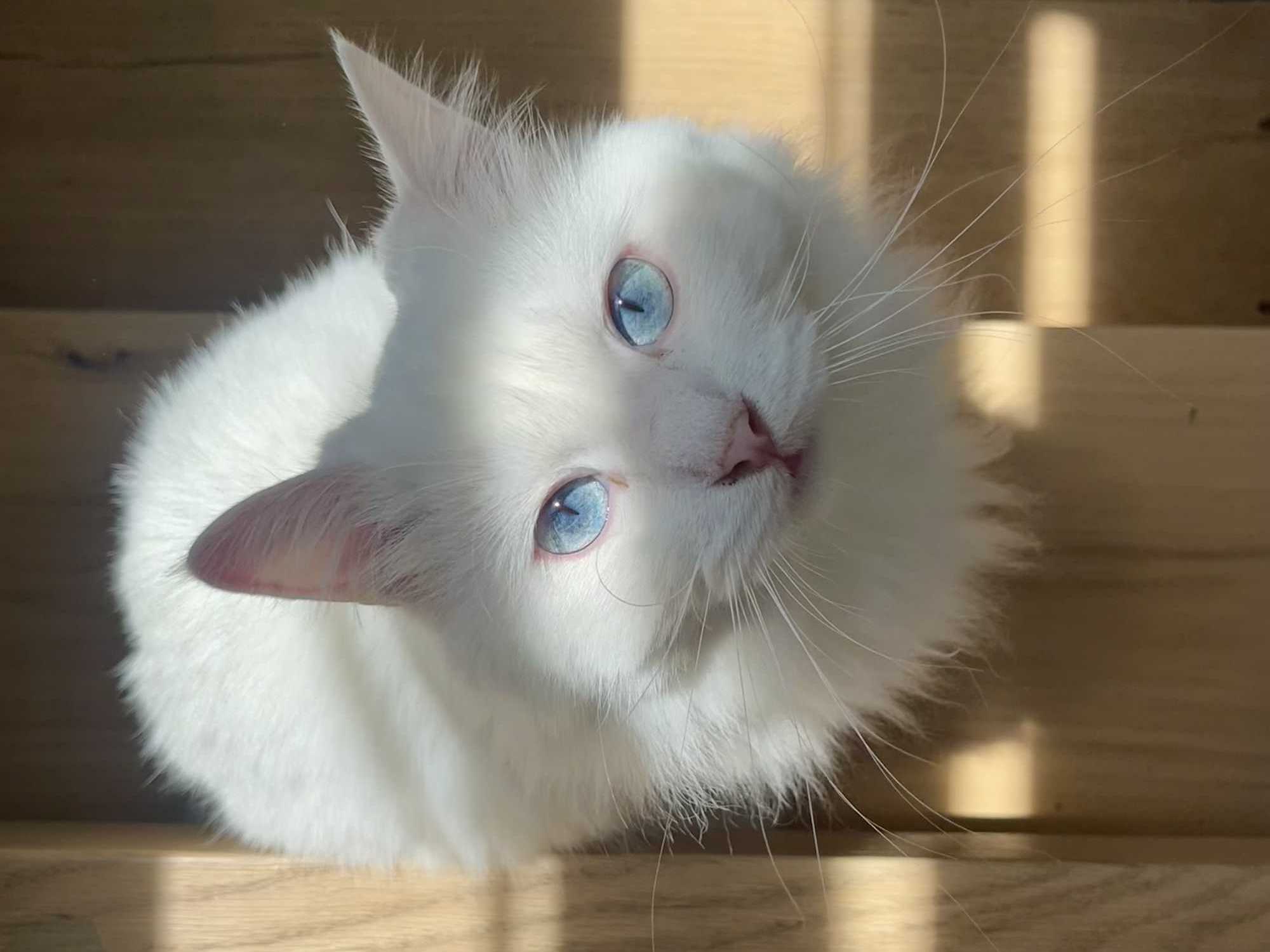
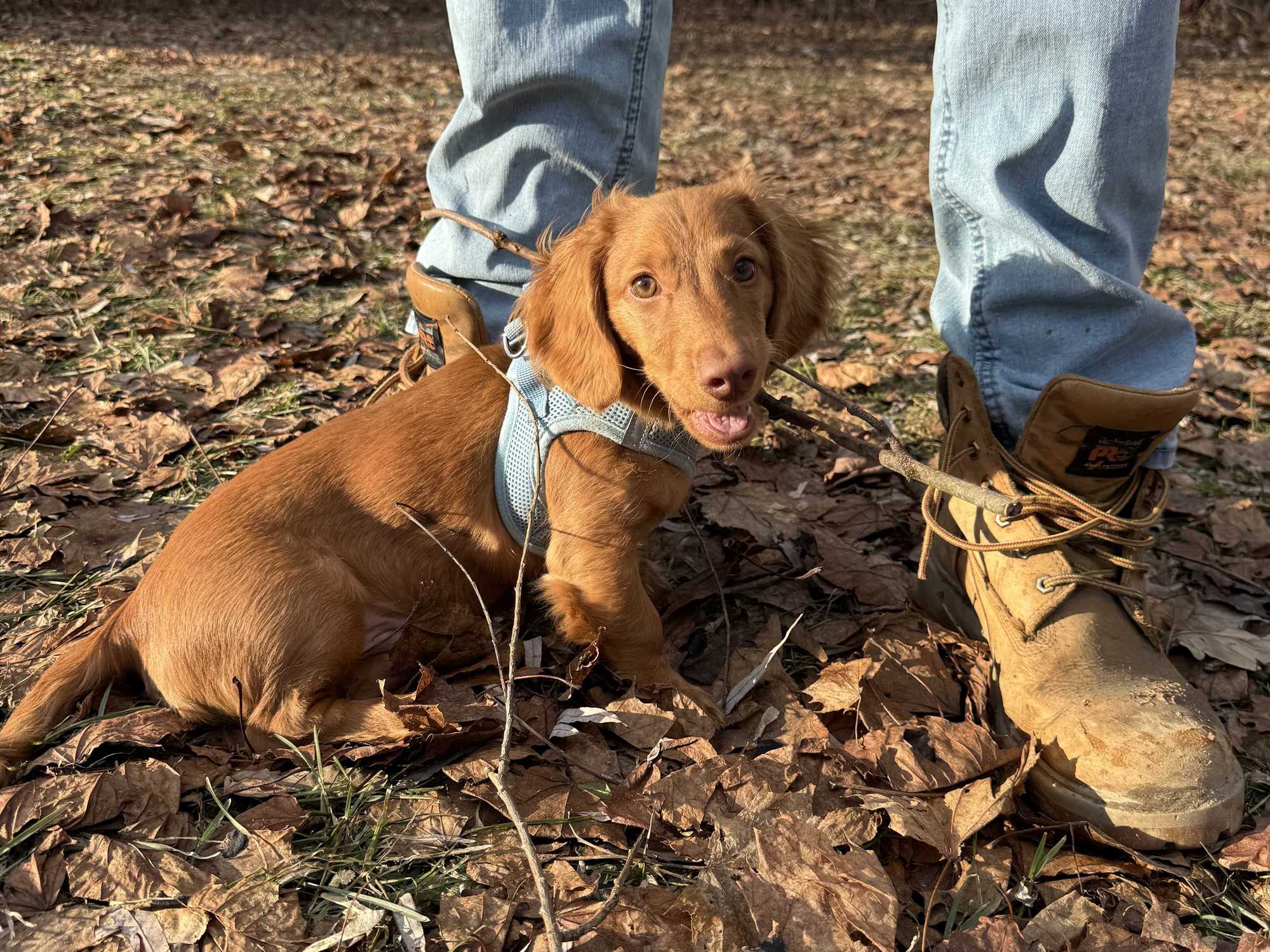
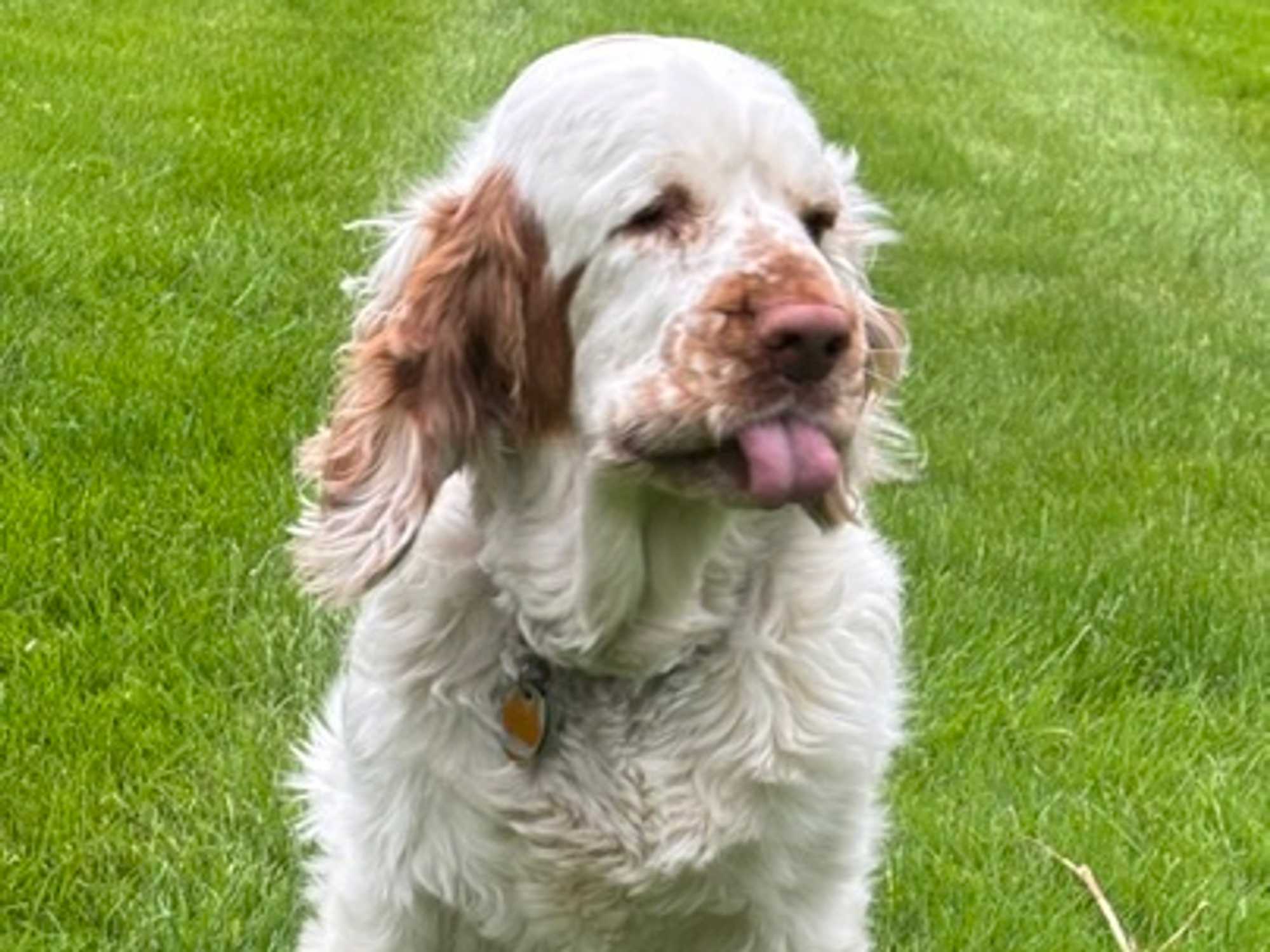
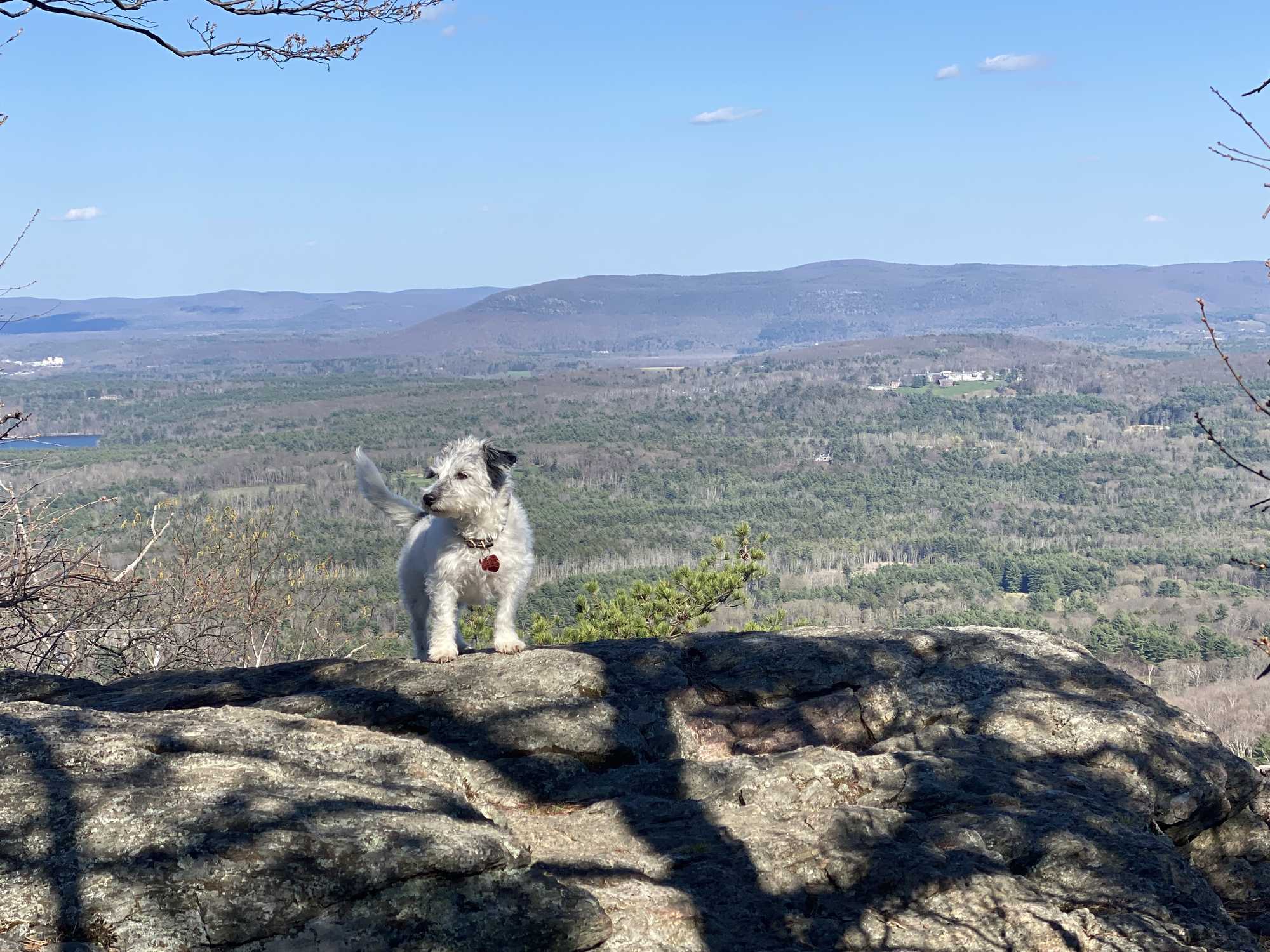
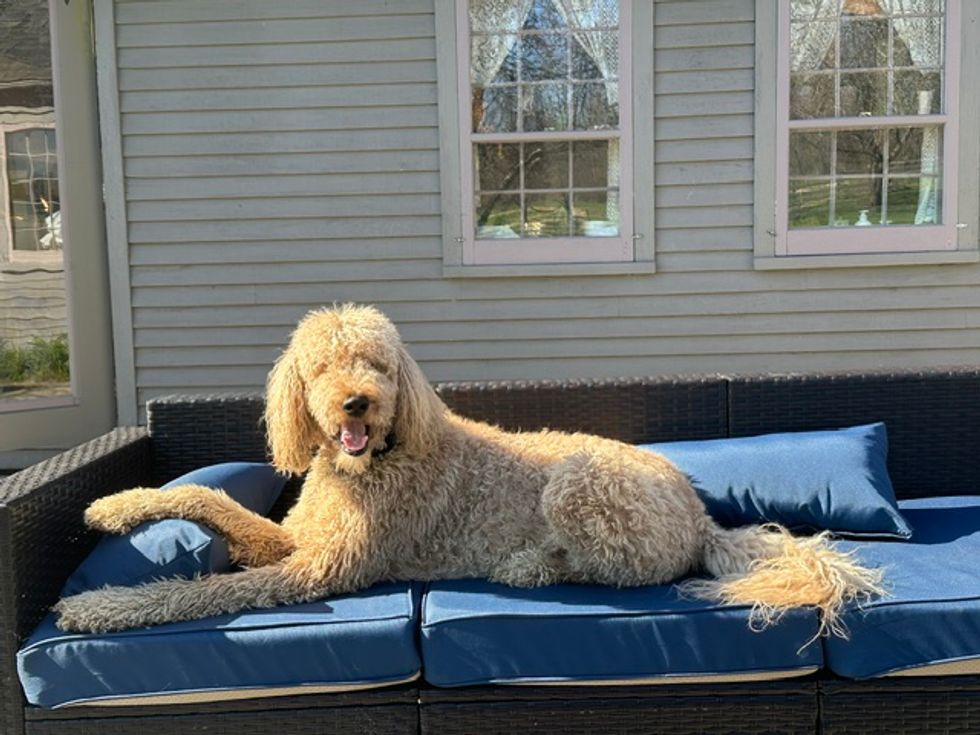
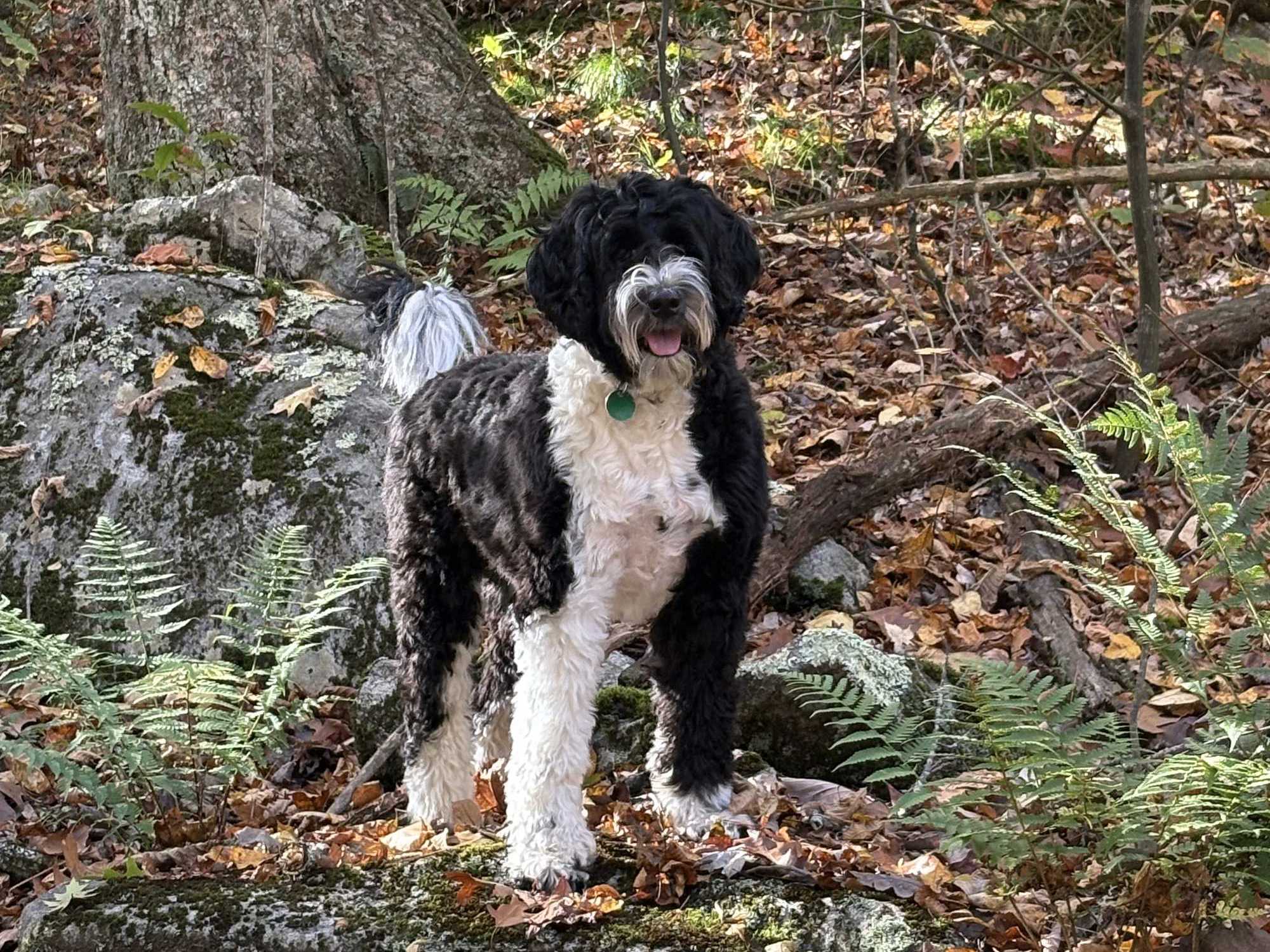
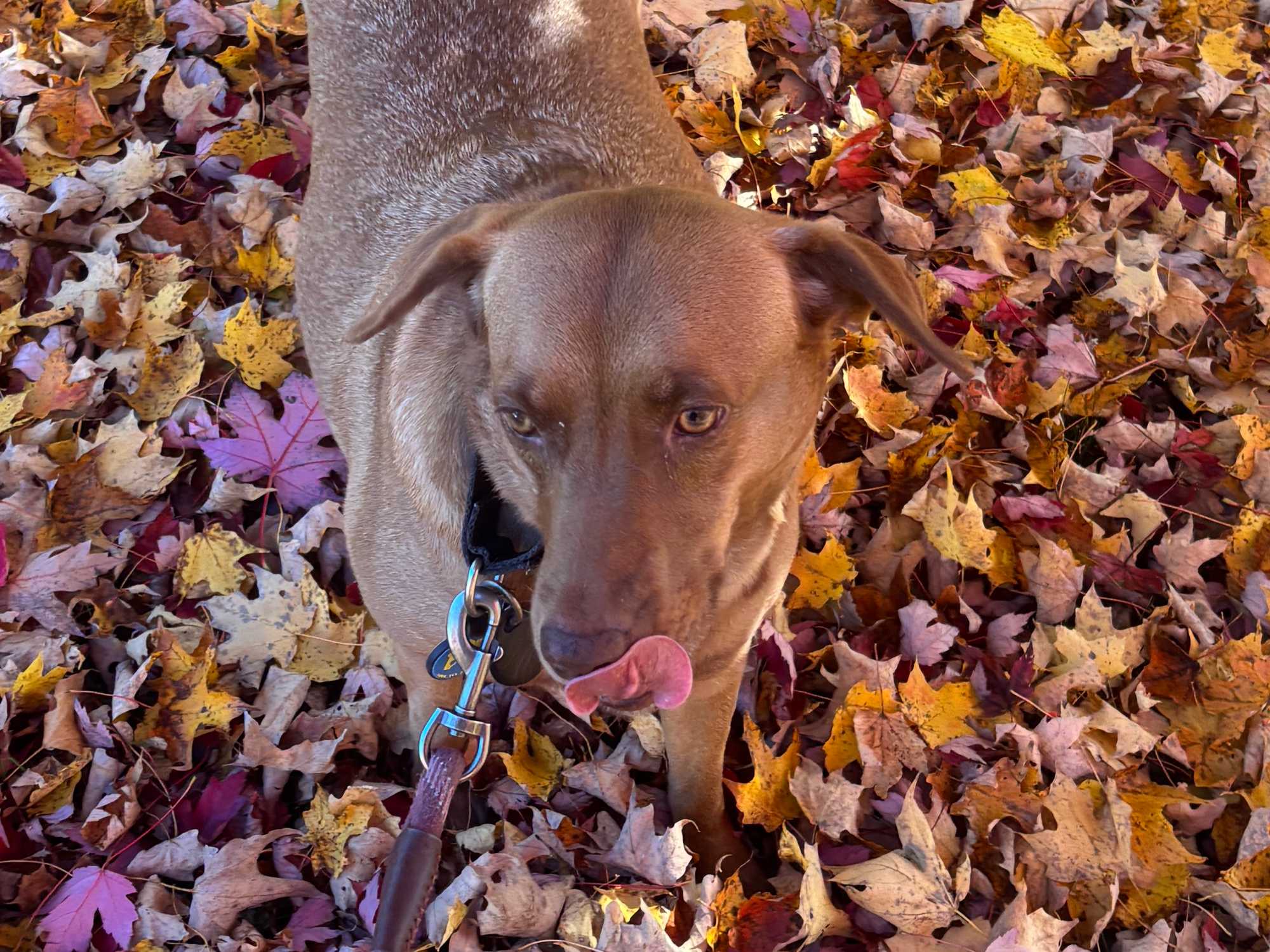
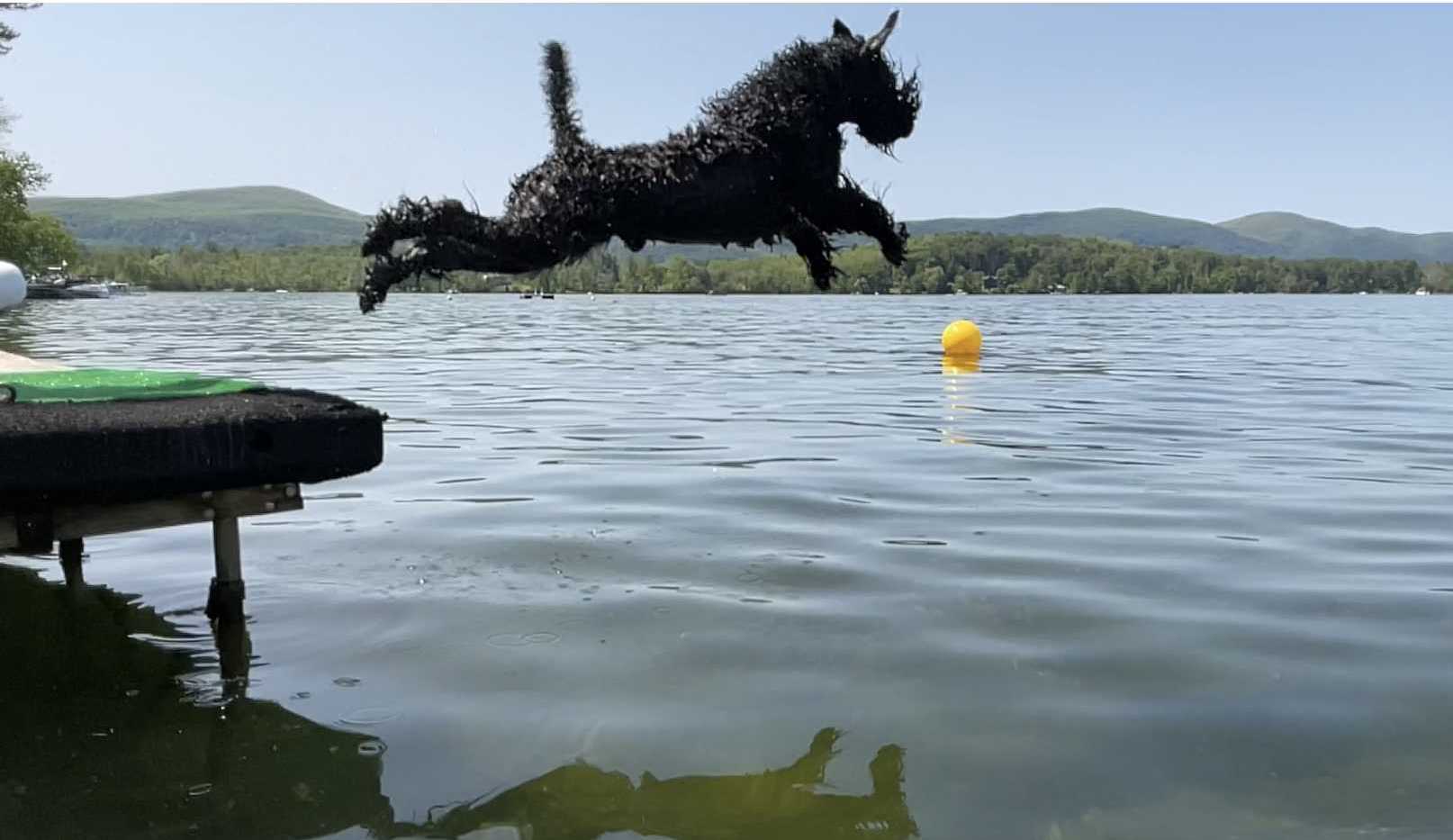
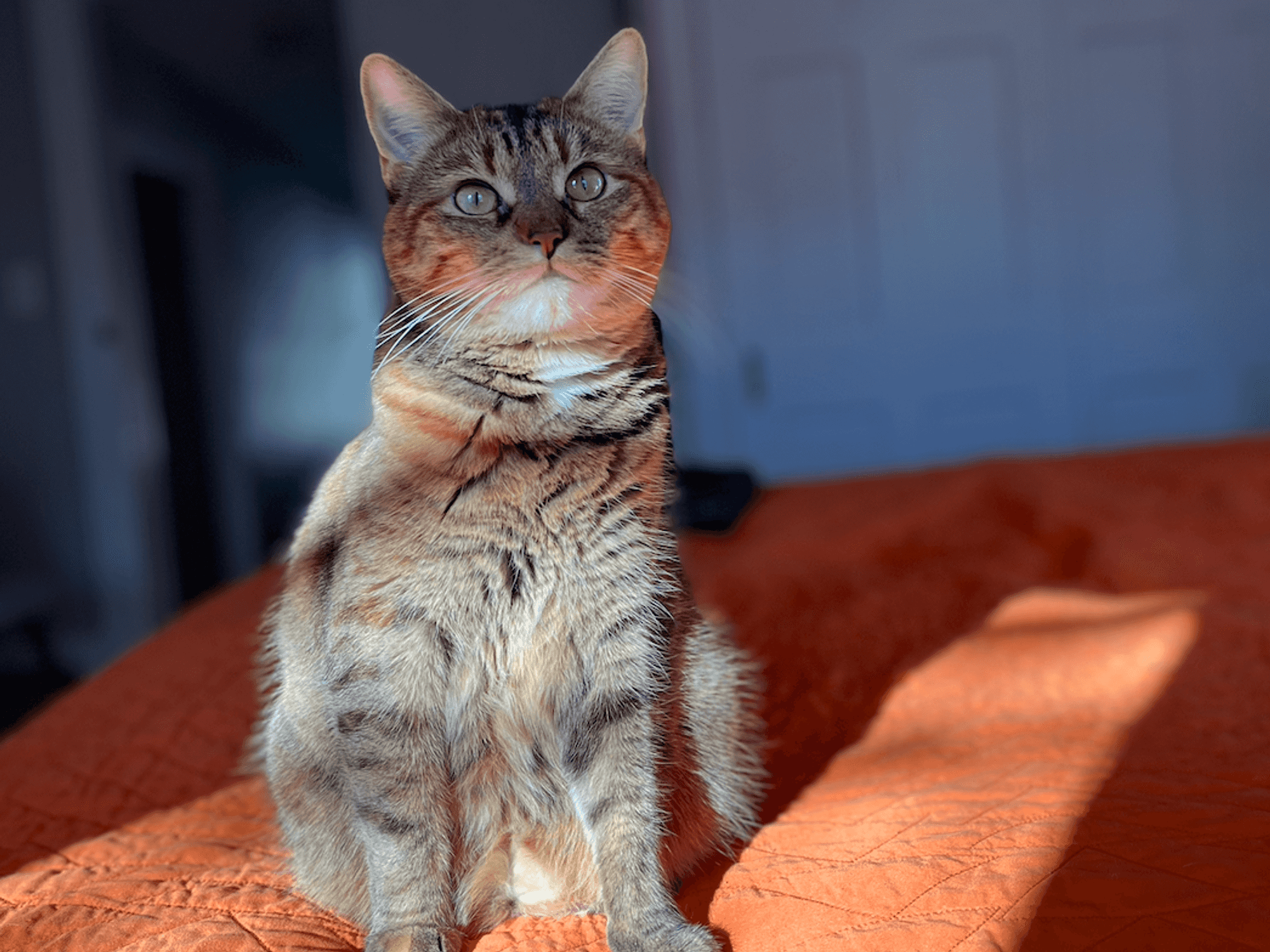
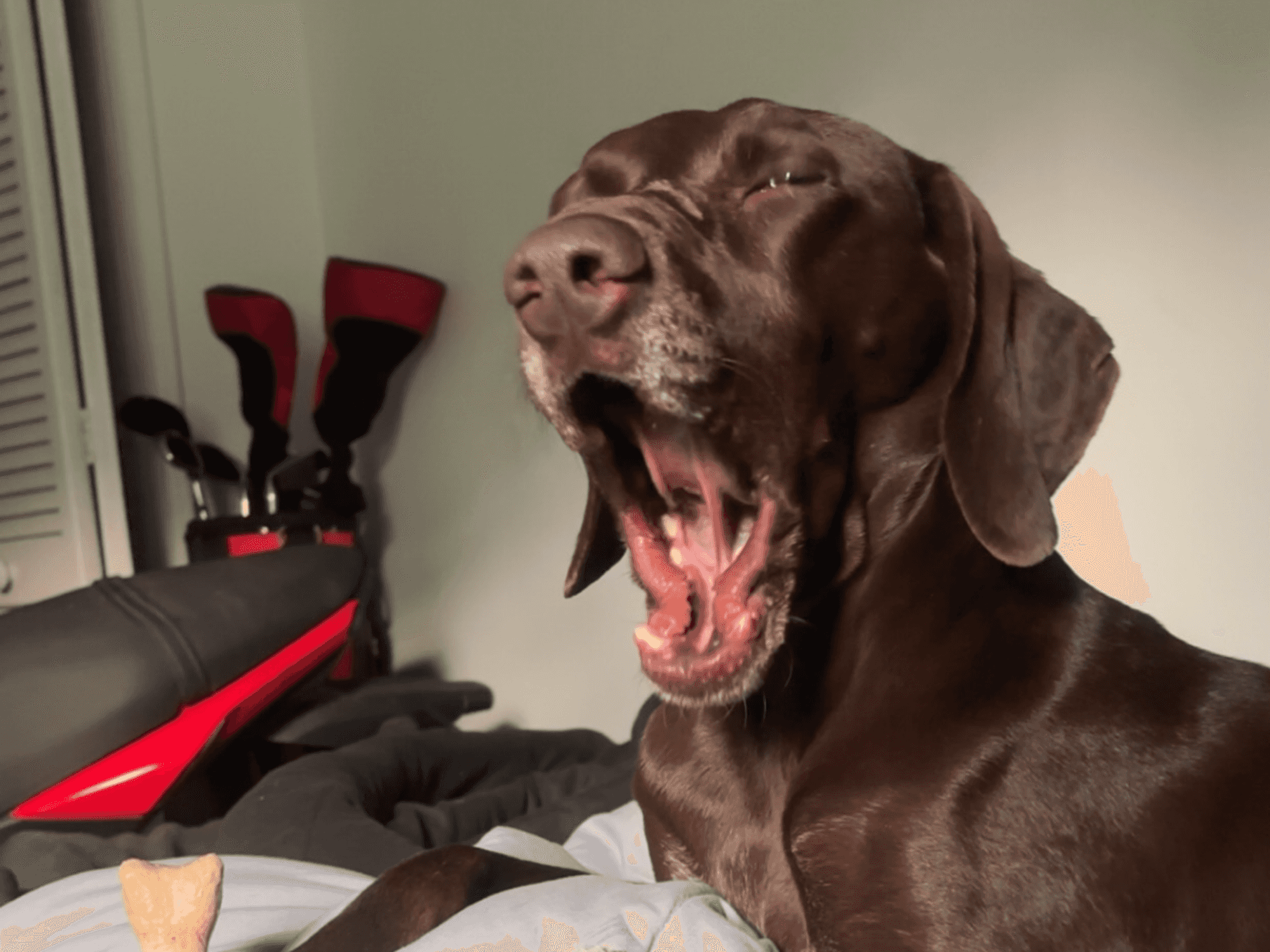
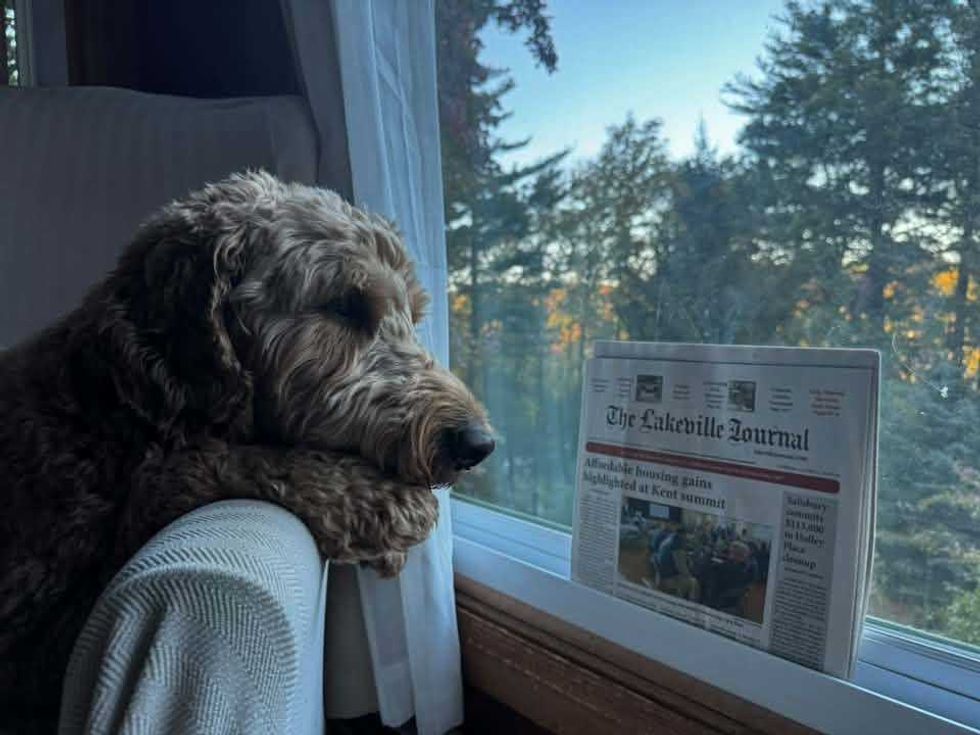
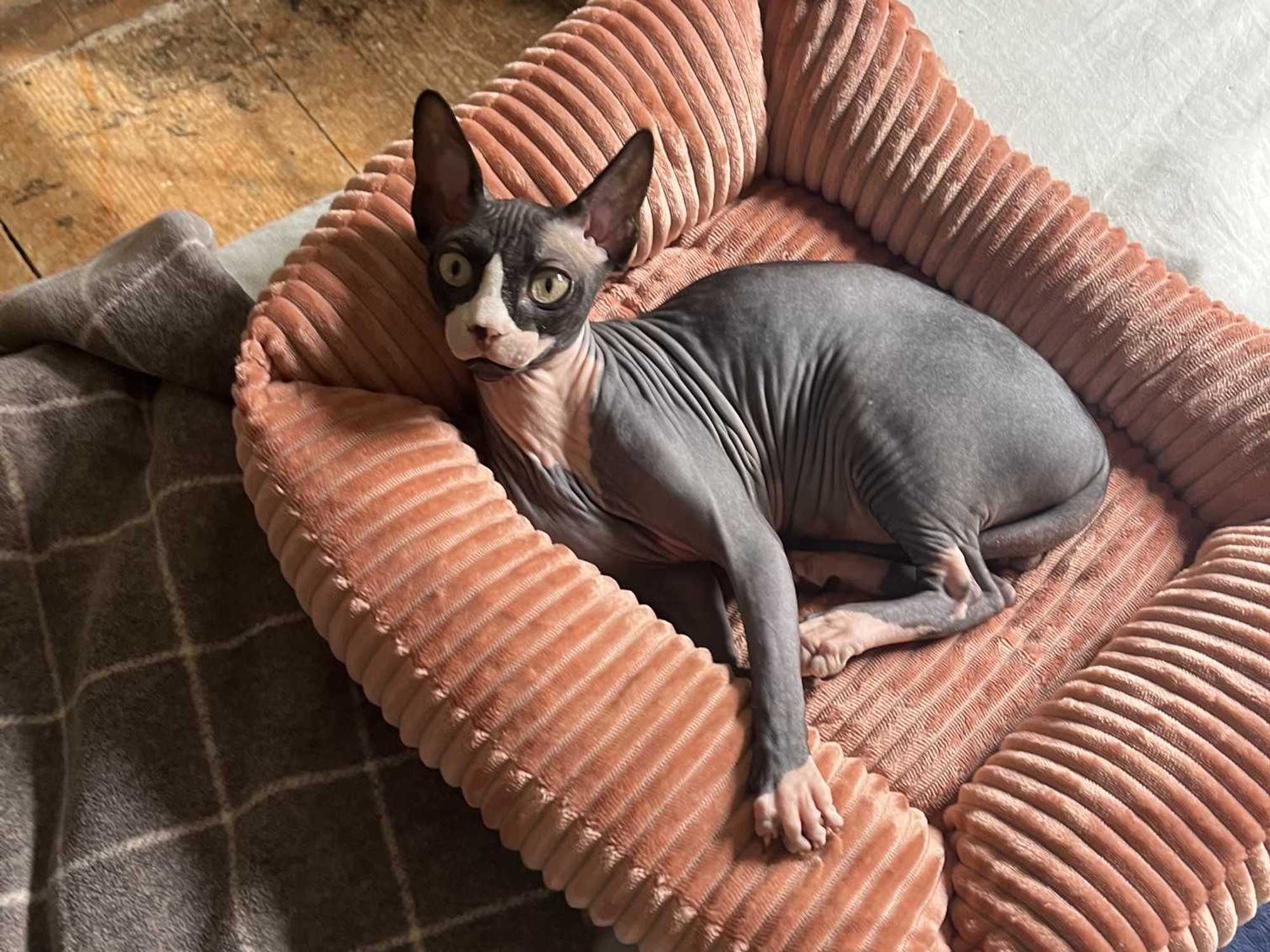
Pet photo contest

Pet photo contest

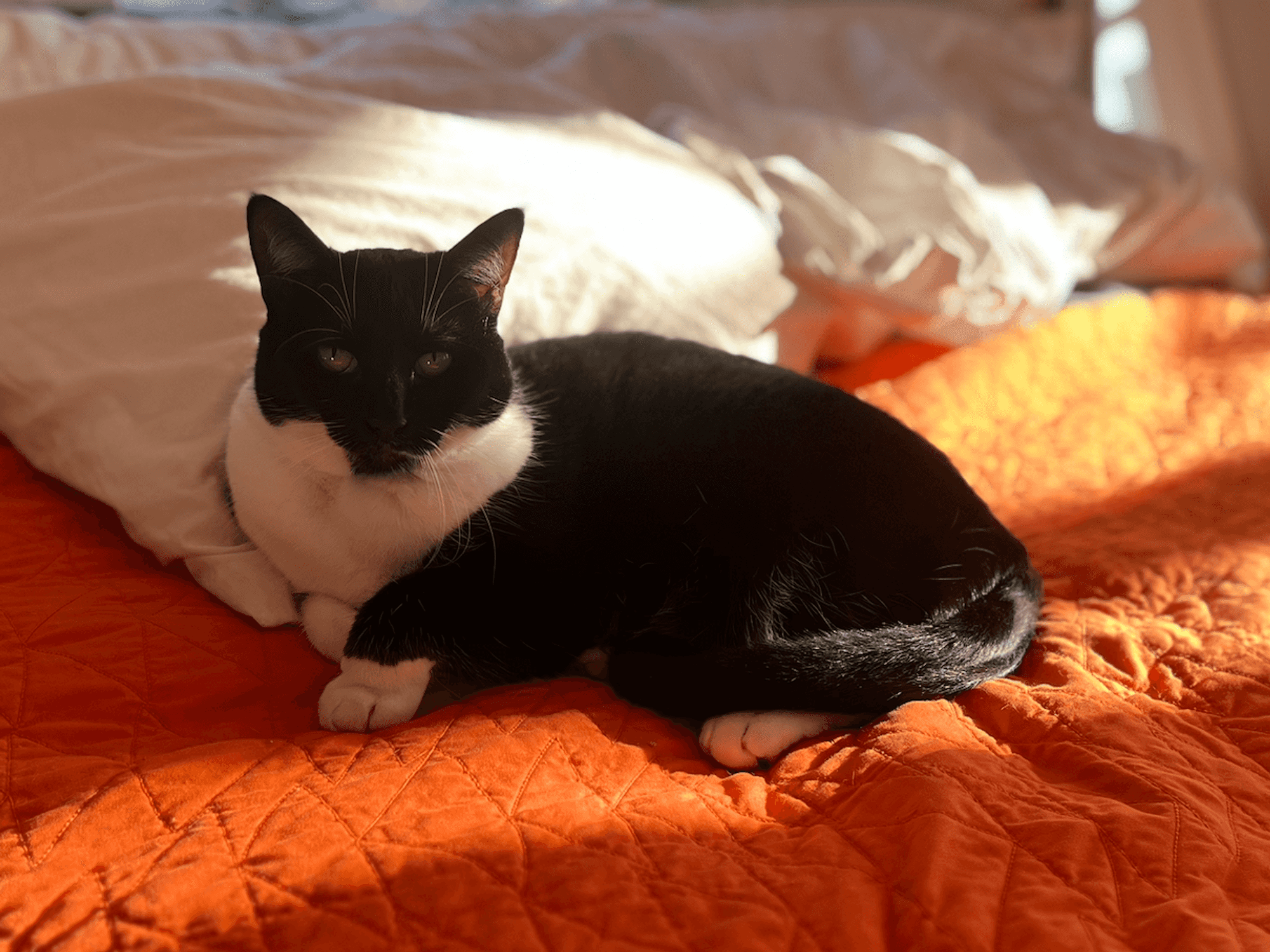
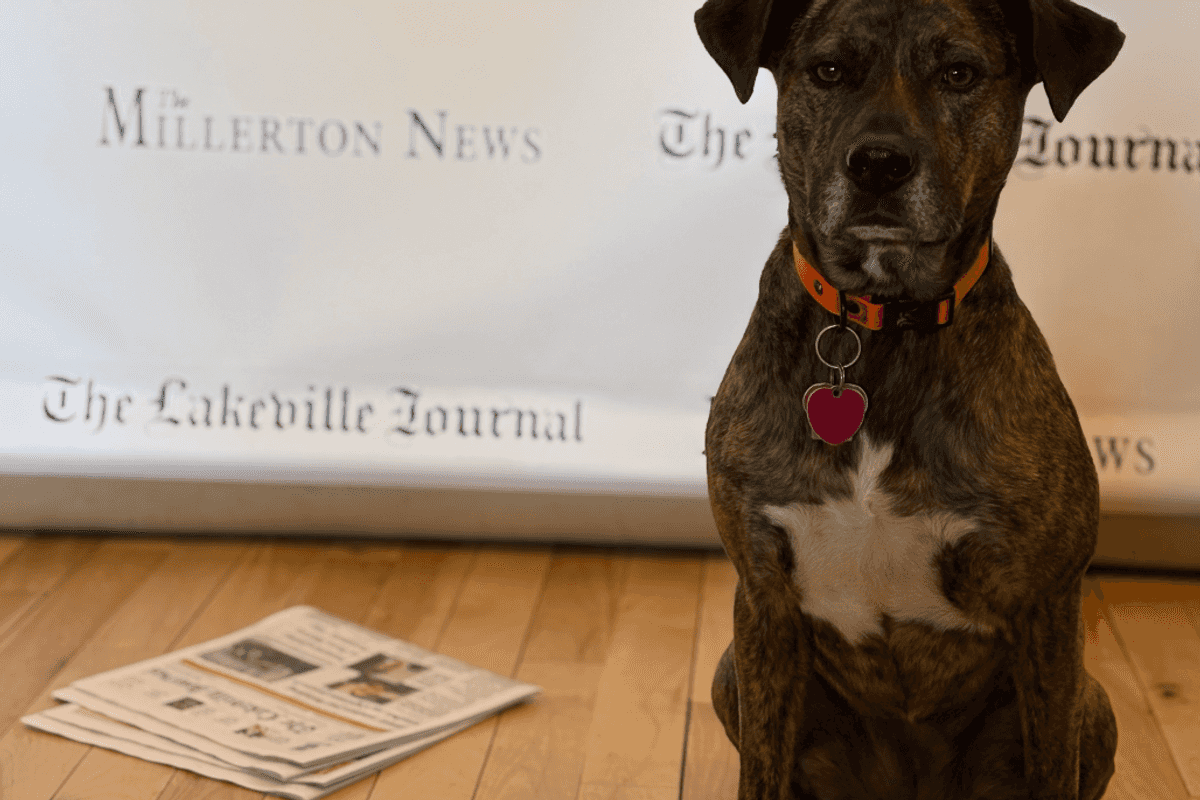
Georgie, the resident office dog at The Lakeville Journal and The Millerton News.

Natalia Zuckerman

Few things bring as much joy to a household as a pet. Whether they're our loyal companions, our biggest personalities or the ones who somehow manage to run the household, they have a way of making life a little more fun.

From dogs who greet us like we've been gone for years to cats who remind us who's really in charge, our pets bring plenty of character, comfort and a whole lot of love into our homes.

Keep ReadingShow less
Harding concedes State Senate District 30 to Zimmer

Just as polls close, Former District 30 State Senator Stephen Harding greets supporters at his election watch party at The Abby Restaurant & Bar in New Milford, CT, Nov. 3.

Patrick Stachniak

In an unprecedented midterm election the evening of Nov. 3, Democrats across the country flipped battleground races for federal and local representatives in what has been described as a blue tsunami. The results in Connecticut were no different.

Keep ReadingShow less

Small trout, big lasagna and bad movies

Small trout, big lasagna and bad movies

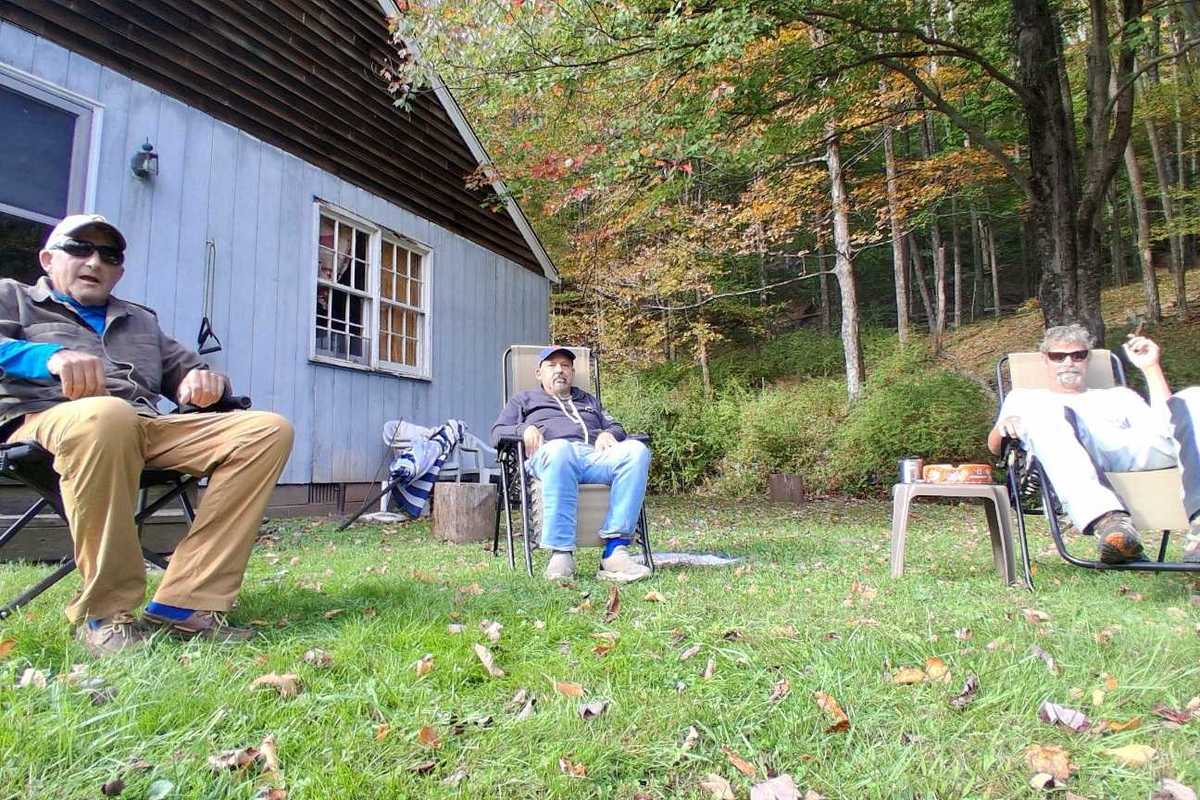
The Men of CACA. From left, the author, Steve DeSimone, and Tom Gallucio.

Gary Dodson

I recently convened the fall meeting of CACA, which stands for Cinema, Angling and Culinary Appreciation.

This takes place in Phoenicia, New York. We fish all day, make a bountiful dinner, and watch the world’s worst movies.

Keep ReadingShow less
google preferred source

Want more of our stories on Google? Click here to make us a Preferred Source.

Sharon ambulance captain carries on family tradition of service

Thalia MacMillan

Ruth Epstein

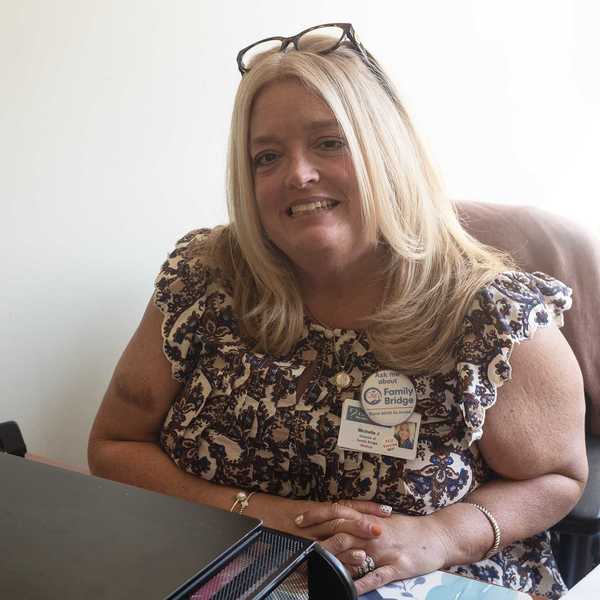
SHARON ­— Whether it’s in her professional work or her community volunteerism, Thalia MacMillan strives to advocate for others. She developed that instinct from her many family members who also have the same calling.

Many in the region know her dad, Stanley MacMillan, who served for decades as a building inspector and fire marshal. Her mother, Grace Kandefer, was a longtime nurse at Sharon Hospital. Both were active volunteer first responders. Her brother Stanley MacMillan, Jr., is a member of the Sharon Fire Department.

Keep ReadingShow less
Sharon plans replacement of West Cornwall Road bridge

SHARON — The Board of Selectmen and Planning & Zoning Commission have approved new plans to replace the West Cornwall Road bridge over Pine Swamp Brook, just south of the historic covered bridge over the Housatonic River in West Cornwall.

The project has been in the works for three years after a survey determined that the structure was nearing the end of its intended life-span. After passing the P&Z commission, the project now only needs approval from four property owners near the site to begin the bidding process.

Keep ReadingShow less
Salisbury Forum links science, religion and Earth’s future

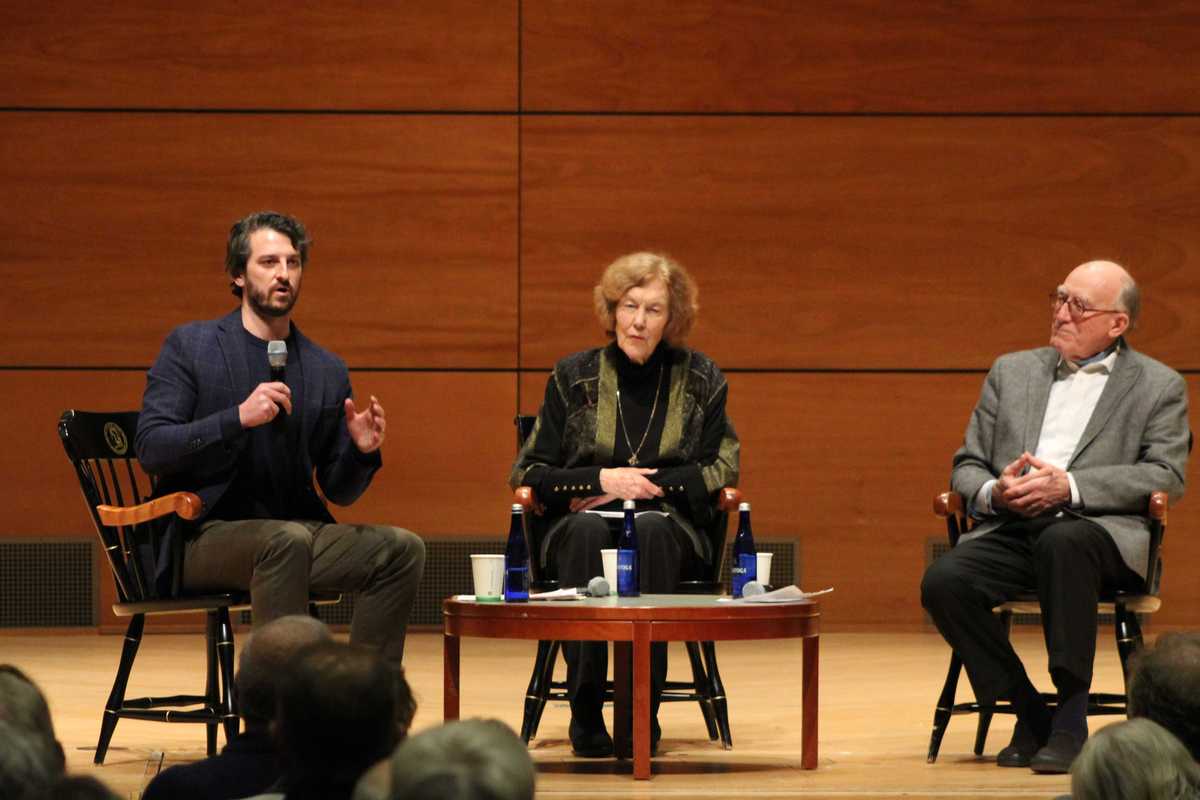
From left, Sam King, Mary Evelyn Tucker and John Grim discuss how religion and science can be used to address environmental challenges on Oct. 30.

Patrick L. Sullivan

LAKEVILLE — Religious scholars Mary Evelyn Tucker and John Grim and environmentalist, writer and former Hotchkiss teacher Sam King delivered a presentation at The Hotchkiss School Friday, Oct. 30.

Sponsored by the Salisbury Forum, “Change the Story, Change the World: A New Vision for an Ecological Era” explored how religious tradition and modern science can be used together to address environmental and spiritual challenges.

Keep ReadingShow less
google preferred source

Want more of our stories on Google? Click here to make us a Preferred Source.

google preferred source

Want more of our stories on Google? Click here to make us a Preferred Source.