Thank you!
Your support is sustaining the future of local news in our communities.

The 'criminalization wars' we have never won and never will

There should be no doubt in anyone’s mind that criminalization of anything leads to an underworld enterprise of supply and demand. Here are just a few of the last 100 years’ main culprits:

• Moonshine — affordable strong booze, home brewers, usually deep in the countryside, complete with guns, violence and family feuds. In South Carolina, Kentucky, Tennessee, and all through the South, the corn moonshine problem grew steadily until prohibition when Feds were, simply, told to shoot on sight. Yet, to this day, there are still moonshine stills deep in the woods across America. In Europe it is their moonshine, absinthe, which was banned (now made under strict regulation without the psychotropic ingredient thujone).

• Bootleggers — called bootleggers because they used to hide a bottle in their boots when walking past revenue officers. Prohibition (1920-1930) in the United States followed on the Noble Experiment first implemented in Canada and the Soviet Union.

As those trials failed, miserably, in both places, it was only a matter of time before it failed in America as well. Why? Because when you put that much power in the hands of the criminal element, the outcome is often far worse than the original problem. If you think Prohibition worked, think of Al Capone and the immediate rise of (and establishment of a powerbase for) organized crime which is still with us today, in force. People thinking of banning guns should pay particular heed here – banning normal safe use does not, in any way, diminish the use of banned substances by the criminal elements — in fact it make it worse, much, much worse.

• Marijuana — long used throughout the world by our ancestors and indigenous peoples, in excess in a modern world (with machinery, transportation, stress and other factors complicating acceptable use), it can be a dangerous substance. Like alcohol in the wrong hands or over consumed, marijuana is dangerous.

On the other hand, used sensibly and often for medicinal purposes, it has benefits. In the early 1920s, the United States formally adopted a prohibition of this and other so-called recreational drugs and, thereby, established a new underground industry. It is estimated by the FBI that U.S. consumption, per capita, is twice times that of Holland where marijuana is regulated (strength and active ingredient) and licensed. That is twice the turnover - straight to criminal elements.

• Opium — again, a long-standing drug, most often used by medicine, its “recreational� use and abuse is dangerous in the society we have created. Policing its growth, manufacture and distribution — especially as the end product is so addictive (meaning the habitual user is hooked and cannot do without) — can have some dangerous side effects.

When Nixon burned the poppy fields in Turkey he created, overnight, a shortage that the South American drug cartels were quick to exploit with their cocaine and crack cocaine. Our police forces on the street, who knew exactly where and to whom “dope� opium was being sold (and kept that “addictive� crime contained for societal good), immediately lost the battle with drugs. We have been behind the fight against cocaine ever since.

• Cocaine — long used as a “pick me up� in food products, most notably Coca Cola a century ago, when this drug was criminalized the route to a booming business for the criminal fraternity was easy to follow. Cheap to produce, easy to transport, no spoilage, no equipment needed to imbibe… cocaine, the mood enhancer, became the drug of choice for all the drug groups across America.

The Mafia in New York at first refused to deal in the white powder, thinking it immoral and bad for “clients.� It was their own Bumpy Johnson in Harlem who disloyally changed all that – and the rest is (sad) history.

    u    u    u

One of the problems with criminalizing anything is that you create the perfect marketing platform for the criminal element. “Psst, buddy, want a beer?� It becomes daring to try, fun to break the rules the first time, exciting to go to a speakeasy, “cool man� to smoke a joint with friends, a dare to buy your first beer with fake ID. If any of these were given to you by your parents with “You must sit there and smoke this joint!� Kids would refuse, at least think it was stupid and certainly cough a lot.

In France (where they have wine with most meals), yes, there is an alcoholism rate 15 percent higher than in the United States, but only if you define alcoholism as having at least three glasses of wine or beer every day. When you define alcoholism as being legally intoxicated, then France is 22 percent lower than the United Kingdom and 10 percent lower than the United States rate of drunkenness.

Why? Because wine is served, watered down, to minors by their parents; kids become educated. There is no secret pleasure in having a drink, it becomes part of a healthy diet. It is worth noting that the French eat really fatty foods (as do Italians) yet they have 30 percent fewer cardio problems thanks to red wine.

None of these “banned� substances or practices are unnatural. They evolved over time by tribal customs, by someone, somewhere trying them for the first time and (think evolution) they must have had some good effect on then-societies (even if we now find them dangerous).

The good health and well-being of our ancestors was linked to these substances or else we would have stopped trying them. Survival of the beneficial. Perhaps there is a part of our ancestral brain that is looking for these elements that have been, by some estimates, part of human use for perhaps 50,000+ years. Who can say?

What we can say is that banning them, not regulating their strength, not licensing their sale, not monitoring their societal use is giving the ballgame away – straight into the hands of the crooks.

And our only current recourse is to ramp up, in superior strength, crime fighting forces. Perhaps we could find a better way, like with watered down wine, teach instead of prohibit, regulate instead of police, learn to imbibe sparingly instead of over-indulge. On the other hand, are modern humans — with all the stress in our lives and need to “escape� — capable of restraint? It all comes down, once again, to education: where we came from, who we are, and what we are capable of.

Peter Riva lives in New Mexico. He is a former Amenia Union resident.


Latest News

August, one bass at a time

August, one bass at a time

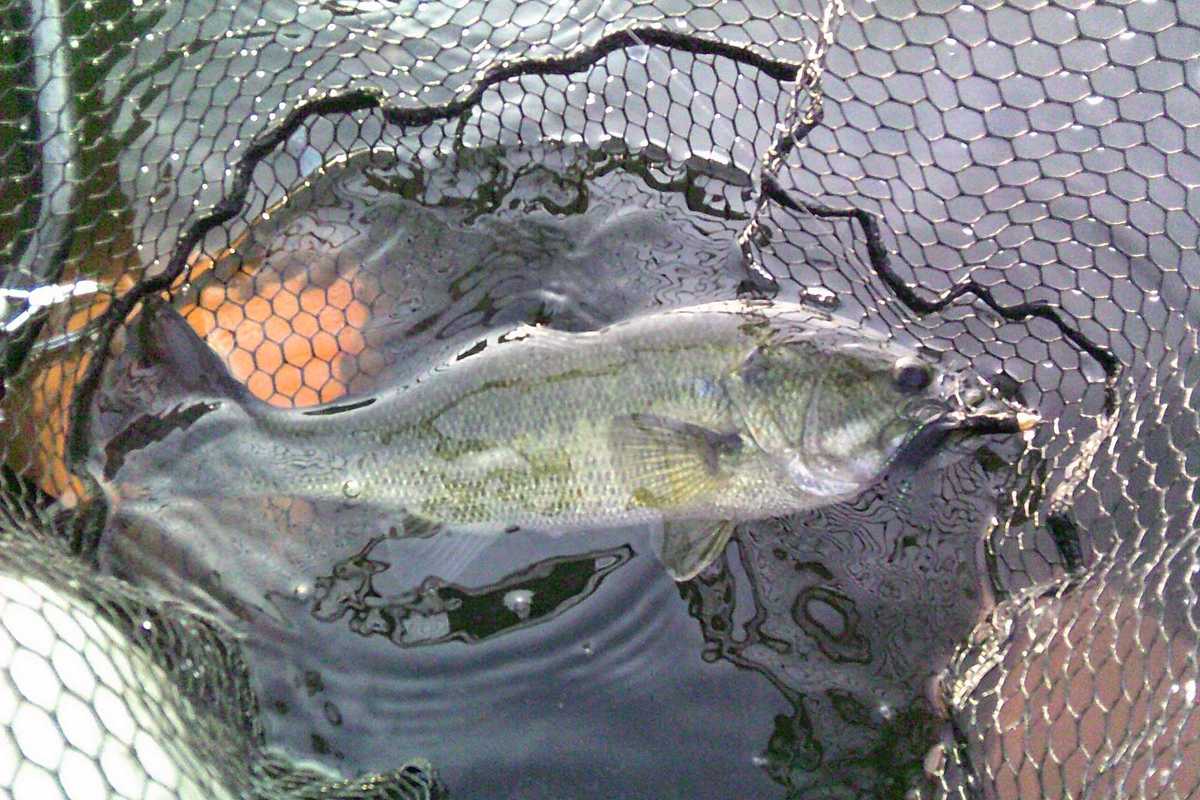
This fish took a Wooly Bugger in basic black, with rubber legs. Always get the rubber legs.

Patrick L. Sullivan
Largemouth bass are not picky eaters. When engaged they usually dive and tug. Once in a while they leap. They are easily discouraged, however, and after a minute or two come meekly to the net.

Every August I shift gears and head to the ancestral HQ with no electricity, minimal plumbing and a warm-water lake chock-full of largemouth bass, not to mention smallmouth, perch, pickerel and panfish. The largemouth are the main attraction.

I used an antique rowboat for years. Then a canoe, which was awkward to manage solo, especially when the wind picked up.

Keep ReadingShow less

An outdoor festival for Broadway fans

An outdoor festival for Broadway fans

Broadway is going way off Broadway when it heads outdoors for The Festival at Hutton Brickyards in Kingston Aug. 14-16, transforming the Hudson River waterfront into a three-day celebration of show tunes, stars and sing-alongs. The inaugural event features an all-star lineup including Audra McDonald, Kelli O’Hara, Renée Elise Goldsberry, Brian Stokes Mitchell and dozens more, along with a 30th anniversary celebration of the musical “Rent” featuring original cast members.

Hutton Brickyards is a former 19th-century brickyard transformed into a historic riverfront hotel and event destination spanning 100 acres along the Hudson. Beyond the nightly concerts, festivalgoers can expect campfire sing-alongs, dance parties, master classes, costume contests and a marketplace highlighting Hudson Valley food, drinks and artisans.

Keep ReadingShow less
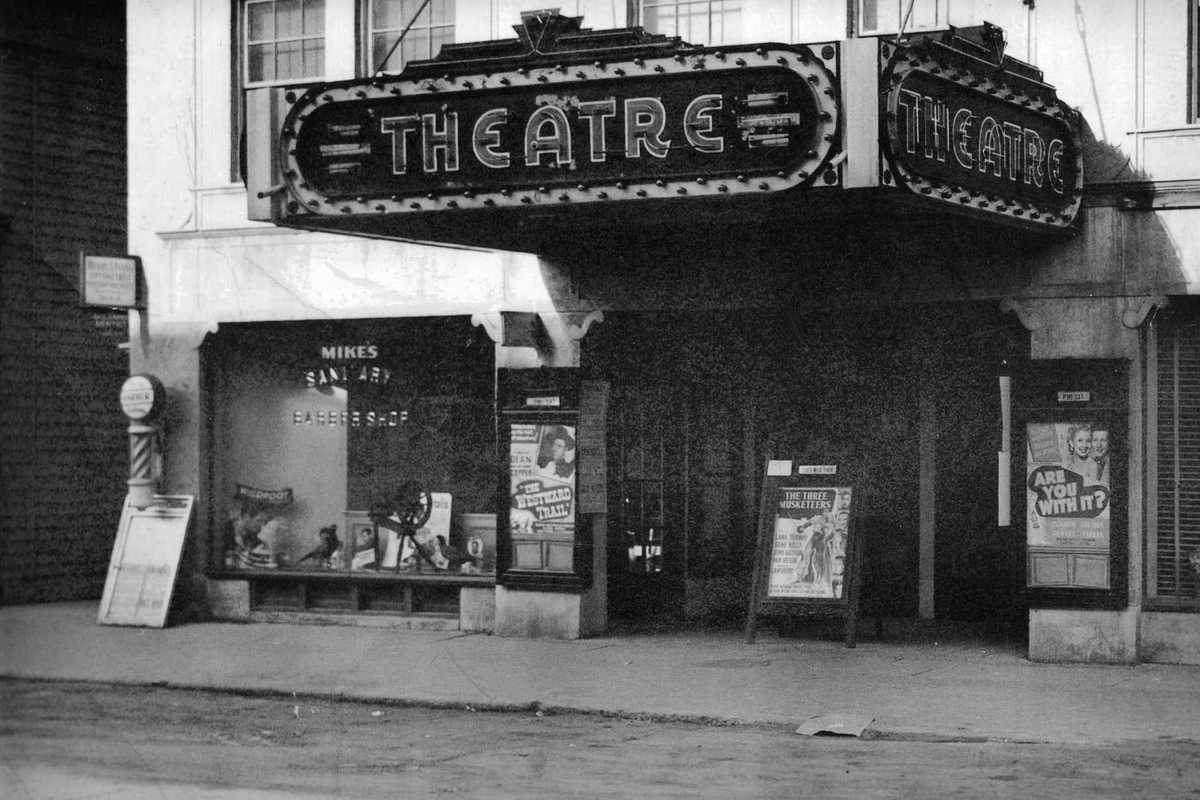
Crandell Theatre celebrates 100 years of film, community and Chatham history

The Crandell Theatre in 1948.

Provided
Originally built as an “atmospheric theater,” the Crandell was designed to transport audiences beyond the walls of the auditorium. Its sloped floor, proscenium arch, orchestra pit and balcony seating reflected the grandeur of early 20th-century movie palaces.

Crandell Theatre in Chatham has spent a century bringing stories to the big screen, and this December the historic theater will celebrate its 100th anniversary with a yearlong tribute to the films, filmmakers and community members who have helped keep it alive.

The celebration continues Sunday, Aug. 23, with a special screening of Martin Scorsese’s “The King of Comedy,” presented as part of the theater’s 100th Anniversary Series by Bill Kramer, CEO of the Academy of Motion Picture Arts and Sciences. Kramer will introduce the 1982 film, a darkly comic exploration of celebrity, obsession and the pursuit of fame.

Keep ReadingShow less
google preferred source

Want more of our stories on Google? Click here to make us a Preferred Source.
Arts Connected fundraiser celebrates Northwest Connecticut’s creative community

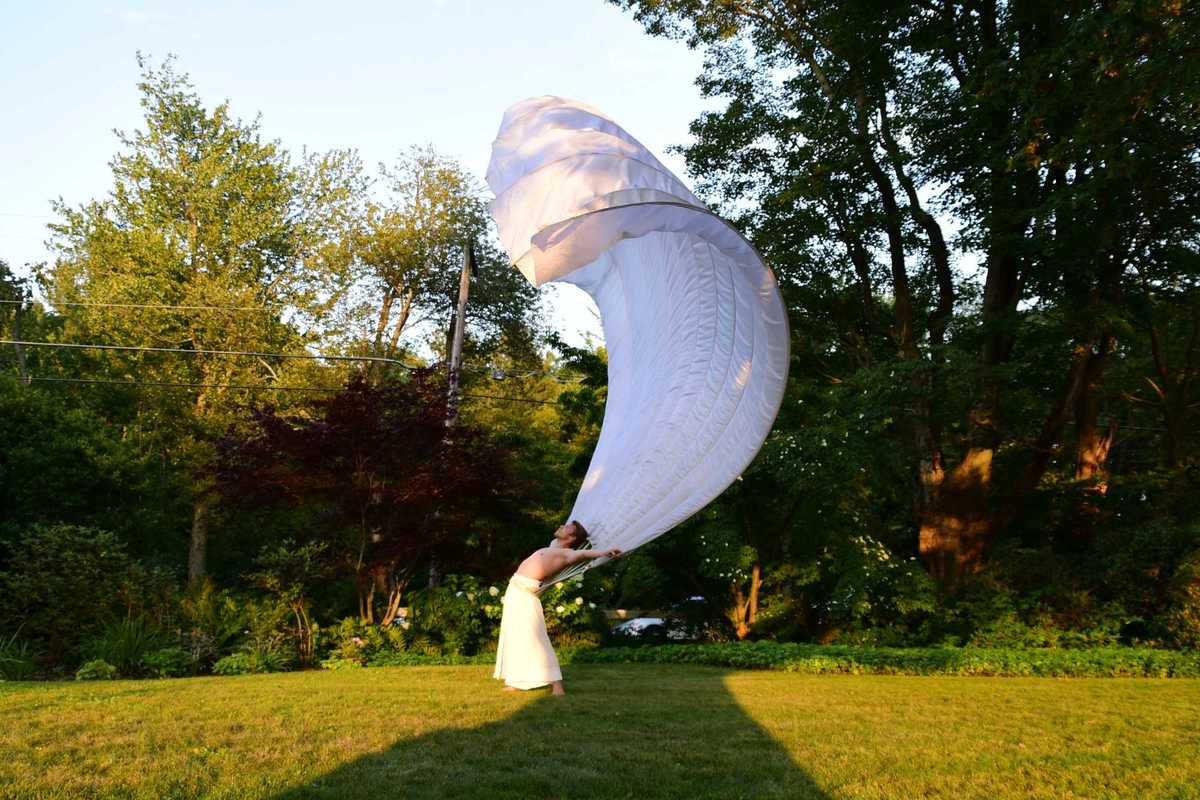
MOMIX is one of the featured performers at this year’s Arts Connected fundraiser on Aug. 29.

Provided
The Northwest Connecticut Arts Council will celebrate the region’s vibrant arts community with Arts Connected 2026, its annual fundraising event, on Saturday, Aug. 29, from 5 to 8 p.m. at Buck’s Rock Camp in New Milford.

More than a fundraiser, Arts Connected is designed as a celebration of the artists, performers and organizations that make the Northwest Corner’s cultural landscape thrive. Guests can enjoy live music and performances, a curated gallery of artwork by regional artists, local food and drinks, and opportunities to connect with fellow arts supporters. Tickets include hors d’oeuvres, an open bar and all entertainment.

Keep ReadingShow less
At 90, artist Robert Cronin still finds new ways to paint
Falls Village Artist Robert Cronin describes his process, from drawing to painted canvas.
L. Tomaino
Once I get all the colors in, they change. Who knows? I might consider more radical colors and then bring it back a little.
— Robert Cronin

Renowned painter Robert Cronin of Falls Village celebrated his 90th birthday with an exhibition, “Robert Cronin: New Paintings,” at the Hunt Library in Falls Village which opened Aug. 8 and will be on view through Sept. 11.

Cronin paints most days in his home studio. He keeps his work fresh by trying new things and has had different phases of work, including figure paintings, paintings on paper, a modular, circle and enclosure series of paintings, as well as a tinplate sculpture series.

Keep ReadingShow less

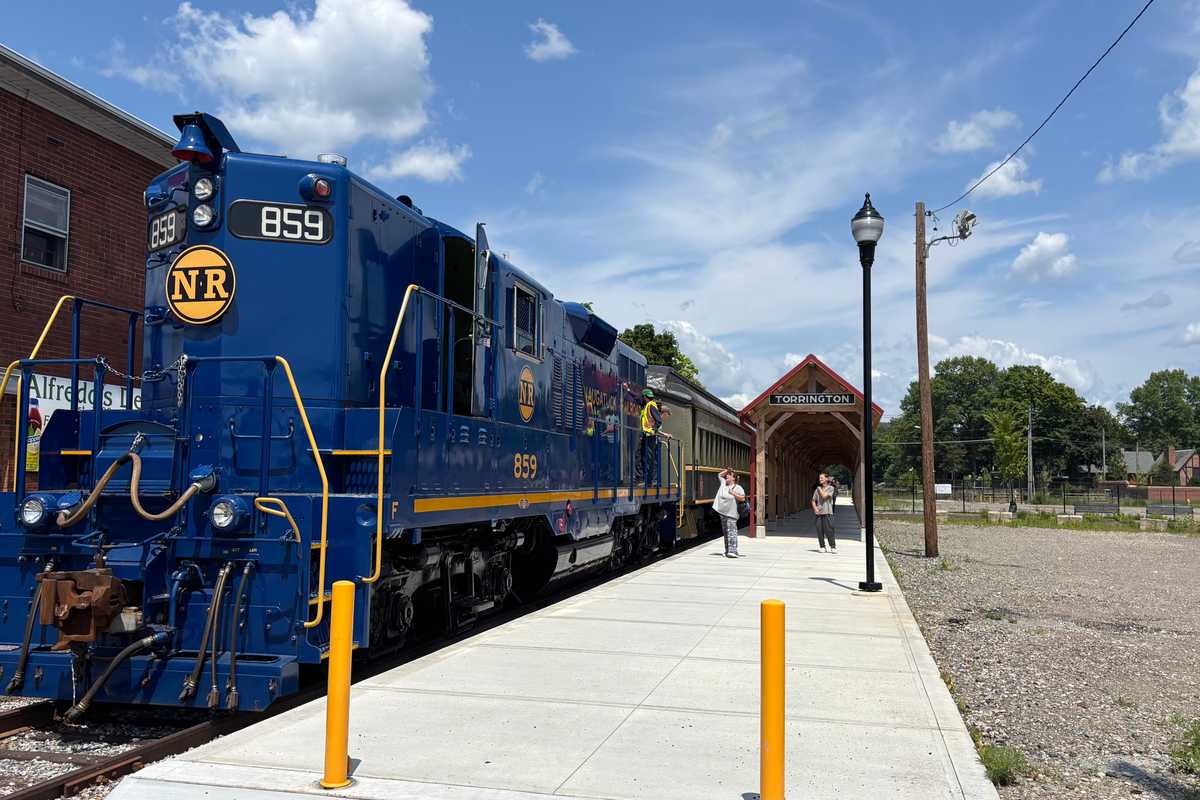
All aboard the Litchfield County Clipper

All aboard the Litchfield County Clipper

The Litchfield County Clipper runs between Thomaston and Torrington.

Allison Gollenberg

Every Sunday until the end of August, passengers can ride back in time on the Litchfield County Clipper, a scenic train running between Thomaston and Torrington on the county’s only passenger rail line.

The train, operated by the Railroad Museum of New England and the Naugatuck Railroad, follows the Naugatuck River through Mattatuck State Forest and along the Thomaston Dam, making it the only railroad in the country that operates over the face of an active dam. For $26.50 passengers can ride all day, boarding or disembarking at any of the train’s three stops, which include two stops in Torrington and one in Thomaston.

Keep ReadingShow less
google preferred source

Want more of our stories on Google? Click here to make us a Preferred Source.
google preferred source

Want more of our stories on Google? Click here to make us a Preferred Source.