President Trump’s second term has been a coming out party for cruelty, whether in casual pronouncements or formal policies. Amidst a cascade of international aggressions, and what looks like an expanding War in Iran, I fear for Cuba, which has been receiving U.S. threats that its centralized economy structured to ensure fairness and equality, values that many Americans also hold dear, must be give way to the excesses of free enterprise.
It may seem too long ago to remember that for decades USAID was a key component of America’s soft power. Early in his second term, the Trump Ad-ministration peremptorily ended USAID funding, partly to help balance a budget constrained by GOP tax breaks to corporations and billionaires, but also to clarify the Administration’s contempt for international decency, generosity and caring. Without Congressional discussion or approval, the U.S. summarily eliminated maternal and child healthcare for 95 million people, and created food insecurity and malnutrition, which threatened to increase forced migration even as hundreds of thousands have already died. The end of USAID also meant the cancellation of 390 education projects effecting 23 million children, with vulnerable children and girls especially effected. And, in a final Trumpian twist, the end of USAID left millions of dollars of unused food grown by U.S. farmers spoiling in warehouses.
In fact, President Trump’s attitude toward ordinary Americans has also been uncaring, if not cruel. The Administration has threatened to cut as much as $900 million in transportation funding within the U.S. and withhold over $1.3 billion in disaster relief funding to four Democratic-led states. It has also attempted to punish states whose policies it disagrees with by stripping funding, including to those states that refuse to support the President’s inhumane mass deportation agenda.
Although many Americans voted for Trump because of his promise to end the disasters of war, within the first year of his second term, his administration has authorized military strikes and bombing operations in Iraq, Somalia, Syria, and Yemen. The U.S. also bombed nuclear facilities in Iran in June 2025, and a facility in Venezuela in late 2025. Early in 2026, it also collaborated with Israel in a widening war with Iran.
Pete Hegseth, our Secretary of the renamed Department of War, has epitomized the Administration’s cruelty and disdain. Aiming to sound bellicose, tough and vengeful, Hegseth has said that, “We fight to win. We unleash over-whelming and punishing violence on the enemy.” We also don’t fight with “politically correct” or “stupid rules of engagement.” That is presumably why no effort was made to rescue the 180 Persian sailors left in the water when their warship was torpedoed by a U.S. submarine in the Indian Ocean, 2,000 miles from Iran.And why there has been no apology or even acknowledgment for the 175, mostly children, killed when a U.S. bomb mistakenly hit the Shajarah Tayyebeh elementary school building in Teheran.
Finally, in our own hemisphere, more than 157 people have been killed in 46 separate bombings of small boats in the Caribbean that were supposedly delivering drugs. Moreover, since Secretary Hegseth had directly ordered to that everyone on board should be “killed,” this tally includes two men who had survived the bombing of their boat and were clinging to its destroyed pieces when they were directly targeted, a war crime by international rules of engagement. And the dramatic seizure of President Nicolas Maduro and his wife in Caracas included the murder of 47 Venezuelan soldiers, along with 32 Cuban security personnel acting as bodyguards, for which there has been no formal expression of condolence.
Unfortunately, this refusal by Trump and Hegseth to give the deaths of Americans the dignity of an apology or acknowledgment extends to both soldiers and people killed by government agents on U.S. soil. As President Trump made clear in his State of the Union address, he considers it unpatriotic to worry about immigrants seeking asylum, Green-card holders, or even American citizens either violently rounded up by ICE, or held in one of the new mega-detention centers, without access to families or an attorney. And this morning Donald Trump used a photo of himself in a “dignified return” of a soldier killed in the Middle east to sell his private security briefings.
All of which make me especially worried about the Administration’s bellicose attitude toward Cuba, whose people have lived under a U.S. embargo throughout its 67 years of socialism. In January, 2026, President Trump urged Cuba to “make a deal, before it is too late.” At the same time, the Administration cut off all oil that Cuba had been receiving from Venezuela, its major sup-plier. Moreover, Trump’s threat to impose tariffs on any country that provides oil to Cuba resulted in Mexico closing off its shipments, leaving Cubans with dwindling available oil. And Trump has made clear that Cuba needs to open its economy to capitalism if its people want to survive.
As of March 2026, Secretary of State, Marco Rubio, whose parents left for the United States soon after the Revolution, is said to be in contact with the Cuban leadership, including Raul Castro’s grandson. While supposedly “squeezing” the regime, he is offering to roll back sanctions if Cuba implements the privatization sought by the Trump Administration. However, given the paucity of private companies currently in Cuba, this process is likely to be slow. And since American philanthropic organizations like USAID no longer exist to offer food, medicine and electricity in the meantime, there will be more suffering for Cubans, including longer blackouts, more scarcity and ongoing migration.
A March 13, 2026 article in the New York Times by Frances Robles, a seasoned reporter on the Caribbean, notes that experts say, “Any meaningful deal with the Cuban government” would also have to include such important changes as “an end to the criminalization of dissent,” and “a restoration of basic civil liberties including freedom of speech and the press”—important re-forms, if we want Cuba to become a democracy. However, these are exactly the freedoms that Trump and his supporters find threatening in the United States and are working to remove. Perhaps the experts hope that our island neighbor, 90 miles south of Florida, will be there as a beacon of democracy in years hence to remind us of all we carelessly gave away.
Carol Ascher, who lives in Sharon, has published seven books of fiction and nonfiction, as well as many essays and stories.She is trained as a spiritual director.




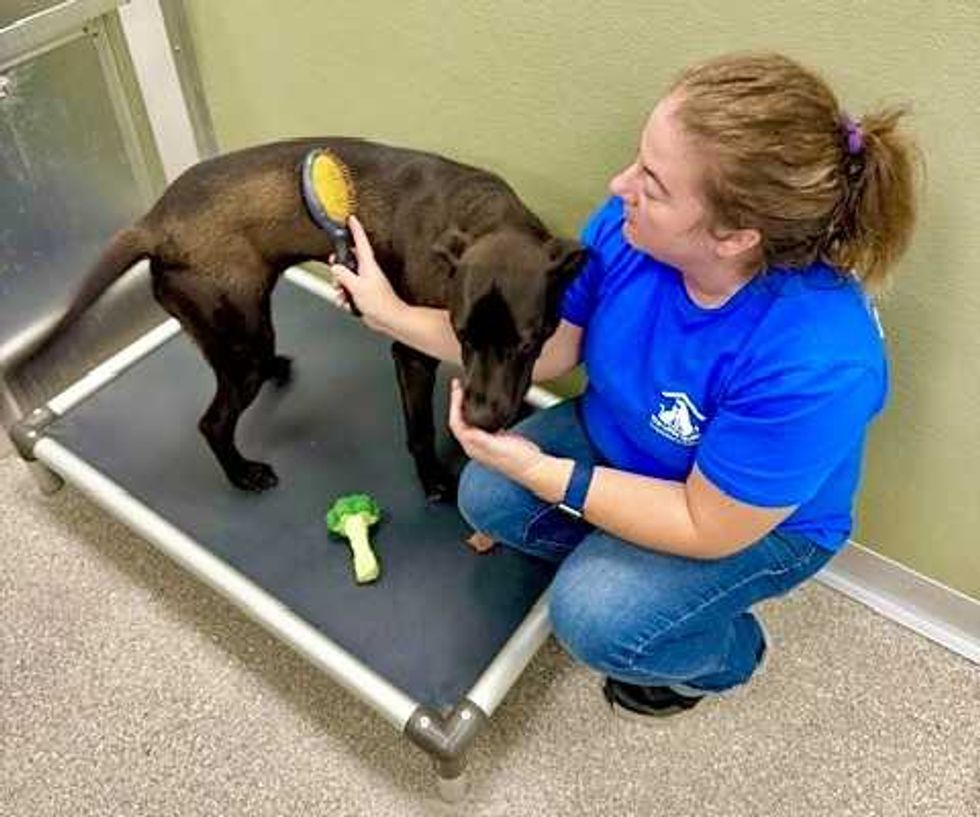 Tiffany Lemelin, shelter manager, brushing Marsala upon arrival.Provided
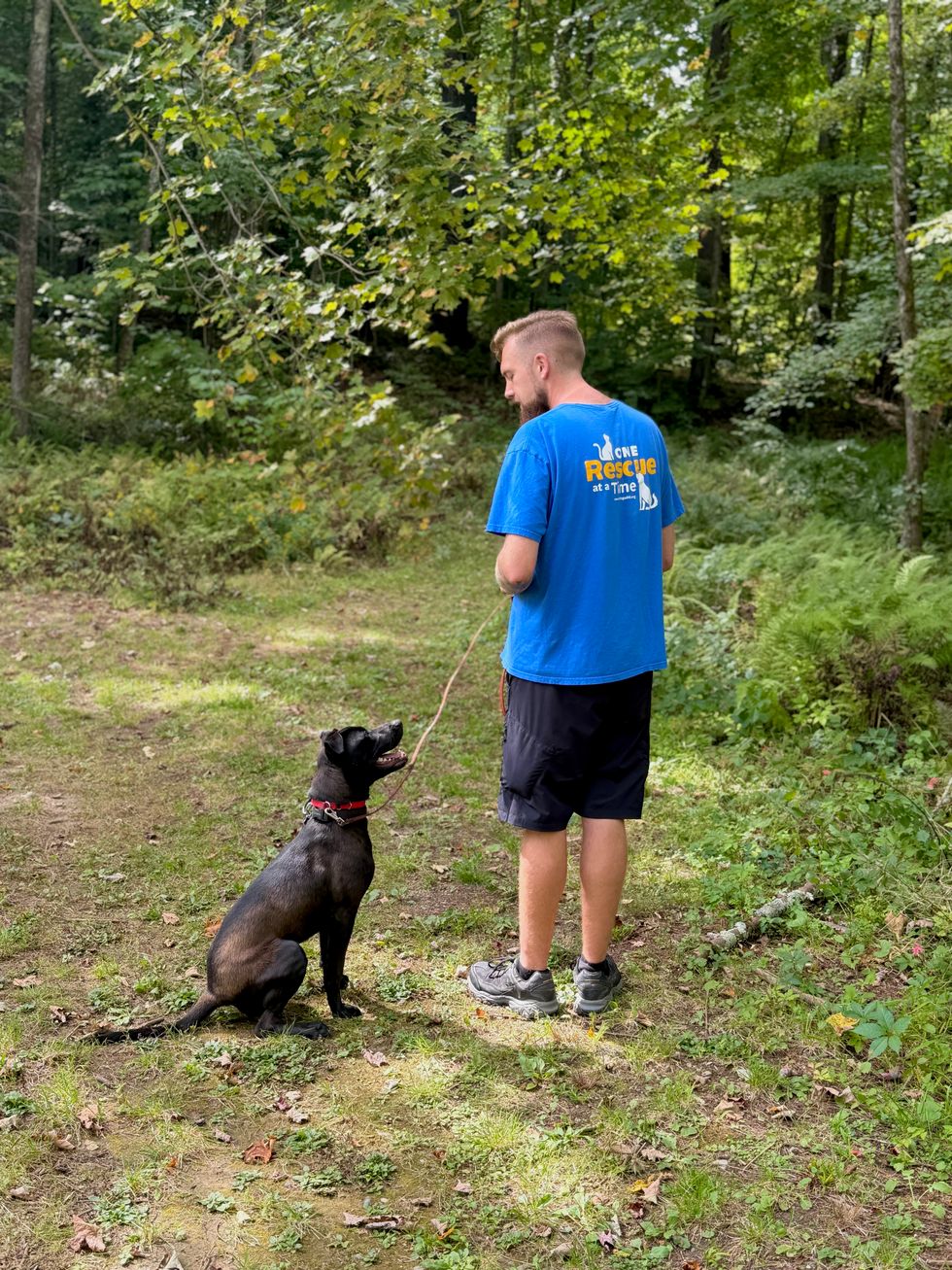 Michael DeBarba, certified dog trainer working with Marsala.Jennifer Almquist
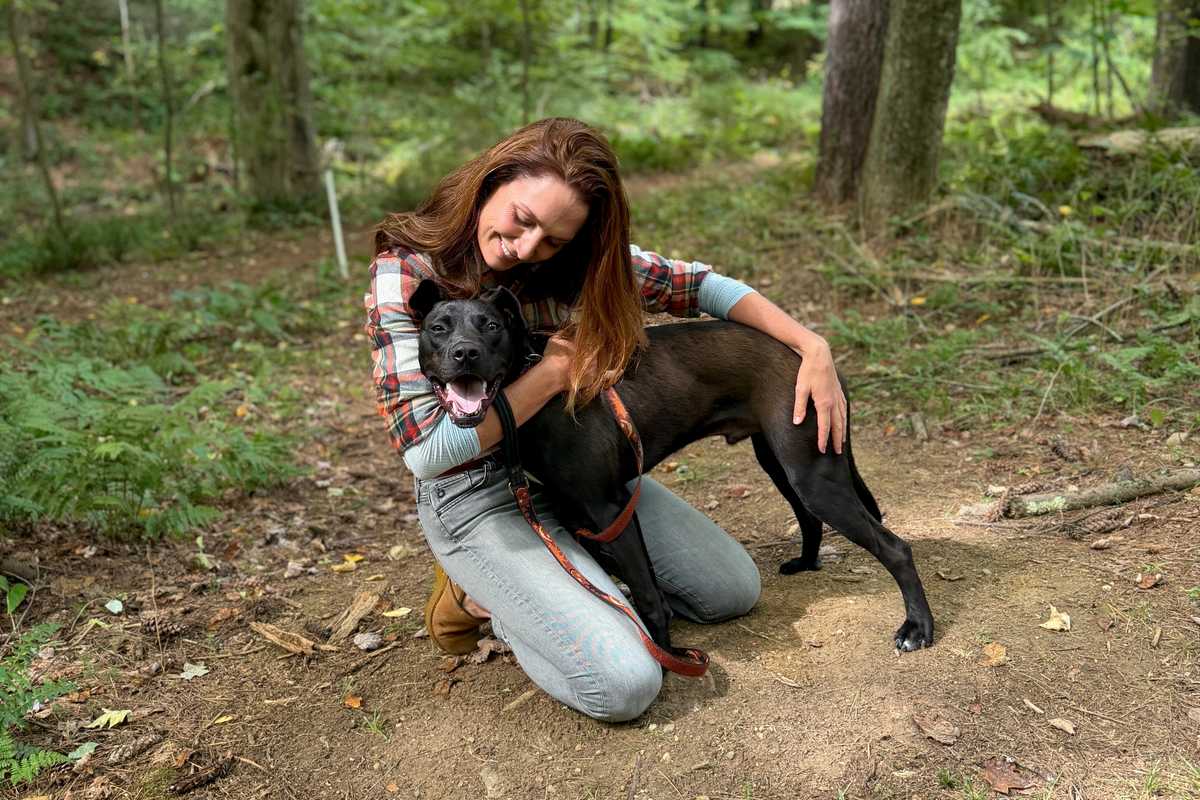 Marsala wins a heart.Jennifer Almquist

 Sadie, center, a Carolina dog, plays with her friend Negra, a terrier mix. Bella Linda, the small poodle, has since been adopted.L. Tomaino
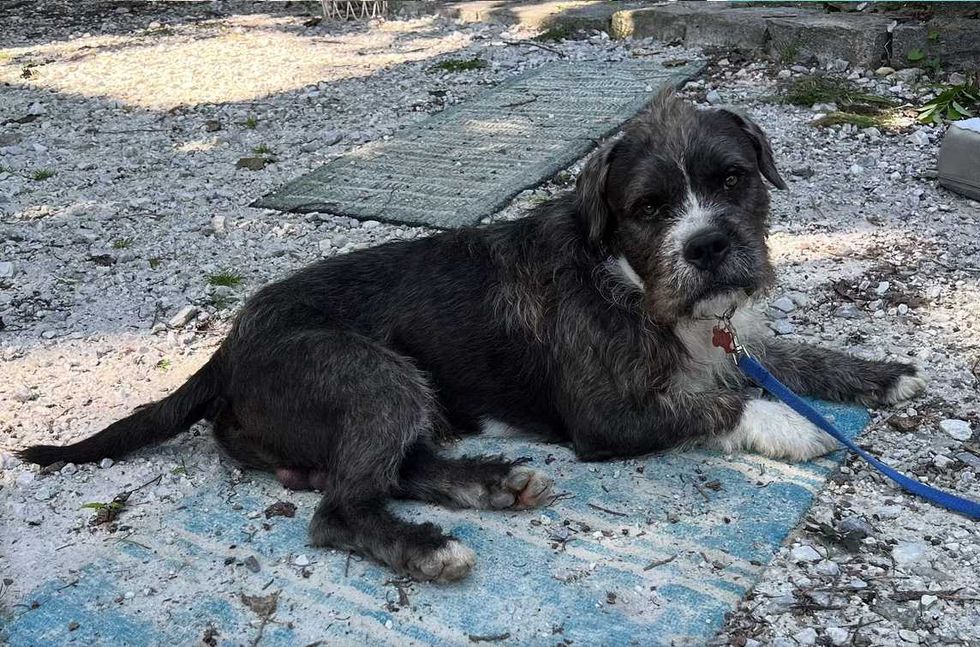 Wesley, a young, exuberant mix, is looking for an active home.L. Tomaino
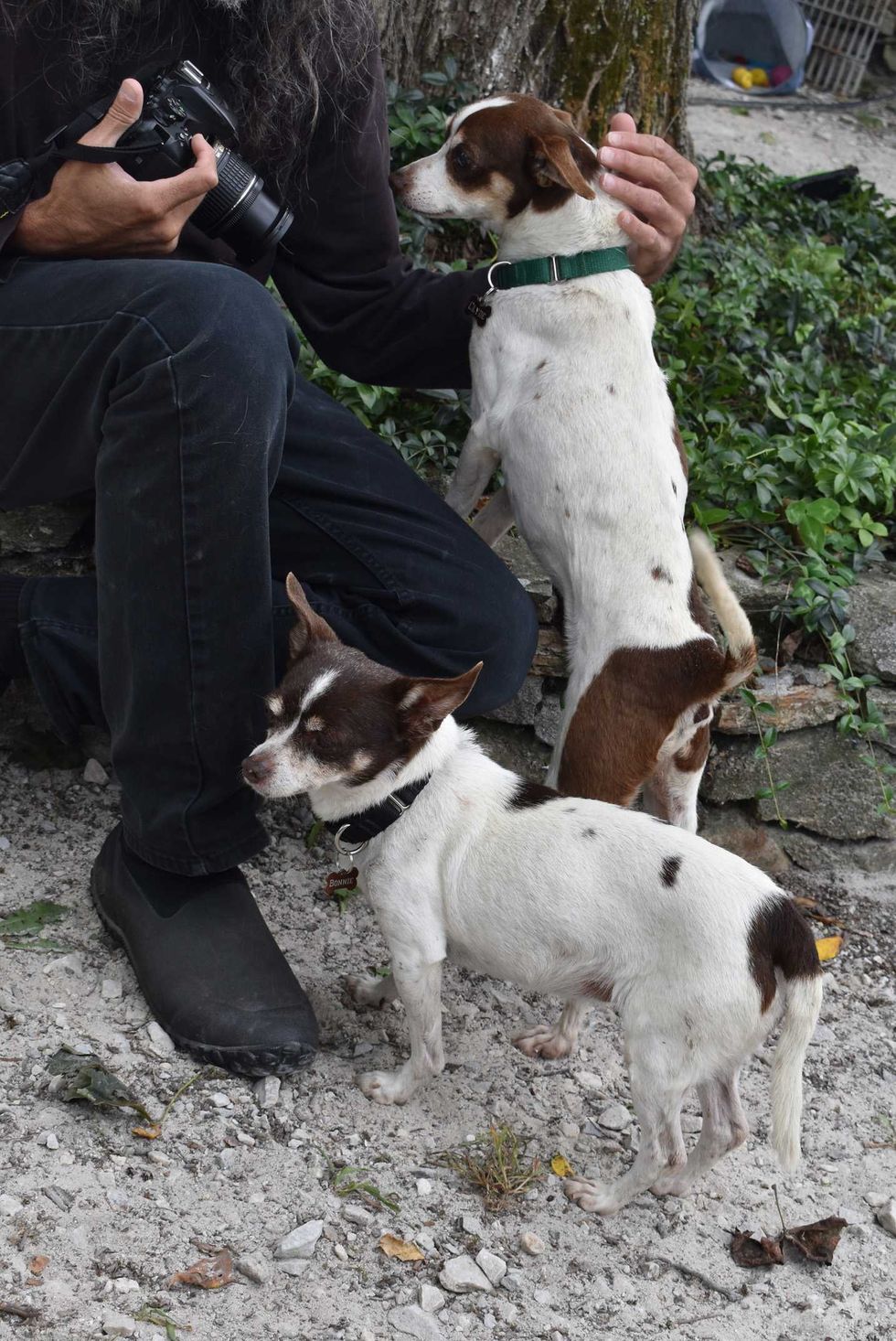 Bonnie and Clyde, an affectionate terrier pair.L. Tomaino

 Provided