Thank you!
Your support is sustaining the future of local news in our communities.

Employers are afraid to hire in the state of Connecticut

Joe volunteers to run a youth soccer club. He wants kids outside and on the field. But the Connecticut Department of Labor is getting in the way. The Department of Labor has audited Joe’s nonprofit in Guilford plus 93 other youth leagues. Now, Joe is afraid to pay people who work with his club.

If youth sports leagues are afraid to pay workers in Connecticut, other employers must be terrified. 

Many in Connecticut are struggling, causing them to lose hope in themselves, our state or both. With simple reforms we can get them exactly what they need: a job near their home that allows them to provide for their family.

Connecticut regulations have us stuck in the past. Instead of embracing new arrangements that work for employer and employee, we are issuing audits. If the Little League isn’t safe, who is?

We need to remove red tape and allow more people to work in Connecticut. Unfortunately, according to state income tax data, the number of people earning less than $20,000 a year is growing and their average income is declining. 

According to Connecticut Voices for Children, the underemployment rate between ages 16 and 24 has reached 18.4 percent, leaving nearly one in five young people without as much work as they want. Let’s create an opportunity wage that makes it easier for people to get started during high school and after graduation.

Many politicians look down on jobs they consider inferior. Work should be celebrated, and not just for how much it pays.

A job provides an opportunity. At all levels, but especially starting out, jobs teach skills and increase the likelihood of rising to the next level. This is just one reason why long-term unemployment is so damaging. The good habits and skills that come with work slip away over time, hurting job prospects going forward.

Unemployment insurance benefits are valuable to help people through the gaps between jobs. However, those benefits aren’t free. Employers pay them back over about three years. That means benefits increase the cost of hiring new workers.

That is usually an acceptable trade-off. However, some employees in Connecticut seek benefits when they are fired or after quitting. Currently, the system is tilted so far in favor of these employees that many of them end up with benefits. Employers recognize the deck is stacked against them. They fail to show up for hearings 40 percent of the time, believing their time is better spent elsewhere.

I’ve heard of an employee who threatened another worker and was fired, only to collect unemployment. I’ve heard of workers “taking the summer off” paid for by unemployment. These are not the intended purposes of unemployment. The extra burden of undeserved unemployment benefits hurts the jobseekers on unemployment by making it harder for them to find a job. 

Knowing that these bad actors exist -— and that these benefits add to their costs for years — employers hesitate to hire. We should encourage employers to take chances on people, not wait until they find the perfect person.

In addition to opportunity, jobs vary in their compatibility. A job that allows you to work convenient or flexible hours has value greater beyond the hourly pay. Maybe it saves on childcare, or it’s just the work you prefer to do. 

Jobs also provide dignity. Seeing the results of our effort is a fundamental human desire. I once toured a prison where I learned the first punishment for bad behavior was taking away an inmate’s job.

Right now we’re keeping too many people out of work in Connecticut. Since last Labor Day, 7,000 more people are looking for work here.

Let’s help people find work close to home instead of leaving or losing the ability to provide for themselves. Let’s give them hope. Let’s get them working. 


Zachary Janowski writes for the Yankee Institute, Connecticut’s free-market think tank. His opinions are his own. Reach him at zach@yankeeinstitute.org.

Latest News

‘So Little to Do,’ so much to discover at James Barron Art

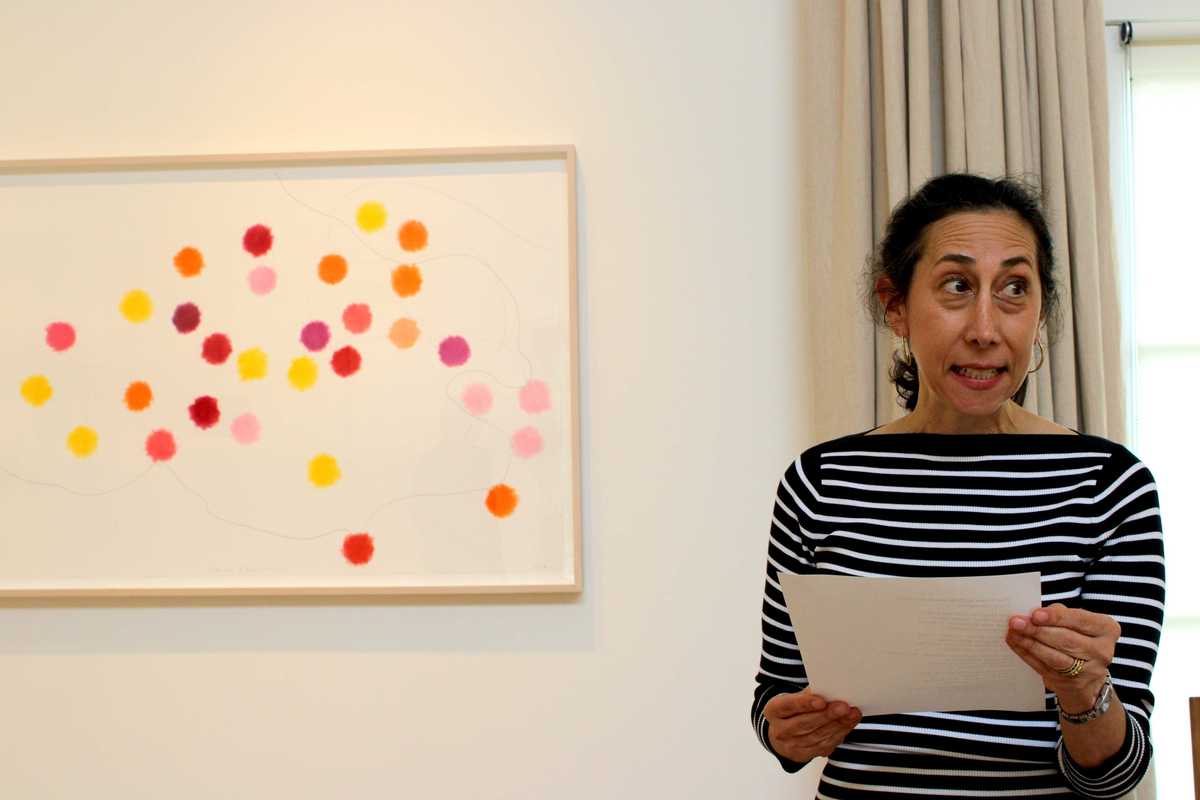
Curator Deborah Goodman Davis reads the Emily Dickinson poem “The Grass So Little Has to Do.” Spencer Finch’s “Following Three Bees (Zinnias)” buzzes in the background.

Photo by Natalia Zukerman

“The Grass Has So Little to Do,” on view at James Barron Art in Kent, takes its title from Emily Dickinson’s poem “The Grass So Little Has to Do,” written in 1862:

“The Grass so little has to do—
A Sphere of simple Green—
With only Butterflies to brood
And Bees to entertain—”

Keep ReadingShow less

Marina Kotchoubey is not a woodworker

Marina Kotchoubey is not a woodworker

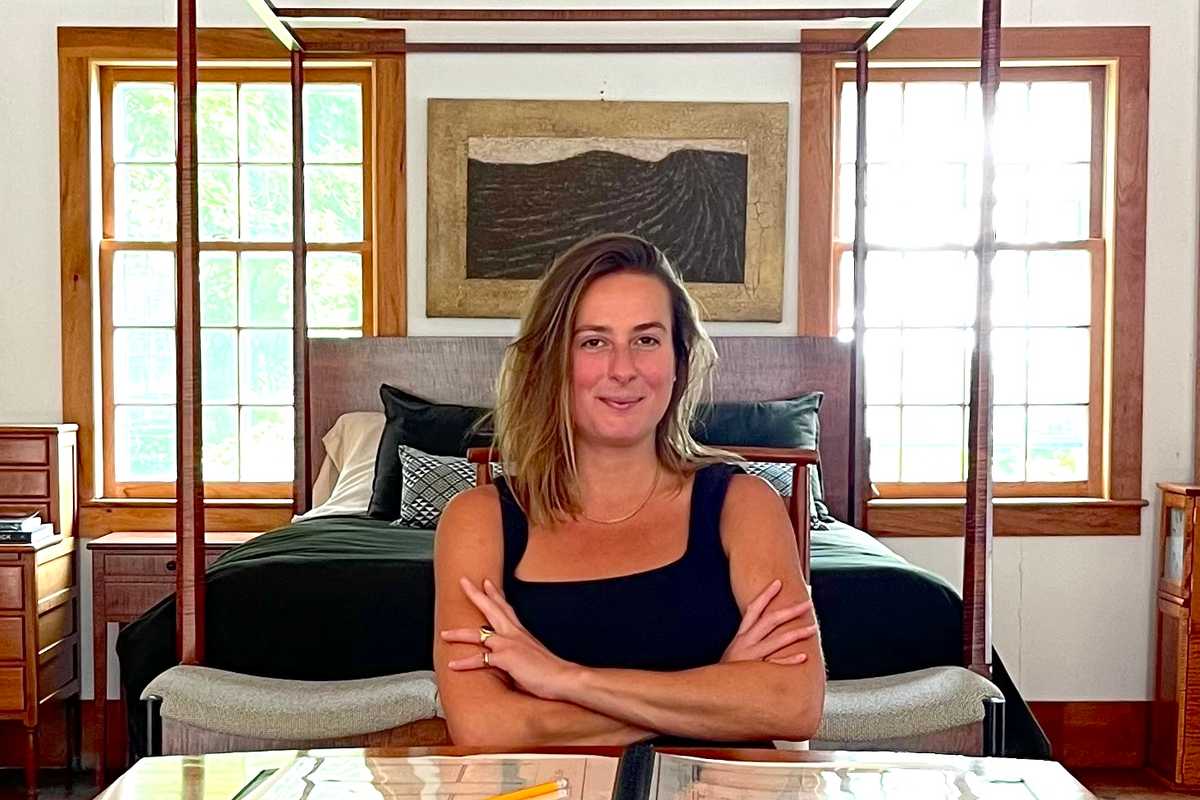
Marina Kotchoubey at the Ian Ingersoll Cabinetmakers showroom in West Cornwall.

Photo by D.H. Callahan

After 40-something years navigating the world of custom fine furniture, Ian Ingersoll was getting ready to retire. Starting off with a little dovetail stool that he sold at a shop in West Cornwall in the 1970s, he’d grown his skill and his business into something he — and the whole town — could be proud of. Shutting down that business was not an option.

Ingersoll built Ian Ingersoll Cabinetmakers, which produced mainly classical Shaker furniture, on passion: the passion he had to make a living through creative challenges and the passion of his employees, who all seem deeply in love with their craft.

Keep ReadingShow less
A legacy of giving at Norfolk Chamber Music Festival

One hundred and twenty years ago, Carl and Ellen Stoeckel commissioned New York architect E.K. Rossiter to design The Music Shed in Norfolk, Connecticut. After nearly a decade of entertaining their friends and neighbors with the finest music of the day, they built a permanent home for their beloved Litchfield County Choral Union.

The commission and full funding of the construction was not unheard of in an era when great fortunes led to public enrichment. Railroad tycoon John D. Rockefeller was instrumental in funding institutes of higher education. Steel baron Andrew Carnegie was building libraries all over the country, and famously said that a man who dies rich is a disgrace, challenging his peers to give their fortunes back to the people.

Keep ReadingShow less
google preferred source

Want more of our stories on Google? Click here to make us a Preferred Source.
Two unique exhibitions at Geary Gallery

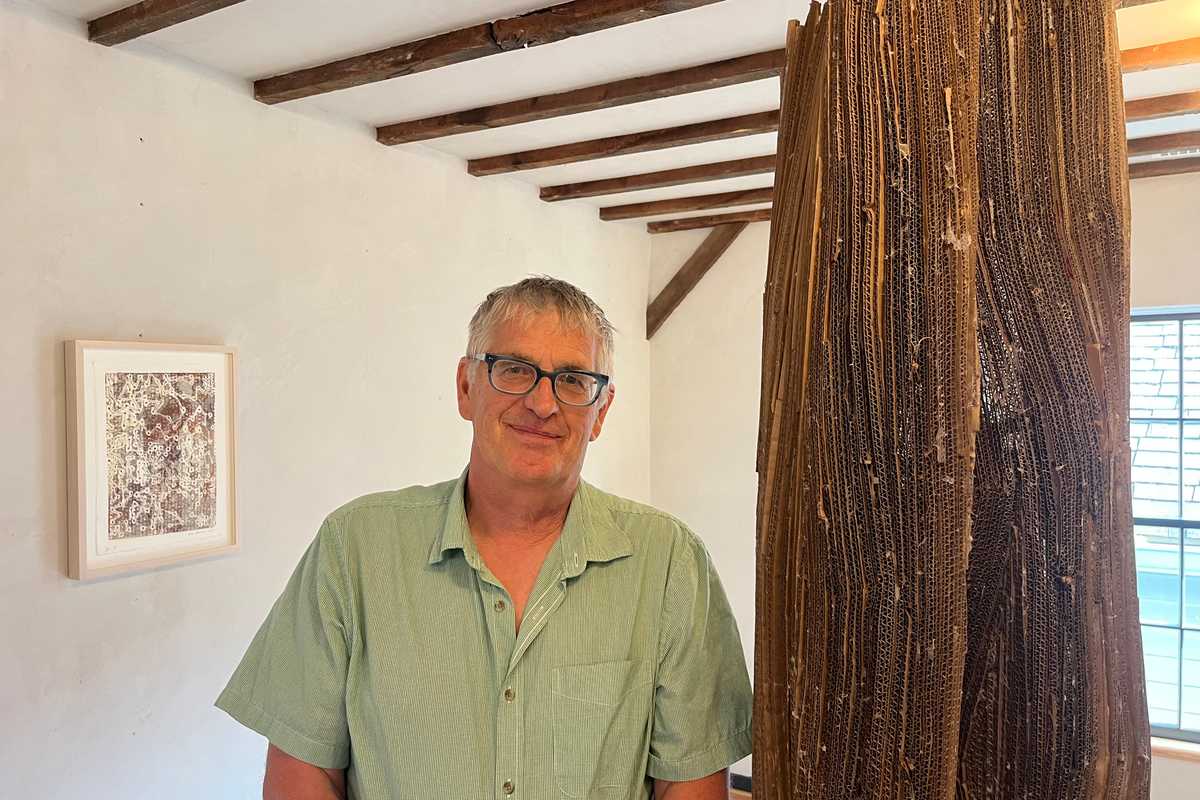
Henry Klimowicz with his sculpture, “Partial Pillar 1”

Photo by D.H. Callahan

On Saturday, Aug. 1, Geary Gallery opened its doors in Salisbury for two unique shows in its first- and second-floor gallery spaces. Art lovers flooded both floors over the course of the afternoon, giving the events a vibrant feeling that enhanced the importance of the art.

On the first floor is a show by Chicago-born, Colorado-based photographer Summers Moore, titled “Lobitos: Pueblo Fantasma,” or “Lobitos: Ghost Town.” The work centers around her daughter’s current hometown in Peru. Moore herself found a home away from home in Colorado in the mid-1980s and encouraged her children to seek out new places outside of their comfort zones.

Keep ReadingShow less

Writer’s retreat in the woods

Writer’s retreat in the woods

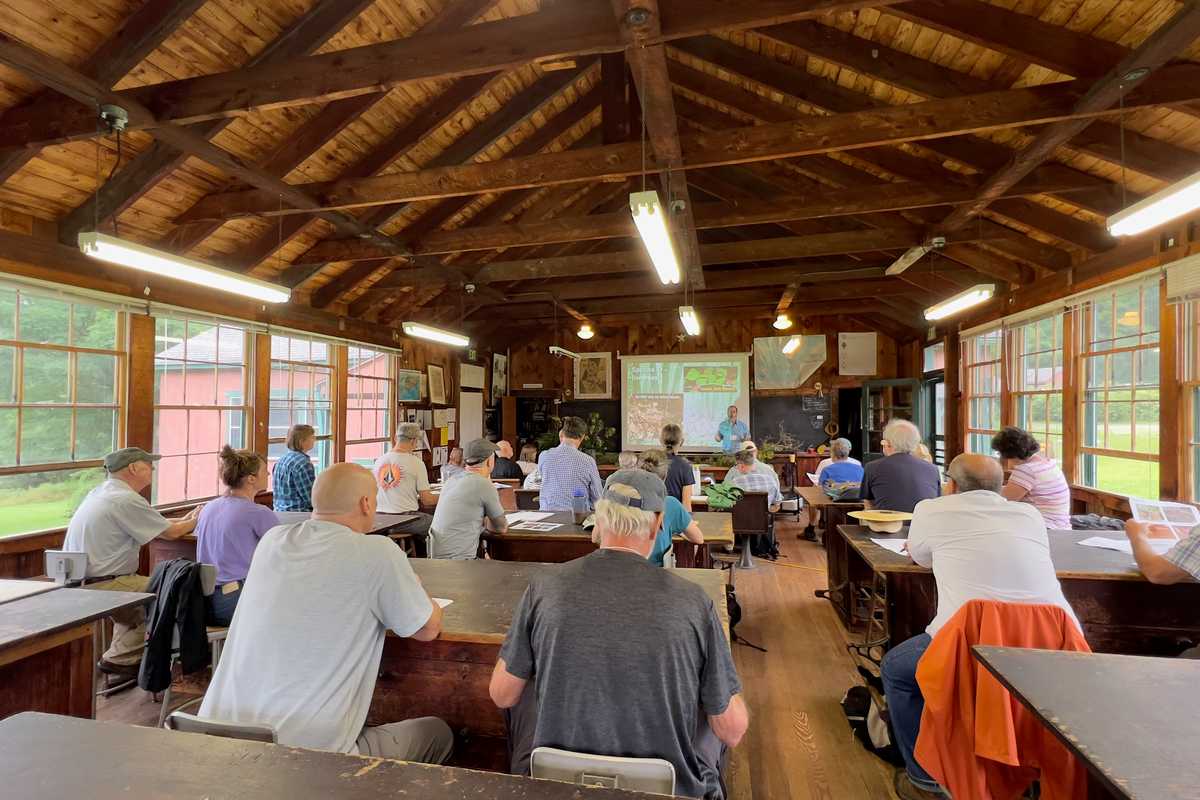
Participants in a 2024 Great Mountain Forest Woodland Academy workshop at Yale Camp.

Photo by Mike Zarfos

Great Mountain Forest (GMF) will host its first Nature Writing Retreat at the historic Yale Camp in Falls Village from Aug. 7-9, 2026. Writers of all levels are invited to draw inspiration from one of New England’s most notable forest landscapes. GMF envisions the retreat becoming an annual event celebrating writing, conservation and the relationship between people and forests.

This immersive three-day retreat reflects on the legacy of Hal Borland, the American writer and New York Times nature columnist whose work was deeply connected to this landscape. The retreat explores how wilderness shapes language, strengthens close observation and fosters environmental consciousness.

Keep ReadingShow less
From Cornwall to Rome, Adam Van Doren at Berkshire Botanical Garden

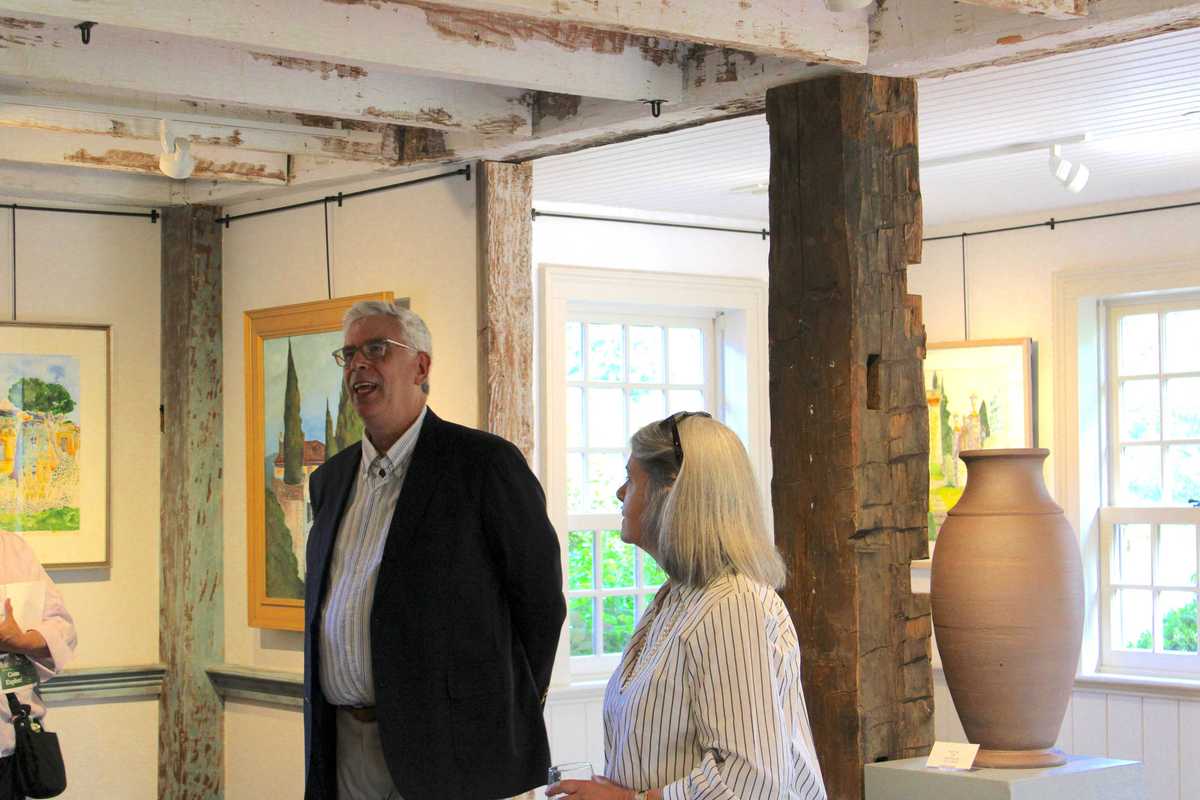
Artist Adam Van Doren and curator Donna Hassler talk to a group of visitors at the Berkshire Botanical Garden. A Stephen Proctor vessel sits to their left.

Photo by Natalia Zukerman

This summer, the Berkshire Botanical Garden in Stockbridge has hosted “Grounded in Nature: Paintings by Adam Van Doren,” an exhibition exploring the intimate relationship between architecture and the natural world.

On view for only a few more weeks in the Leonhardt Galleries, the exhibition features more than 35 watercolor and oil paintings by the New York-based artist, architect, author and Yale professor, curated by art historian Donna Hassler, director emerita of Chesterwood. The works span three distinct places that have shaped Van Doren’s artistic practice: New York City, Cornwall, Connecticut, and his travels throughout Europe.

Keep ReadingShow less
google preferred source

Want more of our stories on Google? Click here to make us a Preferred Source.
google preferred source

Want more of our stories on Google? Click here to make us a Preferred Source.