FALLS VILLAGE — On Saturday, Feb. 4, the weather station at Great Mountain Forest recorded a low temperature of -15 degrees Fahrenheit.
Windchill made it feel like -44. Local municipalities opened up warming centers for residents in need. Pipes froze throughout the area. Northern New Englanders even reported hearing popping noises from expanding sap in tree cells that night.
On the afternoon of Sunday the 5th, kids were riding their bikes through downtown Falls Village without winter coats, highs being in the low forties.
Forest ecologist Charles Canham of the Cary Institute of Ecosystem Studies in Millbrook, New York, says our woods are adapted to the drama of moments like these. “It’s worth remembering that one of the defining characteristics of ‘temperate’ ecosystems is that the organisms had to evolve tolerance of often extreme climatic variability in order to occupy temperate regions.”
Forests are complex systems with many factors affecting health that are hard to measure in isolation, but Canham says the mid-winter timing of this month’s extreme temperature swing made measurable impacts less likely.
“If a cold spell anywhere near that extreme came in late winter/early spring when plants were coming out of winter hardening and breaking buds, then the story would be quite different.”
Matt Gallagher, director of programs and operations at Great Mountain Forest agrees.
“Since we are in the dormant season for growth in the forest, the extreme temperature swings had little effect.”
Gallagher is, however, hopeful about the potential effects of the extreme cold on some arboreal foes.
“Many forest pests that affect the forest’s health have temperature thresholds. The low temperatures on Saturday the 4th surpassed the lower mortality threshold for hemlock wooly adelgid (and other pests).” According to Gallagher, these pests can lead to 90% tree mortality. How much the cold temperatures have staved off these tiny adversaries is still pending further study by forest entomologists, but Gallagher calls the negative double digit event “a stressor relief on the health of hemlock trees in the region, leading to positive feedback for stream ecosystems, waterbodies, and avian species.”
Fruit and berry specialist and UConn extension educator emeritus, Mary Concklin, is similarly hopeful about the cold snap’s toll on crop pests but doesn’t have good news for Connecticut’s tree fruit crops. “There will be a rare peach in the state – they were hit very hard. Apples also took a hit but at this time it is hard to say how much loss there is.”
Fruit trees simply weren’t prepared for such cold temperatures because of the relatively warm January we’d had. According to Concklin, lows as cold as we had on Saturday the 4th can cause damage even in a more stable winter, but the trees’ lack of acclimation this year magnified the impact.
“Some buds may open but be too damaged to continue to grow. So, we have to wait and see,” says Concklin. “We won’t know how blueberries, brambles, and strawberries will do for some time yet. Winter isn’t over yet, so if we get another hit of cold that will affect things.”
While our forests are much more resilient to temperature fluctuations than our cultivated fruit trees, Canham reflects that similar issues to those described by Concklin might arise in the woods if much colder weather comes our way again after the prolonged February warm weather. “Really pronounced warm spells in mid winter like the last week or two can reduce the cold tolerance of trees and lead to damage to buds when it gets really cold again.”
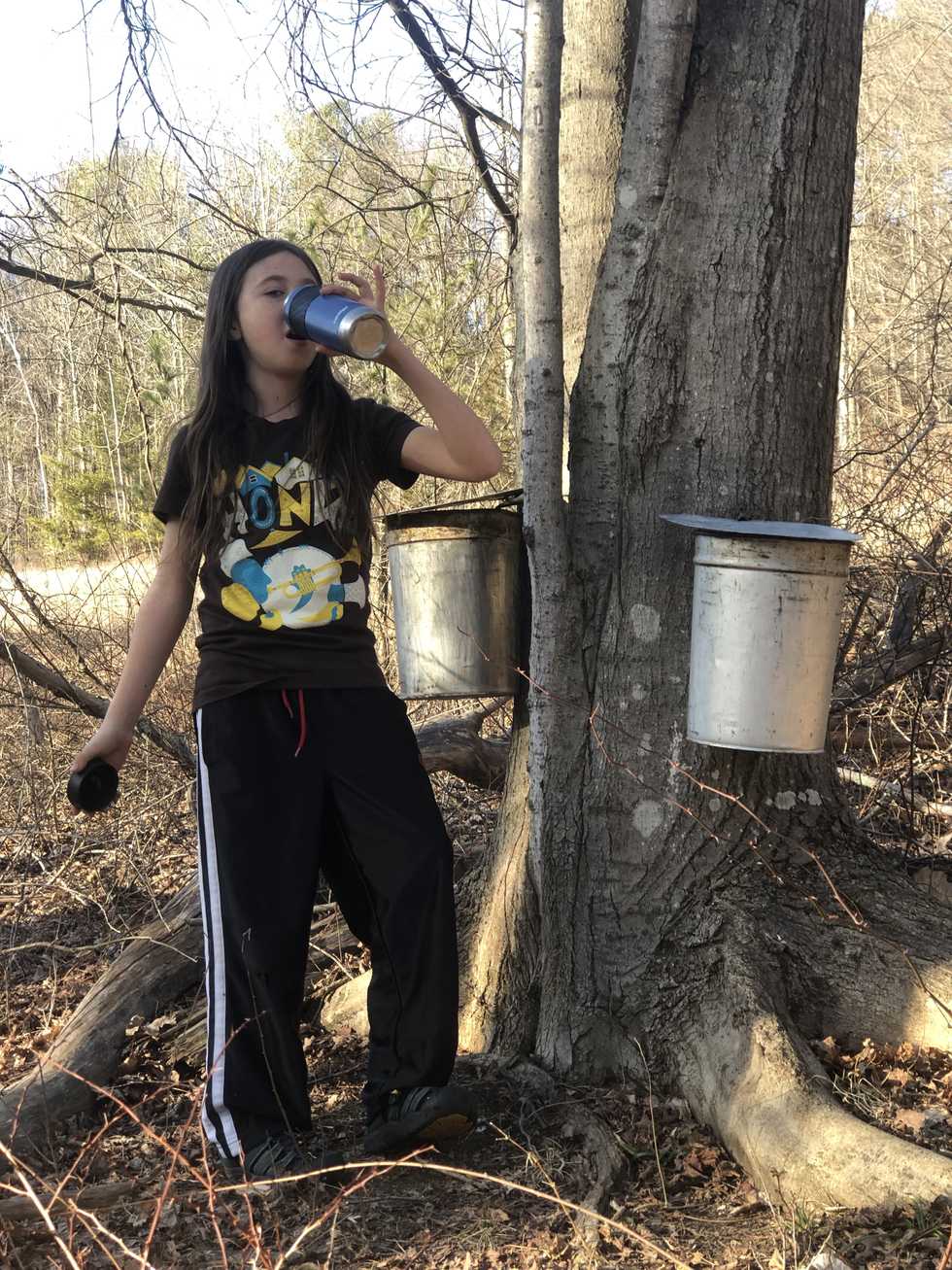
Another tree-weather connection to keep an eye on is maple-syrup production. Driving around the Northwest Corner, there has been a marked increase this week in tin buckets hanging off the sides of maple trees with the plink plink of sap dripping into them. That’s because the warm, sunny days and cold nights are perfect for sap collection. The more weeks that we have of days above freezing and nights below, the more maple syrup our region is able to produce. Many are predicting a low sap yield this year due to the quick jump into warm weather without a long lingering in the liminal space between winter and spring.
For the soil that plants live in, the quick freezing and thawing we’ve had this winter can have a heaving effect. Cary Institute soil scientist Jane Lucas notes that the kind of temperature swing we had in early February has particular impacts on soil life, the basis for plant health, explaining that “the microbial cell walls often burst with frequent freezing and thawing, which can then lead to a pulse of nutrients into the ecosystem.” While there are many useful insights farmers and others who make their living from partnerships with plants can learn by observing and modeling weather patterns, some of the longer term themes of the moment we’re living through are still emergent.
Forest Pathologist Robert Marra of Connecticut’s Agricultural Experiment Station reflects on the weather patterns we are seeing in our area of late. These include hotter and droughtier summers as well as changes in precipitation patterns with little snow in winter and a change in the timing and intensity of rain. He explains that these changes are by their very nature Climate Change, set in motion by the global warming effects of burning so much fuel. He notes the difficulty of drawing conclusions about the changing weather patterns’ effects since the carbon we are rapidly releasing into the atmosphere has built up to levels higher than they’ve been in millions of years, a time when “life on this planet was very different, and didn’t include mammals, let alone humans.”
“The challenge,” says Marra, “is to realize that plants, animals, all life, and the ecosystems of which they are a part respond in time scales that go well beyond the single-year level at which we would wish to discern, or divine, consequences.”
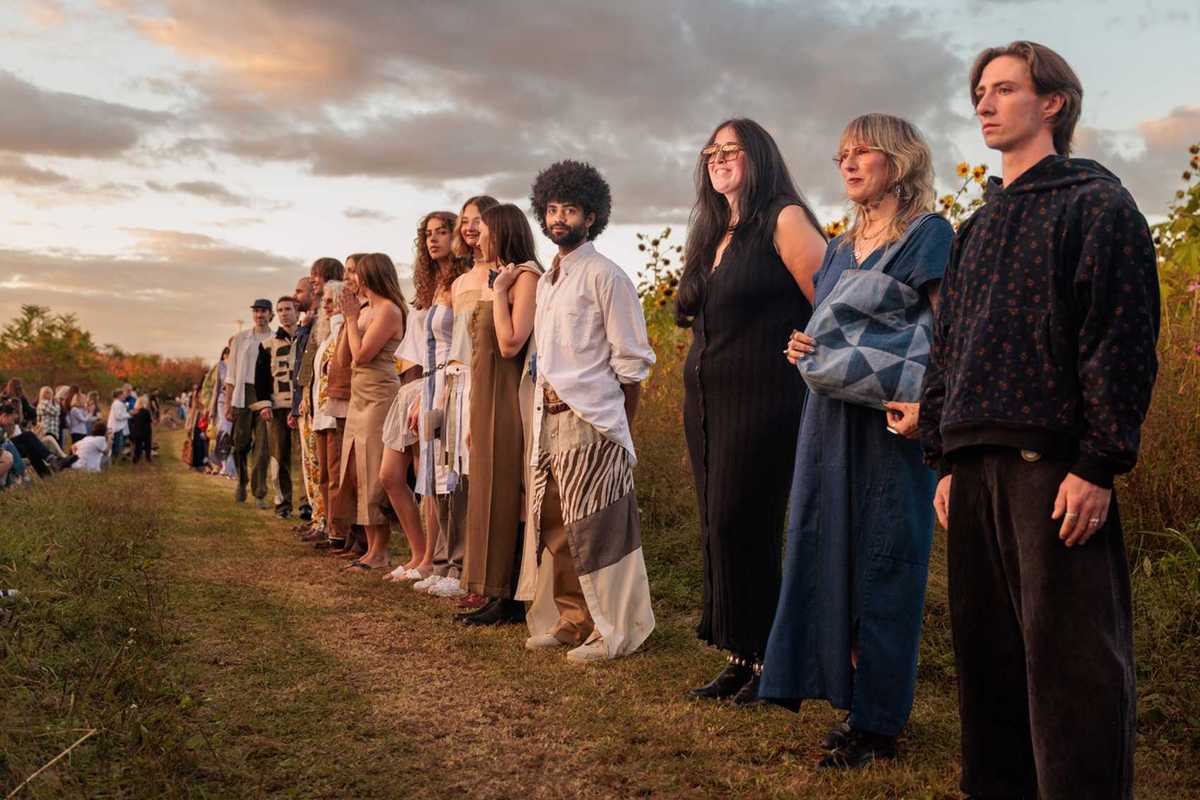
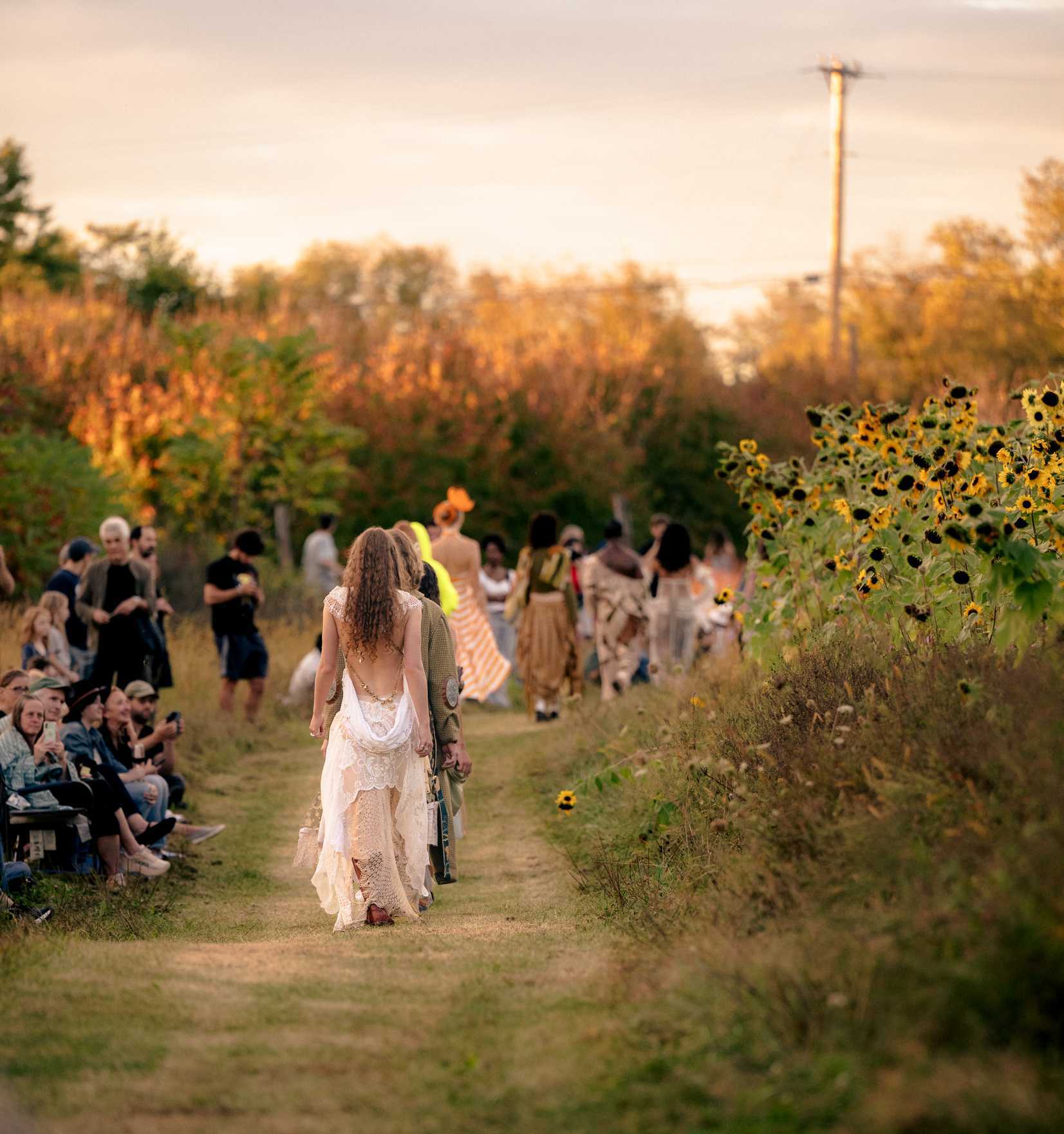 Models walk the organic runway at HVSFW. Ilan Harel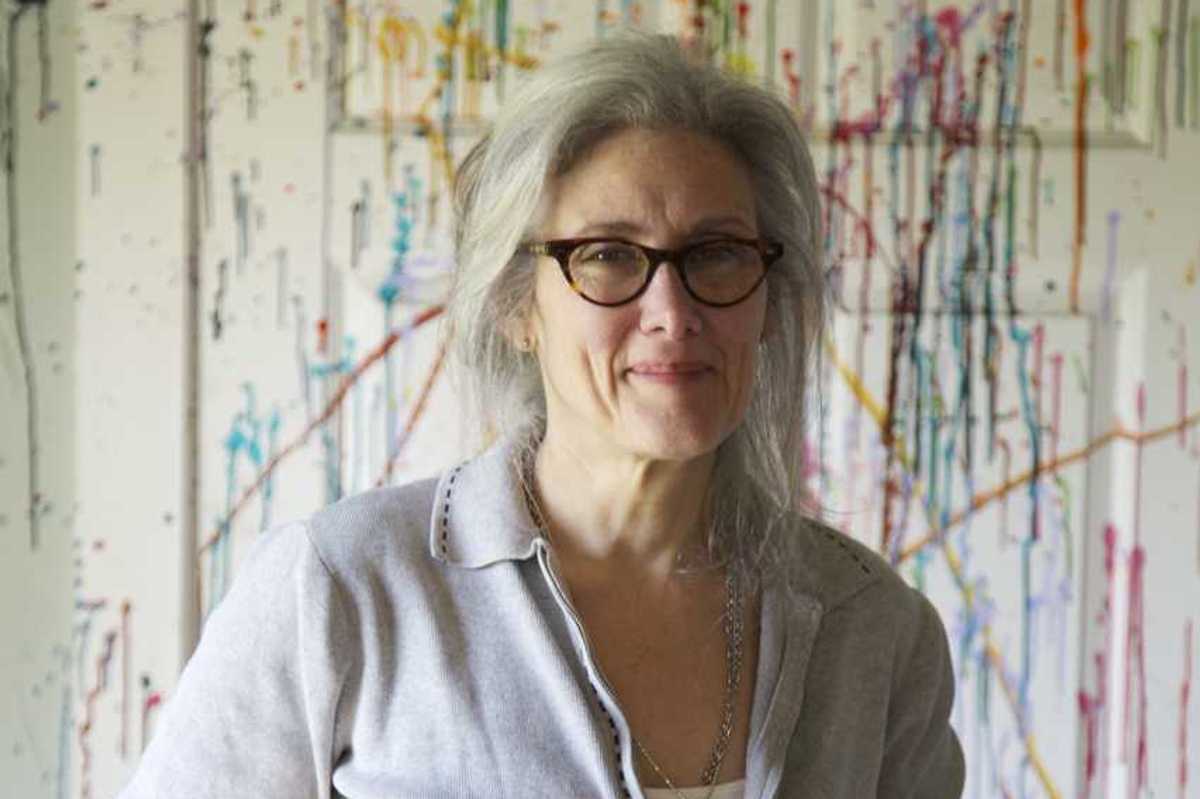
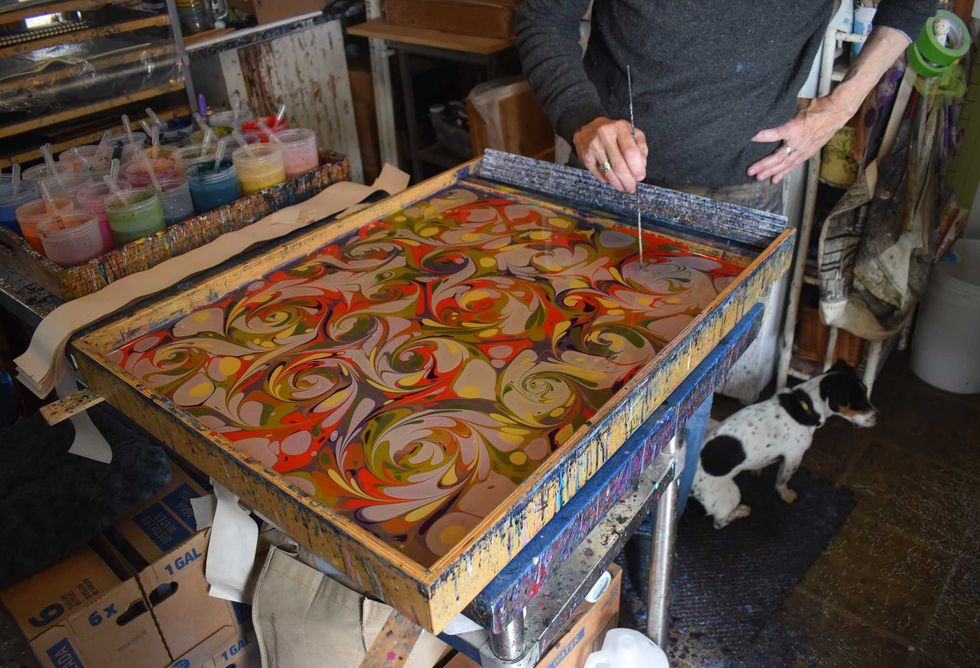 Susan Schneider, owner of Shandell’s, creates a variety of products with marbleized surfaces in her Ashley Falls studio.L. Tomaino

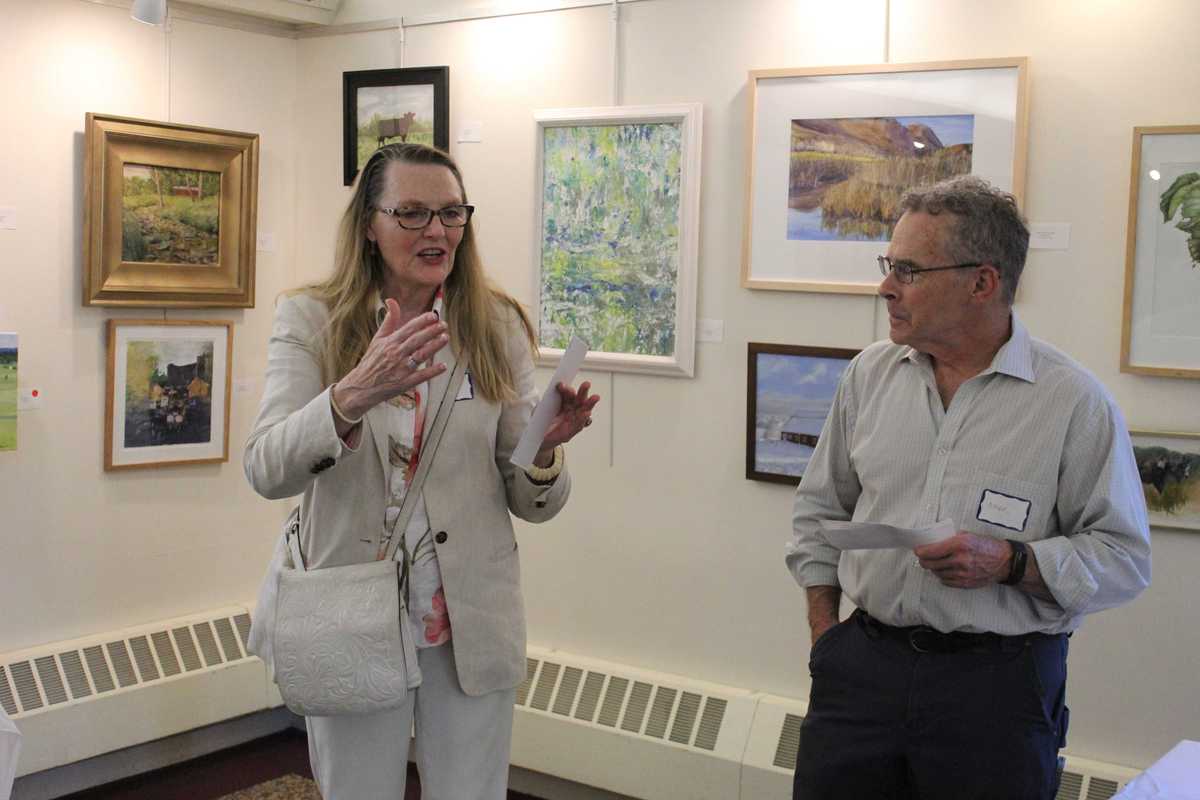
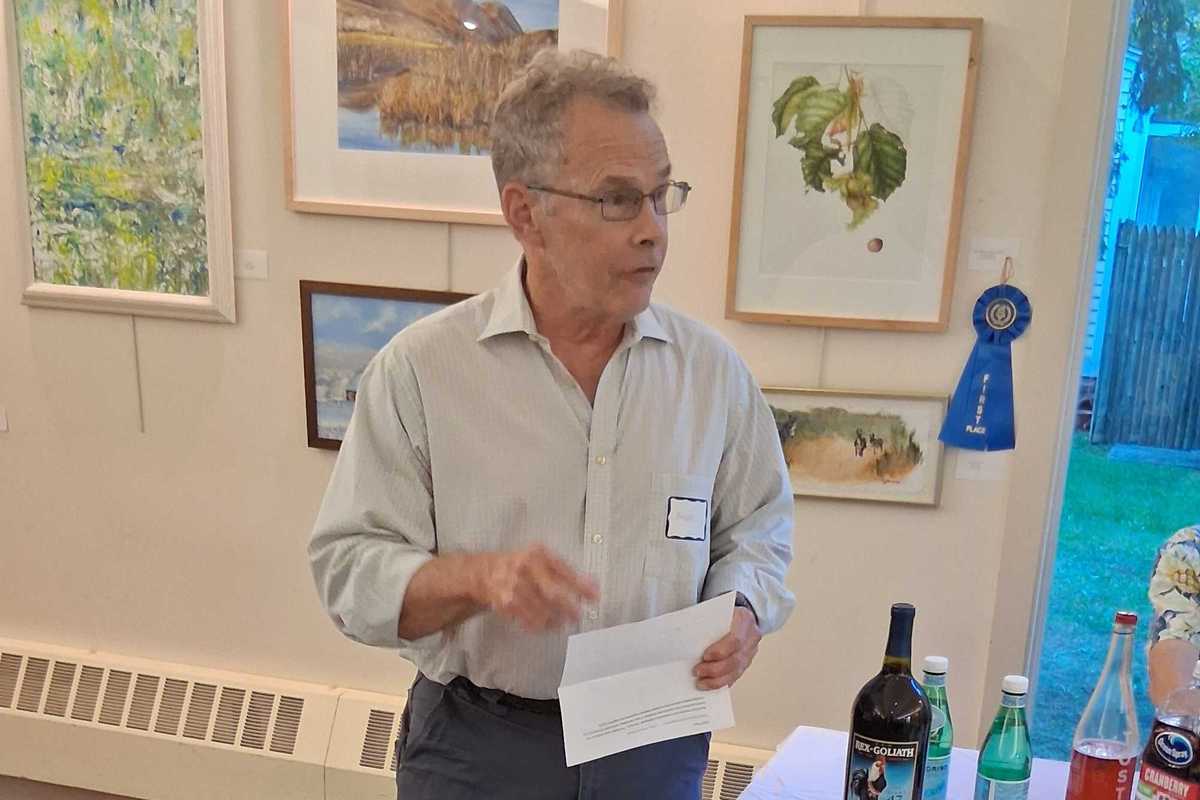 Roger McKee naming the winners with the first place entry over his left shoulder. Patrick L. Sullivan
 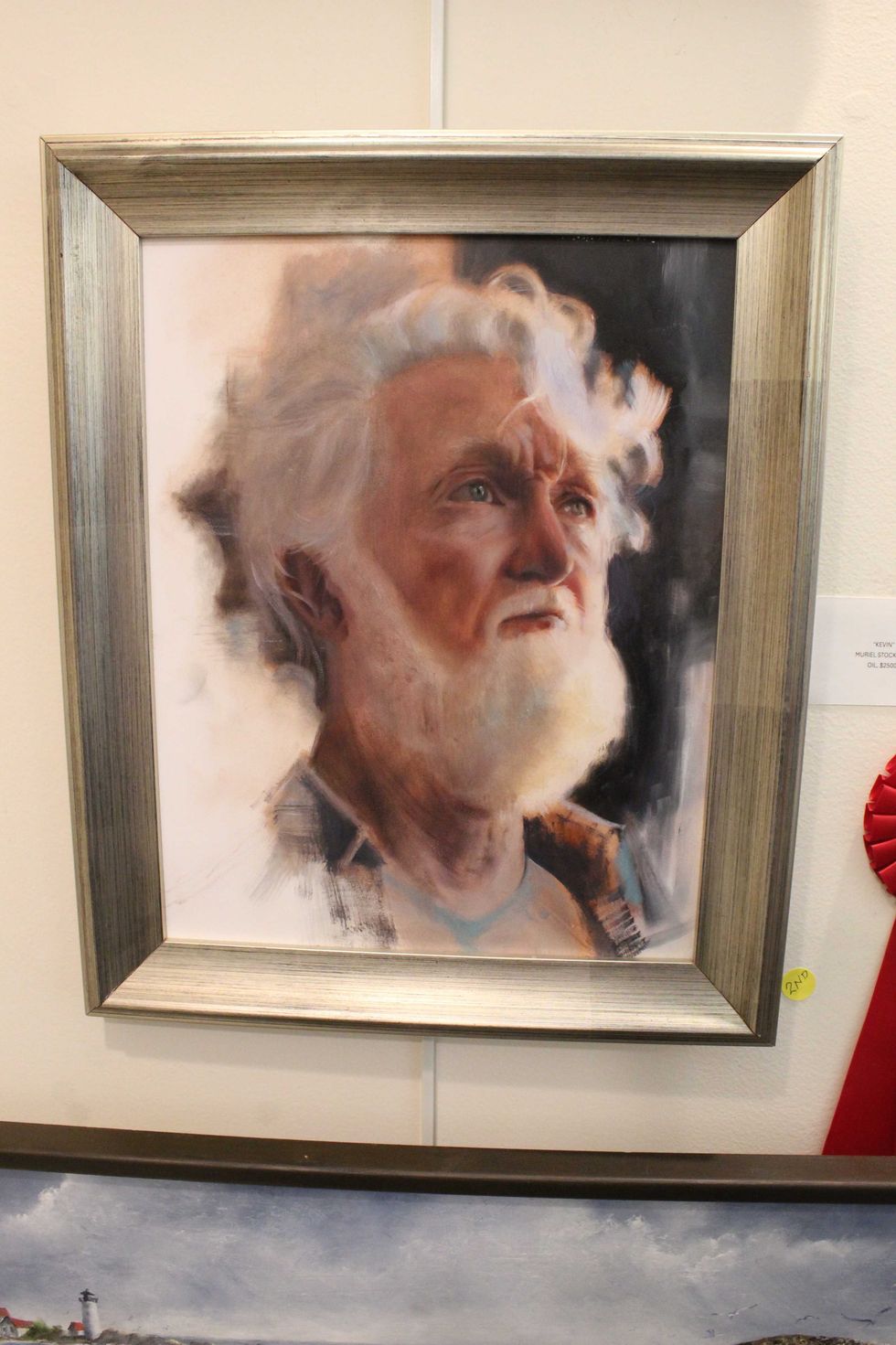 Muriel Stockdale’s “Kevin” took second place in the juried art show at Trinity Episcopal Church.Patrick L. Sullivan