Thank you!
Your support is sustaining the future of local news in our communities.

Brian Gersten finds the story in the overlooked

Brian Gersten finds the story in the overlooked

Filmmaker Brian Gersten

D.H. Callahan

At 6 p.m. on Saturday, Sept. 26, award-winning filmmaker Brian Gersten will screen four short documentaries at the David M. Hunt Library in Falls Village, exploring obscure topics such as a lingering territorial dispute between the United States and Canada, a nationwide toilet paper panic sparked by a late-night joke, the infamous “Balloon Boy” saga and the history of bowling in America.

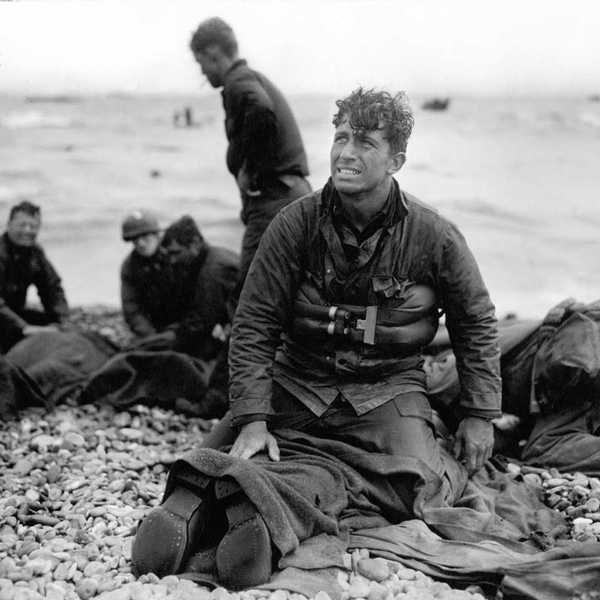
The Chicago-raised, Millerton-based filmmaker has worked as an editor on feature-length documentaries like the cycling film “Enter the Slipstream” and Netflix’s profile on author Tom Wolfe, “Radical Wolfe.” In 2025, “Why We Dream,” a film he edited about bringing D-Day veterans back to the beaches of Normandy, premiered aboard the U.S.S. Intrepid in New York City. When it comes to directing, Gersten’s own interests focus more on the underappreciated and unremembered, as the four short films he directed will demonstrate.

“The Gray Zone” explores the casual conflict of Machias Seal Island, a small island off the coast of Maine or Nova Scotia, depending whom you ask. It is the last piece of land disputed by the United States and Canada. While the island is mostly seabirds and seals, it also houses a lighthouse, making it more important than any other strip of rock poking above the waves in the area. News and politics publication The Atlantic chose “The Gray Zone” as one of its Atlantic Selects short films to highlight, and that was before tensions between the two nations became strained. If things get any more tense, Gersten might have to head back out to sea to make a sequel.

On a similarly low-stakes topic with potential high-stakes outcomes, “The Great Toilet Paper Scare” covers a little late-night joke that had some real-world consequences. Again, this short seems to be even more prescient than when Gersten made it in 2020, with themes of out-of-control gas prices and supply shortages across the country setting the stage for some good, clean bathroom humor, if you will.

Conversely, “Balloon Boy” was a high-stakes situation with low-stakes results. In 2009, the same year Disney released their hit animated movie “Up,” it seemed the entire nation had tuned in to witness the real-time drama of a 6-year-old boy who had allegedly climbed into his family’s experimental “flying saucer” weather balloon and taken off into the sky above Colorado.

Finally, “Memory Lanes” explores the history of bowling in America through a much more personal lens than the other three. The film was made during the COVID-19 pandemic, which forced many bowling alleys across the country to close. This pause prompted Gersten to think about the history of bowling, its meaning to him and his family, the Midwestern community where he grew up and America at large. The result is an emotional study of a game that anyone can play, but precious few can master.

These are just some of the obscure and underappreciated topics that Gersten has focused on in his career. PBS featured his short film on hollering competitions in the American South. “Mr. Ash,” a profile on a Chicago-based magician and store owner, won him multiple awards. Premiering earlier this year to rave reviews, his short documentary “Hollywood’s Mermaid” explores the life of Esther Williams, a once-famous competitive swimmer turned star of the silver screen.

After his films screen, Gersten will participate in a conversation with Yonah Sadeh, the creator of the VideoWall at the David M. Hunt Library. VideoWall is an installation in the library designed to give the community access to local independent filmmakers. Gersten’s selected films will be available at the VideoWall through the end of the year.

Gersten can be found coming in third or fourth at The Moviehouse in Millerton’s Trivia Night on the last Tuesday of every month with his team, which no longer uses names based on the 1979 comedy masterpiece “The Jerk.”

To learn more about Gersten and see some of his work, visit briangersten.org.
Latest News

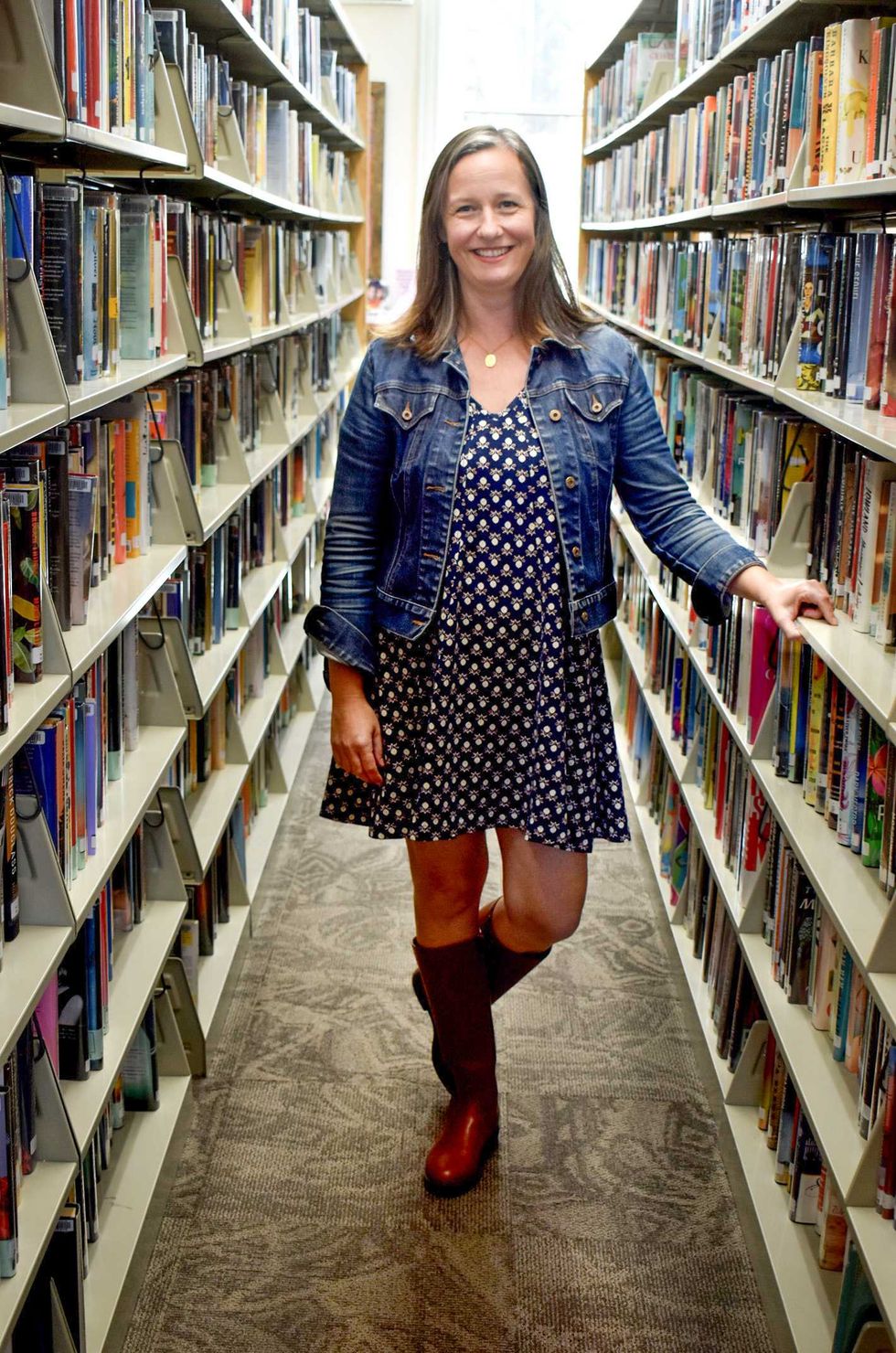
Meg Sher finds her calling among the stacks

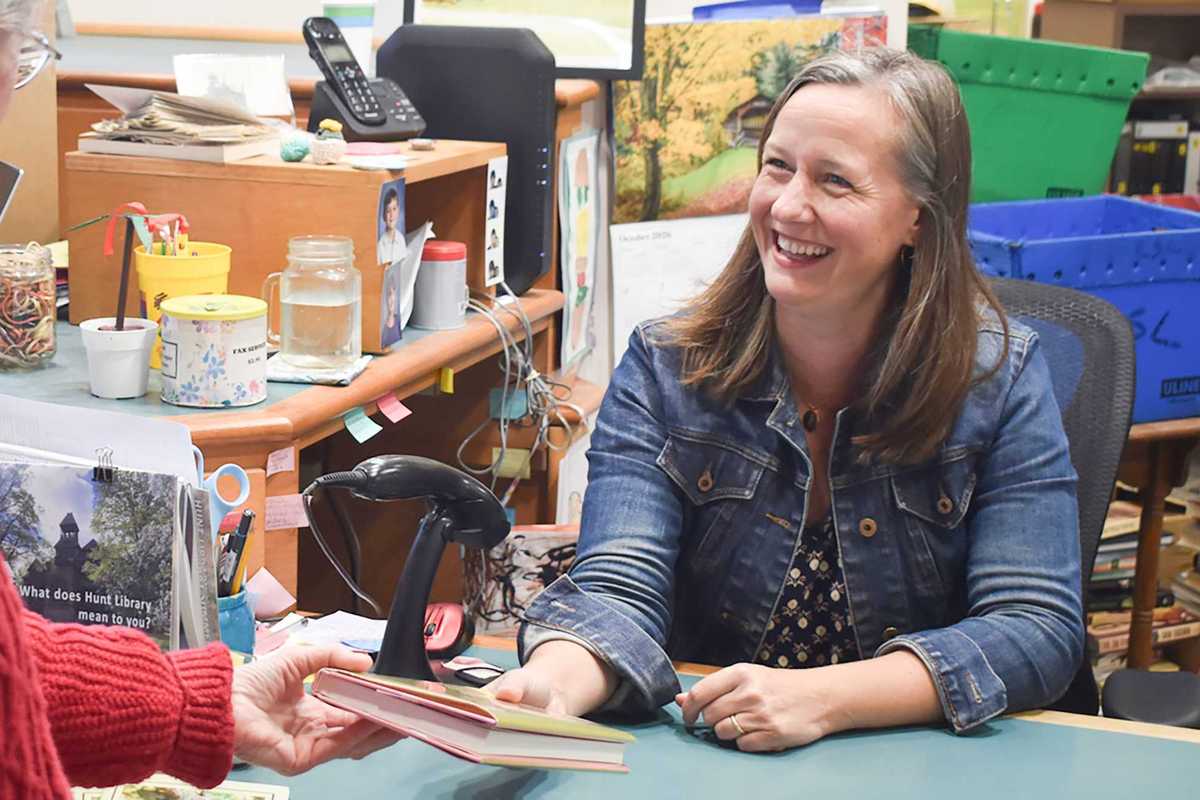
Meg Sher, executive director of the David M. Hunt Library in Falls Village.

L. Tomaino

When Meg Sher came to Falls Village in 2006 from Old Lyme, Connecticut, where she grew up, she never imagined she’d someday be the executive director of the David M. Hunt Library.

Although, in hindsight, perhaps it makes sense.

Keep ReadingShow less
Crescendo’s 23rd season speaks to the heart and mind

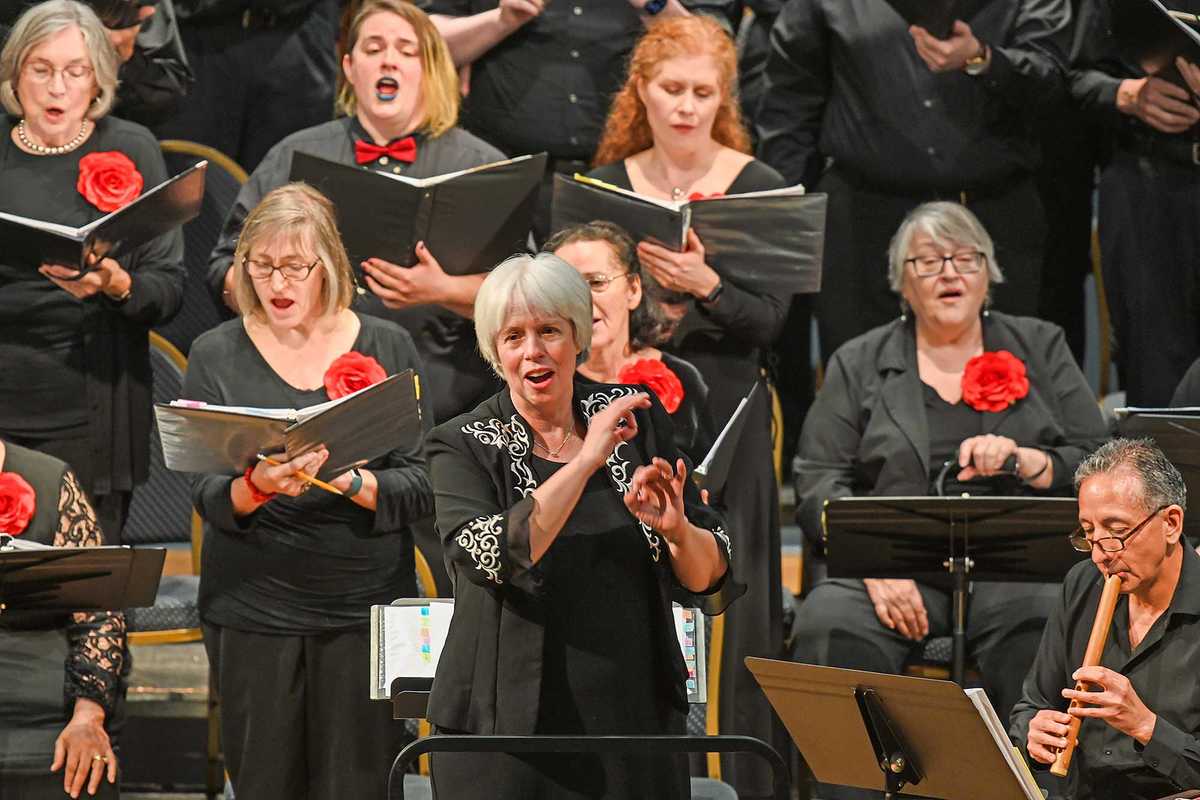
Christine Gevert, founding artistic director of Crescendo, conducts the audience at a performance.

Steve Potter

For Christine Gevert, founding artistic director of Crescendo, music from centuries past is anything but a relic. It is a living, breathing art form, full of drama, emotional complexity and, occasionally, surprises. As the regional choral and period-instrument ensemble launches its 23rd season, Gevert is once again bringing forgotten masterpieces into the present.

“Early Music has been my lifelong passion and the focus of my specialization in Europe and South America,” Gevert said. “Bringing this repertoire to our audiences in a nuanced way that does justice to its incredible depth, intensity, and beauty is deeply important to me.”

Keep ReadingShow less
Close Encounters with Music celebrates 35 years of musical discovery

Close Encounters with Music’s 35th season opens with “Saluting the Clarinet” featuring clarinetist Alexander Fiterstein.

Provided

For 35 years, cellist Yehuda Hanani has been inviting audiences to experience classical music in unexpected ways. As founder and artistic director of Close Encounters with Music, Hanani has built a concert series that goes beyond the music itself, exploring connections to literature, history, politics and the human experience.

This year, Close Encounters celebrates its 35th season with “Celebration & Discovery,” a seven-concert series that opens Sunday, Nov. 1, at the Mahaiwe Performing Arts Center in Great Barrington.

Keep ReadingShow less
google preferred source

Want more of our stories on Google? Click here to make us a Preferred Source.

Shinbone Alley brings spooky songs to Spencertown

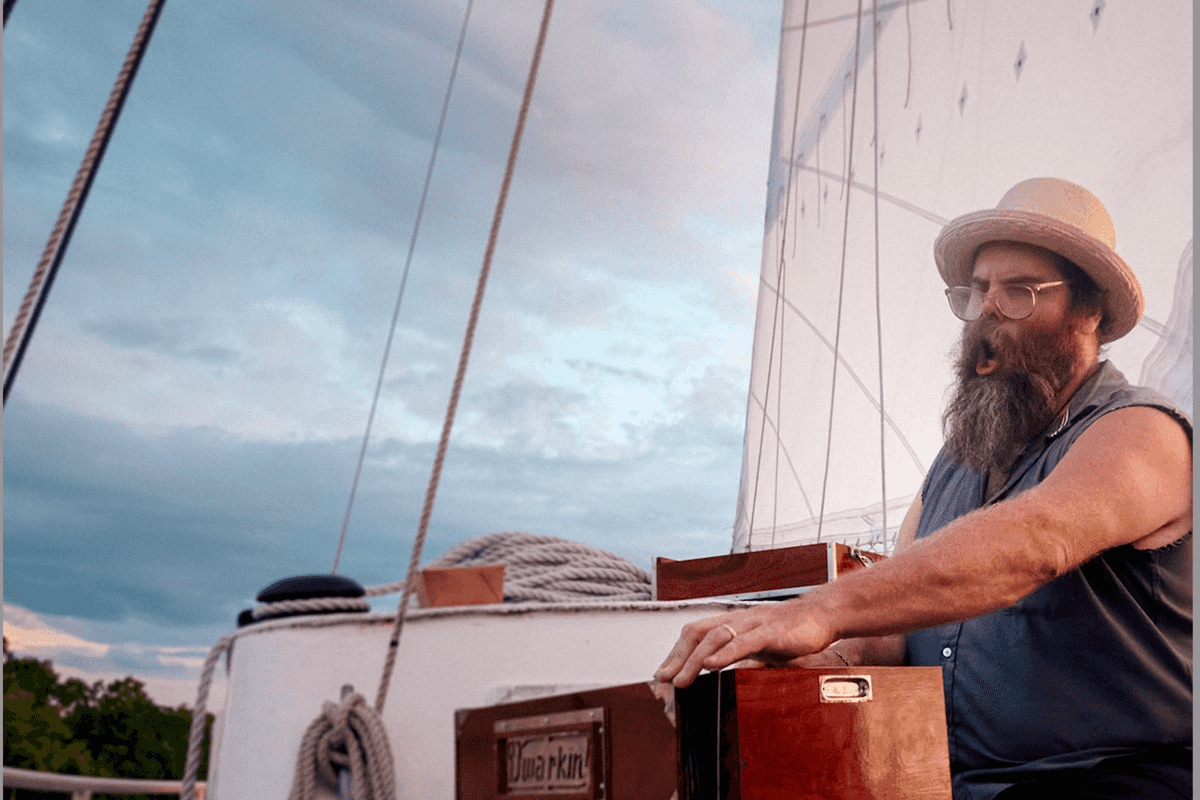
Seeing isn’t always believing. Sometimes it’s the lack of a defined picture that can be the most compelling. And when Alex Harvey of Shinbone Alley sings his supernaturally charged sea shanties and street ballads, the unseen will be downright scary. On Oct. 30, the historically inclined storyteller and performer will create a spooky evening of forbidden tales and yarns through a carefully chosen series of songs at Spencertown Academy of Arts.

The repertoire for the performance is a bit fraught. Over the years, Shinbone Alley has explored the world of folklore through music. Though the group usually features two musicians, Harvey, a multi-instrumentalist and singer, will be performing solo. That is, of course, unless you include the spirits.

Keep ReadingShow less
Malian blues and Moroccan Gnawa meet in Sheffield
Vieux Farka Touré
Proivded

Desert winds rarely blow into the Berkshires, but on Nov. 5, they will carry the Malian blues and Moroccan Gnawa music to Race Brook Lodge.

That evening, Malian guitarist Vieux Farka Touré, often called “the Hendrix of the Sahara,” and Moroccan musician Samir LanGus will play at the lodge’s Event Barn in Sheffield, Massachusetts, at a benefit for the foundation Touré directs.

Keep ReadingShow less

A feast of cookbooks in Wassaic

A feast of cookbooks in Wassaic

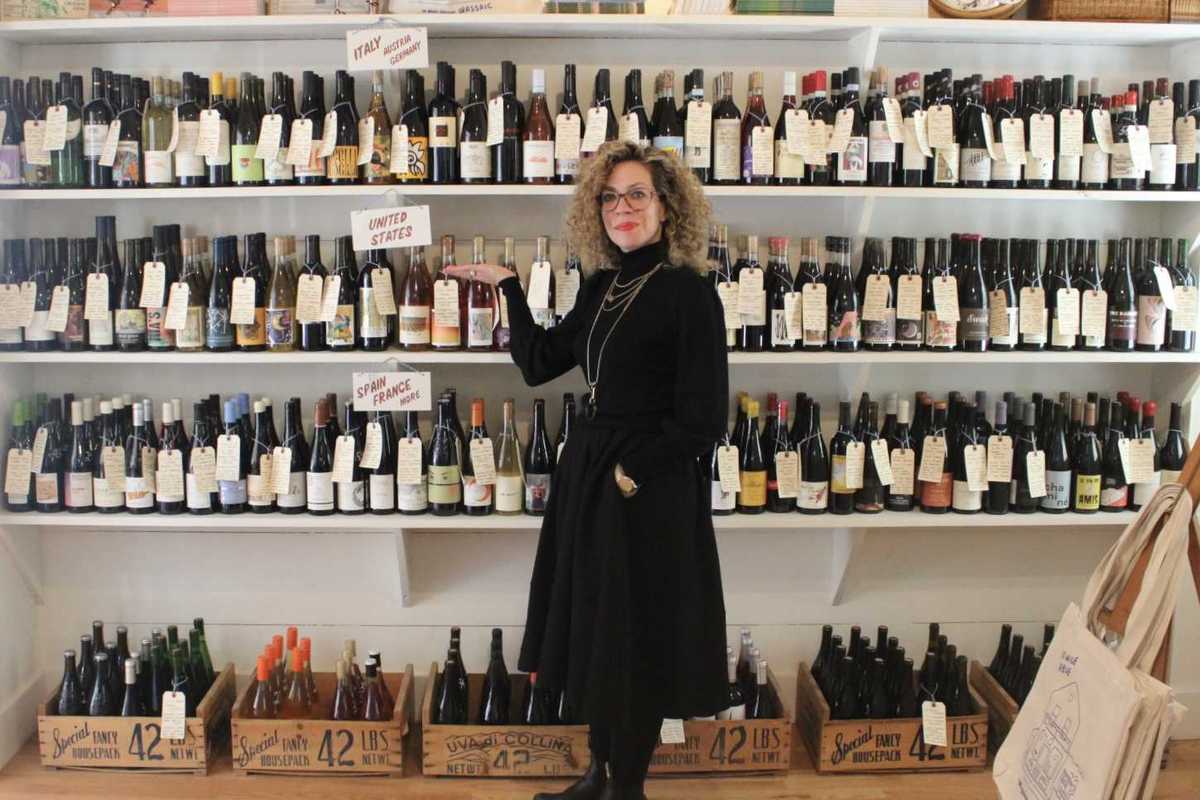
Erika DaSilva at Ten Mile Table.

D.H. Callahan

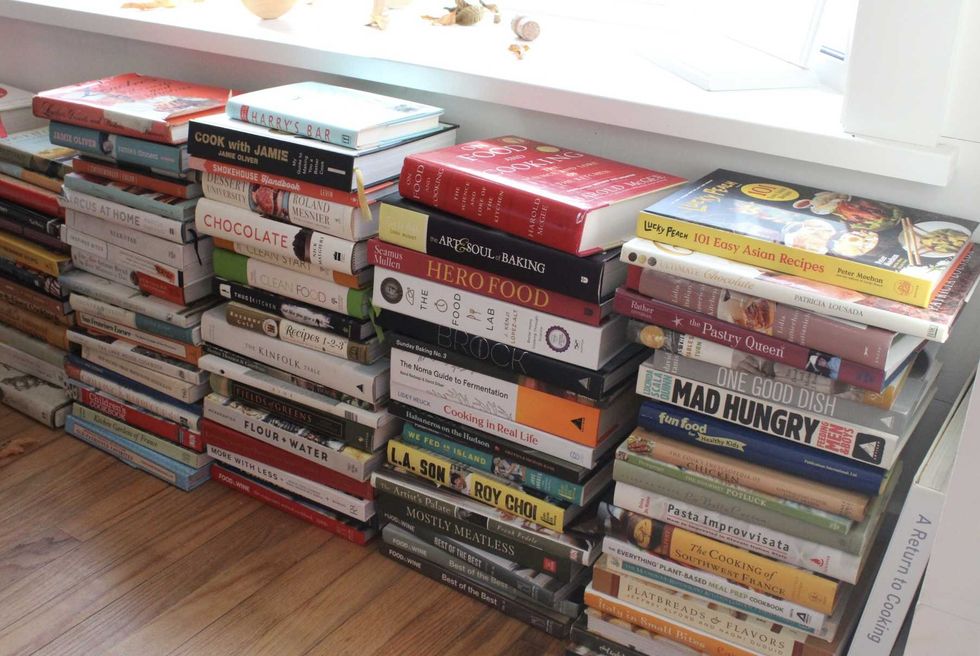
On Nov. 7, Ten Mile Table, the independent wine and spirits shop in the hamlet of Wassaic, will host its first Cookbook Fest and Swap. Erika DaSilva, the shop’s owner, is a big fan of cookbooks. While most people will flip to a recipe that piques their interest, she reads them cover to cover like novels. She’s already published two volumes of her community-based cookbook, “The Corner Table,” featuring recipes and writings from cooks and foodies all hailing from Wassaic and the surrounding towns. For DaSilva, community is half the reason for the event.

Spend any amount of time at Ten Mile Table, located in Wassaic’s old candy shop, and one thing will becomes obvious: Community comes first. DaSilva stops to talk with local residents as they pass by her open door, asking about health updates or letting them know she has something they requested back in stock. It shouldn’t come as a surprise that, as publisher of the hyperlocal newspaper the Hamlet Gazette, DaSilva knows more or less everything about everybody in town. But despite having all that knowledge, she doesn’t treat it like gossip. She holds it with care until the story is ready to be told — or kept forever as a secret.

Keep ReadingShow less
google preferred source

Want more of our stories on Google? Click here to make us a Preferred Source.

google preferred source

Want more of our stories on Google? Click here to make us a Preferred Source.