FALLS VILLAGE – Longtime filmmaker Eric Veden is the brains behind an extensive collection of videos documenting the people, places, and happenings in Falls Village spanning 26 years. The latest video is the 38th installment in a series that began in 2000.
Veden, 82, made Falls Village his home after moving to the area from San Diego in the mid-1980s. His friend, Ted Wolford, offered up his home so the Californian could work on his fiction writing.
“I got a lot written,” he said. “I was working on novels but ended up writing short stories.”
While he did see his name in print with several stories published in magazines, Veden took a series of odd jobs to make ends meet.
These jobs included being a night watchman at Troutbeck in Amenia, New York, where he thought he’d be able to write at night but spent most of his time cleaning.
He was also the recreation director for an Alzheimer's unit in Kent, which he enjoyed. “I had what it took…patience.”
“Then Social Security kicked in and I retired from odd jobs and found video work,” he said.
Veden said making videos is much more fun than being a struggling writer.
“I’d work on something for months and get rejected again and again,” he said, referring to his writing career. “Videography is instantaneous.”
His first-ever video was about his friend, Albert Twing, who lived on Undermountain Road. Veden said Twing was unique in that he had compiled two of everything. Two tractors. Two mowers. The list went on.
“When something broke, he could just take it in his shed and fix it himself.”
The librarian at the David M. Hunt Library was Cookie Kubarek at the time. She saw the video and realized its potential.
“She encouraged me to do more,” he remembered.
When it comes to filmmaking, Veden said he is largely self-taught. He started with a VHS camera and later switched to digital, receiving technical advice and assistance from a friend, John Palinkas, a videographer who lives in Harwinton.
Veden’s videos typically have a theme. Sometimes the subject is an event, such as the Memorial Day parade, or a lecture at the library.
The bulk of the material is extended, one-on-one interviews with residents of Falls Village.
Sometimes the subjects are willing to tell their stories. Sometimes a little persuasion is needed.
Veden said he allows the interviewees to see the final product before it goes public. That puts people at ease, as does his unobtrusive style.
He said he uses the bare minimum of equipment and personnel: a digital video camera with a microphone attached, a tripod, and himself.
His interview technique is simple. He introduces the subject from off-camera, and the subject takes it from there.
“It’s very easy-going,” he said of the interview process. “I just ask people to tell their life story and let them go from birth up to the present day.”
He finds his interview subjects primarily via recommendations from previous subjects or from friends.
Asked if the supply of subjects is starting to run thin after 26 years, he said it is a concern.
“In fact, if anybody has an idea for an interview, call me,” he said.
As an octogenarian, Veden has no plans to retire from filmmaking.
He said he does it for the love of the process and because it keeps him in touch with "interesting people,” who often become friends.
Asked if he makes any money from them, he said flatly “no.”
And after 26 years and 38 episodes, he has come to a conclusion about Falls Village.
“It’s a nice place and the people who live here love it.”
Veden’s Falls Village videos are available on DVD at the D.M. Hunt Library and on YouTube under “Eric Veden Video.”





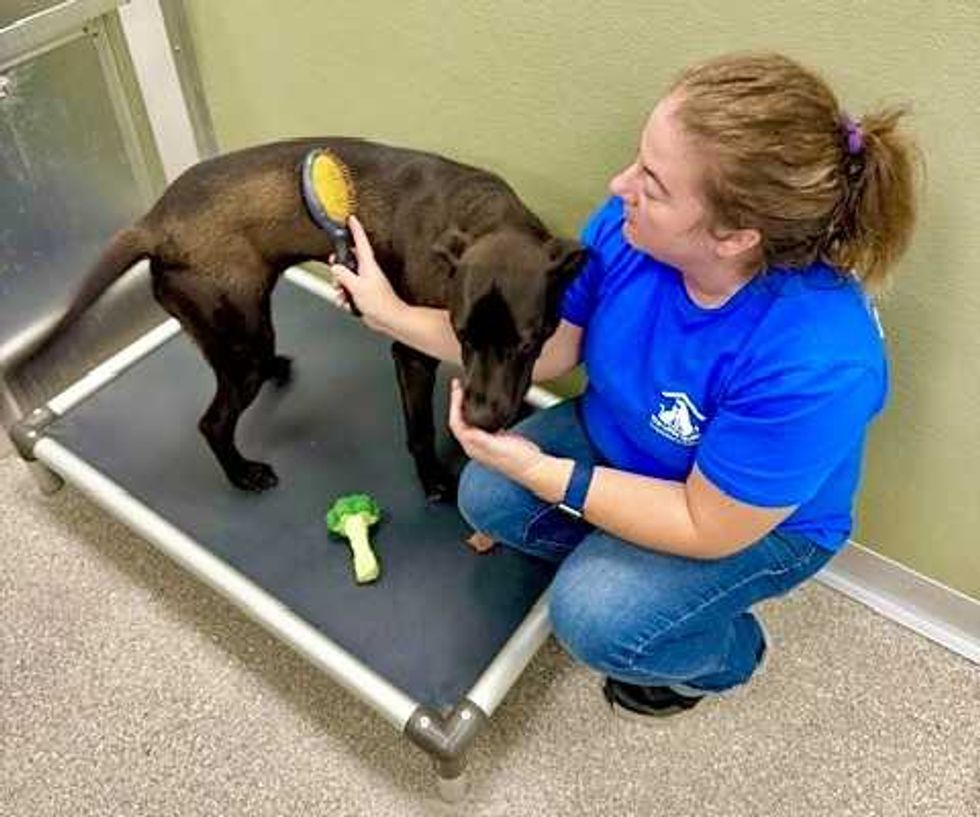 Tiffany Lemelin, shelter manager, brushing Marsala upon arrival.Provided
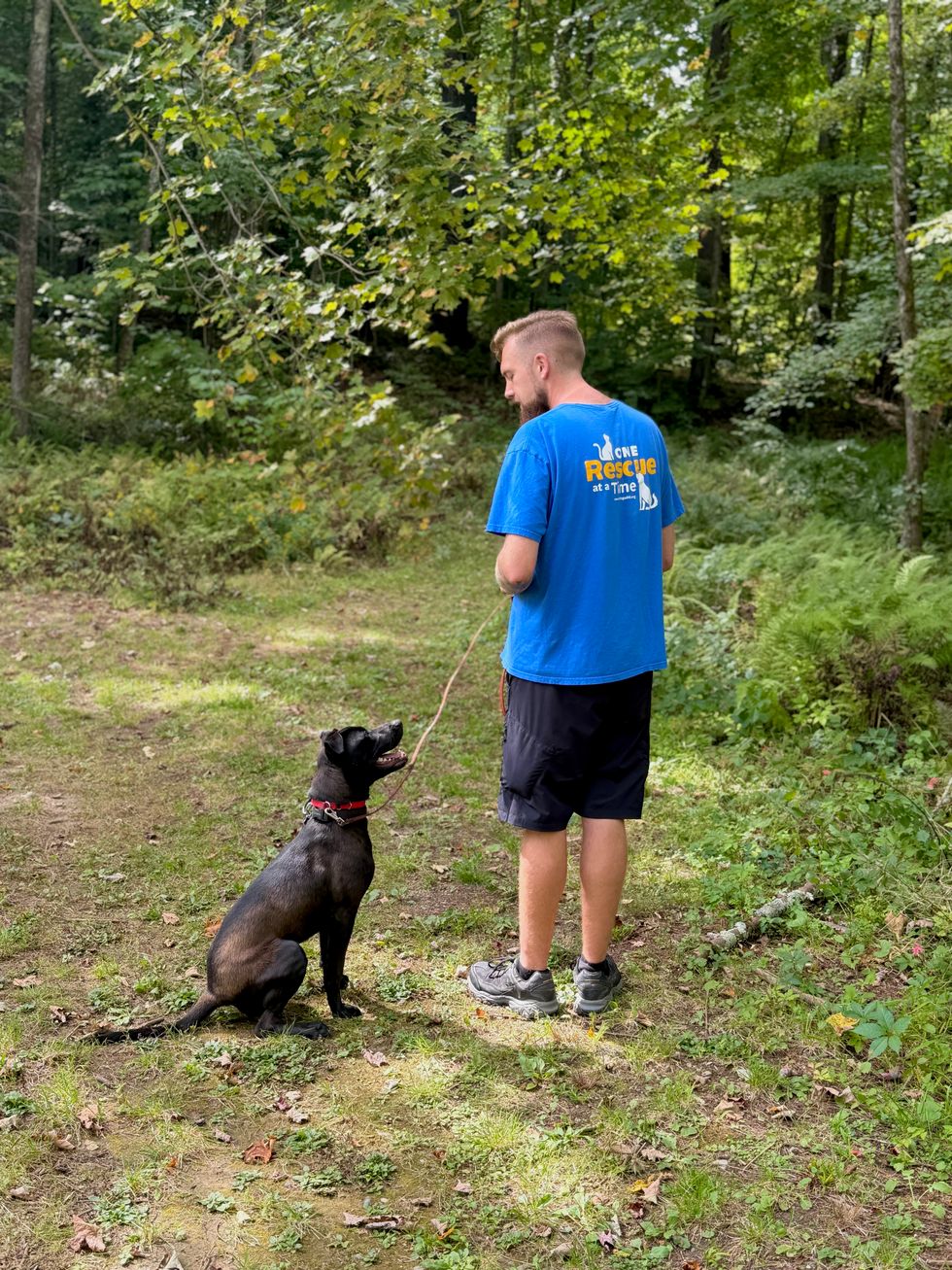 Michael DeBarba, certified dog trainer working with Marsala.Jennifer Almquist
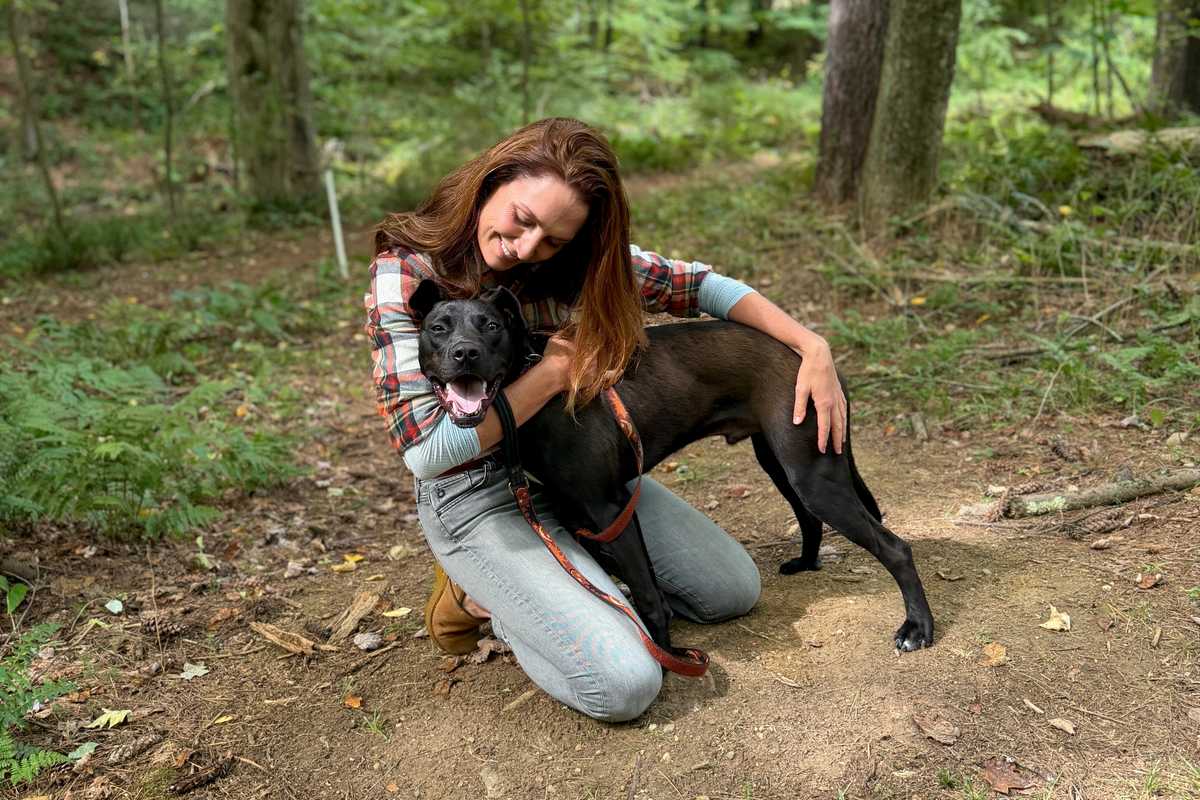 Marsala wins a heart.Jennifer Almquist

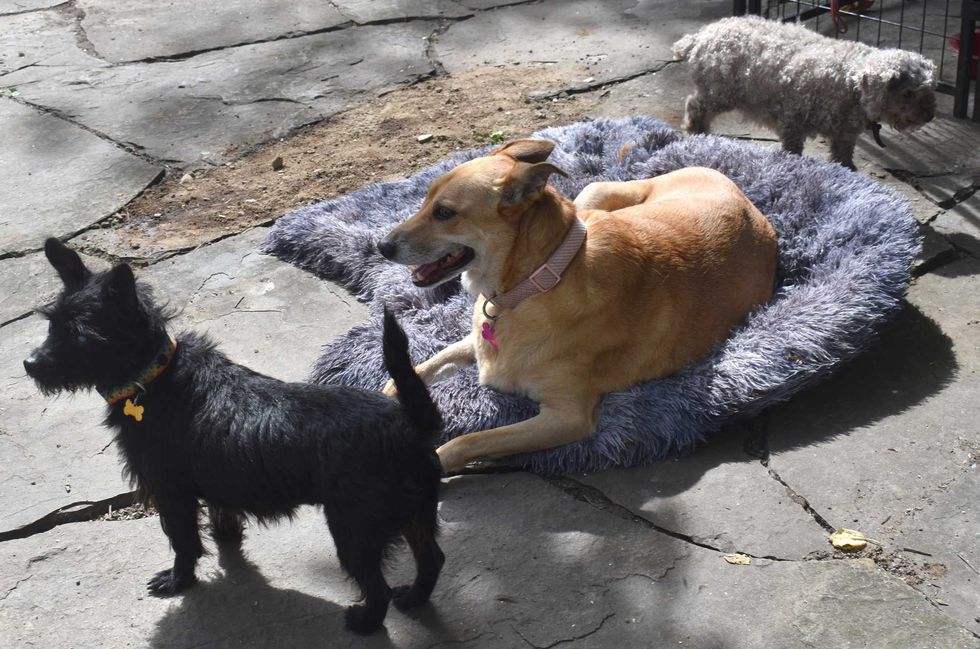 Sadie, center, a Carolina dog, plays with her friend Negra, a terrier mix. Bella Linda, the small poodle, has since been adopted.L. Tomaino
 Wesley, a young, exuberant mix, is looking for an active home.L. Tomaino
 Bonnie and Clyde, an affectionate terrier pair.L. Tomaino
 Provided