Thank you!
Your support is sustaining the future of local news in our communities.

Fighting for safety and liberation

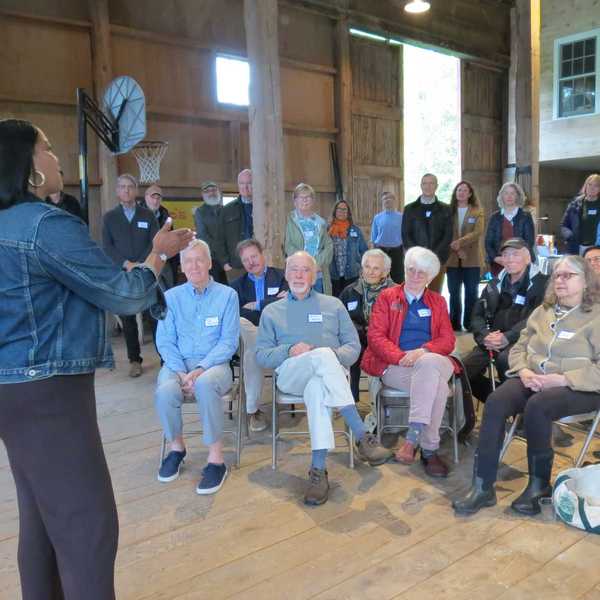
KENT — Kevin Jennings spoke about alternative lifestyles and about the prejudices and abuse inflicted against members of the LGBTQ community. The talk was hosted by and held at the Kent Memorial Library on Saturday, Feb. 23.

 “LGBTQ people were not new to the North American continent,” he explained while discussing life in early Colonial America. “What was new to the North American continent was prejudice against gay people.”

Jennings described the “two-spirit” tradition of many Native American tribes, where a person’s body could be of one sex, but their societal role might not match gender norms for that sex.

“These people were esteemed and revered,” he said. “Warriors would dance before these two-spirit people in hopes that some of their special powers and protection would aid them in battle.” 

Homophobia came along with the Puritans. Of the 15 capital crimes in the Massachusetts Bay Colony for which death was the penalty, nine of those crimes dealt with sex. “They were sex-obsessed and worried about all sort of sex acts,” Jennings said.

 “Number eight on that capital crimes list dealt with homosexuality; it was unlawful for a man to lie with another man,” he said. “In an environment where the Puritans wanted to be a ‘city on a hill’ for the whole world, everyone had to behave.

“At this point in American history, there was no concept of ‘gay’ yet,” Jennings explained. “There were only ‘sinful acts’.”

What we think of today as the gay life style came into being with the industrial revolution. Survival no longer depended on a heterosexual marriage to produce children to help run a farm.

“People could now go out and, say, work in a mill. They would bring home a paycheck and were no longer dependent on a heterosexual marriage. At that point, it was possible for people to actually live in same-sex relationships,” Jennings said. 

For the first time in major cities, definable gay communities emerged. In Boston, independent lesbian women lived together in same-sex relationships known as “Boston Marriages.”

With this new visibility, a new term came into existence: homosexual. With that new term came a conception that being homosexual meant being a different kind of person. Homosexuality was considered abnormal, a mental illness, he said. 

“This is where the two laws of homosexuality come in: the more visible we are, the more we are labeled and attacked,” Jennings said. “And the more we are attacked, the more we fight back.”

Joining hands 

The first gay rights group, Society for Human Rights, was formed in Chicago in 1924 by a man named Henry Gerber. The group’s mission statement described prejudice and the denial of the right to pursue happiness as outlined in the Declaration of Independence as the problem, not being gay itself.

 “During a time when being gay was still considered a medical abnormality, defining the problem as that of prejudice and denial of rights, and not as actually being gay, was radical for the day,” Jennings said.

“World War II marked an explosion for the gay community,” Jennings said. “For the first time, men and women from mostly rural communities were together in a sex-segregated military. They discovered, ‘Hey, I’m not alone’.”

After the war, gay communities burgeoned in San Fransisco, Boston and other major American cities. For the first time, one could be disqualified for employment based on sexual orientation. Men feared losing their jobs, women feared that their children could be taken away.

“In 1969, we had the Stonewall Riots,” Jennings said. “This was not the beginning of the gay rights movement, but rather a turning point.” 

Police would routinely raid gay bars. One night in June of that year, patrons of the Stonewall bar in New York City had had enough and fought to expel the police from the bar. 

“We were becoming more visible, and we fought back,” Jennings said.

Attack of disease

The 1980s and early 1990s saw the AIDS epidemic. 

“Now, thanks to anti-viral drugs, a diagnosis of HIV is no longer a death sentence, but a manageable chronic disease,” Jennings said. “But thousands of LGBTQ people died from HIV/AIDS before we got to this current point.”

Changing laws, minds

“The gay rights movement has made tremendous progress over the years,” Jennings said. “But the fight for equality is far from over.”

In 1982, Wisconsin was the first state to ban discrimination based on sexual orientation. It wasn’t until 2004 that the last sodomy laws in 17 states were repealed. Massachusetts became the first state to legalize same-sex marriage in 2003. In 2015 the Supreme Court ruled that marriage equality was the law of the land, legalizing same-sex marriage nationwide. Same-sex couples are now legally guaranteed the same benefits and rights as heterosexual couples. 

“However, it is still legal for employers to discriminate based on sexual orientation or identity in 28 states,” Jennings explained. “In some parts of this country, you can get married on Sunday and be fired on Monday.”

 Worldwide, homosexuality is still a crime punishable by imprisonment in 72 countries. “LGBTQ students in Connecticut are four times more likely to commit suicide than their cisgender counterparts,” Jennings added, using the word that has come to mean “straight” or “traditional.”

When asked by an audience member what his advice was for the current and future generations of LGBTQ people, Jennings responded. “While working for the U.S. Department of Education under the Obama administration, I once heard the president say, ‘We are the ones we’ve been waiting for.’ Don’t wait for someone else to come and liberate you, liberate yourself.”

Latest News

Sam Lardner returns to the Northwest Corner for Vecinos Seguros 2 benefit

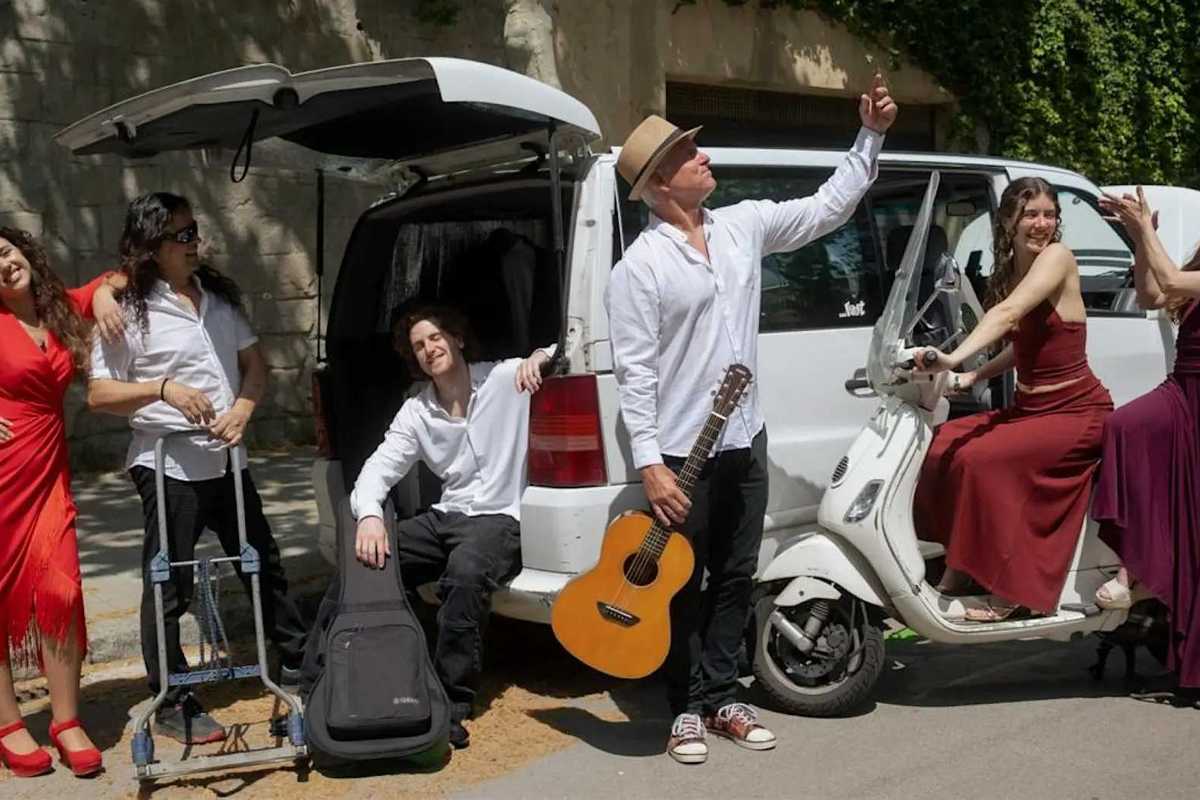
Sam Lardner and Barcelona will play a benefit for Vecinos Seguros 2 at Salisbury Congregational Church on Friday, July 24.

Virgo Martinez

On Friday, July 24, musician and educator Sam Lardner and his band, Barcelona, will take the stage at Salisbury Congregational Church for a benefit concert supporting Vecinos Seguros 2, an all-volunteer organization that provides emergency assistance and rapid-response support to immigrant families in Northwest Connecticut affected by U.S. Immigration and Customs Enforcement activity.

Lardner, who attended and later taught at The Hotchkiss School in Lakeville before moving to Spain in 1997, still considers the Northwest Corner his home in the United States. “It’s such a special place,” he said.

Keep ReadingShow less
Karina Powers and the power of tradition

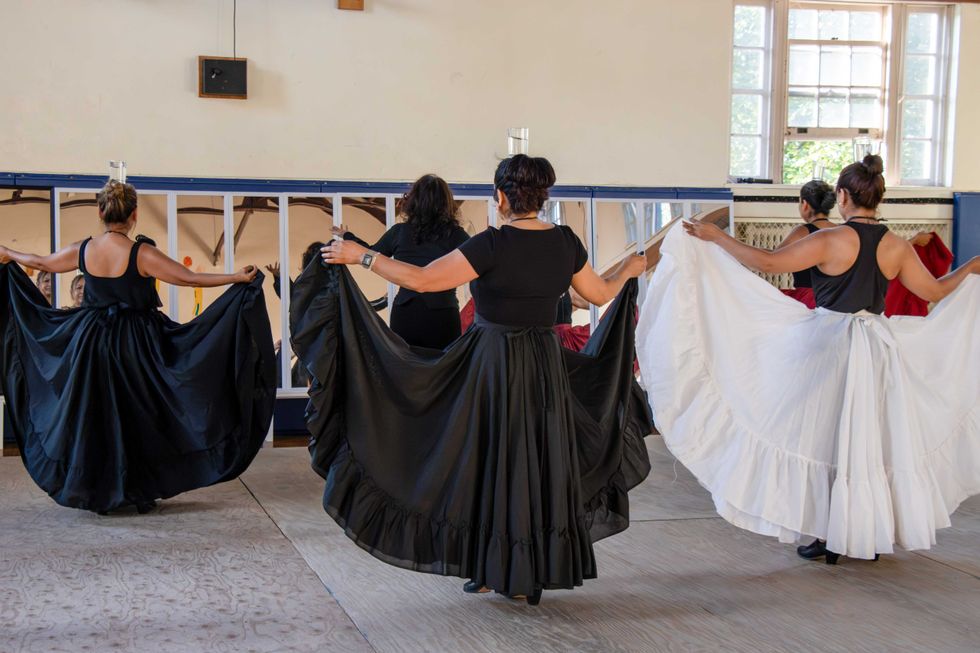
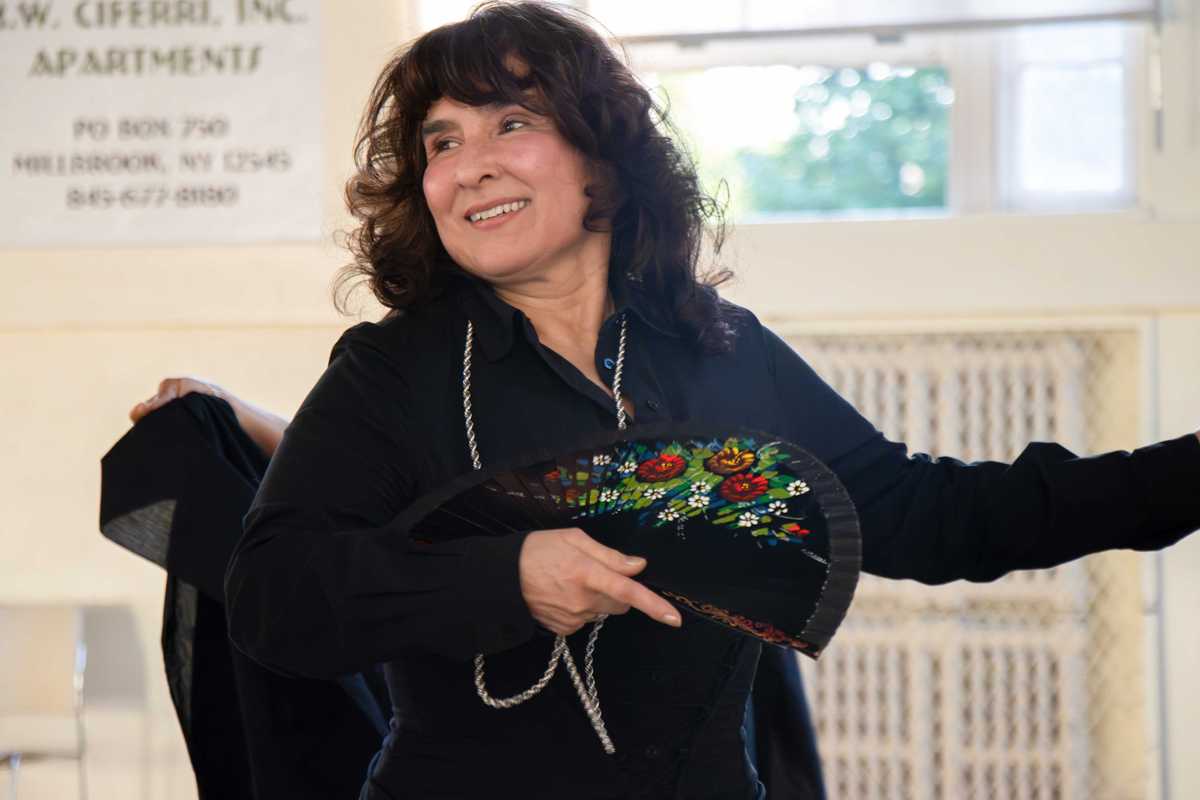
Karina Powers teaches traditional dances from Mexico in Millbrook.

Lucia Iandolo
This is an art and the arts unite nations.
—Karina Powers

Karina Powers began dancing at 4 years old. A professional dancer, singer, performer and Mexican folklore dance professor from Baja California, Mexico, she is the youngest of three sisters who were all involved in the arts. Powers now teaches traditional Mexican dances to adults through her company, Compañía De Danza Folklórica Regional Mexicana, in Millbrook. She said she has a strong passion for the history and art that exist within the dances she teaches, and she hopes to instill that passion in her students.

“Many of them have never danced this type of dance,” said Powers. “They’re from Mexico, but they came to the United States at a young age to work. They have that dream to learn, and now they have this opportunity.”

Keep ReadingShow less
Across generations at Litchfield Jazz Festival

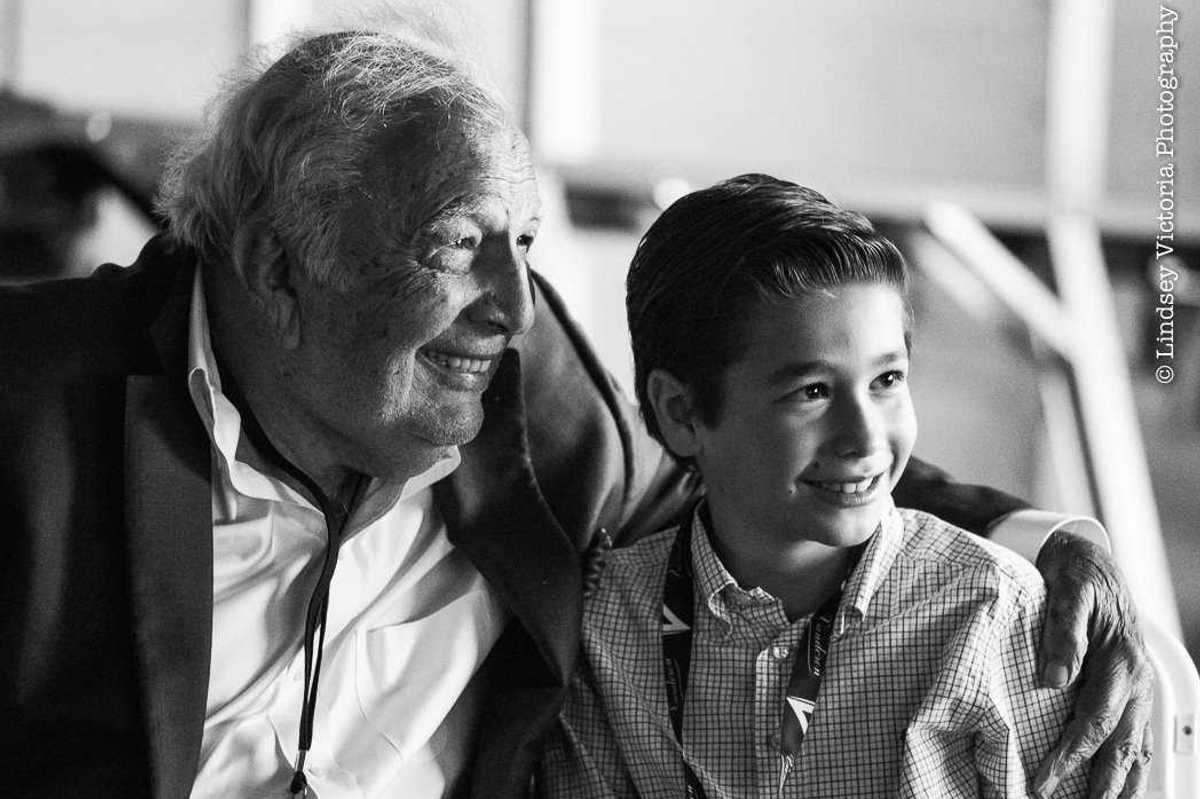
Bucky Pizzarelli and Brandon Goldberg at the Litchfield Jazz Festival in 2017.

Lindsey Victoria Photography

The Litchfield Jazz Festival opens its 2026 season on Friday, July 24, at the Frederick Gunn School in Washington, Connecticut. The evening will feature a gala and a concert led by saxophonist Don Braden featuring the Litchfield Jazz Fest Dectet.

The festival began in 1996 and has been going strong ever since. The list of past performers reads like a who’s who of modern jazz greats, including Christian McBride, Soulive, Joshua Redman, Dave Douglas, Brad Mehldau and John Scofield, all of whom helped revive the genre for a new generation of fans at the turn of the millennium. Vocalists like Diana Krall, Dionne Warwick and Dr. John have made appearances as well. And, of course, the festival has been graced by established masters like saxophonists Sonny Rollins and Wayne Shorter; guitarist Bucky Pizzarelli; bassist Rufus Reid; drummers Roy Haynes and Tito Puente; the Preservation Hall Jazz Band; and pianists Dave Brubeck and local legend Ahmad Jamal.

Keep ReadingShow less
google preferred source

Want more of our stories on Google? Click here to make us a Preferred Source.
No grumbling here: Children’s theater camp returns

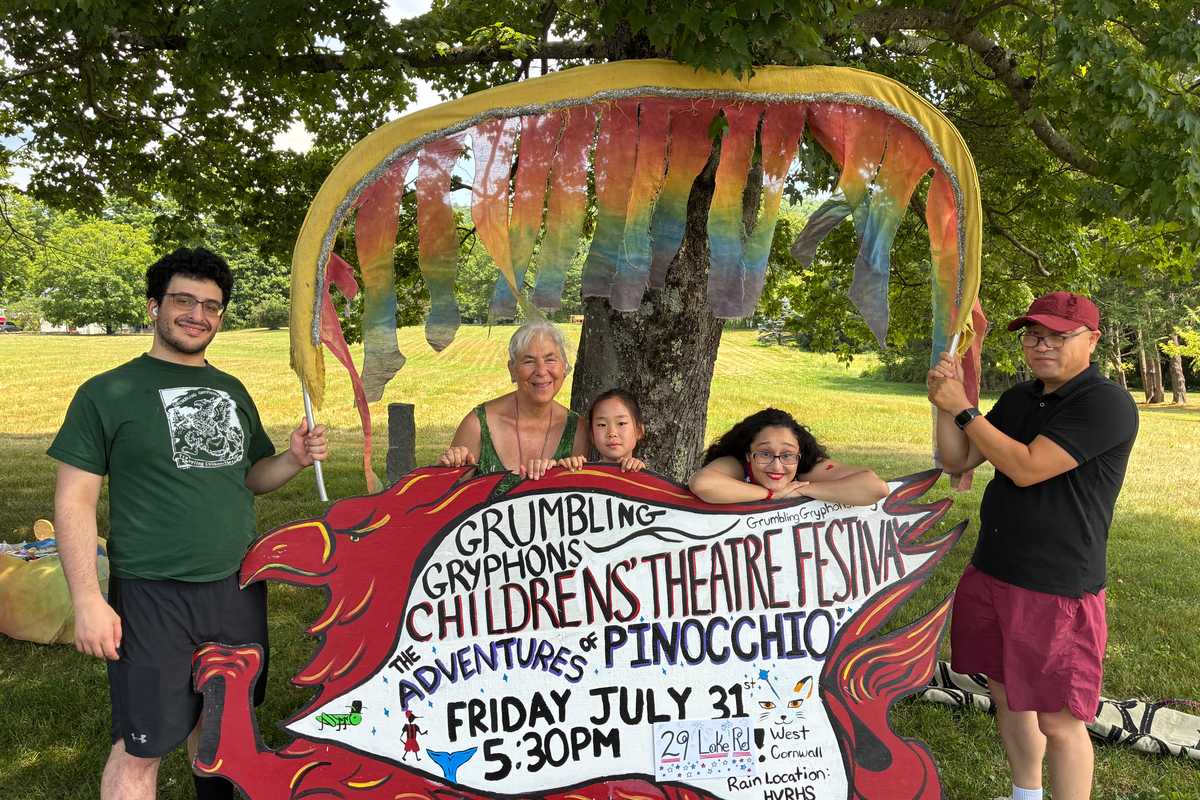
Danny Saed, assistant director of “Pinocchio”; his mother and co-founder of Grumbling Gryphons Leslie Elias; theater arts camper Joyce Sun; artist and counselor Natalie Resto; and Steven Sun, Joyce Sun’s father.

Jack Sheedy

Leslie Elias wants you to understand something about the group she calls Grumbling Gryphons Traveling Children’s Theater: “I like to say that we try not to grumble.”

For 46 years, she has used the nonprofit to educate and entertain children in the performing arts. Summer after summer, young campers learn about acting, singing, mask-making, costume-making and scenery painting. This year, as in years past, a five-day theater arts camp will culminate in a live performance of one of Elias’ original plays, guaranteed, she hopes, to quell all grumbling.

Keep ReadingShow less

Sea bass and shrimp gumbo

Sea bass and shrimp gumbo

Sea bass and shrimp gumbo

Bobby Graham

Each month, Dugazon owners Bobby Graham and Matthew Marden share a recipe inspired by the traditions, stories and sense of welcome at the heart of their shop in Sharon, Connecticut. Visit Dugazon at 19 W. Main St. Wednesday-Sunday, 11 a.m. to 5 p.m. and online at dugazonshop.com.

This month we’re sharing one of our favorite comfort foods: sea bass and shrimp gumbo. While gumbo has a reputation for being a labor of love, this version skips the traditional roux, making it surprisingly approachable. The ingredient list may seem long, but once everything is prepped, it comes together quickly, rewarding you with a rich, flavorful bowl that’s perfect any time of year. Many of the pantry staples you’ll need for this recipe can be found right here at Dugazon.

Keep ReadingShow less
Sweet Petunia: a benefit to support Random Harvest

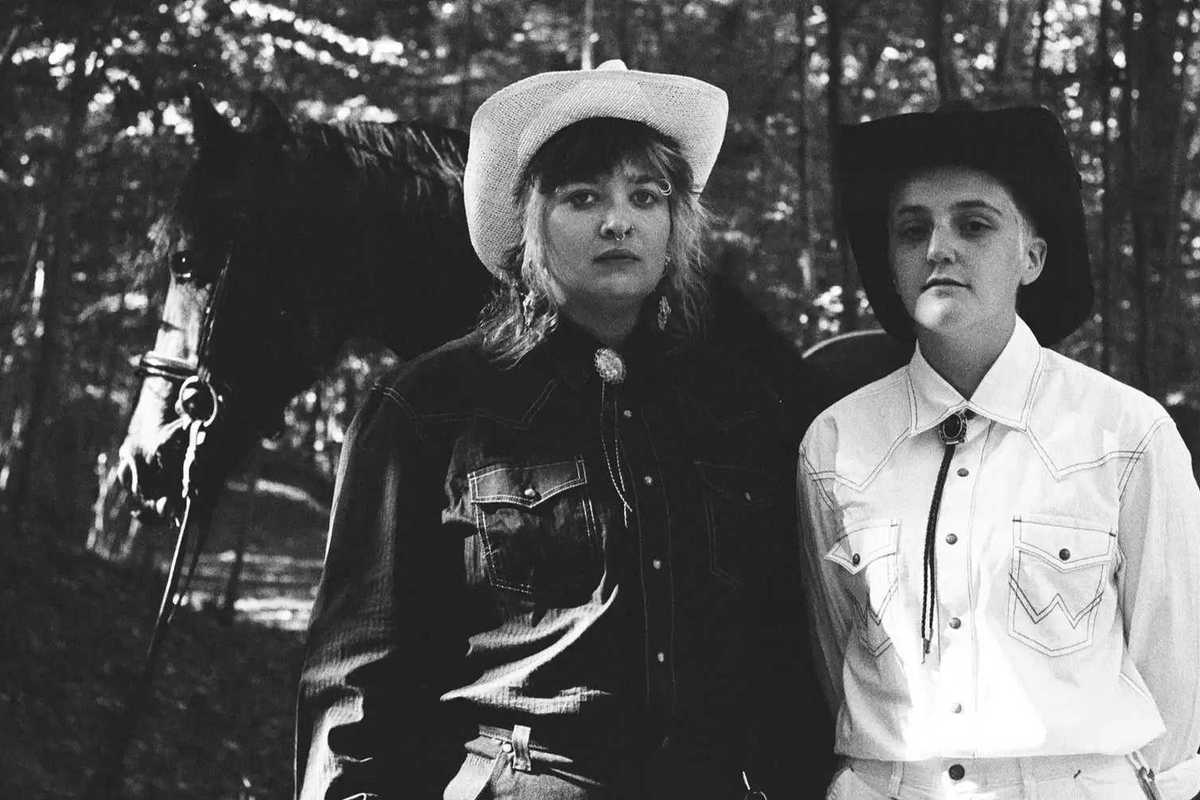
Alt folk duo Sweet Petunia to perform a benefit at Random Harvest on Saturday, July 25.

Provided

On Saturday, July 25, Americana/Alt Folk duo Sweet Petunia will perform at Random Harvest in Craryville, a worker-owned market, café and community space that supports farmers and brings people together through locally sourced food. The concert comes just months after the fatal two-vehicle crash at the intersection of Route 23 and County Route 7 that devastated the hamlet, disrupted local businesses and left a lasting emotional impact on the community.

After the crash, Random Harvest remained open and committed to connecting people through food and community. Simpson said the duo looks forward to contributing to a healing experience through their music.

Keep ReadingShow less
google preferred source

Want more of our stories on Google? Click here to make us a Preferred Source.

google preferred source

Want more of our stories on Google? Click here to make us a Preferred Source.