HARLEM VALLEY — The Foundation for Community Health has decided to fund a transportation study for rural areas in northeast Dutchess County. The goal is to find a more effective (and less expensive) way to assist area residents who have places to go but not the means to get there.
Gertrude O’Sullivan, the director of communications and special programs with the Foundation for Community Health (FCH), based out of Sharon, Conn., said Nelson/Nygaard Consulting Associates has been chosen following a thorough search for professional help.
“We hunted quite a while,� she said. “We found a firm that has experience with rural area transportation studies, and [FCH Executive Director Nancy Heaton and I] felt they inspired confidence.�
The foundation first went public with its search for area transportation after an announcement by Dutchess County early last year that it would be eliminating several routes of its LOOP bus system, including those traveling through Millerton and Pine Plains. Since then, a transportation task force was assembled with members of the foundation, the North East Community Center, representatives from local municipalities as well as outreach and community groups with a goal to work toward reestablishing some form of transportation for those who found themselves suddenly stranded.
The task force is looking for specific information, O’Sullivan explained, including existing conditions of transportation and local need and travel market demand and service, all of which will give the group a better idea of the transportation needed in this area, including priorities and preferences.
There is hope that the study could be utilized by the Poughkeepsie Dutchess County Transportation Council (PDCTC), as it prepares to unveil a newly proposed service plan for eastern Dutchess County. Details on the plan are not yet available, and neither is a date for when services would be implemented.
O’Sullivan said she has alerted several of the PDCTC’s administrators of the task force’s plans and intentions, and while there is no guarantee the study’s data will be incorporated into the county’s plans, the county will certainly review the information.
“This is to help the county to make its proposed service plan as efficient and usable as possible,� she said. “But it’s also to have scientific data available so we can leave ourselves open to other alternatives.�
Those alternatives could include transportation services offered through the North East Community Center, for example, or private transportation businesses that might see an untapped market in the area. Those possibilities are still in the future, however, and O’Sullivan said the task force’s options will present themselves more clearly as the transportation study nears completion.
That could be a reality in as little as four months, even with the amount of work the task force is hoping to accomplish. With the large area a transportation service would cover compared to the number of residents who might utilize the service, a rural solution to public transportation is often a challenging problem with unique solutions.
“We want to conduct interviews, specifically with groups and individuals who have a stake in transportation services,� O’Sullivan said. “But [we also need to have] focus groups and interviews with customers. We have to talk to the people who need this service.�
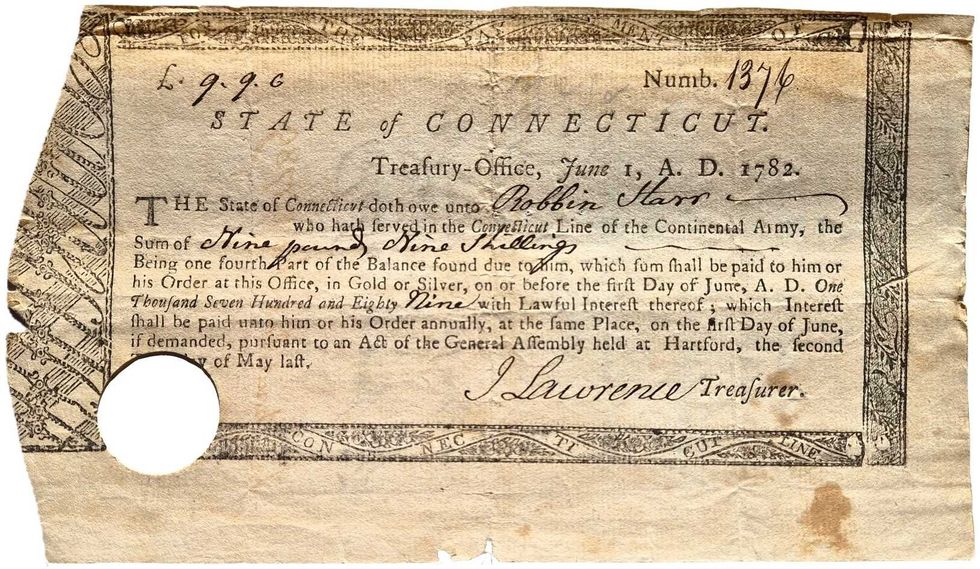 Pay Bill for Robin Starr’s service in the Continental Army.Courtesy the Alex Breanne Corporation
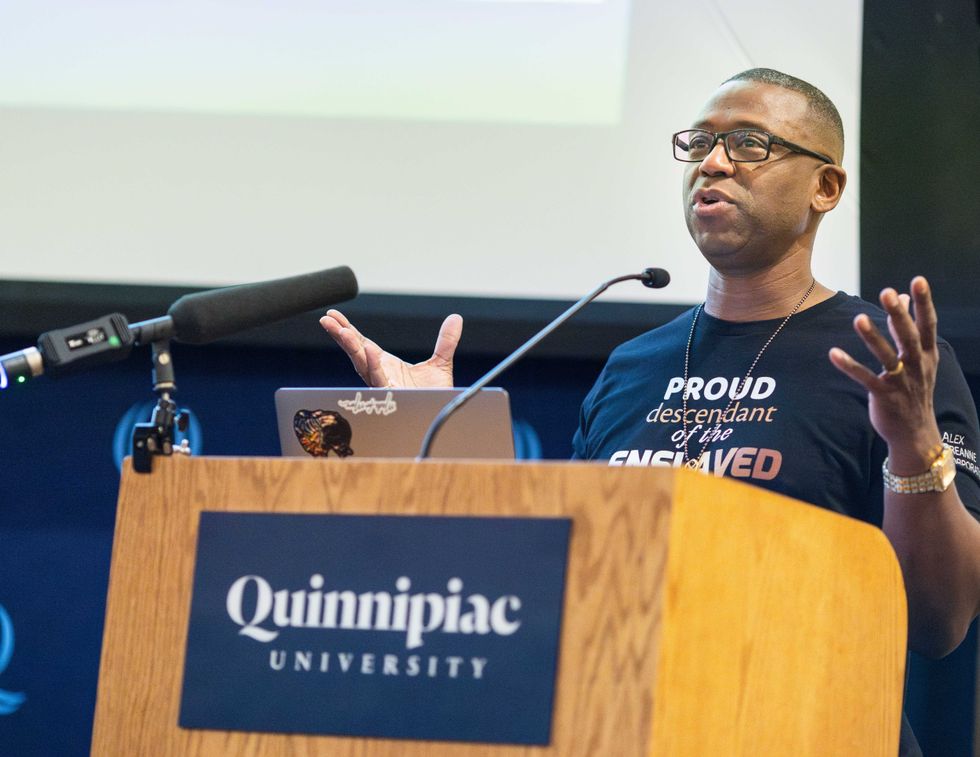 John Mills speaking at Quinnipiac University.Courtesy the Alex Breanne Corporation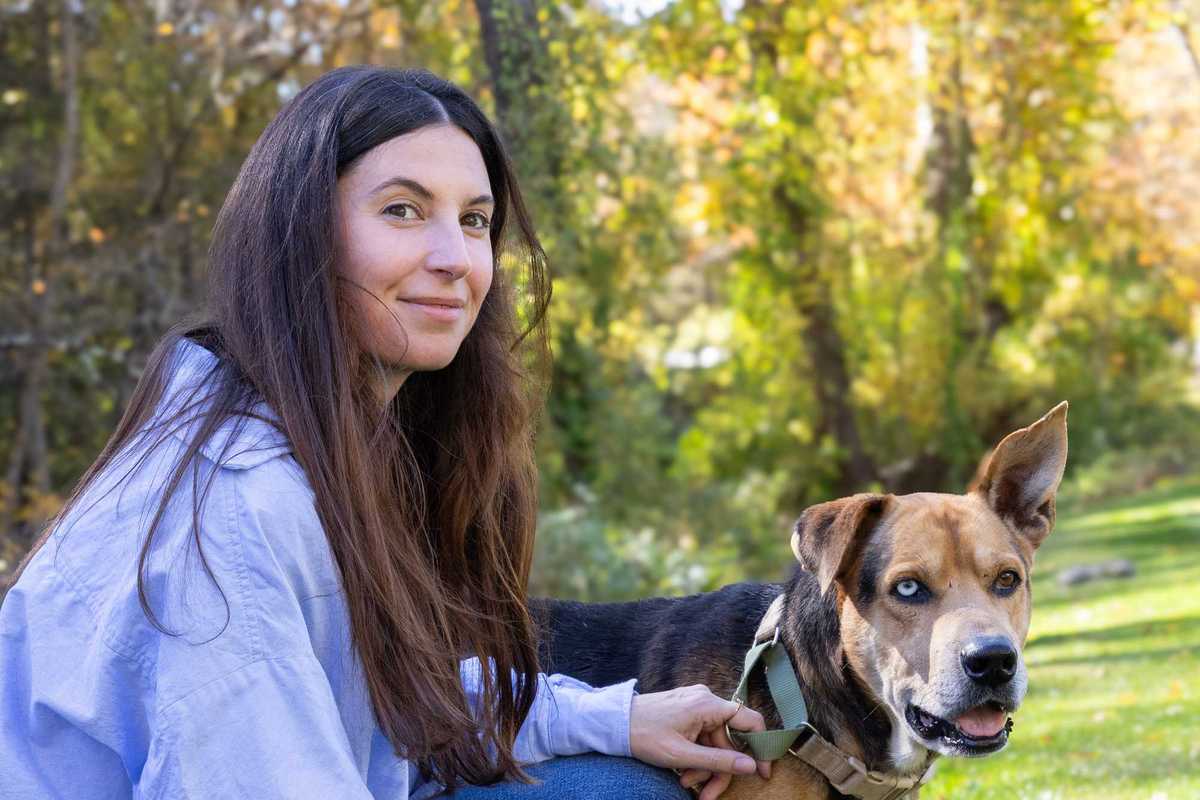
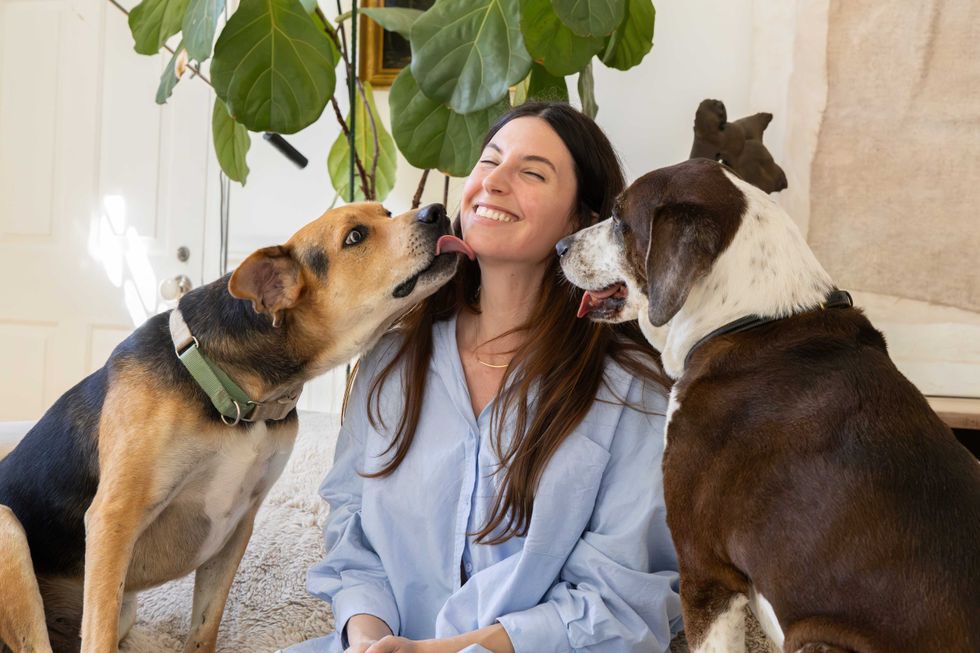 Stephanie Saetta,with her rescue dog George and Blue (left), a shepherd mix awaiting his forever home.Madi Long
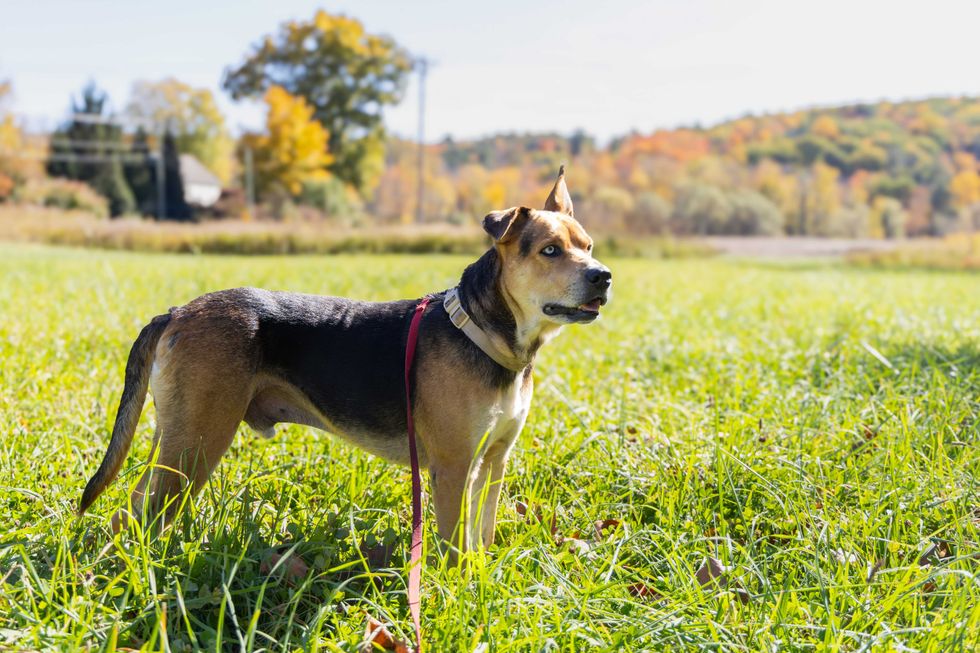 Blue, a 7 year-old Shepard mix, is waiting for his forever home. Madi Long