KENT — For author and artist Eric Sloane, fireworks on the Fourth of July were reminders of noise and war, while bells were a symbol of peace and independence. So it is only fitting that at that time each year, the bell peals throughout the day at the Eric Sloane Museum.
On Saturday, July 5, the tradition of allowing guests to ring the bell atop the museum building continued. Curator and site manager Andrew Rowand, while showing the exhibit relating to Sloane and bells, explained Sloane had a fascination with early America and the fact that bells rang out in the city of Philadelphia when the Declaration of Independence was signed on July 4, 1776.
So enthralled with the idea of bells, Sloane and Eric Hatch, who was the head of the Connecticut Historical Commission, called themselves the “committee of two Erics,” and campaigned to have bells around the nation ring at 2 p.m. or close to it each Fourth of July.
Their persistence led to a congressional resolution signed in June 1963, proclaiming that since the Liberty Bell had tolled on that momentous day to mark the birth of the country as free and independent, that anniversary should be appropriately observed each year by the ringing of bells. When President John F. Kennedy established National Bell Ringing Day, he said, “Let’s ring freedom bells.”
The idea was met with much appreciation and Sloane received many awards for the campaign. “It’s interesting to see how much impact he had on educating about colonial America,” said Rowand. The pair also wrote a book titled “A Celebration of Bells.”
Among the supporters was Connecticut Gov. John Dempsey. A bell given to him by Sloane and Hatch came back to the museum when the Dempseys’ daughter donated it last year. It is engraved “Let Freedom Ring” and contains the governor’s name, year and states “From the two Erics.”
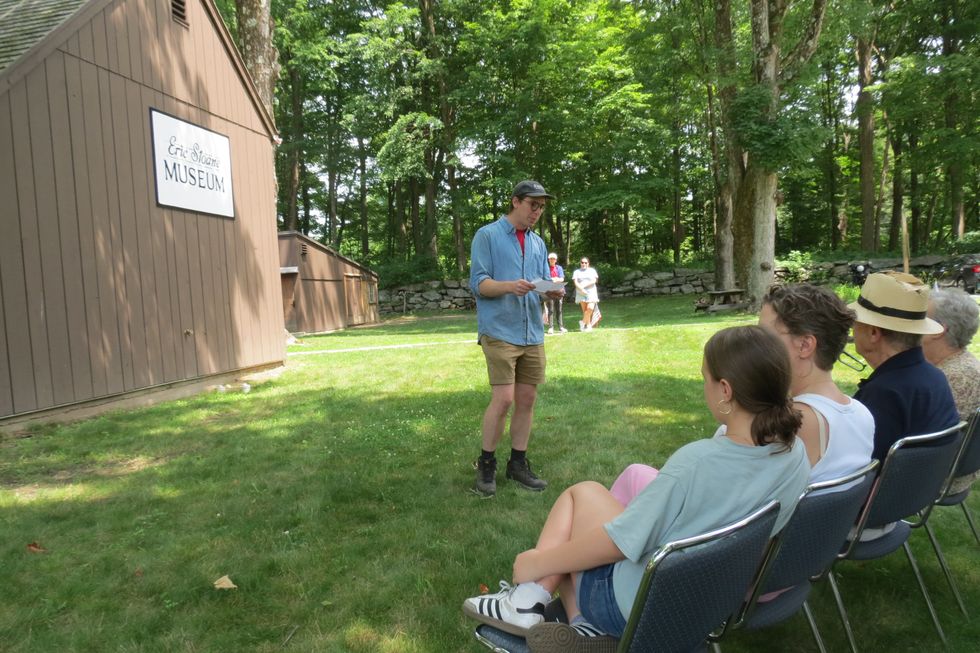 Andrew Rowand, curator and site manager at Eric Sloane Museum in Kent, greets the guests whom came for the bell ringing on Saturday.Ruth Epstein
At 2 p.m. Saturday, Rowand welcomed the several guests who came out for the event, which he said always brings out people. He began by reading the Preamble to the Declaration of Independence. Then he invited people to keep ringing the bell for at least two minutes.
Nancy and Jonathan Kapstein of Woodbury came, saying it was the second time they’d attended. “I find it charming,” she said, while he said, “History brings us here.” They were pleased that their daughter and her family from New York City were on their way. When they arrived, their son-in-law Richard Crawford said their interest in American history is what attracted them to the event. His daughter Dulcie, 12, said, “It’s part of our history; it’s important.
Theresa Porter of New Britain was drawn to the site because she grew up reading Sloane’s books, merging them with the “Little House on the Prairie” series. She was looking forward to walking the museum’s grounds.


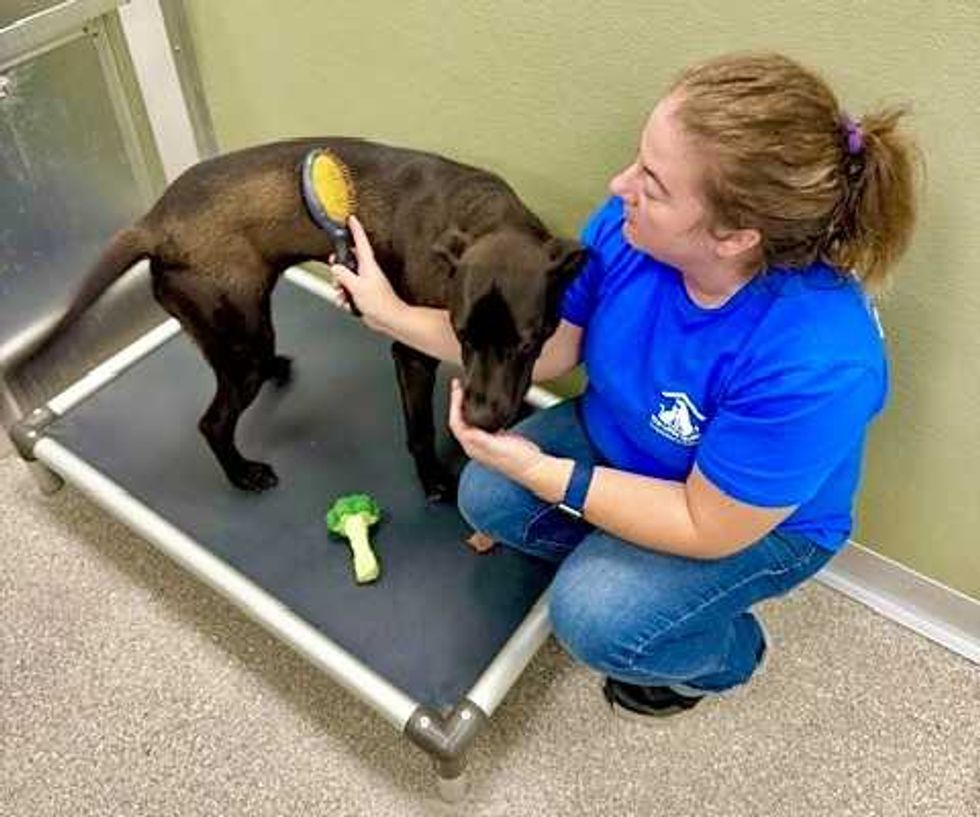 Tiffany Lemelin, shelter manager, brushing Marsala upon arrival.Provided
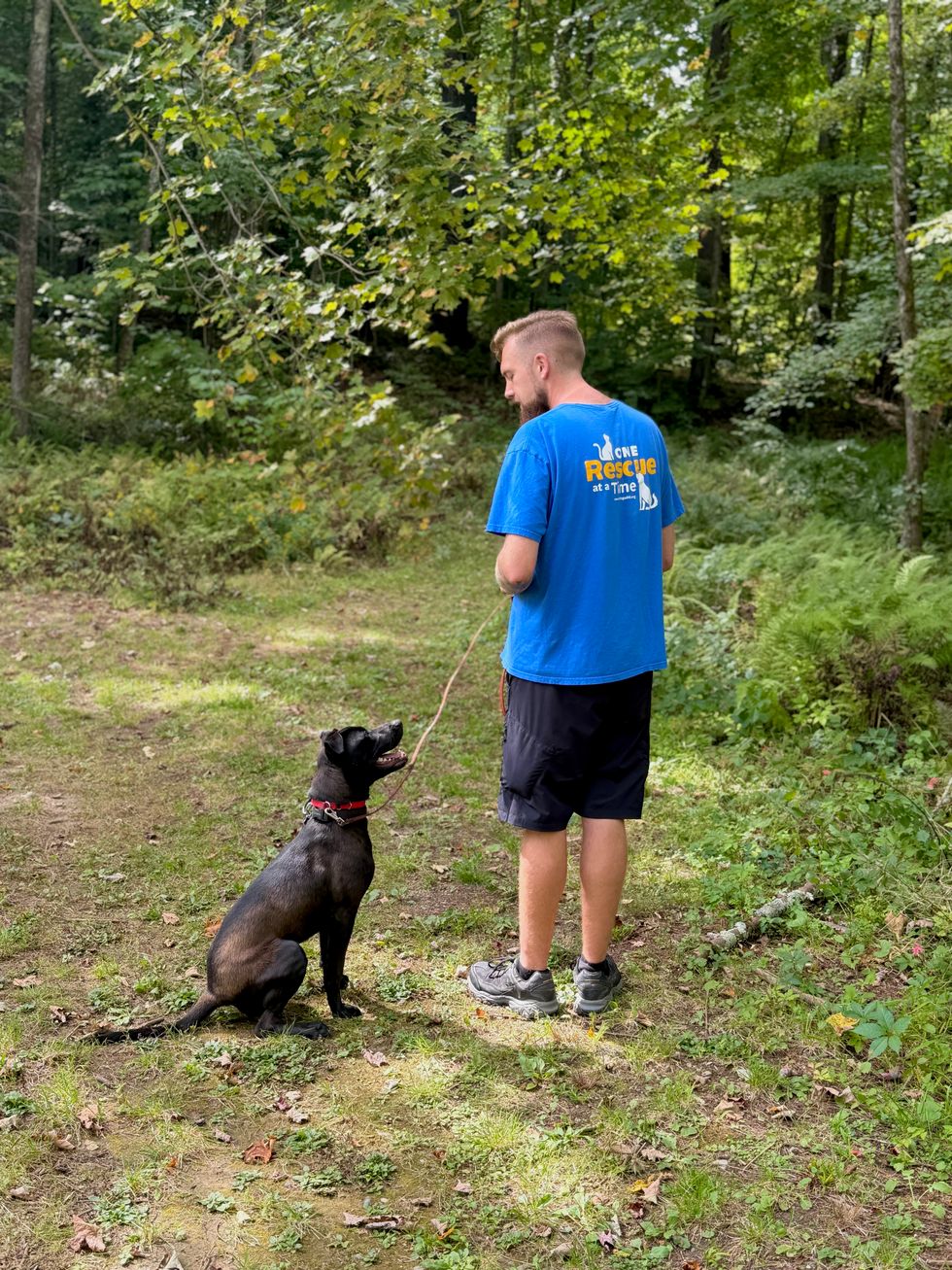 Michael DeBarba, certified dog trainer working with Marsala.Jennifer Almquist
 Marsala wins a heart.Jennifer Almquist

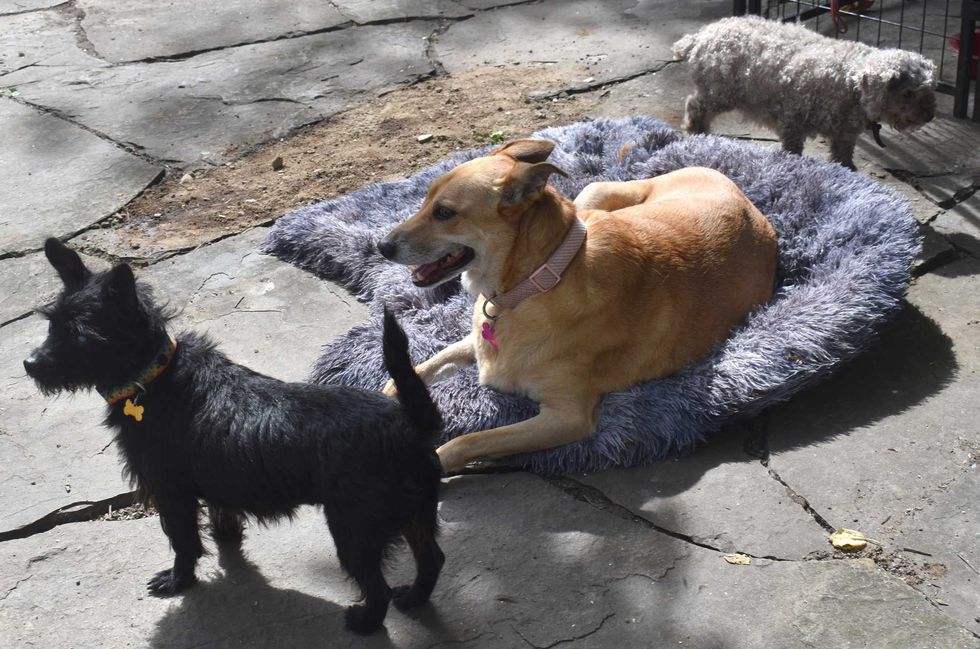 Sadie, center, a Carolina dog, plays with her friend Negra, a terrier mix. Bella Linda, the small poodle, has since been adopted.L. Tomaino
 Wesley, a young, exuberant mix, is looking for an active home.L. Tomaino
 Bonnie and Clyde, an affectionate terrier pair.L. Tomaino
 Provided