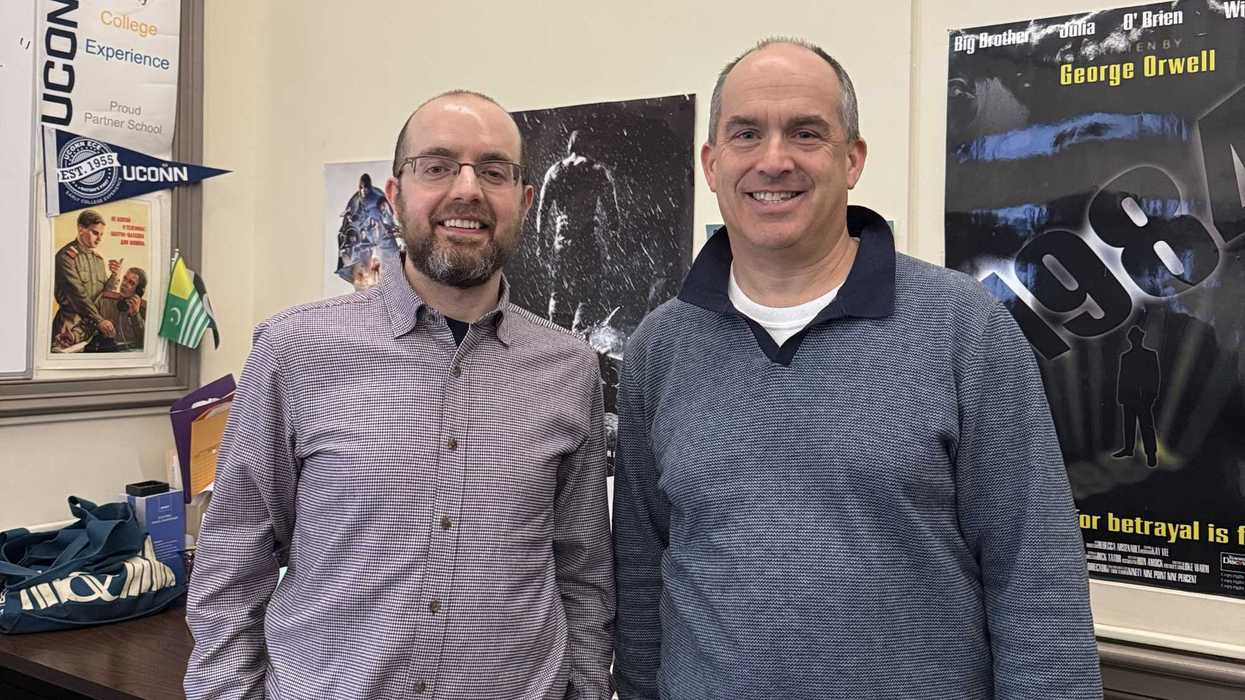
Housatonic social studies teacher John Lizzi recently added a new title to his list of accomplishments: published author. On Feb. 3, Lizzi released his first book, “Connecticut Son: Oliver Wolcott Jr.,” a political biography that explores the life and career of an important figure in early American history.
Lizzi self-published the book, which is now available on Amazon. “You just put in my name or the title and it should come up,” he said.
The project originally began as part of Lizzi’s doctoral work. While completing his PhD, he wrote his dissertation on Wolcott Jr. “When I finished that, I essentially had a draft, at the very least, of a book,” he said. “It required some modification and revising, of course, but I had written 70,000 words already and I almost felt that it would have been a waste not to try to publish it when I’d gone that far.”
Balancing the writing process with teaching and family life was not easy. Lizzi completed his doctoral program online which allowed him to work on research and writing whenever he could fit it into his schedule. “The ability to be able to find an hour here, an hour there, early morning, late at night—even during the school day when I have a planning period—was critical,” Lizzi said. “So not a lot of sleep, but a really supportive family.”
Although the work was demanding, Lizzi never doubted his ability to finish. Still, the project pushed him in new ways. “The stamina required for the amount of research and writing you have to do is something else,” he said. “I had never written something that was 100s of pages long before.” Breaking the project down into smaller pieces helped make it more manageable.
Rather than pursuing a traditional publishing deal, Lizzi chose to self-publish to avoid a lengthy approval process and significant changes from editors. Based on research and people he’d spoken with, Lizzi found that the process can take multiple years and rejections. “Having spent so much time on this topic from my dissertation and now turning it into a book, I didn’t want to spend another three years with it,” Lizzi said.
Instead he used Amazon’s self-publishing tools which allowed him to upload and format the manuscript himself. “They have their own program—it’s all free—where you upload a manuscript and you can play with the margins and the font,” he said. “You can see how it looks before you actually order it to be printed.” The book is available as a hardcover, paperback, and on Kindle.
Lizzi credited fellow Housatonic teacher and author, Peter Vermilyea, as a source of inspiration. Lizzi said seeing Vermilyea’s success as a historian and writer helped show him what the publishing process could look like. “I feel very fortunate and lucky that I get to work with him,” Lizzi said.
Vermilyea himself has written several books about local history, beginning his writing career online. “All over all of our towns are these little monuments and markers, and this tree dedicated to so and so,” Vermilyea said. Being curious, he started a blog focused on hidden stories behind historical markers around the region.
That blog eventually led to a publishing opportunity. A representative from History Press noticed Vermilyea’s work online and reached out to him about turning his work into a book. His first book, “Hidden History of Litchfield County,” was published in 2014 and uncovers lesser-known stories about the history of the region.
The success of that book led to another project. In 2016, Vermilyea published “Wicked Litchfield County.” “The first book was about what our founding fathers wanted us to remember,” he said. “The second is more about what they want us to forget — crime and punishment and slavery, things like that.”
Vermilyea’s first and second books each took less than a year to write and publish. His third, “Litchfield County in the Revolution,” took seven. “The difference is that the first two books were works of synthesis,” Vermilyea said. “I took a lot of things that were already out there and brought them together to tell one coherent story.” He did all original research for “Litchfield County in the Revolution.” “I was in the state archives in Hartford, in the Litchfield historical society, in the Salisbury historical association,” Vermilyea said. It took a year just to edit.
His newest book, “Litchfield County in the Revolution,” will be released March 31 and continues to explore local history. Vermilyea enjoys writing about the region because people are naturally interested in stories that connect with their own communities. “There’s plenty of people who don’t like history, and that’s okay. But most people like local history. They like to know what was going on in their backyard,” Vermilyea said.
Outside of writing, Vermilyea frequently gives public talks about history and his research. He estimated having done about 250 presentations since the publication of his first book and continues to speak at libraries and historical societies. Lizzi who plans on following suit by doing similar talks said it seems like he does 10 a week. “It’s great fun,” Vermilyea said. “It’s a terrific opportunity to talk to people about history.”
For students interested in writing or publishing work of their own, Vermilyea offered the same advice he does to many students in class: “If you want to become a better writer, write,” he said. “Find any outlet for it. There’s so many outlets and you never know what’s gonna happen.”


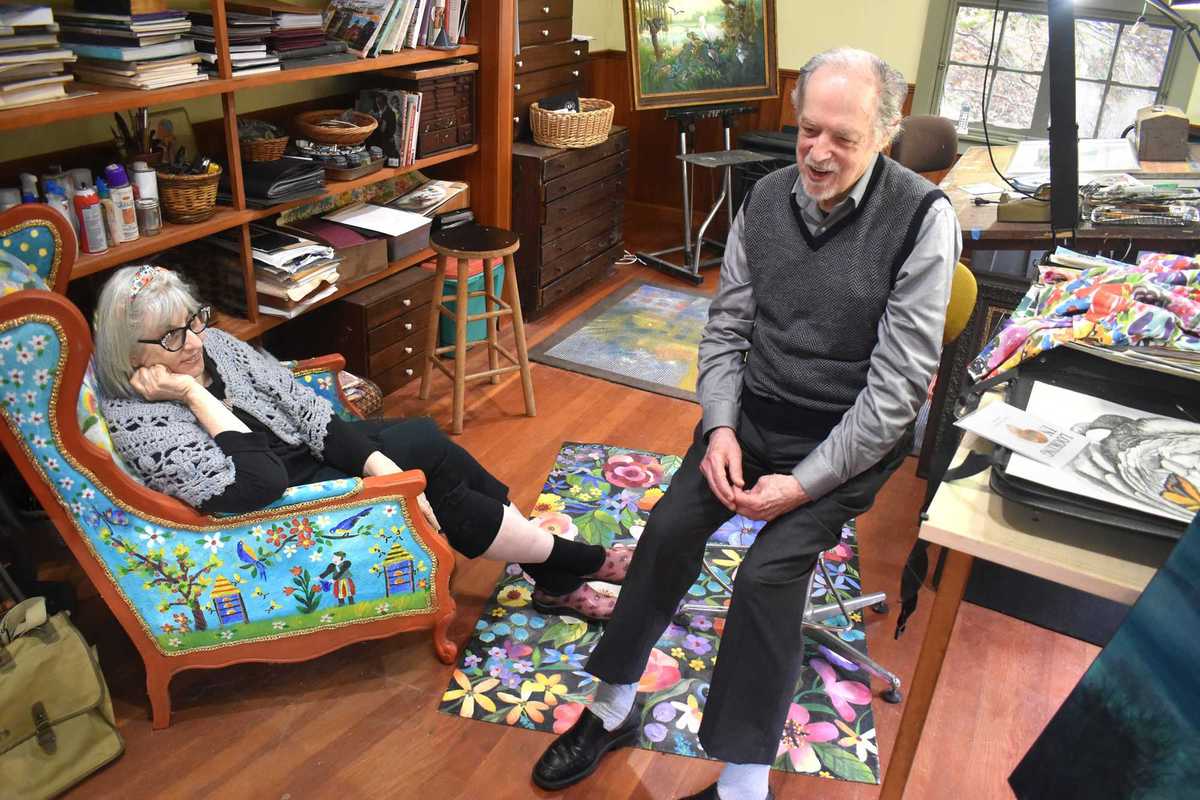
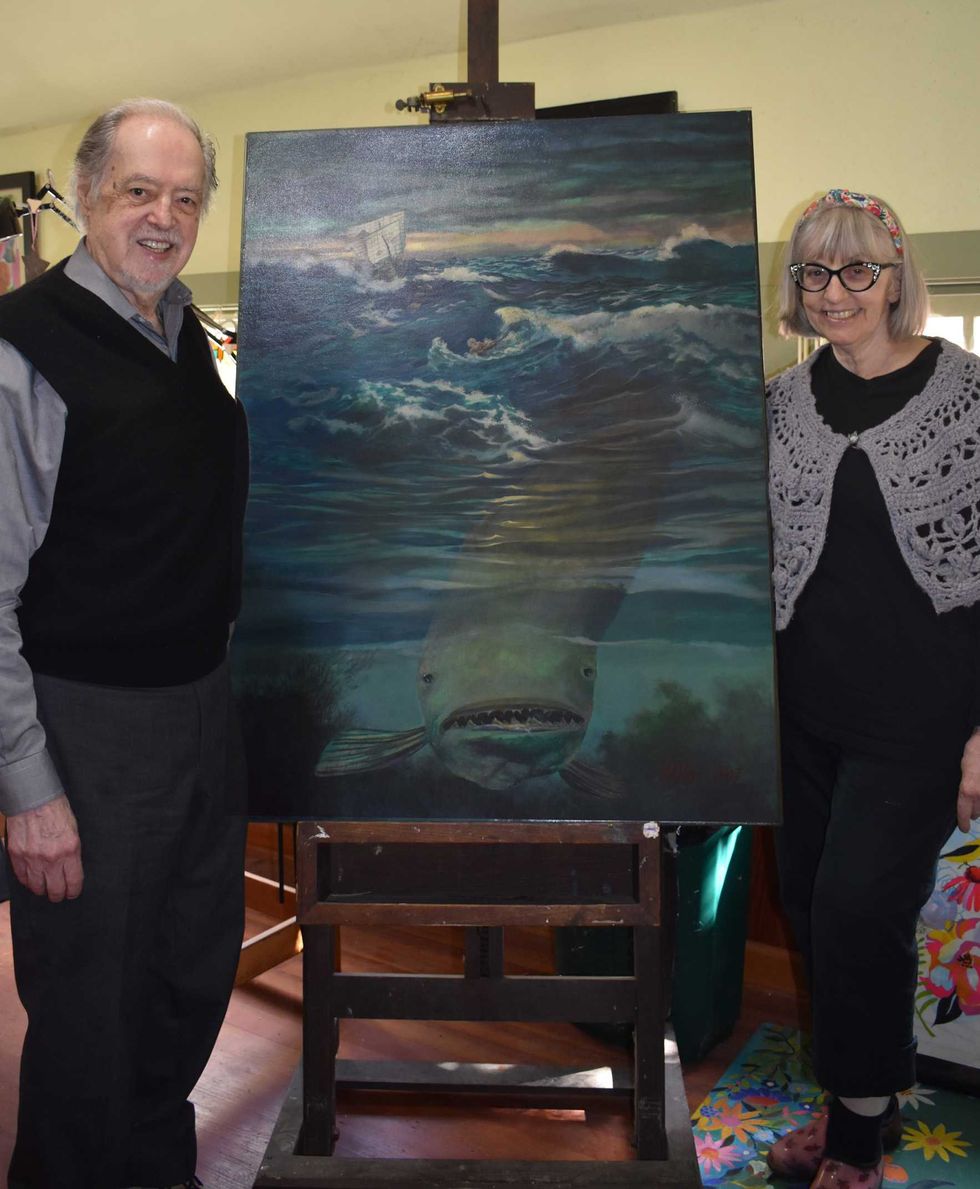 Justine and Victor Valla in their studio with a painting of Victor’s,”Jonah and the Whale.” Robin Roraback


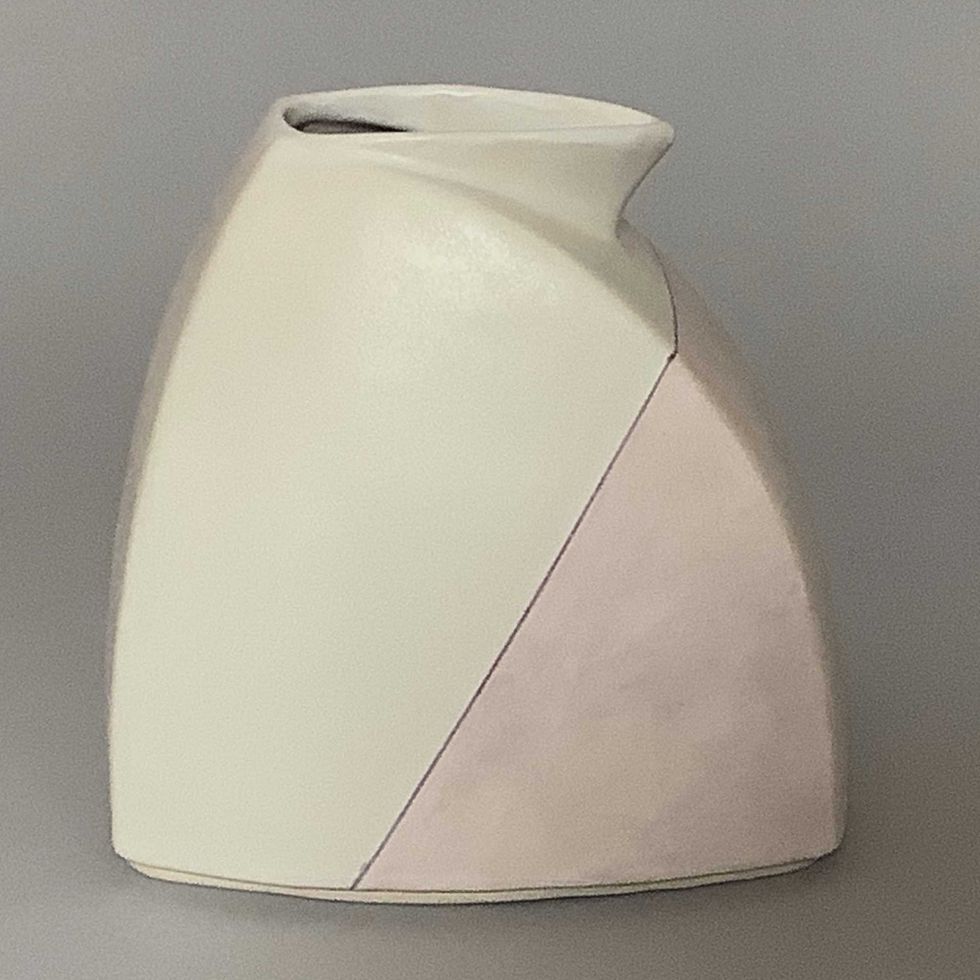 A ceramic vase by Kathleen Heidemann.Provided
 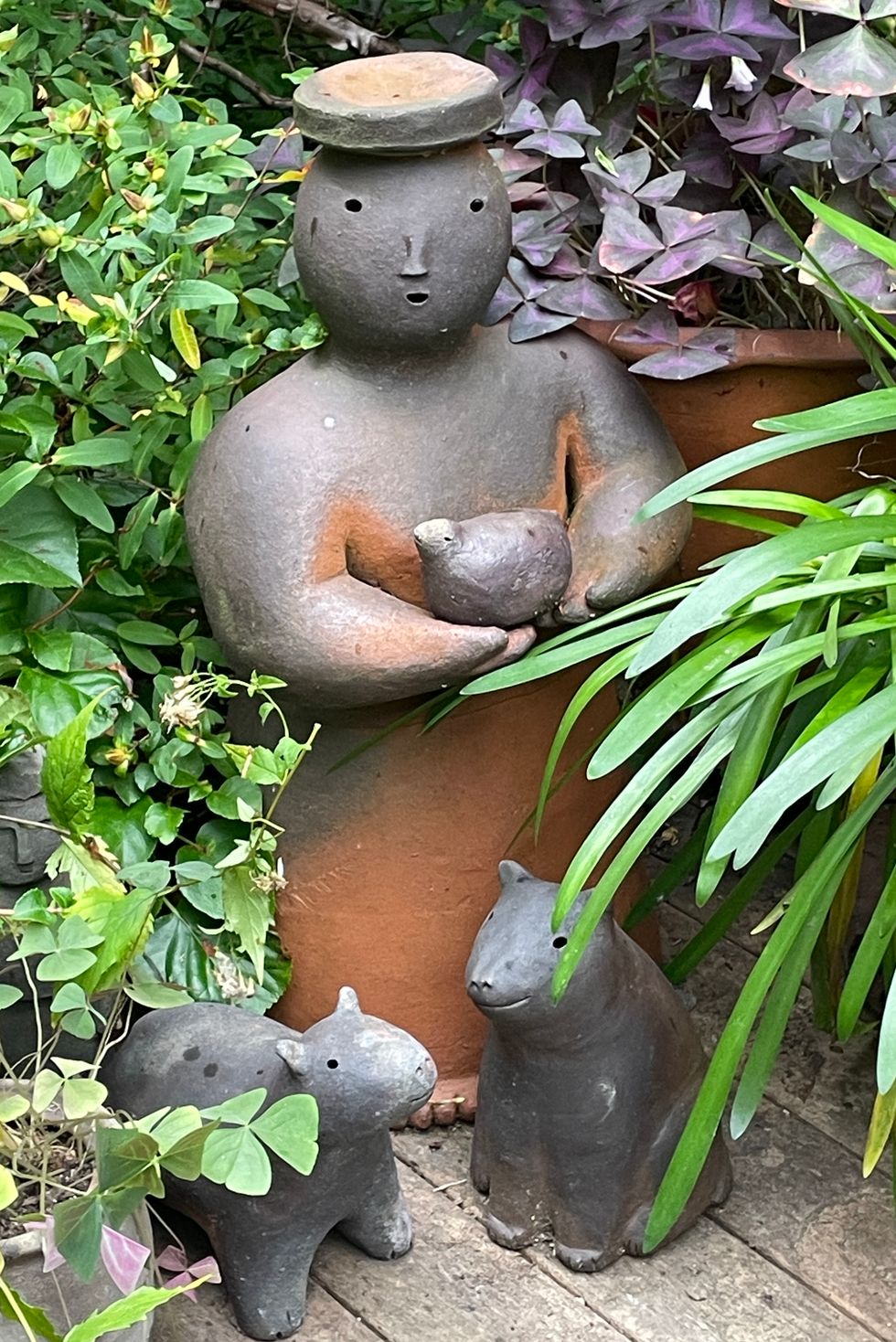 Joy Brown’s delightful ceramic sculptures.Provided