EAST HARTFORD — For much of the year, East Hartford’s Rentschler Field is home to the University of Connecticut football team, a Division 1 program that uses its $91.2 million facility spring through fall.
In the winter months, snow blankets the grass field while the bleachers, quiet and empty, keep vigil over the 40,000-capacity stadium.
But this year, a new sport has taken over Rentschler Field, a sport that thrives in the biting wind and frigid temperatures of early February.
Ice hockey was born outside, its pioneers unfamiliar with the idea of indoor rinks and man-made ice. The players who laced up skates in the game’s youngest days played on frozen lakes and ponds, even puddles, when all else failed.
The joy in skating on an endless stretch of black ice seemed to dull the freezing gusts of wind and assuage the piercing cold. When chasing a sunset that offers the day’s final rays of light, trailed only by a shadow and watched only by a reflection, 30-below feels quite balmy.
But in our modern era of indoor rinks and resurfaced ice, pond hockey is becoming a forgotten pastime, the satisfaction in shoveling an outdoor rink obscured by the convenience and efficiency of the Zamboni.
The number of players today who have skated outdoors is thinning, and consequently, the style of hockey is changing drastically. A game that was born on wide-open expanses is becoming congested and individual, its roots hardly manifested in today’s brand of hockey and rarely acknowledged in the sport’s culture.
So when Rentschler Field was transformed into an outdoor hockey rink — a pond on a grand scale, if you will — for a series of 28 games between Feb. 9 and 23, hockey purists rejoiced.
Shortly after the event was announced, John Cooper, head coach of The Hotchkiss School girls hockey team, received a call from the coach of the girls hockey team at Cushing Academy (and longtime friend) Paul Kennedy.
Kennedy’s team was offered a game slot during the first-ever Hartford Whalers’ Hockey Fest 2011 and quickly phoned Cooper to see if the Hotchkiss Bearcats would be interested in a tilt with the Cushing Penguins in East Hartford.
The Hockey Fest was planned by Whalers owner Howard Baldwin as a way to revitalize the Connecticut hockey team, and to provide an outdoor venue for professional and college hockey teams.
“It was a no brainer,” Cooper said. “It’s not often you come across an opportunity like that.” And so, on Friday, Feb. 11, Hotchkiss and Cushing, which is in Ashburnham, Mass., dropped the puck in Rentschler Field, as the sun set beyond the west end of the stadium and the temperature dropped below 30 degrees.
Hockey weather.
The game’s opening minutes were marked by tentative play as the girls adjusted to the harder ice surface and battled the glare cast by the setting sun. The normal line rotation for the two sides was altered a bit as well, as both coaches decided, in the spirit of the event, to give equal playing time to each girl on the roster.
As the game settled down, Cushing began to apply a steady forecheck, getting the puck in deep and forcing the Bearcat defense to commit turnovers low in their own zone.
The Penguins’ persistence paid off at the 7:07 mark, when Caitlin Connor redirected a pass from the corner between the legs of Hotchkiss netminder Kelsie Fralick. It was the only tally of the period, as much of the play was held between the blue lines in the neutral zone, and Cushing took the 1-0 lead into the first intermission.
Interestingly, though, as the Penguins skated off the ice to the locker room after that first period, Coach Cooper kept his Bearcat squad on the bench.
“It’s about cherishing the moment,” he said, “I wanted the girls to experience and enjoy every minute of it.” And as though it were a game of shinny on a frozen lake, the girls hydrated with hot chocolate between periods
Perhaps it wasn’t a coincidence, then, that when play resumed in the second period the Bearcats played with a bit more old-fashioned panache as well, stretching the game wide and moving the puck confidently. Said sophomore standout Carly Bennett, “We were definitely more relaxed going into the second period, and I think that helped us play with more composure and more direction. We all started to appreciate the setting and the entire event, and decided to play in a way that would leave us with no regrets.”
Hotchkiss’ Kaylen Van Wagner tied the score just past the game’s halfway point, taking a quick pass from linemate Ice Lekometros and sliding the puck underneath the outstretched pad of the Penguins’ goalie.
The Bearcats continued the pressure for the remainder of the period, outshooting Cushing 12-2, but could not break the deadlock. Late in the period, Hotchkiss was awarded a five-on-three power play and despite a slew of scoring chances in front, failed to net a second tally.
In the third period though, scoring chances began to result in goals. In fact, both the Bearcats and the Penguins netted markers in the period’s first 55 seconds. First, Hotchkiss forward Catherine Fowler found Bennett open in front, and the young winger calmly corralled the bouncing pass before wristing a low shot past the Cushing netminder.
The celebration on the Hotchkiss bench was short-lived however, for just 38 seconds later the Penguins retied the game, converting a two-versus-one rush on a beautiful shot that beat goalie Keira Goin high to the glove side. The scoring rush continued just 3:16 later when Lekometros picked up a loose puck on top of the crease and whipped a turn-around shot past the Cushing goalie to stake the Bearcats to a 3-2 lead.
With the clock winding down, it appeared that Lekometros’ goal would stand to be the game-winner as the Penguins were struggling to create scoring chances against a well-organized and composed Hotchkiss defense.
But Cushing, sensing the magnitude of the moment, refused to quit and their efforts paid off in the game’s dying seconds. After Goin could not corral a seemingly harmless shot from the point, forward Erin Joyce located the puck through a goal-mouth scramble and shoved it home to send the game to overtime.
The game’s final five minutes looked much like the first five, as both sides played cautious, defensive hockey. Neither goalie was called upon to make any tremendous saves, although Cushing weathered a late Hotchkiss power play to skate off with the tie.
In some ways, a tie was perhaps the most fitting end for an afternoon that will likely live on in each player’s memory forever.
“It was a once-in-a-lifetime opportunity, and while it definitely would have been nice to win, this event and this experience was about so much more than the game itself,” said Hotchkiss assistant coach Robin Chandler.
Added Cooper, “When you give up late goals, ties can often feel like losses. But tonight, after that kind of production, it was difficult to feel anything but pride walking off the ice.”
In pond hockey, they usually don’t keep score, anyway.
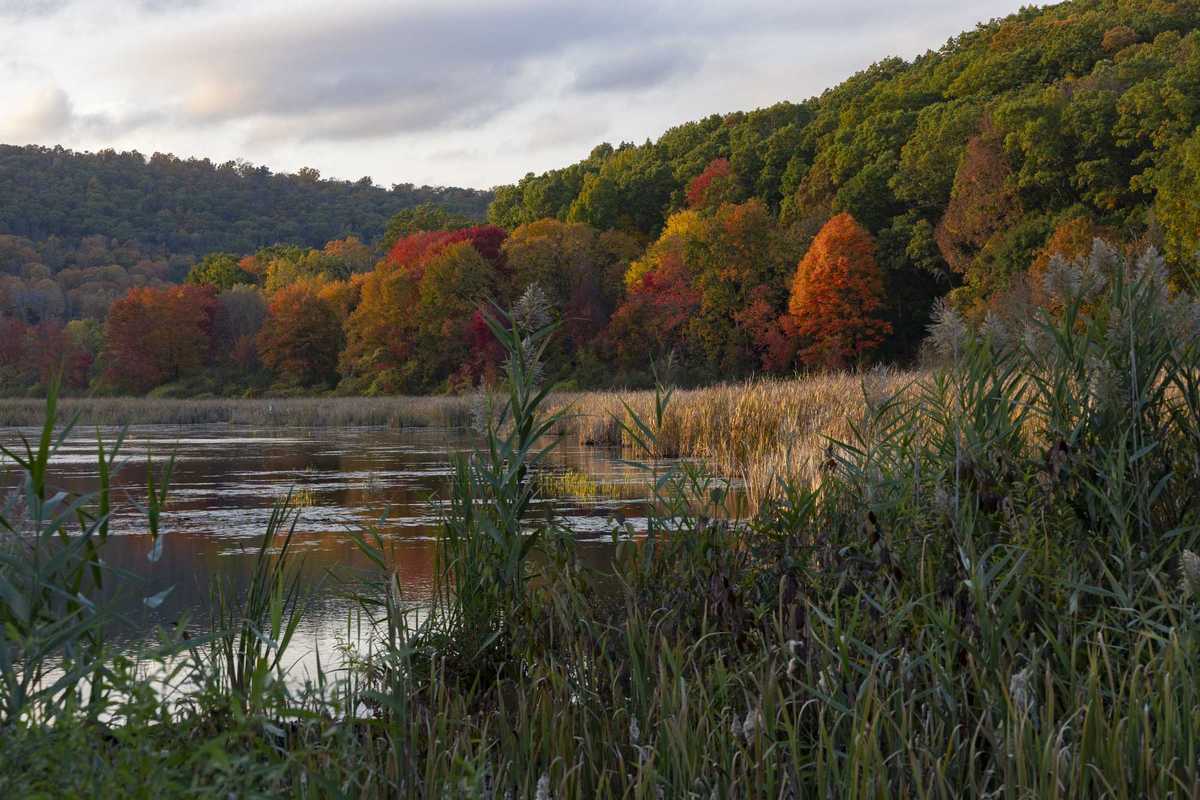
 Sharon, CTBill Wakeley
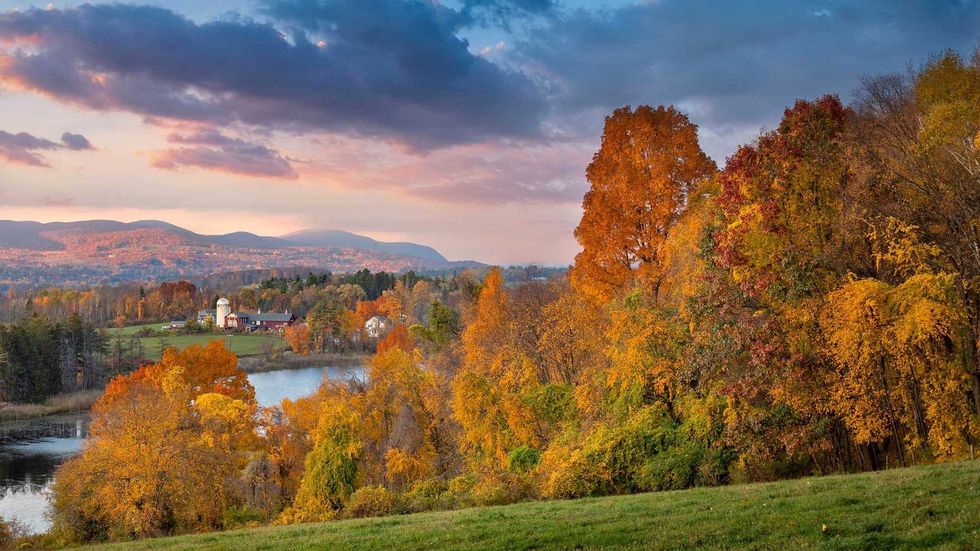
  Mill Pond, Sheffield MADeb Segalla-Watson
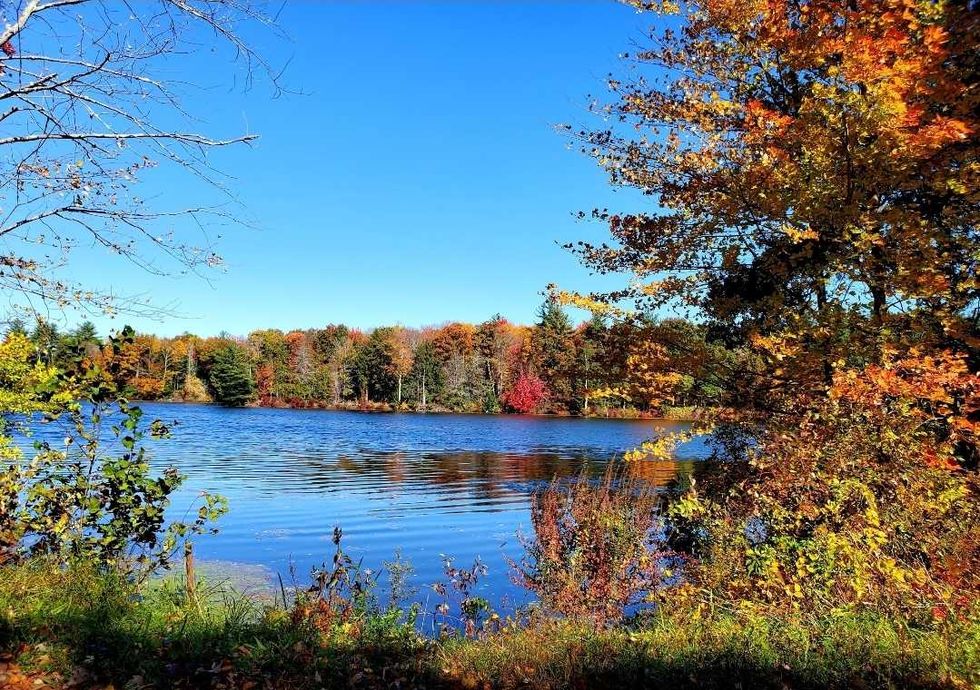
 New Marlborough, MAWendy Miller
  Peter Austin
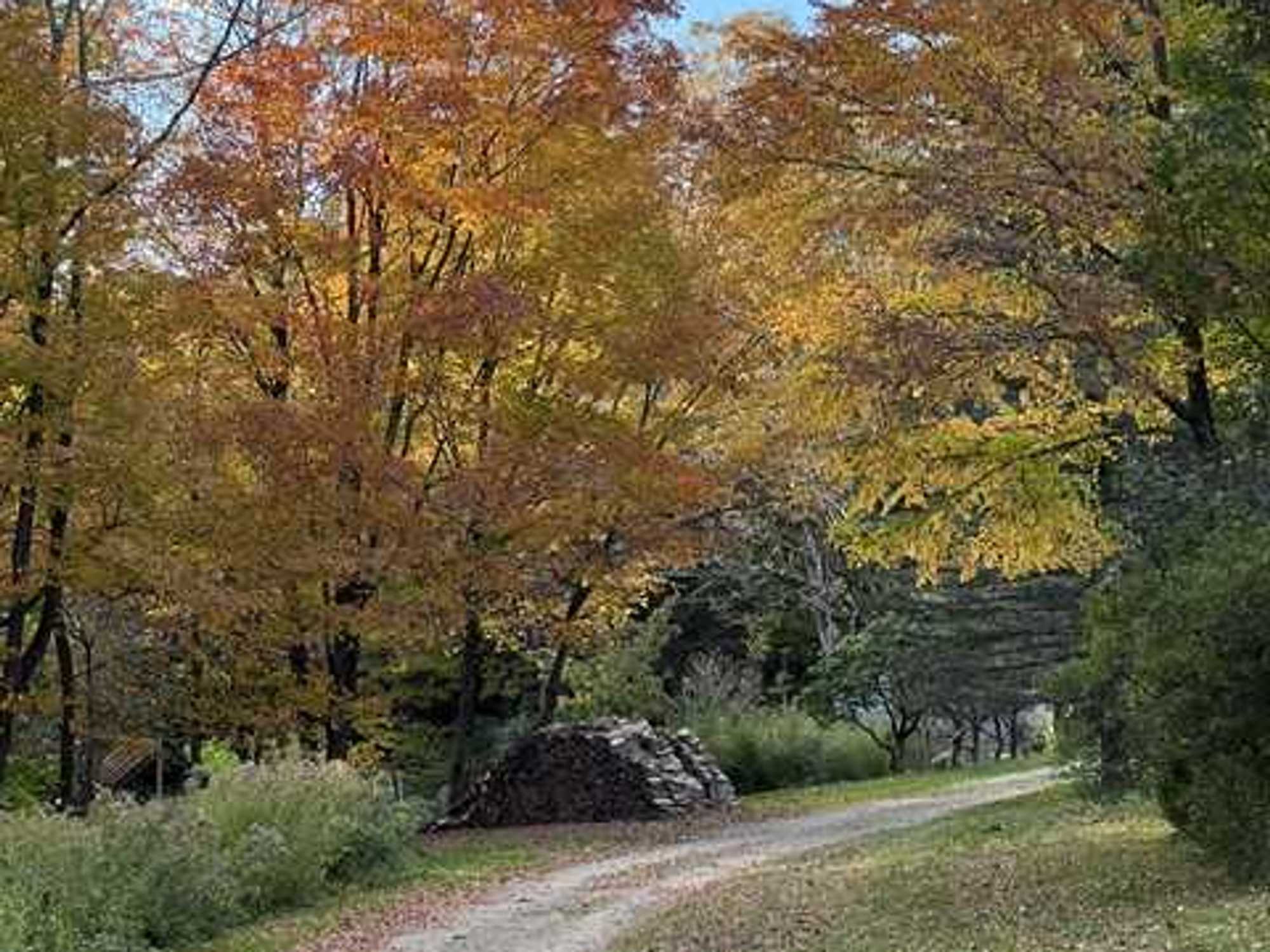 Falls Village, CTPete Sanders
  Tom Carley
 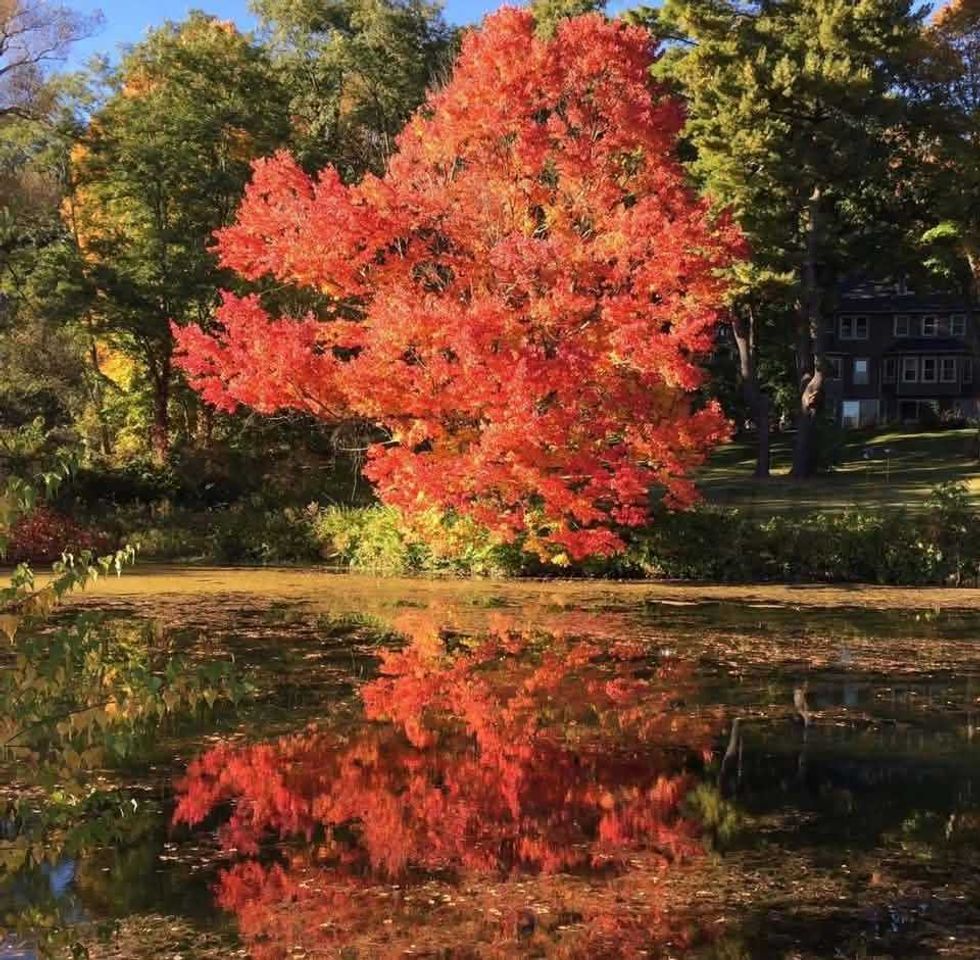 Factory Pond, Lakeville CTBarbara Peck
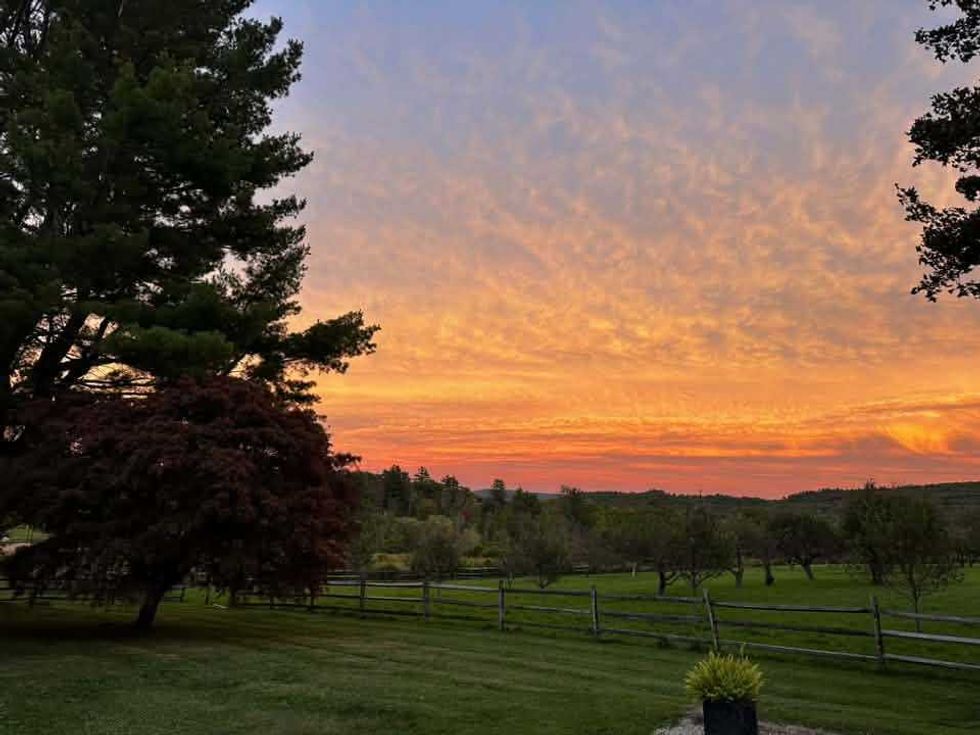 Lime Rock Road, Lakeville CTKeary Hanan
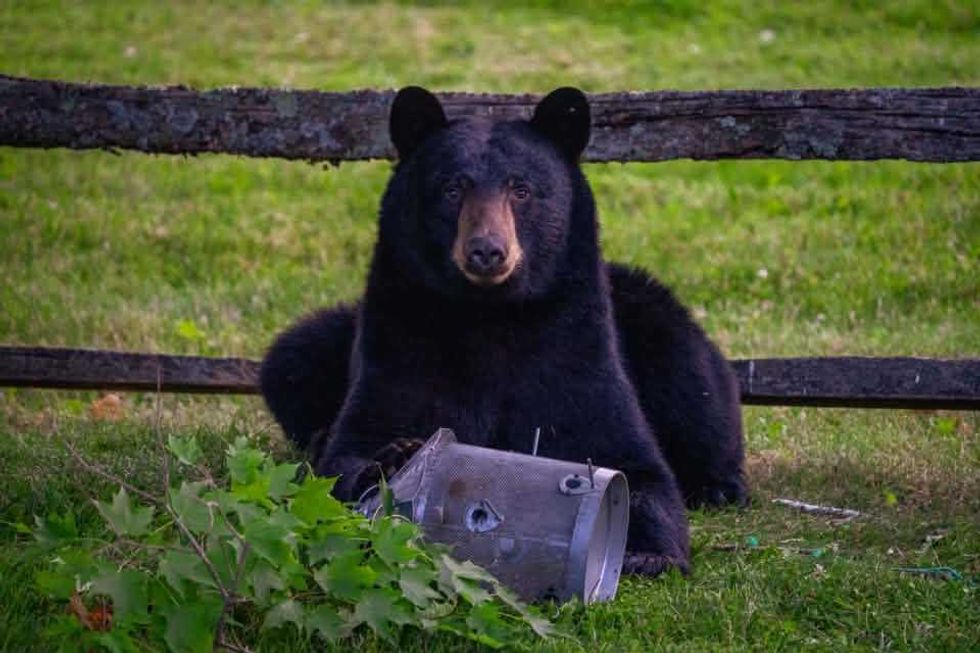 Lime Rock Road, Lakeville CTJake Marcum
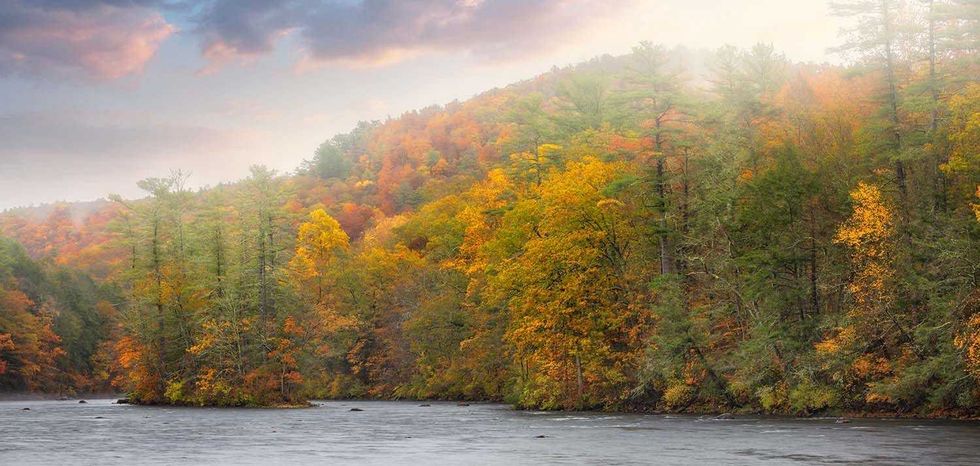 Housatonic River, Sharon, CTBill Wakeley
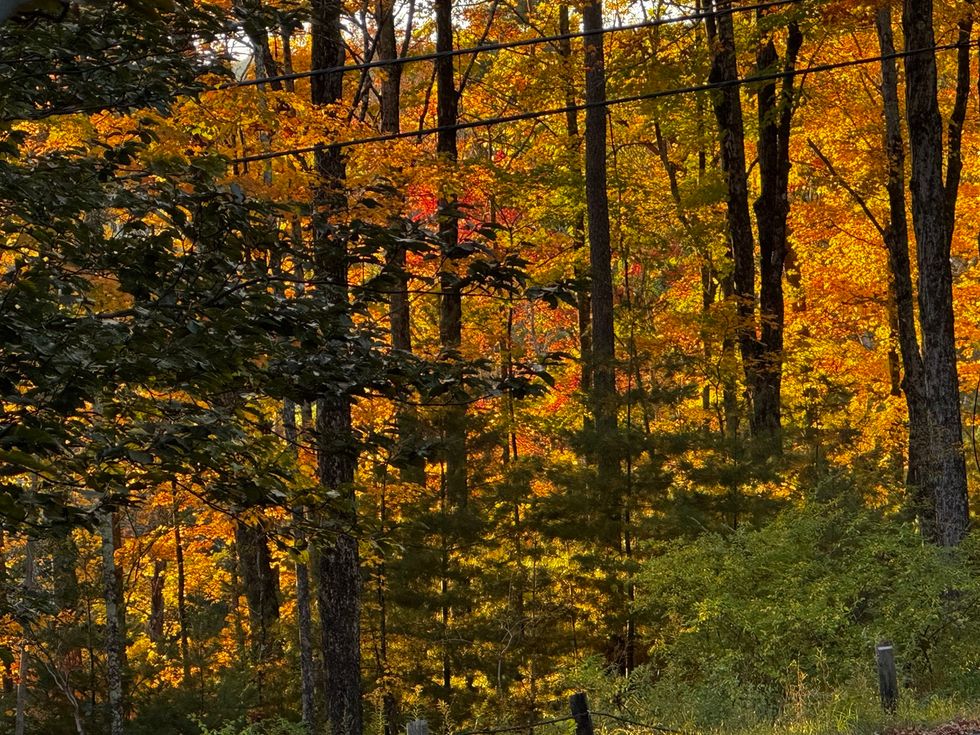 Norfolk, CTTom Carley
 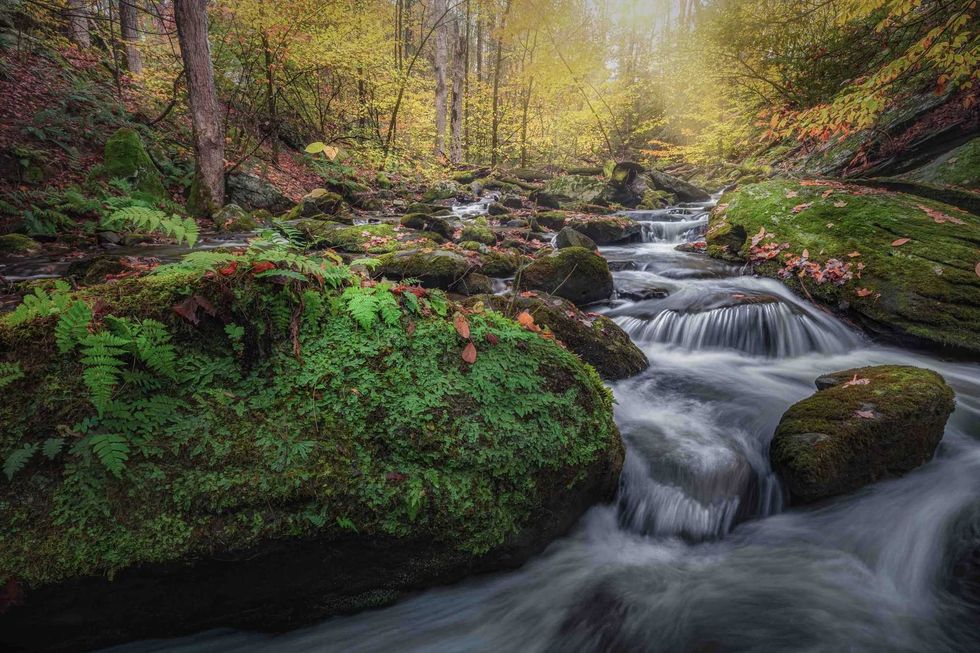 Reed Brook, Deans Ravine, Canaan CTBill Wakeley


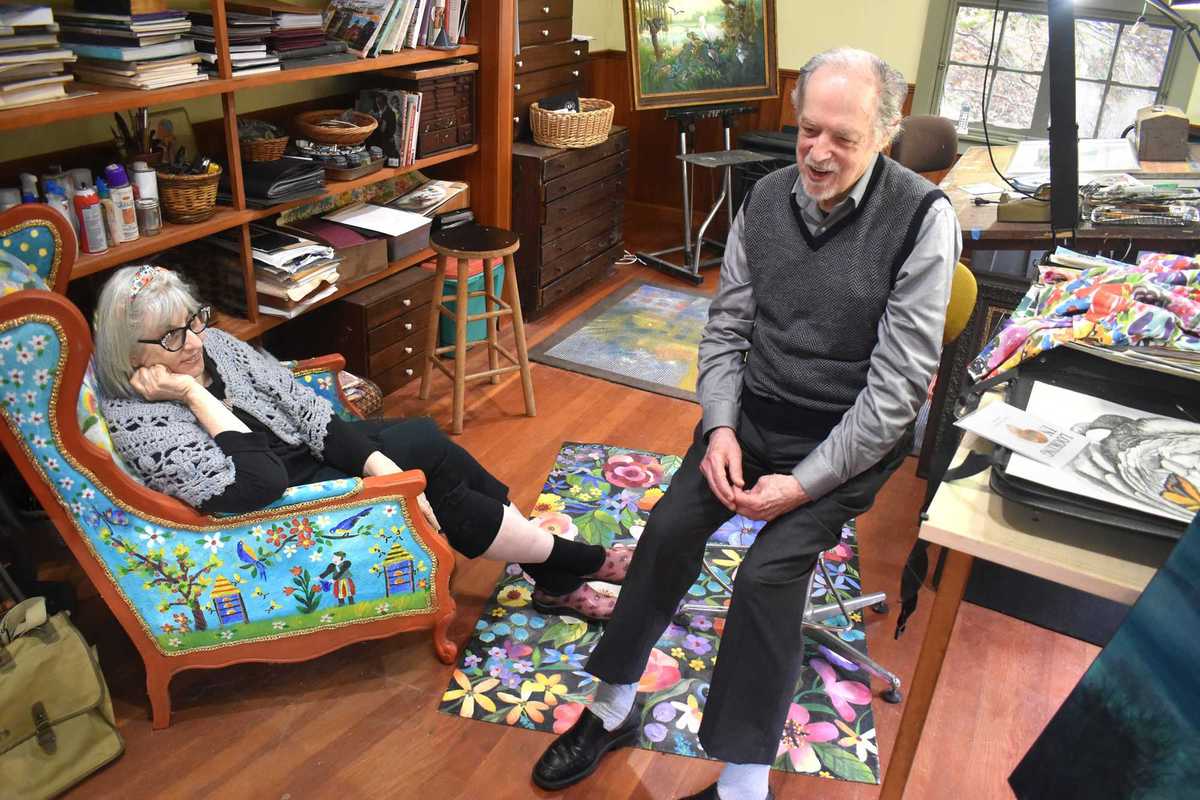
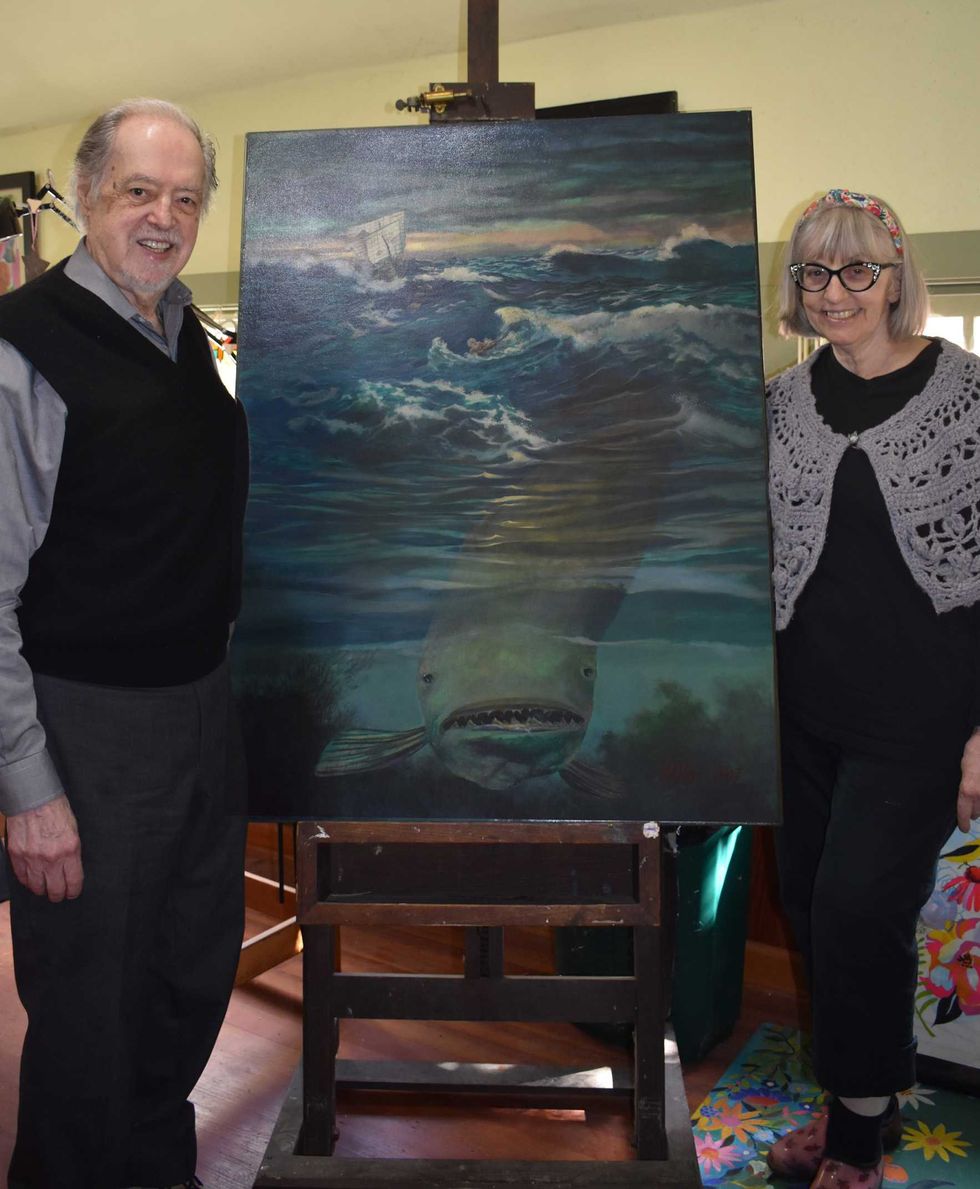 Justine and Victor Valla in their studio with a painting of Victor’s,”Jonah and the Whale.” Robin Roraback

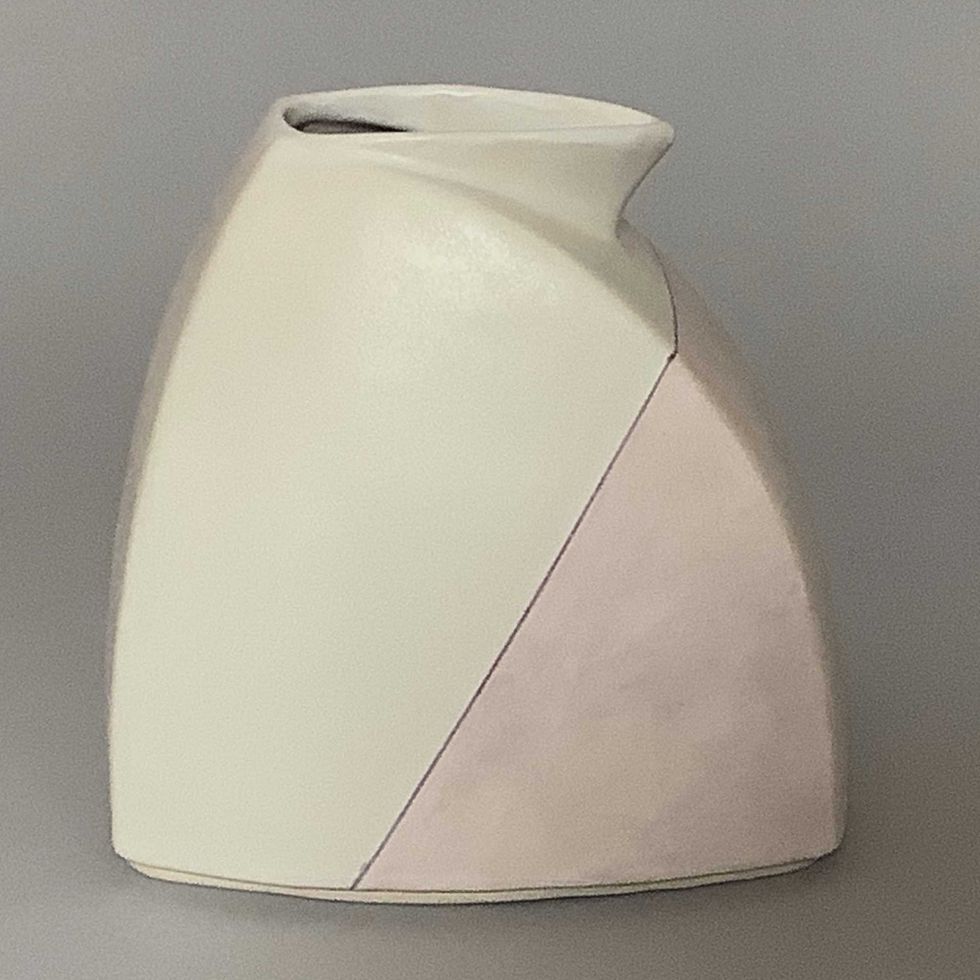 A ceramic vase by Kathleen Heidemann.Provided
  Joy Brown’s delightful ceramic sculptures.Provided