


Hudsonia urges towns to consider biodiversity when planning

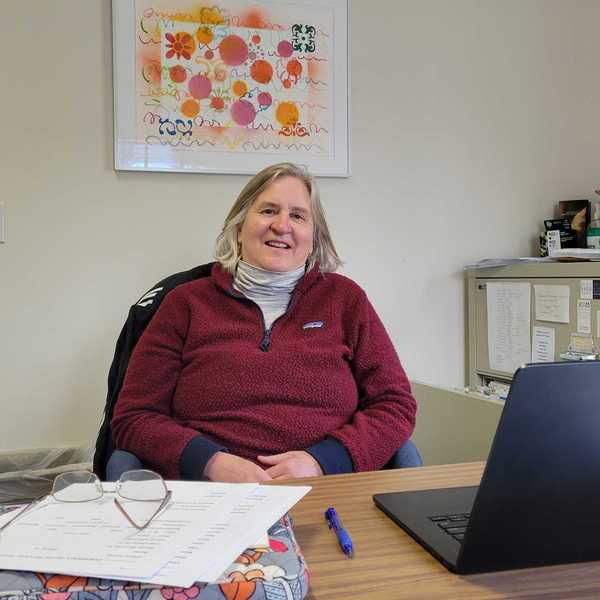
Hudsonia Ltd. is an institute for “research, education and technical assistance in the environmental sciences,” according to its literature. Furthermore, it “studies plants and animals in the Northeast, their habitats and their conservation, while conduacting pure and applied research, providing non-advocacy technical assistance and conducting educational programs on the science and practice of environmental conservation.”On Wednesday, March 6, Hudsonia was in North East, teaching the Planning Board about biodiversity conservation in the face of the town’s ongoing development.Biodiversity 101“We realize the Planning Board has to deal with a lot of things: flood hazards, pedestrian safety, sewage, wastewater, clean water and other resources,” said Hudsonia Director and Biologist Gretchen Stevens. “So biodiversity might seem trivial. But as biologists we understand the importance of biodiversity to the human community. With biodiversity we’re talking about all of the living organisms in our world and in your regional landscape.”There are clues when ecosystems are off-kilter. Stevens explained there are special concerns when rare species seem endangered “because they’re the ones alerting us” when the natural balance is upset. She also said there are concerns when more common species are at risk because that also signals trouble.Keeping balance in the natural world helps promote biodiversity, but it also helps human communities.“It’s much cheaper and more efficient for municipalities to rely on nature to take care of things then to construct something to take care of us,” Stevens said, attributing the comment to State Comptroller Thomas DiNapoli. Healthy, natural systems, said Stevens, contribute to clean air; water quality and quantity; human health; flood control; climate adaptation; natural pollinators; recreation and education; and scenery. Denuded landscapes, meanwhile, contribute to compacted soils, increased runoff and erosion, diminished water quality and availability and increased frequency and severity of floods.“The beauty of this area,” she said, “is that there’s a good deal of biodiversity.”The importance of wetlandsWetlands can remove 20 to 60 percent of metals in water. They can trap and retain 80 to 90 percent of sediment from runoff. They can also eliminate 70 to 90 percent of entering nitrogen. One acre of wetland can store 1 to 1.5 million gallons of floodwater, and according to Stevens, “it’s the many small wetlands in the landscape that contribute to flood control.”Good, clean funThe figures beg the question, why should we care? Stevens said it’s because healthy ecosystems have numerous benefits. One is recreation, which she said can be very important to the local economy. In 2006 in New York state, there were 3.5 million wildlife watchers ages 16 and older. More than $1.4 billion in retail sales (with an estimated multiplier effect of $2.7 billion) was earned through recreation profits. Recreation also provided for 25,500 jobs and more than $250,000 in state and local tax revenues, according to a national survey of Fishing, Hunting and Wildlife-Associated Recreation. A healthy lifeThere are also human health benefits to having and protecting healthy ecosystems. One study from the Cary Institute of Ecosystem Studies in Millbrook pointed to reduced risk of Lyme disease in forests that have not been fragmented to include patches smaller than 5 acres. Likewise, wetlands that are healthy don’t tend to support the species of mosquitoes that carry West Nile Virus, according to Stevens.Planning aheadUsing such information can have big benefits on planning. Smart planning is essential, especially when one considers that “open space and wildlife habitat in the Hudson Valley is being consumed at a much faster pace than the population is growing,” said Stevens. “There are much better ways we can use land to accommodate how the population wants to live here.”The Hudsonia director continued to make the correlation to planning.“Having good information, such as habitat maps, will enable you to know more about landscapes and help you think about the larger picture,” Stevens said, adding that it will also help boards deal with the State Environmental Quality Review Act (SEQRA) process. She then went on to discuss details about the habitat maps Hudsonia created for the town four years ago, when it first completed the town-wide habitat study, which was funded by the Millbrook Tribute Garden and the Dyson Foundation. The goal then, as it is today, was to incorporate the biodiversity information into the work of the Planning Board.Estuary programStevens spoke of the Hudson River Estuary Program, with its core mission of ensuring clean water, protecting and restoring fish, wildlife and their habitats, providing water recreation and river access, adapting to climate change and conserving local scenery. The estuary program’s aim is to raise the ability of communities to plan for a “resilient future.”Habitats in North EastSome of the habitats found in the town of North East included: contiguous forests; contiguous meadows; streams; intermittent streams; perennial streams; oak-heath barrens; fens; acidic bogs; circumneutral bog lakes; and marble knolls.Making use of one’s toolboxBiologist Kelly Farrell was also at last Wednesday’s presentation. She stressed how crucial a Planning Board’s role is in protecting any given community’s unique ecosystems, especially one as bountiful as North East.“Municipal planning is key to biodiversity conservation,” she said. “We’ve been going to towns that have one or two habitats, but North East has almost every single one.”Farrell then said towns throughout Dutchess County have been using their habitat maps as tools to help with planning in various ways. For instance, the town of Amenia has incorporated its map into its comprehensive plan as well as its zoning law. She said boards can also “implement without codifying.”Some suggestions to incorporate biodiversity conservation into local decision making included using the maps in pre-application meetings, using them during SEQRA and also using them to create Critical Environmental Areas (CEA), which get increased scrutiny under SEQRA.Questions and answersAfter the PowerPoint presentation concluded, the board asked Stevens and Farrell some questions, including how to implement some of the ideas without specific laws to back them.Planning Board Chairman Dale Culver said it’s difficult to address when those dealing with the issue have an invested interest in the matter.“I know, it’s really hard,” Stevens acknowledged. “The courts do seem to be quite deferential if the towns take a reasonable and balanced approach and can back it up.” But don’t take any legal advice from me, please.”

Latest News

Rocking for a cause at Infinity Hall

Rocking for a cause at Infinity Hall

Blues musician James Montgomery

Provided

When the Rock n’ Roll Circus rolls into Infinity Music Hall in Norfolk on Saturday, April 11, it will bring together an all-star lineup of musicians and a mission that reaches far beyond the stage.

Presented by Rockin’ 4 Vets, this concert will benefit the United Way of Northwest Connecticut’s “Stock the Shelves” program, which supports food pantries across the region. The United Way, part of a national network founded in the late 19th century, has long worked to mobilize communities in support of local health, education and financial stability initiatives, efforts that continue today through programs like Stock the Shelves, which helps ensure families have access to essential food resources.

Keep ReadingShow less

Robert Donald Stevens

Robert Donald Stevens

MILLERTON — Robert Donald “Bob” Stevens, 63, a lifelong area resident died unexpectedly on Monday evening, March 30, 2026, at his home in Millerton, New York. Bob had a 40-year career with the Town of North East Highway Department where he currently served as the Town of North East Highway Superintendent for nearly two decades. One of Bob’s proudest accomplishments was seeing the completion of the new Town of North East Highway Department Facility on Route 22 in Millerton.

Born Dec. 20, 1962, in Sharon, he was the son of the late Kenneth W. and Roberta K. (Briggs) Stevens. Bob was a 1981 graduate ofWebutuck High School in Amenia, he also attended BOCES Technical School in Salt Point, New York, while enrolled at Webutuck. Bob served his community for many years as an active member of the Millerton Fire Company and was a longtime member of the New York State Association of Town Superintendents of Highways, Inc., where he always enjoyed attending highway training school in Lake Placid. Bob really enjoyed traversing the local roadways in Millerton in his iconic orange pick-up truck, and could often be seen at all hours of the day and night making sure that the main roads and side roads were in the best possible condition for his friends and neighbors. Bob loved the Town of North East and he will be dearly missed by those he served throughout his decades long career. In his spare time, he enjoyed texting with his son Robert, time on the Hudson River and rebuilding engines for many friends in his younger years.

Keep ReadingShow less

Lucille A. Mikesell

Lucille A. Mikesell

CANAAN — Lucille A. Mikesell passed away peacefully on April 3 with family at her home in Canaan Valley, Connecticut. She was 106.

Born on Sept. 5, 1919 in Cedar Rapids, Iowa, she was the daughter of William Harvey Cohea, of Mason, Illinois, and Lillian Amanda Williams of Morley, Iowa. She graduated from Roosevelt High School in Cedar Rapids in 1937, and married her husband, Ralph J. Mikesell in 1938.

Keep ReadingShow less
google preferred source

Want more of our stories on Google? Click here to make us a Preferred Source.
In a time of fear, John Carter revives a network of “neighboring”

John Carter

Photo by Deborah Carter
"The human cost of current ICE practices is appallingly high."
John carter

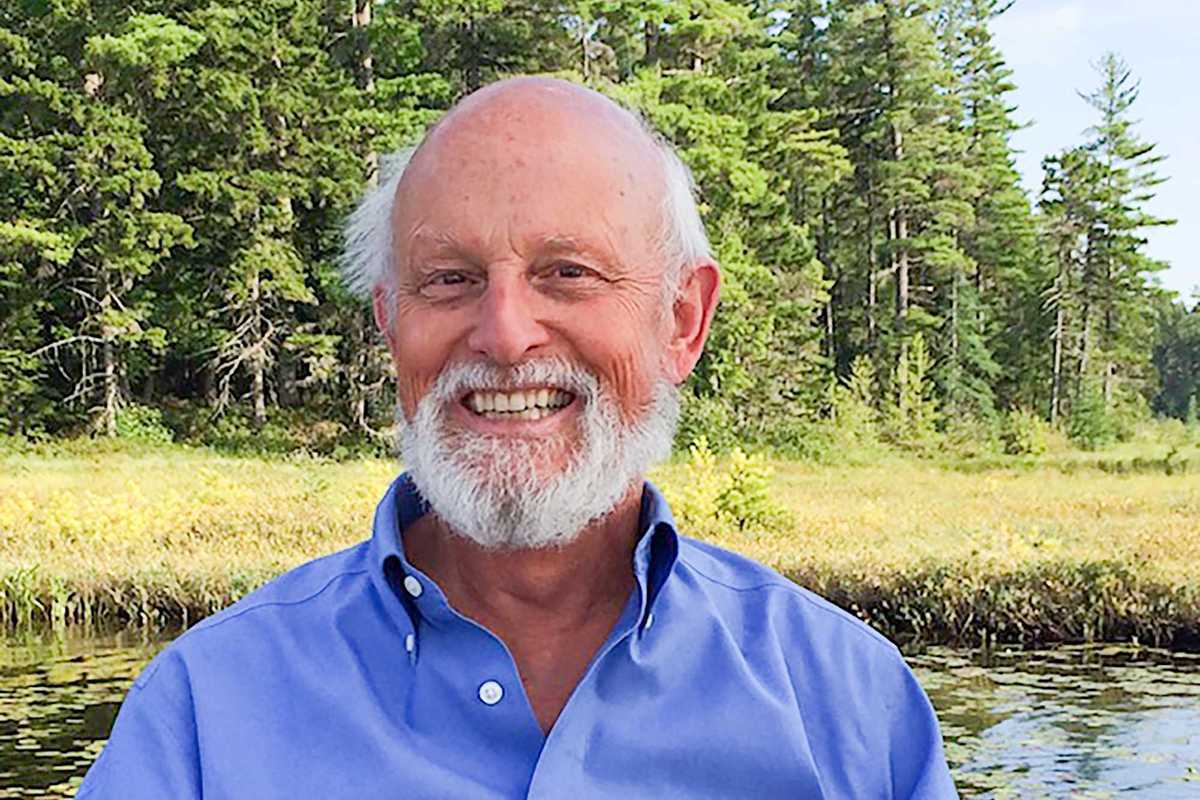
John Carter, who served as rector of St. John’s Episcopal Church in Salisbury from 1999 until his retirement in 2014, launched the first iteration of the nonprofit Vecinos Seguros 1 (Safe Neighbors) in 2017 by introducing a misa, a Spanish-language worship service, at Trinity Lime Rock Episcopal Church.

In December 2024, amid concerns over a renewed federal crackdown on immigrants, a group of volunteers revived the program as Vecinos Seguros 2 (VS2). According to its 2025 annual report, the initiative “created a network of trusted allies to help those who may be targeted by immigration enforcement agents,” taking a low-key approach that prioritizes in-person connections.

Keep ReadingShow less

Anthony Louis Veronesi

Anthony Louis Veronesi

EAST CANAAN — Anthony Louis Veronesi , 84, of 216 Rocky Mountain Way in Arden, NC formerly of East Canaan, died March 26, 2026 at the Solace Center in Ashville, NC.Anthony was born December 14, 1941 in North Canaan, CT son of the late Claudio Serene and Genevieve Adeline (Riva) Veronesi.

Following graduation from Housatonic Valley High School in Falls Village, Anthony worked at the former Pfizer Company in Canaan for a short time before entering the US Air Force.He served for four years in active duty rising to the rank of Sergeant.He was released from active duty on April 9, 1968.After leaving the Air Force,Anthony worked at the Becton Dickinson Company in Canaan.He was transferred to North Carolina and retired from BD.Anthony then began his career for the United States Postal Service, for many years as a mail handler, before his retirement from the Postal Service.

Keep ReadingShow less

Joan Tuncy

Joan Tuncy

SALISBURY — Joan Tuncy, 92, passed away peacefully on March 27, 2026, at Noble Horizons.

Born on Oct. 27, 1933, in Sharon, Connecticut, she was the daughter of the late Robert and Vera Bejean.

Keep ReadingShow less
google preferred source

Want more of our stories on Google? Click here to make us a Preferred Source.

google preferred source

Want more of our stories on Google? Click here to make us a Preferred Source.