Thank you!
Your support is sustaining the future of local news in our communities.

Kent panel airs conservation, development plans

KENT — After many meetings, the committee updating the town’s Plan of Conservation and Development (POCD) presented its proposed changes at an information meeting conducted on Zoom on Thursday, June 30.

The Planning and Zoning Commission convened the public hearing to gather community input.

Matthew Winter, chairman of the POCD Committee, described the state-mandated program whereby each town must have a plan and the plan must be updated every ten years. The last update was approved by the town in 2013. Winter said that the plan is a strategic planning document, advisory and flexible, to be used as a guide with no enforcement muscle.

In 2021, the committee conducted a survey of residents, gathering information about demographics and opinions about the town, its strengths and its issues needing attention. 290 responses were received and summarized in a report issued in August, 2021.

Similar to area towns, Winter noted that the median age of residents has increased in the past 20 years to a current level of 56 years. By contrast, in the 1970s, the median age was in the 30s.

Assisting the committee’s work has been Planimetrics of Simsbury, a consulting firm specializing in town planning, Winter said, introducing planning consultant Glenn Chalder who reviewed the proposed POCD updates based on the 2021 survey results.

In the minds of Kent residents, Chalter reported, sustainability is a key theme for the future.

The town is supportive of its current participation in the SustainableCT state-wide program that promotes several initiatives, including emergency preparedness. The community also favors protection of its community assets and natural resources, praising the quality of life and community character. Needing improvement are utilities, attracting business, recreation and housing affordability.

Chalter noted the importance of coordination between the POCD and the town’s housing plan that must undergo an update every five years. He said that most of the land in Kent is zoned for residential development based on soil characteristics.

Safe roads are important to residents who are looking for safety improvement to the 73 miles of paved roads and the 15 miles of unpaved roads.

Several local groups had submitted written comments about the POCD in advance of the meeting, Winter noted, opening the meeting for public comment.

Offering several comments, resident Joe Spelbos asked for greater specificity and more detail in presenting the survey results. Also, he was looking for crisper definition to differentiate between wetlands and a flood plain.

A resident of the Bulls Bridge area, Therese Duncan reminded the committee of an early town promise to improve an old logging road that would allow residents to escape or for emergency vehicles to serve residents in that part of town in times of flooding.

Expanding access to the Housatonic River is included in the plan’s update, seeing residents advocating for more points of access to alleviate the concentrations of visitors to the northern access point and the Bulls Bridge point.

Selectman Glenn Sanchez spoke of current projects that will impact planning including speed and traffic in the town center and the development of the historic Swift House. He also discussed a proposal for a Riverwalk in town to allow visitors greater river access.

First Selectman Jean Speck suggested including climate change initiatives, aligning with the state’s efforts toward reducing greenhouse gases. She described regional interest in sustainable materials management under discussion by the Materials Innovation and Recycling Authority (MIRA) and the state Department of Energy and Environmental Protection (DEEP), seeking to find an alternative for municipal waste treatment.

To see the survey results and view the POCD draft, go to the town website: www.townofkentct.org. Residents are invited to submit comments to the POCD committee in the coming days. The Planning and Zoning Commission likely will schedule a public hearing.

“We’ve taken a big step forward,” said Wes Wyrick, member of the Planning and Zoning Commission.

Latest News

‘So Little to Do,’ so much to discover at James Barron Art

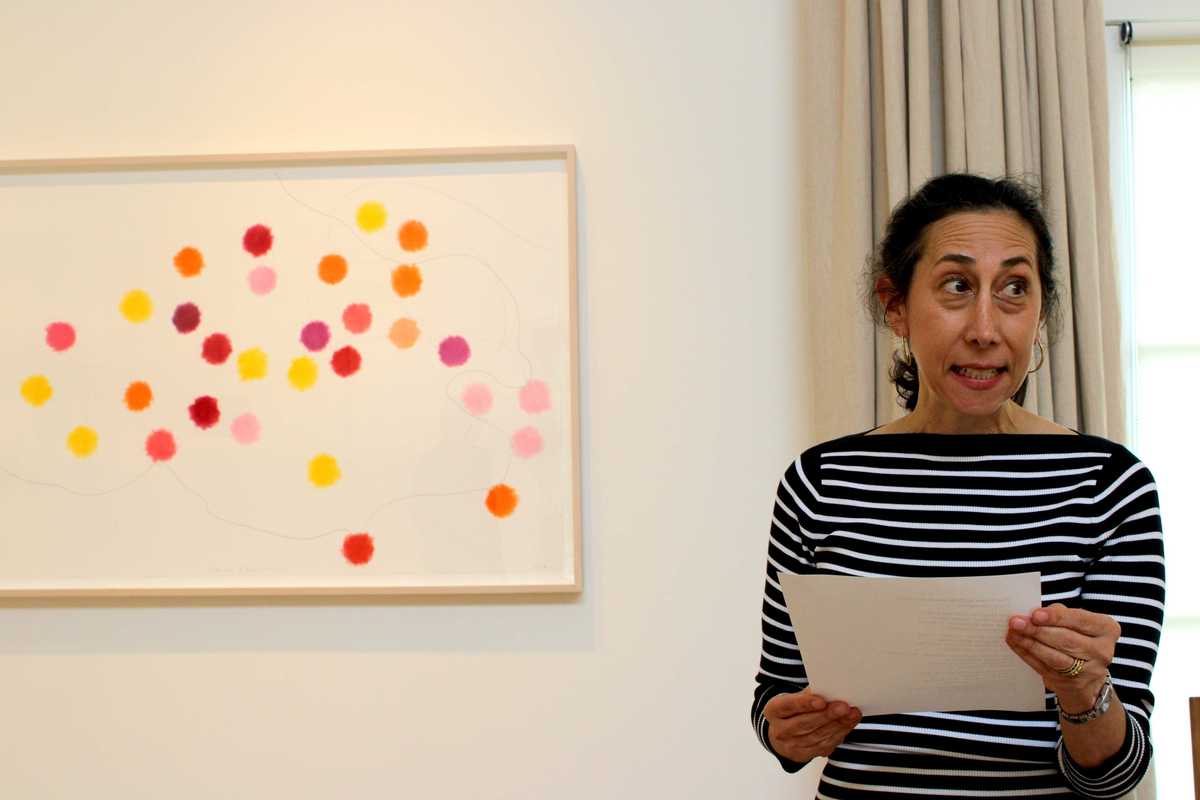
Curator Deborah Goodman Davis reads the Emily Dickinson poem “The Grass So Little Has to Do.” Spencer Finch’s “Following Three Bees (Zinnias)” buzzes in the background.

Photo by Natalia Zukerman

“The Grass Has So Little to Do,” on view at James Barron Art in Kent, takes its title from Emily Dickinson’s poem “The Grass So Little Has to Do,” written in 1862:

“The Grass so little has to do—
A Sphere of simple Green—
With only Butterflies to brood
And Bees to entertain—”

Keep ReadingShow less

Marina Kotchoubey is not a woodworker

Marina Kotchoubey is not a woodworker

Marina Kotchoubey at the Ian Ingersoll Cabinetmakers showroom in West Cornwall.

Photo by D.H. Callahan

After 40-something years navigating the world of custom fine furniture, Ian Ingersoll was getting ready to retire. Starting off with a little dovetail stool that he sold at a shop in West Cornwall in the 1970s, he’d grown his skill and his business into something he — and the whole town — could be proud of. Shutting down that business was not an option.

Ingersoll built Ian Ingersoll Cabinetmakers, which produced mainly classical Shaker furniture, on passion: the passion he had to make a living through creative challenges and the passion of his employees, who all seem deeply in love with their craft.

Keep ReadingShow less
A legacy of giving at Norfolk Chamber Music Festival

One hundred and twenty years ago, Carl and Ellen Stoeckel commissioned New York architect E.K. Rossiter to design The Music Shed in Norfolk, Connecticut. After nearly a decade of entertaining their friends and neighbors with the finest music of the day, they built a permanent home for their beloved Litchfield County Choral Union.

The commission and full funding of the construction was not unheard of in an era when great fortunes led to public enrichment. Railroad tycoon John D. Rockefeller was instrumental in funding institutes of higher education. Steel baron Andrew Carnegie was building libraries all over the country, and famously said that a man who dies rich is a disgrace, challenging his peers to give their fortunes back to the people.

Keep ReadingShow less
google preferred source

Want more of our stories on Google? Click here to make us a Preferred Source.
Two unique exhibitions at Geary Gallery

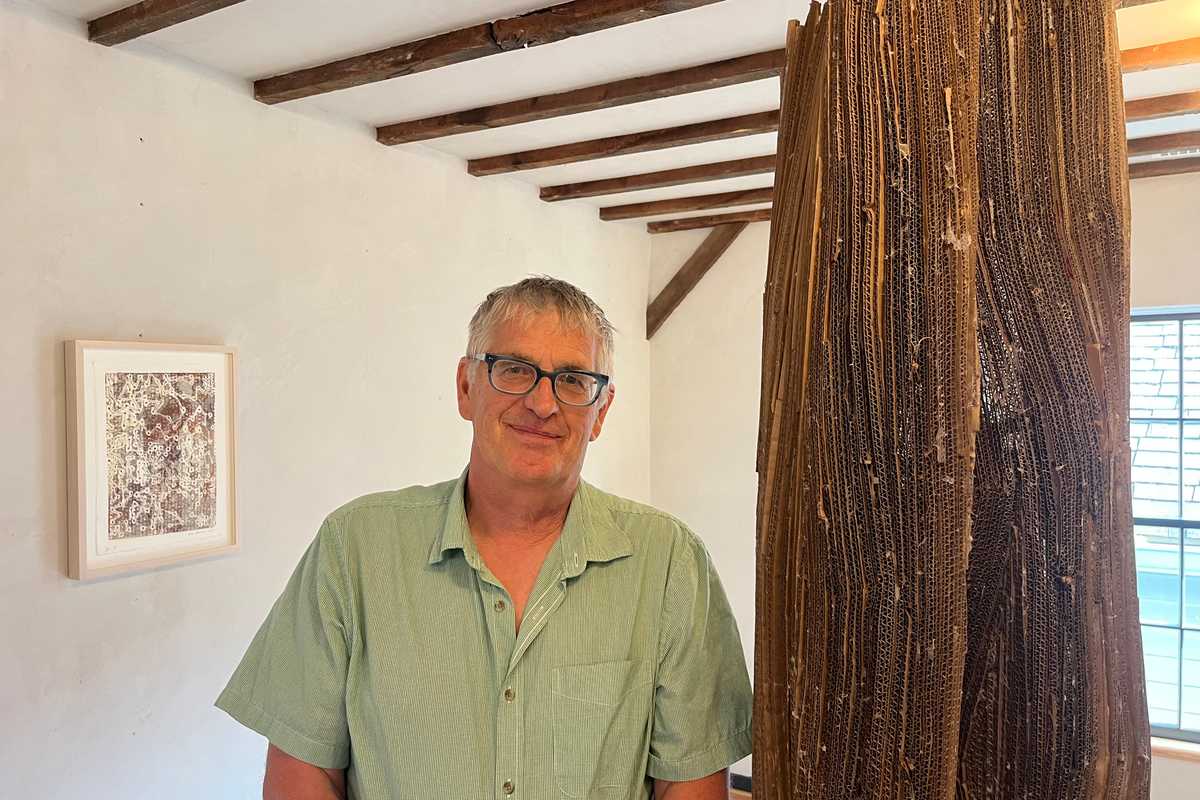
Henry Klimowicz with his sculpture, “Partial Pillar 1”

Photo by D.H. Callahan

On Saturday, Aug. 1, Geary Gallery opened its doors in Salisbury for two unique shows in its first- and second-floor gallery spaces. Art lovers flooded both floors over the course of the afternoon, giving the events a vibrant feeling that enhanced the importance of the art.

On the first floor is a show by Chicago-born, Colorado-based photographer Summers Moore, titled “Lobitos: Pueblo Fantasma,” or “Lobitos: Ghost Town.” The work centers around her daughter’s current hometown in Peru. Moore herself found a home away from home in Colorado in the mid-1980s and encouraged her children to seek out new places outside of their comfort zones.

Keep ReadingShow less

Writer’s retreat in the woods

Writer’s retreat in the woods

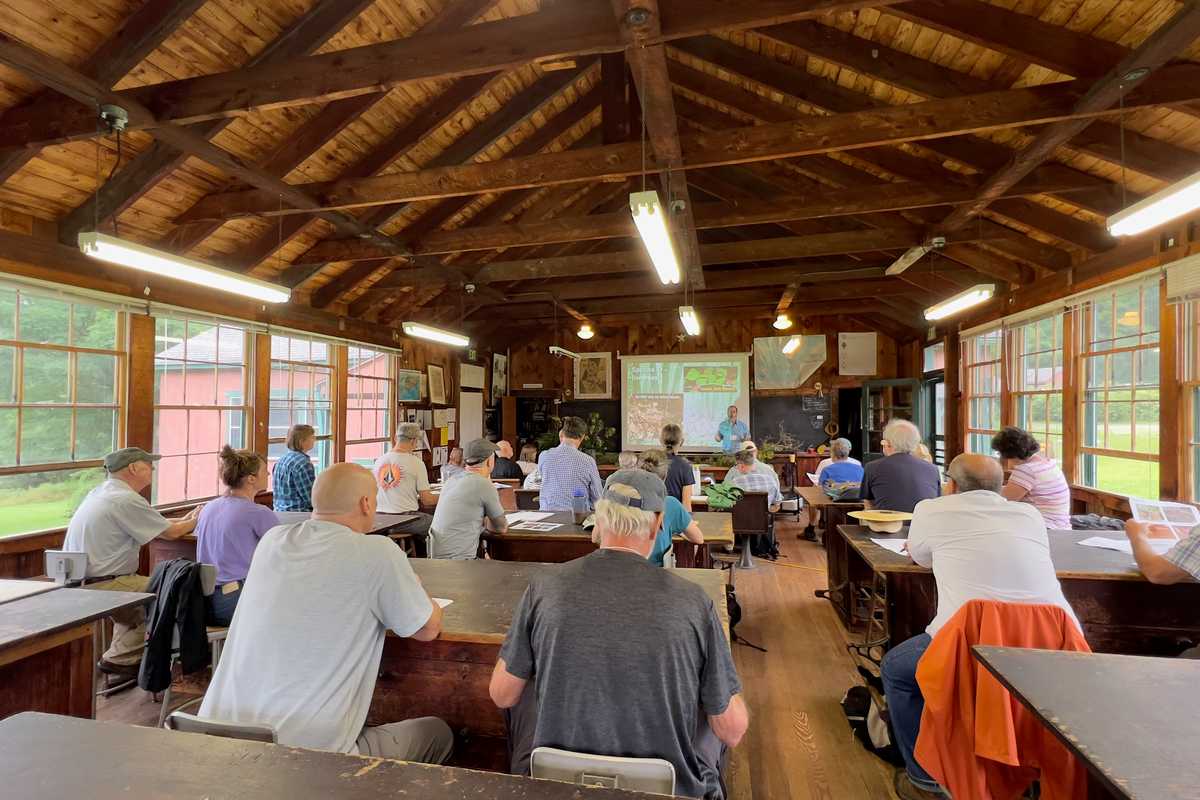
Participants in a 2024 Great Mountain Forest Woodland Academy workshop at Yale Camp.

Photo by Mike Zarfos

Great Mountain Forest (GMF) will host its first Nature Writing Retreat at the historic Yale Camp in Falls Village from Aug. 7-9, 2026. Writers of all levels are invited to draw inspiration from one of New England’s most notable forest landscapes. GMF envisions the retreat becoming an annual event celebrating writing, conservation and the relationship between people and forests.

This immersive three-day retreat reflects on the legacy of Hal Borland, the American writer and New York Times nature columnist whose work was deeply connected to this landscape. The retreat explores how wilderness shapes language, strengthens close observation and fosters environmental consciousness.

Keep ReadingShow less
From Cornwall to Rome, Adam Van Doren at Berkshire Botanical Garden

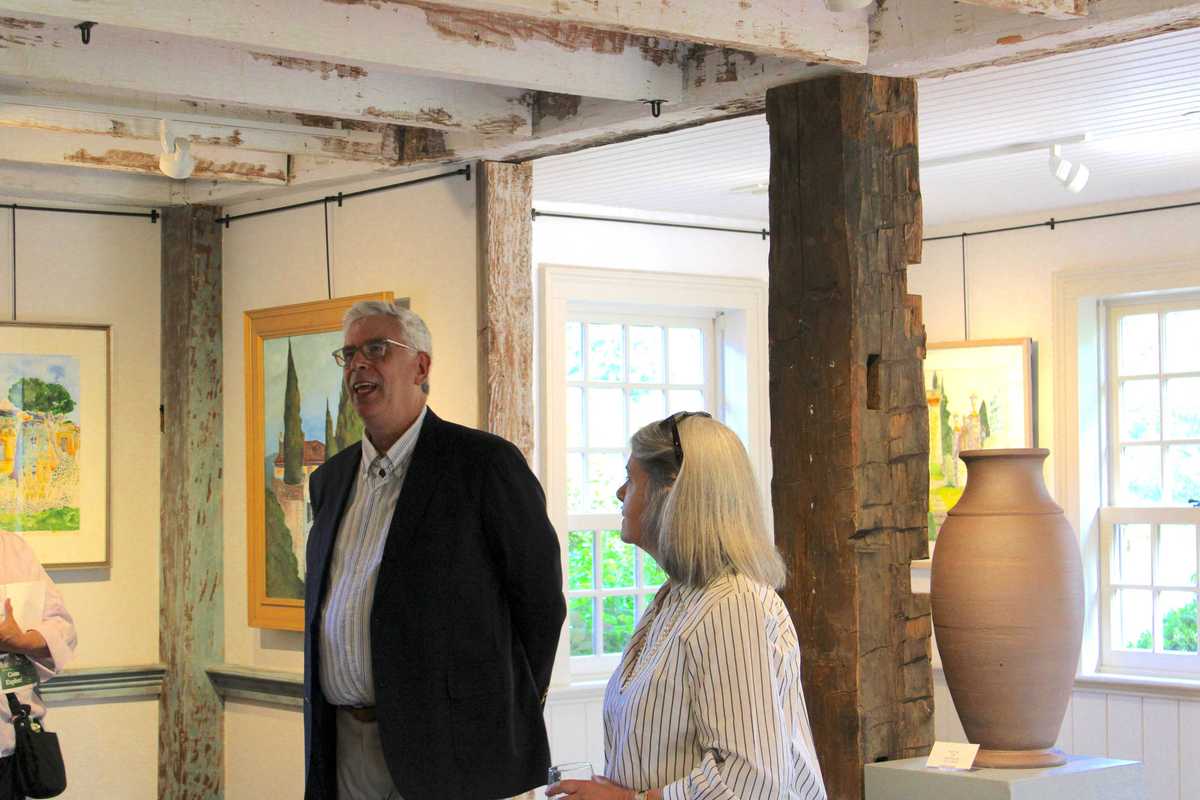
Artist Adam Van Doren and curator Donna Hassler talk to a group of visitors at the Berkshire Botanical Garden. A Stephen Proctor vessel sits to their left.

Photo by Natalia Zukerman

This summer, the Berkshire Botanical Garden in Stockbridge has hosted “Grounded in Nature: Paintings by Adam Van Doren,” an exhibition exploring the intimate relationship between architecture and the natural world.

On view for only a few more weeks in the Leonhardt Galleries, the exhibition features more than 35 watercolor and oil paintings by the New York-based artist, architect, author and Yale professor, curated by art historian Donna Hassler, director emerita of Chesterwood. The works span three distinct places that have shaped Van Doren’s artistic practice: New York City, Cornwall, Connecticut, and his travels throughout Europe.

Keep ReadingShow less
google preferred source

Want more of our stories on Google? Click here to make us a Preferred Source.
google preferred source

Want more of our stories on Google? Click here to make us a Preferred Source.