Community conversation on food security calls for new approach

Community conversation on food security calls  for new approach
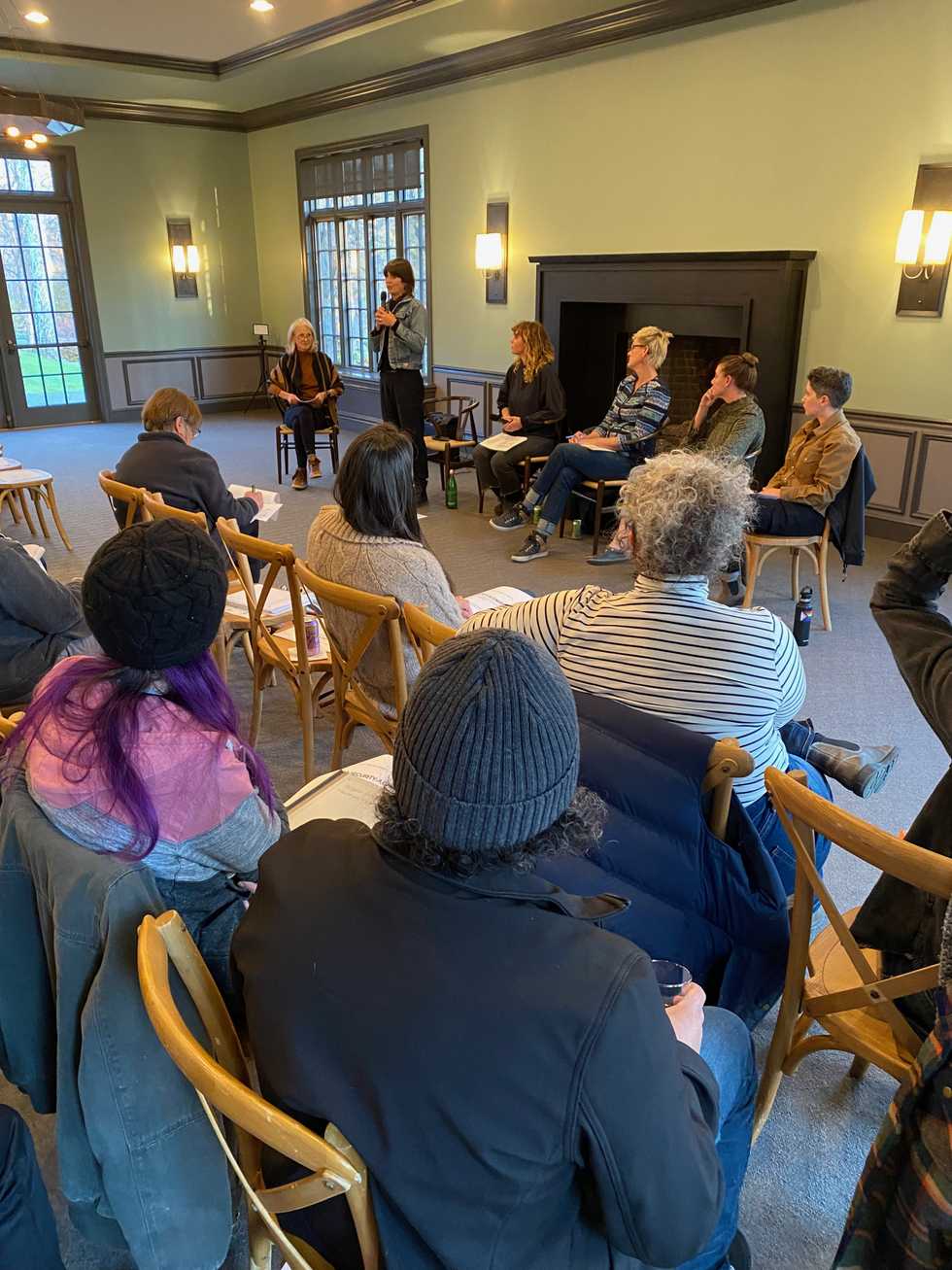
An audience of more than 100 residents of Connecticut and New York assembled for a panel discussion on food security in the tri-corner towns and what is being done to address it. Panelists from left to right were Linda Quella of Tri-Corner Food Equity, Jordan Schmidt of the Northeast Community Center, Sarah Chase of Chaseholm Farm, Maggie Cheney of Rock Steady Farm, Renee Giroux of the Northwest Food Hub and Sarah Salem of the Hudson Valley Food Systems Coalition. 
Photo by Leila Hawken
AMENIA — That food security is not a question of having enough food, but of ensuring that all individuals and households have safe, consistent access to that food was the premise of “Food Security: A Conversation,” a panel hosted at Troutbeck on Sunday, Nov. 5, and attended by over 100 residents of the tristate region.

Food insecurity within the population has remained steady for the past 25 years, said Linda Quella, founder of Tri Corner Food Equity, who organized and moderated the event.

Creating resilient and sustainable access to quality food across populations, she said, requires a reexamination of the ways that food is grown, distributed and accessed throughout the region. 

Typically, organic, sustainable farming practices require more labor, resulting in higher food costs; ultimately, said Quella, higher-quality produce is often inaccessible to most of the community.

The question becomes one of getting quality food to those who typically can’t afford it, and get farmers a fair return.

Representatives of local networks of food pantries, warehouses, and farms made up the panel.  

Jordan Schmidt, Food Program Director at The North East Community Center (NECC), in Millerton, raised the issue of fair pricing in her discussion of NECC’s fresh food pantry, which delivers a variety of fresh, locally produced vegetables, milk, eggs and proteins to food-insecure residents.

The program not only makes it possible for low income households to obtain fresh, nutritious food that they might not be able to afford, she said, but it also enables several small participating farms to increase their production and sales.

Getting food directly from farms into the food pantry system demands a shift from transactional to relational system of exchange, said Quella. Sarah Salem, founder and director of Hudson Valley Food Systems Coalition, emphasized the importance of fostering connectivity and trust.

Renee Giroux, manager of the Northwest Connecticut Food Hub, said that food hubs can assist in resolving logistics and distribution issues faced by farmers, as well as ensure fair prices for their food. One of her goals is getting locally farmed food into schools in the Northwest Corner, she said.

Maggie Cheney, farmer and co-founder of cooperative Rock Steady Farm in Millerton, described how the farm’s partnerships with food pantries and health centers suggest a model that supports diversity and inclusivity within the local food ecosystem. Cheney said that Rock Steady’s commitment to diversity extends to both farm workers and crops, and ultimately makes both the operation and the output of the farm more resilient.

Sarah Chase, farmer and owner of Chaseholm Farm, Schmidt, and Cheney all emphasized the importance of asking the community how to make food access easier in their day to day lives as a way of understanding where and how resources are best distributed.

In particular, panelists emphasized the importance of mitigating the lack of affordable housing.

“We don’t have food if we don’t have farmers,” Quella said.

“Housing insecurity is connected to everything else,” said Cheney.

That everything is connected to everything else was perhaps the forum’s central message. Panelists made it clear that improvements across housing, transportation, healthcare and environmental sustainability are all critical to addressing food access. 

They also emphasized the need for collaboration between farmers, community organizations, and government entities. System-wide improvement can only be implemented with system-wide participation, they said.

The Hotchkiss Library plans to continue the series of community conversations on food security, the next such forum scheduled to occur in January, 2024. The panel was sponsored by the new Guild chapter at Hotchkiss Library of Sharon.

Latest News

To mow or not to mow?

To mow or not to mow?

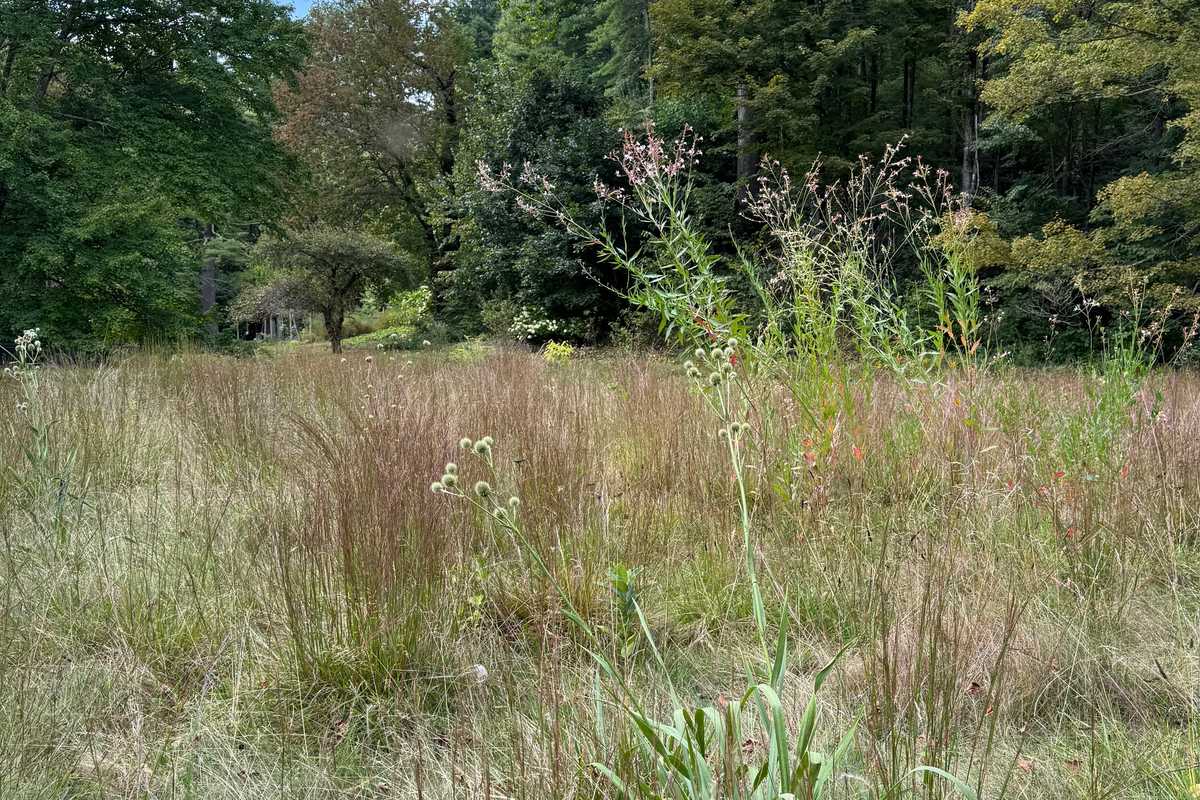
A partially mowed meadow in early spring provides habitat for wildlife while helping to keep invasive plants in check.

Dee Salomon

Love it or hate it, there is no denying the several blankets of snow this winter were beautiful, especially as they visually muffled some of the damage they caused in the first place.There appears to be tree damage — some minor and some major — in many places, and now that we can move around, the pre-spring cleanup begins. Here, a heavy snow buildup on our sun porch roof crashed onto the shrubs below, snapping off branches and cleaving a boxwood in half, flattening it.

The other area that has been flattened by the snow is the meadow, now heading into its fourth year of post-lawn alterations. A short recap on its genesis: I simply stopped mowing a half-acre of lawn, planted some flowering plants, spread little bluestem seeds and, far less simply, obsessively pluck out invasive plants such as sheep sorrel and stilt grass. And while it’s not exactly enchanting, it is flourishing, so much so that I cannot bring myself to mow.

Keep ReadingShow less

Where the mat meets the market

Where the mat meets the market

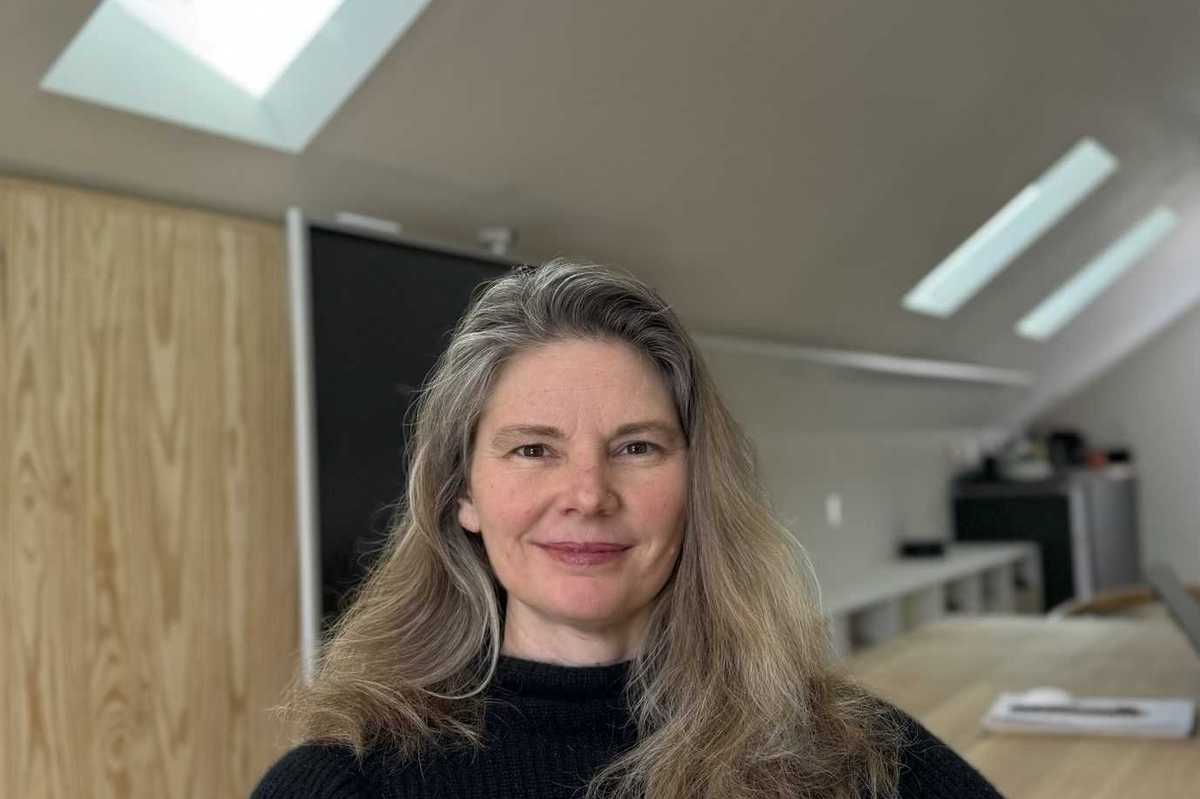
Kathy Reisfeld

Elena Spellman

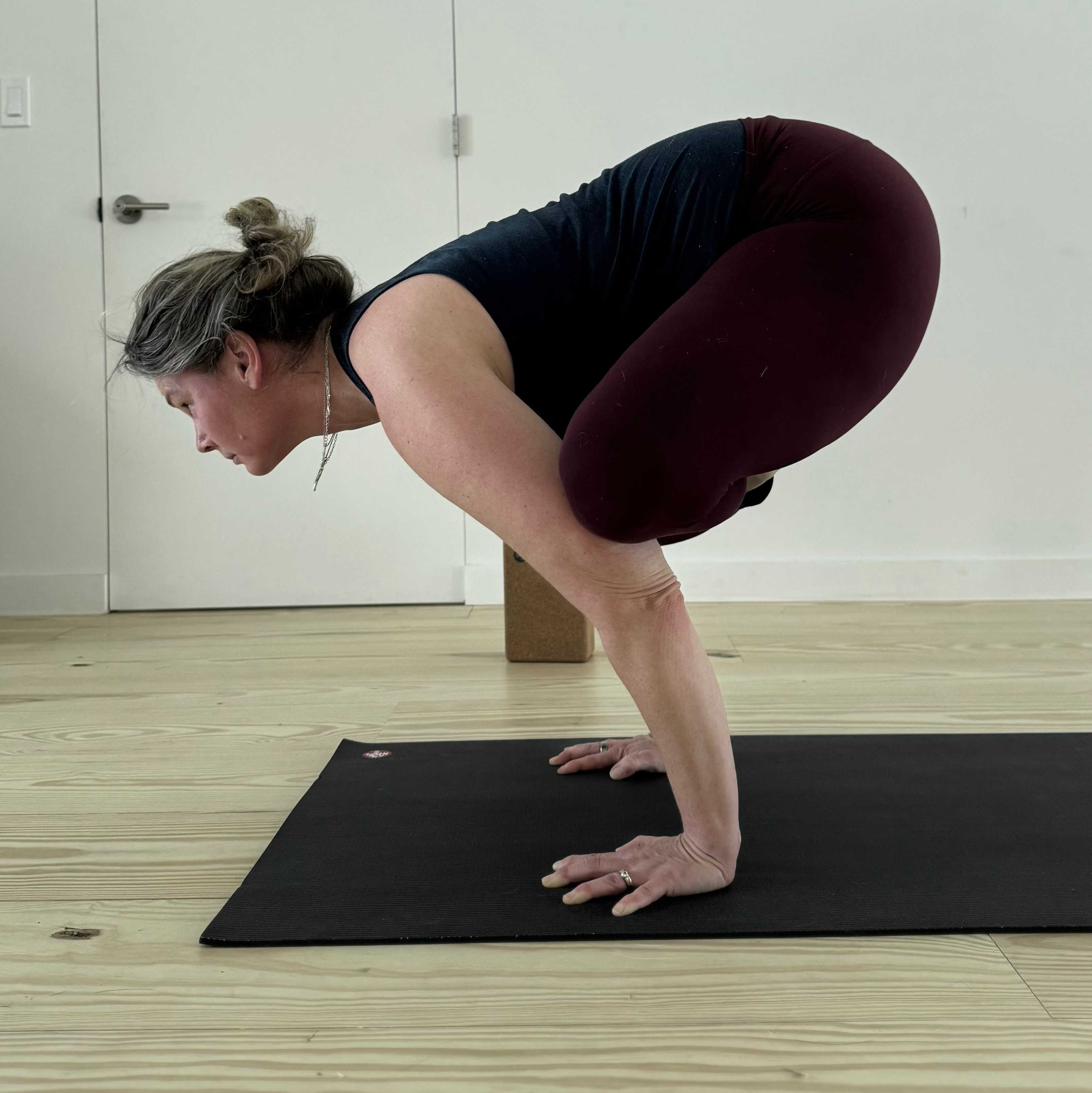
In a barn on Maple Avenue in Great Barrington, Kathy Reisfeld merges two unlikely worlds: wealth management and yoga, teaching clients and students alike how stability — financial and emotional — comes from practice.

Her life sits at an intersection many assume can’t exist: high finance and yoga. One world is often reduced to greed, the other to “woo-woo” stretching. Yet in conversation, she makes both feel grounded, less like opposites and more like two languages describing the same human need for stability.

Keep ReadingShow less
Capitol hosts first-ever staging of Civil War love story

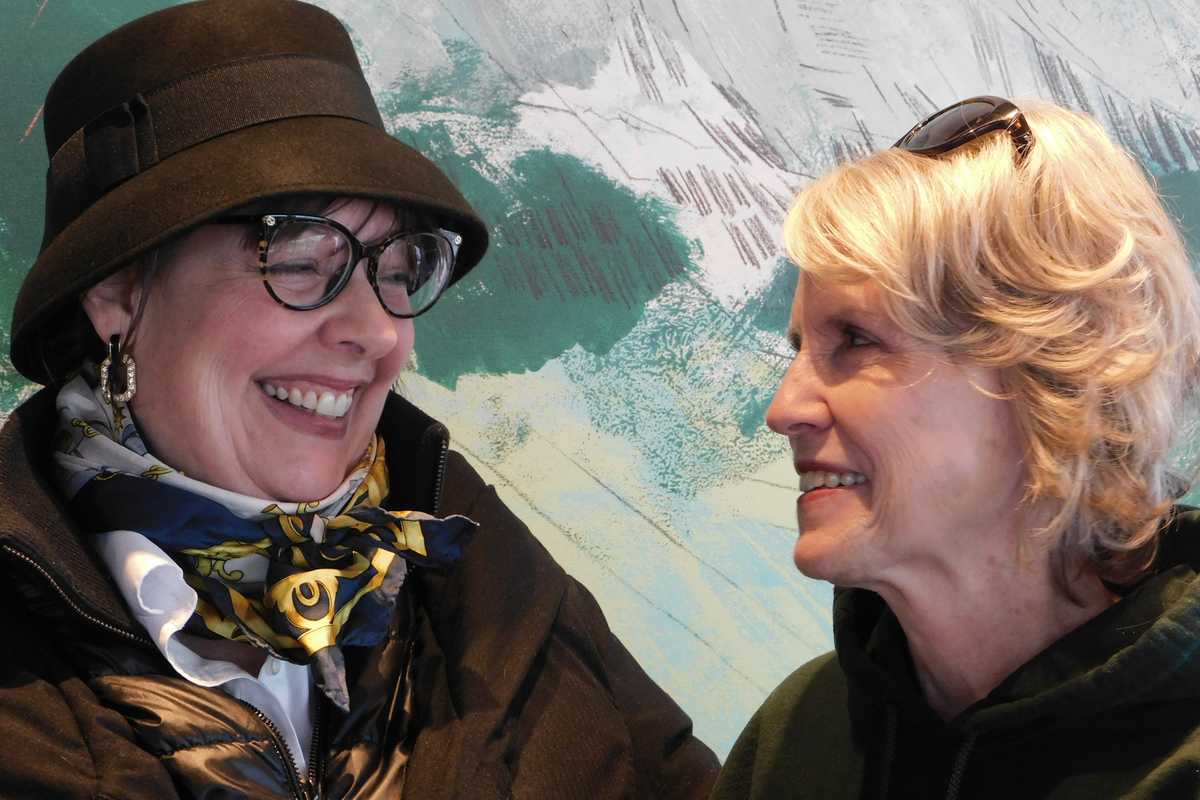
Playwright Cinzi Lavin, left, poses with Kathleen Kelly, director of ‘A Goodnight Kiss.’

Jack Sheedy

Litchfield County playwright Cinzi Lavin’s “A Goodnight Kiss,” based on letters exchanged between a Civil War soldier and the woman who became his wife, premiered in 2025 to sold-out audiences in Goshen, where the couple once lived. Now the original cast, directed by Goshen resident Kathleen Kelly, will present the play beneath the gold dome of Connecticut’s Capitol in Hartford as part of the state’s America250 commemoration — marking what organizers believe may be the first such performance at the Capitol.

“I don’t believe any live performances of an actual play (at the Capitol) have happened,” said Elizabeth Conroy, administrative assistant at the Office of Legislative Management, who coordinates Capitol events.

Keep ReadingShow less
google preferred source

Want more of our stories on Google? Click here to make us a Preferred Source.

Hunt Library launches VideoWall for filmmakers

Yonah Sadeh, Falls Village filmmaker and curator of David M. Hunt Library’s new VideoWall.

Robin Roraback

The David M. Hunt Library in Falls Village, known for promoting local artists with its ArtWall, is debuting a new feature showcasing filmmakers. The VideoWall will premiere Saturday, March 28, at 6 p.m. with a screening of two short films by Brooklyn-based documentary filmmaker and animator Imogen Pranger.

The VideoWall is the idea of Falls Village filmmaker Yonah Sadeh, who also serves as curator. “I would love the VideoWall to become a place that showcases the work of local filmmakers, and I hope that other creatives in the area will submit their work to be shown,” he said.

Keep ReadingShow less

A bowl full of stars

A bowl full of stars

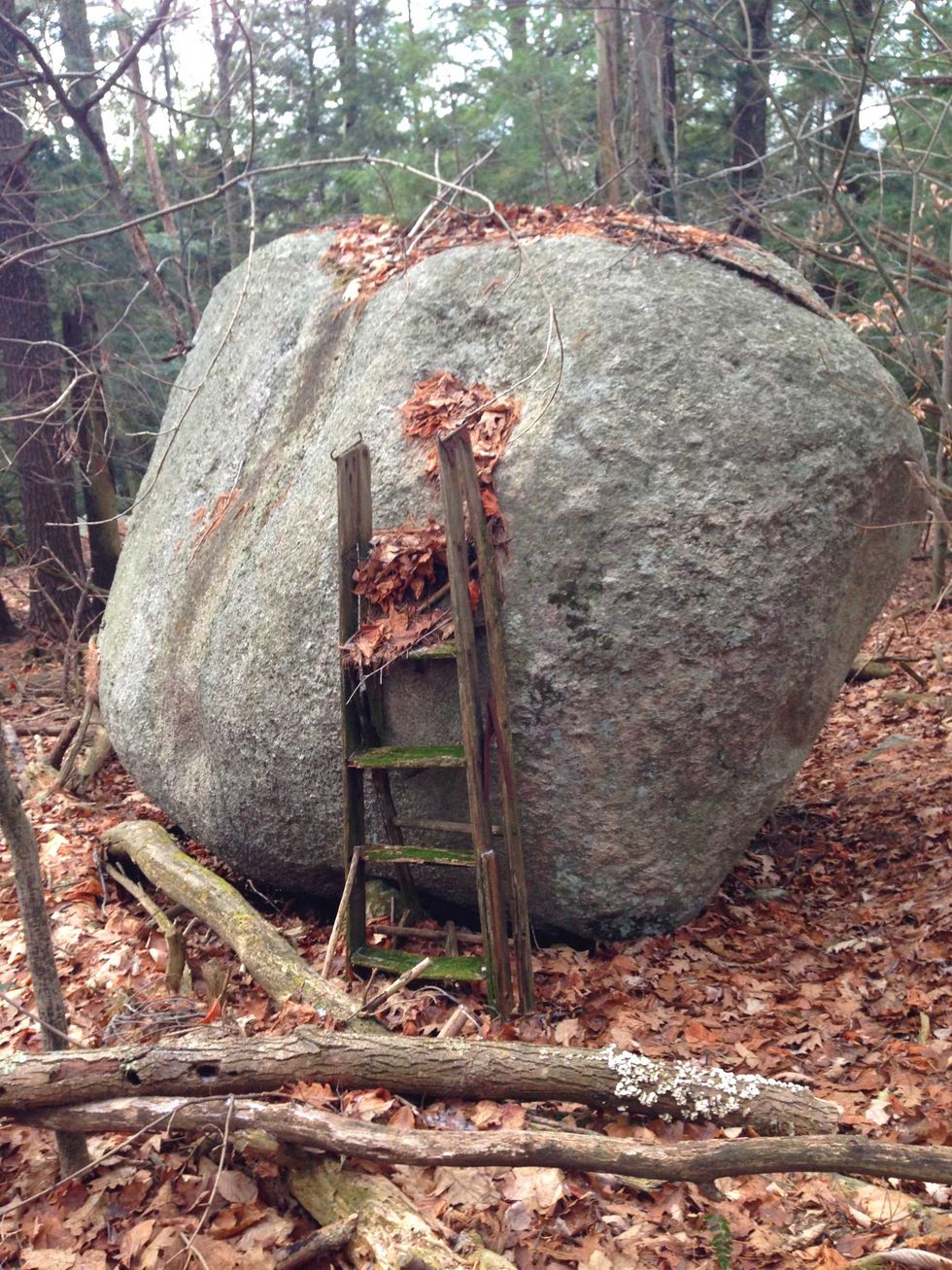
A bowl full of stones.

Cheryl Heller

There’s a bowl in my studio where pieces of the planet reside. I bring them home from travels, picking them up not for their beauty or distinction but for their provenance. I choose the ones that speak to me — the ones next to pyramids, along hiking trails, on city sidewalks or volcanic slopes.

I like how stones feel in my hand: weighty, grounding. I don’t mind them making my pockets and suitcase heavier. The bowl is about the size of an average carry-on. It has been years since it was light enough for me to lift.

Keep ReadingShow less
One-woman show brings Mumbet’s fight for freedom to Scoville Library

On March 29, writer, producer and director Tammy Denease will embody the life and story of Elizabeth Freeman, widely known as Mumbet, in two performances at the Scoville Library in Salisbury. Presented by Scoville Library and the Salisbury Association Historical Society, the performance is part of Salisbury READS, a community-wide engagement with literature and civic dialogue.

Mumbet was the first enslaved woman in Massachusetts to sue successfully for her freedom in 1781. Her victory helped lay the legal groundwork for the abolition of slavery in the state just two years later. In bringing Mumbet’s story to life, Denease does more than reenact history.

Keep ReadingShow less
google preferred source

Want more of our stories on Google? Click here to make us a Preferred Source.

google preferred source

Want more of our stories on Google? Click here to make us a Preferred Source.