

The Russian dissident leader has just landed in Moscow. If you are just catching up, he had been poisoned by Putin’s Pootches (George W called him Pootie Poot, GW giving nicknames, a la Trump who called Michael Moore “Sloppy Mike”, Moore jocundly saying that was the rare time DJT spoke the truth.)
Navalny, whose courage matches Alexander Solzhenitsyn, who was in the Siberian Gulag for decades, before being released and winding up in Vermont, the countryside reminding him of his homeland, Navalny whose courage is something I could never match. How do people like him do it? Pootie Poot will murder him, sure as the sour cream will melt in your borscht. How does he do it? Have you ever wondered how some people will just not be stopped?
Navalny, who was saved in a German hospital, has recovered from the literally poisonous attempt to silence him and what does he do? He goes back to Moscow and says NYET to the Trump BFF snake-eyed Pootie. And arrested even as he is kissing his wife and leaving his plane seat.
Where does the courage come from? There are countless examples. Impossibly so.
The chess master, Gary Kasparov, the youngest Grandmaster at 22, an avid never-Pooter, with a bull’s eye on his throat, has an organization to overthrow Vlad the Impaler. (That’s an insult to Romanians, but I won’t apologize to Ceaucescu.) His English impeccable, Kasparov is relentless. As is Navalny. As were Solzhenitsyn and Vaclav Havel.
Havel, the President of Czechoslovakia, then the Prez of the Czech Republic, a playwright in an earlier life and later a denizen of NYC’s rock he(a)ven CBGB’s, defying the Communists, jailed, then exiled to the hinterlands where he worked rolling barrels of pivo (that’s “beer” for you Slav-challenged, and you haven’t had a “This Bud’s for You” until you’ve had one in Central Europe) wrote a terrific play about it.
His masterpiece is “Memorandum”, which posits not one but two entirely new languages to simplify how we communicate. At play’s end, everyone is so exhausted from trying to understand what in the world anyone is saying, they quit and go to lunch.
Yes, where does the courage come from? And did these Slavs ever go to lunch?
Na zdrowie.
Bless you if you have it. And please, even at your peril, have a little water, as vodka is known, eat some pierogis, to jest pisne, and continue.
Lonnie Carter is a writer who lives in Falls Village. Email him at lonniety@comcast.net.

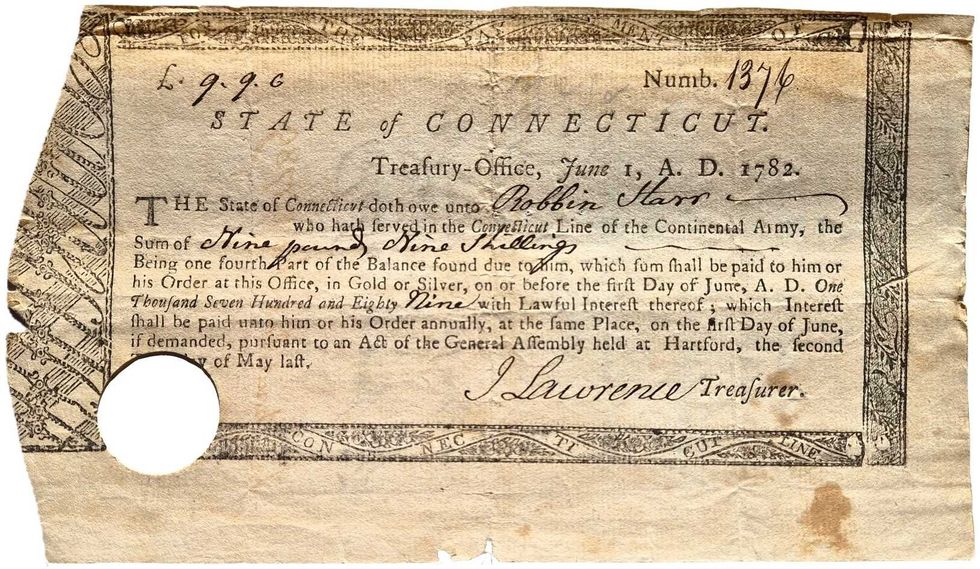 Pay Bill for Robin Starr’s service in the Continental Army.Courtesy the Alex Breanne Corporation
 John Mills speaking at Quinnipiac University.Courtesy the Alex Breanne Corporation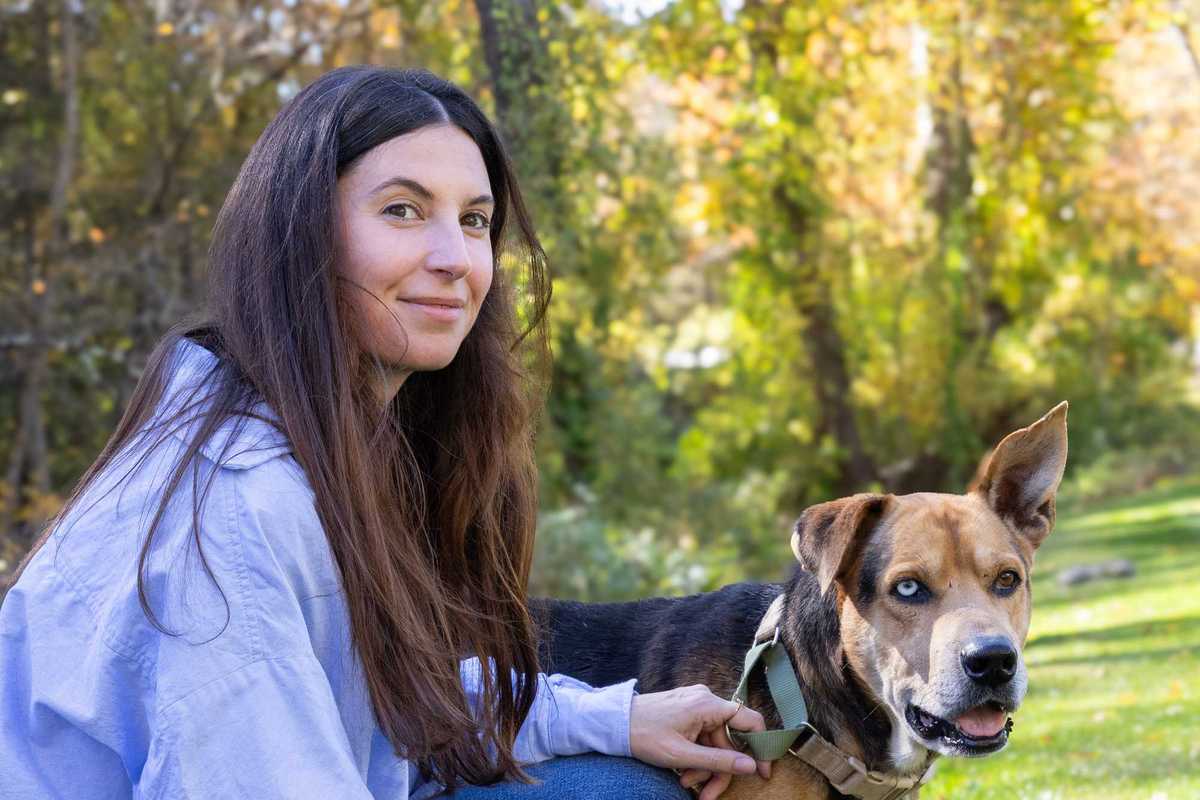
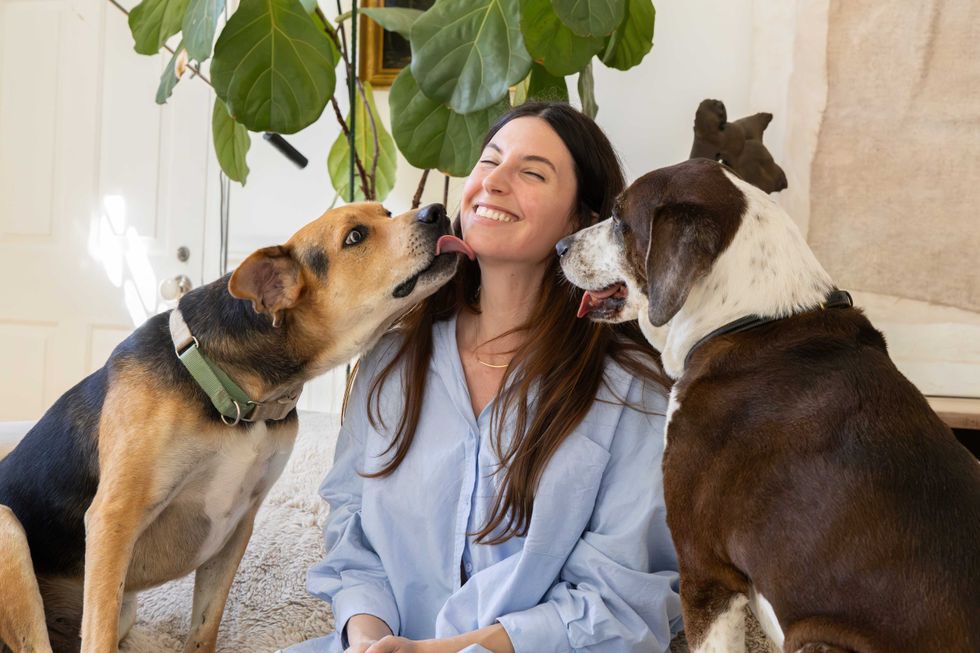 Stephanie Saetta,with her rescue dog George and Blue (left), a shepherd mix awaiting his forever home.Madi Long
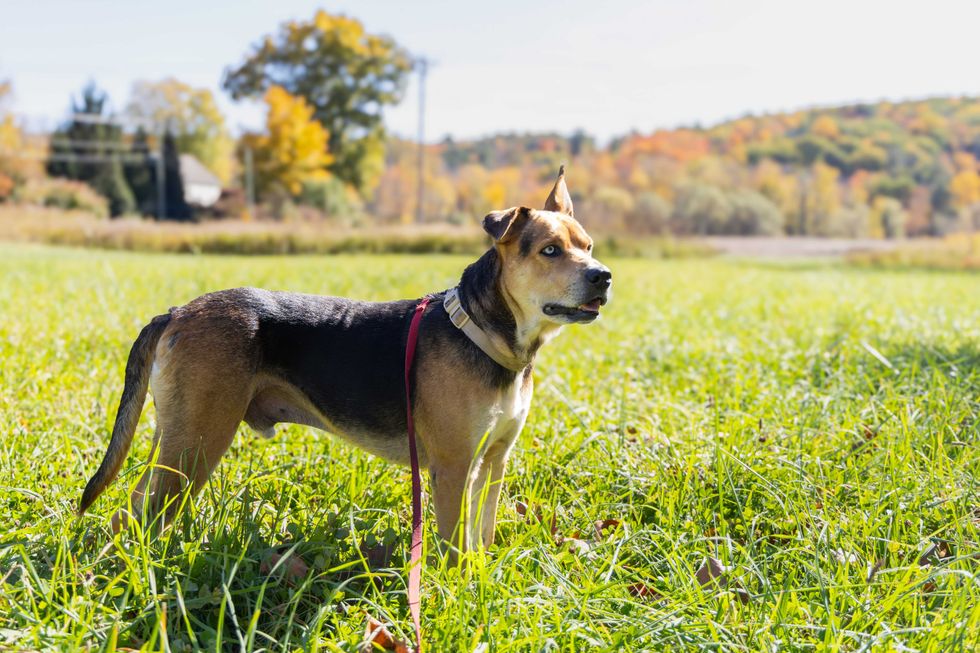 Blue, a 7 year-old Shepard mix, is waiting for his forever home. Madi Long








Alexei Navalny: a man of great Slavic courage