There are so many opportunities for miscommunication and mutual misunderstanding during the isolation COVID-19 distancing and sheltering has produced. On social media, especially when it comes to politics, the impersonal approach to exchanging ideas and positions can lead to harsh divisions. There is no gray area in such discourse any more.
This could also well be part of what has led to more polarized discussion locally, with town meetings of all kinds now happening online and with much less, if any, in-person contact. While more people may be able to attend such meetings no matter their ability to travel, it can be tougher than ever to find common ground on the more contentious topics up for decisions at the meetings.
Those topics include, but are not limited to, affordable housing, planning and zoning and land trust management. The discussions in Falls Village and Salisbury around these issues have taken turns that seem more personal and confrontational than those that would happen face-to-face, with all parties in one room.
On the topic of affordable housing, for instance, those opposing the current proposals in both Salisbury and Falls Village say they support the concept of affordable housing and understand the acute need for more in the area. But the specific projects on the table have flaws, they argue, that just cannot be overcome.
Now is the time for all sides to come together and figure out a compromise, in both towns, so that opportunities to create this essential housing aren’t lost, as others have been. With the influx of many who can well afford individual residences to the Northwest Corner and the surrounding area, it is more essential than ever that the people who cannot afford the rate of local housing be supported in their wish to live here: teachers, medical workers, restaurant staff, local journalists, town and school staff, contractors, landscapers and more. They, and all our communities, would benefit from more housing options in an area that only seems to escalate in cost of living.
These are the critical people who help our society function. One example is those who made a big difference to quality of life following the snowstorm Dec. 17. A lot of snow fell overnight and into the next morning, but the area residential plowers and town crews got out in the middle of the storm and, along with state plow drivers on the state roads, made the roads and driveways drivable and safer as the days went on and the temperatures stayed cold. Thanks to all who moved a lot of snow around in the dark and cold, then had to dig their own homes out after they were done. Where would the area be if there isn’t housing available for these folks, and others who are so willing to serve their communities doing fire, ambulance, town and other volunteering? This is a moment when a changing of the guard is happening, and many of those who have served for decades are aging out of their roles. There needs to be space for others to step up, and to find reasonable and good lives here while they’re at it.
Let’s hope that communication improves and compromise becomes a real part of the discussion going into 2021, for the good of all our communities.

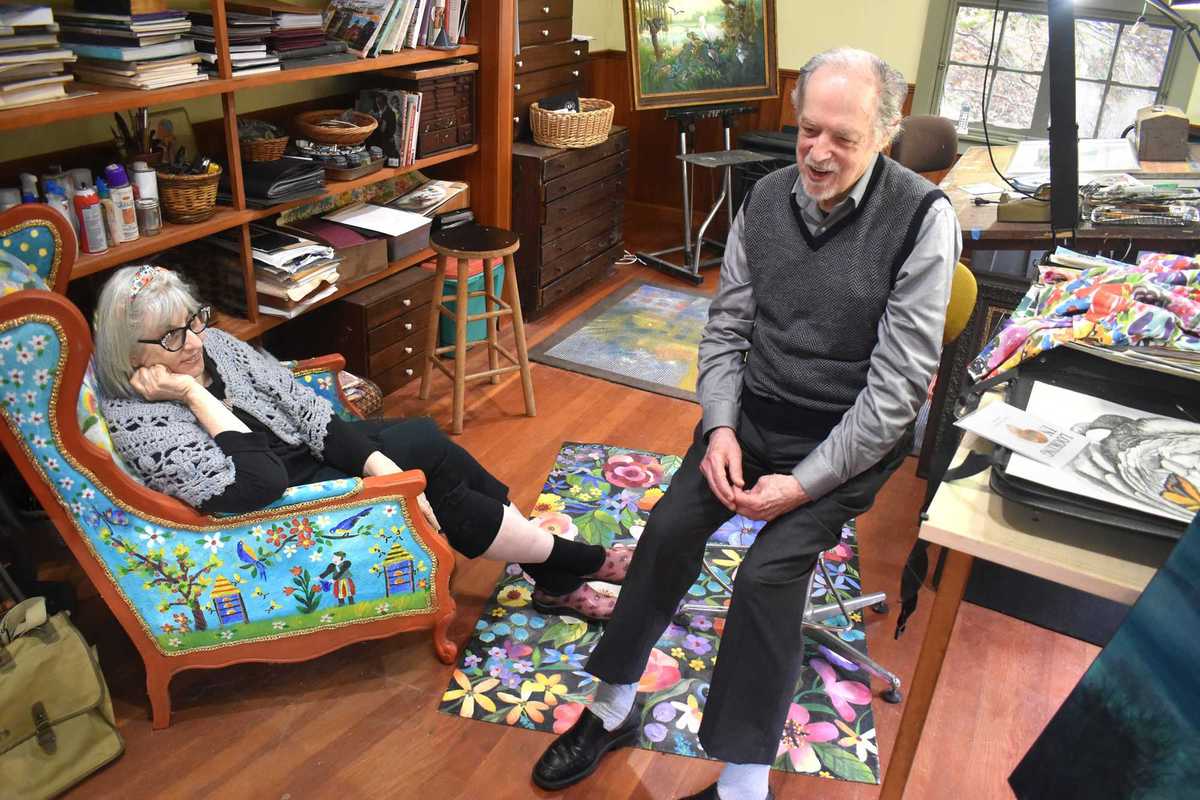
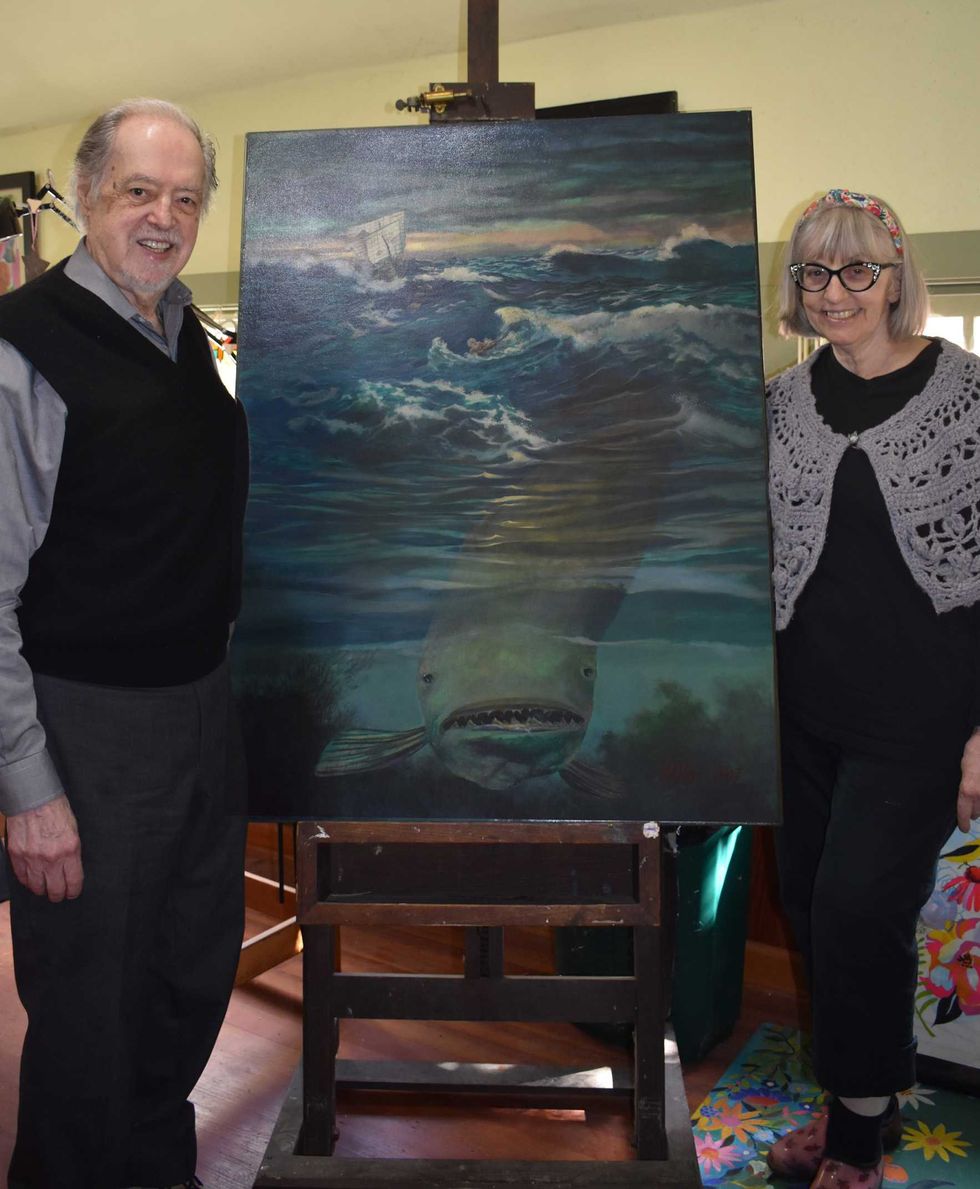 Justine and Victor Valla in their studio with a painting of Victor’s,”Jonah and the Whale.” Robin Roraback


 A ceramic vase by Kathleen Heidemann.Provided
 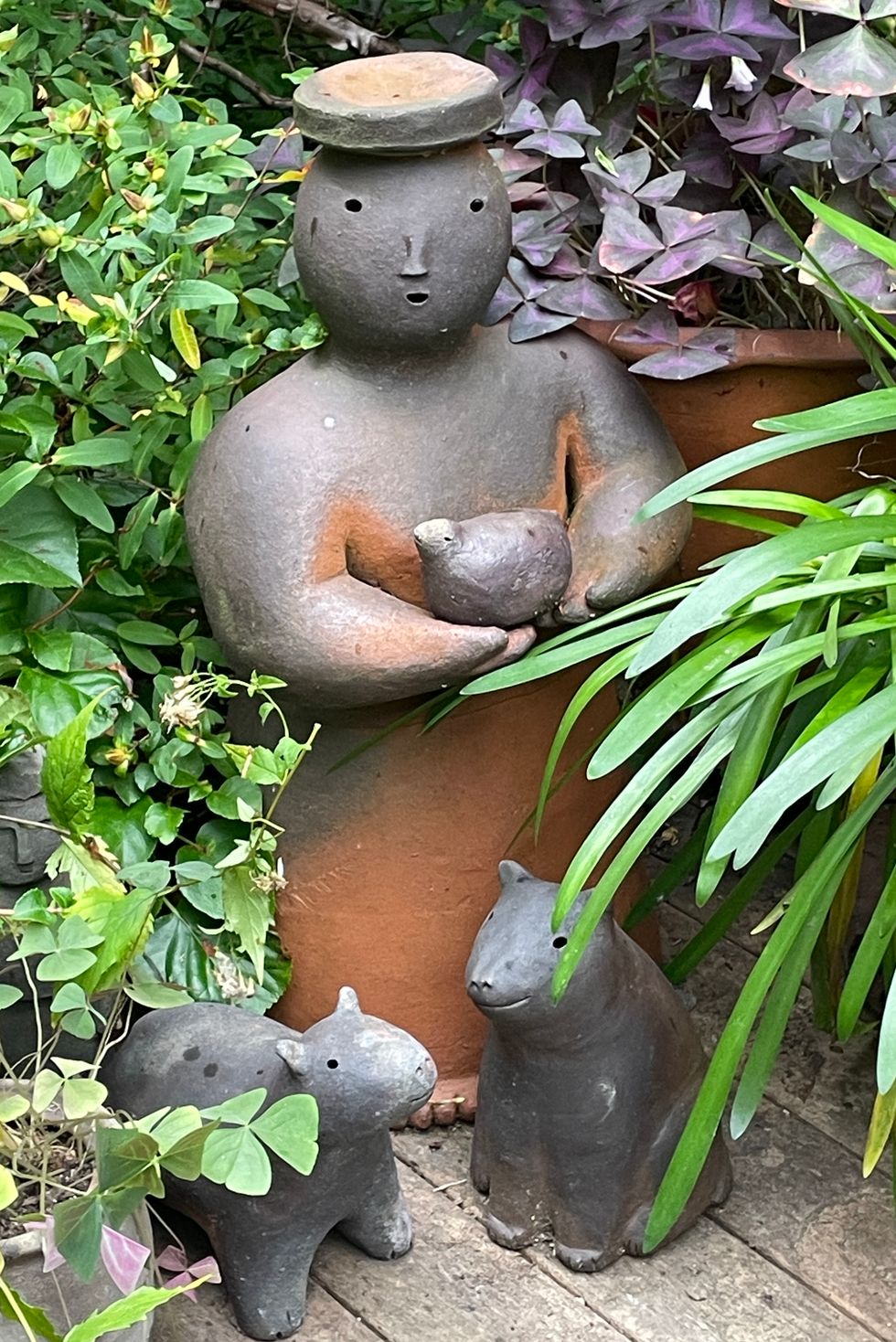 Joy Brown’s delightful ceramic sculptures.Provided