Democrats dominate voting in most area towns

Victor Flores was proud to return home to North Canaan from Harvard University (where he is a sophomore) to cast his ballot in the Nov. 3 election.
Photo by Tom Zetterstrom

Victor Flores was proud to return home to North Canaan from Harvard University (where he is a sophomore) to cast his ballot in the Nov. 3 election.
Connecticut voters chose Democratic presidential candidate Joe Biden over Republican President Donald Trump on Tuesday, Nov. 3. Although vote counts continued through this week, it has been generally acknowledged that Biden was the victor nationwide as well.
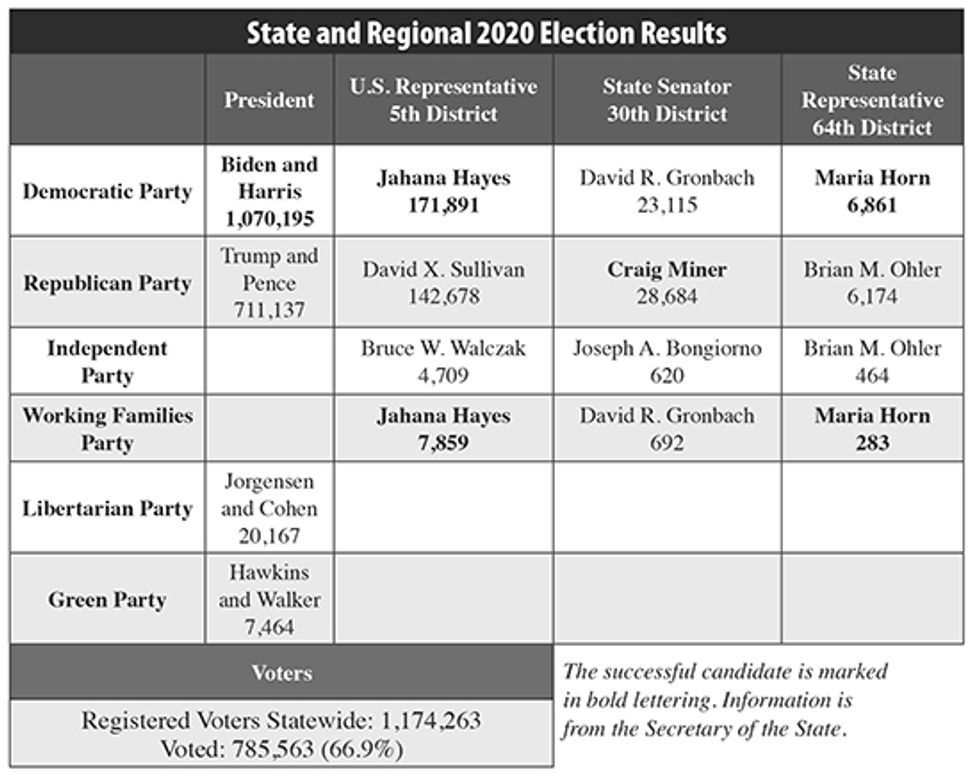
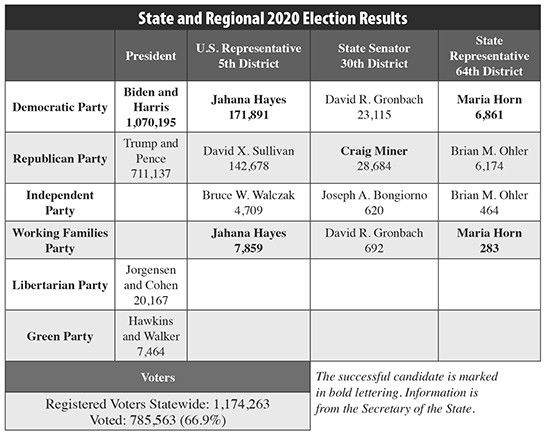
In total in Connecticut, the ticket of Biden and Kamala Harris received 1,070,195 votes, and the ticket of Trump and Vice President Mike Pence garnered 711,137 votes.
Incumbent U.S. Rep. Jahana Hayes (D-5) beat GOP challenger David X. Sullivan for the 5th Congressional District seat, 171,891 to 142,678.
Incumbent state Sen. Craig R. Miner (R-30) won his reelection bid for the state Senate as of this writing. He led challenger David R. Gronbach, 28,684 to 23,115.
Incumbent state Rep. Maria Horn (D-64) won reelection, beating Republican Brian Ohler 7,144 to 6,638.
Voters in the six Region One towns went big for the Democratic presidential and vice presidential nominees, Joe Biden and Kamala Harris.
The six towns in the Region One School District are Canaan (Falls Village), Cornwall, Kent, North Canaan, Salisbury and Sharon.
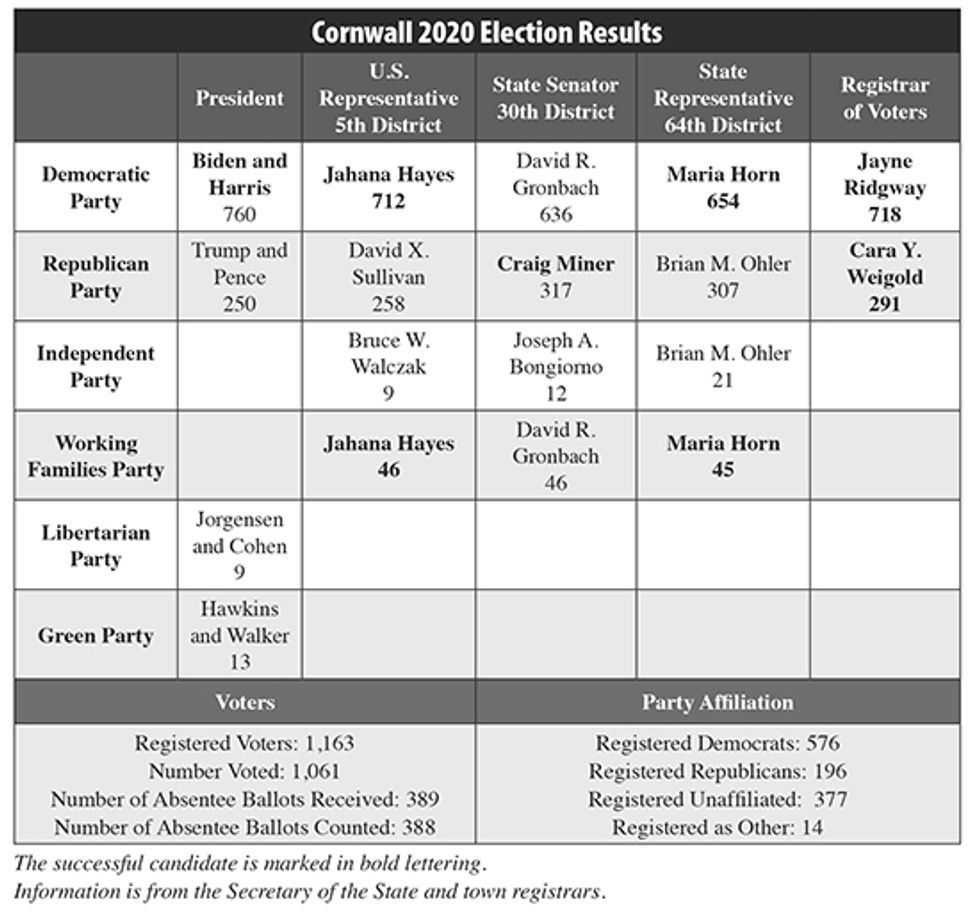
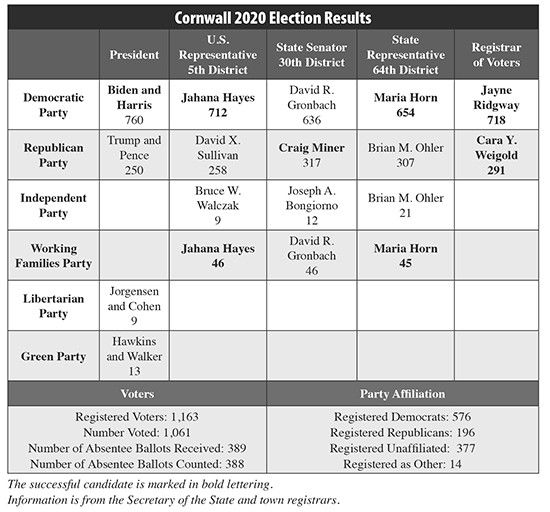
In Cornwall, 760 preferred the Democrats to 250 for the incumbent Republicans, President Donald Trump and Vice President Mike Pence.
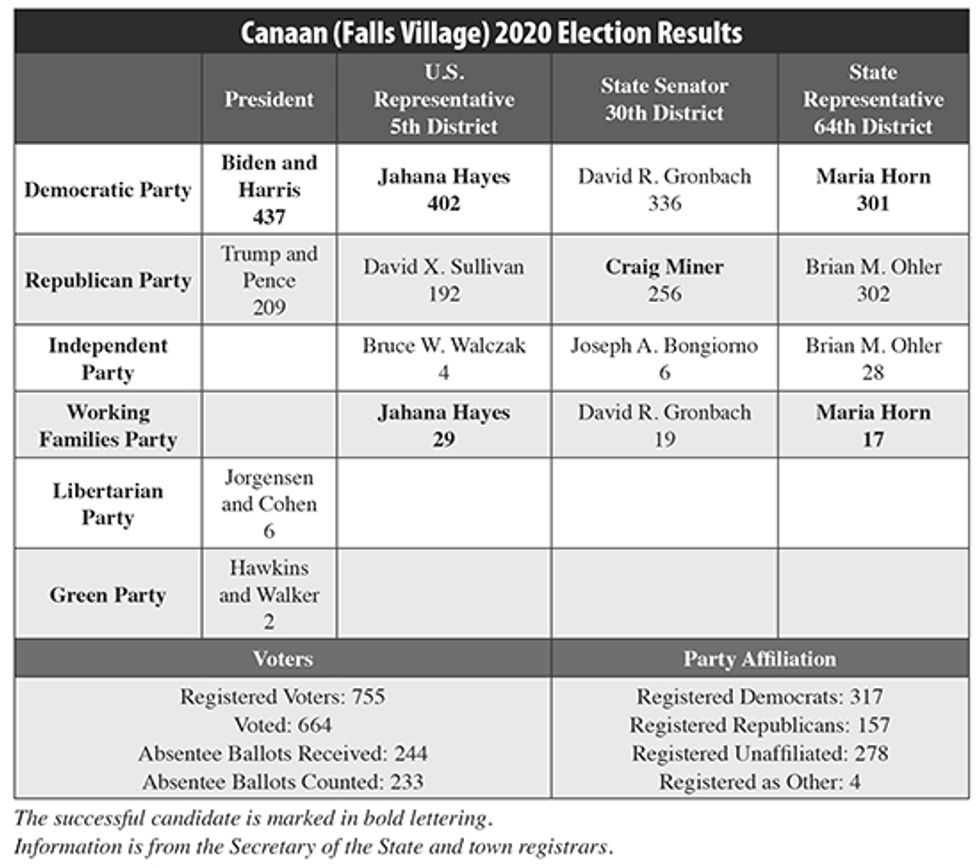
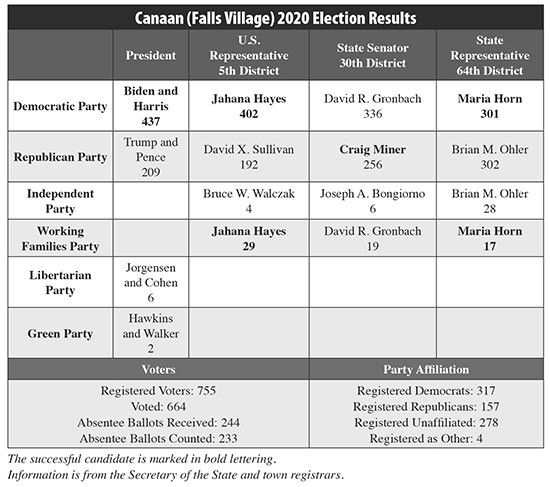
In Falls Village, Biden won the vote with 437. Trump took 209 votes.
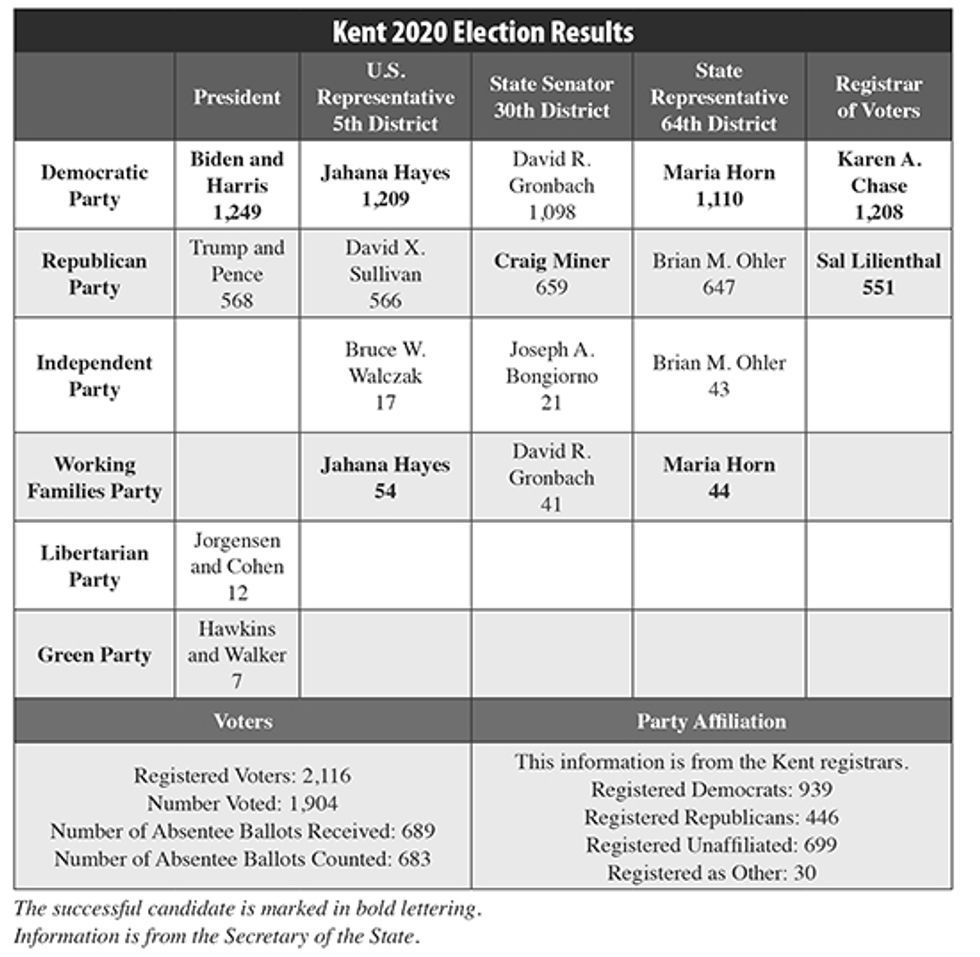
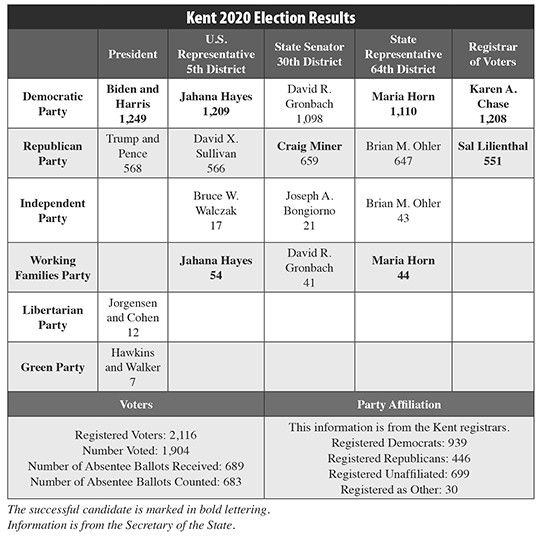
Kent went for Biden 1,249 to Trump’s 568.
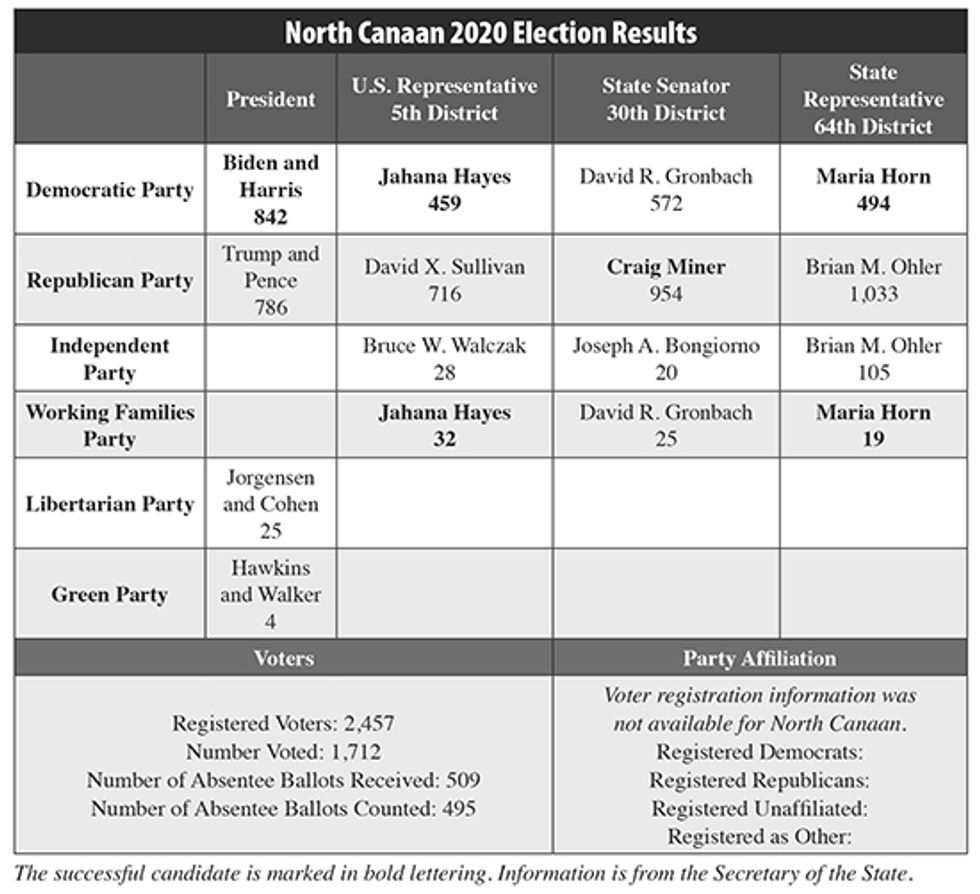
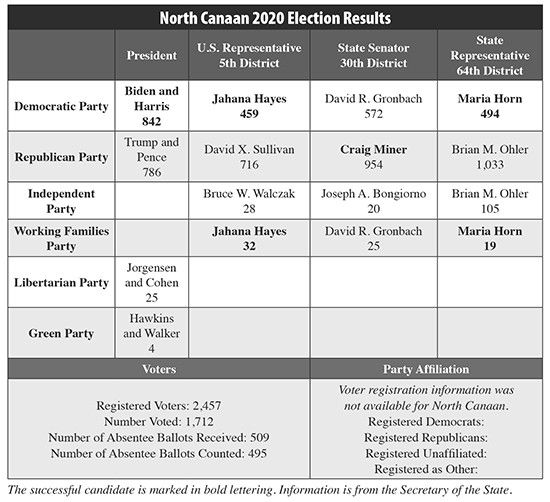
The margin was much closer in North Canaan, where Biden beat Trump 842 to 786.
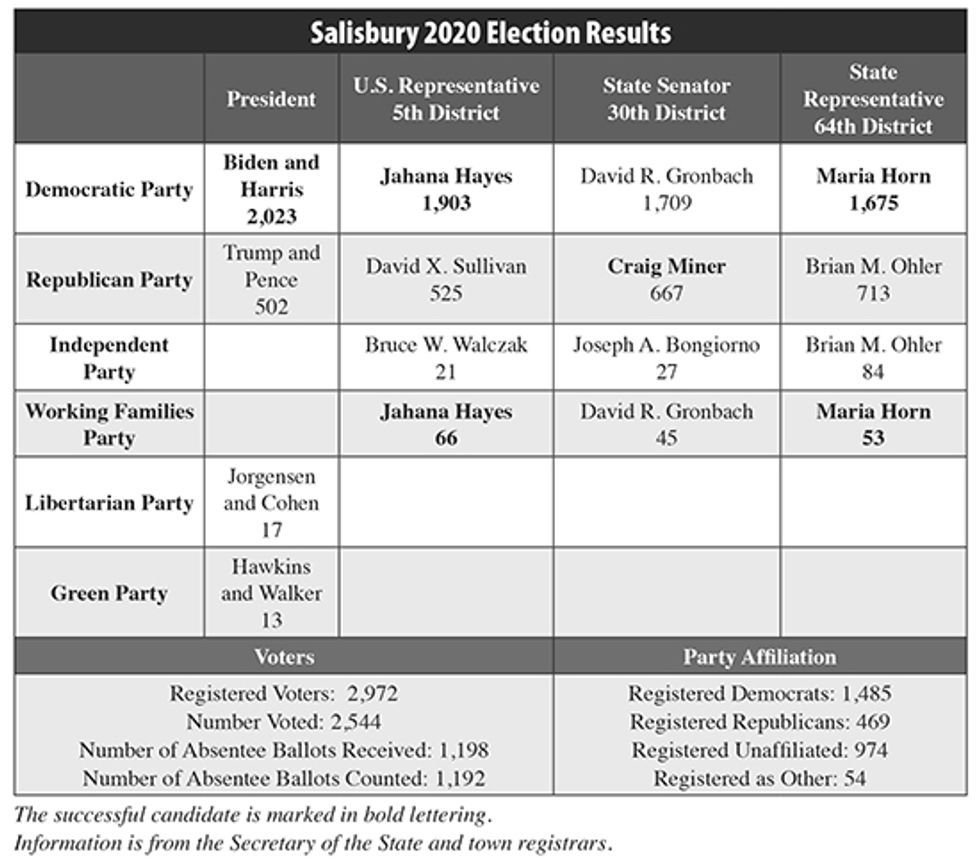
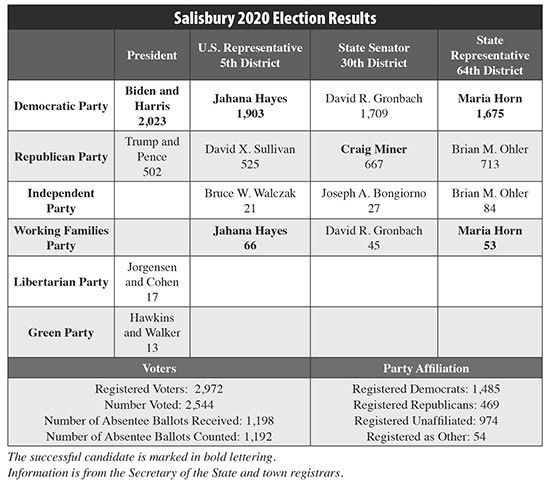
Salisbury was lopsided, with Biden getting 2,023 votes to a scanty 502 votes for Trump.
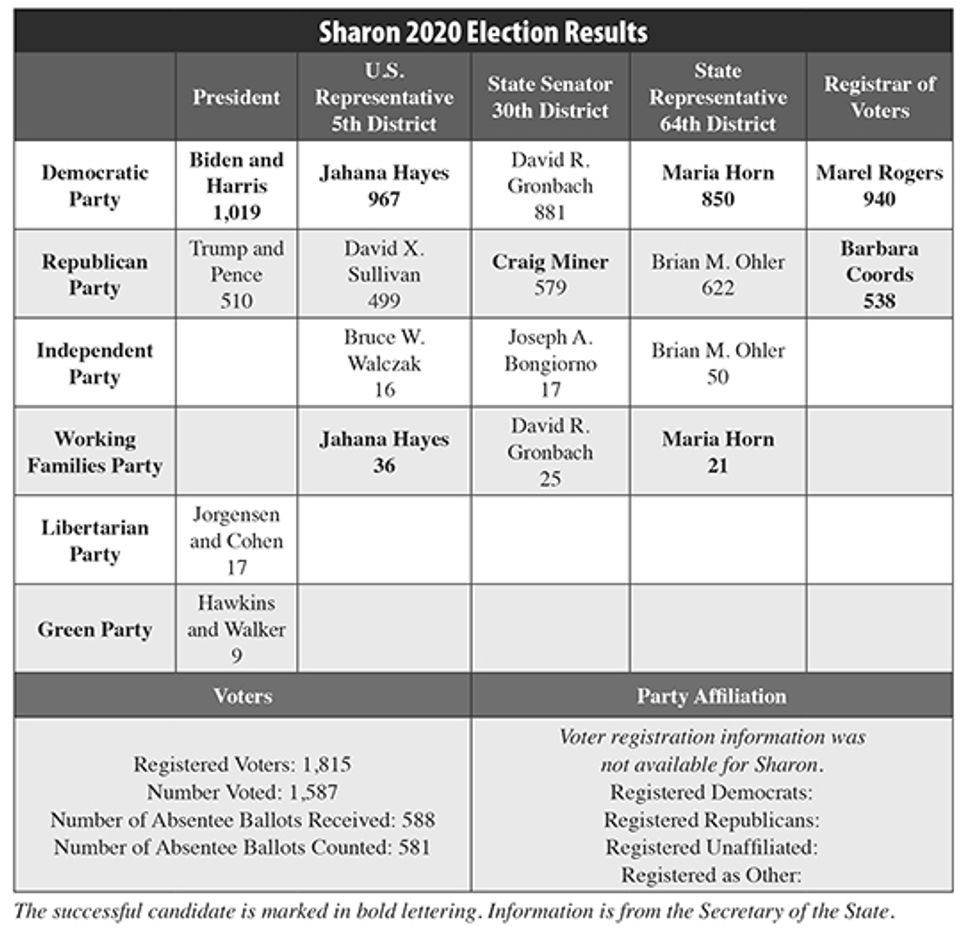
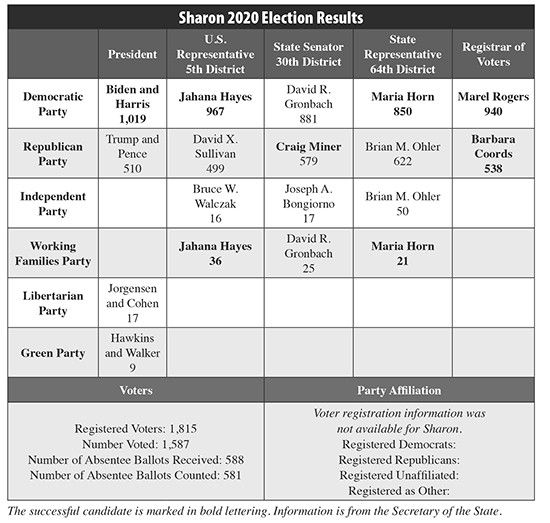
And Sharon went for Biden, 1,019 to 510.
Region One voters preferred incumbent Democratic Congresswoman Jahana Hayes to Republican challenger David X. Sullivan by similar margins. Hayes appeared on two lines on the ballot, the Democratic and Working Families lines. In Cornwall, Hayes received 758 votes to Sullivan’s 255.
Falls Village went for Hayes, 431 to 192.
Hayes took Kent, 1,263 to 566.
The challenger won in North Canaan, 716 to 491.
In Salisbury, Hayes won with 1,969 votes. Sullivan netted 525 votes.
And in Sharon, Hayes beat Sullivan 1,003 to 499.
The final results in the 30th District State Senate race was late in being announced. Incumbent state Sen. Craig Miner (R-30) said in a phone interview Wednesday afternoon, Nov.4, that the problem was a large number of absentee ballots in New Milford, as many as 5,000.
(New Milford is Gronbach’s home town, where he served as mayor.)
Gronbach conceded the race late Tuesday night.
Miner did not fare well in most Region One towns.
In Cornwall, Gronbach won, 682 to 317. In Falls Village he received 355 votes vs. 256 for Miner, and in Kent Gronbach cruised with 1139 votes to Miner’s 659.
Miner won in North Canaan, 954 to 601.
In Salisbury, Gronbach won handily, 1,754 to 667. It was a little tighter in Sharon, with Gronbach prevailing 906 to 579.
Nonetheless, Miner prevailed.
State Rep. Maria Horn (D-64) won reelection in a rematch from 2018 with Republican Brian Ohler. Ohler carried two Region One towns: North Canaan 1,138 to 512 for Horn, and Falls Village, where Ohler was ahead by 330 to 318.
Ohler is a North Canaan native son.
Horn dominated in the other four towns. In Cornwall, it was Horn 699 to 328. In Kent Horn received 1,154 votes to Ohler’s 690.
Salisbury went for Horn, 1,728 to 797, and in Sharon Horn won with 871-672.
Many voters took advantage of the relaxed restrictions on absentee ballots, because of the COVID-19 pandemic.
On Wednesday morning, Connecticut Secretary of the State Denise Merrill said the state should permanently relax the absentee voting rules.
“More than 650,000 voters cast an absentee ballot in 2020 — the people have spoken,” she said in a news release.
Connecticut will kick off 2026 with nearly two dozen new laws that are slated to wholly or partially take effect on Jan 1.
The laws touch a range of areas in the state, from farming to pharmaceuticals to housing to the justice system.
Connecticut laws are passed by the General Assembly during the legislative session each year — this year’s ran from Jan. 8 to June 4 — or in a special session. They typically take effect on Jan. 1, July 1 or Oct. 1.
Here’s a look at some of the laws that will be implemented on day one of the new year.
Most of H.B. 8002, a sweeping, contentious housing bill, will take effect on Jan. 1.
The bill’s major goal is to make it easier to build more housing in Connecticut. It requires towns to create housing growth plans with goals on how many units they’ll plan and zone for, changes minimum off-street parking requirements and incentivizes towns to take steps to allow more housing, among other measures.
It also expands the number of fair rent commissions — a government body that can hear complaints about rent increases and make decisions on whether to change that rental increase number — and bans “hostile architecture,” or the use of things like armrests in the middle of benches or spikes to make it harder for people experiencing homelessness to lie down.
The bill was a modified version of H.B. 5002, which Gov. Ned Lamont vetoed during the 2025 legislative session, saying he wanted to get local leaders on board with the measure. Behind the scenes, he and advisors fretted over the political implications of signing the measure as they received thousands of calls from opponents and Lamont considered a third-term run next year.
Lawmakers passed H.B. 8002 during a two-day special session from Nov. 13-14, and Lamont signed it into law on Nov. 26.
Condo complexes can no longer enforce provisions in their bylaws that “prohibit or unreasonably restrict” owners of single-family detached units from putting solar panels on their roofs under a new bill that also creates a solar panel approval process for condo unit owners and their associations to follow.
Existing condo associations can opt out of these requirements if at least 75% of their board of directors votes to do so. However, that vote would need to occur by Jan. 1, 2028.
Connecticut already restricts planned community associations from prohibiting solar panels. The new law is essentially an expansion to include condos as well.
Learner’s permit holders must take an eight-hour course prior to getting their driver’s license under existing law, and Connecticut currently allows students to take it both in-person and through distance learning. Beginning Jan. 1, anyone taking the class remotely must keep their camera on, and driving schools can now charge up to $200 for it (the previous limit was $150).
Under that same law, as of Jan. 1 many applicants for a driver’s license or learner’s permit — as well as drivers convicted of violating highway worker safety laws — must complete a program administered by the Department of Motor Vehicles on highway work zone and roadside vehicle safety awareness.
All 16- and 17-year-old driver’s license applicants who get a learner’s permit beginning Jan. 1, 2026 must take the program, as well as adult driver’s license applicants who meet certain requirements (like having not previously held a Connecticut license or not currently holding a valid license issued by another state, territory or country).
On Jan. 1, Connecticut’s minimum wage will increase by $0.59, from $16.35 per hour to $16.94 per hour.
That increase comes from a law signed by Gov. Ned Lamont in 2019 that, as of 2023, pegs the state’s minimum wage to the federal employment cost index.
Connecticut currently has the fourth highest state minimum wage, behind $16.66 in Washington and $16.50 in California and most of New York. Massachusetts and Rhode Island require a minimum wage of $15.
The Connecticut DMV will begin issuing commemorative license plates that recognize “The Borinqueneers,” the U.S. Army’s 65th Infantry Regiment made up largely of Puerto Rican servicemembers who served with distinction in the Korean War.
The plates will cost $60. They will be designed in consultation with the Hispanic-American Veterans of Connecticut Inc., and that group will receive $45 from the sale of each plate for bilingual services and assistance to the state’s veterans and current servicemembers.
HVRHS’s Victoria Brooks navigates traffic on her way to the hoop. She scored a game-high 17 points against Nonnewaug Tuesday, Dec. 16.
FALLS VILLAGE — Berkshire League basketball returned to Housatonic Valley Regional High School Tuesday, Dec. 16.
Nonnewaug High School’s girls varsity team beat Housatonic 52-42 in the first game of the regular season.
The atmosphere was intense in Ed Tyburski Gym with frequent fouls, traps and steals on the court. Fans of both sides heightened the energy for the return of varsity basketball.
HVRHS started with a lead in the first quarter. The score balanced out by halftime and then Nonnewaug caught fire with 20 points in the third quarter. Despite a strong effort by HVRHS in the last quarter, the Chiefs held on to win.
Housatonic’s Victoria Brooks scored a game-high 17 points and Olivia Brooks scored 14. Carmela Egan scored 8 points with 14 rebounds, 5 steals and 4 assists. Maddy Johnson had 10 rebounds, 4 steals, 2 assists and 2 points, and Aubrey Funk scored 1 point.
Nonnewaug was led by Gemma Hedrei with 13 points. Chloe Whipple and Jayda Gladding each scored 11 points. Sarah Nichols scored 9, Bryce Gilbert scored 5, Gia Savarese scored 2 and Jazlyn Delprincipe scored 1.
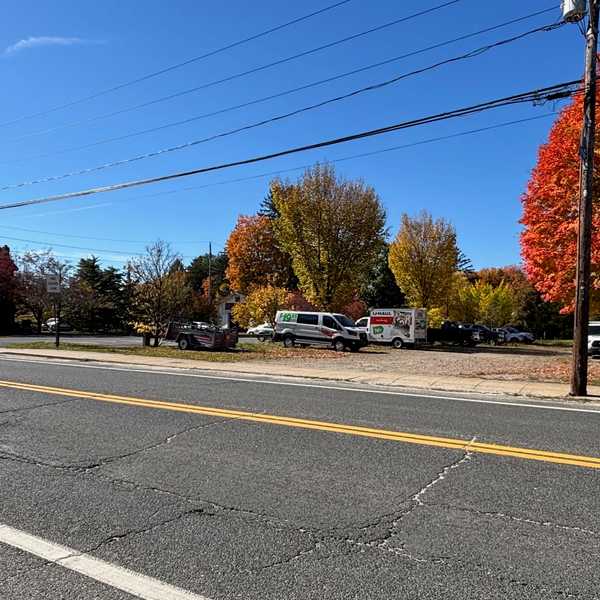
CORNWALL — At the Dec. 9 meeting of the Planning and Zoning Commission, the commission had a pre-application discussion with Karl Saliter, owner of Karl on Wheels, who plans to operate his moving business at 26 Kent Road South, which is an existing retail space.
Saliter said he will use the existing retail section of the building as a mixed retail space and office, and the rear of the building for temporary storage during moving operations.
There will be no external “personal” storage proposed for the property.
The commission decided that Saliter should go ahead with a site plan application under the regulations for “retail stores and trades.”
P&Z also set a public hearing on a proposed text amendment on dimensional requirements for properties in the West Cornwall General Business (GB) zone. It will be held Jan. 13, 2026, at 7 p.m. at the Cornwall Library.