Jimmy Carter — the best president in my lifetime
I get mad when people say, ‘oh Jimmy Carter, a terrible president but a commendable post-president.’ Carter was the most underrated president in my 70-year lifetime. His image was irreparably damaged by the failed attempt of the U.S. military to rescue American hostages held by the Iranian government, bad luck that was not his fault.
President Carter’ presidency deserves high marks because of numerous accomplishments during his single term. Through sheer perseverance against poor odds, he single-handedly used moral suasion, unrelenting persistence, and the position of the presidency to coerce Egypt and Israel to make peace in what are known as the Camp David Accords. He signed the Panama Canal Treaty, which was unpopular with the American people, but rather necessary to prevent continued conflict with Panama, which could have disrupted this vital shipping channel. A lot of people don’t know that it was President Carter who established full diplomatic relations with China. And when Middle Eastern countries increased the price of oil fourteen-fold, leading to rampant inflation, he appointed Paul Volker as Fed chairman, who made the necessary and unpopular decision to increase interest rates to the upper teens to cool down the economy, and ultimately inflation. However, President Reagan, who succeeded Carter, wrongly got the credit for that.
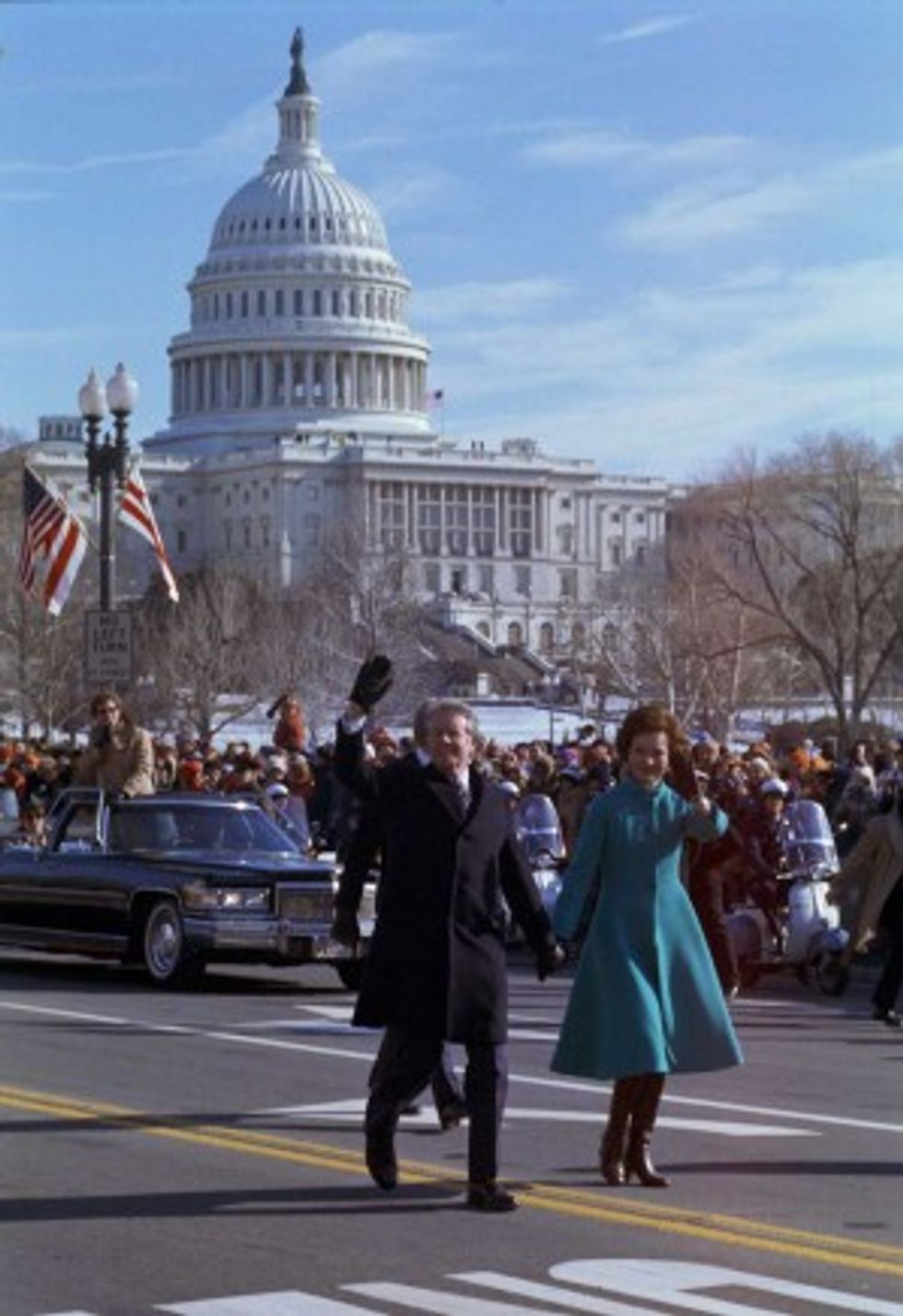 The Inaugural ParadeCourtesy The Jimmy Carter Library
I got to know President Carter about 20 years ago when I helped The Carter Center on one of the President’s health initiatives to eradicate various diseases in Africa. I have a health care background. At that time, he told me to call him Jimmy, which I never did out of respect. I remember sitting with him in his private office in Atlanta, and I was gobsmacked that he knew so much about me, some things that few people other than my family knew. A couple of years later, I had a private dinner with him during which I asked him if he had any regrets about his decisions that led to his defeat by Reagan, preventing him from having a second term. The subject immediately turned to the American hostages held by Iran. He said he could have bombed Tehran and received the strong backing of the American people and Congress for taking such a muscular effort, however he believed that it likely would have led to the loss of the American embassy hostages as well as perhaps ten thousand Iranian civilian lives. He said this was not something he could have done in good faith, even if it meant assuring his reelection.
This decision exemplified the core of who President Carter was. He was inherently a good, decent, and compassionate human being whose strong character, morality, and humility are the anthesis of the vast majority of Washington politicians today. He was willing to make difficult decisions and do the right thing at personal political sacrifice. He was also one of the smartest people I’ve ever met. I could talk to him about anything over the years, and I always felt smarter and more informed afterwards.
It is with great sadness that the passing of President Carter has inevitably arrived. He was a great American patriot in every sense. Good-bye, Jimmy. I will miss you.
Lloyd Baroody
Lakeville
Thanking Salisbury P&Z
I am Kitty Kiefer, a Selectman in Salisbury. I want to publicly, even regionally thank our Planning and Zoning Commission, and Land Use Office in Salisbury for fair, open, honest work—and hours and hours of open meetings over the proposed changes to a property currently for listed sale in town. The town’s website has all documents and recordings of these meetings. I encourage all interested individuals to go to the website for all the information contained therein.
And, may your holidays be filled with civil discourse, joy and good health.
Kitty Kiefer
Salisbury
Selectman

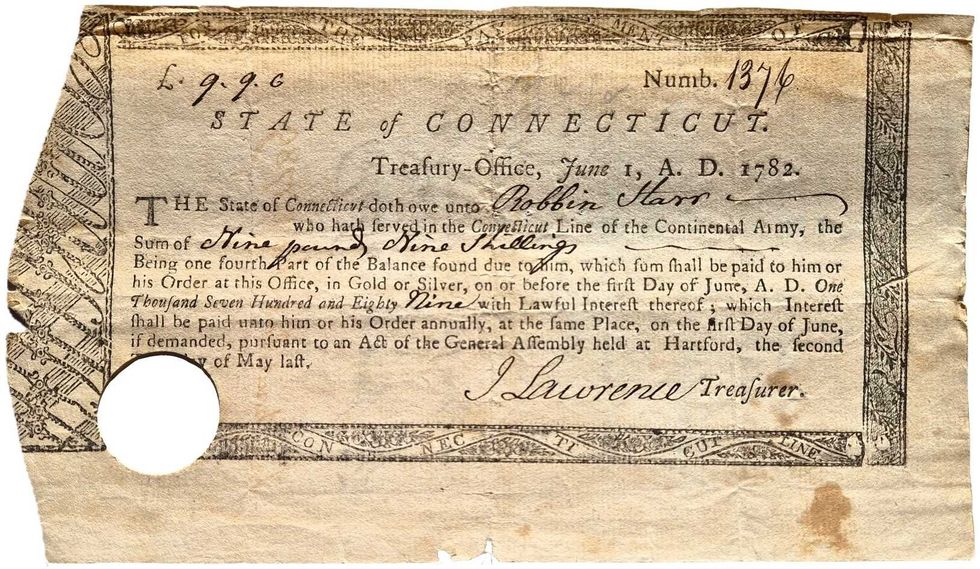 Pay Bill for Robin Starr’s service in the Continental Army.Courtesy the Alex Breanne Corporation
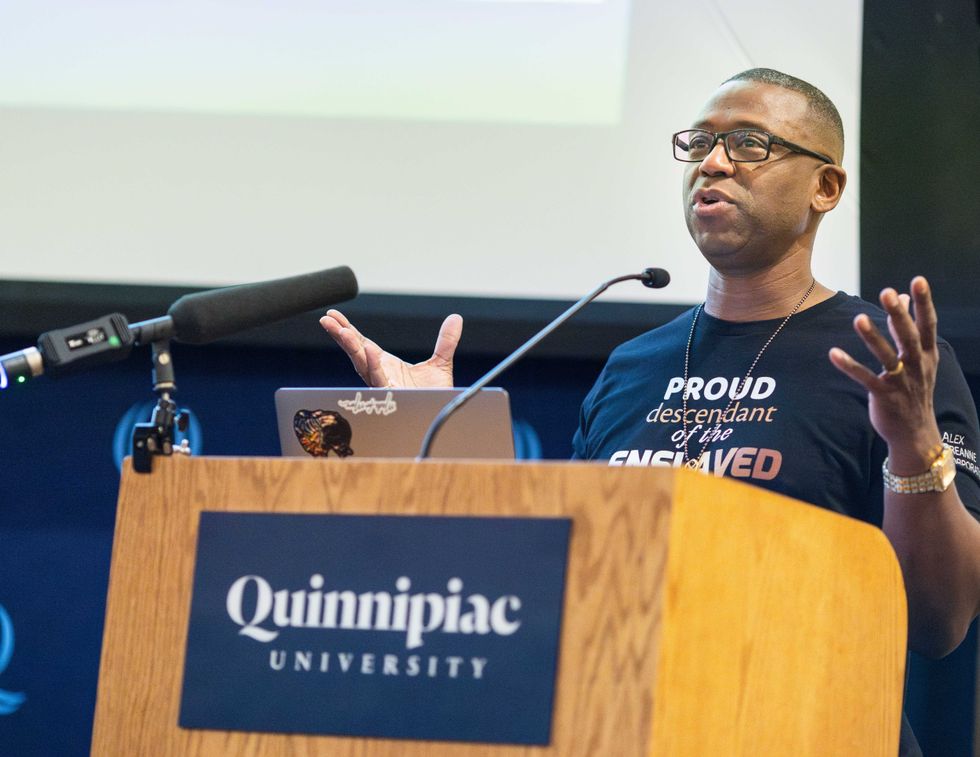 John Mills speaking at Quinnipiac University.Courtesy the Alex Breanne Corporation
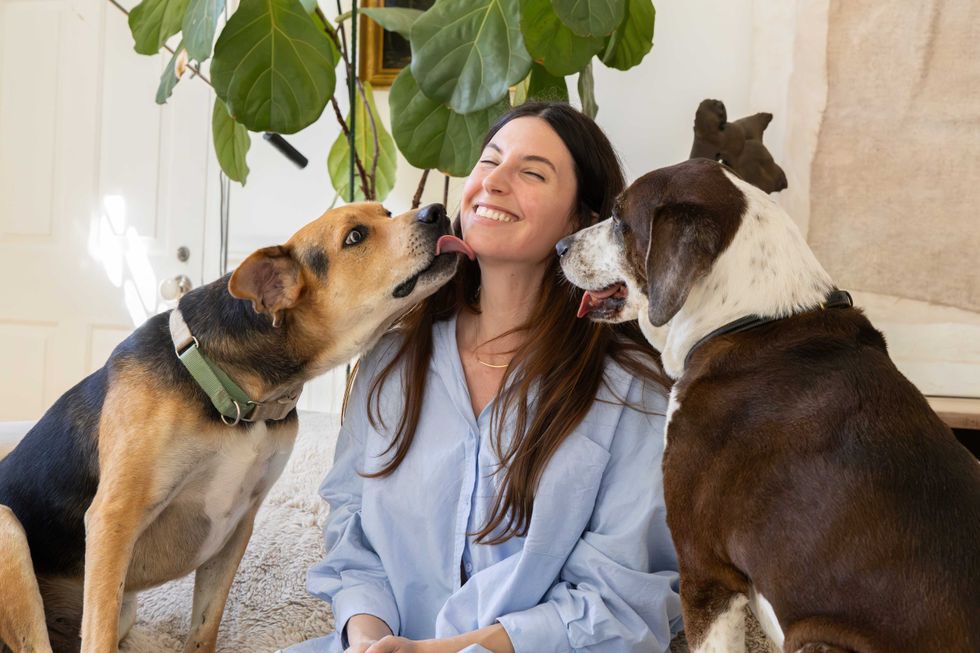 Stephanie Saetta,with her rescue dog George and Blue (left), a shepherd mix awaiting his forever home.Madi Long
 Blue, a 7 year-old Shepard mix, is waiting for his forever home. Madi Long