Before we move the Lakeville Train Station
The first train arrived in Lakeville from Hartford in December 1871 carrying twenty passengers, transforming our community from a relatively isolated iron-and-manufacturing village into one connected to the wider world.
Passenger service ended in 1928, but freight service was still going when Frederick and Ruth Baer moved to Lakeville in the 1930s. After it ended, Frederick helped give the unused station a second life. In 1950, he donated securities enabling the Town to purchase the depot and the abandoned railroad right-of-way. He also gave the Town the parcel that became Bauer Park—and established a substantial fund to help maintain those gifts into perpetuity.
In the 1950s, the Bauer Fund helped renovate the train station for new occupants, including the Salisbury Welfare Association (now Salisbury Family Services) and Salisbury Visiting Nurse Association. In 1996, local radio station WQQQ-FM 103 took up residence. They stopped broadcasting in 2011, and the building has been vacant ever since.
Today the station is part of the Local Historic District and also the National Register Historic District which cites its architectural importance and historic role as a transportation hub. Preserving it isn’t nostalgia; it’s civic responsibility to save an asset that contributes to the town’s historic character which makes it a desirable place to live and visit and invest in.
But preserving the station doesn’t necessarily mean moving it.
At a special Town Meeting in September, residents will be asked to approve a $611,000 bid to move the 155-year-old Depot approximately 19 feet back from Ethan Allen Street.
The primary reason for the move is reportedly to break a pattern of delivery trucks clipping the building. But before spending $611,000, shouldn’t we determine whether that problem can’t be solved in a less draconian way?
Imagine a landscaped buffer along the vulnerable side of the station. Rather than highway-style bollards, granite posts could be designed to resemble remnants of railroad infrastructure. Once a civil/traffic engineer calculates the required impact resistance, a preservation architect could design a plan that attractively incorporates reinforcements.
The savings could then be devoted to stabilizing and restoring the station where it has stood since 1871.
We should also understand the financing. Yes, State Historic Preservation Office grants can help restore the building, but SHPO’s Historic Restoration Fund is capped at $200,000 and requires 1:1 matching funds.
According to the Town’s latest audited financial statements, the Bauer Fund held $2,645,461 as of June 30, 2025. The fund is subject to restrictions, of course. But there is precedent for using its spendable income for Town purposes. In 2009, when Salisbury needed additional money to construct the Senior Center at the Town Grove, a Town Meeting authorized the use of $180,000 from income earned by the Bauer Fund.
Could Bauer Fund income similarly help preserve the historic station Bauer himself helped the Town acquire?
Perhaps moving the station will ultimately prove necessary. But before we spend $611,000 relocating a building that’s over a century and a half old, let’s make sure we’ve examined every alternative.
Helen Klein Ross
Lakeville
Environment concerns with drifting, racing
I am Lincoln Barnett.
Smoke and gasoline are horrible for the environment. For example, “GridLife brings racing, drifting, and new fans to Lime Rock Park” from The Lakeville Journal. It is horrible for the environment.
In the picture that car is spraying out so much smoke from the exhaust. It’s fun to watch the races but horrible for the environment.
Lincoln Rand Barnett
Third Grade,
Salisbury Central School
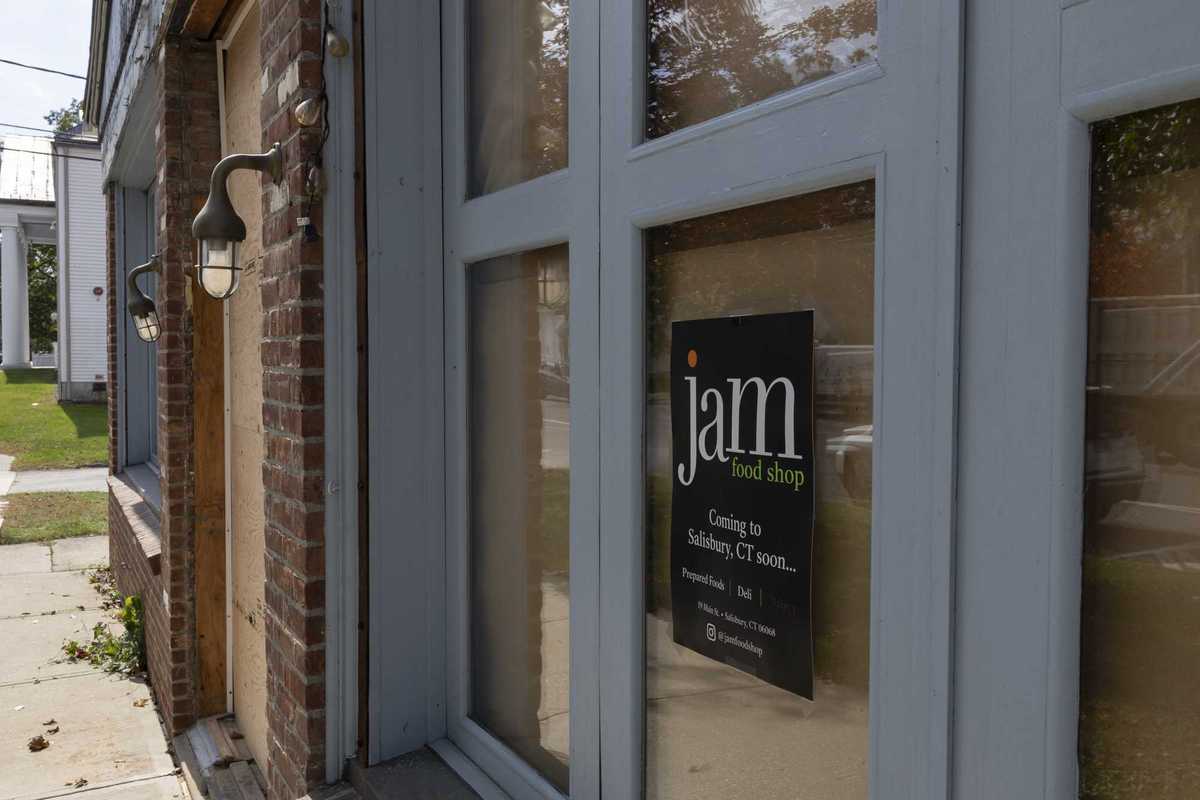


 Tiffany Lemelin, shelter manager, brushing Marsala upon arrival.Provided
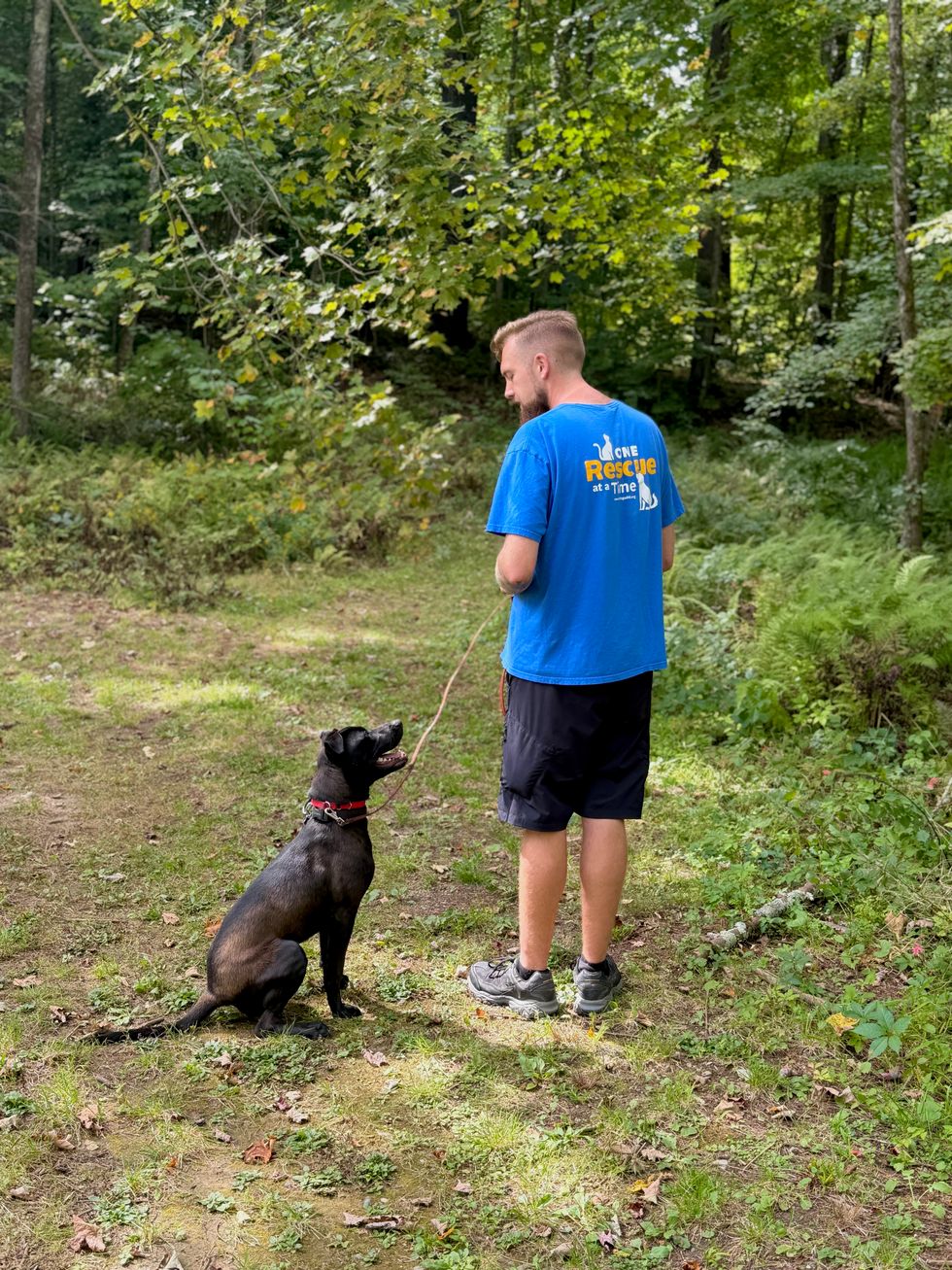 Michael DeBarba, certified dog trainer working with Marsala.Jennifer Almquist
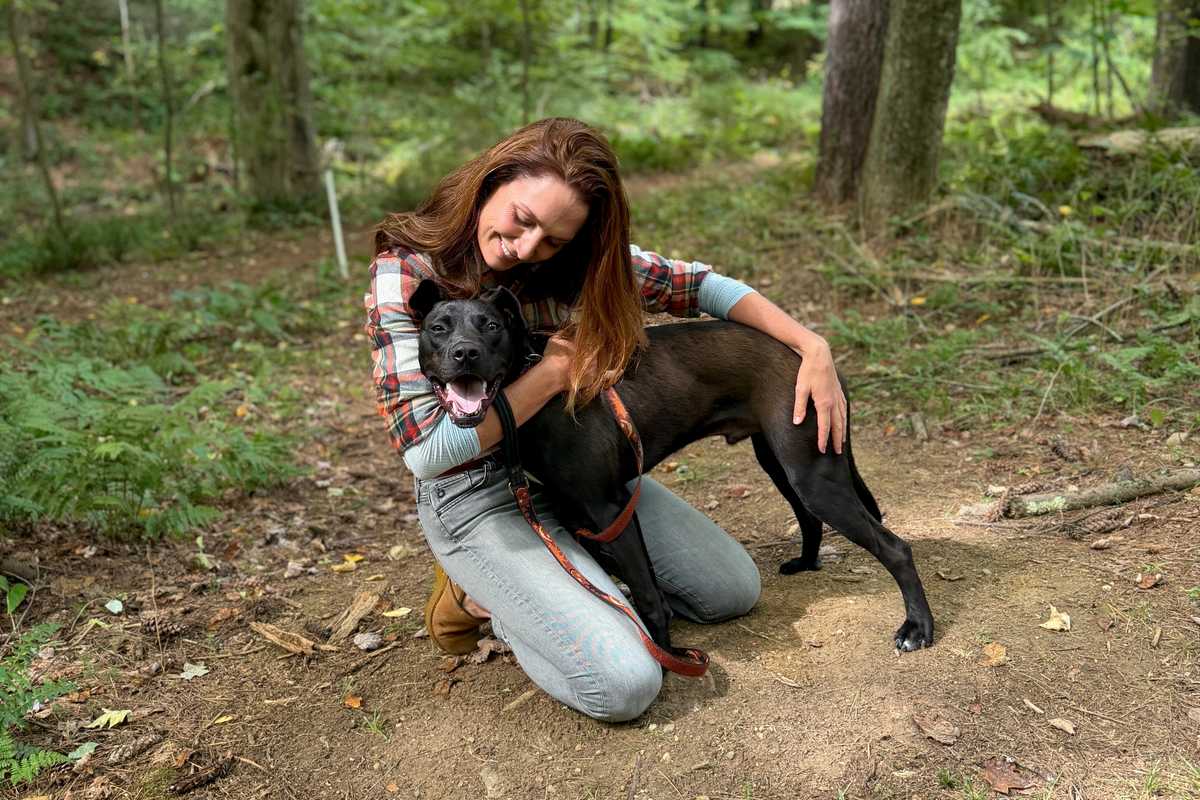 Marsala wins a heart.Jennifer Almquist
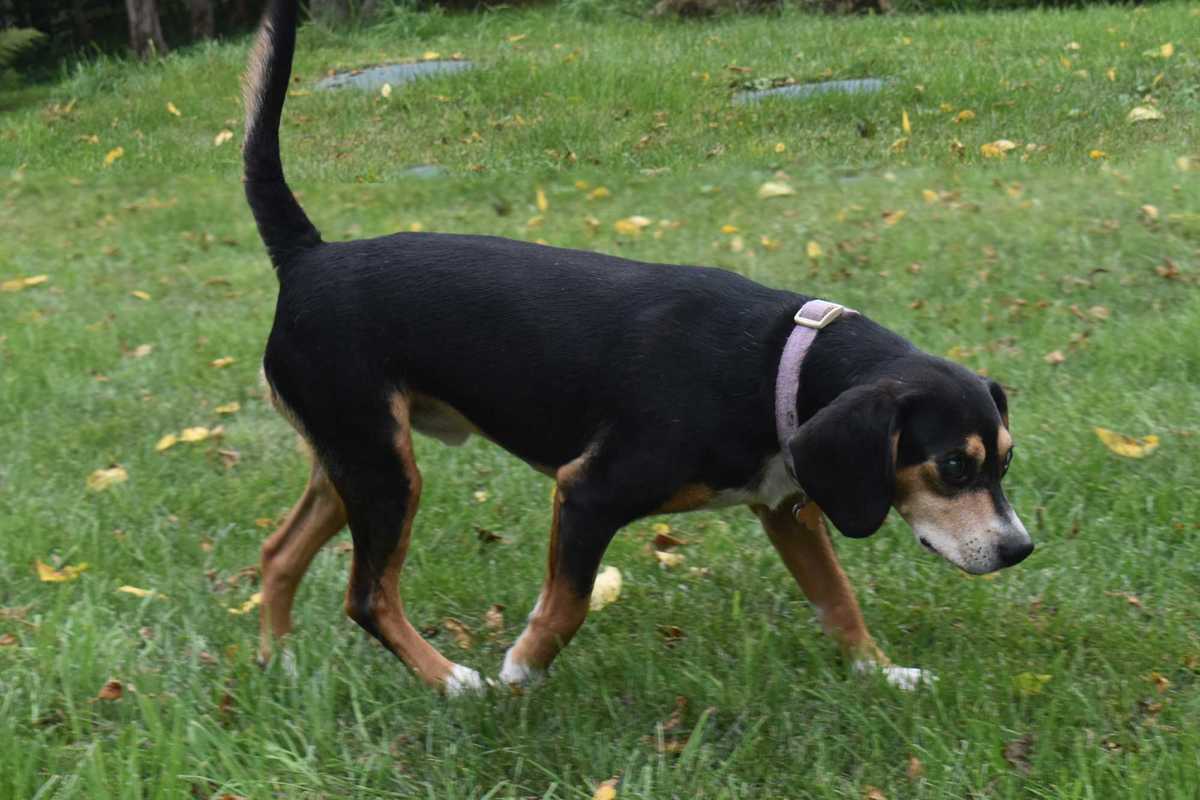
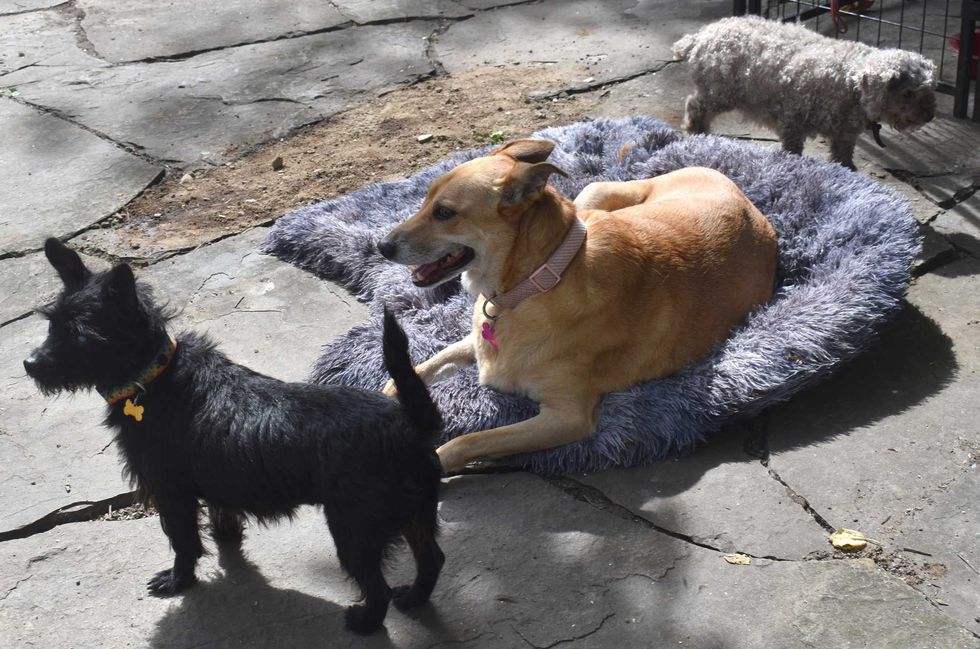 Sadie, center, a Carolina dog, plays with her friend Negra, a terrier mix. Bella Linda, the small poodle, has since been adopted.L. Tomaino
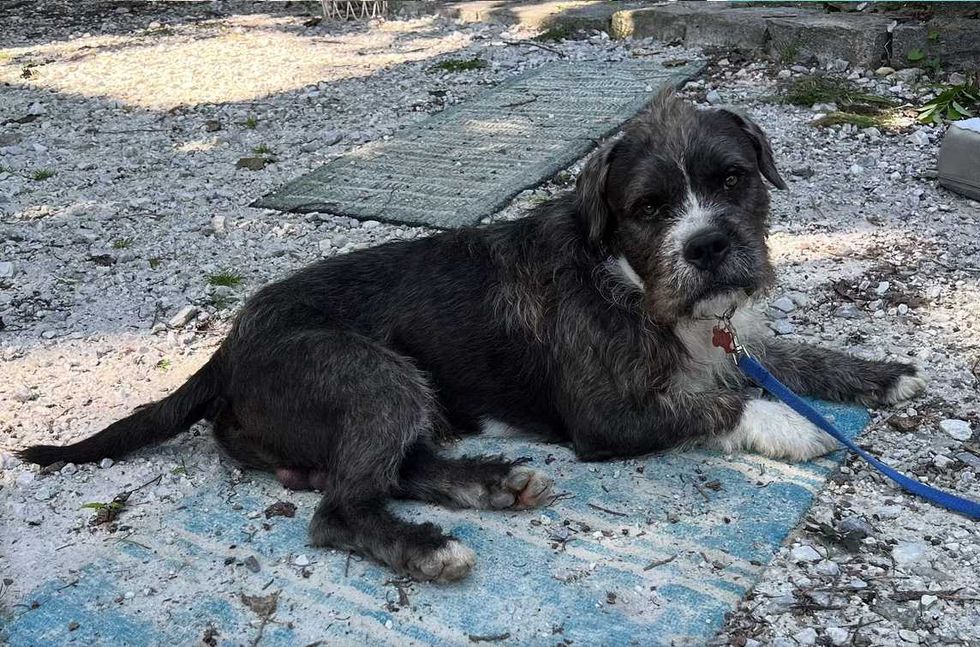 Wesley, a young, exuberant mix, is looking for an active home.L. Tomaino
 Bonnie and Clyde, an affectionate terrier pair.L. Tomaino
 Provided