NORTH CANAAN — It was said, back in the day, that iron products made in the Northwest Hills were the best: The cannons made in Salisbury were the safest. Train wheels made in Canaan were the most durable.
Legend says it all began with the high-quality iron ore that was mined here.
Robert Gordon says it wasn’t that at all. It actually was all a matter of ingenuity.
Last Saturday marked the 13th anniversary of the Blackberry River Walk, and Gordon gave the lecture that traditionally begins the history-oriented event. The talk-and-walk, focused on North Canaan’s monumental reminder of the once-great iron industry, was hosted by the Friends of Beckley Furnace.
Gordon is a professor who teaches courses such as archaeometallurgy at Yale University, and he is the author of publications including “A Landscape Transformed,� a popular book among local history buffs about the Salisbury iron industry.
If anyone has the credentials to question that long-held local belief about the ore being all important, it is Gordon.
Iron is pretty much the same wherever it’s found, the professor said.
But iron mills such as the one owned by Forbes & Adam along Lower Road and the Blackberry River were innovative. They had the first rolling and slitting mills for mass producing nail rods, one of the biggest commodities of that era. (One of their biggest customers was Newgate prison, where inmates were kept busy pounding out nails from rods made in East Canaan.) Thomas Jefferson copied the mill design at Monticello.
Later, Forbes & Adam started making “hoop iron,� sheets or strips of iron that opened up many possibilities, including totally mechanized nail production.
In 1776, the Salisbury Furnace, built by Ethan Allen, was commandeered by the state for cannons, cannon transports and army cooking kettles. More than 800 cannons, with balls as large as 20 pounds, were made before the war was over. That doesn’t include the many that didn’t make it through test firing.
“Iron is inherently brittle,� Gordon said. “If there was a casting flaw, it would burst when tested, or sometimes when it was in use. They became shrapnel, and the men loading the cannons became very wary about standing near them. Cannons were also made in Pennsylvania, Maryland and Virginia, but Salisbury began using a technique that was much more sophisticated.�
The typical method was to use a clay mold. Iron was poured in. A clay-filled iron rod was dropped into the center to create the bore.
“The difficulty was in keeping the rod straight while the iron cooled. It would often tilt, making one part of the wall thinner. That was not good.�
Here, cannons were cast solid and bored out at a mill, a big technological innovation for that time, Gordon said.
Back in East Canaan, Eli Whitney had come to Forbes & Adam for help in fulfilling his military contract for producing rifles. Barrel iron became the new hot product.
Train wheels were also big here. Again, innovation was key. Under the stress of hauling trains, the brittle iron wheels often broke. The problem was solved by controlling the cooling process. Wheels were cast in sand-filled boxes that were designed to come apart.
“When the boxes were removed, the heat would slowly escape out through the sand. It would become gray iron, which is relatively soft.�
The remedy was to place pieces of iron around the rim on the mold.
“They would absorb the heat, creating a rapid cooling process that resulted in a very hard white iron layer on the edge, with gray iron in the middle. It was still brittle, but much more wear resistant.�
“The reputation for quality turned out to be what made the industry so successful here. It is also what caused its ultimate decline,“ Gordon said.
As the nation grew, and demand for products rose, increasing quantity while maintaining quality became impossible for area industries.
Steel became the metal of choice for manufacturers such as Whitney. That was likely the last straw for iron makers here. There was a final irony in that the government, which had large contracts with Whitney and most private armories, objected to the switch.
“When Whitney ordered steel, he would say, ‘Mark the box as iron.’�
Iron railroad wheels were also trumped by steel, which made a much better wheel.
“The railroads went with steel because the cost of derailments due to broken iron wheels was much higher than the cost of steel wheels. That took a big chunk out of the local market.�
And so the transformation began and the Northwest Corner changed from a treeless, smoke-filled industrial region to one where people come for recreation and to admire the bucolic beauty.
“That was back in the days before the government decided when a business was too important to fail,� Gordon said. “The transformation from a center of high technology and nationally important products has resulted in other uses of the land, with iron as its heritage.�
During the walk that followed Gordon’s talk, participants were given a mix of tangible landmarks and virtual clues so they could form a mental picture of the sort of life that rose up around Lower Road’s three furnaces.
At the former Barnum and Richardson office building above the dam, restoration continues, with volunteers painstakingly completing projects that will make what is now an educational center more usable, while keeping it as authentic as possible. A back room, which will serve as a research office, now boasts a restored wooden floor of unusual design, and energy-efficient windows custom made to replicate the originals.
The outdoor sites may be visited at any time. During the summer, personnel are on site Saturdays, 10 a.m. to 2 p.m., and offer tours and information.


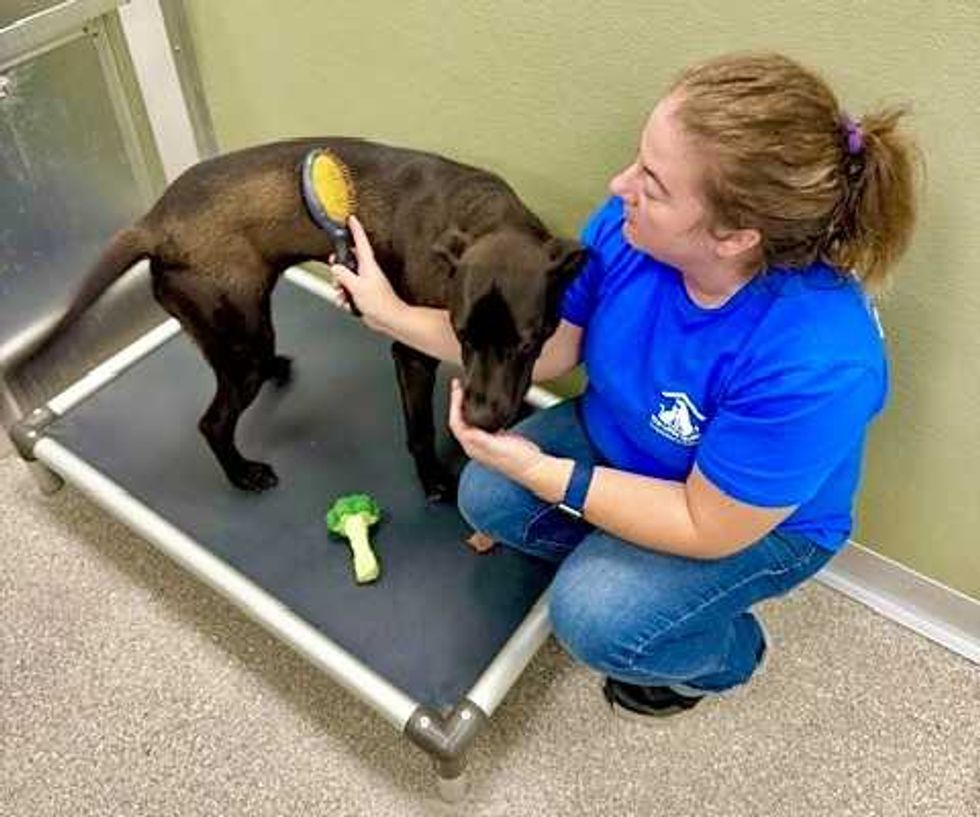 Tiffany Lemelin, shelter manager, brushing Marsala upon arrival.Provided
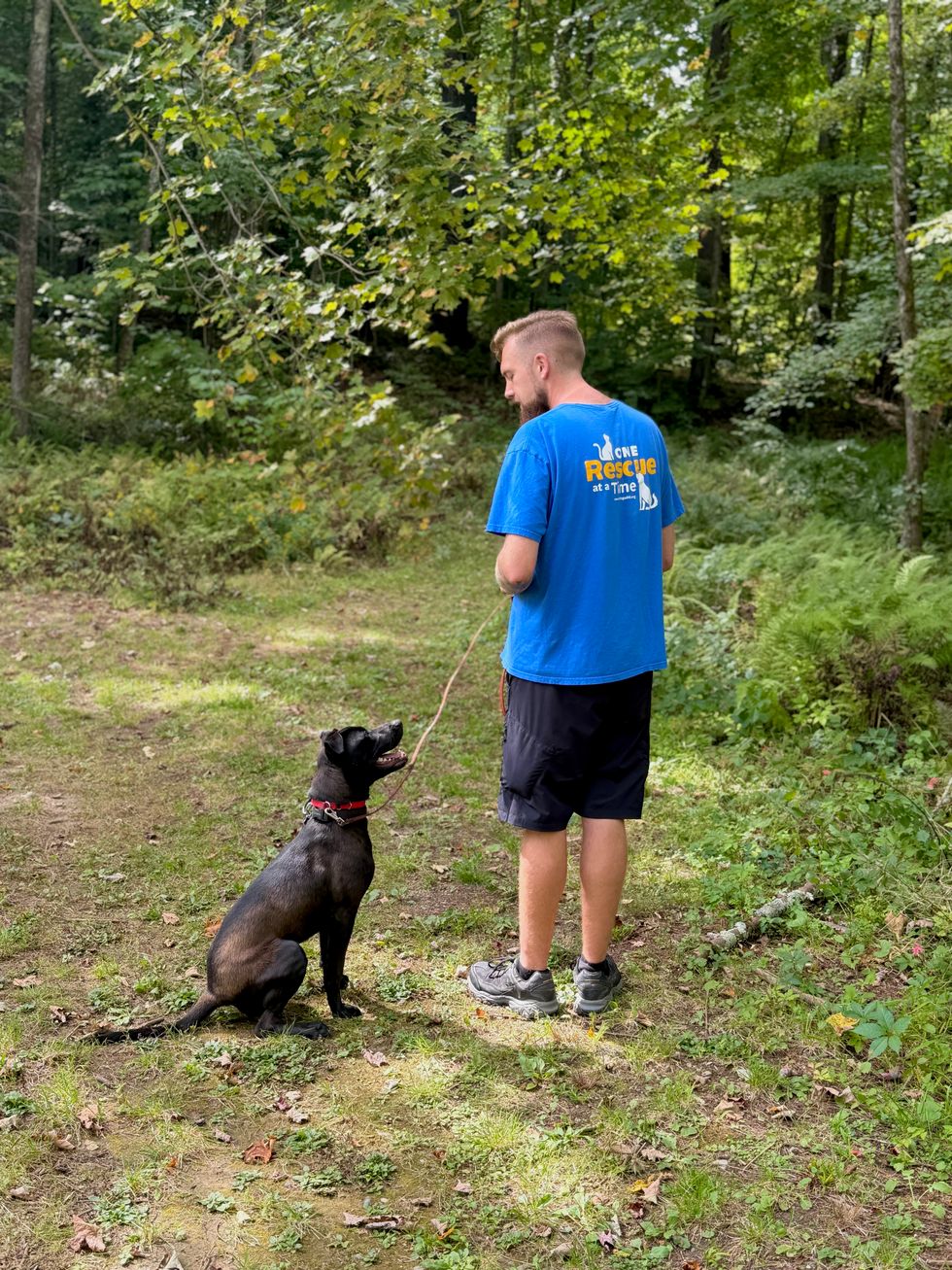 Michael DeBarba, certified dog trainer working with Marsala.Jennifer Almquist
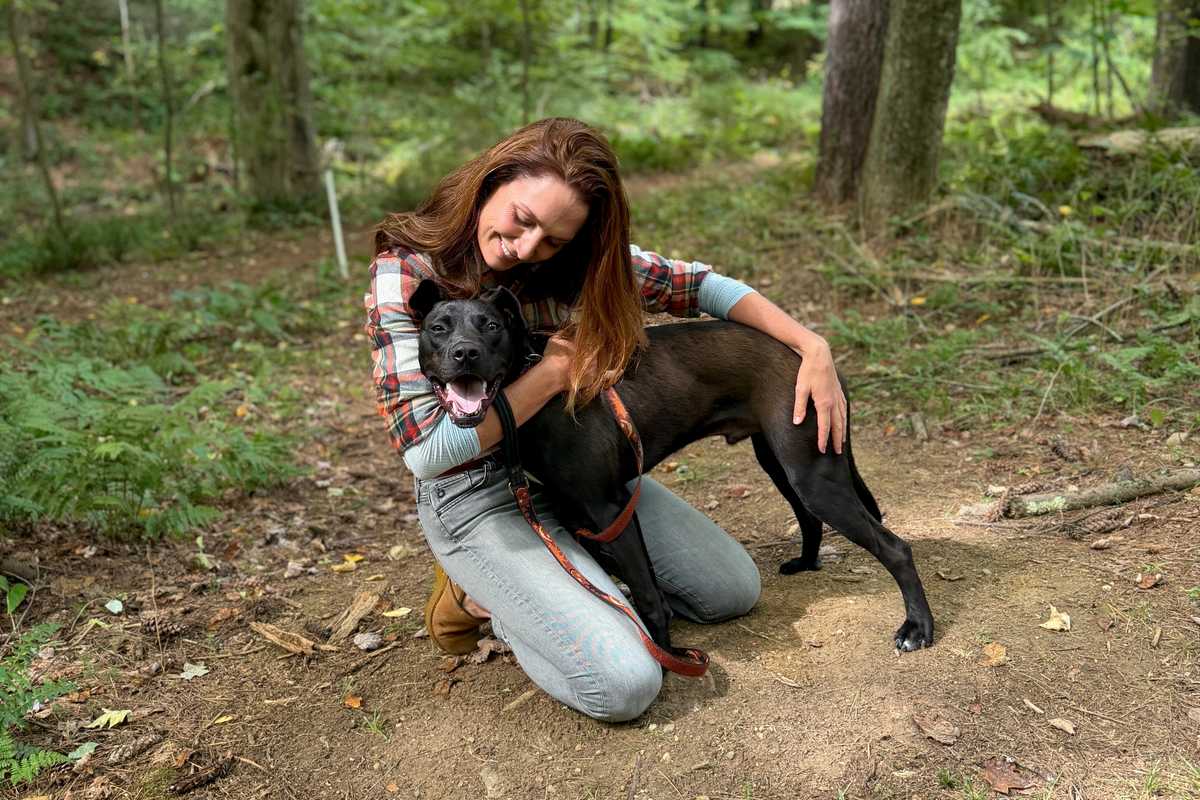 Marsala wins a heart.Jennifer Almquist

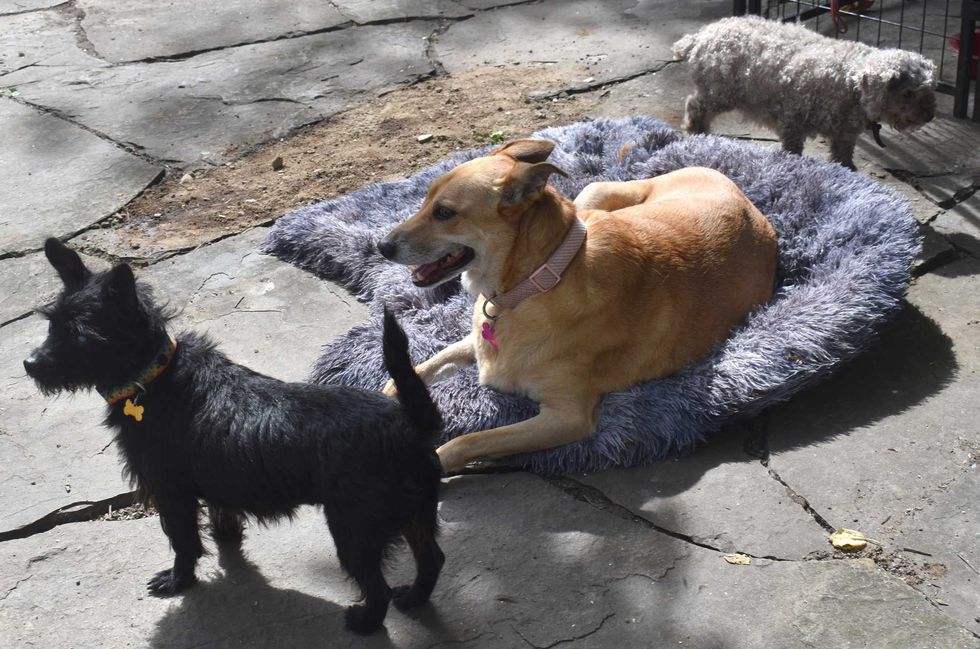 Sadie, center, a Carolina dog, plays with her friend Negra, a terrier mix. Bella Linda, the small poodle, has since been adopted.L. Tomaino
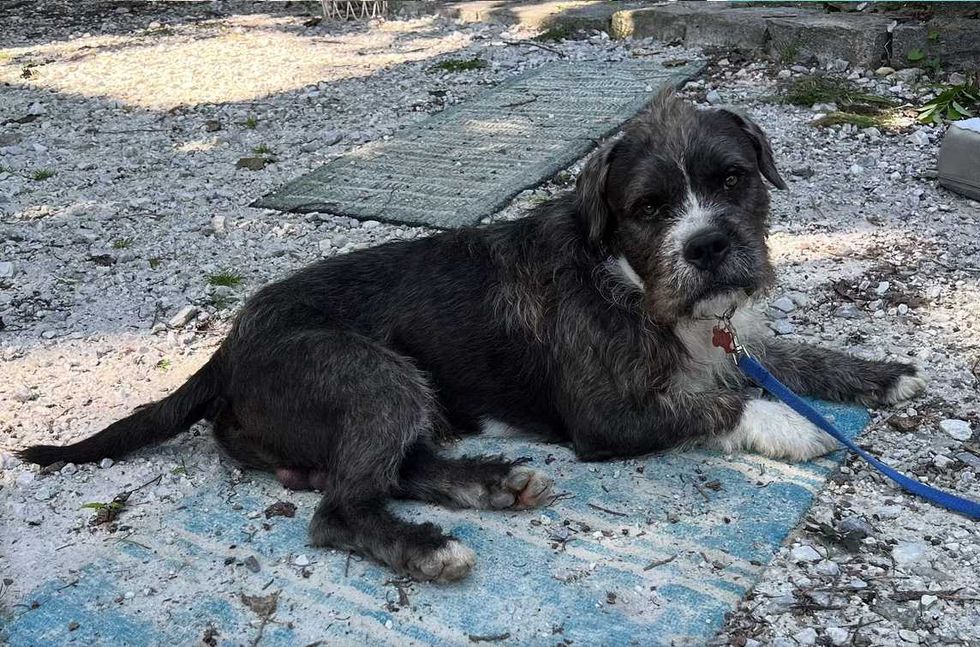 Wesley, a young, exuberant mix, is looking for an active home.L. Tomaino
 Bonnie and Clyde, an affectionate terrier pair.L. Tomaino
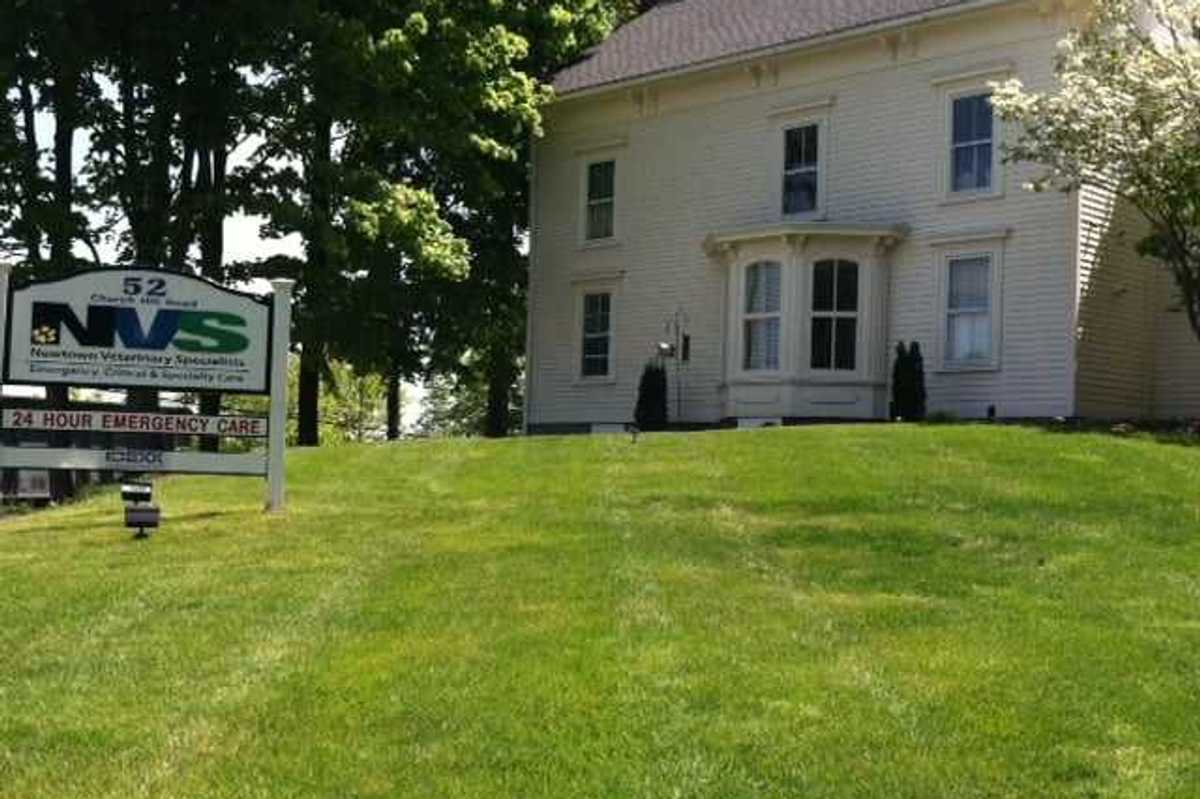
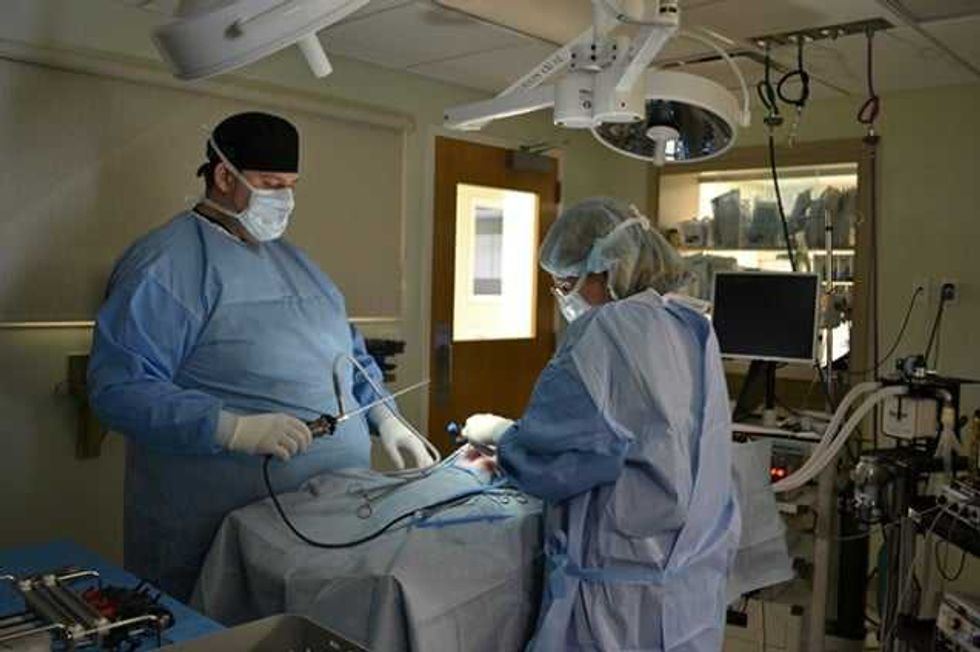 Provided