A visit to the Trevor-Lovejoy Zoo at Millbrook School brings home the importance of living responsibly in partnership with the natural world. There is a strong commitment to supporting conservation and protecting wildlife. Animals clearly matter.
Now in his 36th year with the zoo, including 12 years as its director, Alan Tousignant embodies a lifelong commitment to animals and the workings of a modern zoo. He began as a young intern at what was then the Trevor Zoo — and stayed.
“I’ve always loved animals,” said Tousignant, who was raised on a dairy farm in upstate New York near Lake Champlain. As a young man, he wanted to become a veterinarian but later expanded his interests to other careers, as long as they involved animals. That exploratory process led to an internship at the Trevor Zoo.
The Trevor Zoo was established in 1936 by Frank Trevor, the school’s first biology teacher. In 2025, the zoo added the name of Tom Lovejoy, a Millbrook alumnus who had been taught by Trevor and went on to become a pioneer in the field of conservation biology.
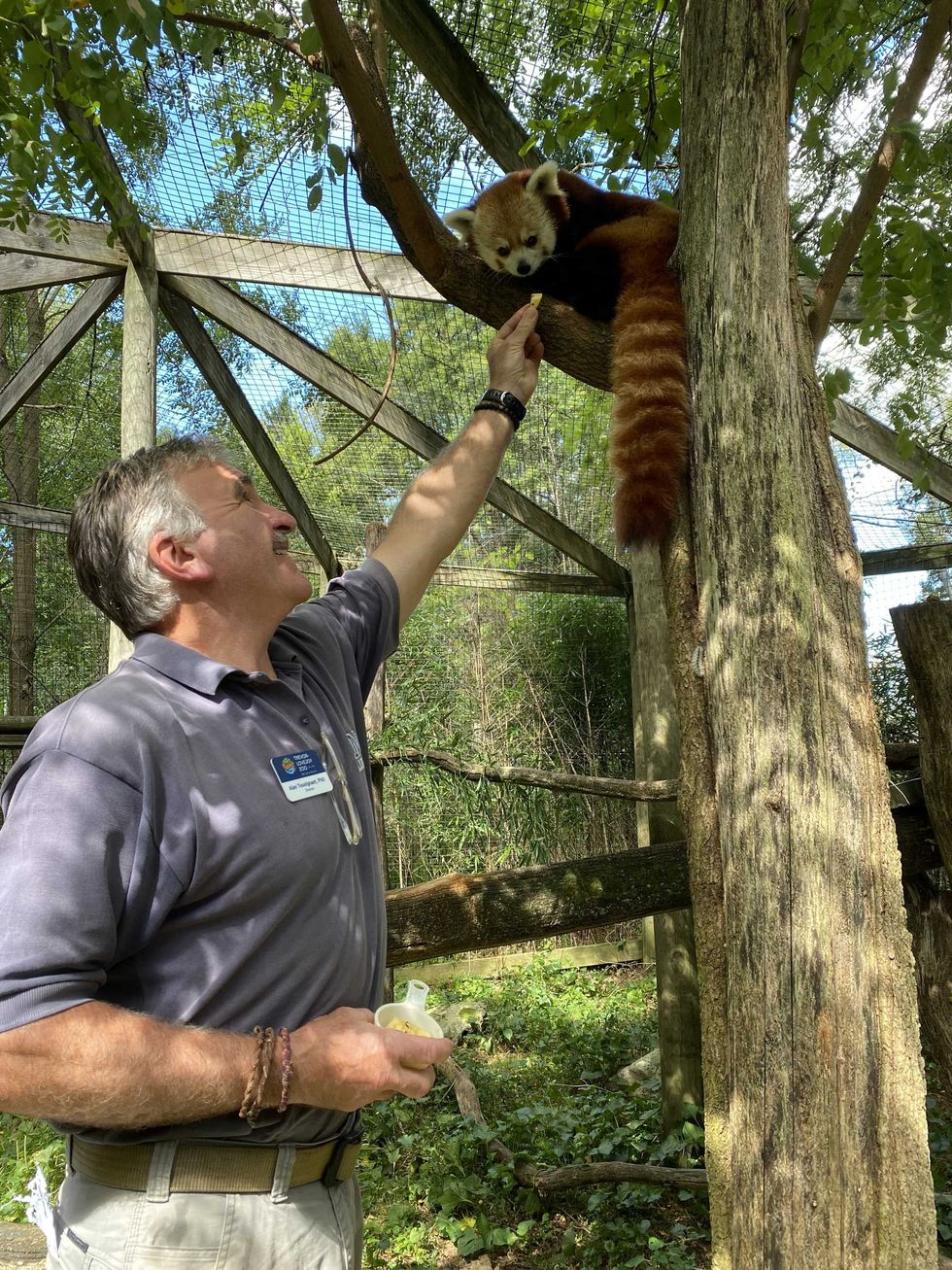 Trevor-Lovejoy Zoo Director Alan Tousignant offers a treat to one of the zoo’s pair of Red Pandas.Leila Hawken
Today, the zoo features a 6-acre exhibit area within a 16-acre parcel. It is a recognized wildlife rehabilitation site with a 50% to 60% success rate. Ten full-time staff members are assisted by 10 part-time and seasonal staff members. The zoo also works with approximately 200 volunteers from the local community, colleges and universities, as well as Millbrook School students.
“If you really want people to develop a good conservation ethic, it has to be hands-on work,” Tousignant said of the zoo’s mission and its value to students.
“Nothing can replace the experience of the sights, the sounds and the smells of the living aspects of the natural world,” Tousignant said.
A new master plan for the zoo was developed in 2024 and outlines growth in phases. The first phase includes an animal wellness center, allowing for better animal care on site. Millbrook students will also benefit by being able to observe veterinary care of exotic and native animals.
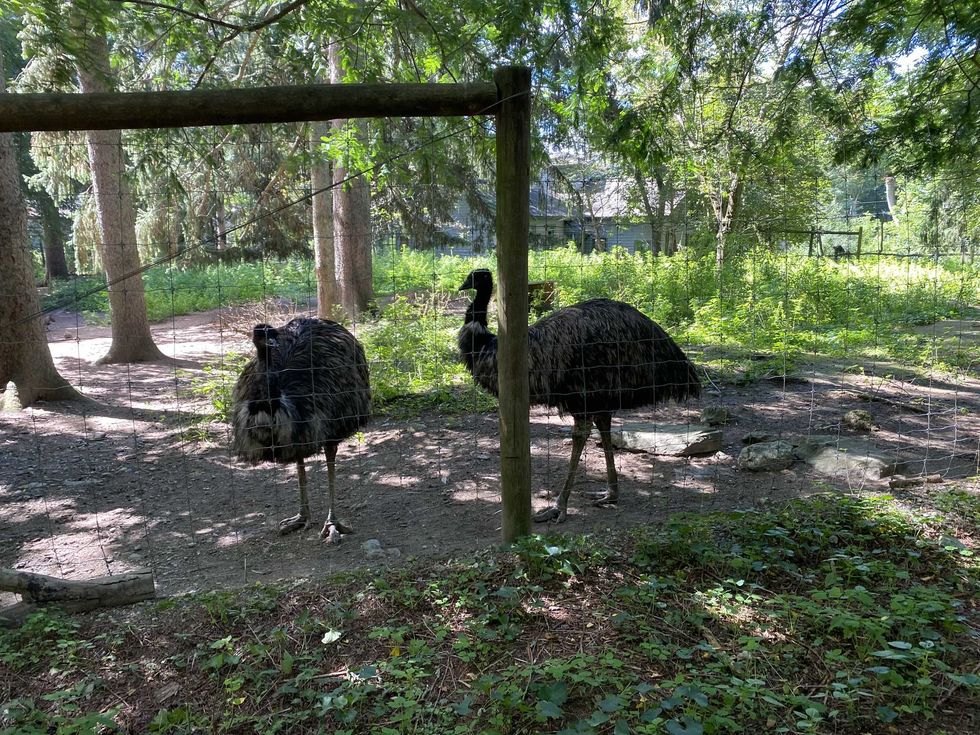 A pair of Emus enjoy some shade in one of the enclosures at the Trevor-Lovejoy Zoo at The Millbrook School.Leila Hawken
The zoo’s most recent acquisition is a binturong, an Asian mammal also known as a bearcat that smells like popcorn, Tousignant said. The tree-dwelling animal, whose population is declining and is therefore of concern to conservationists, came from Mesker Park Zoo in Evansville, Indiana.
Also included in the new master plan is the acquisition of a Przewalski’s horse, considered the last remaining truly wild horse. Native to the steppes of Central Asia, the species became extinct in the wild before reintroduction efforts began.
“The Earth matters; wildlife matters,” Tousignant said, speaking of the balance within the planet’s complex ecosystem.
“We’re good at manipulating the landscape. We’re not good at taking care of it,” Tousignant added.
The Trevor-Lovejoy Zoo is accredited by the Association of Zoos and Aquariums and is the only accredited zoo in the U.S. located at a secondary school. It houses 70 distinct species, 10 of which are endangered.
For information about visiting the zoo, go to trevorlovejoyzoo.org.

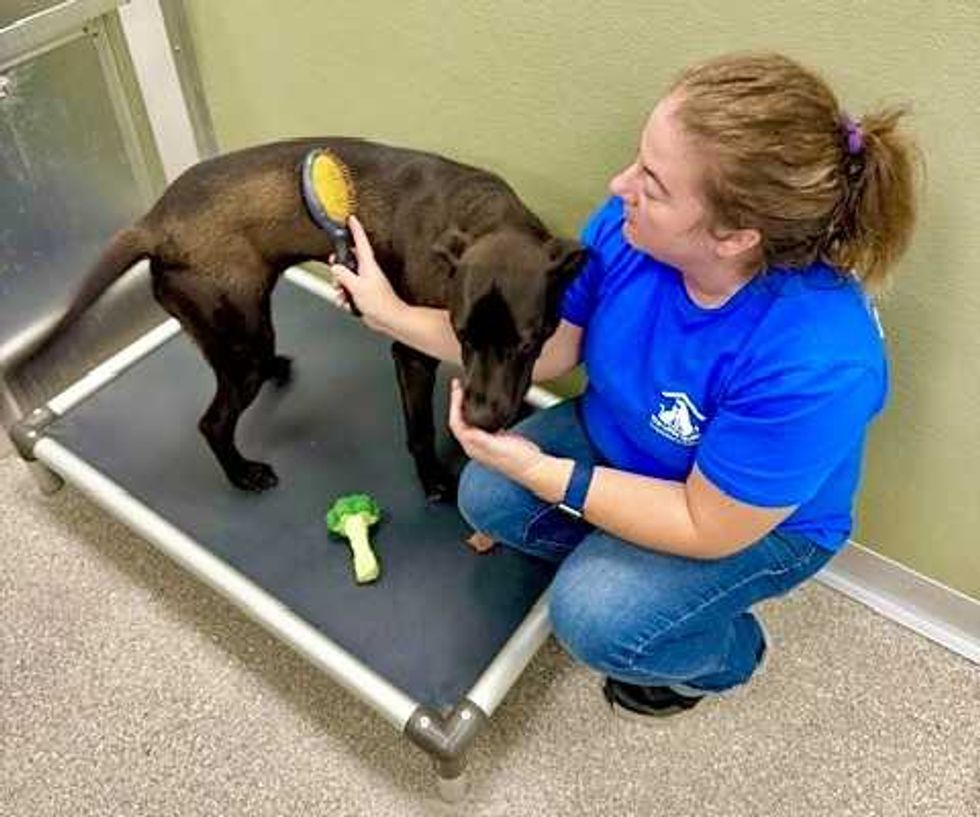 Tiffany Lemelin, shelter manager, brushing Marsala upon arrival.Provided
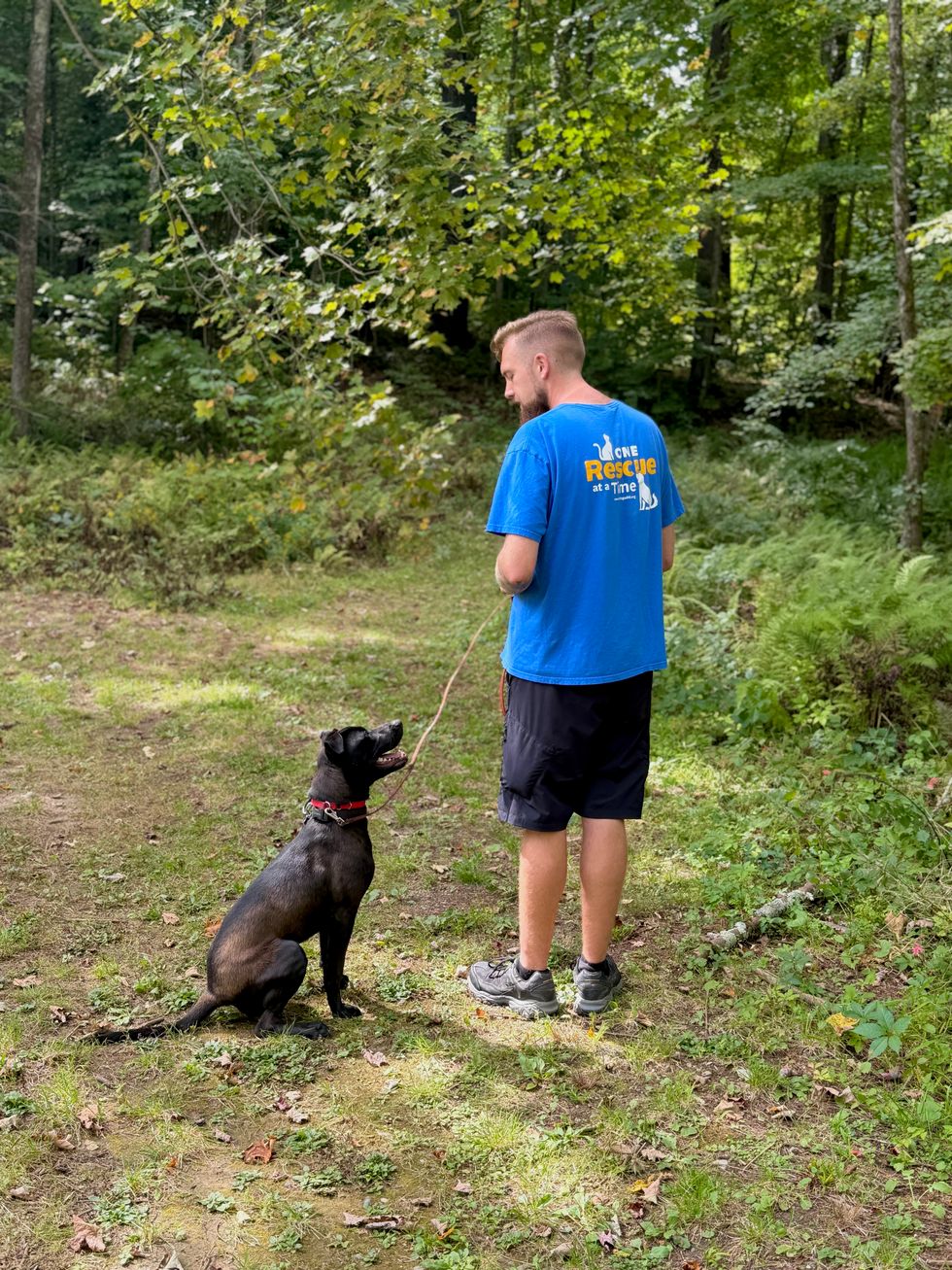 Michael DeBarba, certified dog trainer working with Marsala.Jennifer Almquist
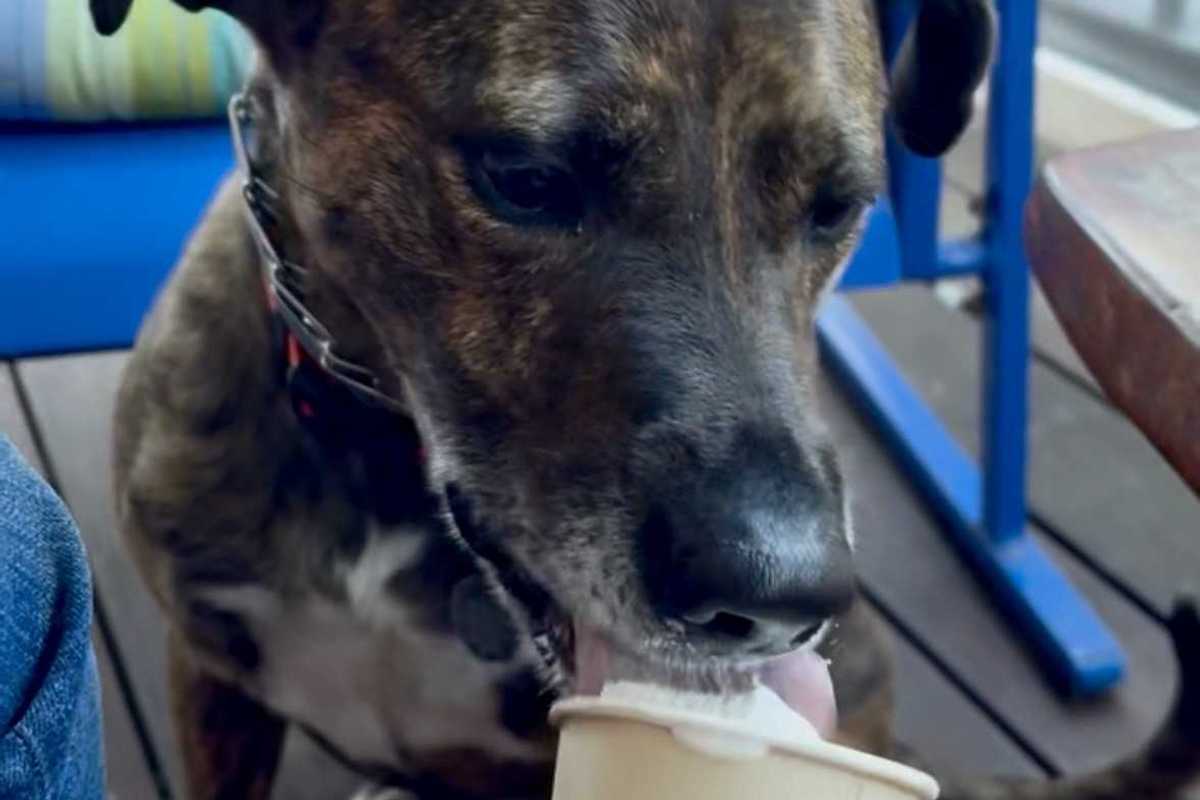
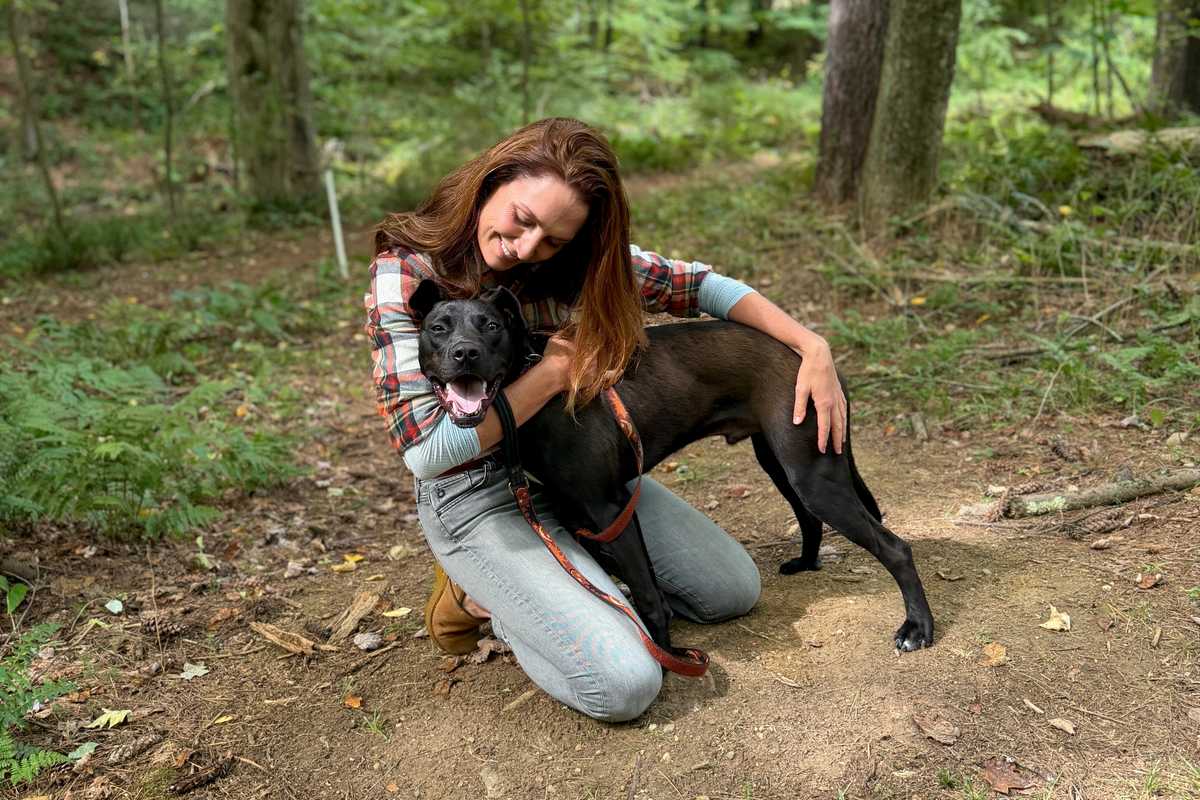 Marsala wins a heart.Jennifer Almquist
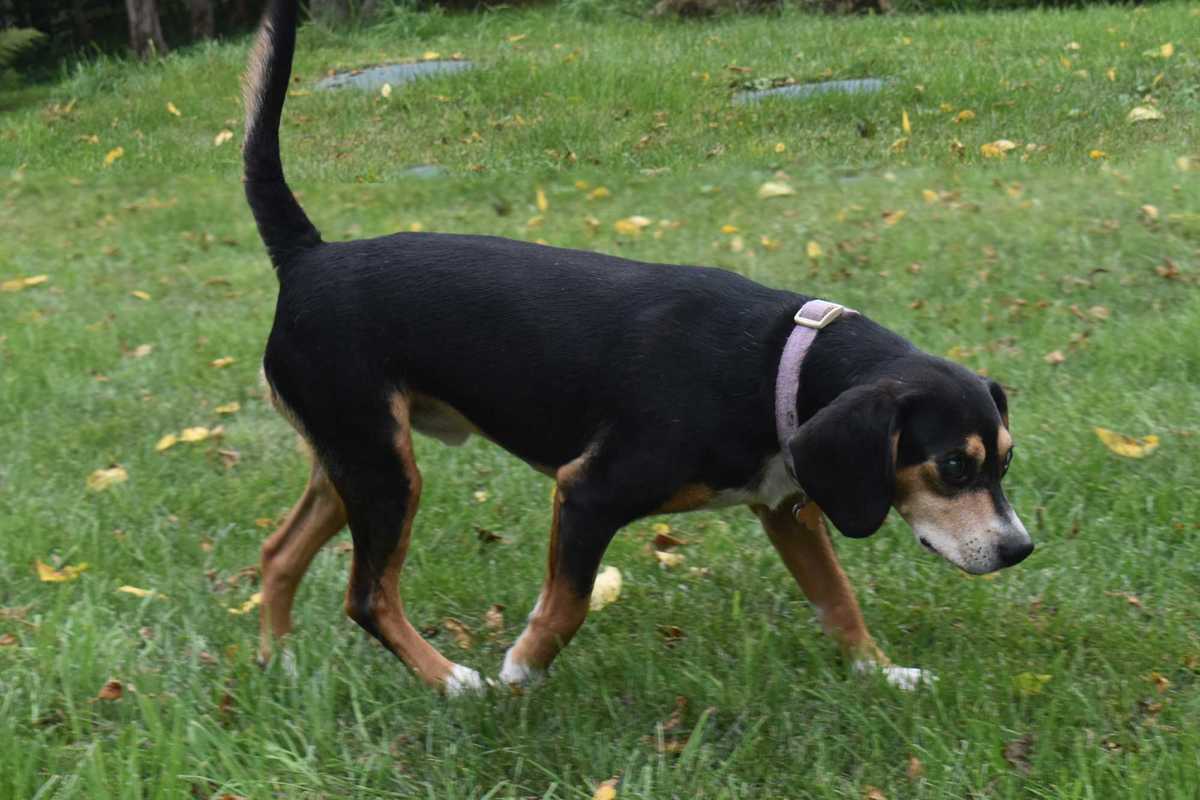
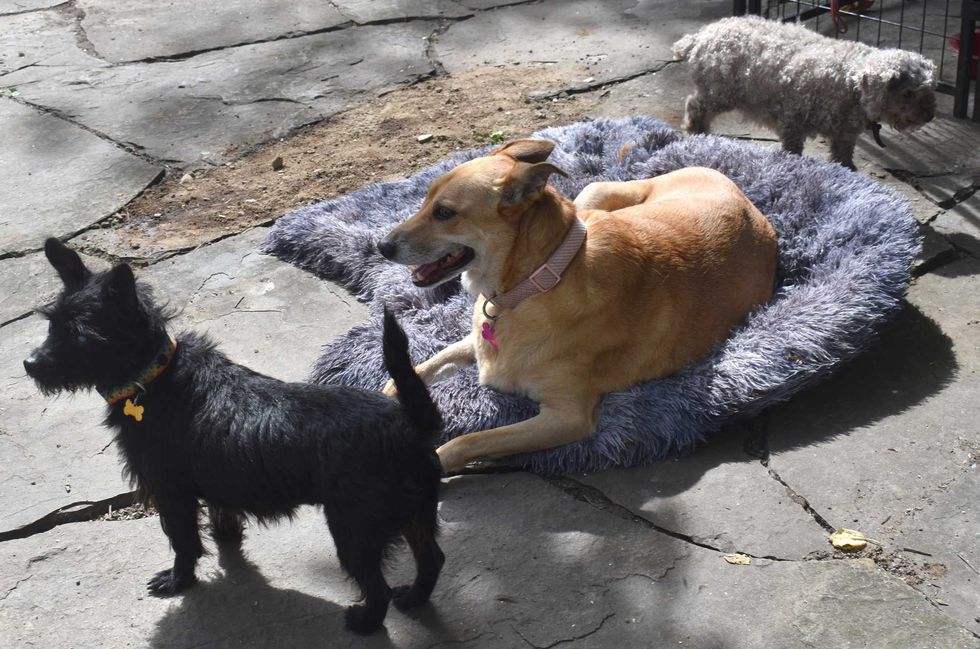 Sadie, center, a Carolina dog, plays with her friend Negra, a terrier mix. Bella Linda, the small poodle, has since been adopted.L. Tomaino
 Wesley, a young, exuberant mix, is looking for an active home.L. Tomaino
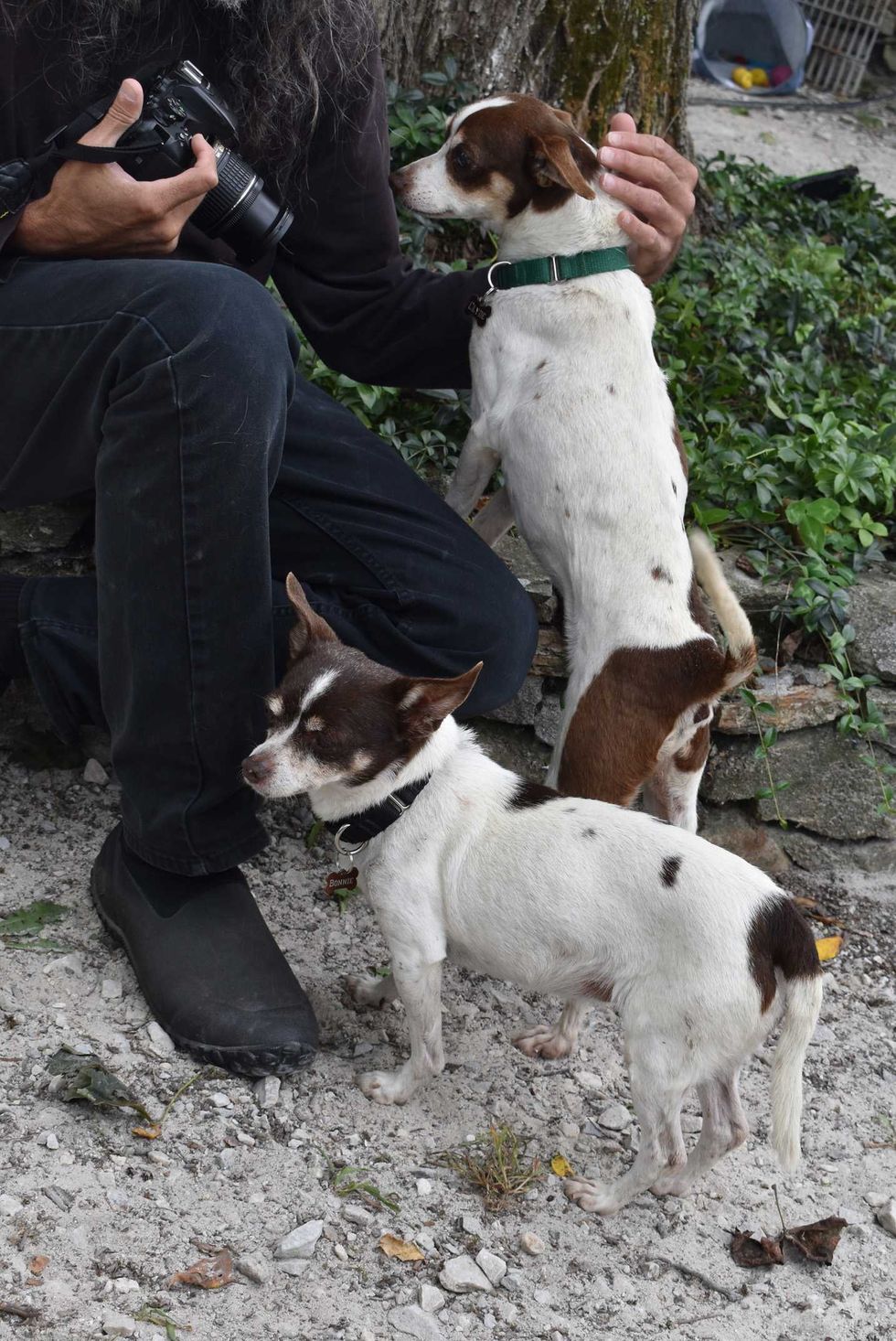 Bonnie and Clyde, an affectionate terrier pair.L. Tomaino
 Provided
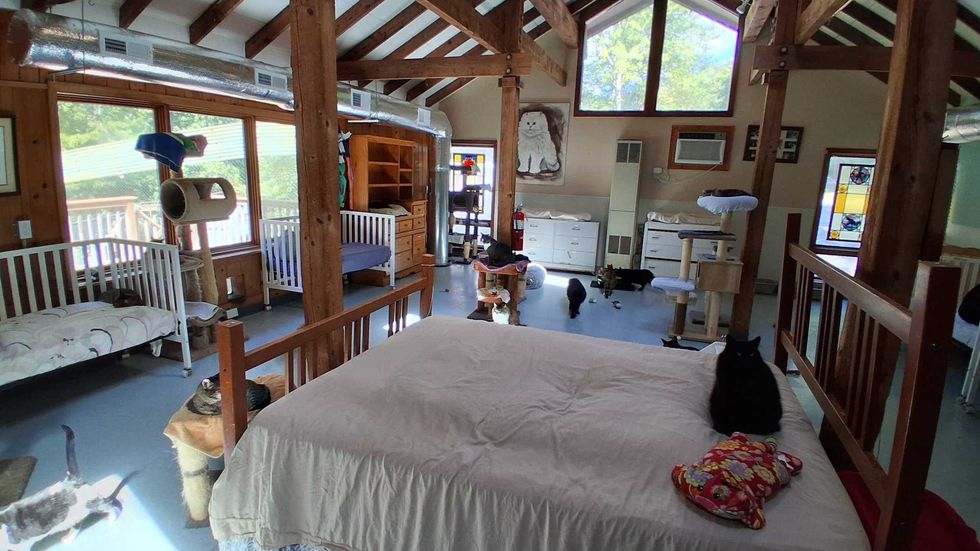 The Last Post in Falls Village is home to about 144 cats.Patrick L. Sullivan