A few years ago, someone very close to me was in the ICU in an induced coma so he could heal after having his insides pulled from his body, cleansed of lethal toxins and bacteria, and returned to the cavity following a perforation of his lower intestines. He had less than a 5 percent chance of survival and doctors had no idea whether he would ever come off the respirator.
For three weeks he lay in the bed in a drugged sleep, his body exhibiting a variety of signs — high blood pressure, jaundice, fever — that doctors were unwilling to diagnose. His many human systems, they said, were essentially rebooting.
“We can only wait and see,” the specialist said. “At X marker, you can relax a little.”
That marker arrived. He was taken off the respirator. He would live. His mind was intact, but he was weak from spending so much time in bed. Following a stint in a rehabilitation facility where this previously able person was now using a walker to strengthen his legs, he went home with no fewer than six medications prescribed.
The hiccups began a few days later. Some post-surgery hiccups are said to be normal, but remember: He had just been sliced down his middle and had his intestines pulled out and then stuffed back in. Any single abdominal spasm would have been bad enough, but he had relentless, what he described as “body-jerking,” spasms. They began in the morning at a rate of about one every two or three seconds and continued like that throughout the day, ebbing only during sleep. He also needed food to provide him with energy to rebuild his strength. But nothing tasted good to him, and he was easily nauseated.
More prescriptions were written. More medications proved ineffective.
So he tried marijuana.
I was there, so I witnessed the remarkable difference between the relief cannabis provided and the lack of relief provided by the little white pills protected in bottles with child-proof tops.
When I told him I was writing this — I keep his name private because medical marijuana isn’t legal in his state — he asked that when I explain the relief, I “not minimize” it.
“It stopped the hiccups,” he said. “It stopped the nausea. I could relax. I could eat.”
It worked immediately, unlike many synthetic drugs that can take weeks to take effect. There were no side-effects outside of the expected “high” feeling and some drowsiness. When he stopped using it because he didn’t need it anymore, he didn’t have to consult a doctor or “taper off” as we’re told to do when coming off prescription medication so we can avoid potentially dangerous withdrawals.
• • •
There’s no question we have, at least as a state, begun to accept the very real medical benefits of marijuana. Legalizing it for its medicinal qualities was a monumental step forward, and the process, on its surface, doesn’t seem to be complicated. To qualify for medical marijuana, patients need only register with the Department of Consumer Protection. Upon receiving valid registration, they may legally obtain marijuana “within this state from a licensed dispensary.”
Except, according to a representative from the Department of Consumer Protection, there is no licensed dispensary in the state. Which means patients would have to get their cannabis out-of-state or from an illegal dealer within the state. In either case, they would become “criminals.” Stafford Resident State Trooper Sgt. Robert Duncan says he would probably have to ticket and fine a registered marijuana user caught buying drugs from an unlicensed dealer.
The same representative from the Department of Consumer Protection says the department is working on regulations for dispensaries and growers, and that a proposal will be submitted to the General Assembly for a vote on July 1, 2013. That’s the good news.
The bad news is the proliferation of dispensaries could be hindered by the stigma surrounding marijuana, which could lead to a reluctance on the part of doctors to recommend it and for potential patients to use it.
Eileen Konieczny, a registered nurse and medical marijuana consultant from Stamford, says that, as of last November, only 65 of the estimated 100,000 patients who could qualify have registered with the department for legal certification to use medical marijuana.
This may elicit a wry smile from the reader, but the fact is we need more people to try to obtain marijuana. More patients have to register to use it for it to be available in adequate quantities in our state any time soon. Konieczny calls it “one of the safest medicines.” I’ve seen how essential this “silly” drug can be to someone whose quality of life has been greatly diminished.
Forget that people use pot to feel good even when they’re not sick. It doesn’t make it any less valuable as a medicine. If it did, we’d have to question the legitimacy of every prescription medication teens and adults alike have used to get high — including Ritalin, Xanax, Valium, Fentanyl, Oxycontin, Percocet and all their generic derivatives.
If you think you’re eligible, please seriously consider registering for medical marijuana use. You don’t even have to smoke it; you can bake it into brownies, take it via lollipop or lozenge, or, like any herb, put it in your tea. For more information, visit www.ct.gov/dcp/mmp.
Kristen J. Tsetsi is a staff writer for the Journal Inquirer in Manchester.

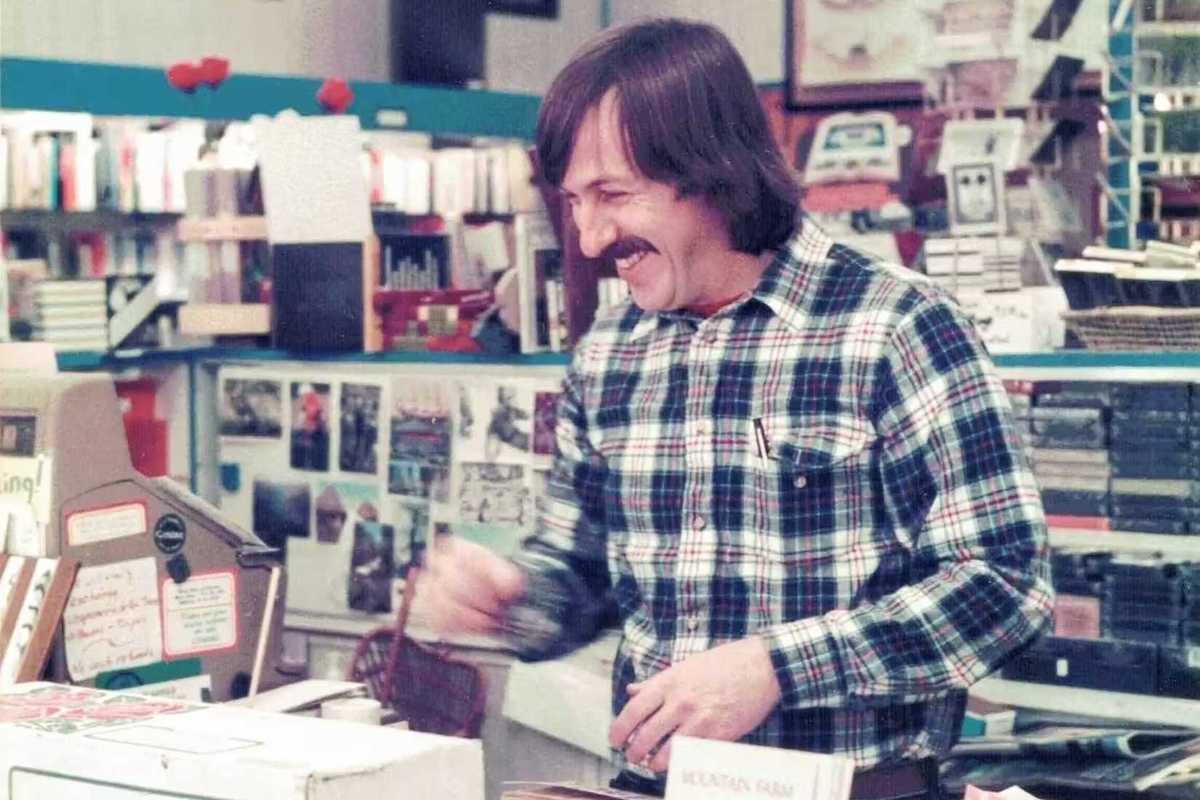
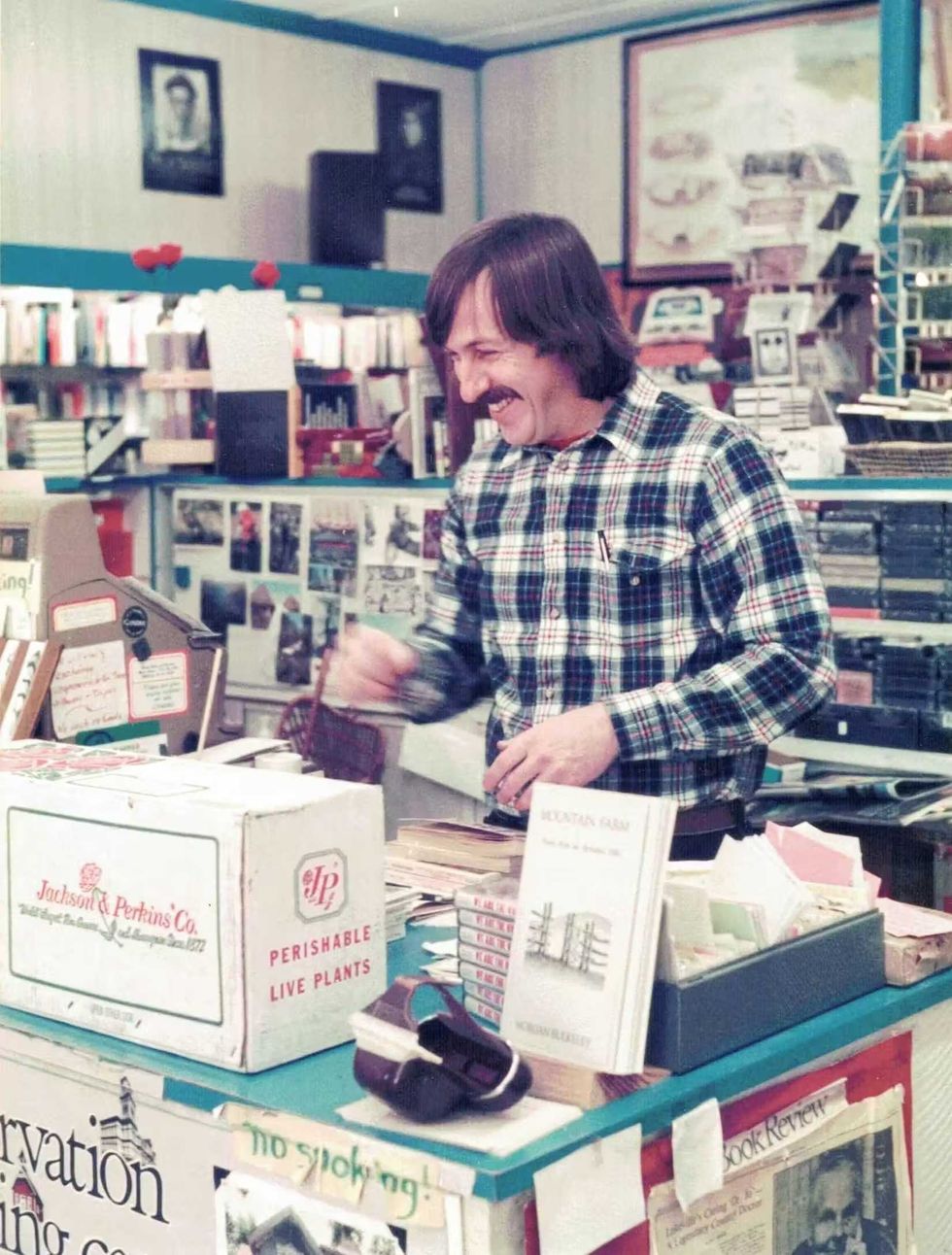 Dick Hermans in the Oblong Bookstore on Millerton’s Main Street in 1985.Provided



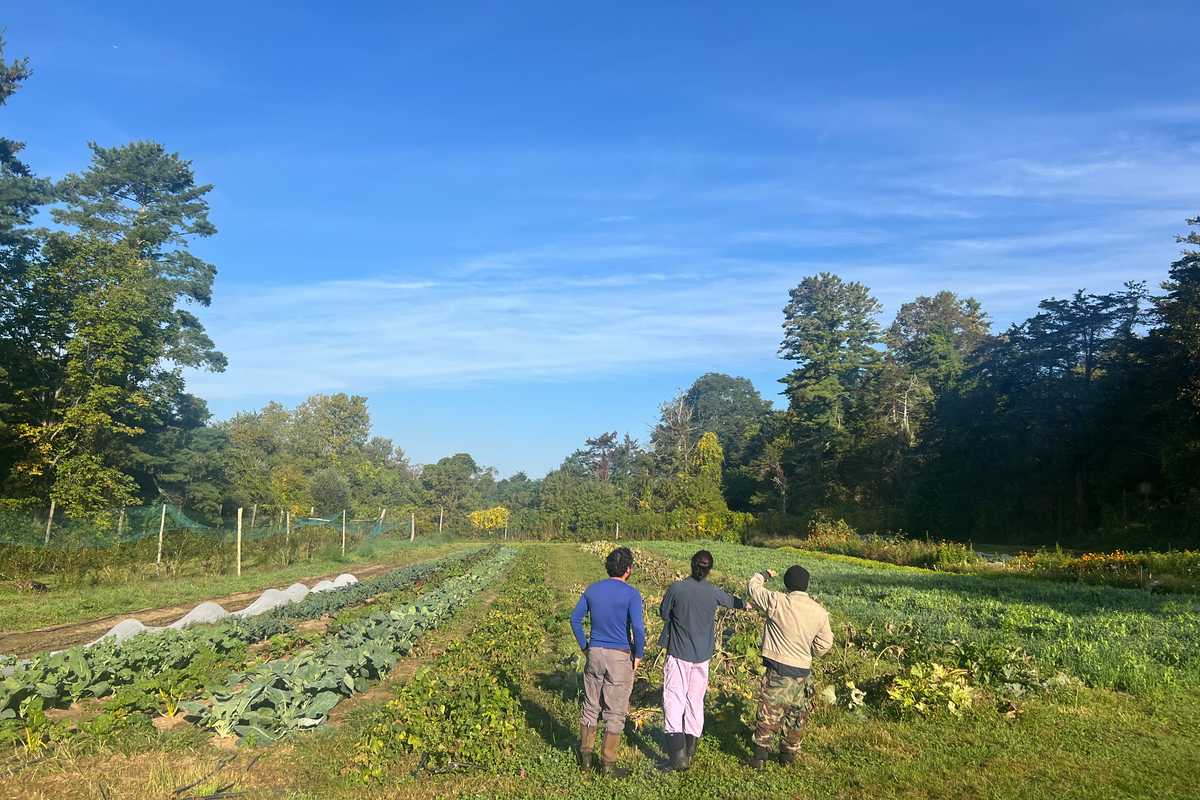
 Fall storage crop harvests amid soil building cover crops at Adamah Farm in Falls Village. Janna Siller