SHARON — Silver Lake Camp & Retreat Center, a long-running Christian summer camp and conference center in Sharon, is slated to close after its final summer this year.
All may not be lost, however, according to leaders of the newly formed Friends of Silver Lake, a nonprofit dedicated to preserving the mission and community of the camp beyond its planned closure.
The grassroots group was established by former “conferees” (campers) Andrew Wicks and Brian Lapis the morning after a November announcement by the Southern New England Conference of the United Church of Christ, which cited declining enrollment and financial challenges in its decision to end camp operations following the 2026 season.
The SNEUCC, as it is commonly known, assumed ownership and management of the Low Road camp after the state conferences of the Protestant denomination combined to form one regional body in 2020.
Speaking to The Lakeville Journal in mid-December, Wicks, who co-chairs Friends of Silver Lake with Lapis, said that upon receiving the closure announcement he felt that the “intangibles” of the Silver Lake experience “deserved to be preserved.”
To do that, he said, the alumni body needed to come together. “To have a voice of collective power around making those choices, we need to have some organization that networks all these people that, over the last 70 years, have called Silver Lake home and had life-changing and transformative experiences.”
Lapis, who was also present on the call, echoed that Friends of Silver Lake is dedicated to preserving that legacy and mobilizing it toward a continuation of the camp’s mission. “That’s where we’re starting from — to say that in 2027 we want to continue to provide these transformational outdoor ministry experiences for young people in southern New England.”
Wicks currently serves as the minister of the First Church of Christ in Woodbridge, Connecticut, and has a long history with Silver Lake, beginning with church youth group retreats in middle school. He later joined as a conferee, then spent six summers as a staff member, seven years on the camp’s board of directors, and also served on the board of the Connecticut Conference of the UCC before it was enveloped into the SNEUCC.
He also held a brief stint as interim executive director of Silver Lake and, for the past 15 years, has volunteered for a summer “Olympics”-style sports event for high schoolers at the camp.
Lapis, who is older than Wicks and now works as a television weather anchor in Springfield, Massachusetts, has been similarly intertwined with the camp since first visiting as a conferee in 1982.
He grew up in an eastern Connecticut UCC congregation and worked for five summers as a staff member,later joining the board of directors for several years. He has volunteered off and on since the 1980s and sent his children, now in their 20s, to Silver Lake as well.
By mid-December, the group had garnered more than 400 members and assembled a 13-person board ranging from a recent staff member to a camper who attended the first session in 1957.
Intergenerational connection is important to Friends of Silver Lake’s mission, Wicks said: “We were really intentional about a diverse cross section of the Silver Lake community — by age, by geography, by professional experience.”
Lapis emphasized that Friends of Silver Lake is not intended to be exclusively an alumni organization. “This is an organization that hopes to capture and leverage the love of Silver Lake from all people who have been exposed to it, either directly or tangentially.”
The Silver Lake that continues may not be the same as the one that existed in the past, the two chairs cautioned.
“There are a lot of ways that we can preserve what happened at Silver Lake,” Wicks said, noting that the SNEUCC, which still owns the Low Road camp, has said it is open to passing the property along to “mission-aligned partners.”
“We think we can be those partners that step up,” Wicks said, adding that such an opportunity depends on many uncertain variables, including funding. As a result, Friends of Silver Lake is also strategizing how to advance the camp’s mission outside of Sharon if necessary.
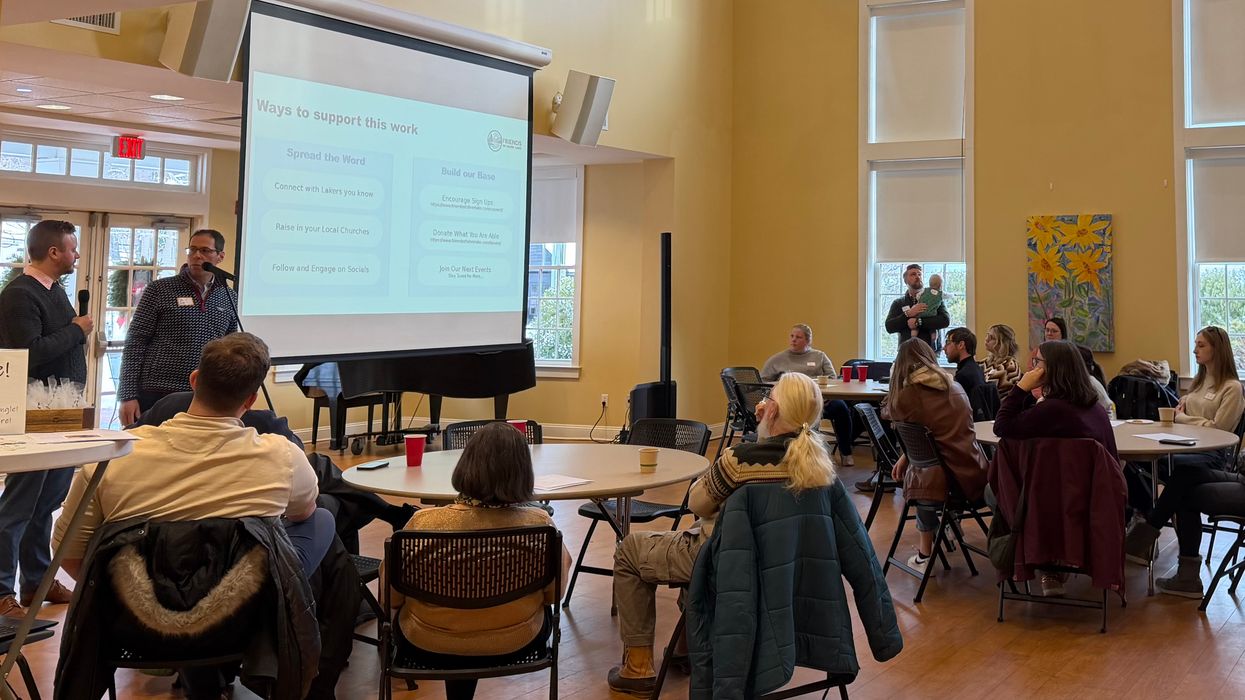
During the nonprofit’s first in-person meeting on Dec. 28 at the Congregational Church in South Glastonbury, Connecticut, Wicks and Lapis outlined the situation to the roughly 40 members in attendance. “Everybody in the room had emotional and historical ties to the property on Low Road, so that’s ideally where people would want this program to continue,” Lapis reported during a follow-up call. “But I think people are cognizant of the fact that that may not happen.”
Former campers were upset by the possibility, but were nevertheless motivated by the Friends of Silver Lake mission.
Kristin Vineyard, 60, of East Haven, Connecticut, who began attending the camp as a conferee in the 1970s, said she cried when she heard that the camp would close. “It felt like there was a death in the family,” she said in a follow-up interview. When she learned of Friends of Silver Lake, though, she said she felt motivated: “I was in instantly.”
While she would prefer to see the programming continue on Low Road, she noted that the ethos of Silver Lake is not confined to one location. “Can it take place somewhere else? I think it can.”
Others agreed. The prospect of losing the Sharon campground “really is kind of heartbreaking,” said Katherine Hughes, 39. Hughes, a native of Norwich, Connecticut, now living in Ledyard, has attended, staffed, and volunteered at the camp since the late 1990s. She said seeing the diverse and passionate crowd at the meeting was heartening despite the difficult news.
“The whole notion of Silver Lake is that it isn’t a physical place,” she said in a phone interview after the meeting. “The community has been built physically on site but can be translated to other places.”



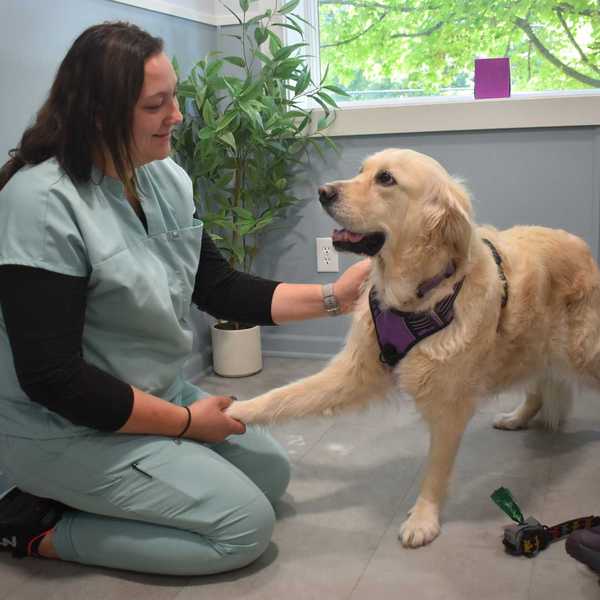
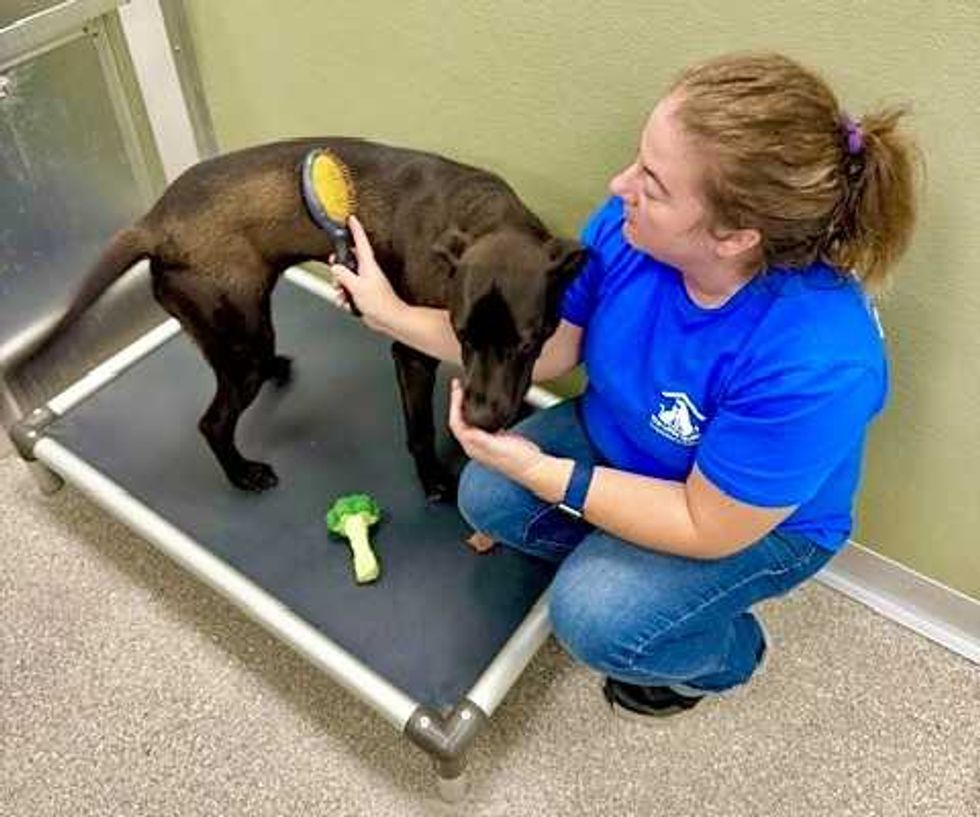 Tiffany Lemelin, shelter manager, brushing Marsala upon arrival.Provided
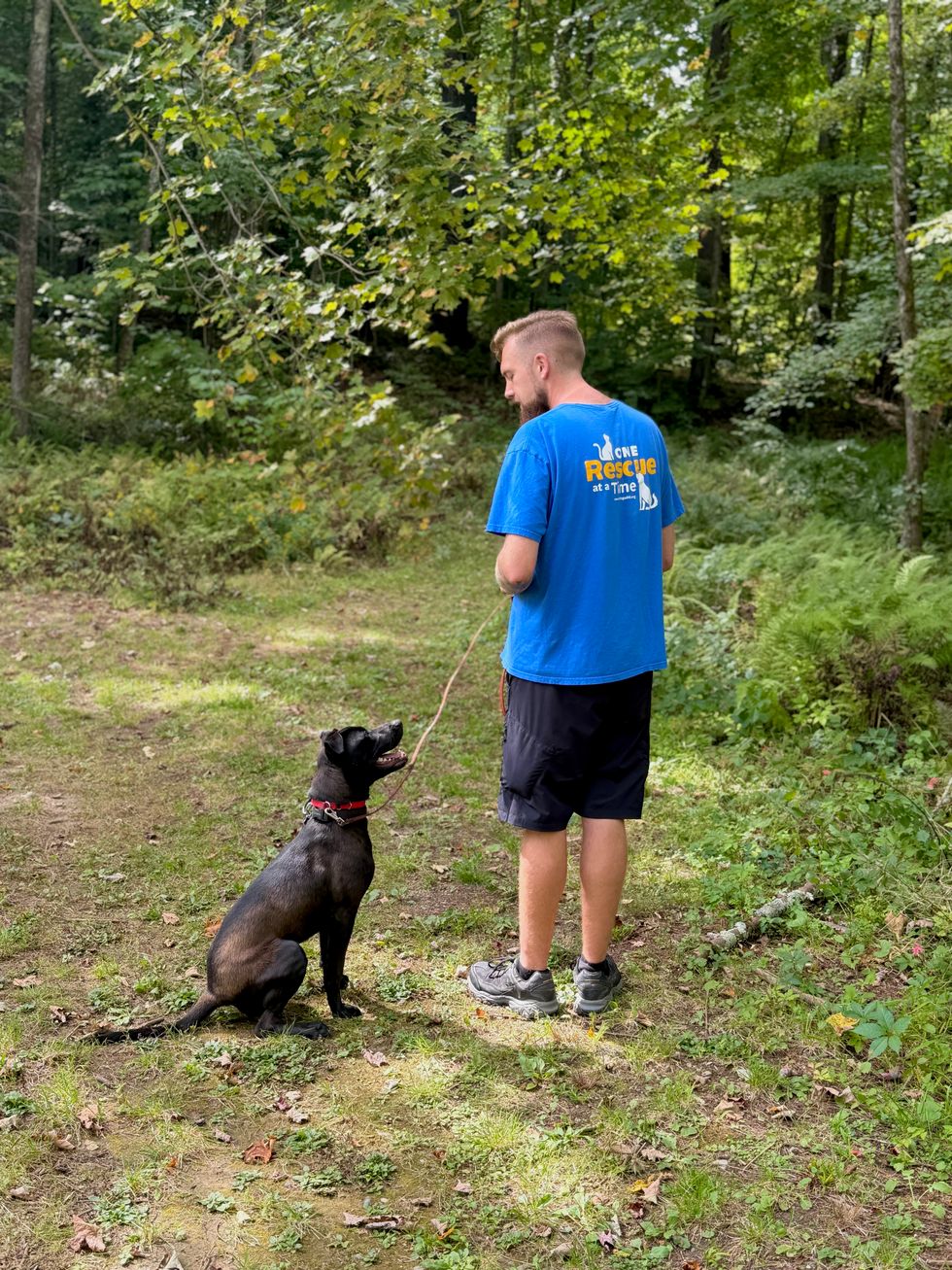 Michael DeBarba, certified dog trainer working with Marsala.Jennifer Almquist
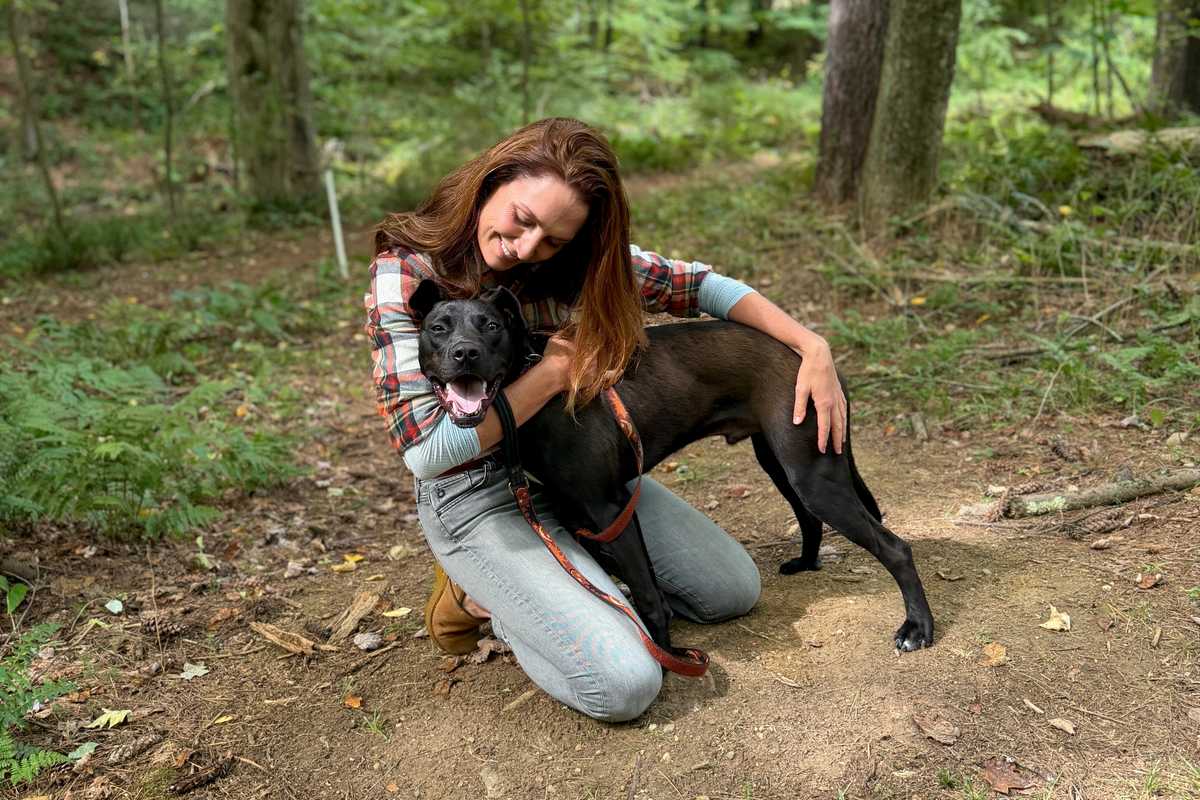 Marsala wins a heart.Jennifer Almquist
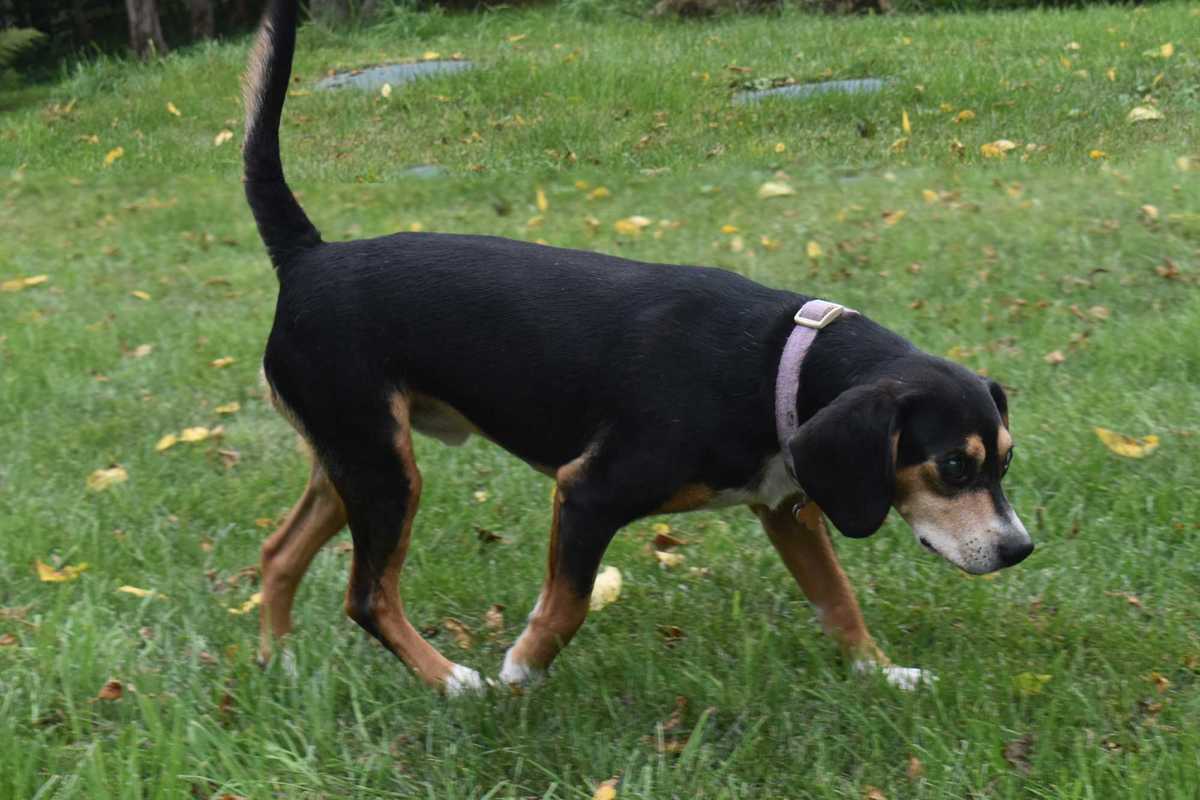
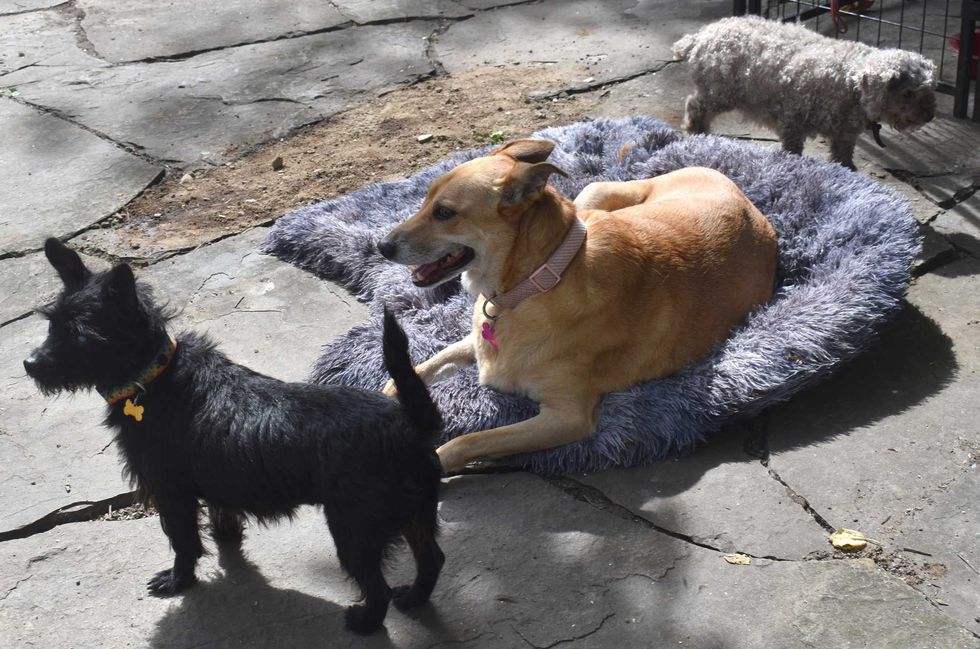 Sadie, center, a Carolina dog, plays with her friend Negra, a terrier mix. Bella Linda, the small poodle, has since been adopted.L. Tomaino
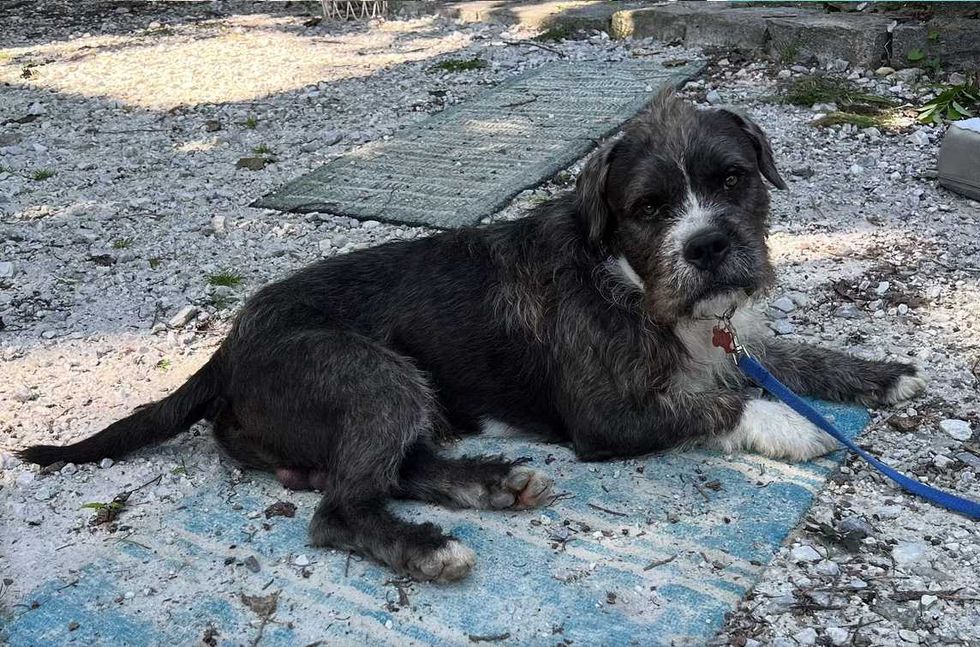 Wesley, a young, exuberant mix, is looking for an active home.L. Tomaino
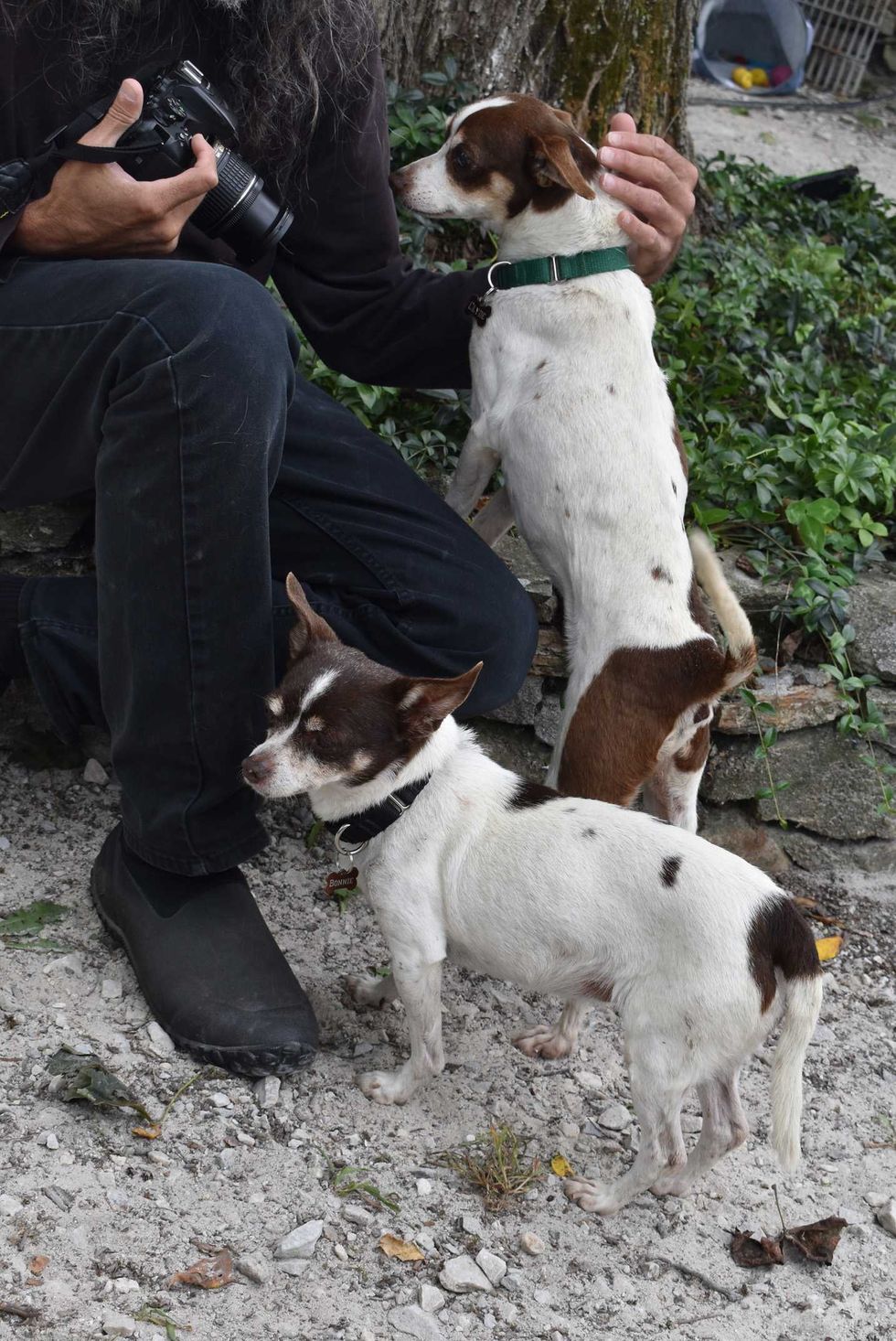 Bonnie and Clyde, an affectionate terrier pair.L. Tomaino
 Provided