Latest News
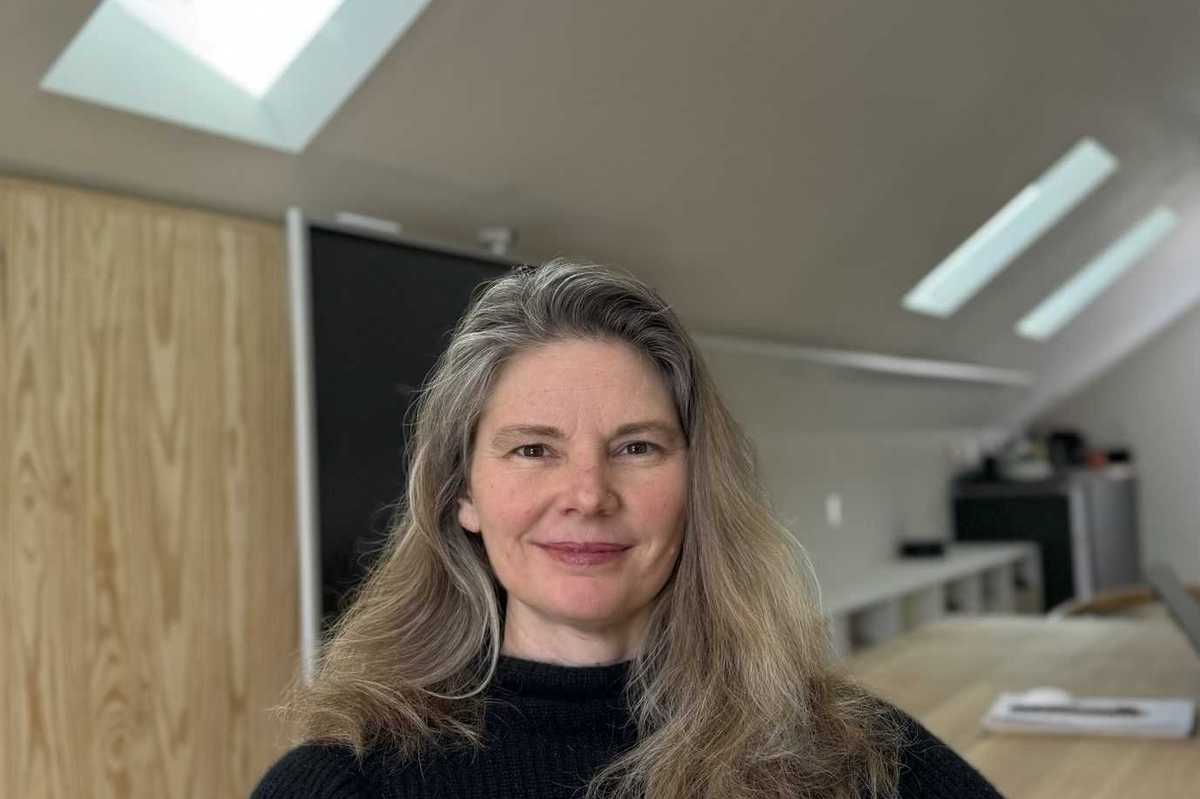
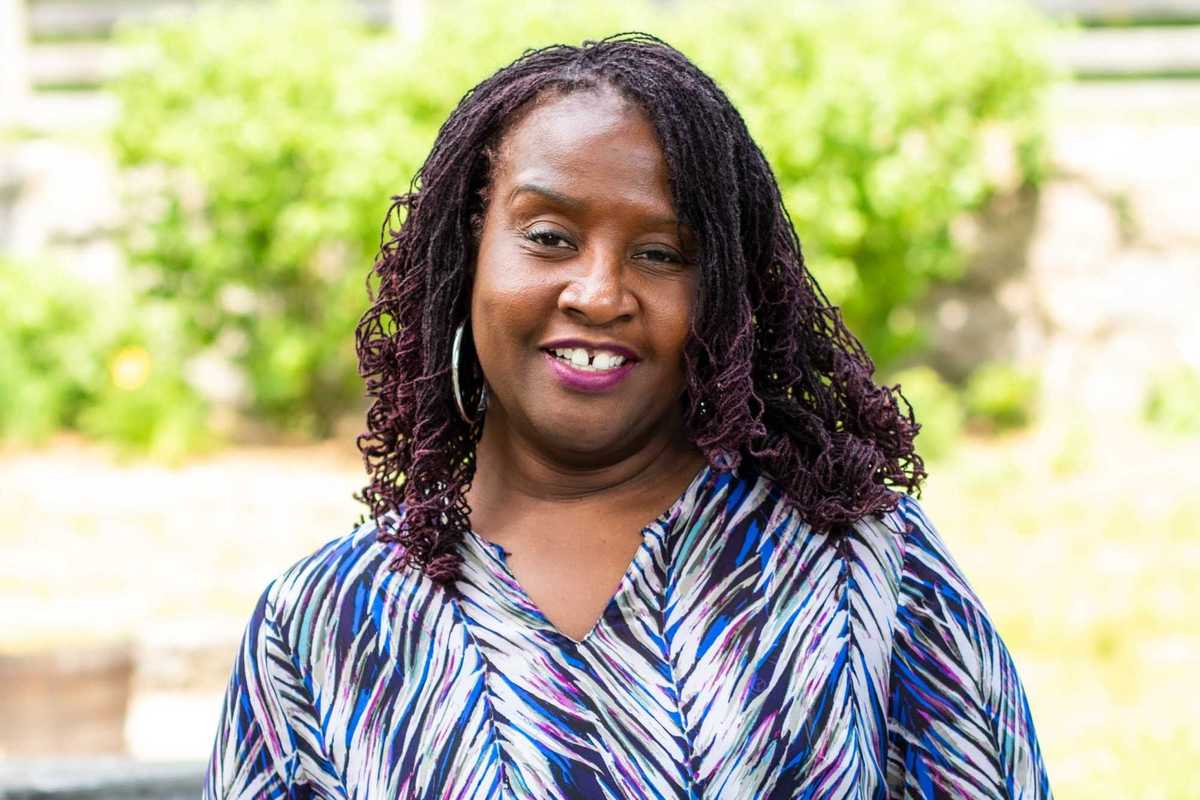
Kathy Reisfeld
Elena Spellman
On one floor of her barn are yoga mats and the steady rhythm of breath. On the other are computer screens, market charts and conversations about retirement plans and portfolio diversification. For Reisfeld, founder of Berkshire Wealth Group in Great Barrington, these are two sides of a single practice.
“At the end of the day, you’re just dealing with people,” she said. “Whether we’re talking about financial stability or mental stability, it’s kind of all the same thing.”
Reisfeld has spent nearly 30 years in finance, building a client-centered advisory practice that eventually led her to go independent. But her relationship with money began long before her career.
When her mother became ill during Reisfeld’s childhood, finances tightened. It wasn’t poverty, she said, but it was constrained enough to teach her how money — or its lack — can dictate the terms of one’s life. That lesson took on a deeper meaning as she watched her mother remain in a difficult marriage without full financial independence. “Money represented autonomy,” she said. “Freedom.”
In college, Reisfeld initially majored in physics, drawn to systems and structure. But an economics class shifted her direction. Markets, she realized, were systems too — not only mathematical, but deeply human.
After graduating, she landed an internship with a financial adviser and gradually discovered a profession that combined curiosity, problem-solving and relationship-building.
“The more I learned, the more I kind of wanted to get involved,” she said.
Over time, she realized she wasn’t interested in chasing predictions; she was interested in guiding people through uncertainty.
Over nearly three decades, she has watched the industry evolve. It has moved, she believes, from selling products to offering advice — a shift toward aligning compensation with clients’ best interests.
She’s candid about the stereotypes that cling to finance: that it’s driven by greed and full of money-hungry people. Those people exist, she said, but they aren’t the majority.
“It’s kind of like the few bad apples ruining it for everyone.”
At its best, she believes, the work is quieter and more meaningful than its reputation suggests.
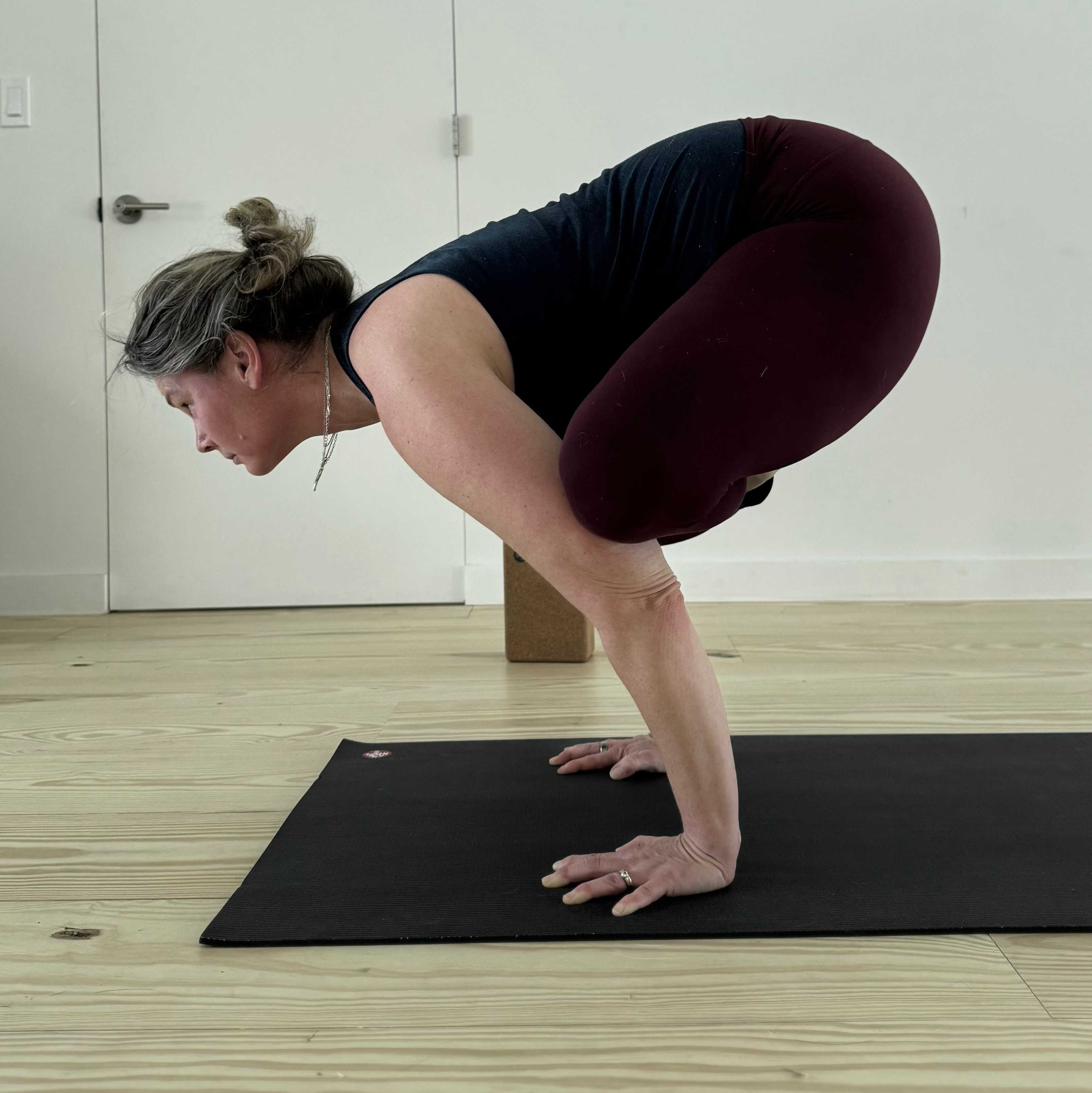 Kathy Reisfeld practicing yoga.Elena Spellman
Yoga entered her life in 2001, when she was living in New York City and training as a marathon runner.
“I was, like, very anti-yoga,” she admitted with a laugh.
But once she tried it, something shifted. A workshop with Nancy Gilgoff, the first American woman to travel to India to study Ashtanga yoga, “blew my mind open,” she said, revealing yoga as something far larger than poses or stretching.
What began as a physical complement to her running became a doorway into something deeper.
“Ashtanga means eight limbs,” Reisfeld explained. “The physical practice is just the entry point.”
The overlap she sees between yoga and investing is patience. Both practices demand discipline through fluctuation — the ups and downs, the good days and bad days, and the willingness to keep showing up.
In yoga philosophy, she points to the stilling of the mind. In investing, that becomes tuning out the noise — the headlines that spike fear or euphoria, the endless predictions that feel authoritative and rarely land cleanly.
After almost three decades in a traditionally male-dominated industry, Reisfeld has learned to move comfortably in rooms where she was often one of the few women present.
Asked what it was like starting out as a woman in finance, she smiled.
“The lines for the restroom were shorter.”
The humor reflects her temperament. She began her career at 21, and mentorship was not always easy to find. But finance, like yoga, rewards consistency. Ultimately, she built her business through steady growth.
For Reisfeld, yoga is fundamentally about integration. Money is no exception. It shapes how we live, the choices we make and the freedoms we have. Ignoring it doesn’t make it disappear. It only makes it harder.
Now rooted in the Berkshires, advising clients and teaching yoga classes from the same barn, Reisfeld’s work feels less like two careers and more like one philosophy.
When asked what she hopes people feel after spending time with her — whether reviewing a portfolio or finishing a yoga session — her answer is immediate.
“More confident,” she said. “Less stressed. More optimistic about their future.”
For more information or to book an appointment, visit berkshirewealthgroup.com
Kathy Reisfeld, Branch Owner
250 Maple Ave, Great Barrington, MA 01230
845-263-3996
Securities offered through Raymond James Financial Services, Inc. Member FINRA/SIPC.
Berkshire Wealth Group is not a registered broker/dealer and is independent of Raymond James Financial Services, Inc.
Investment advisory services offered through Raymond James Financial Services Advisors, Inc.
Elena Spellman is a Client Service Associate at Berkshire Wealth Group
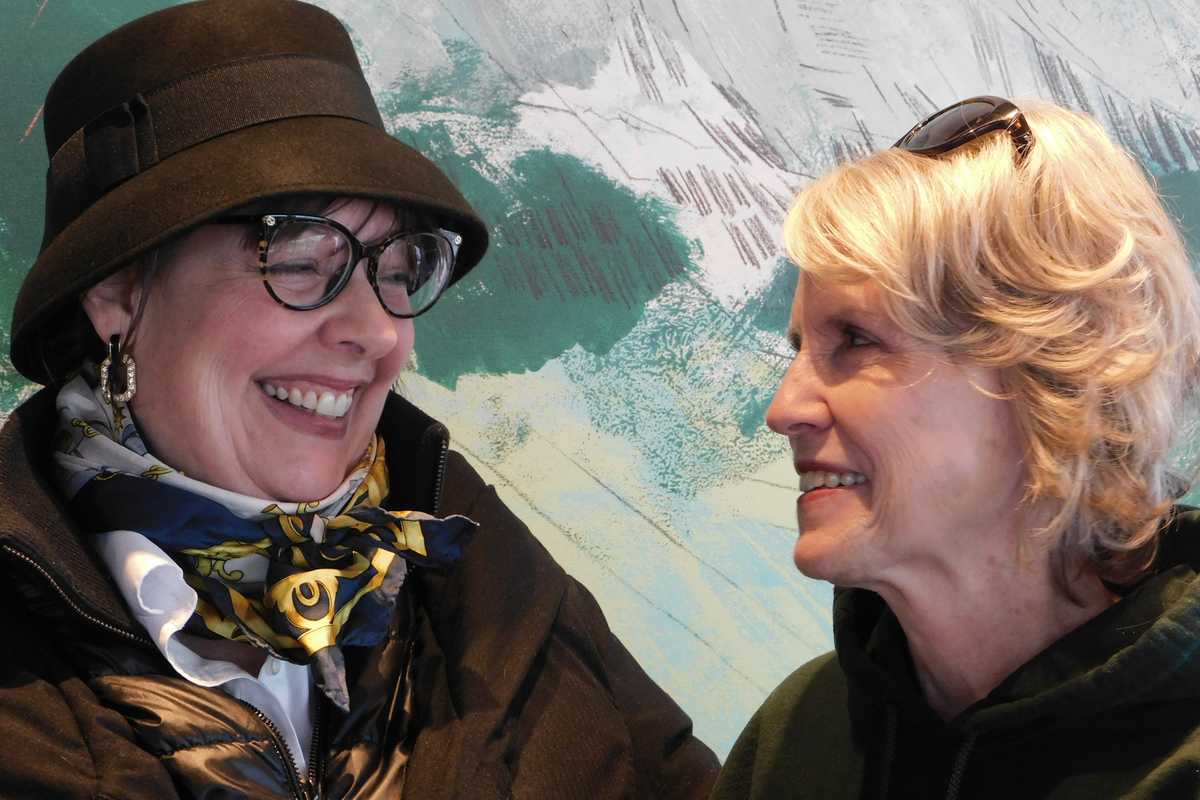
Playwright Cinzi Lavin, left, poses with Kathleen Kelly, director of ‘A Goodnight Kiss.’
Jack Sheedy
When Lavin inquired about staging the production there, “they were very excited about it,” she said.
The performance, to take place April 1, is being sponsored by the Connecticut League of Women Voters. Organizers said the Capitol setting offers a fitting backdrop for a story rooted in American history and civic life.
“A Goodnight Kiss” is a dramatic reading drawn from letters exchanged between Sgt. Maj. Frederick Lucas (David Macharelli) and Sarah Jane “Jennie” Wadhams (Olivia Wadsworth). Fred wrote from battlefields, while Jennie wrote from the peaceful confines of Goshen. Together, their letters trace a gradually deepening romance and how the couple overcame objections by Jennie’s father, John Marsh Wadhams, and finally married in 1867.
“I just found it adorable that (Jennie’s father) was going to make sure she got the right kind of husband, which is why Fred had such a hard time,” Kelly said.
BroadwayWorld reviewer Sean Fallon called the play “the most romantic love story I have ever seen acted out on stage.”
The letters were first brought to light in the 2002 book “Fred and Jennie: A Civil War Love Story” by the late Ernest B. Barker, a Goshen resident and descendant of both the Lucas and Wadhams families. The Barker family discovered Fred’s letters in the Wadhams homestead and Jennie’s letters in a house once owned by a Lucas family member. The correspondence is now housed at the Connecticut Museum of Culture and History in Hartford.
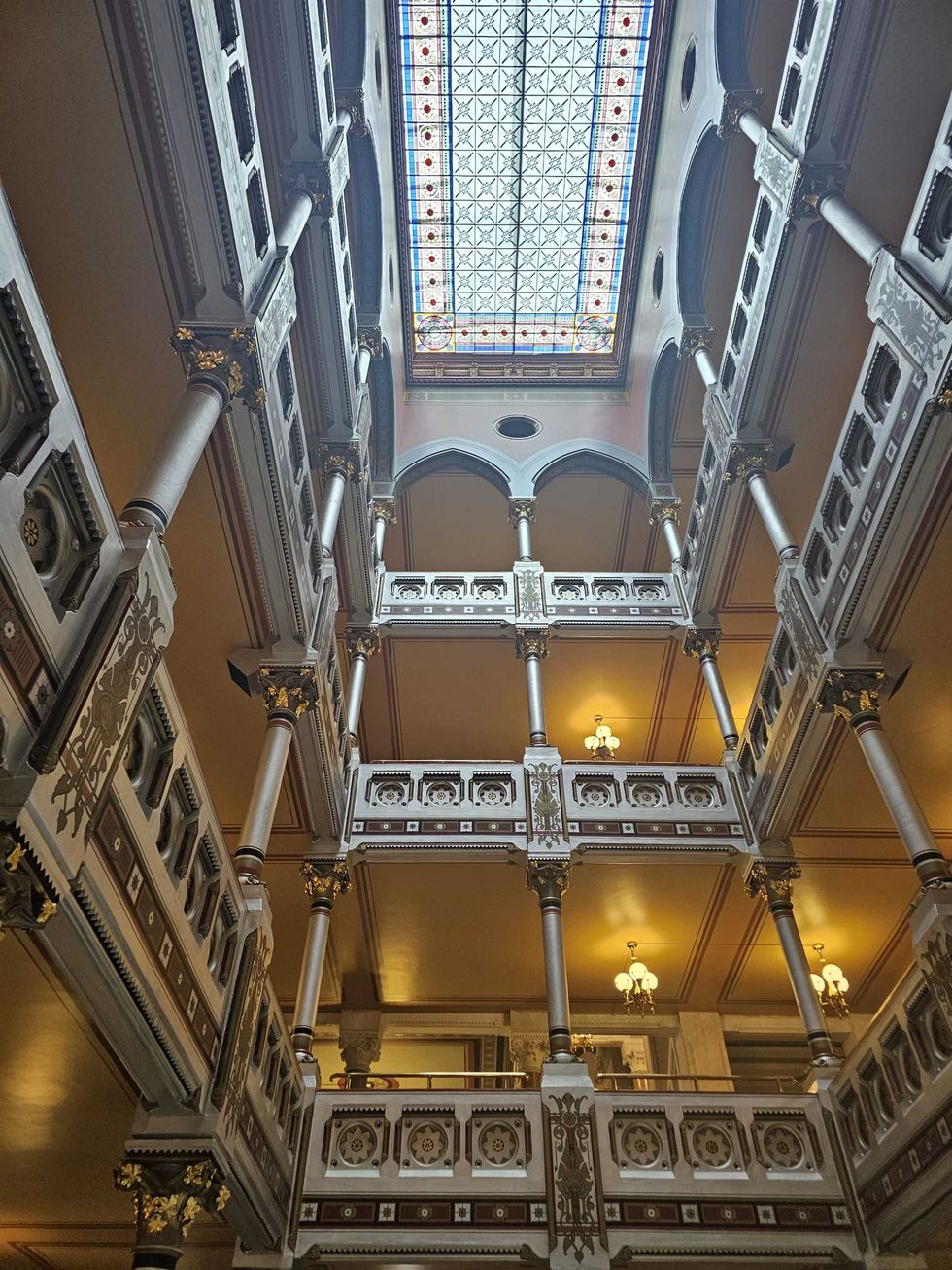 Capitol atriumSubmitted by Kathleen Kelly
Kelly said presenting the story through letters poses a challenge because the actors rarely interact onstage. During rehearsals, she had the performers face one another while reading their letters aloud. “It was just like magic happened,” she said.
Lavin said the play “tells the story of what truly makes America great, what made America great then, and what still makes it great, which is devotion to duty, service to others, integrity and treasuring freedom.”
David Macharelli, who portrays Fred, said, “Charting (Fred’s) course from enthusiastic young recruit gushing with admiration for the new technology of 19th-century warfare to a man crashing into the reality of war is a reminder that even the noblest of causes demand sacrifice, and that sacrifice is often borne by innocents.”
Olivia Wadsworth said of portraying Jennie, “It’s actually a little dizzying to think about. Two people, more than a hundred years ago, sent private letters to one another, and now their love story is being shared in a performance at the state Capitol.”
The performance will take place April 1 at 2 p.m. in Room 310 of the Capitol at 210 Capitol Ave., Hartford. The event is free and open to the public with advance registration at https://bit.ly/4usa9b7. Arrangements for guests with special requirements may be made by emailing Lisa Del Sesto at admin@lwvct.org or calling 203-288-7996. Parking on Capitol grounds is limited, but additional parking is available nearby at the Legislative Office Building, 300 Capitol Ave.

Want more of our stories on Google? Click here to make us a Preferred Source.

Yonah Sadeh, Falls Village filmmaker and curator of David M. Hunt Library’s new VideoWall.
Robin Roraback
After the screening of the two films, “Mail Myself to You” and “Circle, Circle Square,” Pranger and Sadeh will discuss filmmaking and answer questions.
Of Pranger, Sadeh said, “She has a strong visual voice as a director, and both of these films are great examples of a blend of documentary and experimental filmmaking.”
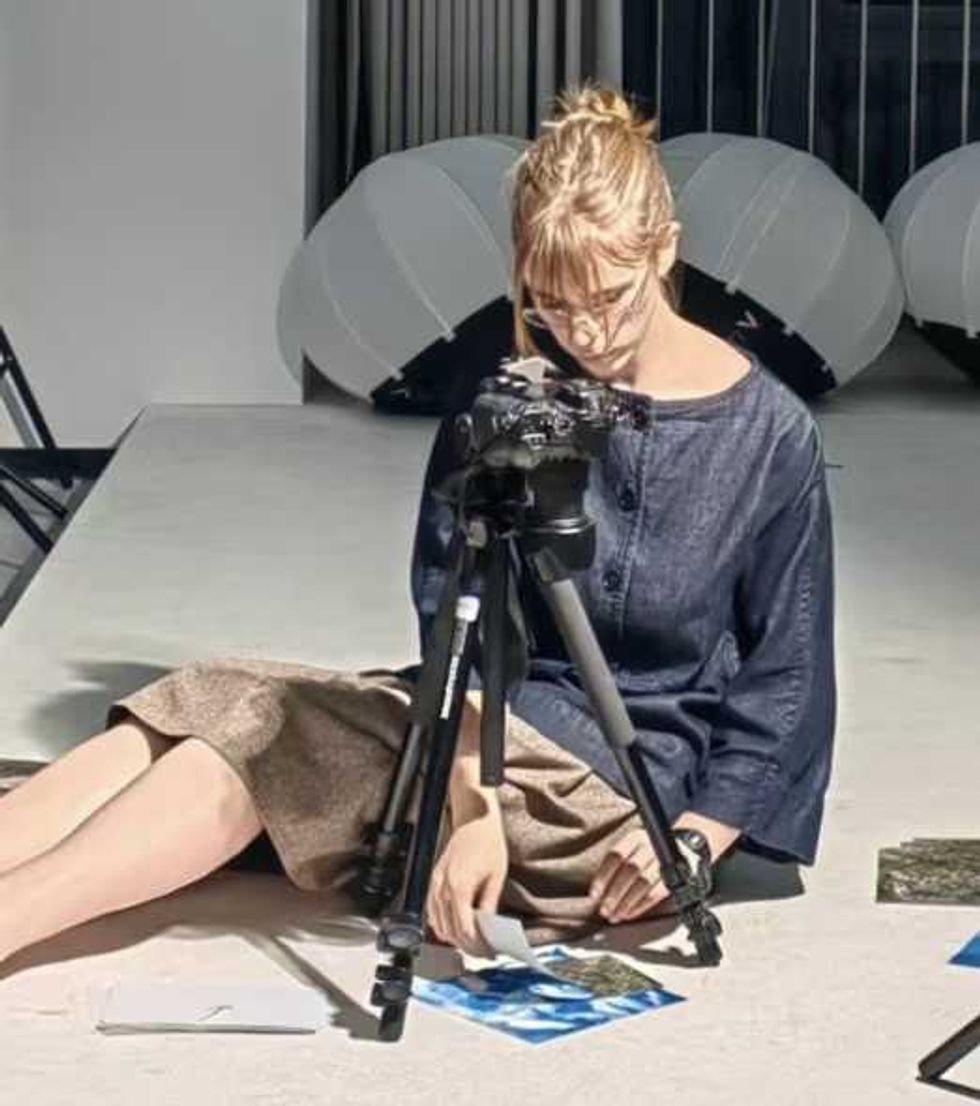 Imogen Pranger, first filmmaker of the new VideoWall.Provided
Pranger described her approach to filmmaking. “I have always approached the visual arts from an interdisciplinary, multimedia perspective.” This approach was a reason why animation was particularly appealing to Pranger as she began exploring the possibilities of filmmaking.
“I particularly fell in love with the tactility of hand-drawn and painted animation and the ways in which it can be used in tandem with analog 16-millimeter film. Stop-motion animation holds the unique power to bring inanimate objects to life, something that became crucial to my practice of archival documentary filmmaking. I appreciate the sense of play that is encouraged in the medium of animation and find great joy in exploring new avenues and possibilities within the medium,” she continued.
At the core of Pranger’s films, she hopes to capture the joy and intimacy of human connection that blossoms through engagement with material and creative process.
After the opening event, the films will remain available to view at any time on the VideoWall screen in the library stacks. “The screen will always be on and ready for anyone to use,” Sadeh said. The installations will last three to four months.
Sadeh added, “Each installation will begin with a public screening at the library, followed by a talkback with the filmmaker.”
Filmmakers can contact Sadeh at huntartwall@gmail.com for information about submitting films for consideration. Visit huntlibrary.org/art-wall for a schedule of ArtWall and VideoWall events, which are free and open to the public.
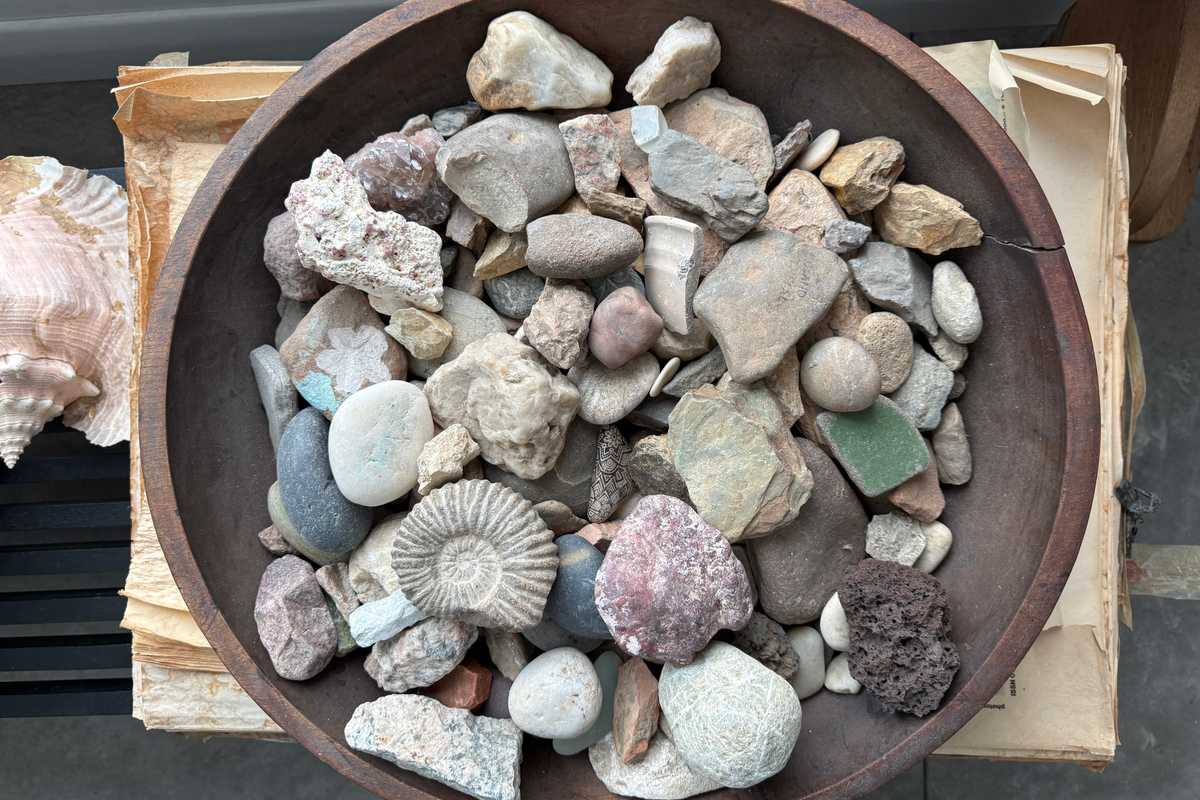
A bowl full of stones.
Cheryl Heller
They’re not specimens. I’m not a scientist comparing igneous with sedimentary, or metamorphic with minerals or meteorites. I don’t know slate from quartzite, or schist from basalt or gabbro. They aren’t memories either, because I can’t tell by looking at them where they’re from. They sit quietly beside me in whatever moment I’m occupying.
They’re not souvenirs from places, like coffee mugs or snow globes. They are the places themselves.
The planet has reorganized itself in my bowl. Melbourne nestles next to the Hebrides. The streets of Roma in Mexico City rub elbows with Vatican City, Rome. Eastern Tibet sits on top of Machu Picchu; New Delhi is now close to Detroit. Cappadocia has finally met Capri. Mustique knows Morocco, and they both lie on the beaches of southern France.
These stones have witnessed the fall of civilizations, the birth and death of infinite beings, tectonic upheavals and the creative destruction of fire and ice.
Who touched them before me? Inca, Maya, Trojans? Warriors, slaves or yaks? Blue-footed boobies in the Galápagos or a slithering Costa Rican fer-de-lance? Was one of them used to stone a blasphemer in ancient Greece?
It’s not as if the place where I live needs more stones. In New England we’ve been blessed with an imposing population of glacial erratics — characters dragged here by the last Ice Age and left to sit silently in the woods for the past 16,000 years. The stones themselves, I’ve learned, are more than a billion years old.
The most ancient rocks known to us are more than four billion years old. Others are practically new, formed continually as tectonic plates shift along seabeds or lava cools along volcanic slopes. And while individual rocks vary wildly in age, the substance of rocks — atoms of silicon, oxygen and iron —is far older than the Earth itself, forged in ancient stars before our Milky Way existed.
Perhaps my bowl is filled with stars.
I recently stood before an exhibit of Aboriginal art called “The Stars We Do Not See.”The artists are descendants of the oldest continuous civilization on Earth, at 350,000 years. Their past is not distant or inaccessible to them; they understand time as a cycle and live in relationship with everything on earth and sky, including stones.
The title of the show was inspired by the late Yolŋu artist Gulumbu Yunupingu, who painted the night sky on bark. She spoke about the “stars behind the stars” — all there is to learn and appreciate beyond what we can see.
Deep in the woods on the hill above our house in Norfolk sits a giant marshmallow-shaped rock, one of the billion-year-old ones. At some point, someone leaned a ladder against it — a standing invitation to a new perspective.
How can we know the things that are invisible, the stars behind the stars? How can we feel connected to what came before us and sits silently around us, too slow for our impatient eyes to see?
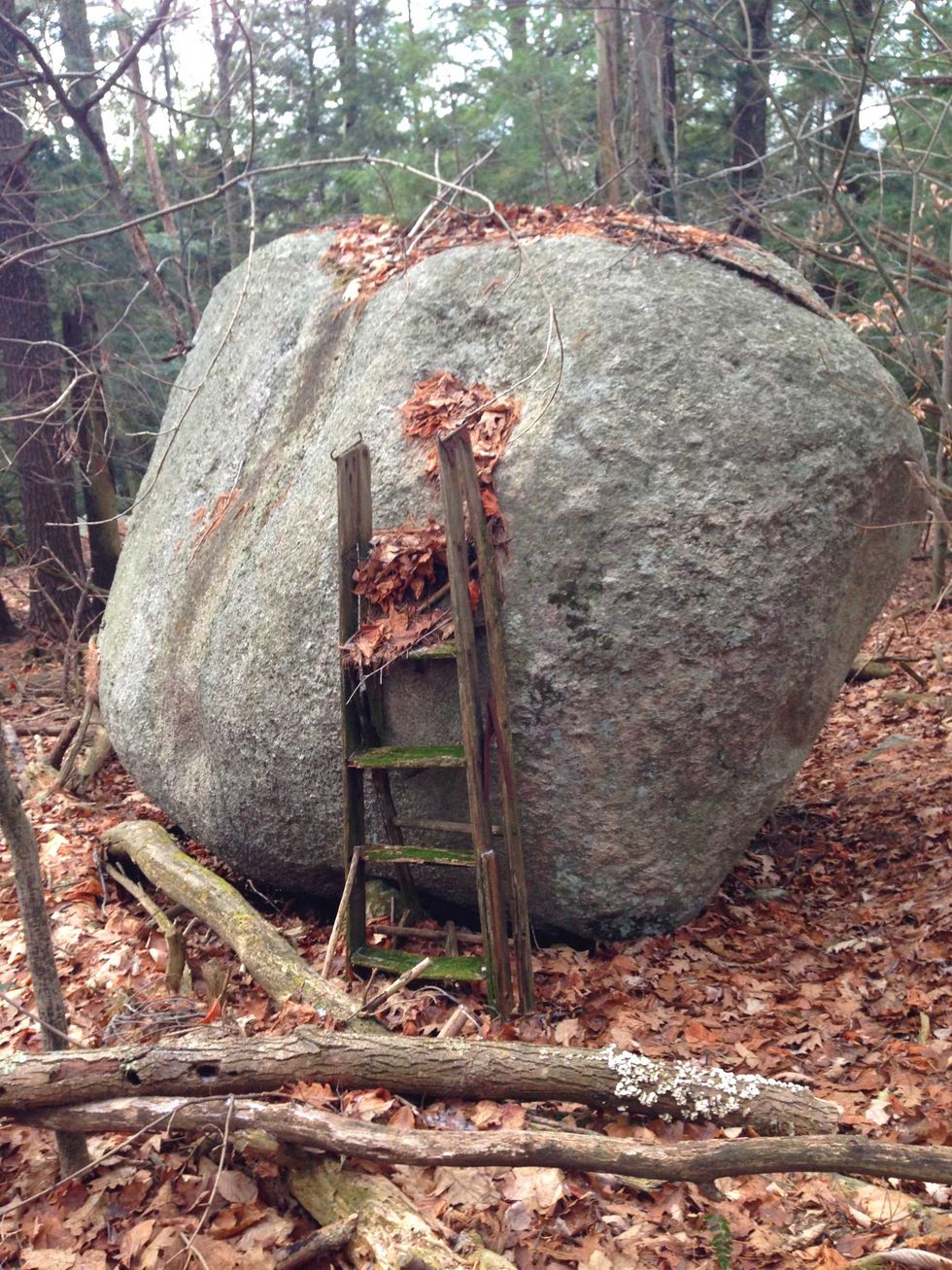 A rock with a ladder.Cheryl Heller
Every once in a while, someone leans a ladder against a rock so we can’t miss it. Most of the time, we’re on our own.
I sometimes joke with my younger sister that when I die, she and our nieces can divide up whatever I leave behind, including the handbag she has had her eye on for years. But who will see and care about a bowl of rocks too heavy to lift and too silent about their value to be appreciated?
This is for you, Lynn, Stacey, Katie and Rose.
I hope you keep the planet in my bowl together.
It might be, after all, my small and only lasting intervention in the world.
Cheryl Heller is a designer, educator and business strategist who pioneered the field of social design and founded the first social design MFA program at the School of Visual Arts. She lives in Norfolk.
Want more of our stories on Google? Click here to make us a Preferred Source.