Dear President Obama:As you ponder your potential moves regarding President Vladimir V. Putin’s annexation of Crimea (a large majority of its 2 million people are ethnic Russians), it is important to remember that whatever moral leverage you may have had in the court of world opinion has been sacrificed by the precedents set by previous American presidents who did not do what you say Putin should do – obey international law.The need to abide by international law is your recent recurring refrain, often used in an accusatory context toward Putin’s military entry in Crimea and its subsequent annexation, following a referendum in which Crimean voters overwhelmingly endorsed rejoining Russia. True, most Ukrainians and ethnic Tatars boycotted the referendum and there were obstacles to free speech. But even the fairest of referendums, under UN auspices, would have produced majority support for Russia’s annexation.Every day, presidential actions by you violate international law because they infringe upon national sovereignties with deadly drones, flyovers and secret forays by soldiers — to name the most obvious.President George W. Bush’s criminal invasion and devastation of Iraq in 2003 violated international law and treaties initiated and signed by the United States (such as the Geneva Conventions and the UN Charter). What about your executive branch’s war on Libya, now still in chaos, which was neither constitutionally declared, nor authorized by Congressional appropriations?“Do as I say, not as I do,” is hard to sell to Russians who are interpreting your words of protest as disingenuous. This is especially the case because Crimea, long under the rule of the Ottoman Empire, became part of Russia over 200 years ago. In 1954, Soviet leader, Nikita Khrushchev gave Crimea to Ukraine, which was then part of the Soviet Union, out of sympathy for what Ukraine endured under the Nazi invasion and its atrocities. It mattered little then because both “socialist republics,” Ukraine and Crimea, were part of the Soviet Union. However, it is not entirely clear whether Khrushchev fully complied with the Soviet constitution when he transferred Crimea to Ukraine.• • •Compare, by the way, the United States’ seizure of Guantanamo from Cuba initially after the Spanish-American War, which was then retained after Cuba became independent over a century ago.The Russians have their own troubles, of course, but they do have a legitimate complaint and fear about the United States’ actions following the collapse of the Soviet Union. Led by President William Jefferson Clinton, the United States pushed for the expansion of the military alliance NATO to include the newly independent Eastern European countries. This was partly a business deal to get these countries to buy United States fighter aircrafts from Lockheed Martin and partly a needless provocation of a transformed adversary trying to get back on its feet.As a student of Russian history and language at Princeton, I learned about the deep sensitivity of the Russian people regarding the insecurity of their Western Front. Hitler’s attack on the Soviet Union took many millions of Russian lives. The prolonged Nazi siege of the city of Leningrad alone is estimated to have cost over 700,000 civilian lives, which is about twice the total number of United States soldiers killed in World War II.The memories of that mass slaughter and destruction, and of other massacres and valiant resistance are etched deeply in Russian minds. The NATO provocation was only one of the West’s arrogant treatments of post-Soviet Russia, pointed out in the writings of Russian specialist, NYU professor Stephen Cohen (see his pieces in The Nation here). That sense of disrespect, coupled with the toppling of the elected pro-Russian President of Ukraine in February, 2014 (which was not lawful despite his poor record) is why Mr. Putin’s absorption of Crimea and his history-evoking speech before the Parliament, was met with massive support in Russia even by many of those who have good reasons to not like his authoritarian government.• • •Now, you are facing the question of how far to go with sanctions against the Russian government, its economy and its ruling class. Welcome to globalization.Russia is tightly intertwined with the European Union, as a seller and buyer of goods, services and assets, and to a lesser but significant degree with the U.S. government and its giant corporations such as oil and technology companies. Sanctions can boomerang, which would be far worse than just being completely ineffective in reversing the Russian annexation of Crimea.As for sanctions deterring any unlikely future Russian moves westward into Ukraine, consider the following role reversal. If Russia moved for sanctions against the United States before Afghanistan, Iraq, Libya, Yemen and other attacks, would that have deterred either you or George W. Bush from taking such actions? Of course not. Such an outcome, politically and domestically, would not be possible.If you want continued Russian cooperation, as you do, on the critical Iranian and Syrian negotiations, ignore the belligerent baying pack of neocons who always want more U.S. wars, which they and their adult children avoid fighting themselves. Develop a coalition of economic support for Ukraine, with European nations, based on observable reforms of that troubled government. Sponsor a global conference on how to enforce international law as early as possible.Drop the nonsense of evicting Russia from the G8 — a get-together forum of leaders. Get on with having the United States comply with international law, and our constitution on the way to ending the American Empire’s interventions worldwide, as has been recommended by both liberal and conservative/libertarian lawmakers, along with much public opinion.Concentrate on America, President Obama, whose long unmet necessities cry out from “sea to shining sea.”Consumer advocate and former presidential candidate Ralph Nader grew up in Winsted and is a graduate of The Gilbert School.
Latest News

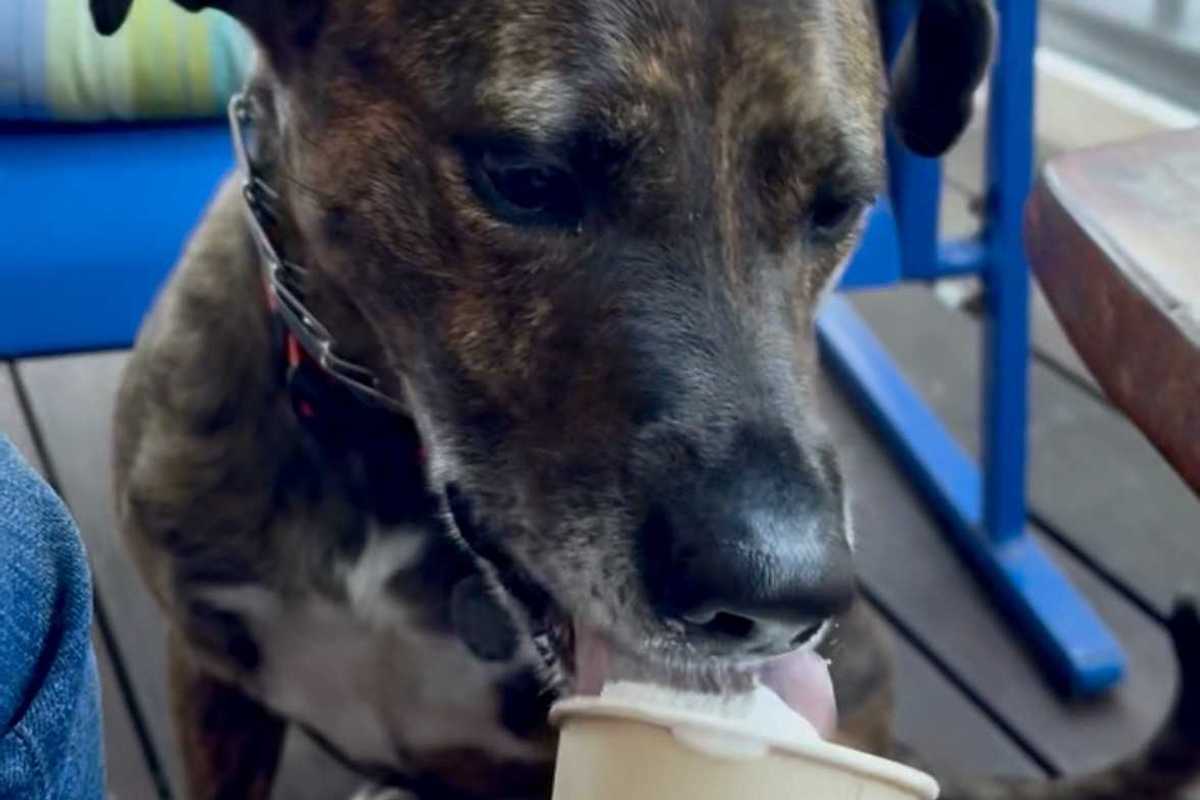
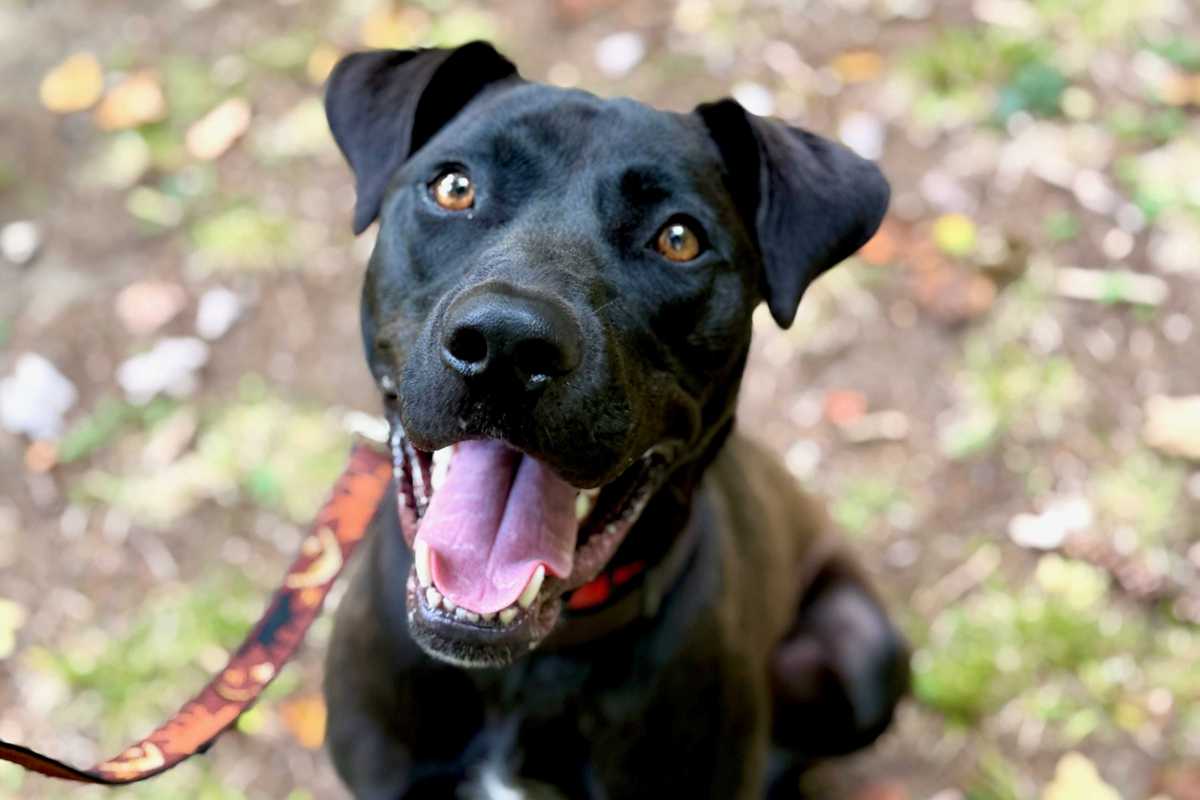
Marsala is eager to go home with you.
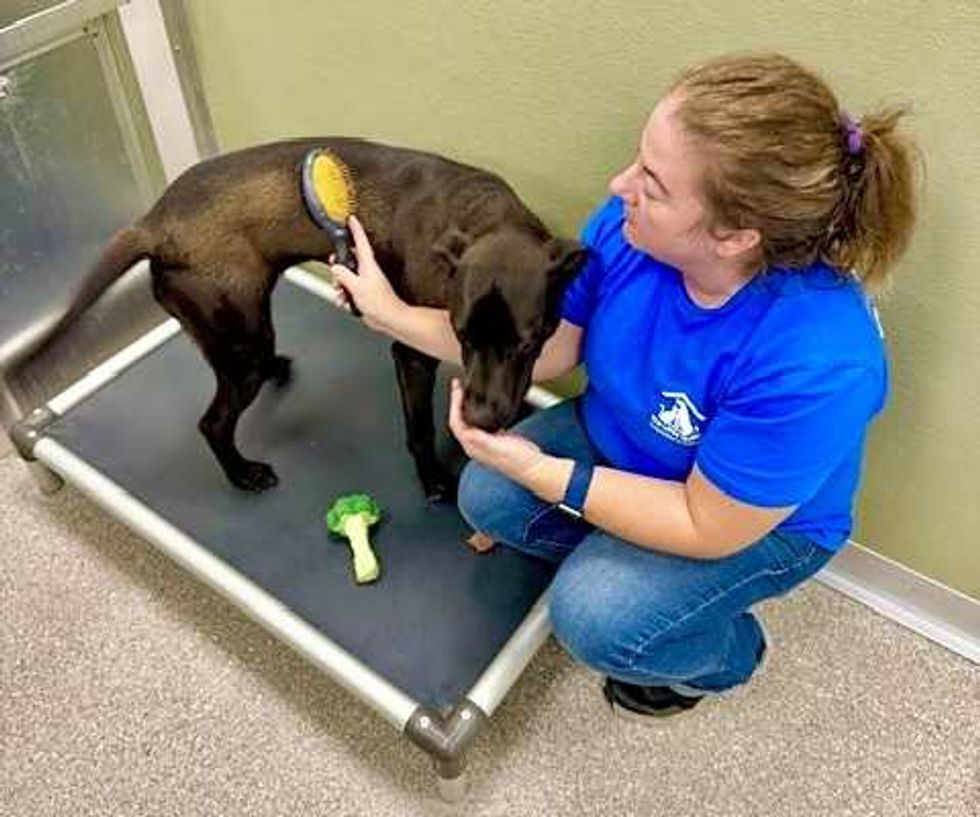 Tiffany Lemelin, shelter manager, brushing Marsala upon arrival.Provided
The Little Guild is an animal shelter at 285 Sharon-Goshen Turnpike in West Cornwall. Founded in 1957, the organization rescues animals from local surrenders and under-resourced shelters. When a rescue animal arrives at The Little Guild, staff begins a careful intake and transition process to ensure the animal is safe, healthy and ready for adoption.
New arrivals are quarantined in-house. Vaccinations are verified as up to date, and staff assesses each animal’s medical, behavioral and placement needs. Rescues receive medical care, daily support and behavioral training to ease shelter stress. Once a dog has finished quarantine and is ready for a home, its profile is published at littleguild.org.
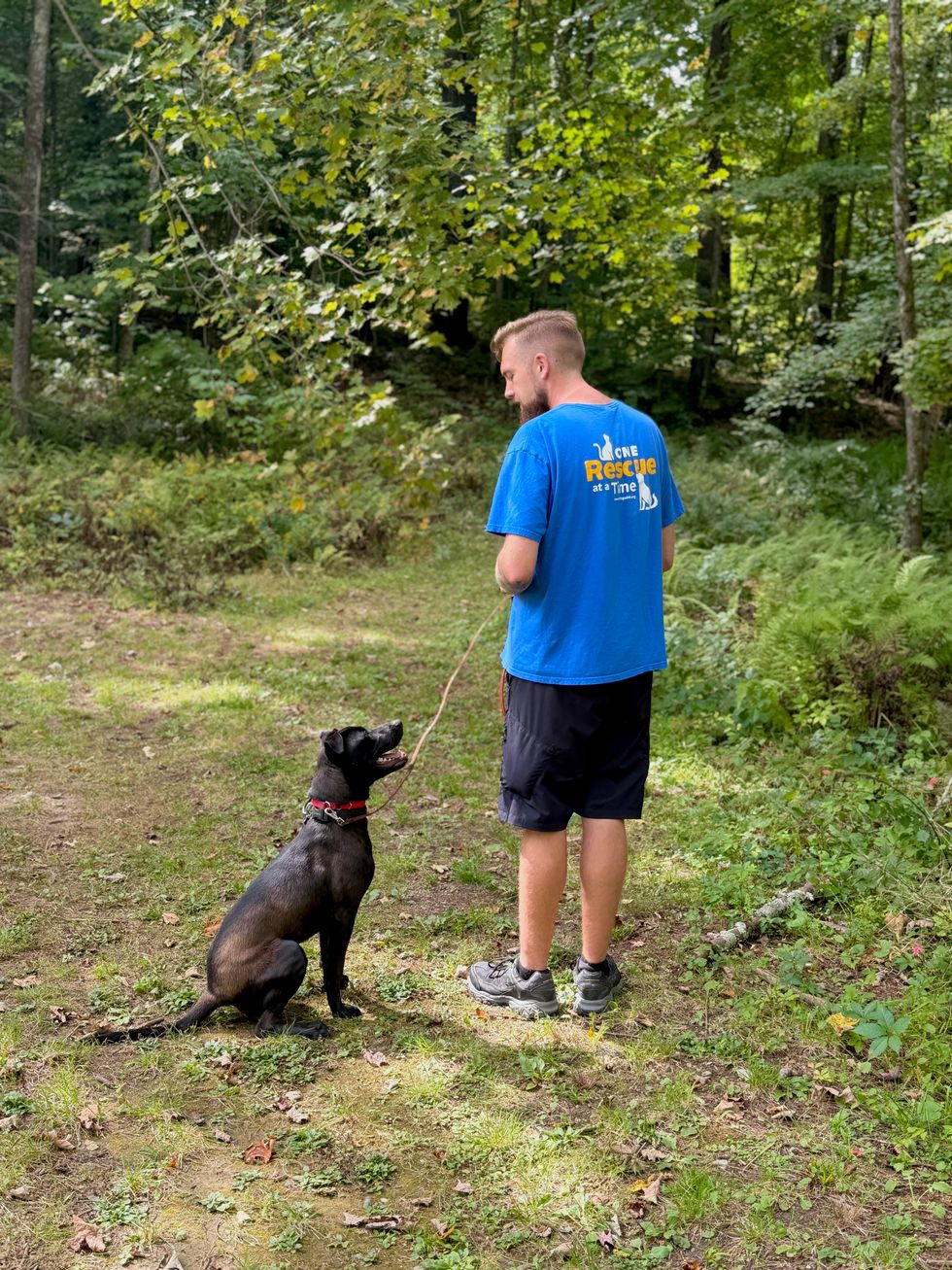 Michael DeBarba, certified dog trainer working with Marsala.Jennifer Almquist
Prospective adopters fill out an online application with information about their household and veterinary and personal references.
The next step is for the prospective adopter and family members to meet the dog. If there is already a dog in the household, a meet-and-greet is scheduled so the dogs can get acquainted.
The animal care staff offers guidance based on its knowledge of each animal’s personality, needs and quirks to help families find the best fit.
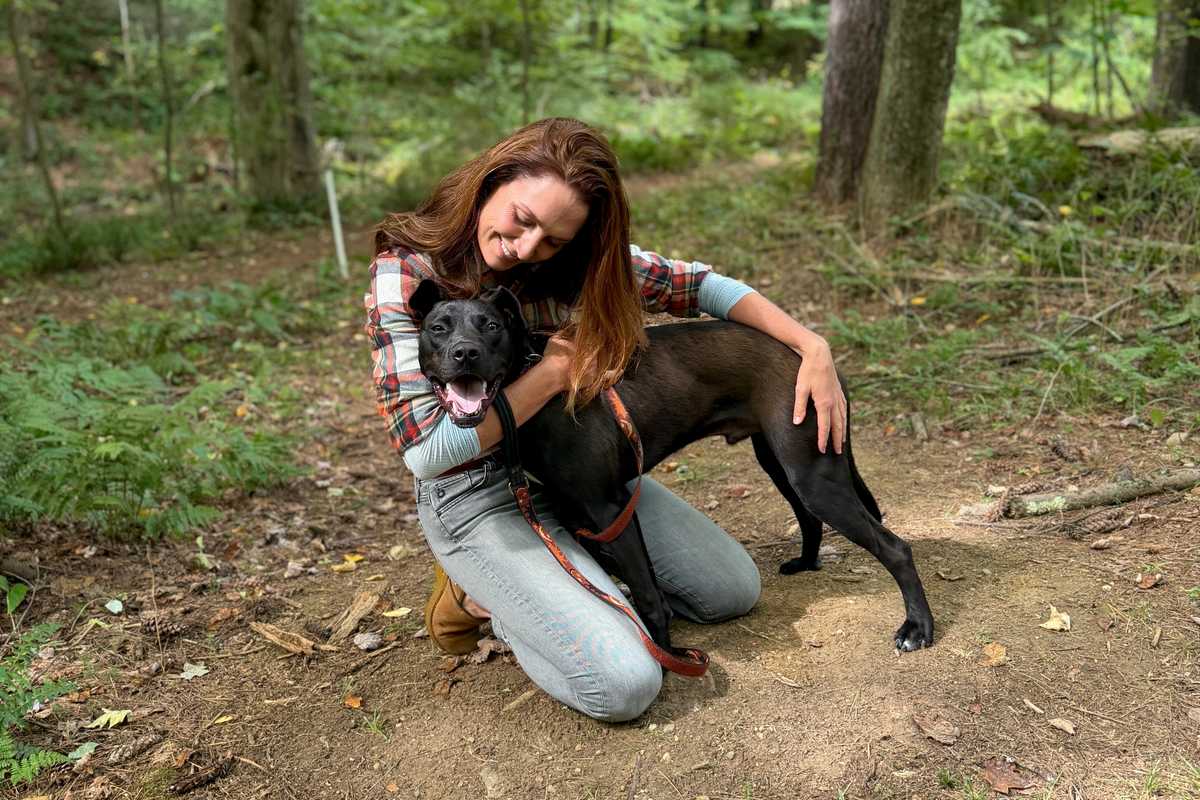 Marsala wins a heart.Jennifer Almquist
Once a match is made, the adoption contract outlines aftercare. Adopters agree to return the animal to The Little Guild if the adoption doesn’t work out. The organization’s commitment continues after adoption, with six months of free training and follow-up from staff to answer questions or address concerns.
“Please don’t pass Marsala by,” Lemelin said. “He loves people and other dogs. He’s a lap dog who lives for snuggles, cuddles and face kisses. Marsala deserves a family, a soft bed and a lifetime of being chosen.”
To find out about Marsala and other rescue dogs and cats, visit littleguild.org

Want more of our stories on Google? Click here to make us a Preferred Source.
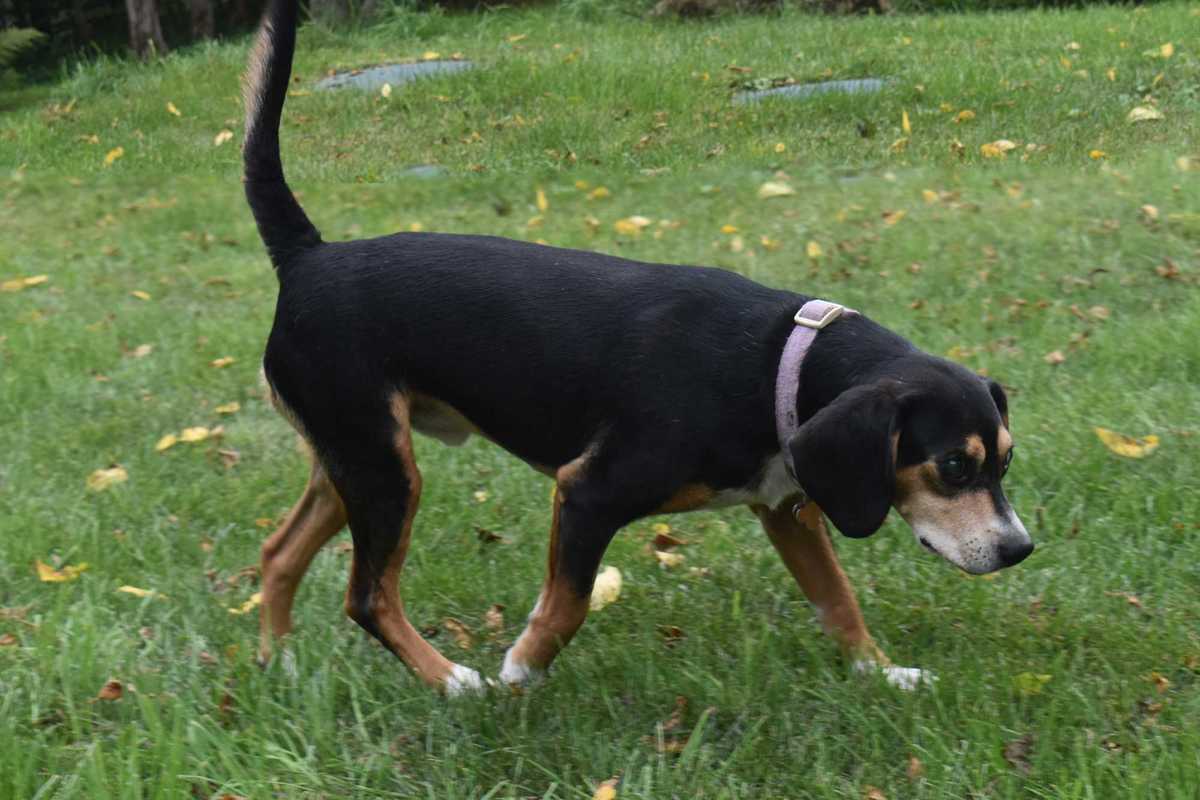
Sampson, a playful and independent blind hound mix, explores the rescue’s large yard.
Though she takes in dogs of all ages, including some with disabilities — and one resident cat — the rescue’s motto is “Giving old dogs new lives.”
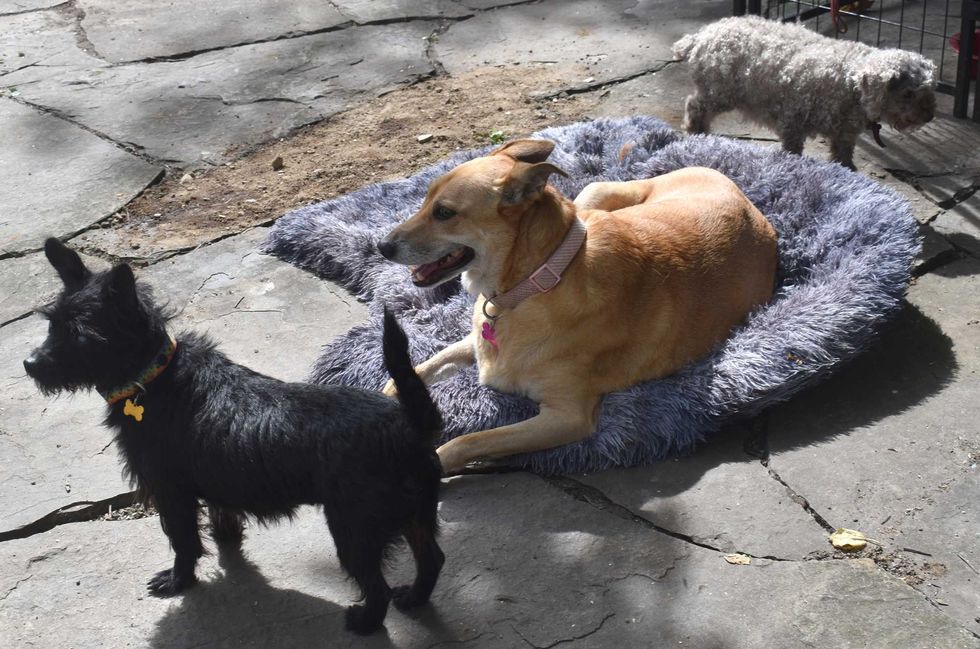 Sadie, center, a Carolina dog, plays with her friend Negra, a terrier mix. Bella Linda, the small poodle, has since been adopted.L. Tomaino
Sadie, a sweet Carolina dog, was the first to greet visitors.
“She could really use a home,” Meade said.
Then came Bonnie and Clyde, rat terriers; Negra, a small terrier mix; Sampson, a blind hound mix; and Jay Z, a terrier mix who was emaciated when Meade took him in and has since filled out, with fur regrowing over previously bald patches. Wesley, a young, shaggy mix whom Meade calls “a very good boy,” is also in need of a home.
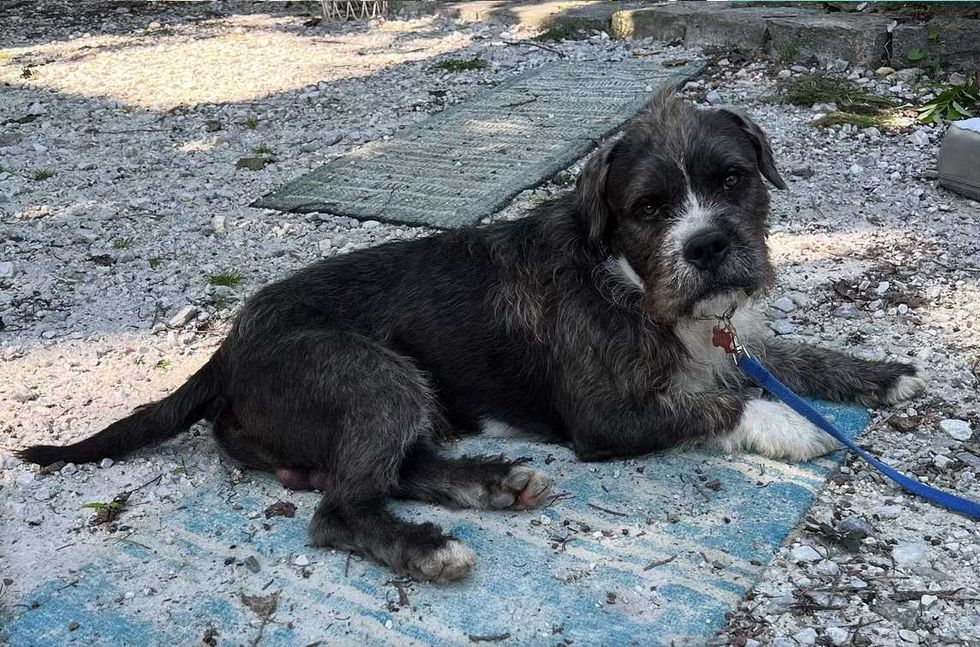 Wesley, a young, exuberant mix, is looking for an active home.L. Tomaino
Meade began rescuing dogs after going to Waterbury to adopt one and learning that, by the end of the three-day weekend, the dogs she was looking at would be euthanized to make room for others.
She went home and started her rescue in New Preston, Connecticut. After five years there, she moved to California, where she rescued dogs from overcrowded pounds for 13 years.
Meade, a busload of dogs and her cat moved back to the Northeast a little more than a year ago.
Ninety-nine percent of the dogs at the rescue come from pounds, both locally and in California and New York City.
“We are more than happy to place dogs with older people, and we are also willing to give support after the adoption,” Meade said, noting that some rescues will not adopt to people over 60.
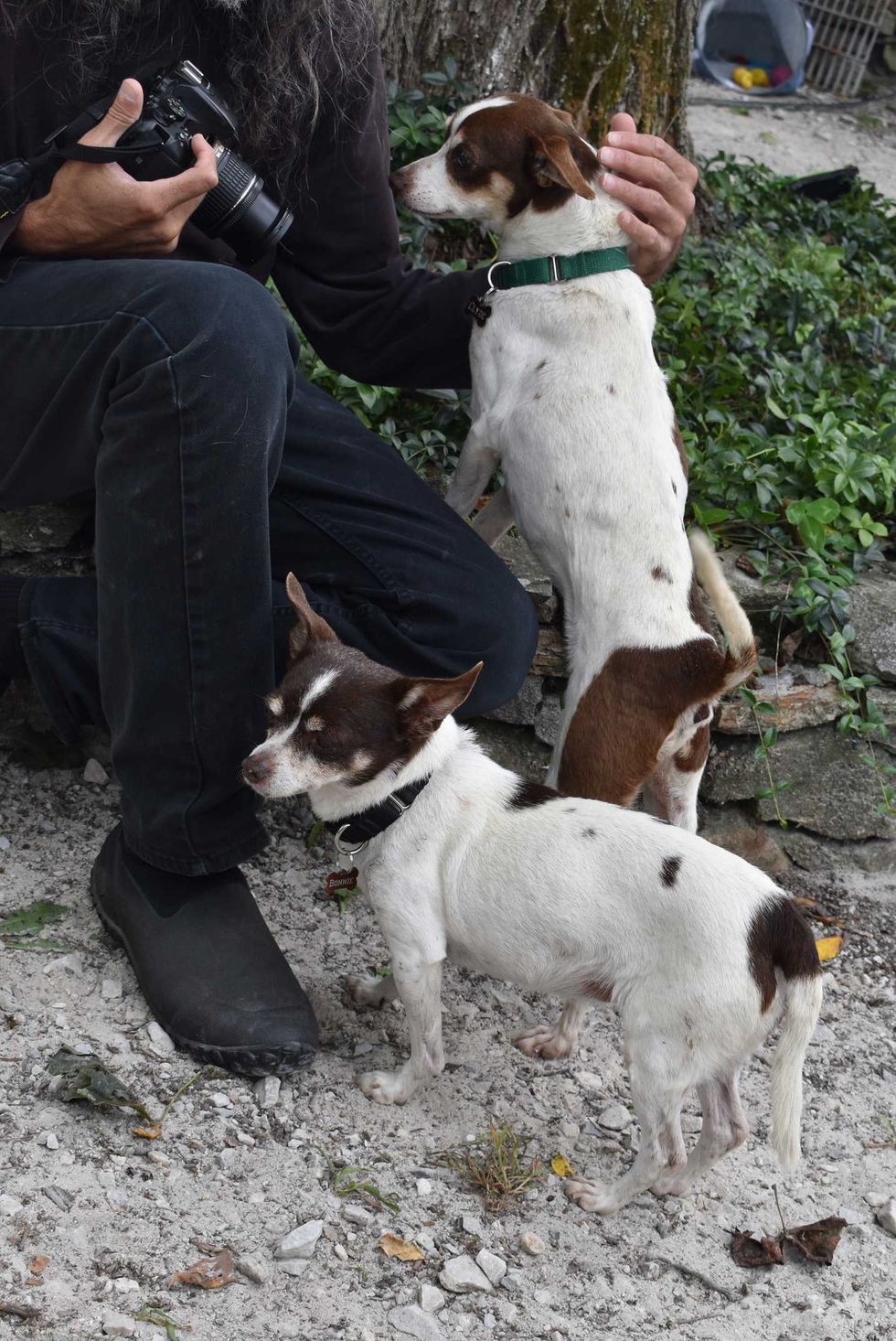 Bonnie and Clyde, an affectionate terrier pair.L. Tomaino
For those who cannot adopt, the rescue needs donations of old blankets, dog and cat food, cleaning supplies, puppy pads and dog treats. Monetary donations are also welcome and can be made through the rescue’s website. Meade also welcomes volunteers to help with the dogs.
Contact Meade at 805-239-4004, 860-866-7986 or 4dots@att.net to arrange a visit or drop off donations. For available dogs and more information, visit meadecaninerescue.org.

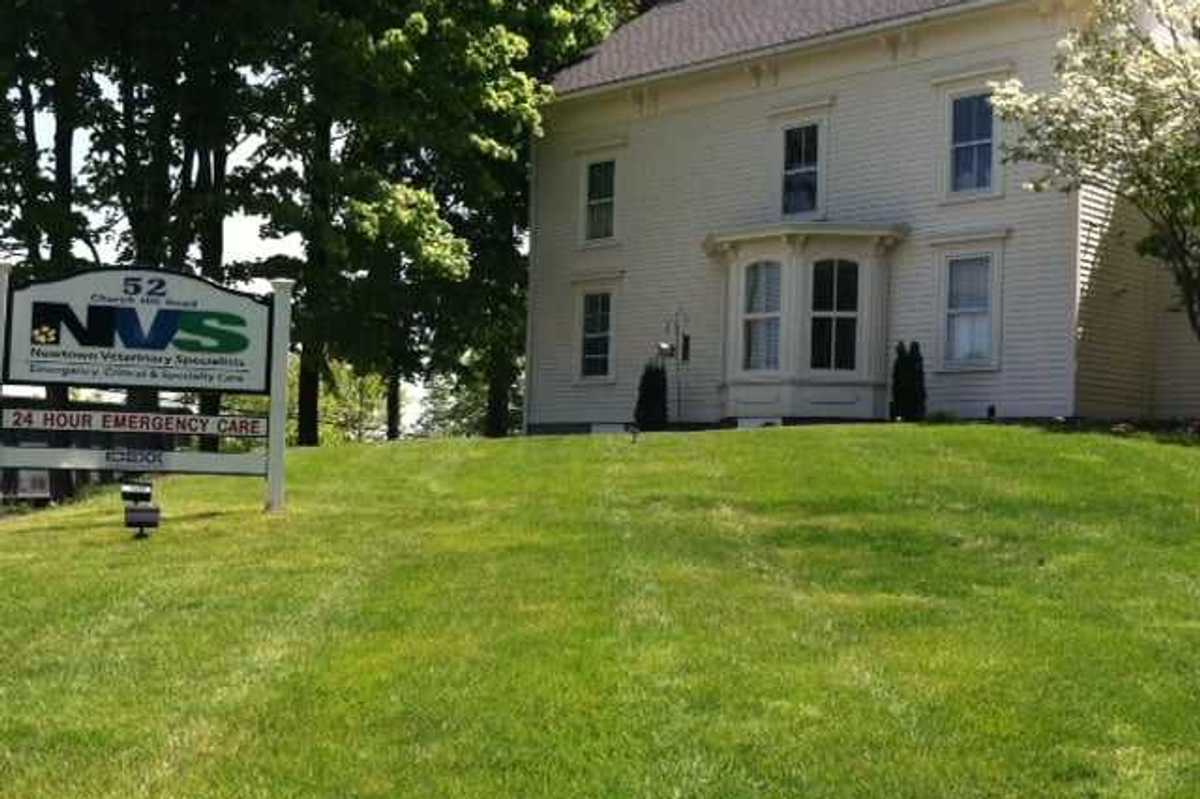
Newtown Veterinary Specialists
For Berkshire County residents, VCA All Caring Animal Hospital, 440 Stockbridge Road in Great Barrington, can be a nearby first call. The full-service hospital offers diagnostics and hospitalization and asks clients with an emergency or a pet requiring immediate attention to call rather than use its online contact form. It is not a 24-hour emergency hospital, however. Current hours are 7:30 a.m. to 5 p.m. Monday through Friday and 8 a.m. to 1 p.m. Saturday. It is closed Sunday. Call 413-528-8020.
Poughkeepsie also has several options for urgent care. Creature Comforts Animal Hospital, 64 Pine St., is a full-service veterinary hospital offering emergency and critical care during regular business hours. The hospital treats dogs and cats as well as birds, reptiles and other exotic pets. Hours are 9 a.m. to 8 p.m. Monday, 9 a.m. to 6 p.m. Tuesday through Friday and 9 a.m. to 2 p.m. Saturday. It is closed Sunday. For after-hours emergencies involving dogs and cats, the hospital refers patients to regional emergency facilities. Call 845-625-2474.
Community Animal Care, 269 Titusville Road, offers urgent and emergency care during operating hours and asks pet owners to call ahead. Regular hours are 8 a.m. to 6 p.m. Monday through Thursday, 8 a.m. to 5 p.m. Friday and 8 a.m. to 1 p.m. Saturday. Urgent care is available daily by calling ahead, with extended hours until 9 p.m. Tuesdays and Thursdays. The practice also offers after-hours veterinary triage by video to help owners determine whether a pet can safely wait or should be taken to a 24-hour facility. Call 845-471-7459.
When an animal needs care in the middle of the night, on a holiday or for a potentially life-threatening condition, the options become more limited.
Guardian Veterinary Specialists, 4 Hardscrabble Heights in Brewster, is a 24-hour emergency and specialty hospital, open seven days a week, 365 days a year. Its emergency department is staffed around the clock, with on-site imaging and laboratory services. No appointment is necessary for an emergency, although calling ahead is encouraged when possible. Call 914-704-3400.
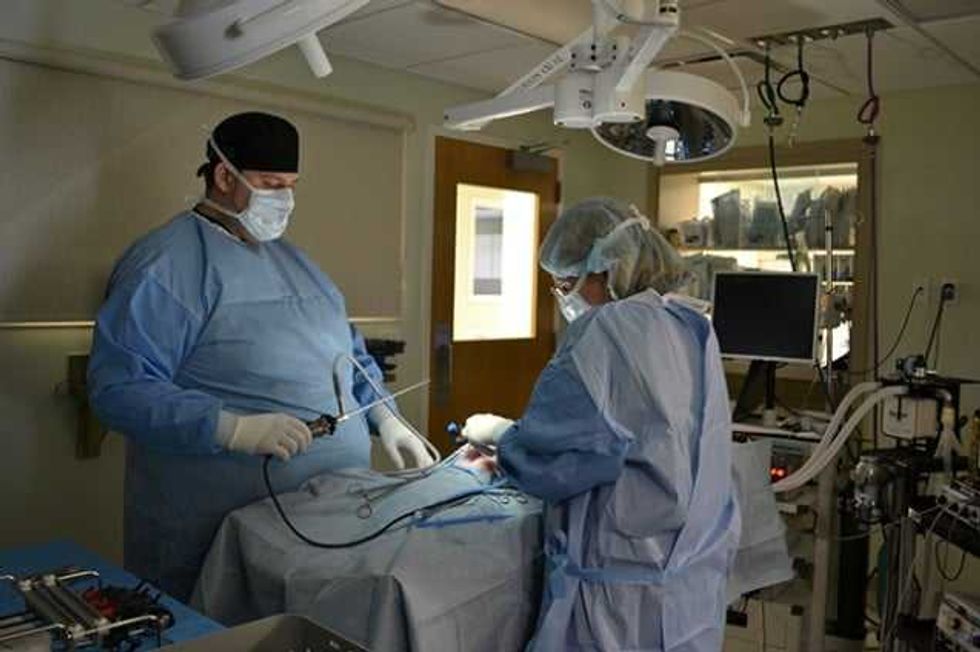 Provided
Newtown Veterinary Specialists, 52 Church Hill Road in Newtown, Connecticut, also provides emergency care 24 hours a day, seven days a week, including holidays. No appointment is required for emergency care, although the hospital recommends calling ahead when possible. Call 203-270-8387.
Pet owners should remember that emergency veterinary hospitals operate much like human emergency rooms in that patients are triaged according to the severity of their condition, so animals with less critical problems may have to wait.
The best preparation is simple. Keep the number of your regular veterinarian and at least one 24-hour emergency hospital in your phone, and know roughly how long it will take to get there. If circumstances allow, call before leaving home to confirm where your pet should be seen.
When something goes wrong at 10 p.m. on a Sunday, knowing where you’re headed can make a frightening situation a little less overwhelming.
Want more of our stories on Google? Click here to make us a Preferred Source.