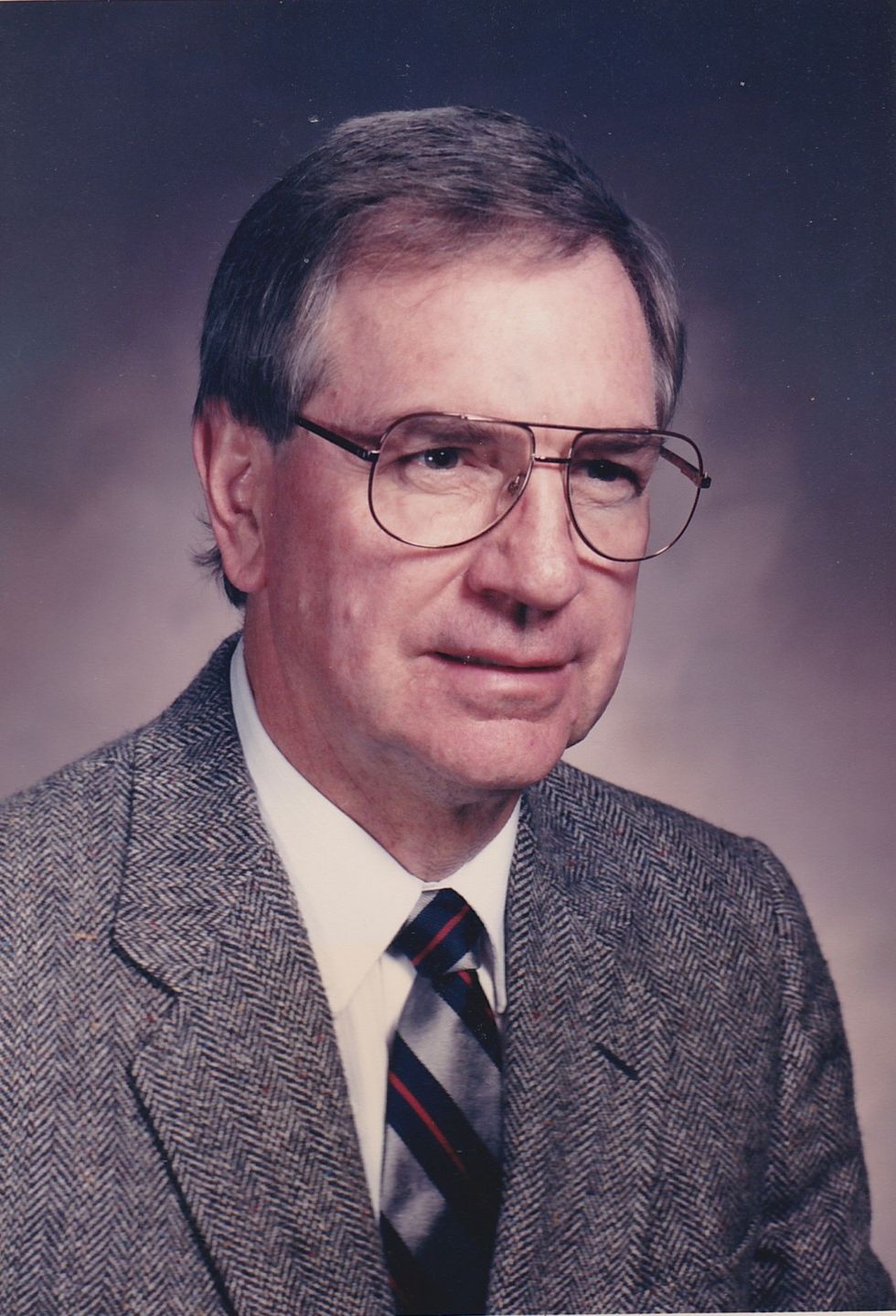
SALISBURY — Edward Tyburski passed away peacefully at his home in Salisbury, on Jan 21, 2023, at the age of 89 surrounded by his loved ones. He was born on Nov. 7, 1933, in Derby, Connecticut. He was the only child of Mary and Cyrus Tyburski who had emigrated from Poland.
Ed attended St. Joseph’s Elementary School and Ansonia High School. He graduated from New Haven State Teachers School with a B.S. degree in Elementary Education and Physical Education. He earned his Master’s degree at the University of Maryland where he was a Graduate Teaching Assistant in the Physical Education Department.
Ed’s parents could not understand Ed’s intense love of sports, especially football where he would often come home aching or in bandages. At Ansonia High School as a defensive end and tight end, he learned how the game was played as a member of the famed Chargers football team. He played football all through college and afterwards with the Connecticut Giants, which was a farm team and practice squad for the New York Giants.
Ed also lettered in basketball in high school and college. After college he also enjoyed playing in the highly competitive Connecticut industrial basketball league and played with the likes of future NBA Hall of Famers Connie Hawkins and Wilt Chamberlain in exhibition games.
Ed first met his future wife, Elizabeth Sopneski, when he was 11 and she was 7. They met again as young adults and immediately felt a strong mutual attraction and married in 1957. Ed was 23 years old and she was 20. The marriage was a happy one that lasted 65 years. In 1961, they brought their family from Ansonia to the beautiful small town of Falls Village, where Ed began his coaching and athletic director career at Housatonic Valley Regional High School (HVRHS). The small town atmosphere of the northwestern corner of Connecticut and the strong sense of community was a perfect match.
At HVRHS, his passion for sports flourished. Over his 37 year career he coached football, boys basketball, golf, gymnastics and girls softball and became the schools longtime athletic director. He was the only Housatonic coach to be head coach of five sports.
Ed worked tirelessly to expand physical education and athletic programs to enable a wider range of sports to be more accessible to students, and to increase overall participation. This included his active support of Title IX in 1972, a law passed prohibiting discrimination of offering educational and athletics opportunities based on sex. He was an early leader for women’s participation in sports, and his efforts resulted in HVRHS receiving substantial federal financial assistance which allowed a rapid expansion of women’s sports at HVRHS. Under his leadership, the athletic program increased from six sports and 11 teams to 21 sports and 34 teams and the creation of intramural sports programs. To ensure this expansion was successful for the students, he worked continuously to expand and improve facilities, created innovative and inspirational coaching handbooks, and published a beginner coaching fundamentals manual.
In the culmination of his tireless efforts as athletic director, HVRHS was named first place in the state of Connecticut in 1989 for excellence in high school athletic programs, receiving the prestigious Michaels Cup. Through his foundational work, HVRHS won the Michaels cup for an unprecedented second time in 1991 under the leadership of David Bayersdorfer, who succeeded Ed as the HVRHS Athletic Director.
Ed was also active in the promotion and evolution of high school athletics at the State level. He was one of the founding members and President (1986-1987) of the Connecticut Association of Athletic Directors (CAAD). The primary goal of CAAD is to support, assist, innovate, and inspire excellence in athletic program development for high schools in Connecticut. In 2017, he was formally inducted into the CAAD Hall of Fame in recognition of his years of leadership in promoting athletics across the State of Connecticut.
Most importantly, Ed was a tireless and very dedicated servant to his students, coaches and the HVRHS community. He went out of his way to make sure students and coaches had support and resources to be successful in sports and most importantly, in life. He was known for his focused yet fair and patient approach, and his memorable sense of timely humor. For the annual HVRHS athletic banquet, he made sure every athlete in the school was captured and recognized in his multimedia presentation of photos and music. He also managed to recruit many prominent former pro athletes and coaches to speak at the annual banquet, including a particularly inspiring speech from Lou Carnesecca, legendary head basketball coach for St. John’s University. His passion for sports at HVRHS lives on through the Tyburski Award that is presented annually to a freshman athlete in each sport who best exemplifies skill, sportsmanship, leadership, and teamwork. The combined support and leadership of the coaches, faculty, staff and community were integral to the overall success of the HVRHS athletic programs. True teamwork in action.
Ed was also active as a leader in his community. He served on the Falls Village Board of Selectman from 1971 to 1977. Additionally, he served as the Scout Master for the local Cub Scout troop. He also participated in a number of other public and community volunteer organizations. Ed was devoted to the support of his community through all aspects of his life.
Ed also served in the United States Army Reserve 326th Intelligence Unit from 1954 to 1962 with an Honorable Discharge.
Most significantly, Ed was a devoted husband and father. He always included his sons in practices and games and everyday life at HVRHS, and taught them the importance of community service, dedication, and devotion through action. His wife Elizabeth was truly the wind beneath his wings, infusing untiring wisdom, energy and support while successfully raising 3 energetic kids. He always appreciated the fact that he could never have done it without her.
Ed is survived by his wife Elizabeth Tyburski, sons Edward (Lisa), Michael (Julie), Jeff (Rosalind), grandchildren, Stacey (Robert), Kelly (Otto), Michael (Ariel), Alex, Erin, Daniel, Max, Elise, Kyra, Andie and Zoe and great grandson Jackson. The Tyburski’s are very grateful for the outstanding support they have received from the HVRHS community and friends.
A service will be held at St. Joseph church, located at 4 Main Street, Canaan, on Feb. 18, at 11 a.m. immediately followed by a celebration of life and community ceremony with remarks and luncheon reception at the HVRHS cafeteria.
In lieu of flowers, the Tyburski’s would like to respectfully request donations to HVRHS to further promote, enhance and preserve athletic programs for students. Checks can be made payable to the Housatonic Athletics fund and mailed care of HVRHS, 246 Warren Turnpike Rd, Falls Village, CT 06031 or dropped off at the reception.
The Kenny Funeral Home has care of arrangements.
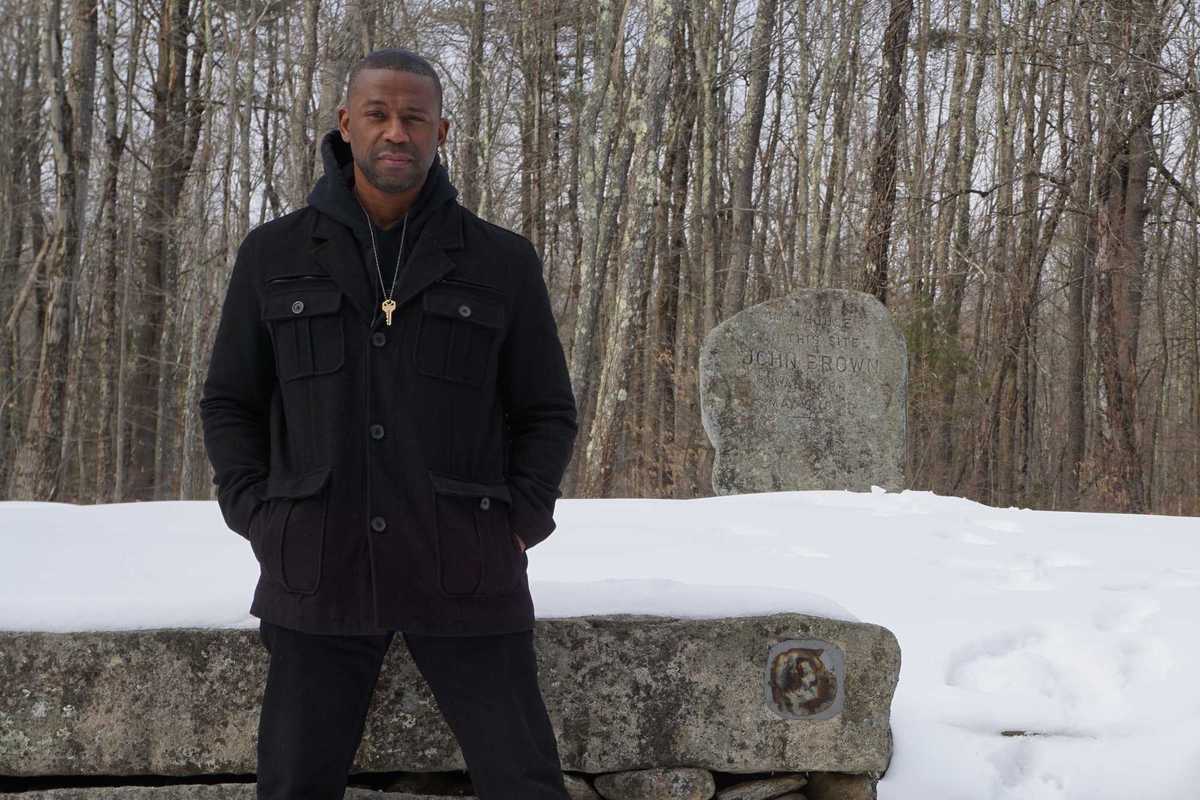
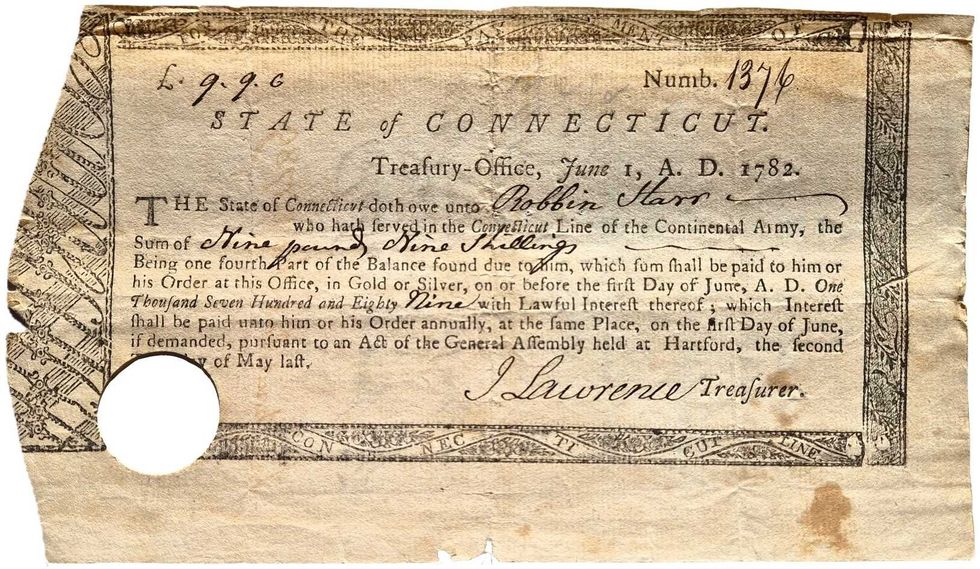 Pay Bill for Robin Starr’s service in the Continental Army.Courtesy the Alex Breanne Corporation
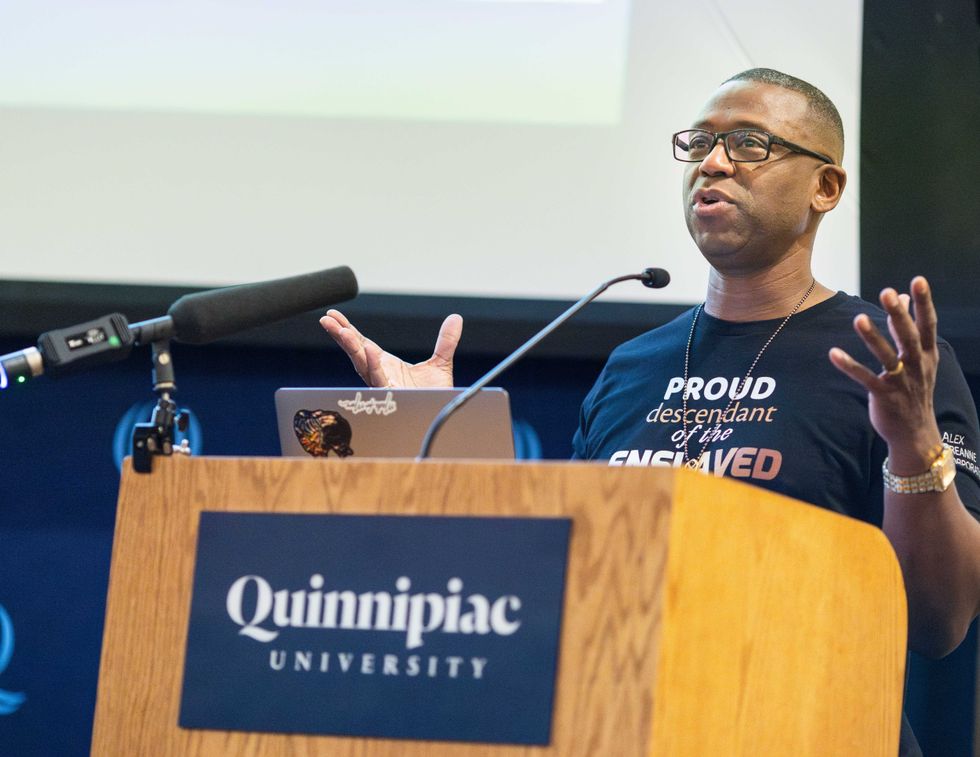 John Mills speaking at Quinnipiac University.Courtesy the Alex Breanne Corporation
 Stephanie Saetta,with her rescue dog George and Blue (left), a shepherd mix awaiting his forever home.Madi Long
 Blue, a 7 year-old Shepard mix, is waiting for his forever home. Madi Long