KENT —In 2025, Kent officials and residents spent much of the year navigating zoning disputes, regional policy issues and leadership changes that kept Town Hall at the center of community life.
The year opened with heightened tensions when a local dispute on Stone Fences Lane brought a long-running, home-based pottery studio before the Planning and Zoning Commission.
While some residents raised concerns about increased vehicle traffic associated with the studio, the commission ultimately reaffirmed the town’s support for cottage industries and the local arts community, bringing Alison Palmer Studios into zoning compliance in April through the approval of a conditioned special permit.
During deliberations, then–Vice Chair Karen Casey said she would be “terribly upset if we all of a sudden prohibit artists from living in their homes and doing their artwork,” calling such work “part of our culture here.”
In the spring, the town released the results of a community survey on recreational cannabis that had been circulated since December 2024. Sarah Chase, chair of the Cannabis Regulation Subcommittee, said the responses reflected a community that was “cautious but open-minded,” supportive of medical access, respectful of farming traditions, and focused on preserving Kent’s character.
The survey guided both the development of zoning regulations governing medical cannabis facilities and agricultural uses, and a ballot measure prohibiting the retail sale of recreational cannabis within town limits. Voters approved the ordinance banning retail on the Nov. 4 general election ballot.
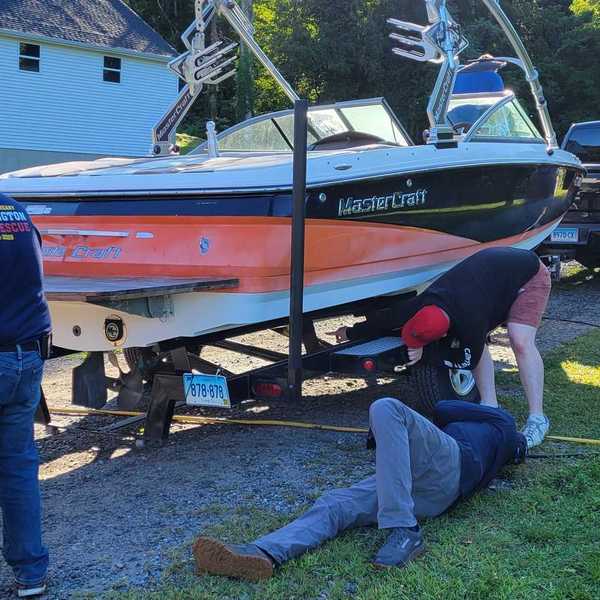
The warmer months brought Kent into a high-profile regional dispute over wakesurfing on Lake Waramaug. After unprecedented turnout forced the postponement of a June vote, a proposed tri-town ban involving Kent, Washington, and Warren was approved decisively on July 31.
In Kent, 83% of voters supported the ban, which is scheduled to take effect in February. An opposition group subsequently filed an appeal, which remains under legal review.
Regional cooperation continued over the summer as Kent and New Milford joined forces to address resident concerns about large tour buses traveling along the narrow, winding South Kent Road en route to Club Getaway. Collaboration among the two towns, local residents, Club Getaway, and the state Department of Transportation ultimately resulted in a ban on large commercial buses along the road and nearby access routes.
During the summer, overcrowding at a popular swimming hole on North Kent Road prompted then–First Selectman Marty Lindenmayer to close the road until cooler autumn temperatures reduced the volume of visitors. Town officials and other stakeholders overseeing the site said they plan to work together over the winter to develop a long-term solution.
The fall brought discoveries that shed light on Kent’s past. At Good Hill Cemetery, a weathered headstone bearing a partially faded inscription memorializing two Revolutionary War–era sisters drew historians and puzzle-solvers eager to decipher its message.
Meanwhile, in Emery Park, Parks and Recreation Director Matt Busse partnered with the state archaeologist to survey the area for evidence of historic coal-worker settlements, uncovering a largely undocumented chapter of the park’s rugged history.
Also in Emery Park, town officials reviewed and accepted a bid to redevelop the long-defunct swimming pond, which has been closed for six years.
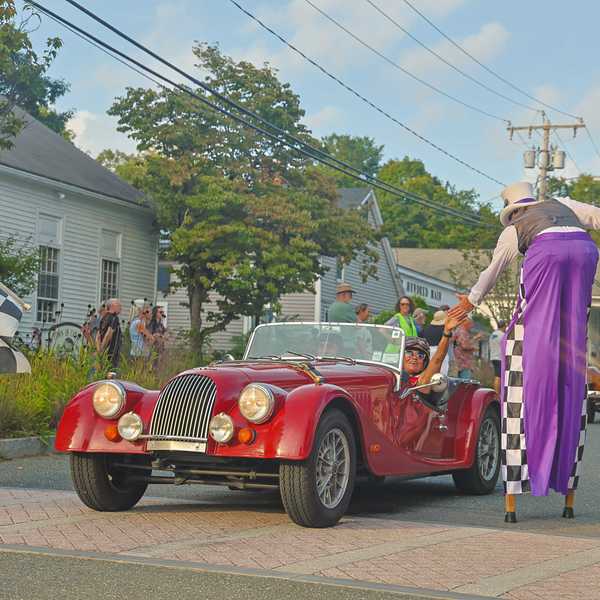
October brought lighter moments, as the Connecticut Antique Machinery Association hosted its popular Fall Fest and SPARK events, drawing residents of all ages. The month concluded with Halloween festivities on Main Street, where costumed revelers turned out in force for a contest judged by horror-rock icon Rob Zombie.
November marked a transition in town leadership. Eric Epstein was elected as the first selectman following Lindenmayer’s decision not to seek reelection. The month also saw the resignation of longtime Planning and Zoning Commission Chair Wes Wyrick, who stepped down after two decades of service. Karen Casey was elected to succeed him as chair in December.
The new officers have a full agenda in 2026. A longstanding zoning dispute with antique auto dealership Motoriot, centered on employee and inventory vehicle parking, continues following the issuance of a cease-and-desist order in November. A revised site plan is scheduled to go before P&Z on Jan. 8. Also slated for discussion is an application from substance-use disorder rehabilitation facility High Watch, which has stirred strong community response, and a zoning challenge tied to a proposed warehouse-to-residential conversion on Lane Street near downtown.

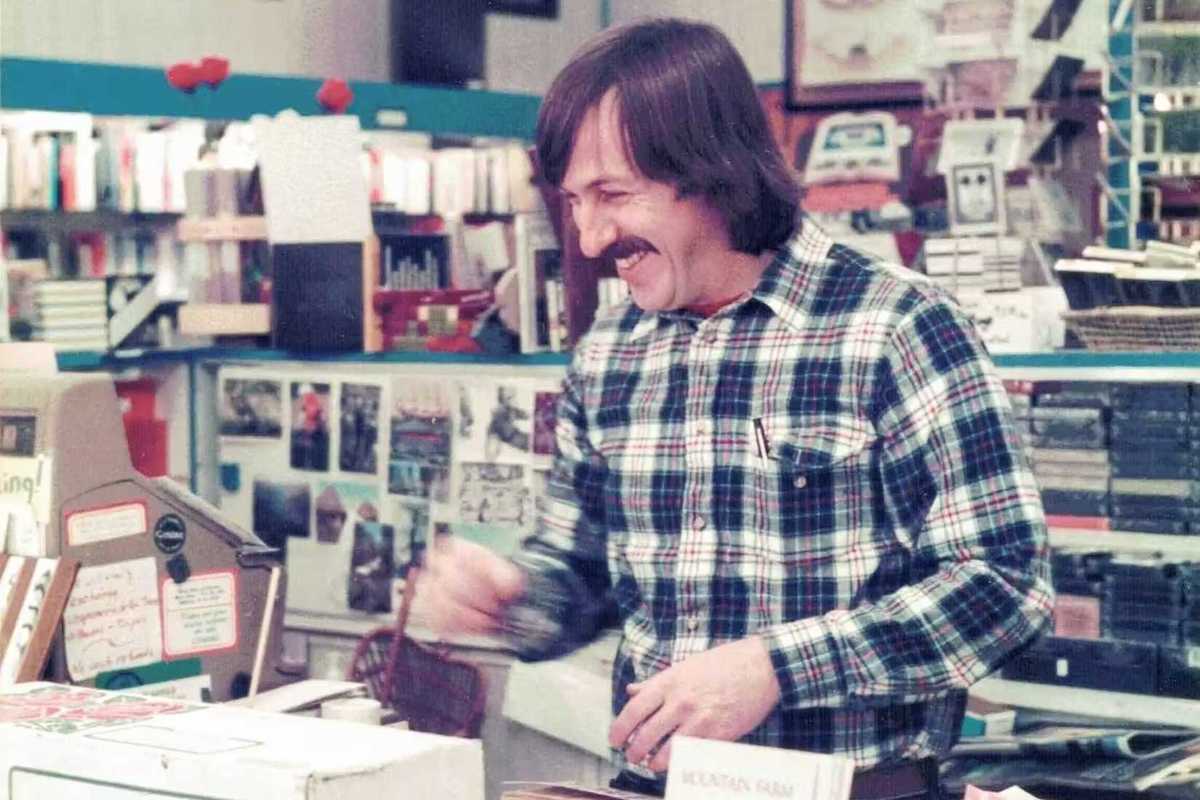
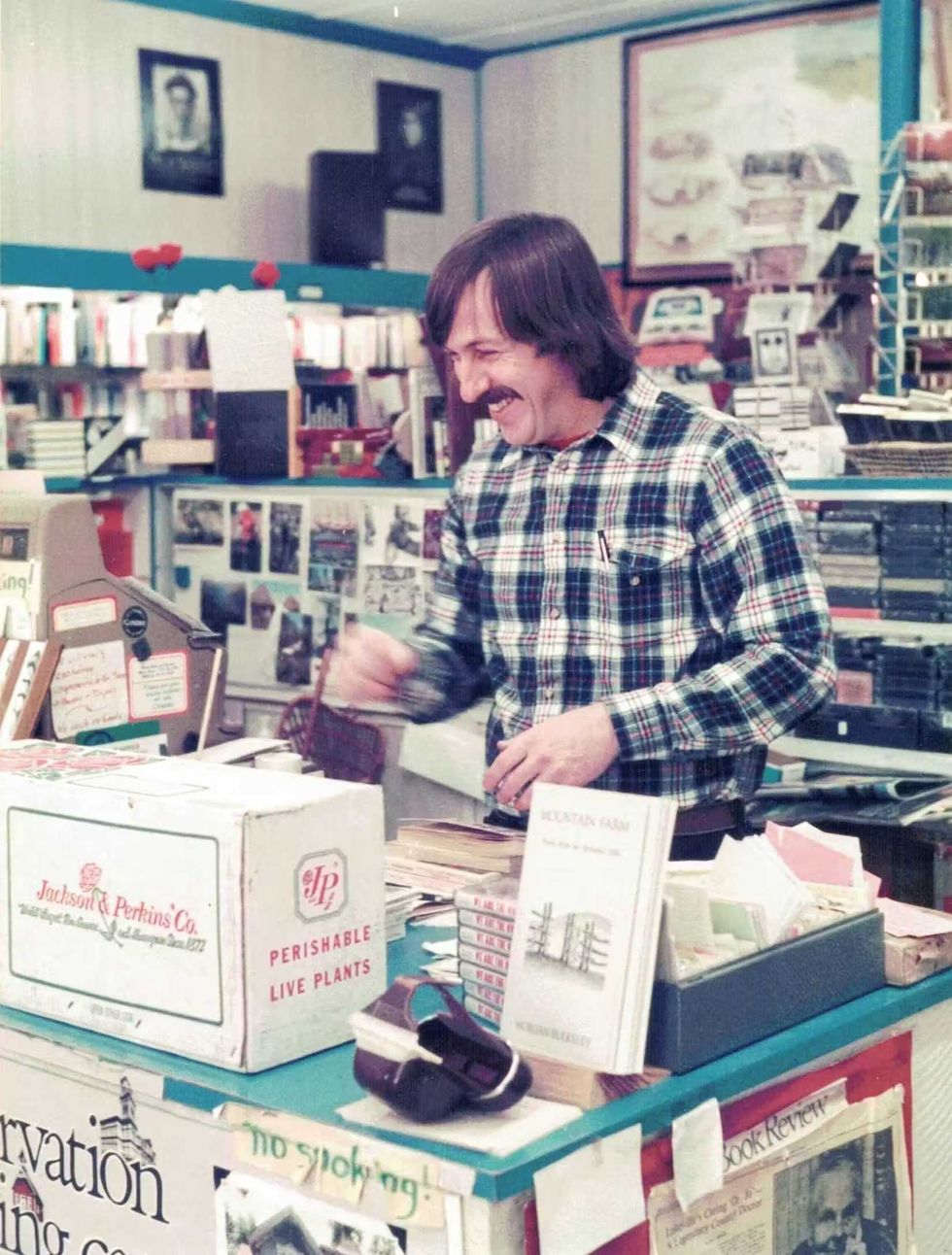 Dick Hermans in the Oblong Bookstore on Millerton’s Main Street in 1985.Provided


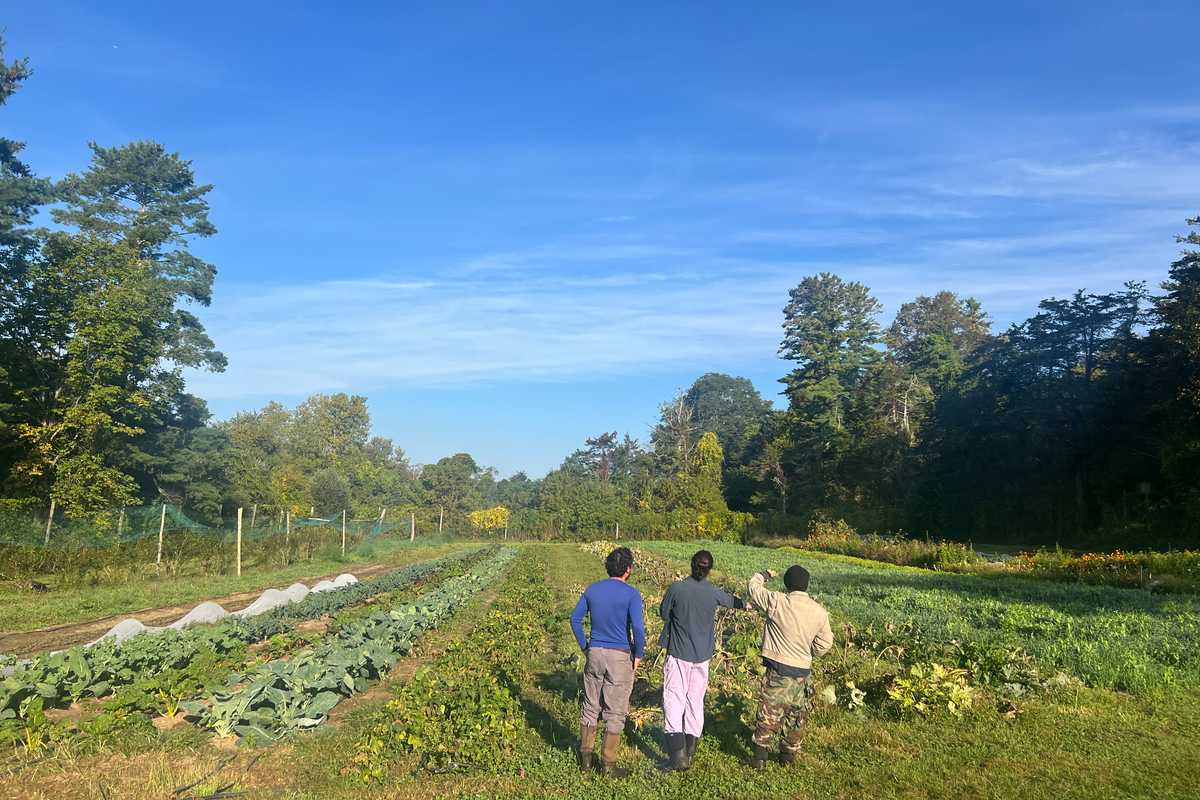
 Fall storage crop harvests amid soil building cover crops at Adamah Farm in Falls Village. Janna Siller