Thank you!
Your support is sustaining the future of local news in our communities.

One of nature’s great migrations

The Big Night came as anticipated this year, after a warm day with steady rain. Nighttime temperatures dropped a few degrees and the rain tapered off by sundown, but across the region the amphibians took their cue and were on the move.

My son and I went out at twilight, and right away we saw evidence of wood frogs and spring peepers crossing the roadways. 

There are sections of certain state highways and busy secondary roads that are major migration corridors for amphibians as they emerge from hibernation and seek their preferred wetland types to breed.  

At these places the carnage is considerable, and we avoid them wherever possible on nights like these, but one special spot has a very productive vernal pool very near the road and we make a point of stopping here to help whatever frogs and salamanders are making the crossing.

On this night we got a surprise, for instead of the usual spotted salamanders (Ambystoma maculatum), with their bright yellow spots and torpedo-shaped bluish-black bodies, we found nearly half a dozen of a rarer variety.  

These salamanders were a grayish chocolate color, with paler bellies and flanks spangled with small blue spots. They were thinner than their more robust yellow spotted cousins but roughly the same length. Just to make things more interesting, they may have been hybrids of two mole salamander species that frequently interbreed.

The Jefferson salamander (Ambystoma jeffersonianum) is at the northern extent of its contiguous range here in western New England. These individuals certainly looked like Jefferson salamanders, but they could also have been the result of interbreeding with blue spotted salamanders (Ambystoma laterale). Both of these species were once the same but became isolated from each other by glaciation. There are more blue spotted salamanders east of the Connecticut River and it is safer to consider the two species where their ranges overlap as part of the Jefferson /blue spotted salamander complex.

Jefferson and blue spotted salamanders and their fertile hybrids are listed in Connecticut and Massachusetts. We also found spotted salamanders at two other locations on this night— each time where we previously encountered them — and wood frogs in many more places.

There are wildlife corridors at all scales in our region. Salamanders will travel between 300 and 1,000 feet from their winter hibernation areas beneath the leaves in the forest to the vernal pools where they breed, along with the more common spotted salamander and wood frogs that are likewise vernal pool obligates. 

Protecting the vernal pool does not assure that the rest of the upland habitat is available to these animals during the rest of their life cycles. Where the woods and wetlands are bisected by roads, the salamanders and frogs are at risk on rainy spring nights.  So we go out each spring to help them, as we have done since the kids were small, and are privileged to witness one of nature’s grand migrations that most of us do not even suspect is taking place.


Tim Abbott is program director of Housatonic Valley Association’s Litchfield Hills Greenprint. His blog is at www.greensleeves.typepad.com. 
 

Latest News

Doug Tallamy’s work in progress: saving the planet one backyard at a time

Windacre, a 25-acre property in Millerton will be the site of “Work in Progress,” an afternoon with acclaimed entomologist, New York Times bestselling author and Homegrown National Park co-founder Doug Tallamy.

Provided

For nearly three decades, Doug Tallamy, a professor at the University of Delaware and co-founder of Homegrown National Park, has studied the intricate relationships between native plants, insects, birds and the ecosystems that sustain them. His books, including “Bringing Nature Home” and “Nature’s Best Hope,” have helped shift the conversation about conservation from something that happens primarily in parks and preserves to something ordinary people can practice on the land around them.

On Sunday, Oct. 4, Tallamy will bring that conversation to Windacre in Millerton for “Work in Progress: Toward Native Fields,” an outdoor gathering exploring both the possibilities and the complications of restoring private land for biodiversity.

Keep ReadingShow less
Celebrating Dick Hermans’ life built around community

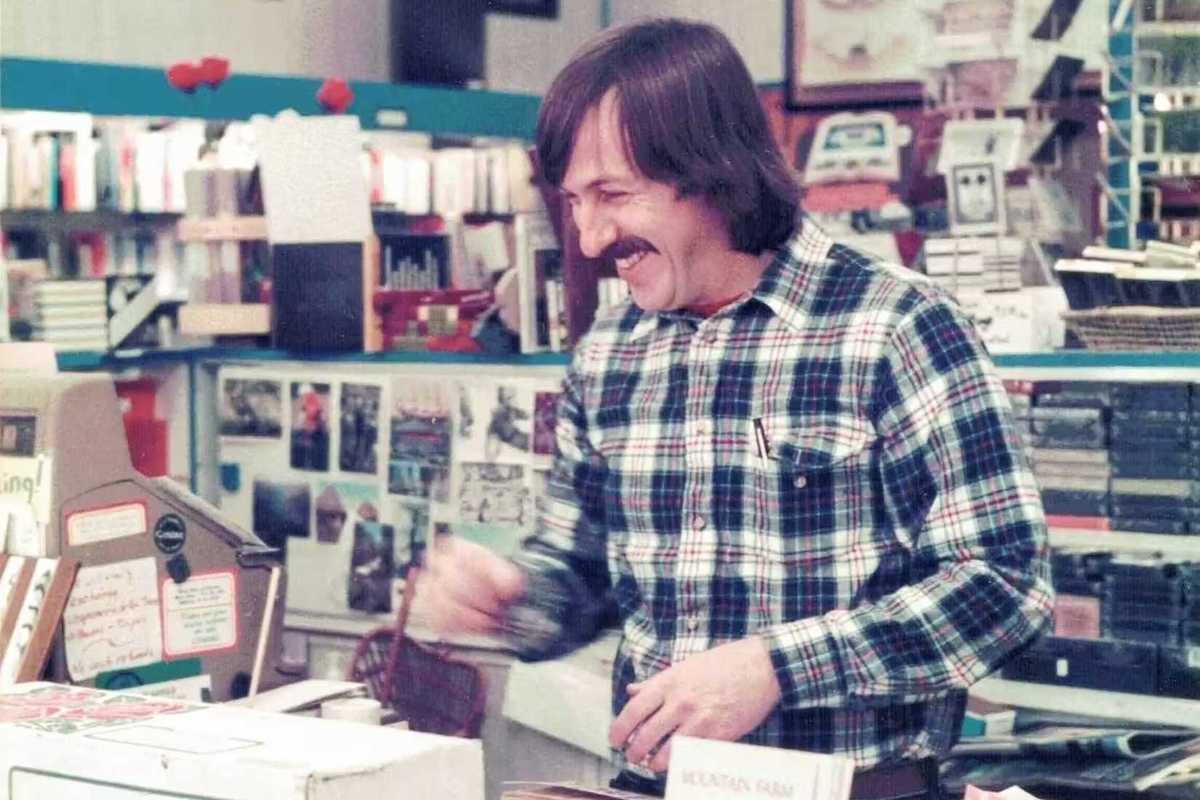
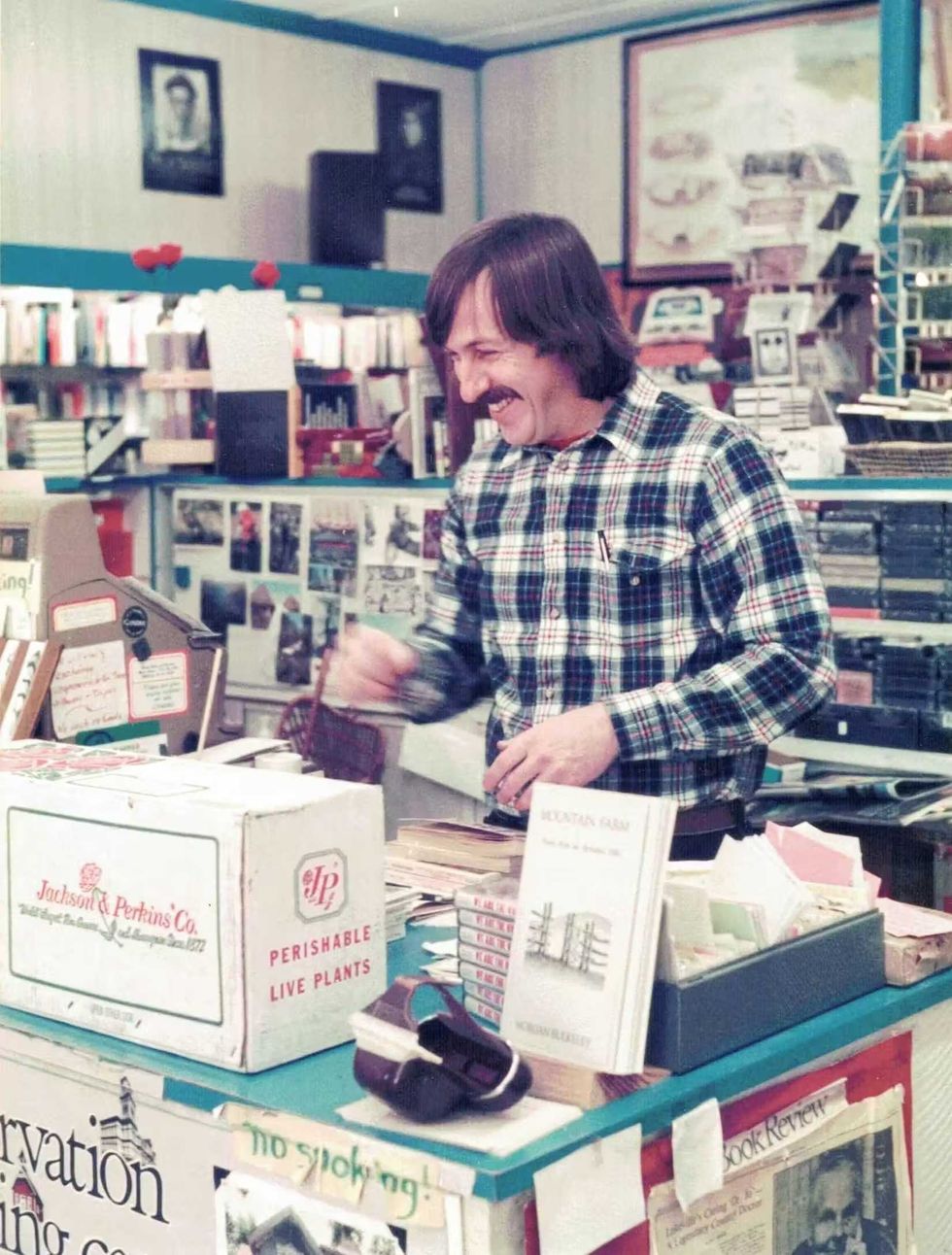
Dick Hermans in the Oblong Bookstore on Millerton\u2019s Main Street in 1985.

Provided
No matter what I’ve done, I’m trying to be useful to the communities I’m associated with.
— Dick Hermans

When Dick Hermans receives the Estabrook Community Leadership Award on Oct. 11, he will accept it for a lifetime of work that has taken many forms: bookseller, radio host, school board member, advocate for the Harlem Valley Rail Trail, business owner, volunteer and, perhaps most importantly, a person who has consistently looked for ways to be useful to the communities around him.

The Lakeville Journal and The Millerton News will present Hermans with the 2026 award at the annual Jubilee celebration at the Sharon Playhouse. The award honors outstanding leadership in community service and was inspired by Mary Lou and Robert Estabrook, former owners of the newspapers who believed that strengthening a community extended well beyond the work of publishing a newspaper.

Keep ReadingShow less
Tending the Fire: Homelands PowWow brings Mohican culture home to the Berkshires

Members of the Stockbridge-Munsee tribe at Homelands PowWow in 2025.

Joeseph Plante New Media Storytellers
Our goal is to continue building an annual gathering that honors the history, culture and traditions of the Stockbridge-Munsee Band of Mohicans in their original Homelands.


For the Stockbridge-Munsee Mohican people, the Berkshires are not simply a place to visit. They are ancestral homelands.

Keep ReadingShow less
google preferred source

Want more of our stories on Google? Click here to make us a Preferred Source.

Ancram Center’s “A Number” doubles questions of identity
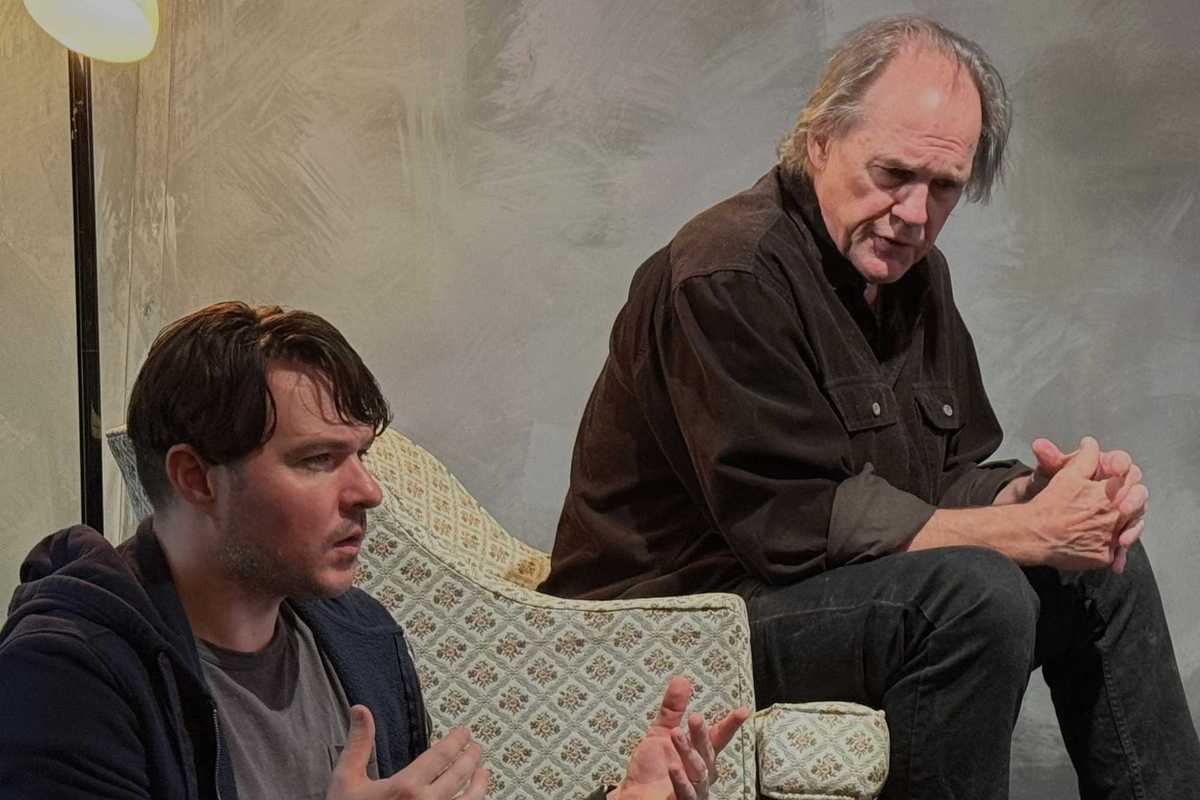
Ledbetter (left) and Wojda (right) on the set of “A Number” at Ancram Center for the Arts.
Jeff Mousseau

How would you feel if you found out you weren’t the only you — if there was an exact replica of you? What if you found out that you’d been cloned? Would you believe that you’re the real you? Would you suspect you might be a copy of the original? How could you be sure anything about your life was real? These are some of the questions posed in Caryl Churchill’s play “A Number,” opening at the Ancram Center for the Artson Oct. 1.

Churchill was born in London in 1938 and has been hailed by the theaterl world as one of the strongest voices of her time to take on sexual politics and feminist themes. Her works garner pointedly considered analysis from the highest levels of theatrical intellectualism. Basically, it’s about as far from “The Lion King” as you can get. While she’s experimented with dance theater in the past, “A Number” is much more stripped down, highlighting Churchill’s chosen themes and the skills of both actors on stage.

Keep ReadingShow less

Dispatches from the Farm

Dispatches from the Farm

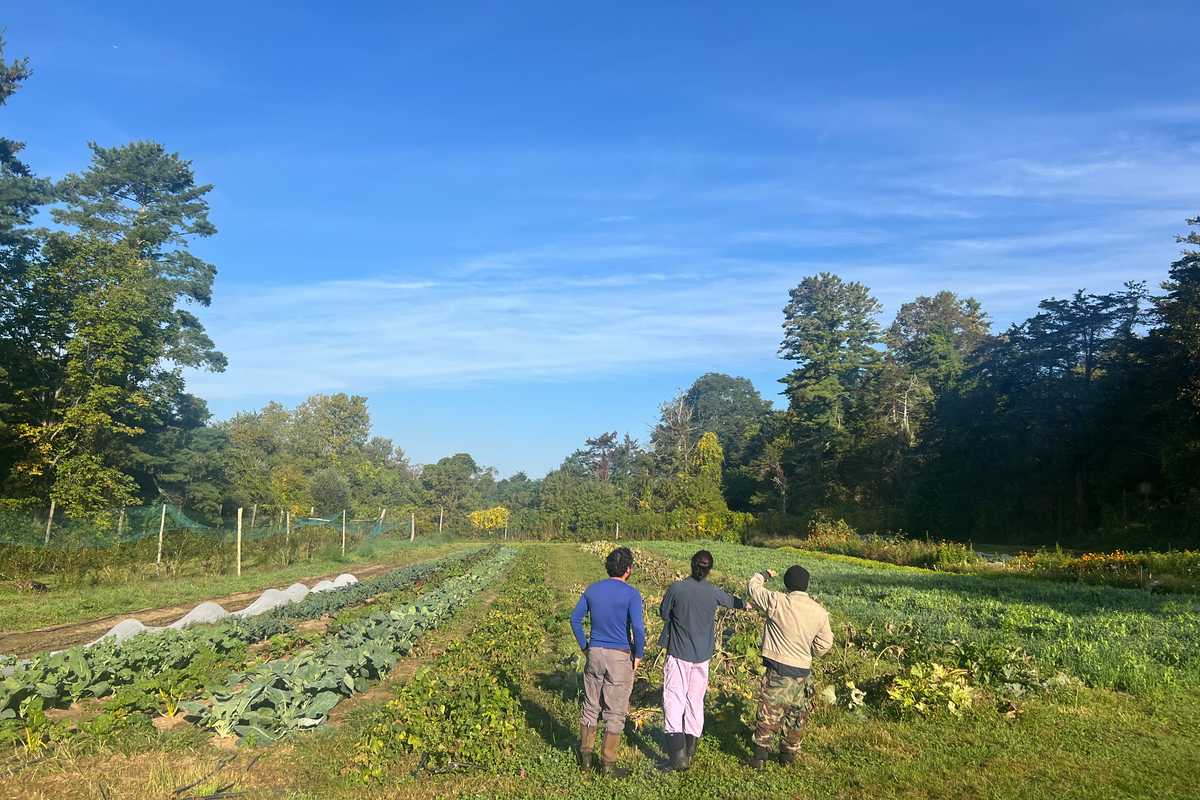
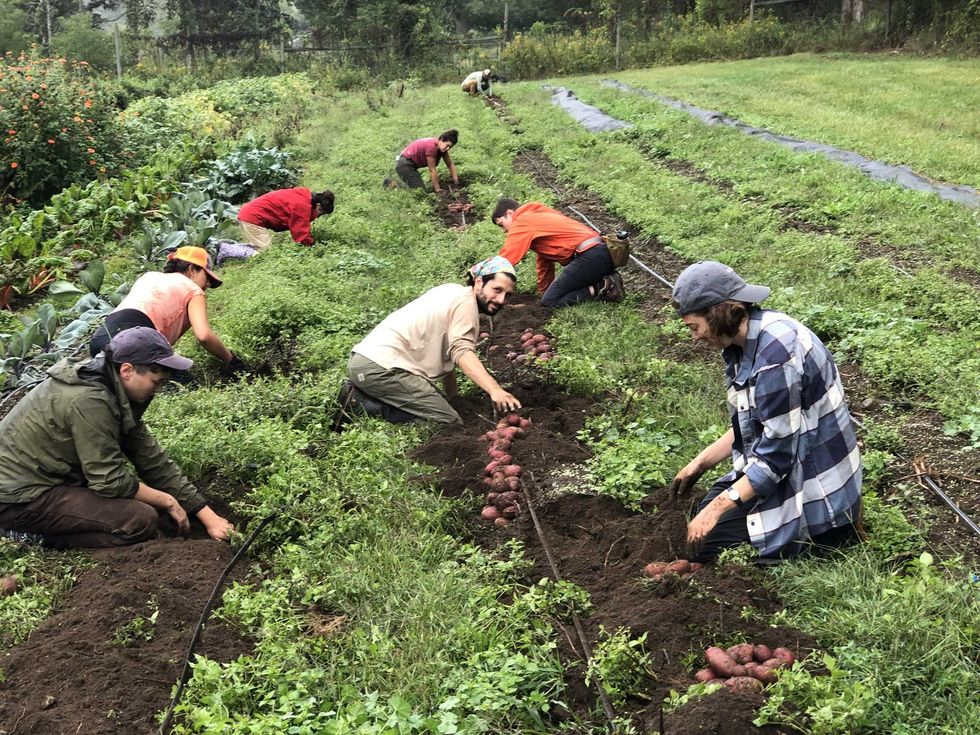
Adamah Farm crew members planning out the day’s tasks on a late September day.

Janna Siller

“Dispatches from the farm” is a new, periodic column offering a firsthand look at the rhythms, challenges and rewards of farming through the eyes of a local farmer.

The thing about plants is that they can’t get up and move. When a storm like last weekend’s nor’easter threatens to roll through, you can’t just round everybody up and settle them safely on the sofa for movie night.

Keep ReadingShow less
Pinchas Zukerman brings an all-Beethoven program to Hotchkiss

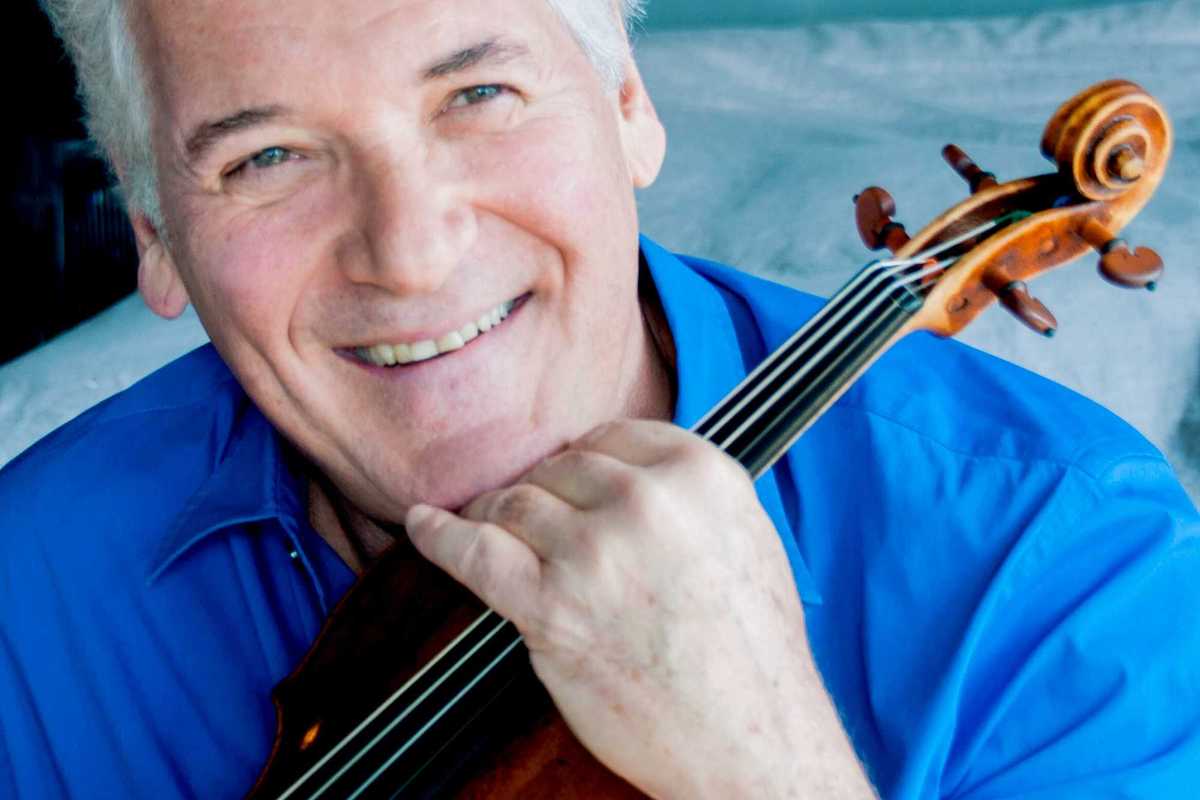
Pinchas Zukerman to perform at Hotchkiss Oct. 4

Cheryl Mazak

The passion, drama and energy of Beethoven will fill Katherine M. Elfers Hall at The Hotchkiss School on Oct. 4, when world-renowned violinist Pinchas Zukerman is joined by pianist Shai Wosner for a special recital.

The 4:30 p.m. program at the Esther Eastman Music Center will feature three of Beethoven’s celebrated violin sonatas: Violin Sonata No. 4 in A minor, Op. 23; Violin Sonata No. 5 in F major, Op. 24, “Spring”; and Violin Sonata No. 7 in C minor, Op. 30.

Keep ReadingShow less
google preferred source

Want more of our stories on Google? Click here to make us a Preferred Source.

google preferred source

Want more of our stories on Google? Click here to make us a Preferred Source.