SALISBURY — The Salisbury Forum turns away from its usual sessions on global and national issues into the world of photography on Friday, April 8, at 7:30 p.m. when Harvard’s Robin Kelsey presents “How Photography Has Changed Our Lives — Performing for the Camera” at the Salisbury School’s Seifert Theater.Kelsey, currently a visiting professor at Williams College, is the Shirley Carter Burden Professor of Photography in Harvard’s Department of History of Art and Architecture. Yet Kelsey followed an unusual, almost eccentric path to obtain that august title.A child of two anthropologists teaching in Minnesota, he lived in a home where photographs were professional material for his parents: They told stories and documented field research in Mexico and among American Indians. But Kelsey intended to be an attorney. However, after receiving both undergraduate and law degrees from Yale, he found the study of law very different from its practice. He was unhappy, and he missed academia.Kelsey became a doctoral student in art history at Harvard, where he planned a dissertation on American landscape painting. But when he was invited to speak at a professional meeting with no session on his subject, he chose instead to present a paper on 19th-century photographer Timothy O’Sullivan, a famous photographer of the Civil War and the American West.“After I gave the talk, members of the audience said how happy they were I was working on this for my dissertation, which I wasn’t,” Kelsey said. “So I took this as a hint from the universe that I had perhaps stumbled upon a more promising topic” and switched gears. His eventual dissertation covered O’Sullivan’s great photographic survey of the West.When Harvard created a junior professorship in photography and offered it to him, Kelsey decided to accept rather than take a position at another school in more traditional areas of art history. “I leapt into this professional formation of myself as a photo historian, which involved a steep learning curve since I had never done any graduate course work in the history of photography.”Kelsey is especially drawn to the populist, democratic qualities of photography. Susan Sontag in her seminal 1977 collection of essays, “On Photography,” declared photography as important an art form as painting, particularly since the photographer “creates” by choosing to include — or eliminate — elements in his or her images. Whether Kelsey agrees with Sontag or not, he expresses “conflict” with the current practice of photography.As a photographer himself, Kelsey says he suffers from “photographer’s block.” He feels “burdened by knowing all that has been done, the brilliant things that have been done.” But he is determined to “become more serious about the practice,” even as it means negotiating that past.
Latest News
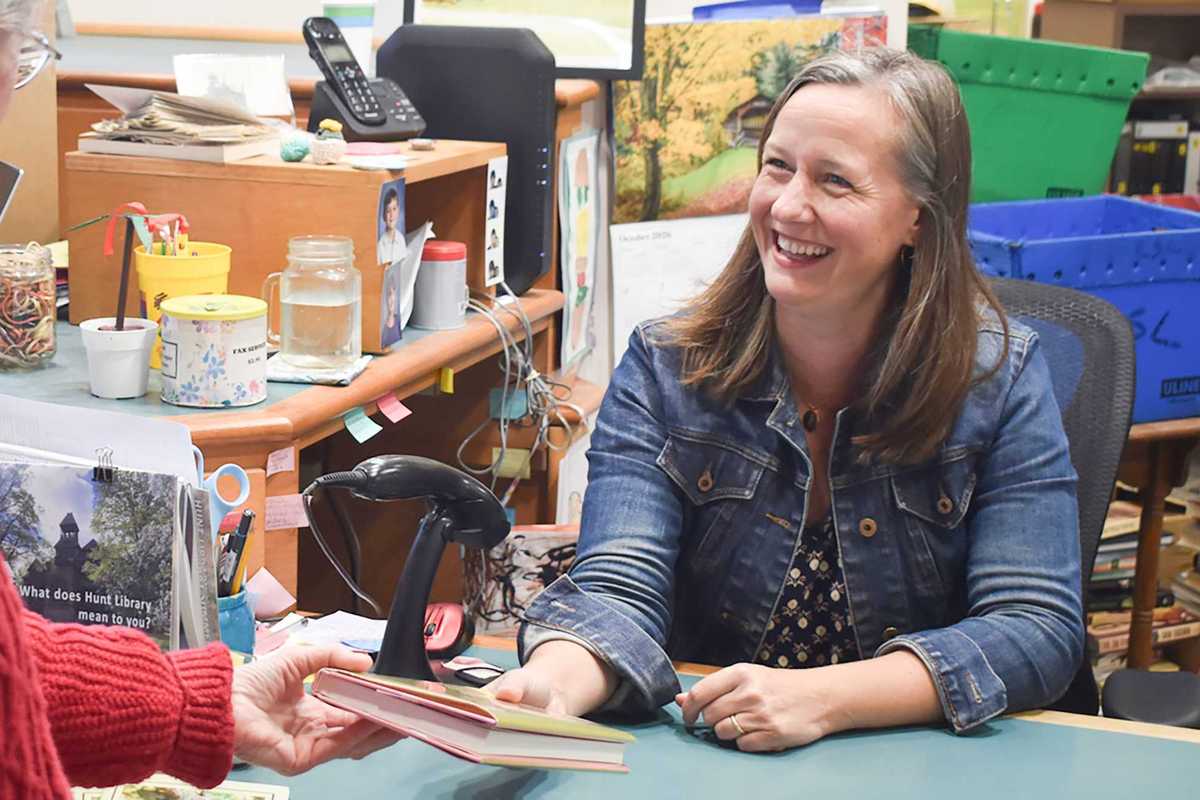
Meg Sher, executive director of the David M. Hunt Library in Falls Village.
“I was a library kid. I walked to the library after school,” she said.
For Sher, the library is as much about the people as it about the books.
“Part of the job I love so much is that running the library is such a community,” she said.
She treasures the relationships she has built, whether recommending books, celebrating accomplishments or helping patrons through difficult times.
“I am thankful that our community is so supportive of the library, unlike what is happening in some other places where librarians are villainized,” Sher said.
Sher takes pride in the Hunt Library’s reputation for being “open and welcoming to everyone. People come in and see things and get pulled into things they weren’t expecting. Our library is seen as a positive force.”
Sher came to Falls Village after being awarded a fellowship at Adamah Farm, then a program of the Isabella Freedman Jewish Retreat Center. She worked at pickling, in the greenhouse and later in the development office. She also worked as a nanny.
At the same time, “I was in the library all the time,” she recalled. “I’m a voracious reader. The library is where I met a lot of my first friends in Falls Village.”
She became assistant librarian at Hunt and worked in that position for almost a decade before becoming the executive director four years ago.
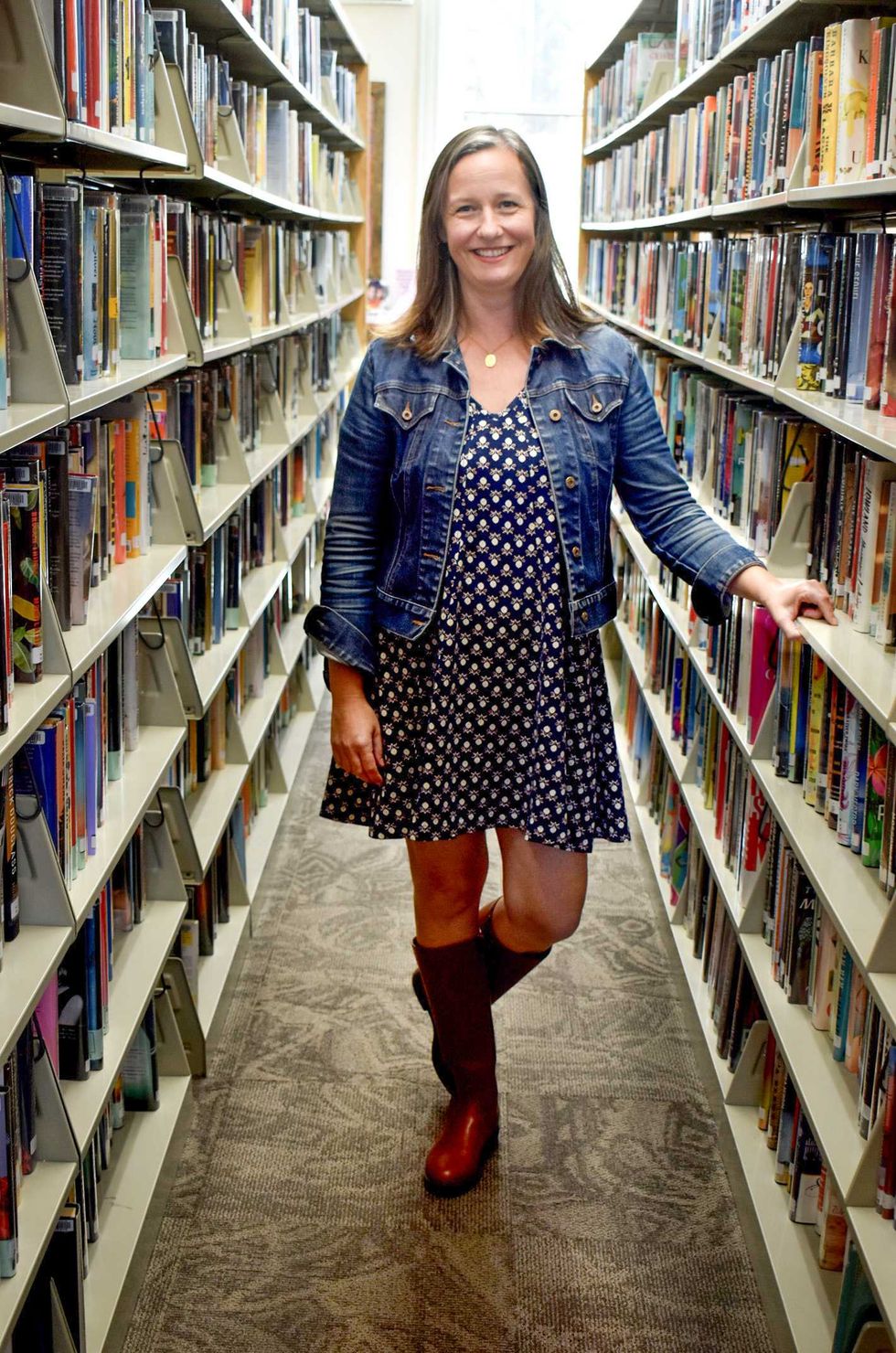 Meg Sher, executive director of the David M. Hunt Library in Falls Village.L. Tomaino
Sher met her husband, Adam, while working at Adamah. They had their wedding there in 2012. He now emcees many events which she co-organizes with the Falls Village Recreation Commission.
Sher and her family live near the library.
“It’s an easy commute,” she said with a smile. “My kids run back and forth. I can go home to walk the dog if I need to.”
“My kids have grown up here.” Her oldest son, Eli, “loves volunteering. He helps with Augustfest and often helps set up chairs for ArtWall gatherings.” Her younger son, Noah, is often at events and was eager to taste cookies at last year’s holiday cookie swap.
When she is not at the library, Sher likes to hike with her family. Bella, their Portuguese water dog, often accompanies them.
Sher enjoys seeking out people to offer events at the library.
“I do a lot of different community programming. It is one of my favorite parts of the job.”
Augustfest, featuring food, music and an auction, is the library’s biggest fundraiser.
“This summer we had a record 152 attendees, which was pretty incredible.”
Yonah Sadeh, a filmmaker from Falls Village, inaugurated the VideoWall this year, Sher explained.
“I’ve known Yonah since he was two. It’s wonderful to work with him as an adult.”
The VideoWall complements the library’s ArtWall, which showcases a new artist each month. Sher praised the ArtWall committee for its work and highlighted December’s popular “12x12 Show,” featuring works by local artists, each measuring 12 by 12 inches and priced at $150.
Sher added that some of the artists who exhibit at the ArtWall offer workshops to students at Kellogg School, next door to the library. In September, artist Danielle Mailer worked with the children. Vincent Inconiglios taught a class last November.
Being next to the school, said Sher, is a great advantage.
“Kids are coming after school, to see friends, work on projects, find a great book. Kids that love the library end up using the library as grownups.”
This past year, in partnership with Adamah, the library and school created a garden, with excess produce made available at The Center on Main.
This year is Sher’s second year participating in the Troutbeck Symposium in Amenia with James King, director of the library at Salisbury School. The Troutbeck Symposium is “a gathering of a year of student historical inquiry across the region” in which students “uncover stories that have been overlooked, forgotten, or never recorded.”
Last year, Sher and King began a project with a group of students researching Irish immigrants in Falls Village, exploring ancestry and creating small magazines about their findings.
They continued this year, visiting St. Patrick’s Catholic Cemetery on Dublin Road, cleaning seven gravestones and even righting one with the help of stonemason and gravestone restoration expert Karl Munson. Paul Kozeazny, a representative of the Catholic archdiocese, helped secure access to the site.
A film documenting their activities will be shown at the symposium in spring 2027.
A full schedule of programs and events, ranging from tech help to ceramic mug-making, can be found on the library’s website.
Despite spending her days surrounded by books, and a busy schedule of programming, Sher still loves to settle in with a book at home.
For more information on library programs and events, visit huntlibrary.org

Want more of our stories on Google? Click here to make us a Preferred Source.
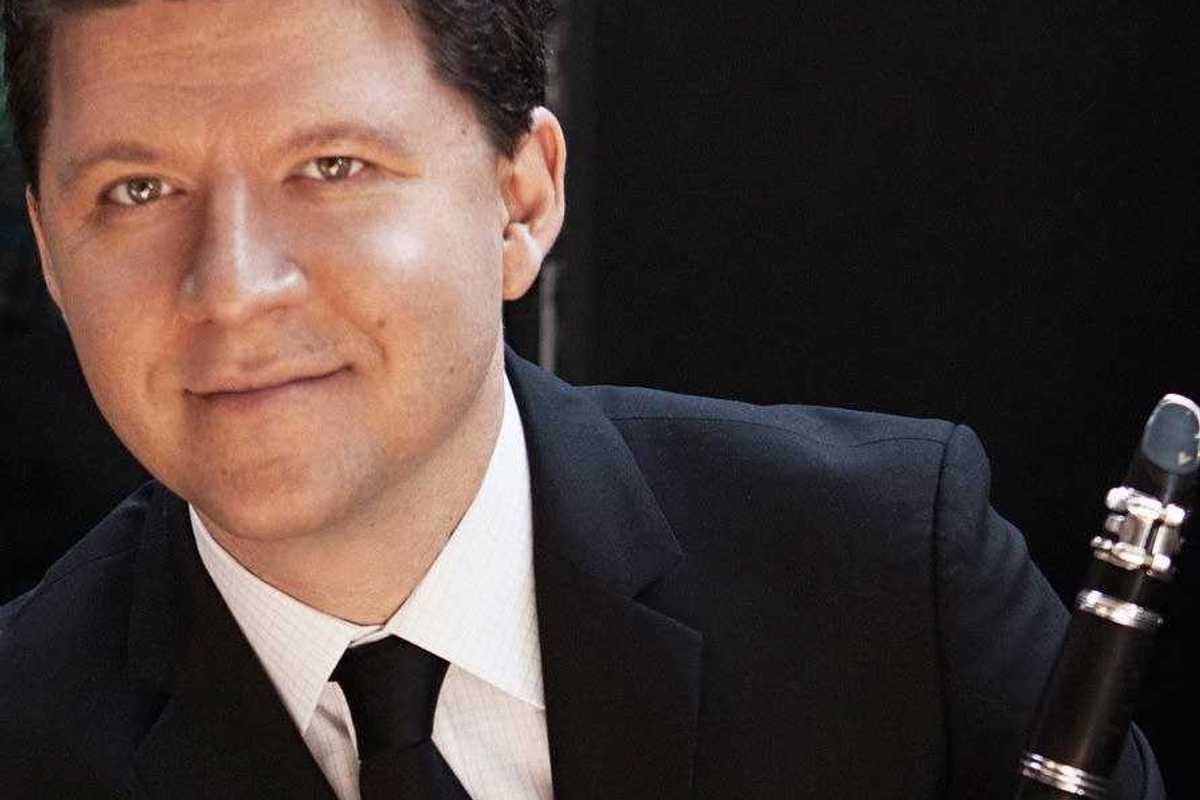
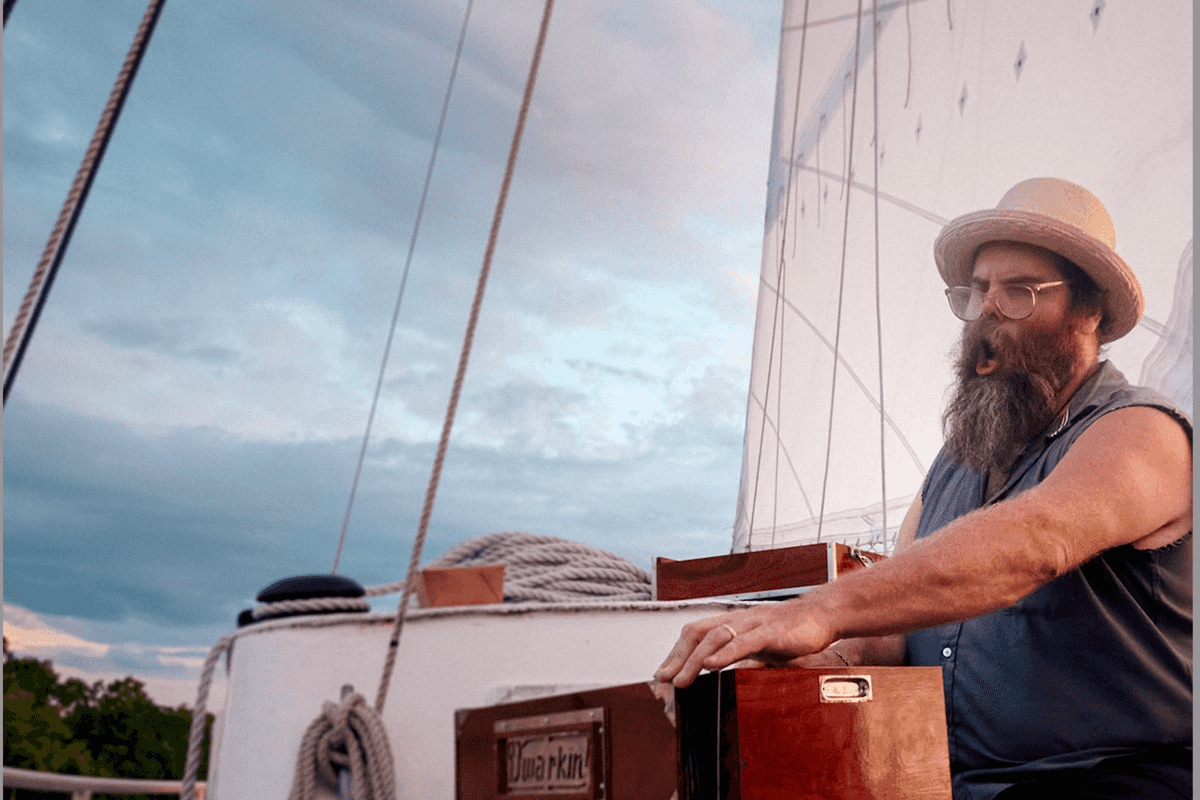
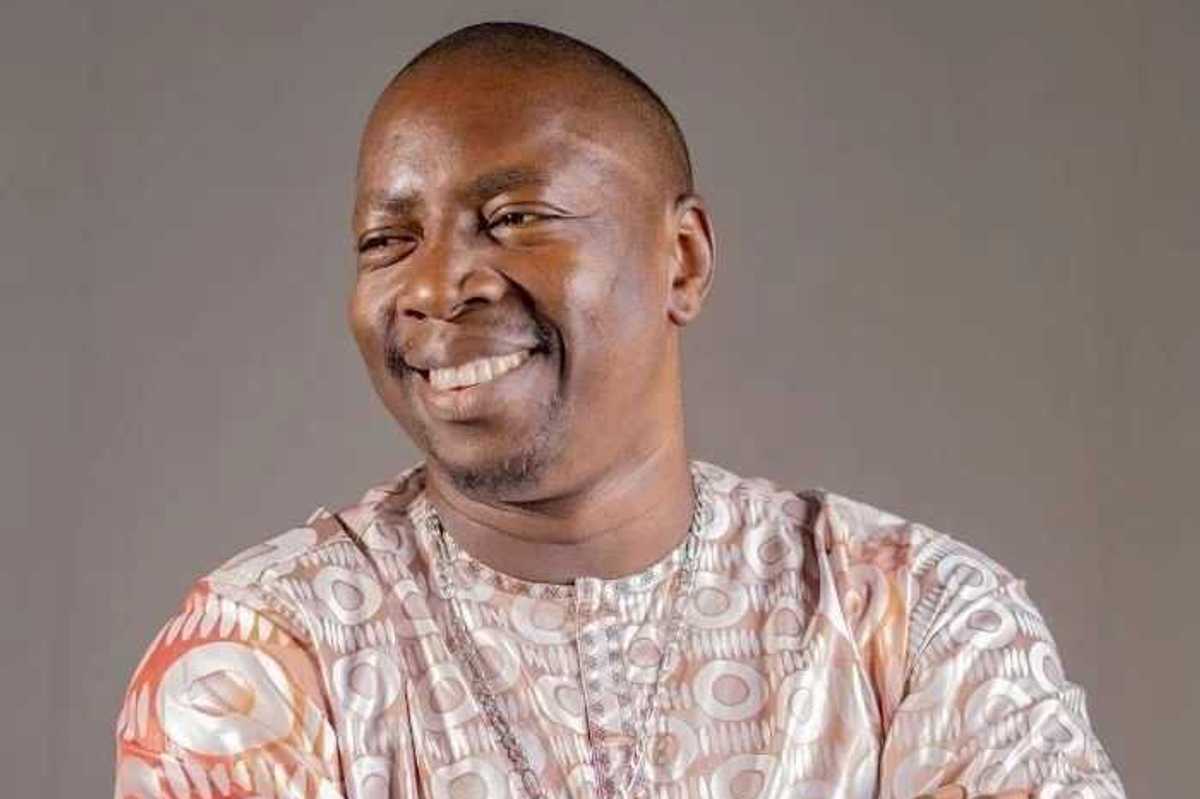
Touré was born in northern Mali in 1981. His father, the renowned guitarist Ali Farka Touré, came from a family of soldiers and wanted his son to join the army. The younger Touré studied drums and the calabash and practiced guitar in secret. He earned his father’s blessing to pursue music shortly before Ali died in 2006, and they played two tracks together on Vieux’s debut album.
Touré is known for his deft, polyrhythmic playing, and his songs grow out of riffs that repeat and layer to hypnotic effect. He draws on rock, blues, Latin music and various African traditions. This distinctive blend builds on his father’s work adapting the sonic traditions of Mali’s arid north to the guitar.
Vieux’s album “Mon Pays” (“My Country,” 2013) honored Mali’s culture after Tuareg separatists and extremist groups seized the north in 2012. “Samba” (2017) was recorded before about 50 listeners in Woodstock, New York. In 2022 came “Les Racines” (“The Roots”), a return to his father’s desert blues, and “Ali,” on which he and the trio Khruangbin reworked eight of the elder Touré’s songs.
Touré leads the Ali Farka Touré Foundation, which focuses on cultural and educational work in Mali. Around the anniversary of Ali’s death, it holds a festival in Bamako, Mali’s capital. Bamako has been under blockade for much of the past year, besieged by JNIM, an al-Qaeda affiliate. Against this backdrop, Touré continues to carry the music of Mali to audiences abroad.
At the Nov. 5 concert, Touré’s desert blues will share the bill with Gnawa, the music LanGus plays, which developed in Morocco among West Africans who were brought north across the desert as enslaved people. Gnawa is religious music traditionally performed at all-night healing ceremonies called lila, intended to carry participants into trance.
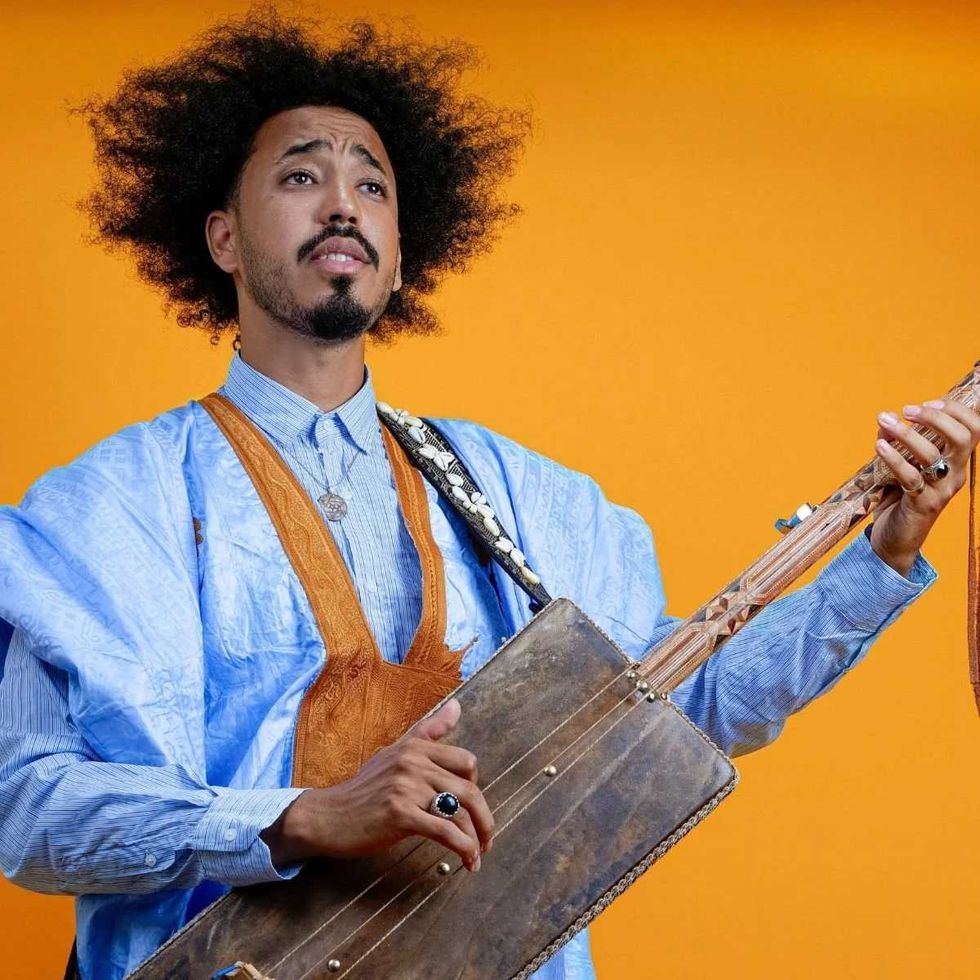 Samir LanGusProvided
LanGus was born and raised outside Agadir, Morocco, and began learning Gnawa from its masters at age 8. He plays the sintir, a three-stringed bass lute made of wood and camel skin. The player strikes a low string with the thumb to create a deep, resonant pulse. Iron castanets clatter over the sintir’s bass line, and vocalists trade call-and-response refrains.
LanGus infuses the tradition with jazz and improvisation. In New York, he founded the ensemble Innov Gnawa. His first solo album, “Gnawa Love,” came out in February.
Touré and LanGus’s Nov. 5 concert is one of the last public events at Race Brook Lodge, which is for sale and ended full-service operations at the end of 2025. The lodge’s final scheduled event, on Nov. 6, is an evening of Rumi’s poetry with translator and vocalist Haleh Liza Gafori, cellist Isabel Castellvi and ceremonial bard James Bird.
For tickets, visit rblodge.com.
James FitzGerald is a student at Yale Law School, where he focuses on ecological restoration and international environmental cooperation. He splits his time between Lakeville and New Haven.
Want more of our stories on Google? Click here to make us a Preferred Source.