Latest News



Want more of our stories on Google? Click here to make us a Preferred Source.
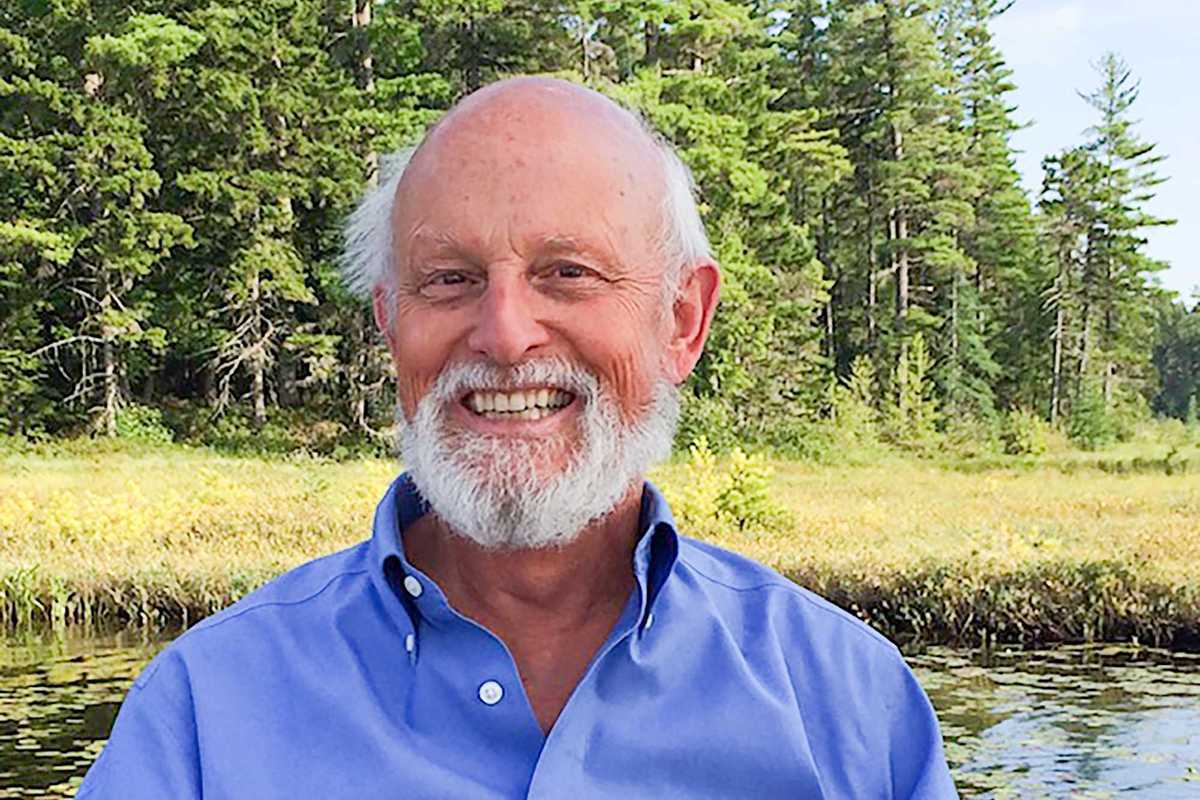
John Carter
Photo by Deborah Carter
Carter arrived at his calling by a circuitous route. After graduating from Yale, he joined the Peace Corps, then returned to his hometown of Milton, Mass., where he founded and ran the Carter Tree Co. for seven years. After closing the business, he attended Virginia Theological Seminary, earning a Master of Divinity. During that time, he and his wife, Deborah, were involved in the hunger movement. Carter said every venture he undertook was made possible by Deborah, whom he described as his constant companion and indispensable partner in his pursuit of compassion and justice. Still, he questioned himself: “Who am I, and what should I be doing that I’m passionate about?”
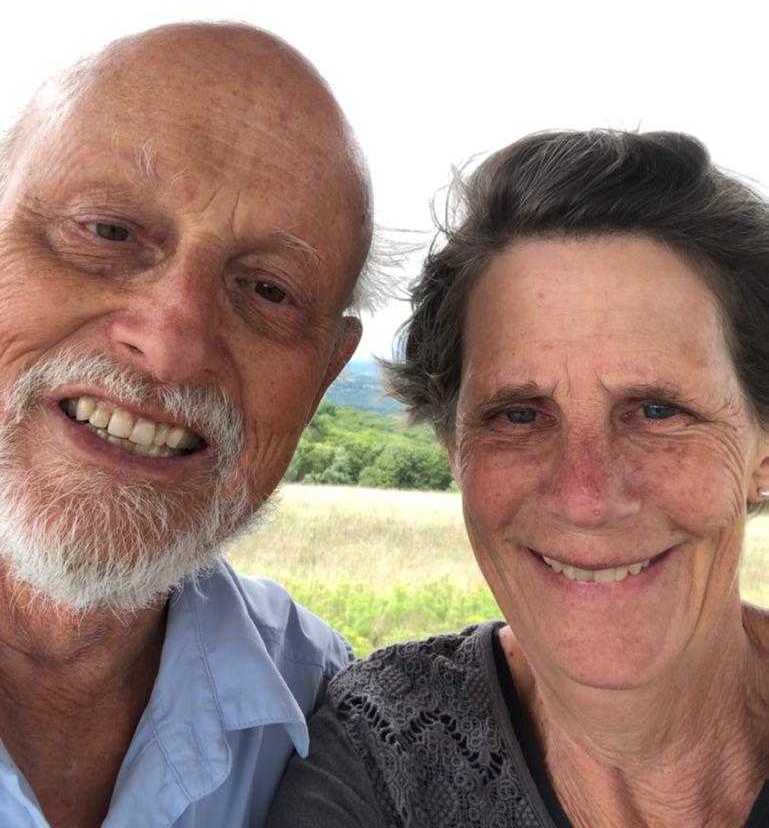 John Carter and his wife DeborahPhoto by Deborah Carter
In the face of new challenges, volunteers joined the effort to revive the original program, VS1. The Rev. Heidi Truax, recently retired rector of Trinity Lime Rock, has been a strong supporter of Vecinos Seguros from its inception. Glenn Formica, an immigration attorney from New Haven, gave a presentation informing the community about the second Trump administration’s amended policies. Formica also generated written materials in English and Spanish, advising private citizens and employers how to prepare in the event of a visit from ICE (U.S. Immigration and Customs Enforcement). William Tong, Connecticut’s attorney general, a proponent of many social justice issues, including the opioid crisis and fair pricing for generic drugs, has also provided support since the establishment of Vecinos Seguros.
The VS2 steering committee, which includes Carter, is led by Jill Drew, a local civic leader. Drew has worked with Judiciary Committee co-chairmen Gary Winfield and Steven Stafstrom in support of SB 91, a proposal by Connecticut Gov. Ned Lamont to limit ICE actions in “protected areas,” including schools, hospitals and religious buildings. She has also supported HB 5499, which would place limits on the use of automated license plate readers, addressing concerns that the Trust Act is being circumvented through technology deployed for other purposes. Other committee members include Amy Lake and Lee and Sophia DeBoer.
VS2 has launches a range of initiatives, including distributing “know your rights” flyers; creating an online resource with local legal and social services for immigrants; hosting in-person events to educate neighbors and train volunteers; organizing a rapid response team to verify reported immigration enforcement activity and support those affected; providing financial assistance for legal expenses, rent and utilities; and advising employers — from farms and restaurants to stores and private homes — on how to protect workers if immigration agents arrive.
As the annual report states: “We are committed to building on the powerful work of Rev. Carter, who, in the first seven years of Vecinos Seguros, assisted a significant number of individuals and families. It is our mission to continue this important work.”
Few descriptions capture the moment more clearly than Carter’s own words:
“The human cost of current ICE practices is appallingly high. Evidence of the brutality and cruelty of these practices is everywhere. Minneapolis is a recent and egregious example. ICE enforcement is doing much more than deporting individuals. It is also the systematic destruction of families. According to some reports, 90% of deportees are male. They are husbands, partners and fathers, often the primary contributors to family finances. There is heartbreak, trauma and stress experienced by the families left behind. The humanitarian response to the violence and chaos in Minneapolis is inspirational and instructive. Both citizens and immigrants came to the aid of residents living in fear and peril. It should be noted that people of color, whether their status was legal or undocumented, were also deeply shaken by what they witnessed in their communities.”
Carter also described how communities responded. That out of devastation, he said, came something else:
“A new word was born out of the compassionate response in Minneapolis: ‘neighboring.’ In caring for each other, they were ‘neighboring.’ The mission of Vecinos Seguros 2 is to ‘neighbor’ members of the immigrant community whose lives have been turned upside down by current immigration policies.”
Want more of our stories on Google? Click here to make us a Preferred Source.