SHARON — A rare Ferrari automobile worth several million dollars that was seized last summer by Connecticut State Police has been returned to its owner, Paul “Barney� Hallingby of Sharon.
State Police Spokesman Lt. J. Paul Vance would not go into detail on the case but said simply that the case was submitted to the state’s attorney for Litchfield County, David Shepack, and that the attorney “declined to pursue the case.� Shepack did not return several phone calls seeking comment and further clarification.
The car was taken by state police from Hallingby’s garage in September 2008 after they received an anonymous tip saying that a car being sought by Interpol could be found in Sharon. The tip was from a former New York state police detective sergeant, according to Connecticut police documents relating to the Ferrari.
After some research on the Internet and from other sources, the state police came to believe that the car had been the property of a Swiss doctor who reported it was stolen from him in Marbella, Spain, in 1993.
The police came to Hallingby’s property and took the car and kept it for more than a year. It was returned to Hallingby folllowing a ruling by Superior Court on Oct. 16, 2009, that the vehicle be “returned to its rightful owner, Paul Hallingby.� Although neither Shepack nor the state police would explain the decision, Hallingby attorney Thomas Daily of Ried and Riege in Hartford believes that the decisive documents were two records from Spanish courts that chose not to pursue the case, indicating that they believed the car had not in fact been stolen.
Hallingby is now suing for libel two publications devoted to high-end car collecting because of ads they printed that implied he had possession of a stolen car. One magazine, called Cavallino, is published by John Barnes out of Boca Raton, Fla. The other, called the Ferrari Market Letter, is edited and published by Gerald Roush of Lilburn, Ga.
Both publications accepted and printed an advertisement in spring 2008 that described Hallingby’s Ferrari and said it had been stolen in Spain in 1993 and warned that, “this car is on the active list of the police and further legal action will follow. Investigations by Interpol are involved. This Ferrari was last reported to be in the custody of a Ferrari collector in Sharon.�
This suit for libel is being heard in the U.S. District Court for the Southern District of New York (which includes New York City, where Hallingby also owns a home).
In the suit, attorneys for Hallingby explain that the car in question is extremely rare and valuable and “for that reason, it is well known to serious Ferrari collectors and others.� The attorneys also note in their suit that buyers of high-end collector cars such as this one always do a great deal of research into the provenance of the vehicle before they purchase it. Hallingby says in his testimony that he has been a collector of rare Ferraris for 15 years and has owned 10 of the Italian-made vehicles. According to state police documents, in 2008 Hallingby had 22 autos including 18 collector cars.
Hallingby and his attorneys claim that other rare car enthusiasts would expect him to have done his due diligence in tracking the history of the 1958 Ferrari before purchasing it; when the police seized the car and said it was stolen, they implied (according to the suit) that Hallingby had knowingly purchased and kept a stolen vehicle.
In a statement, Hallingby said that in the year 2000, he became interested in purchasing what he described as a “silver-colored Ferrari 250 GT Cabriolet, Pinin Farina Series I, 1957/58. This vehicle is extremely rare. Only 36 (plus four prototypes) of this model were ever made.� The state police documents said that at the time the car was seized its value was estimated to be between $3 million and $4.5 million.
Hallingby recounted in his statement that he and the car’s owner, Scott Rosen of West Hempstead, N.Y., hired an FBI agent named Ken Crook to trace the past ownership on the car before they agreed to a deal (the broker in this sale was named Nicola Soprano). Crook determined that Rosen had clear title. However, he did note that the car was part of a police investigation. According to Hallingby’s testimony, Crook “explained that the Ferrari had never been stolen and that the reported theft was the result of a civil dispute between� the car’s two former co-owners (one of whom was a Swiss doctor).
Hallingby then purchased the car, according to court documents, for $500,000. He had the car for eight years and showed it at several car events, including one sponsored by Cavallino magazine.
In the summer of 2008, when Hallingby went to car shows, he heard about the advertisement that had been published in Cavallino and the Ferrari Market Letter that spring.
“Since everyone in the rare Ferrari community is familiar with the rigorous provenance checks that precede the sale of such vehicles, I understood that I was under suspicion for having purchased the vehicle.�
Hallingby is asking for a jury trial in this case as well as “general damages in an amount of not less than $5,000,000,� “punitive and/or exemplary damages in an amount to be proved at trial,� and repayment of the money he has spent defending himself. According to testimony by Hallingby and his attorneys, he has so far spent $219,000 “in legal fees and costs in connection� with the case and “he has suffered public ridicule, hatred and contempt� as well as “emotional distress, mental pain and anguish and the adverse physical consequences of these conditions.�



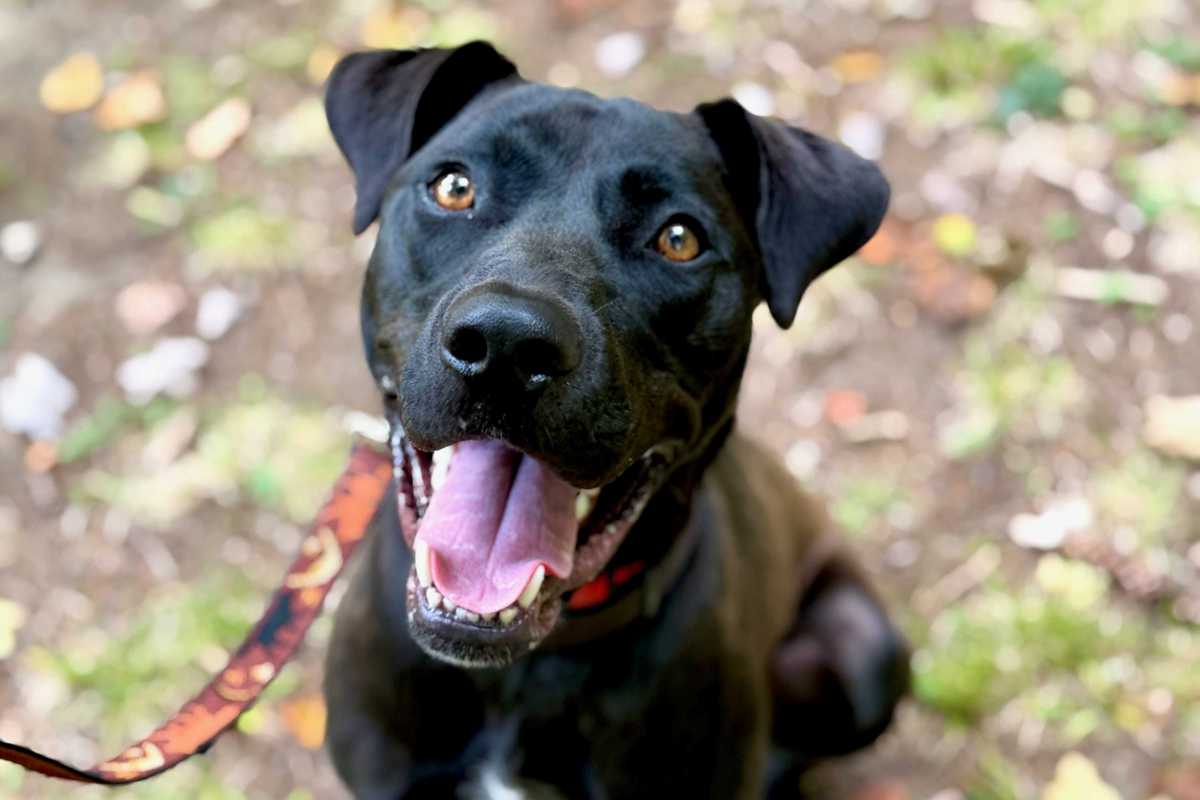
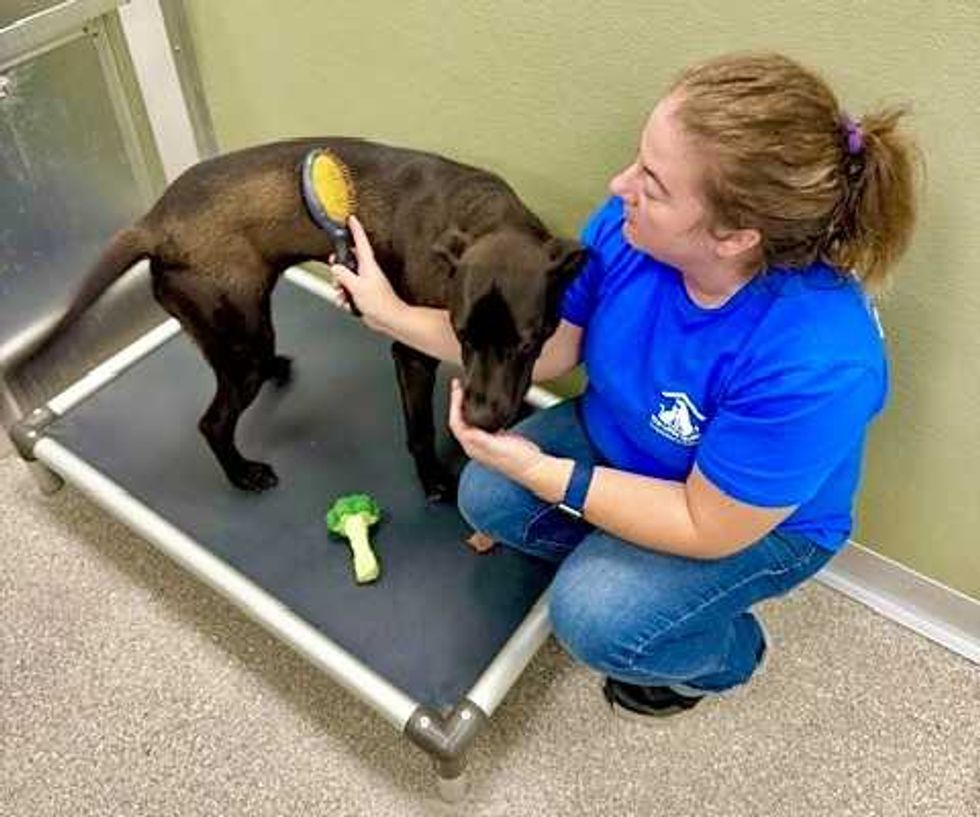 Tiffany Lemelin, shelter manager, brushing Marsala upon arrival.Provided
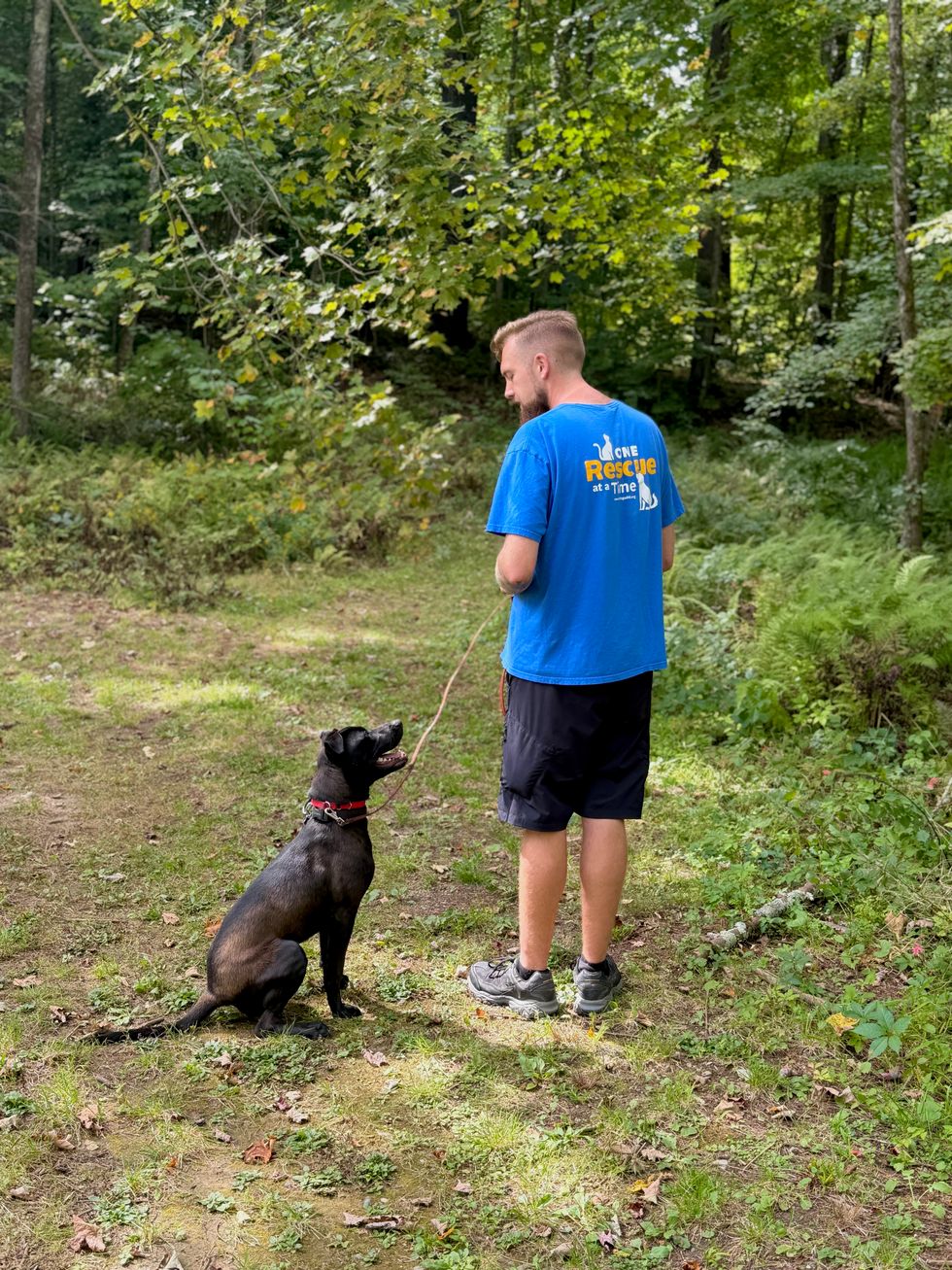 Michael DeBarba, certified dog trainer working with Marsala.Jennifer Almquist
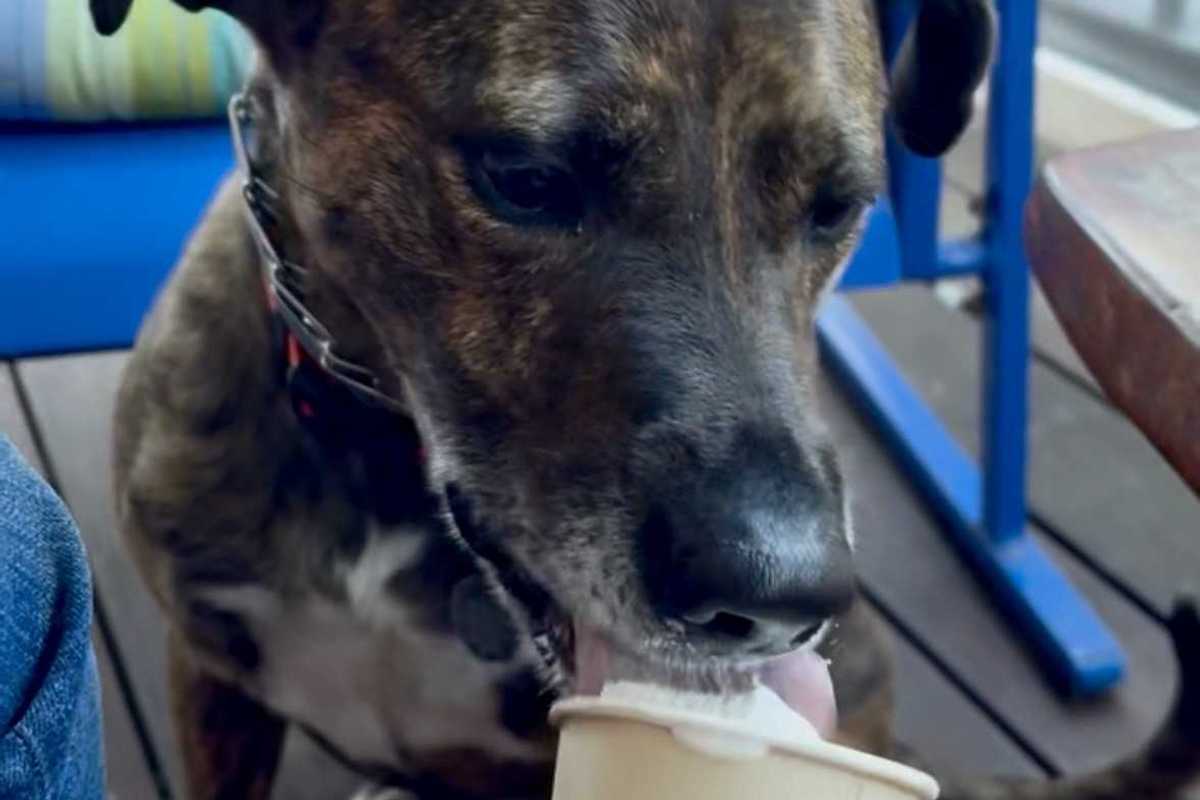
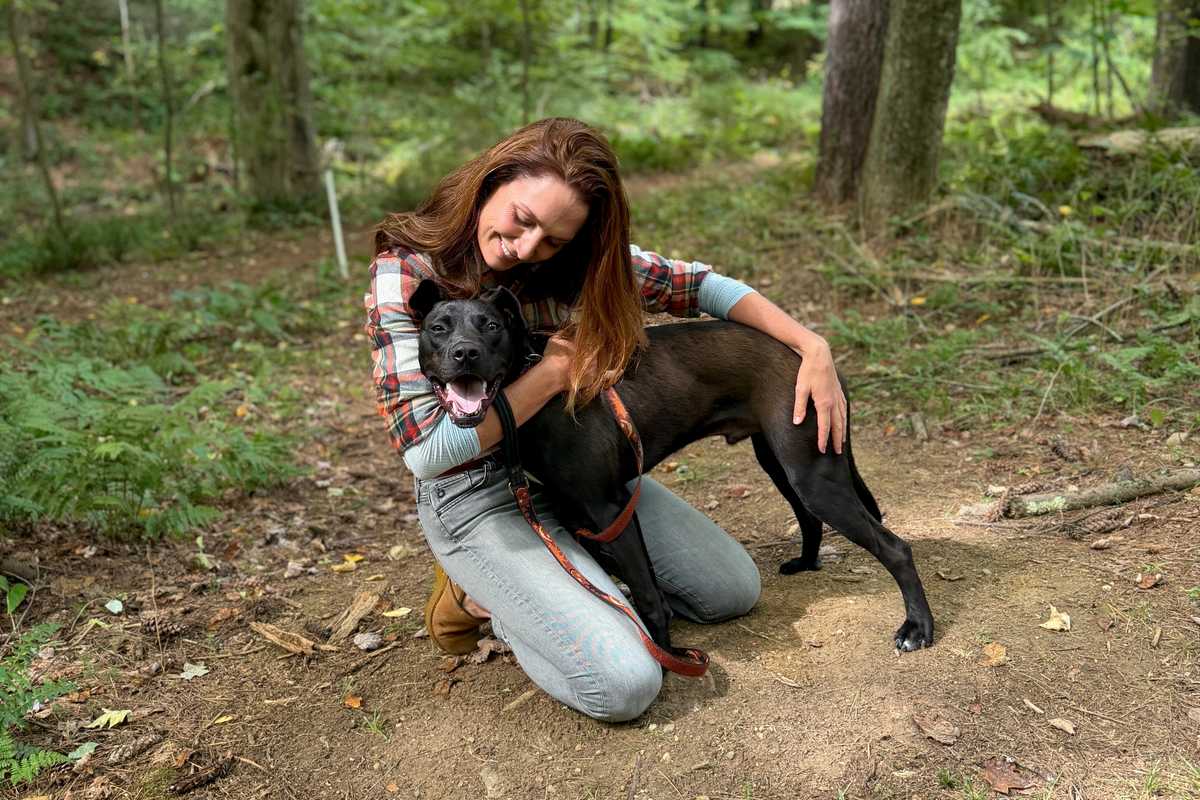 Marsala wins a heart.Jennifer Almquist